
-
- 21.01.2026

Álvaro Arbeloa Takes the Reins at Real Madrid: A Calculated Risk or Desperate Gamble?
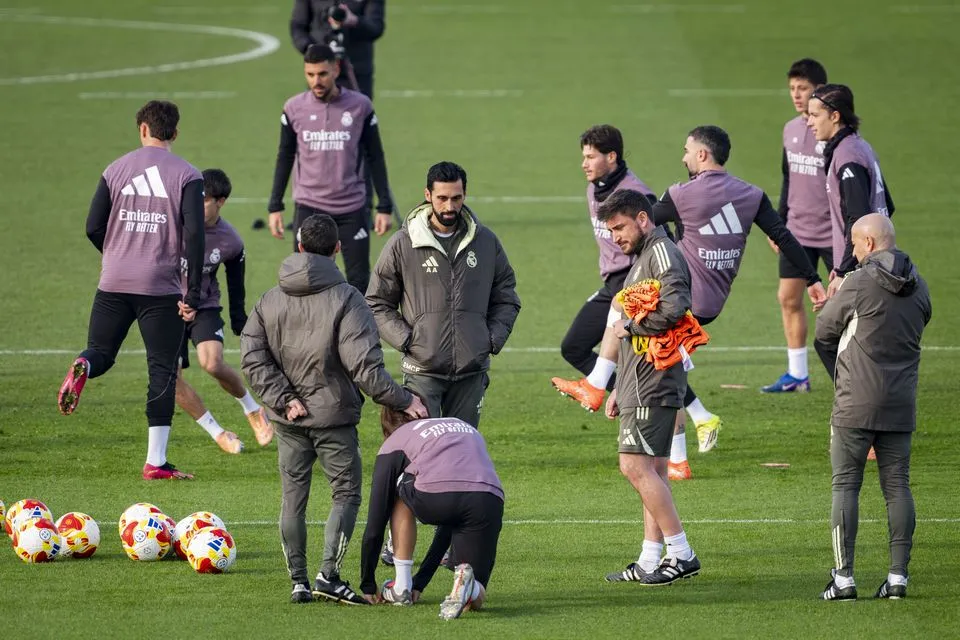
The football world stood still when Real Madrid announced Álvaro Arbeloa as their new head coach. The decision, coming swiftly after Xabi Alonso’s departure following a Spanish Super Cup defeat to Barcelona, has sparked intense debate among supporters and pundits alike.
The Unexpected Appointment at Real Madrid
Real Madrid’s choice to promote Arbeloa from their reserve team has raised eyebrows across the footballing landscape. The 43-year-old former defender lacks the heavyweight managerial credentials typically associated with one of the world’s most prestigious clubs. Yet, those within the Santiago Bernabéu see this differently, viewing the appointment as a strategic move rooted in club identity rather than an impulsive reaction.
A Man Who Knows the Real Madrid Way
Arbeloa’s connection to Real Madrid runs deep. Having spent 20 of his 43 years associated with the club, he embodies the values and culture that define Los Blancos. During his unveiling, he emphasized this bond, stating his understanding of the club’s relentless winning mentality, lessons learned during his playing days that remain embedded in the current dressing room.

This isn’t the first time club president Florentino Pérez has looked inward during turbulent times. The strategy mirrors previous appointments of former players like Zinedine Zidane, who successfully navigated the unique pressures of managing Real Madrid. However, not all such decisions have yielded positive results, as Santiago Solari’s brief six-month tenure in 2018-19 demonstrated.
From Academy Coach to First Team Boss
Arbeloa’s coaching journey began in 2020, entirely within Real Madrid’s youth system. His progression through the academy ranks saw him win multiple league titles before taking charge of Castilla, the reserve team, seven months ago. This internal development has given him intimate knowledge of the club’s philosophy and several players who have graduated to the senior squad.
Tactical Philosophy and Influences
Those familiar with Arbeloa’s work describe him as an attacking-minded coach with excellent communication skills. His preferred 4-3-3 formation emphasizes high pressing and aggressive, forward-thinking football. Interestingly, he favors deploying wingers on their opposite flanks, a tactical nuance that could reshape Madrid’s attacking dynamics.
The influence of José Mourinho, under whom Arbeloa played from 2010 to 2013, remains evident in his coaching approach. However, the new manager is clear about maintaining his own identity, acknowledging that attempting to replicate the Portuguese mastermind would lead to failure. Instead, he draws from all his former managers, creating a unique coaching philosophy.
Mixed Reactions from the Bernabéu Faithful
The appointment has generated divided opinions among Real Madrid supporters. Many fans question whether the decision was premature, particularly given the team’s position, second in La Liga, four points behind Barcelona.
Supporter sentiment reflects cautious skepticism. While some acknowledge the team’s underperformance justified change, others worry about timing and Arbeloa’s readiness for such a demanding role. The concern centers on whether someone with limited senior coaching experience can command a dressing room that allegedly challenged Alonso, a more decorated player and experienced manager.
The Bellingham Controversy
Reports suggesting dressing room divisions, specifically naming Jude Bellingham among players who lost faith in Alonso, were swiftly and forcefully denied by the England international. His public rejection of these claims as “damaging misinformation” highlighted the toxic atmosphere surrounding Alonso’s final days, though it also revealed the challenges Arbeloa inherits.

Questions About Longevity
Real Madrid’s refusal to announce contract length suggests flexibility in their planning. Arbeloa himself acknowledged this uncertainty, simply stating he’ll remain as long as the club desires. This ambiguity has fueled speculation about potential summer replacements, with Jürgen Klopp’s name prominently mentioned despite his current role with Red Bull.
The German manager’s comments when questioned about the Madrid position, neither confirming nor denying interest, have only intensified speculation. For now, Arbeloa must focus on immediate results, starting with Wednesday’s Copa del Rey fixture against Albacete.
The Challenge Ahead
Arbeloa inherits a squad filled with world-class talent but seemingly lacking cohesion. His message of fresh starts and clean slates aims to reset the atmosphere, but actions on the pitch will ultimately determine his fate. At Real Madrid, potential and promise count for little, only trophies matter.
The new manager faces the challenge of implementing his ideas while managing egos in one of football’s most demanding environments. His emphasis on attacking football and high pressing could revitalize a team that has appeared disjointed, but transitional periods rarely align with Real Madrid’s expectation of immediate success.
Historical Context
This marks the 17th managerial change under Pérez’s presidency since 2009, a statistic that underscores both the club’s ambition and its impatience. The pattern typically involves oscillating between proven winners like Carlo Ancelotti and José Mourinho during crisis moments, and club legends during periods requiring cultural realignment.
Arbeloa’s appointment fits the latter category, though his lack of first-team management experience distinguishes him from predecessors. Where Zidane had managed Castilla before his promotion and Alonso arrived with Bundesliga success at Bayer Leverkusen, Arbeloa’s resume consists entirely of youth and reserve team achievements.
What Success Looks Like for Real Madrid
For Arbeloa, success means more than just results, it requires restoring belief and unity within the squad. His stated commitment to attacking football and player development aligns with Madrid’s traditions, but implementation under pressure will test his credentials.
The immediate objectives are clear: close the four-point gap to Barcelona, progress deep into the Copa del Rey, and compete seriously in the Champions League. Anything less will intensify scrutiny and potentially accelerate discussions about long-term alternatives.
Final Thoughts
Real Madrid’s appointment of Álvaro Arbeloa represents a fascinating intersection of tradition and uncertainty. While his deep connection to the club provides cultural continuity, his limited experience raises legitimate questions about capability at the highest level.
The coming months will reveal whether this was a shrewd decision by a club trusting its own development system, or a hasty reaction that fails to address underlying problems. For Arbeloa, the pressure is immense but the opportunity is unmissable, a chance to write his name into Real Madrid folklore from the touchline, just as he did on the pitch.
Only time will tell if Madrid’s faith in one of their own proves justified, or if the calls for a more experienced replacement grow too loud to ignore.


