
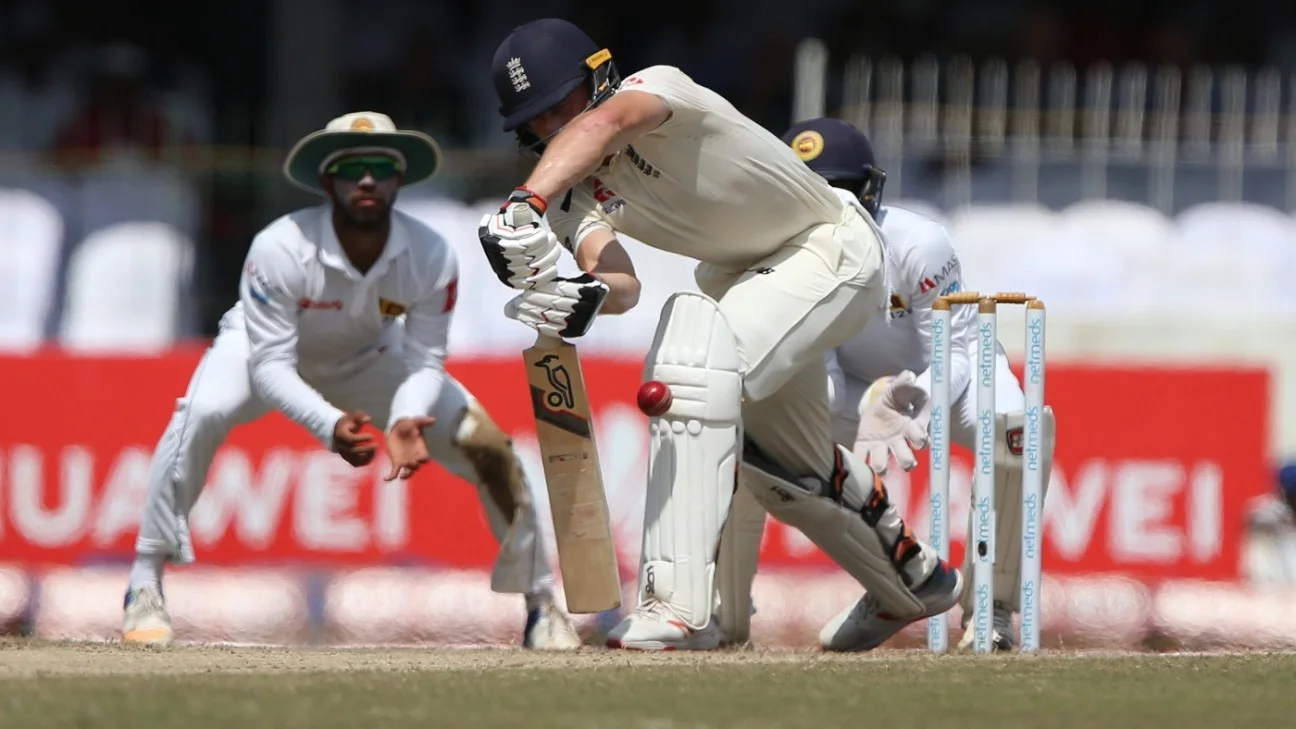

Few rules in cricket generate as much controversy, confusion, and conversation as LBW (Leg Before Wicket). A single LBW decision can change the momentum of a match, spark heated debates among commentators, and divide fans instantly. Despite advances in technology, LBW remains cricket’s most disputed dismissal because it combines written law with human judgement and interpretation.
Table of Contents
- What Is LBW? A Simple Explanation
- The Origins of the LBW Law
- The Official Conditions for an LBW Decision
- Where Did the Ball Pitch?
- Where Did the Ball Hit the Batter?
- Was the Ball Going on to Hit the Stumps?
- Was the Batter Playing a Shot?
- Why LBW Is So Difficult to Judge
- The Role of Umpires in LBW Decisions
- Technology and LBW: Help or Hindrance?
- Famous LBW Controversies in Cricket History
- LBW Across Formats: Tests, ODIs, and T20s
- How LBW Influences Batting and Bowling Strategies
- Common Misconceptions About LBW
- Why LBW Remains Cricket’s Most Debated Dismissal
- Understanding LBW Beyond the Arguments
This article decodes the LBW law, explains why it is so difficult to judge, and explores why it continues to dominate cricketing debates across all formats.
What Is LBW? A Simple Explanation
LBW stands for Leg Before Wicket, a method of dismissal where a batter is given out if the ball strikes any part of their body, usually the pad, instead of the bat, and the umpire believes the ball would have gone on to hit the stumps.
The purpose of LBW is to prevent batters from unfairly using their legs to block the ball and protect the wicket. Without this rule, batters could simply pad away deliveries, making bowlers ineffective and the contest unbalanced.
While the idea sounds simple, applying it during live play is anything but.
The Origins of the LBW Law
LBW was introduced in the 18th century when defensive batting began to dominate early cricket. Batters discovered they could use their legs as a shield, forcing lawmakers to introduce a rule that restored balance.
Since then, the law has evolved alongside the game itself. Lawmakers have adjusted the rule to reflect changes in technique, pitch conditions, and playing styles. Today, the Marylebone Cricket Club governs the law and regularly updates the Laws of Cricket to keep them relevant.
Despite centuries of refinement, LBW remains one of the most complex rules in the sport.
The Official Conditions for an LBW Decision
Umpires can only give an LBW dismissal when several conditions are met at the same time. Missing even one requirement means the batter survives.
Where Did the Ball Pitch?
The ball must pitch either in line with the stumps or outside off stump. If it pitches outside leg stump, the batter cannot be out LBW under any circumstance.
This single condition accounts for a large number of rejected appeals.
Where Did the Ball Hit the Batter?
The ball must strike the batter in line with the stumps. In certain cases, impact outside off stump can still result in LBW if the batter is not playing a genuine shot.
Even a slight movement across the crease can change the outcome of the decision.
Was the Ball Going on to Hit the Stumps?
This is the most debated part of the law. The umpire must decide whether the ball would have gone on to hit the stumps if the batter’s body had not stopped it.
Factors such as swing, seam, spin, pace, and bounce all make this judgement extremely difficult.
Was the Batter Playing a Shot?
If the batter is playing a genuine shot, they cannot be out LBW if the ball hits them outside off stump. The umpire often determines whether the batter offered a genuine shot by interpreting the batter’s intent.
Why LBW Is So Difficult to Judge
LBW decisions must be made in a split second. Umpires need to track the pitching point, point of impact, ball trajectory, batter movement, and shot intent all at once.
Late swing, sharp turn, or uneven bounce can deceive even the most experienced officials. Unlike run-outs or catches, LBW does not offer a single clear visual cue, which is why disagreements are inevitable.
The Role of Umpires in LBW Decisions
On-field umpires remain central to LBW decisions. Even in the era of technology, the initial call still rests with them.
The concept of umpire’s call exists to acknowledge the limitations of both human judgment and technology. When ball-tracking shows marginal contact with the stumps, the on-field decision stands, preserving the umpire’s authority while still allowing reviews for clear errors.
Technology and LBW: Help or Hindrance?
The Decision Review System was introduced primarily to reduce incorrect LBW decisions. Ball-tracking technology such as Hawk-Eye predicts the path of the ball after impact and has improved accuracy significantly.
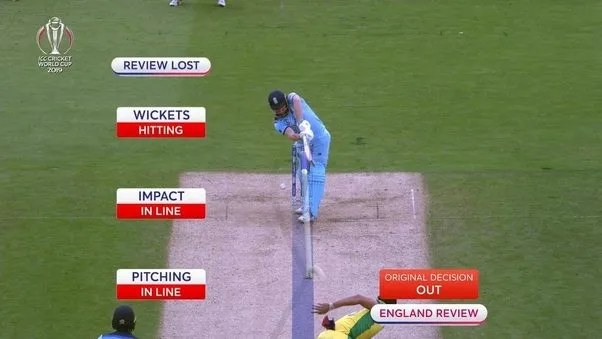
However, ball tracking is still a projection rather than absolute certainty. This is why technology has reduced obvious mistakes but has not eliminated controversy. Fans now debate margins instead of mistakes.
Famous LBW Controversies in Cricket History
Cricket history is filled with famous LBW decisions that altered matches and defined careers. From World Cup knockouts to iconic Test series, disputed LBW calls have sparked outrage, celebrations, and endless replays.
What makes these moments unforgettable is the context. High pressure, massive stakes, and emotional investment ensure LBW decisions remain etched in memory.
LBW Across Formats: Tests, ODIs, and T20s
LBW impacts each format differently. In Test cricket, patient bowling and defensive batting lead to tight, marginal calls. The ODIs, batters balance defense with stroke play, making shot intent crucial. In T20 cricket, aggressive stances and planted front legs result in a higher frequency of LBW dismissals.
As the game gets faster, the risk of LBW increases.
How LBW Influences Batting and Bowling Strategies
Modern batters adjust their stance, move across the crease, and play straighter bats to reduce LBW risk. Bowlers counter by targeting the pads with full, straight deliveries and setting up batters for late movement.
LBW appeals are no longer hopeful shouts. They are part of a calculated strategy.
Common Misconceptions About LBW
One of the biggest misconceptions is that any ball hitting the pad is out. In reality, most LBW appeals fail because one or more conditions are not satisfied.
Another common misunderstanding involves pitching rules and the playing-a-shot clause, which often leads to confusion among fans.
Why LBW Remains Cricket’s Most Debated Dismissal
LBW combines complex laws, human judgment, and emotional involvement. Even with advanced technology, interpretation cannot be removed entirely.
This uncertainty is not a flaw. It is part of what makes cricket compelling.
Understanding LBW Beyond the Arguments
LBW is more than a rule. It reflects cricket’s balance between skill, fairness, and uncertainty. Understanding its nuances allows fans to appreciate decisions rather than react instinctively.
As long as cricket is played and watched with passion, LBW will remain its most debated dismissal method.





No Comments