
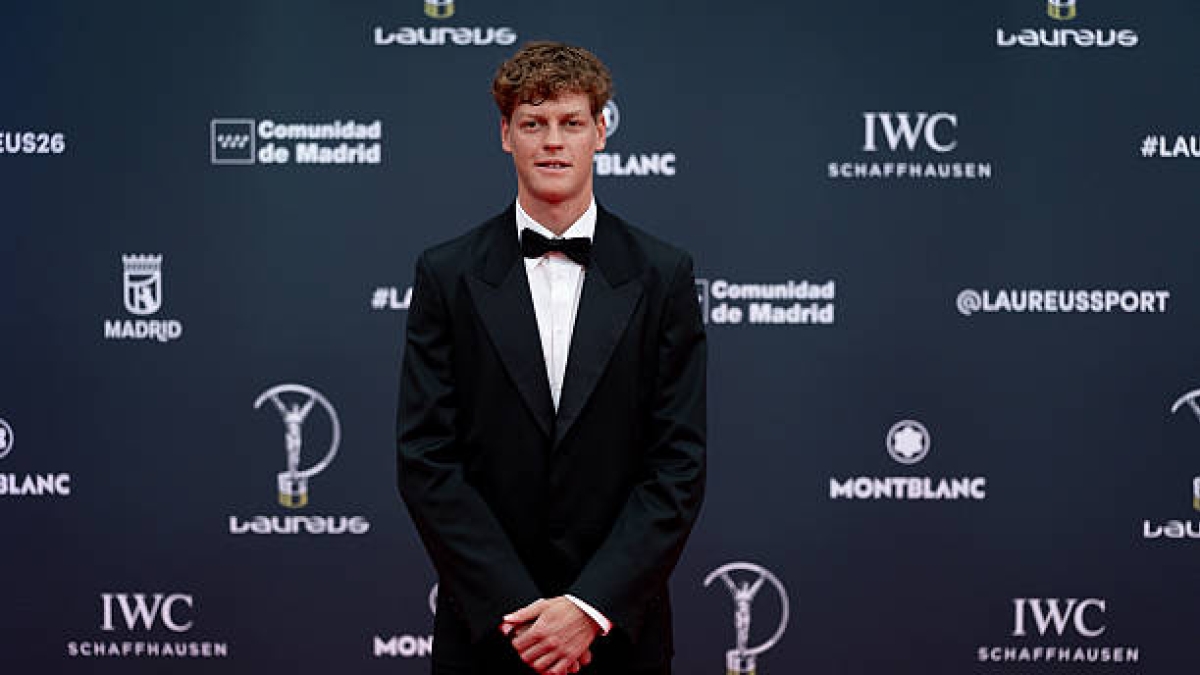
Madrid Open 2026 Technical Audit: Jannik Sinner’s Path to a Historic Fifth Masters 1000 Title
The 2026 Mutua Madrid Open was always going to be a landmark event. A 48-team World Cup on the horizon, a tennis calendar at its most competitive in years, and the Caja Mágica preparing to host what many expected to be a generational three-way rivalry between Jannik Sinner, Carlos Alcaraz, and Novak Djokovic. Then the draw was made, the injury reports arrived, and everything changed. Alcaraz, the Spanish home hero, withdrew with a wrist injury. Djokovic followed. The “Big Three” showdown that broadcasters had been building toward for months evaporated before a single ball was struck. What remained was a fundamentally reshaped tournament landscape, and at the center of it, calm and statistically dominant, stood Jannik Sinner. This Madrid Open 2026 technical audit does not simply ask whether Sinner can win. The data already answers that question with near certainty. The more interesting questions are how he will win, what the tournament reveals about his Roland Garros readiness, and what the absence of the sport’s two most commercially valuable players means for the wider ATP ecosystem. Let us go through it all methodically. The Altitude Factor: Why Madrid Is Tennis’s Most Misunderstood Surface Most tennis analysis treats Madrid as simply another clay-court tournament in the European spring swing. That framing misses the most important variable in the Caja Mágica’s competitive equation. Before any meaningful Madrid Open 2026 technical audit can begin, the geographical context must be established clearly. Madrid sits at approximately 667 meters above sea level. That elevation reduces air density significantly compared to sea-level venues like Monte Carlo, Rome, or Roland Garros. Lower air density means reduced aerodynamic drag on the ball, which produces two measurable tactical consequences that separate Madrid from every other clay event on the calendar. How Altitude Reshapes Tactical ROI at the Caja Mágica The first consequence is increased ball velocity. Shots that would lose pace and sit up invitingly on the heavier clay of Paris travel faster and flatter through Madrid’s thinner air. This directly benefits players whose game is built on taking the ball early and driving through the court rather than constructing points through spin accumulation. The second consequence is an altered bounce profile. Despite the clay surface technically slowing the ball compared to hard courts, altitude causes the ball to jump higher and more unpredictably off the surface. Heavy topspin that would produce a manageable shoulder-height ball in Rome can explode toward the chest or head in Madrid, disrupting the timing of defenders who rely on comfortable contact points. Together, these two factors explain a consistent pattern in Madrid’s results: hard-court specialists and aggressive baseliners outperform their clay-court seedings, while pure grinders who depend on spin and defense underperform relative to the rest of the spring season. The altitude effect in practical terms: Jannik Sinner in 2026: The Statistical Case for Inevitability Any thorough Madrid Open 2026 technical audit must spend serious time on Sinner’s numbers, because they are genuinely historic. The Italian world number one enters Madrid carrying a 2026 season record of 24 wins and 2 losses, a 92.3% win rate that places him among the most dominant players in Open Era history across a comparable period. More significantly for this tournament’s context, his Masters 1000 record in 2026 stands at 17 wins and zero losses. He has won four consecutive Masters 1000 titles: Paris at the back end of 2025, then Indian Wells, Miami, and Monte Carlo in the opening months of 2026. A victory in Madrid would make him the first man in tennis history to win five consecutive Masters 1000 events, a record that has never been approached in the modern era. Sinner’s 2026 Key Performance Metrics Metric Sinner 2026 ATP Tour Average 2026 Elite Tier Benchmark First Serve Points Won 80.6% 71.2% 78%+ Return Points Won 41.3% 34.8% 39%+ Masters 1000 Win Rate 100% (17-0) N/A N/A Top 10 Win Rate 85.7% (6-1) 52.3% 70%+ Overall 2026 Win Rate 92.3% (24-2) N/A N/A What makes these numbers particularly significant for a Madrid Open 2026 technical audit is the return points won figure. At 41.3%, Sinner is winning nearly half of all points when his opponent is serving, which is an extraordinary rate that reflects both his reading of serve patterns and his ability to neutralize big servers before they can control points. Why Sinner’s Game Is Built for Madrid’s Conditions Sinner’s technical profile aligns almost perfectly with what Madrid’s altitude demands. His groundstrokes are flat and driven rather than heavily loaded with topspin, which means the thin air amplifies his natural ball speed without disrupting his shot-making mechanics. His lateral movement and early-ball-striking habit allow him to absorb the higher bounce that altitude produces and redirect pace before opponents can reset their positioning. His Monte Carlo victory earlier in 2026 was the final piece of evidence that he has completed what analysts call the “clay conversion puzzle,” the challenge every hard-court dominant player faces when adapting their game to slower, more physically demanding conditions. By shortening his backswing on clay and trusting his footwork to create aggressive contact points, Sinner has neutralized the defensive advantages that clay-court specialists typically enjoy. Casper Ruud: The Defending Champion’s Structural Crisis Ruud’s presence in Madrid carries a weight that extends beyond the tennis court. As defending champion, he arrives at the Caja Mágica protecting nearly 50% of his total ATP ranking points over the next two weeks. The pressure of that mathematical reality has the potential to affect tactical decision-making in ways that are difficult to quantify but impossible to ignore. His game is built on high-RPM topspin forehand play, averaging over 3,200 rotations per minute. Under normal clay conditions, this is a devastating weapon that forces opponents deep behind the baseline and creates short balls that Ruud punishes with his court sense. In Madrid, however, the altitude turns that same topspin into a liability. The ball jumps higher and more unpredictably, but Ruud’s ability to control depth suffers in the thinner air, which means his loops
Read More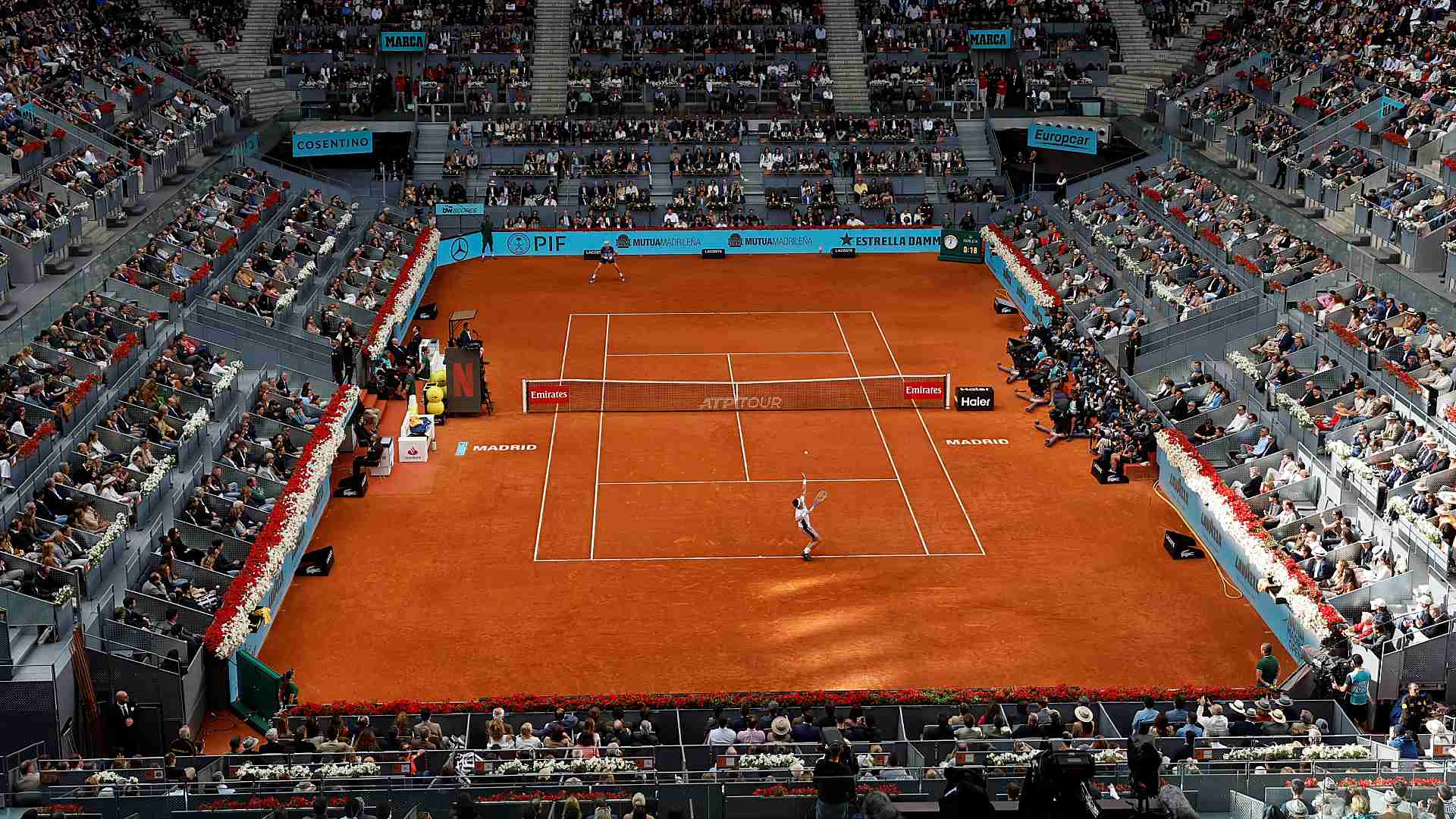
Madrid Open 2026 Preview: Alcaraz, Sinner’s 110-Point War, and Everything That Matters at the Caja Mágica
The red clay of the Caja Mágica has a way of reducing tennis to its most primal elements. Strip away the hard-court statistics, the indoor surface wins, the comfortable tour rhythm — and what you’re left with is raw clay-court ability, physical endurance, and the pressure of playing under an open Madrid sky at 650 metres above sea level. That altitude changes everything about how the game is played, and it makes the Madrid Open 2026 one of the most unpredictable and compelling ATP Masters 1000 events on the entire calendar. This year, the stakes transcend the usual Masters 1000 prestige. Two men arrive in Madrid separated by a margin so thin it barely qualifies as a lead. One of them will likely leave holding the No. 1 ranking. The other will spend two more weeks chasing it. The Caja Mágica tournament runs from April 20 to May 3, with qualifying beginning Monday and the men’s final scheduled for Sunday, May 3 at 5:00 PM CEST. Somewhere in between, the 2026 clay season finds its true shape. The 110-Point Tightrope: Sinner vs. Alcaraz for No. 1 Jannik Sinner arrives in Madrid at 13,350 ranking points. Carlos Alcaraz sits at 13,240. That margin — 110 points — is less than the difference between a first-round exit and a second-round exit. It is, in practical terms, one match’s worth of separation between the two best players on the planet, and the Madrid Open 2026 draw will go a significant way toward resolving it. Sinner’s challenge is legitimate and underappreciated. His dominance on hard courts this season has been near-total, but the Madrid clay is a different proposition. The altitude makes the ball skid through faster than at Roland Garros, which actually works in Sinner’s favour — his flat, hard-hitting baseline game translates better to fast clay than to the heavy red dirt of Paris. Still, Alcaraz on Spanish soil is a different animal entirely, and Sinner knows that a loss before the quarterfinals here could hand his rival the No. 1 ranking before a ball is struck in Paris. For a deep dive into how this rivalry has evolved match by match, SportyAura’s Alcaraz vs Sinner: Every Rivalry Match, Every Record & Who Wins at Roland Garros 2026 is essential reading before the draw even begins. The Alcaraz Factor: Home Clay, High Stakes Carlos Alcaraz missed the Madrid Open in 2025. He is not the type of player who forgets something like that. His return to the Caja Mágica carries a weight that goes beyond rankings — this is his surface, his country, and in many ways his tournament to own for the next decade. The form concerns are real. A surprise third-round exit to Sebastian Korda in Miami raised questions about his consistency, and Alcaraz himself has pointed to Monte Carlo and Madrid Open 2026 as the “turning points” he needs to reset his season. The statistical foundation, however, remains extraordinary. His 84.4% win rate on clay is the third-highest in the Open Era, behind only Rafael Nadal and Björn Borg — two names that don’t often appear in the same sentence as a 22-year-old. On clay, in Spain, with a home crowd behind him, Alcaraz is always dangerous regardless of recent form. His path to a potential Sinner final will require navigating two weeks of high-altitude clay tennis in the toughest Masters 1000 draw of the year. If he does it, he reclaims No. 1. If he stumbles early, the momentum swings firmly to Sinner heading into Roland Garros. This thread runs through every match Alcaraz plays here. SportyAura’s piece on Next Gen ATP Stars 2026: Alcaraz, Sinner Lead New Wave captures exactly why this rivalry defines the entire generation. ATP Seeds, Points & Storylines Player Points Tournament storyline 1 Jannik Sinner 13,350 (No. 1) Defending his ranking lead — only +110 pts ahead of Alcaraz. Needs a QF+ to hold off the chase. 2 Carlos Alcaraz 13,240 (Chasing) The local hero returning to home clay after missing 2025. A title here flips the No. 1 ranking. 3 Alexander Zverev 5,555 (Threat) Two-time Madrid champion (2018, 2021). Altitude suits his big serve — a legitimate title contender. 4 Novak Djokovic 4,710 (Veteran) Managing his schedule ahead of Roland Garros. Never write him off on any surface, any week. 5 Felix Auger-Aliassime 4,100 (Dark horse) Last year’s finalist — still hunting his first Masters 1000 title. Madrid is unfinished business. 6 Ben Shelton 3,820 (Dark horse) A 650m serve at altitude could be unplayable. His clay form has quietly been improving all spring. Beyond the top two, the ATP field offers genuine depth. Alexander Zverev has won this title twice before (2018 and 2021) and understands the Madrid altitude better than almost anyone in the draw. His big serve at 650m elevation becomes a weapon that even the best returners struggle to neutralise consistently. Zverev is not a favourite, but he is absolutely a finalist candidate — and in a wide-open bottom half of the draw, he may face a clearer path than his seeding suggests. Novak Djokovic at No. 4 is managing his clay-season schedule with Roland Garros as the primary target, which is both a limitation and a wild card. A rested Djokovic playing loose, pressure-free tennis in the middle rounds is exactly the kind of opponent nobody wants to face. For context on how Djokovic continues to operate at this level, SportyAura’s Novak Djokovic’s 2026 Diet and Longevity Plan is a fascinating read. Felix Auger-Aliassime arrives as last year’s finalist with unfinished business to settle. He came within two sets of a Masters 1000 title in 2025 and returns to a draw where his all-court game suits the conditions well. Ben Shelton at No. 6 is the name to circle as a potential first-week disruption — a 650m-altitude serve from a player his size is genuinely problematic for any opponent, and his clay results have improved meaningfully across the spring. The defending champion, Casper Ruud, enters unseeded at World No. 12. His 2025 Madrid
Read More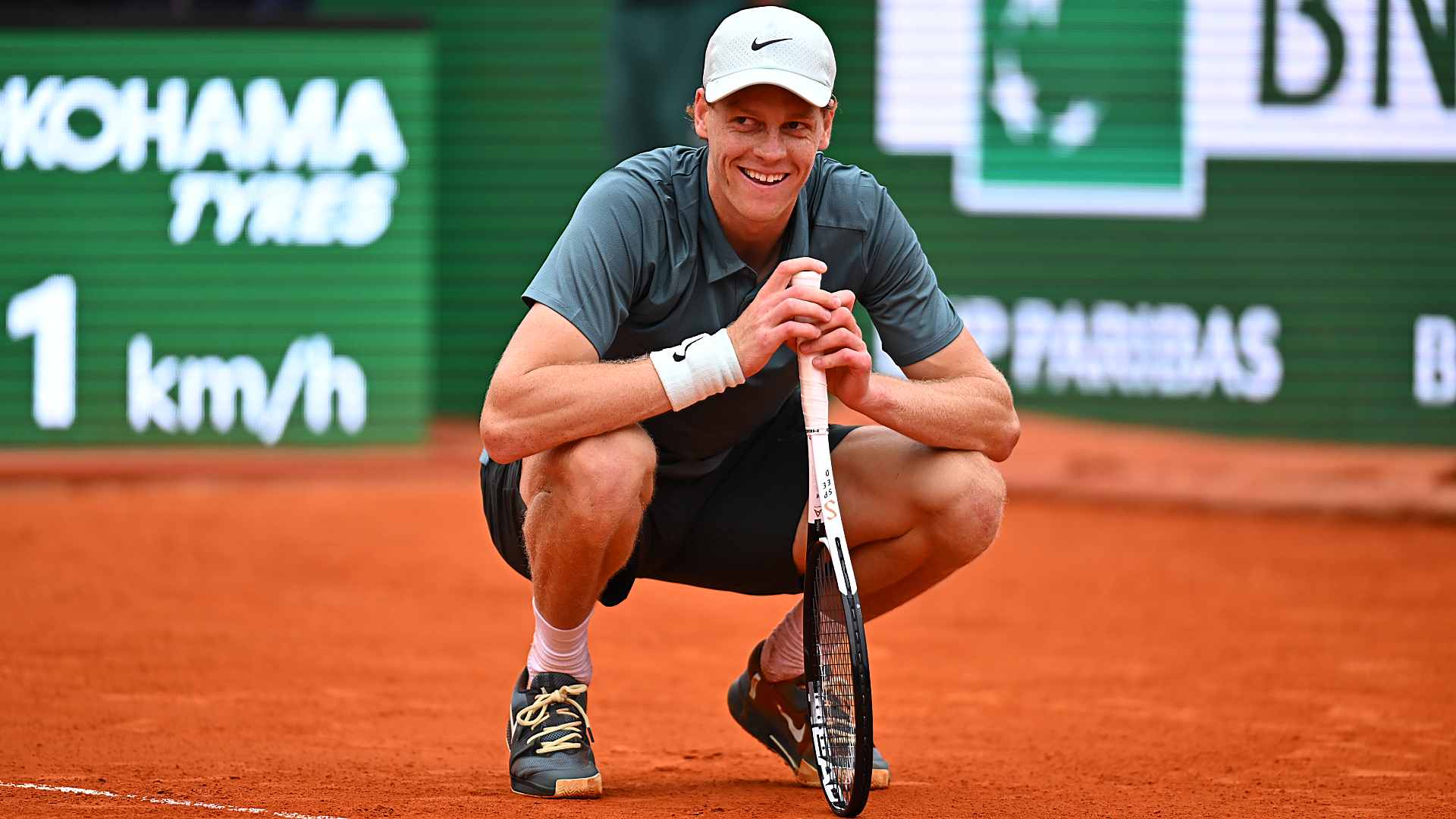
Barcelona Open 2026 Day 2 Preview: Alcaraz, Top Seeds, and Everything You Need to Know
The European clay season is well and truly alive, and nowhere does it feel more vibrant than at the Real Club de Tenis Barcelona. The Barcelona Open Banc Sabadell 2026, officially known as the Trofeo Conde de Godó, is one of the most prestigious ATP 500 events on the calendar, offering 500 ranking points, €2.95 million in prize money, and a level of atmosphere that only a passionate home crowd on red clay can generate. With qualifying completed over the weekend of April 11 and 12 and Day 1 already delivering its opening matches, Day 2 on Tuesday April 14 ramps up the intensity significantly. Top seeds enter the fray, British contenders look to build on their first-round showings, and Spanish clay specialists feed off home crowd energy to make life difficult for higher-ranked opponents. This Barcelona Open 2026 Day 2 preview covers everything you need to know before the first ball is struck. The Tournament in Context: Why Barcelona Matters The Barcelona Open occupies a unique and important position in the tennis calendar. Sandwiched between Monte Carlo and Madrid in the European clay swing, it serves as a genuinely significant preparation event for the French Open while carrying its own prestige as one of the longest-running clay-court tournaments in the sport. The surface at the Real Club de Tenis Barcelona is classic European red clay, slow with a high bounce that rewards heavy topspin, excellent footwork, and the capacity to construct long, physically demanding points. Serve-dominant players who rely on quick points often find the conditions challenging, while tactical, baseline-oriented specialists tend to thrive. With temperatures in mid-April Barcelona typically sitting between 15 and 20 degrees Celsius, conditions are close to ideal for extended clay-court battles, though occasional wind can introduce an extra variable that tests touch and shot selection. The two main showcourts, Pista Rafa Nadal and Pista Andrés Gimeno, named after two of the sport’s greatest clay-court legends, provide the setting for the biggest matches of the week. Carlos Alcaraz: The Home Favourite Everyone Is Watching No player generates more excitement at the Barcelona Open than Carlos Alcaraz, and that was true even before he became the world’s number one ranked player. The Spanish superstar arrives as the clear top seed and overwhelming tournament favourite, and the home crowd at the RCT Barcelona will treat every one of his matches as a celebration as much as a contest. Alcaraz’s clay-court credentials are beyond debate at this point in his career. His combination of explosive movement, heavy topspin forehand, deceptive drop shots, and an all-court versatility that allows him to finish points in ways most players cannot even conceive makes him close to unbeatable on red clay when he is operating at full intensity. He knows these courts intimately, has deep personal connections to the Barcelona clay from his formative years in Spanish tennis, and plays his most expressive, entertaining tennis when the home crowd is behind him. Coming into the tournament fresh from Monte Carlo, where he demonstrated once again that he is the standard against which every clay-court player measures themselves this season, Alcaraz opens against a manageable opponent that should allow him to find his rhythm without overextending himself in the early rounds. The projected path beyond that is more interesting, with potential clashes against power baseliners in the quarterfinals and elite clay-court threats in the later stages. For any fan attending or watching from home, Alcaraz’s matches are the must-watch appointments of the week. The Top Seeds: A Field Worth Taking Seriously Beyond Alcaraz, the Barcelona Open 2026 draw features a genuinely strong collection of players that makes this one of the more competitive ATP 500 fields of the clay season. Here is a breakdown of the key seeds to follow through the week. Player Seed Nationality Clay Court Strength Carlos Alcaraz 1 Spain Elite, dominant Lorenzo Musetti 2 Italy High, improving rapidly Alex de Minaur 3 Australia Good, speed-based adaptation Félix Auger-Aliassime 4 Canada Solid, powerful game Casper Ruud 5 Norway Excellent, clay specialist Andrey Rublev 6 Russia Strong, heavy groundstrokes Cameron Norrie 7 Great Britain Reliable, experienced on clay Jack Draper 8 Great Britain Growing, promising clay record Lorenzo Musetti deserves particular attention as the second seed. The Italian has elevated his game to a consistently higher level in 2026, and his elegant one-handed backhand, tactical intelligence, and improved physical conditioning make him a genuine threat to go deep in tournaments of this calibre. His ability to use angles and variation to disrupt opponents who prefer predictable, heavy-hitting exchanges suits the Barcelona surface well. Alex de Minaur represents an interesting study in clay-court adaptation. Pure speed and exceptional fitness have always been his foundation, but his baseline resilience has genuinely improved to the point where he can absorb pressure and turn defence into attack even on slower courts. He will not be everybody’s pick for a deep run, but writing off a player of his competitive intensity on any surface has a habit of being a mistake. Casper Ruud is the name that clay-court traditionalists will have circled from the moment the draw was released. The Norwegian is one of the most reliable performers on the surface in world tennis, a player whose heavy forehand and exceptional ability to grind out extended exchanges make him dangerous against virtually any opponent in these conditions. British Hopes: Norrie and Draper Chase Clay-Court Progress For British tennis followers, the Barcelona Open 2026 offers two genuine reasons for interest in Cameron Norrie and Jack Draper, both of whom are seeded and both of whom have shown the kind of clay-court development that suggests this week could be a productive one. Cameron Norrie: Experience and the Left-Handed Advantage Norrie’s left-handed game creates natural problems for opponents on clay, where the high-kicking topspin and wide-angling that the surface produces amplifies the discomfort of facing a southpaw. He has competed in Barcelona before and understands the rhythms of the court and the demands of the tournament. After Day
Read More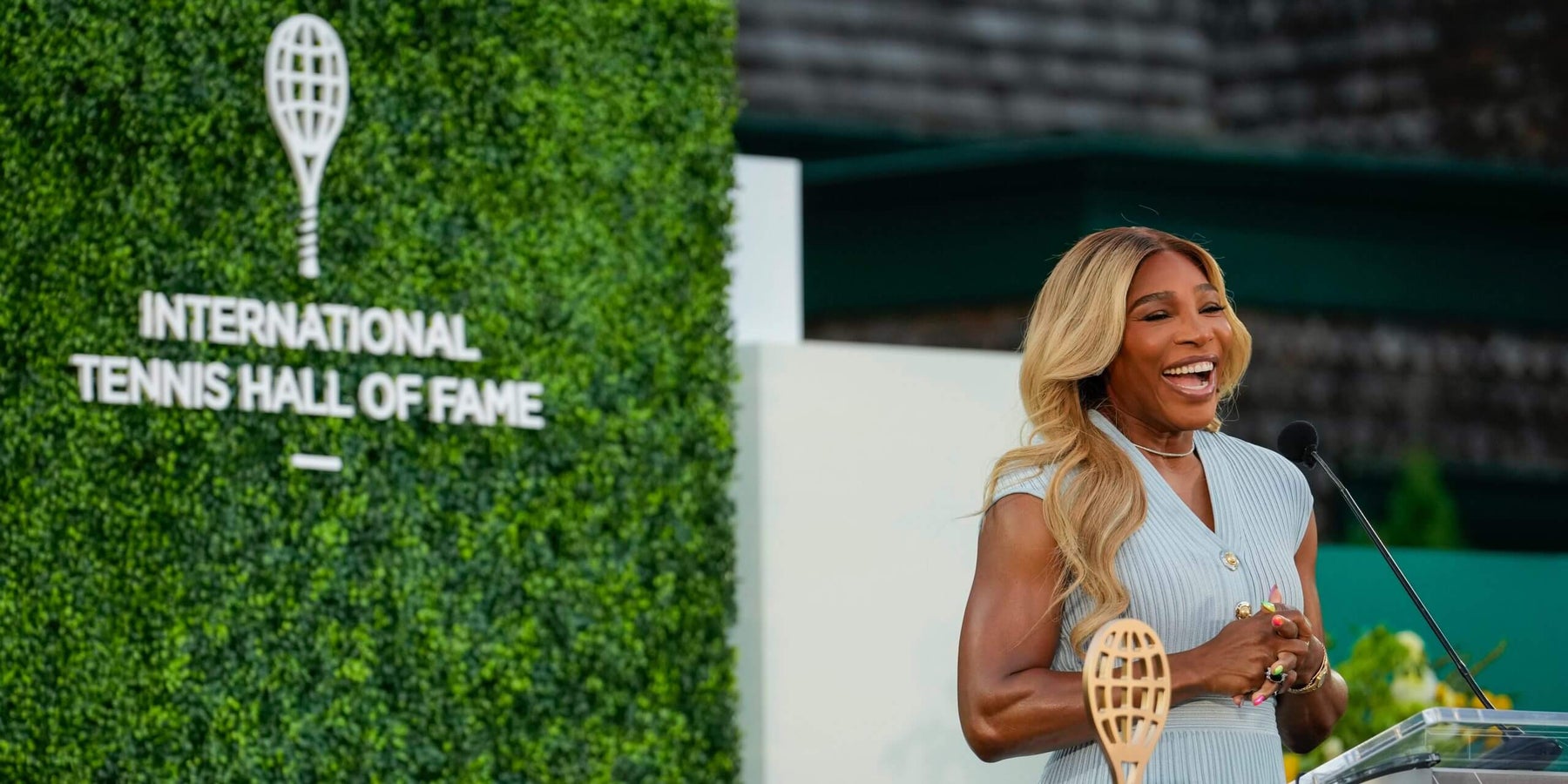
Serena Williams Tennis Comeback 2026: Eligible to Return But Will She Play?
Few names in sport carry the weight that Serena Williams does. Twenty-three Grand Slam singles titles. Fourteen Grand Slam doubles titles alongside her sister Venus. A career that redefined what was possible in women’s tennis and, arguably, in professional sport altogether. So when news broke that Serena Williams is now eligible to return to professional tennis from February 22, 2026, the tennis world collectively held its breath. The reality, however, is more complicated than a simple comeback story. Eligibility and intention are two very different things, and right now, the only certainty is that the path back to the WTA Tour is open. Whether Serena Williams chooses to walk down it remains one of sport’s most intriguing unanswered questions. Why Serena Williams Is Now Eligible to Compete Again The eligibility update comes from the International Tennis Integrity Agency, the body responsible for anti-doping compliance in professional tennis. The rules are clear: any player who has stepped away from competition must re-enter the sport’s anti-doping testing pool, provide whereabouts information, and remain available for random drug testing across a six-month period before they can be reinstated to compete in sanctioned events. Serena Williams fulfilled that requirement. She re-entered the testing pool several months ago, completed the mandatory six-month window, and as of February 22, 2026, she is cleared to participate in WTA events and other sanctioned professional tournaments should she choose to do so. It is worth noting that re-entering the testing pool does not automatically mean a player intends to compete. Some athletes do so for administrative reasons, to keep options open, or simply because they were already in informal training. The decision to actually enter a tournament is a separate step entirely, and no such announcement has been made. What Serena Said When the Rumours Started When reports first circulated that Williams had signed up for the testing pool, she was quick to shut down the comeback speculation herself. Taking to social media directly, she wrote: “Omg yall I’m NOT coming back,” and described the resulting rumours as “crazy.” That statement was unambiguous. Her representatives and the WTA Tour have not issued any immediate comment on the latest eligibility update, and no tournament entries have been announced or confirmed as of this writing. Williams last played a professional match in September 2022, losing to Ajla Tomljanovic in the third round of the US Open in what became an emotional, widely watched farewell. She described her departure from the game not as a retirement but as an “evolution,” a word choice that has fuelled speculation ever since about whether the door was ever fully closed. What a Return Would Actually Look Like at 44 Even setting aside the question of whether Serena wants to return, the physical and competitive reality of what a comeback would involve deserves honest examination. Williams is now 44 years old. The WTA Tour is dominated by players in their early to mid-twenties competing at speeds and physical intensities that are genuinely extraordinary. The gap between a player who last competed in 2022 and the current elite field is not just a matter of fitness. It is also timing, match sharpness, and the accumulated rhythm that comes only from regular competition. Venus Williams, Serena’s older sister, returned to competition in 2025 at the age of 45, making her own comeback one of the most admirable stories in recent tennis. Venus has spoken openly about how much she would love to share the tour again with her sister. “I keep saying to my team: the only thing that would make this better is if she was here,” Venus said last July. “We always did everything together, so of course I miss her. But if she comes back, I’m sure she’ll let y’all know.” The USTA has also expressed enthusiasm. A spokesman stated that fans and the organisation would enthusiastically welcome the return of one of the greatest champions in the history of the sport, should she choose to compete again. Serena Williams: A Career That Needs No Second Chapter To understand why this story matters so much, it helps to remember what Serena Williams actually built over the course of her career. Achievement Detail Grand Slam Singles Titles 23 Grand Slam Doubles Titles 14 (all with Venus) Olympic Gold Medals 4 (3 doubles, 1 singles) Weeks at World Number One 319 Last Professional Match US Open 2022, Round 3 These numbers place her among the greatest athletes of any sport in any era. Her powerful baseline game, exceptional serve, and extraordinary mental resilience under pressure defined women’s tennis for two decades. Her cultural impact extended well beyond the sport, making her one of the most recognisable and influential figures in the world. The point is that Serena Williams has nothing left to prove. A return would not be about legacy, it is already secured beyond any doubt. It would have to be about something more personal, a genuine desire to compete again, to feel what only professional sport provides, or to share the court one more time with her sister. The Question Nobody Can Answer Yet The honest conclusion to draw from the current situation is this: Serena Williams is eligible to return to professional tennis from February 22, 2026. She has not announced any intention to do so. She has, in fact, publicly said the opposite. And yet the eligibility update exists, the testing pool re-entry happened, and the tennis world cannot quite look away. Whether this is administrative tidying, a genuine exploration of possibilities, or the earliest stage of something more significant is known only to Serena Williams herself. The USTA is ready to welcome her. Venus is ready to share the tour with her. Fans around the world are ready to watch her. The Serena Williams tennis comeback story in 2026 is, for now, a story with a beginning and no middle or end. In sport, those are often the most compelling kind.
Read More
Alexander Bublik’s Impressive Run at Monte-Carlo Masters 2026
There are players who tolerate clay, and there are players who thrive on it. For much of his career, Alexander Bublik belonged firmly in the first category. A serve-heavy, hard-court specialist with a flair for the dramatic and a reputation for unpredictability, the Kazakh was not the kind of player you expected to make deep runs on the red dirt of Monaco. That narrative is now officially over. At the Rolex Monte-Carlo Masters 2026, Bublik reached his first-ever quarter-final at an ATP Masters 1000 event on clay, defeating experienced opponents, producing some of the most visually striking tennis of the entire tournament, and confirming that his 2025 clay breakthroughs were not a one-season anomaly. The run ended against world number one Carlos Alcaraz, but the statement had already been made long before that quarter-final scoreline was posted. This is the full story of Alexander Bublik’s Monte-Carlo Masters 2026 campaign, match by match, moment by moment, and what it tells us about where his career is genuinely heading. The Man and the Surface: Understanding Why This Run Matters To appreciate what Bublik achieved in Monaco, you need to understand the journey that brought him there. Born in Russia and representing Kazakhstan since 2017, Bublik turned professional in 2016 and broke into the top 100 by 2019. His game was built around an enormous serve, inventive shot-making, and a style of play that kept opponents and spectators permanently unsure of what was coming next. Clay, however, was the surface that exposed his weaknesses most visibly. The slower pace removes the serve-and-win shortcuts that suit his game on hard courts. The extended rallies demand endurance and footwork that did not come naturally to him. For years, clay court events were treated as something to get through rather than compete in. That changed in 2025. Bublik reached the Roland Garros quarter-finals and claimed back-to-back titles at Gstaad and Kitzbühel, two clay events that require exactly the kind of sustained baseline engagement he had previously struggled with. By the time he arrived at Monte-Carlo in 2026 as the eighth seed, he carried a level of surface-specific confidence that was genuinely new. The results that followed validated every bit of it. Round Two: Ending Monfils’ Monaco Chapter Bublik’s most emotionally charged match of the tournament came in the second round against French veteran Gaël Monfils, a player who has delighted Monte-Carlo crowds for years and whose appearance in the 2026 draw carried the feel of a potential farewell at 39 years old. Sentiment, however, does not win tennis matches. Bublik won 6-4, 6-4 in one hour and 17 minutes, and the manner of the victory was as impressive as the scoreline suggests. The key statistic told the story clearly: Bublik won 72 percent of points on his second serve compared to Monfils’ 40 percent, a gap that reflects complete service dominance even on a surface that typically neutralises big servers. The match produced several moments that circulated widely across social media and highlight packages. A classy forehand winner struck with precise timing past a scrambling Monfils drew gasps from the crowd. Drop volleys played from the baseline, a shot that requires both the audacity to attempt it and the technique to execute it under pressure, left the Monaco faithful appreciating what they were watching even as their favourite was being outplayed. Monfils received warm applause as he left the court. But Bublik’s precision and controlled aggression had made the outcome feel inevitable from the middle of the first set onward. Round Three: The Statement Win Against Lehecka If the Monfils victory demonstrated Bublik’s capability, his third-round performance against Jiri Lehecka was the match that genuinely reframed expectations for the rest of the tournament. Lehecka, the eleventh seed and a player who had recently reached the Miami Open final, represented a significantly higher level of opposition. A powerful ball-striker with excellent movement and the kind of aggressive baseline game that tends to expose opponents who lack defensive solidity, the Czech was widely expected to test Bublik severely and potentially end his run. Instead, Bublik produced one of the finest clay-court performances of his career. The first set was almost shockingly comfortable, with Bublik racing to a 6-2 win by dominating the key moments with a combination of heavy topspin, flat winners, and intelligent slice that collectively prevented Lehecka from ever settling into a rhythm. Lehecka responded with genuine quality in the second set, pushing to 7-5 and making Bublik work for every point. The Kazakh held firm. The final score of 6-2, 7-5 sent Bublik into his maiden Monte-Carlo quarter-final, and the highlights from the match were remarkable. One-handed backhand winners struck on the stretch drew immediate comparisons to Roger Federer. Sharp angled passing shots disrupted Lehecka’s court positioning. The shot variety on display was exactly the kind of performance that convinces observers a player has genuinely evolved rather than simply caught a fortunate draw. The Quarter-Final: Alcaraz Delivers a Reality Check Every good story needs an honest chapter, and Bublik’s Monte-Carlo Masters 2026 campaign delivered one in the quarter-finals. World number one Carlos Alcaraz, the defending champion and widely considered the finest clay-court player in the world in 2026, won 6-3, 6-0 in just over an hour. The first set offered brief hope. Bublik broke back after conceding an early deficit and temporarily levelled the momentum, showing the kind of competitive instinct that had served him so well in the previous rounds. But Alcaraz’s consistency, his explosive movement across the clay, and his ability to dictate the pace and direction of rallies from any position on the court gradually wore down Bublik’s resistance. The Spaniard won the final ten games of the match without conceding another, dropping just three games in total. Bublik’s usually unpredictable, freewheeling game appeared subdued in the face of an opponent who had an answer for every creative option he tried. After the match, Alcaraz showed genuine sportsmanship by apologising at the net for the one-sided scoreline, an acknowledgement that the
Read More
Top 10 Richest Tennis Players Who Never Won a Grand Slam
In tennis, the Grand Slam is everything. The Australian Open, Roland Garros, Wimbledon, and the US Open represent the sport’s ultimate measure of greatness, and players who collect them are immortalized in the record books. But what about the players who built extraordinary fortunes without ever lifting one of those four trophies? Their stories are just as compelling, and in some cases, their bank accounts are just as impressive. This list of the richest tennis players without a Grand Slam title proves that sustained excellence, global marketability, and smart business decisions can create generational wealth regardless of what happens in a Major final. Here is the complete breakdown. Number 1: Alexander Zverev ($35 Million to $40 Million) Alexander Zverev sits at the top of the richest tennis players without a Grand Slam list, and it is not particularly close. The German star has accumulated over $42 million in career prize money alone, placing him among the highest earners in ATP history. He has come agonizingly close to a Major title, most notably at the 2020 US Open and the 2024 French Open, but the trophy has continued to elude him. What keeps Zverev firmly at the top of this list is the caliber of his commercial portfolio. Partnerships with Adidas, Richard Mille, and Rolex place him in the same marketing tier as confirmed Grand Slam champions. His Olympic gold medal at Tokyo 2020 and multiple ATP Finals victories have ensured his marketability remains at a premium even without a Major to his name. Number 2: Kei Nishikori ($30 Million to $35 Million) Kei Nishikori is perhaps the most commercially extraordinary player on this entire list. His career prize money sits at approximately $25 million, which is impressive on its own, but his off-court earnings have at times rivaled those of the sport’s absolute elite. At his commercial peak, Nishikori was reportedly earning over $30 million per year from endorsements alone. The explanation lies in his market. As the defining Japanese tennis star of his generation, Nishikori became a national icon in one of the world’s largest consumer economies. Long-term partnerships with Uniqlo, Wilson, and Japan Airlines reflect the extraordinary commercial value he held in the Asian market. He reached one Grand Slam final, the 2014 US Open, but his financial legacy extends far beyond that single result. Number 3: Stefanos Tsitsipas ($25 Million to $30 Million) Stefanos Tsitsipas has built something genuinely unique in professional tennis: a personal brand that exists almost independently of his match results. With career prize money surpassing $30 million and sponsorships with Rolex and Red Bull, the Greek star has secured his financial future through a combination of on-court consistency and off-court creativity. Tsitsipas runs a successful YouTube channel, engages fans through social media subscriptions, and presents himself as a philosopher and traveler as much as an athlete. This approach has attracted brands looking for authenticity rather than just trophies, and it has paid off handsomely. His repeated deep runs at the Australian Open and Roland Garros have kept him relevant at the sport’s highest level throughout the 2020s. Number 4: Milos Raonic ($25 Million to $30 Million) Milos Raonic was the face of Canadian tennis for a full decade before the next generation arrived. The powerful serve-and-volley specialist reached the Wimbledon final in 2016 and peaked at World No. 3, collecting over $20 million in prize money during a career significantly disrupted by injuries. His early dominance during the era of Federer, Nadal, and Djokovic, three players who dominated every Major for over fifteen years, made his achievements all the more remarkable. Beyond prize money, Raonic became a pioneer for New Balance in tennis through a significant apparel partnership that considerably boosted his net worth. Smart investments in real estate and technology startups have continued growing his wealth well beyond his playing peak, making him one of the savvier financial operators this sport has produced. Number 5: Casper Ruud ($18 Million to $22 Million) Casper Ruud has built his fortune on two things: clay court dominance and one of the most likeable public images in professional tennis. The Norwegian has reached multiple Grand Slam finals at Roland Garros and the US Open, coming close to a title on more than one occasion, but his career prize money of approximately $20 million reflects consistent excellence across years of high-level competition. His “nice guy” reputation has proven genuinely valuable in commercial terms. Sponsorships with Yonex and Samsonite, combined with his status as arguably the most prominent athlete in Scandinavia, a region with significant purchasing power, have made Ruud a highly sought-after commercial partner. He is proof that personality and consistency can build a very comfortable fortune even without the sport’s biggest titles. Number 6: Jessica Pegula ($13 Million to $20 Million) Jessica Pegula’s entry on this list comes with important context. Her personal career earnings from prize money and endorsements exceed $18 million as of early 2026, making her one of the wealthiest active players on the WTA Tour through her own efforts. She is also, separately, the daughter of Terry and Kim Pegula, owners of the NFL’s Buffalo Bills and NHL’s Buffalo Sabres, placing her family wealth in an entirely different category. On the court, Pegula has been a model of top-ten consistency, regularly reaching Grand Slam quarterfinals and winning WTA 1000 level events. Off it, she has demonstrated genuine entrepreneurial instincts through the launch of her own skincare line, Ready 24, alongside endorsement deals with Adidas and Yonex. She represents the new generation of tennis players who build personal commercial ecosystems that extend well beyond the sport itself. Number 7: Elina Svitolina ($15 Million to $20 Million) Ukraine’s greatest tennis player has accumulated over $23 million in career prize money while winning the prestigious WTA Finals in 2018 and claiming an Olympic bronze medal in Tokyo. Elina Svitolina’s financial story is one of consistent top-level performance combined with strong brand partnerships, most notably long-running relationships with Nike and Wilson across the Eastern European
Read More
Rolex Monte-Carlo Masters 2026 Dates and Tickets: Your Complete Guide to the French Riviera’s Greatest Tennis Event
There are tennis tournaments, and then there is the Rolex Monte-Carlo Masters. Set against the Mediterranean Sea, played on terracotta clay courts that seem almost too beautiful to compete on, and wrapped in the glamour of the French Riviera, this is one of those rare sporting events where the setting is as compelling as the tennis itself. For 2026, the tournament returns to its legendary home and promises to be one of the most hotly anticipated weeks on the entire ATP calendar. Whether you are planning your first visit or returning for another year, this complete guide covers everything you need to know about the Rolex Monte-Carlo Masters 2026 dates and tickets, from the official schedule and pricing to seating strategy and how to actually get there. Tournament Overview: What Makes Monte-Carlo So Special The Rolex Monte-Carlo Masters holds a unique position on the ATP Tour. As the first of three ATP Masters 1000 events played on clay, it serves as the unofficial opening chapter of the European clay-court season, a period that culminates at Roland Garros and defines the careers of the sport’s greatest players. The tournament is played at the Monte-Carlo Country Club in Roquebrune-Cap-Martin, just outside the border of Monaco, and has been a fixture of the tennis calendar for well over a century. What separates Monte-Carlo from other Masters events is atmosphere. With a seating capacity of approximately 10,000, it is one of the more intimate stops on the tour, and that intimacy creates an energy that larger venues simply cannot replicate. You are close to the players, close to the action, and always aware of the extraordinary backdrop surrounding you. Official Rolex Monte-Carlo Masters 2026 Dates Planning your trip starts with knowing exactly when to be there. The 2026 tournament runs across nine days, with every stage of the competition carrying its own distinct atmosphere. Stage Date Qualifying Rounds Saturday, April 4 and Sunday, April 5 Main Draw Begins Sunday, April 5 Quarter-finals Friday, April 10 Semi-finals Saturday, April 11 The Final Sunday, April 12 Matches on the outer courts typically begin at 11:00 AM, with the featured matches on the iconic Court Rainier III following shortly after. If you are deciding which days to attend, the quarter-finals through to the final represent the peak of the tournament in terms of match quality and atmosphere, though early rounds often offer the chance to see top players up close with smaller crowds around the outer courts. Ticket Categories and Pricing: What to Expect Because of the limited capacity at the Monte-Carlo Country Club, tickets for the Rolex Monte-Carlo Masters 2026 are among the most coveted in tennis. Understanding the different categories before you buy will help you make the right choice for your experience and your budget. General Public Tickets: Categories 1, 2, and 3 The standard ticketing structure divides seating into three tiers based on proximity to the court and quality of sightlines: Category 1 represents the most prestigious standard seats, positioned in the lower tiers with prime sideline views. Pricing for Category 1 ranges from approximately €150 for the early rounds up to over €450 for the final. These are the seats that sell out fastest and are worth securing as early as possible. Category 2 offers a mid-tier option that balances a solid view with better value. For fans who want a genuine match experience without stretching to Category 1 pricing, this is often the sweet spot. Category 3 covers the upper corners of the stadium and represents the most affordable way into Court Rainier III. The view is slightly more removed, but the atmosphere remains excellent and access to the grounds is included. Court Rainier III vs. Court des Princes Understanding the difference between the two show courts will shape how you plan your day at the tournament. Court Rainier III is the main stadium, hosting all the top seeds and the biggest matches of the tournament. A ticket for Court Rainier III generally includes access to all outer courts as well, making it the most flexible option for fans who want to move around the grounds throughout the day. Court des Princes is the secondary show court and offers something slightly different: a more intimate, up-close feel that many tennis fans actually prefer for the earlier rounds. Reserved seating here requires a specific ticket, separate from the main stadium access. VIP Hospitality and Private Boxes For those who want to experience the Monte-Carlo Masters at the highest possible level, the hospitality options are exceptional. The Village package includes gourmet dining by Lenôtre, open bars, and access to the VIP lounge, combining world-class tennis with a genuinely luxurious day out. Private loges, or courtside boxes, are available for corporate groups or individuals who want the best seats in the house combined with a fully catered experience. How and When to Buy Rolex Monte-Carlo Masters 2026 Tickets Knowing the ticket categories is one thing. Actually securing them is another challenge entirely. The sales process follows a strict timeline, and understanding it is the difference between getting your preferred seats and paying inflated prices on the secondary market. The official sales timeline works as follows: Always purchase through the official Rolex Monte-Carlo Masters website at montecarlotennismasters.com. Unauthorized third-party vendors cannot guarantee ticket validity, and the risk is simply not worth taking for an event of this caliber. Seating Tips: Sun, Shade, and the Perfect View The Mediterranean sun is glorious, but it is also intense, particularly during an April afternoon at courtside. Where you sit matters more than you might expect. The North Stand, known as Tribune Nord, generally has the sun behind it during afternoon sessions, making it the preferred choice for anyone who wants shade during the peak heat of the day. If you are attending the later rounds when sessions can run deep into the evening, this becomes less of a concern. The South Stand, Tribune Sud, faces directly into the afternoon sun. If you are sitting here, a wide-brimmed
Read More
Novak Djokovic’s 2026 Diet and Longevity Plan: How He’s Defying Athletic Age
At 38 years old, Novak Djokovic is doing something no tennis player has done before. Not just competing at the top level, but actively engineering his biology to get better with age. While most athletes at his stage are managing decline, Djokovic has entered 2026 with a singular, almost obsessive mission: reconstruct the machine. His approach combines cutting-edge sports science, a meticulously designed anti-inflammatory diet, and recovery technologies that sound more like science fiction than sports medicine. The result? Biomarkers that reportedly rival those of a man in his late twenties. This is the story of how Novak Djokovic’s 2026 diet and longevity strategy is rewriting the rules of elite athletic performance. The Philosophy Behind the Plan: Food as Information Before diving into the specifics, it’s worth understanding how Djokovic thinks about nutrition, because it’s fundamentally different from most athletes. He doesn’t view food as fuel in the traditional sense. He views it as information for his cells. This shift in mindset, which has been building since he first went gluten-free in 2011 after a food sensitivity test changed his career, has evolved into something far more sophisticated by 2026. His current protocol is a low-inflammation, highly personalized system designed to keep his body in an almost constant state of cellular repair. The 2026 Morning Ritual: The “Golden Hour” Detox Djokovic’s day doesn’t start with a coffee and a training session. It starts with a precise, sequential morning ritual intended to alkalinize the body and prime the digestive system before a single calorie of solid food enters the picture. Here’s how his morning unfolds: The sequencing matters as much as the ingredients. Each step prepares the body for the next, creating a cascade of benefits that set the metabolic tone for the entire day. Strategic Fasting and Glycemic Management One of the most discussed elements of Djokovic’s 2026 nutrition plan is his use of 16/8 intermittent fasting. By restricting his eating window to eight hours, typically running from 10:00 AM to 6:00 PM, he allows his body extended time in a fasted state, during which a process called autophagy takes place. Autophagy is essentially the body’s cellular housekeeping mechanism. It clears out damaged proteins and dysfunctional cell components, which plays a direct role in reducing systemic inflammation and slowing the biological markers of aging. For an athlete pushing through the physical demands of Grand Slam tennis at nearly 39, this recovery edge is significant. Fueling During Competition When it comes to on-court energy, Djokovic has made a notably clean choice: dates. Rather than relying on the processed energy gels or sugar-heavy sports drinks common on tour, dates offer a rapid yet sustained glycemic response, delivering quick energy without the sharp crash that follows most simple sugars. Paired with electrolyte-rich liquids, this keeps him sharp across long, physically brutal matches. The Caffeine Switch As of 2026, Djokovic has largely phased out coffee in favor of high-grade green tea. The reasoning is precise: coffee elevates cortisol, and elevated cortisol interrupts deep-stage sleep, the most critical window for physical repair and hormonal recovery. Green tea provides a gentler, more sustained alertness without the cortisol spike, protecting the sleep quality that underpins everything else in his recovery stack. Longevity Technologies: The “Reconstruction” Stack Diet alone doesn’t explain Djokovic’s physical state in 2026. Entering the preseason, he partnered with Dr. Mark Kovacs, a sports scientist specializing in the biomechanics of aging athletes, to implement what they call a “reconstruction” plan, treating his body with the precision of a Formula 1 engineering team. The Regenesis Pod Central to this reconstruction is Djokovic’s partnership with Qatar Airways and the use of the Regenesis Pod, a recovery system combining three distinct modalities: Technology Mechanism Benefit Hyperbaric Oxygen Therapy (HBOT) Saturates blood with 100% oxygen Accelerates healing of muscle micro-tears Red Light Therapy (Photobiomodulation) Specific light wavelengths stimulate cells Boosts mitochondrial ATP production Temperature Contrast Alternating cryotherapy and infrared heat Reduces systemic inflammation and improves circulation Together, these three approaches target recovery at a cellular level, not just muscle soreness, but the deeper biological processes that determine how quickly an aging athlete can bounce back between matches and training blocks. Combating Sarcopenia: Preserving Explosive Power One of the most insidious challenges for any athlete over 35 is sarcopenia, the natural, age-related loss of muscle mass and fast-twitch fiber recruitment. Djokovic and Kovacs have addressed this directly by shifting his resistance training toward high-intensity, low-volume work: sets of six to eight repetitions near his maximum load. This approach maintains explosive, fast-twitch power, the kind required to fire a 190 km/h serve or explode into a split-step return, without adding unnecessary bulk that would compromise his court speed or increase injury risk. The 2026 “Lean” Tournament Schedule Even the most advanced recovery technology has limits, and Djokovic knows this. His 2026 tournament strategy reflects a ruthless prioritization of biological ROI: play less, peak higher. Having transitioned to an essentially Grand Slam-focused schedule, he is deliberately avoiding the cumulative biological tax of a full ATP tour season. His approach uses smaller events as calculated tune-ups rather than points-chasing opportunities. His 2026 schedule logic: By maintaining a 78% win rate on a curated schedule, he protects his joints and energy reserves for the five-set crucibles where experience and physical readiness matter most against younger rivals like Carlos Alcaraz and Jannik Sinner. The Mental Dimension: Mindfulness as Longevity Medicine Djokovic’s longevity plan extends beyond the physical. He treats mental discipline as a biological tool, not just a competitive edge. Daily visualization practice, yoga, Tai Chi, and grounding are all part of his routine to manage the cortisol load of elite competition. His reasoning carries scientific weight: chronic stress elevates cortisol, and chronically elevated cortisol accelerates telomere shortening, the degradation of the protective caps on DNA strands that serve as one of the most reliable markers of biological aging. By actively managing stress through structured mindfulness, Djokovic is, in a very literal sense, trying to slow down the clock at a genetic level. What
Read More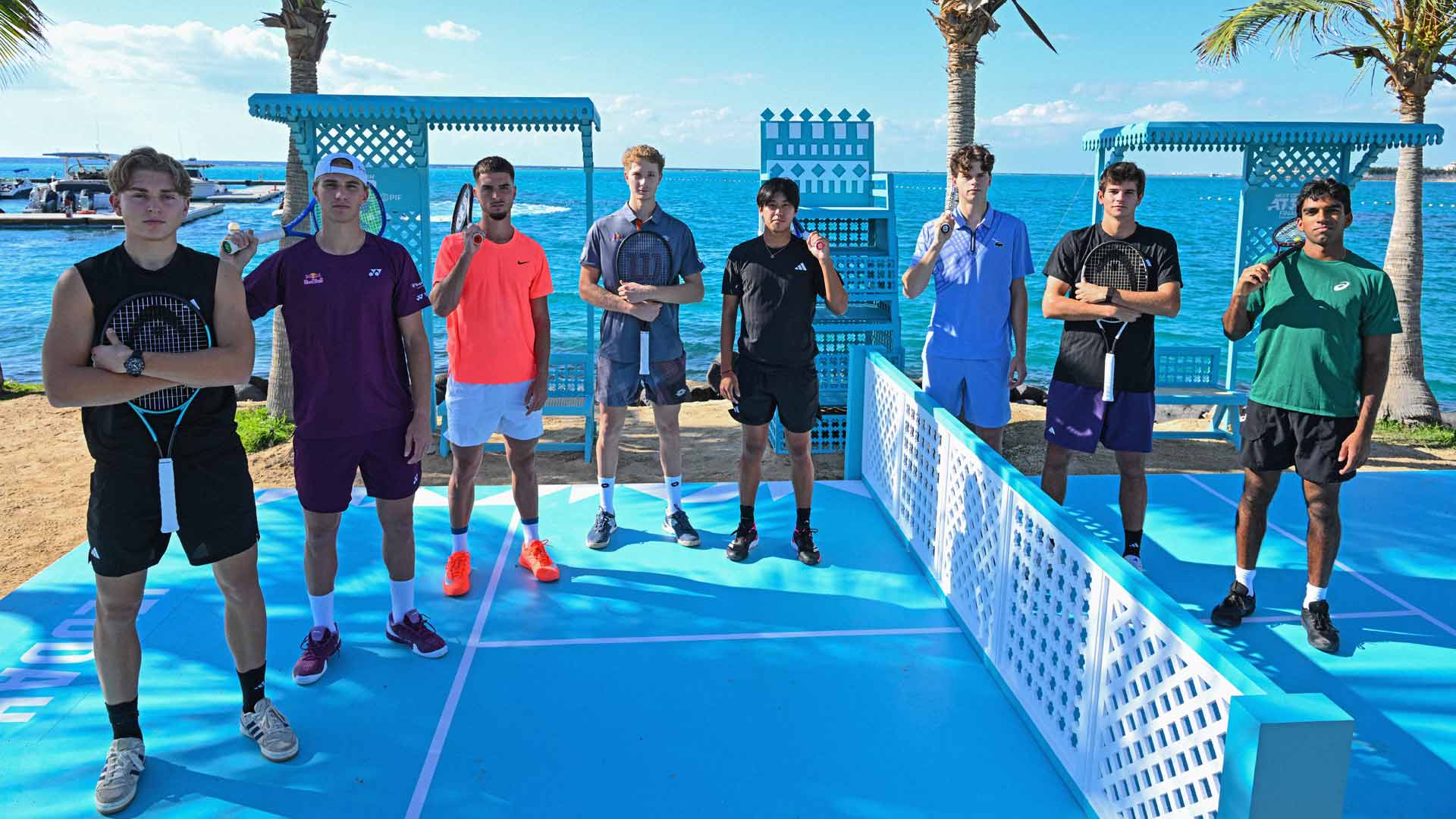
Next Gen ATP Stars 2026: Alcaraz, Sinner Lead New Wave
The generational shift in men’s tennis is no longer approaching. It has arrived, and it has arrived with a completeness that even the most optimistic predictions did not fully anticipate. Carlos Alcaraz and Jannik Sinner have between them claimed nine consecutive Grand Slam titles dating back to the 2024 Australian Open, a streak of combined dominance that has no parallel in the modern era of the sport. The Big Three era defined men’s tennis for two decades. The next generation has not waited politely for its turn. It has simply taken over. This is the full breakdown of the Next Gen ATP Stars leading men’s tennis into 2026, what they have already built, how they compare to those who came before, and what the decade ahead looks like with this generation at the summit. How the Next Gen ATP Stars Are Redefining Men’s Tennis in 2026 The transition away from the Federer, Nadal, and Djokovic era has been faster and more total than anyone predicted. Roger Federer retired in September 2022. Rafael Nadal retired in November 2024 after his final Davis Cup campaign with Spain. Novak Djokovic, at 38, remains a force capable of reaching Grand Slam semifinals at all four majors in 2025, but the points gap between him and the top two in the current ATP rankings tells its own story clearly. As of March 2026, Carlos Alcaraz leads the ATP rankings with 13,550 points. Jannik Sinner sits second with 10,400 points. Djokovic is third with 5,280 points. That gap between second and third is not a marginal difference. It is a structural statement about where the sport now lives and who it belongs to. Carlos Alcaraz: The Most Complete Next Gen ATP Star in the Game Carlos Alcaraz completed the Career Grand Slam on February 1, 2026, defeating Novak Djokovic in four sets in the Australian Open final to claim his seventh major title at just 22 years and 272 days old. He became the youngest male player in tennis history to achieve the feat, eclipsing Rod Laver’s record set in 1969. His seven Grand Slam titles span every surface — the US Open in 2022 and 2025, Wimbledon in 2023 and 2024, Roland Garros in 2024 and 2025, and now the Australian Open in 2026. \ What separates Alcaraz from every other young player the game has produced is not any single attribute but the width of his game. His serve, his returning, his net play, his physicality, and his ability to manufacture winning shots from seemingly impossible positions combine into something the sport has not seen at this age before. He won a Big Title for every 3.7 tournaments played in his career, a rate that only Djokovic and Nadal have ever surpassed. Jannik Sinner: The Relentless Baseline Force at the Top of the Rankings Jannik Sinner holds four Grand Slam titles, won the Australian Open in 2024 and 2025, the US Open in 2024, and Wimbledon in 2025. He became the third youngest man in history, after Federer and Djokovic, to reach the final of every Grand Slam and the ATP Finals in the same calendar year, which he achieved during the 2025 season. He also won back-to-back ATP Finals titles in 2024 and 2025 without dropping a set in either edition, a record no player has previously achieved across multiple years. His two-handed backhand generates more topspin than any other player on the ATP tour, and his groundstroke consistency under pressure across five-set matches has produced a hard court win-loss record of 227 wins and 52 losses at a winning percentage of 81.4 percent. On the ATP circuit he has spent 66 weeks as world number one and holds a career-high 12 Big Titles across Grand Slams, Masters 1000 events, and the ATP Finals. His mental composure, demonstrated through a 26-match winning streak in 2025, the seventh-longest since 1990, places him in rare psychological company. The Next Gen ATP Stars Beyond Alcaraz and Sinner Alcaraz and Sinner lead but do not define the full picture of where men’s tennis currently stands. The players immediately behind them in the rankings represent a generation of genuine quality rather than simply a gap left by the Big Three’s departure. Lorenzo Musetti of Italy is ranked world number five as of March 2026, and his clay court game combined with an elegant one-handed backhand makes him a consistent threat at Roland Garros. Ben Shelton of the United States sits ninth in the world at 23 years old, with a serve that ranks among the fastest on tour and a left-handed game that creates problems no other American has generated since Andy Roddick. Jack Draper of Great Britain won the Indian Wells Masters in 2025 and reached the Madrid Masters final before injuries disrupted his season, and at 24 he has already demonstrated the physical and tactical tools required to challenge at the very top. Jakub Mensik of the Czech Republic, born in 2005, won the Miami Open in 2025 at just 19 years old, announcing a talent that may yet belong in the conversation alongside Alcaraz and Sinner within the next two seasons. How the Next Generation Compares to the Big Three at the Same Age The most revealing way to understand what this generation has already achieved is to place it alongside where Federer, Nadal, and Djokovic stood at equivalent career stages. At 22, Novak Djokovic had won exactly one Grand Slam title, his 2008 Australian Open. Roger Federer had won three majors by the time he turned 23. Rafael Nadal, the most directly comparable case given his similarly explosive early trajectory, had won six Grand Slams by age 22 — a number Alcaraz has already matched and exceeded. Alcaraz and Sinner are two of only twelve men who have earned at least three major titles before turning 24. Together, across a shared total of eleven Grand Slam titles at the ages of 22 and 24 respectively, they represent the most prolific early-career pairing in
Read More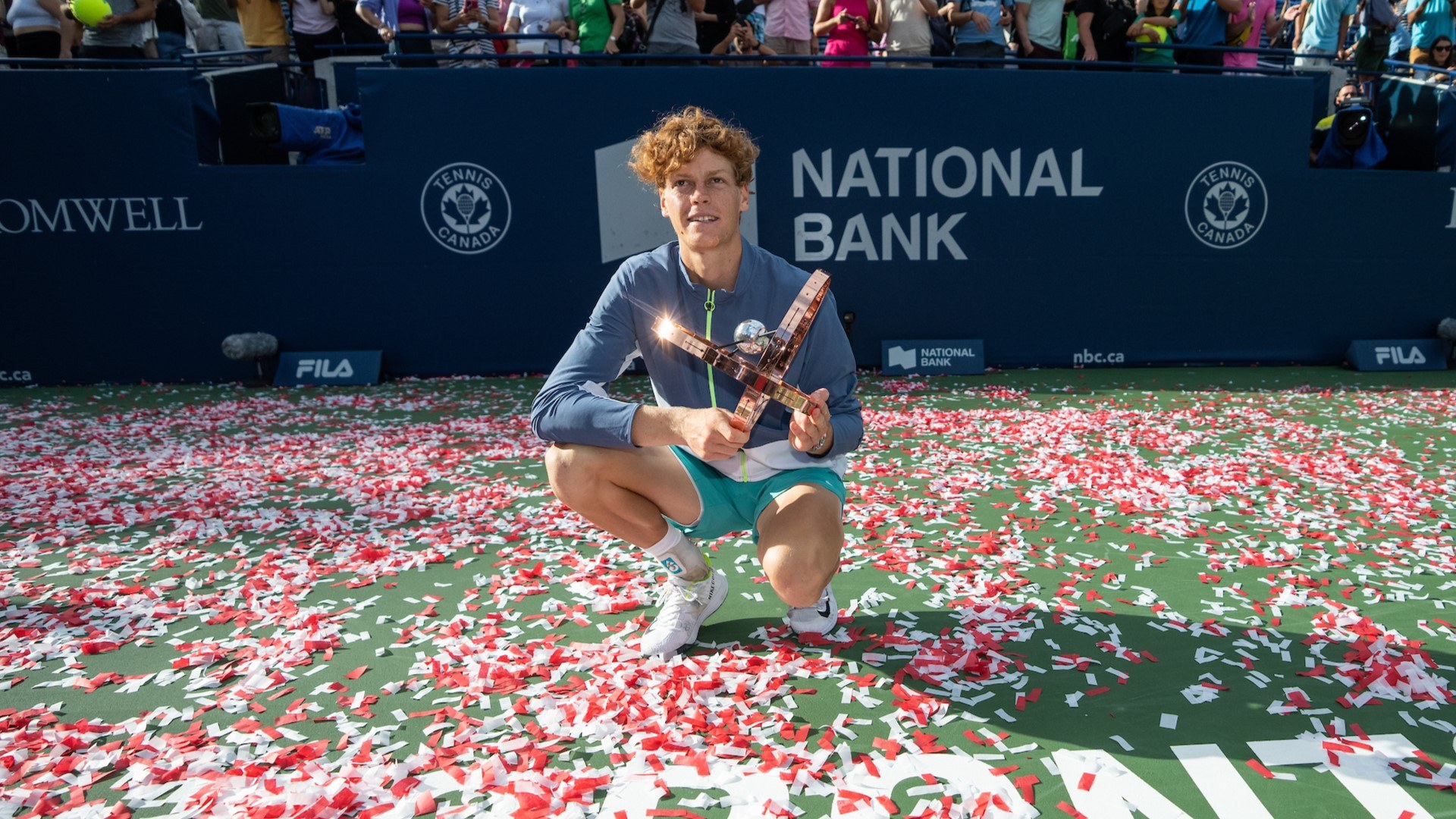
Jannik Sinner’s Net Worth in 2026: How the Gucci & Ferrari Effect Built a Financial Empire
Jannik Sinner is no longer just the best tennis player in the world. He is a brand, a lifestyle, and increasingly, a financial force that rivals the legends who defined the sport before him. At just 24 years old, the Italian maestro has turned a serve-and-baseline game into a global empire built on Grand Slam trophies, a landmark Nike contract, and two of Italy’s most iconic luxury symbols: Gucci and Ferrari. So just how much is Jannik Sinner worth in 2026, and what exactly is “the Gucci & Ferrari effect”? Let’s break it all down. Jannik Sinner’s Net Worth in 2026: The Big Number Sinner’s net worth in 2026 sits at roughly $40 million, according to Celebrity Net Worth, with the bulk of his earnings driven by tournament titles and a carefully curated sponsorship portfolio. His career prize money has already surpassed $56 million. His annual endorsement earnings are estimated between $25 million and $30 million, anchored by a 10-year Nike deal reportedly worth $158 million, signed in 2022. Here’s a snapshot of where things stand financially: Financial Metric Estimated Value (2026) Career Prize Money $56.6 million+ Annual Endorsement Income $25M – $30M Nike Deal (10-year) ~$158 million Estimated Total Net Worth ~$40 million These numbers don’t just reflect athletic excellence. They reflect something rarer: the ability to translate dominance on the court into cultural relevance off it. From Val Gardena to World No. 1: A Rise Worth Understanding Sinner was born in San Candido in the South Tyrol region of Italy, a town better known for skiing than tennis. He initially focused on skiing as a child before switching to tennis, where he quickly demonstrated the talent and discipline required to compete at the top level. The trajectory from there was steep. His first Grand Slam win came at the 2024 Australian Open, followed by the US Open later that year. In 2025, he defended his Australian Open title, reached the French Open final, and became the first Italian player to win Wimbledon. That kind of historic run doesn’t just fill trophy cabinets. It opens doors at boardrooms across Europe. The Gucci Effect: Redefining What a Tennis Player Can Look Like Of all the deals in Sinner’s portfolio, none has done more for his cultural cachet than his relationship with Gucci. The fashion house recruited him in 2021, and a defining moment came when his custom GG-monogrammed duffle bag turned heads at Wimbledon in 2023. This wasn’t a gimmick. It was a statement. Traditionally, players walk onto Centre Court carrying their racquet sponsor’s branded bag. Sinner showed up with Gucci. The internet noticed immediately, and the image spread far beyond the tennis world into fashion, lifestyle, and luxury media. What makes this partnership so powerful is the alignment of identity. Gucci’s current creative direction leans into what the industry calls “quiet luxury”: understated, refined, and confident without needing to shout. Sinner embodies exactly that. He doesn’t perform for the cameras. He wins, conducts himself with composure, and lets his results do the talking. That kind of personality is gold for a heritage fashion house. The result? Sinner now appears in high-fashion Gucci campaigns that reach audiences who have never watched a tennis match in their lives. His marketability has effectively escaped the sport. The Ferrari Effect: Italy’s National Hero Premium If Gucci gave Sinner cultural sophistication, Ferrari gave him something arguably more powerful in Italy: national icon status. By 2020, Alfa Romeo had already handed him the keys to a Stelvio Q4 Veloce, signaling a growing relationship between Sinner and Italy’s automotive world. His deeper association with Ferrari, attending Grand Prix events and visiting the Maranello factory, has truly elevated his “Italian premium.” In Italy, Ferrari is not merely a car brand. It is a symbol of national pride, precision engineering, and excellence. When Sinner stands beside that prancing horse, the message is clear: this is Italy’s greatest champion right now. That alignment has a measurable financial effect. It increases his attractiveness to other Italian institutions and global brands that want to tap into that national prestige. The result is a sponsorship ecosystem that snowballs. Because Sinner is linked to Gucci and Ferrari, he becomes more appealing to Rolex. Because he’s with Rolex, he enters the same “Legends” tier as Roger Federer. And because he carries that tier, Italian giants like Lavazza, Intesa Sanpaolo, and Eni see even more value in their existing associations. Jannik Sinner’s Full Sponsorship Portfolio in 2026 Sinner’s brand relationships are not scattered or opportunistic. They are deliberately tiered: luxury at the top, lifestyle in the middle, and functional partners at the base. Here’s how the portfolio breaks down: Luxury & Prestige Sports & Performance Finance & Insurance Lifestyle & Wellness Those endorsement deals reportedly netted Sinner over $15 million in 2024 alone, a figure that has since grown substantially as his stature has increased. On-Court Dominance: The Engine Behind the Brand No amount of marketing can manufacture what Sinner has built on the court. His financial ascent is ultimately grounded in sustained, historic performance. Wimbledon 2025 was his fourth Grand Slam in just 18 months, a run that started in Australia in 2024, followed by the US Open, then a defended Australian Open title in 2025, and finally the Wimbledon trophy. He reportedly earned $12 million alone from October to November 2024 by winning 13 consecutive tournaments. That kind of consistency doesn’t just add prize money. It keeps sponsors loyal, attracts new ones, and maintains the media visibility that keeps his name on front pages globally. Each title Sinner wins amplifies the value of every endorsement deal in his portfolio. Victory is not just sporting achievement. It is a marketing event. What Makes Sinner Different: The Quiet Luxury Athlete There is a broader cultural conversation happening around Sinner, and it explains why brands like Gucci and Ferrari are drawn to him specifically rather than other top players. The “quiet luxury” aesthetic, defined by subtle wealth, refined taste, and confidence without ostentation, has dominated
Read More