
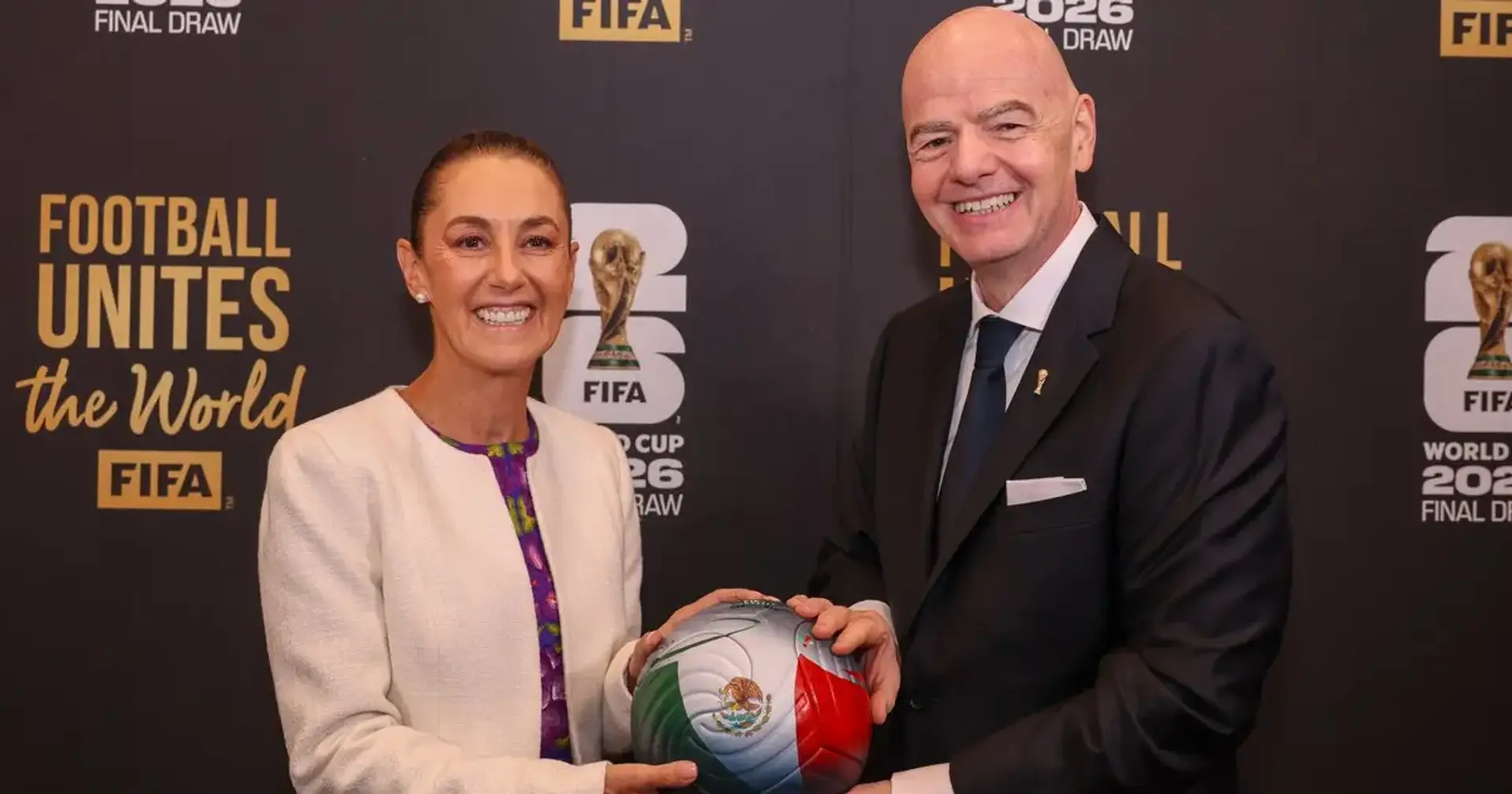
Which FIFA 2026 Teams Are Built for Mexico City?
When the opening whistle sounds at the Estadio Azteca on June 11, 2026, the 48-team era of FIFA World Cup football officially begins. The cameras will pan to packed stands, the anthems will echo across one of sport’s most iconic venues, and billions of viewers worldwide will settle in for what promises to be a historic tournament. But for the coaches and analysts in those dugouts, the most important opponent on that opening day will not be wearing a jersey. It will be the air. Mexico City sits at 2,240 meters above sea level. At that altitude, the human body operates under measurably different physiological conditions. Oxygen availability drops, sprint recovery time extends, and the cumulative cost of high-intensity movement compounds at a rate that catches tactically unprepared teams completely off guard. In modern football, where “Gegenpressing” and relentless high-tempo transitions have dominated coaching philosophy for the better part of a decade, the Azteca represents a direct challenge to the sport’s most fashionable ideas. The question that every serious analyst needs to answer before June is simple: which FIFA 2026 teams are built for Mexico City? Not which teams have the most talent or the highest FIFA rankings, but which squads have the specific energy architecture, tactical discipline, and physical profile to operate effectively at altitude across ninety demanding minutes. This article answers that question with tactical evidence, historical precedent, and performance data. Understanding the Altitude Problem: Why Mexico City Punishes the Wrong Style Before identifying which FIFA 2026 teams are built for Mexico City, it is essential to understand precisely what the altitude demands from players and why most modern tactical systems are poorly suited to it. At sea level, an elite winger might complete 30 to 40 high-intensity sprints during a standard Premier League or La Liga match. At 2,240 meters, that same player will feel the physiological effects of “oxygen debt” after approximately ten equivalent efforts. The muscles are working just as hard, but the oxygen replenishment cycle is slower, meaning fatigue accumulates faster and recovery between sprints is incomplete. The practical consequence for football is significant. Teams that rely on constant pressing, high defensive lines, and repeated transitional sprints will find themselves running on empty by the 60th minute. The game does not slow down to accommodate them. Opponents with more efficient movement patterns simply take over in the final third of the match when the exhausted pressing team can no longer close space. The Three Pillars of Altitude-Adapted Football Winning in Mexico City requires a tactical philosophy built on three measurable principles. 1. Low Sprint Volume Teams that move the ball rather than the body preserve energy across the full 90 minutes. A team playing 10-yard passes in a structured grid forces opponents to do the chasing. Every unnecessary sprint by a pressing team at altitude is an investment that cannot be fully recovered. 2. Rest Defense Discipline “Rest defense” refers to the ability of a team to maintain their defensive shape while the opponent holds possession, without pressing aggressively and without covering large distances. Teams that can sit in a compact block and force opponents into lateral passing rather than chasing the ball are rewarded at altitude in ways they are not at sea level. 3. Technical Security Under Pressure At sea level, losing possession triggers a recovery sprint that costs perhaps 3 to 4 seconds of high-intensity effort. At 2,240 meters, the same recovery sprint costs nearly double that in physiological terms. Technical security, the ability to keep the ball under pressure and avoid unforced turnovers, therefore becomes not just a stylistic preference but a survival mechanism. The Historical Blueprint: What 1970 and 1986 Taught Us Understanding which FIFA 2026 teams are built for Mexico City requires a look at what history has already established. The Azteca has hosted two previous World Cups, and both produced remarkably clear lessons about which tactical philosophies survive at altitude. In 1970, Pelé’s Brazil did not win the tournament through relentless pressing or physical dominance. They won through rhythmic, patient possession play that exploded into clinical attacking sequences only when the moment was perfectly constructed. Their “Samba” style was not simply aesthetically beautiful. It was physiologically intelligent. Brazil conserved energy for the moments that mattered and let opponents exhaust themselves chasing a ball they could rarely win cleanly., In 1986, Diego Maradona’s Argentina deployed a 3-5-2 system specifically designed to flood the midfield and reduce the running burden on their defensive unit. The wing-backs provided width, the three center-backs held their positions without the need for extended recovery sprints, and Maradona operated in pockets of space rather than covering the entire pitch at high intensity. It was energy architecture before that phrase existed in coaching vocabulary. Historical Altitude Performance: Key Lessons Tournament Winner Tactical Style Altitude Adaptation 1970 Mexico Brazil Rhythmic possession and clinical transitions Excellent: low sprint volume, high technical security 1986 Mexico Argentina 3-5-2 midfield flood system Excellent: reduced defensive running load 2026 Mexico City TBD Economy football and rest defense Required for survival The pattern is consistent across 56 years. Teams that approach Mexico City with a possession-oriented, technically secure, low-sprint philosophy win. Teams that attempt to impose a high-energy style are punished by the 12th player that never appears on a team sheet: the altitude itself. Which FIFA 2026 Teams Are Built for Mexico City: The Four Best Equipped Squads With the tactical requirements established and the historical evidence examined, the analysis now focuses on specific squads. These are the teams whose style, squad profile, and coaching philosophy give them a structural advantage at the Estadio Azteca. 1. Spain: The Masters of Technical Conservation If any team in the 2026 tournament was designed by accident for Mexico City, it is Spain. Their footballing DNA, rooted in possession as a defensive tool rather than simply an attacking weapon, aligns almost perfectly with what altitude survival demands. Under Luis de la Fuente, Spain continue to prioritize pass completion rates that consistently exceed 88% in
Read More
The 5 Defensive Managers to Watch in FIFA World Cup 2026
The popular narrative heading into the 2026 FIFA World Cup is about goals, stars, and spectacular attacking football. Kylian Mbappé cutting through defenses. Vinicius Jr. tormenting fullbacks. Jude Bellingham dictating tempo from midfield. These are the stories that dominate headlines, and for good reason. But anyone who has studied how World Cups are actually won knows a quieter, more disciplined truth: tournaments belong to the tacticians who can organize a defensive block and make it hold. The April 2026 FIFA Series friendlies confirmed what analysts had been tracking for months. High-scoring nations like England and Brazil are increasingly struggling to break compact, well-drilled defensive structures. Japan’s 1-0 victory over England on March 28, 2026 was not a fluke. It was a tactical statement. Morocco’s continued dominance at the back following their 2025 Africa Cup of Nations triumph is not accidental. It is engineered. In the 48-team era, where smaller nations now have a genuine platform to compete against the giants, the defensive managers to watch are not underdogs hoping to survive. They are strategic architects who have built systems specifically designed to exploit the overconfidence of traditionally dominant teams. This article profiles the five coaches who have mastered that art and explains precisely why their systems could reshape the 2026 World Cup. Why Defensive Mastery Wins World Cups: The Case for the Tactician Before diving into individual profiles, it is worth establishing why defensive organization has become the dominant trend in international football heading into 2026. The expansion to 48 teams has fundamentally changed the tournament’s psychological landscape. Larger nations can no longer expect to coast through group stages on reputation alone. Every fixture carries consequence, and a single defensive error against a well-organized smaller nation can eliminate a team that spent four years building toward the tournament. The margin for complacency has shrunk to zero. This environment rewards managers who can do three things exceptionally well: structure their defensive block with tactical precision, trigger their press at the right moments rather than pressing constantly, and then transition quickly from defense to attack the moment possession is won. The five defensive managers to watch in 2026 all possess these qualities in measurable, data-supported ways. What Separates a Great Defensive Manager from an Average One The 5 Defensive Managers to Watch at FIFA World Cup 2026 The following profiles are built on performance data from the March 2026 FIFA Series, official AFC, CAF, and CONMEBOL qualifying records, and third-party tactical scouting platforms. Each manager represents a distinct school of defensive thought, and together they paint a comprehensive picture of where the game is heading. 1. Fabio Cannavaro (Uzbekistan): The Master of the Central Asian Catenaccio Of all the defensive managers to watch in 2026, Fabio Cannavaro’s story carries the most remarkable context. The 2006 Ballon d’Or winner and Italy’s World Cup-winning captain arrived in Tashkent in late 2024 to take charge of a Uzbekistan side that was leaking goals, losing defensive shape under pressure, and averaging a clean sheet percentage of just 22%. What he has built in under 18 months is one of the most impressive defensive transformations in the history of Asian football. Cannavaro’s system is a hybrid 5-4-1 Low Block that converts into a 3-4-3 during attacking phases. The cornerstone of the structure is the “Rule of Three”: regardless of how high the ball travels up the pitch, three central defenders always remain behind the ball. This eliminates the transition vulnerability that previously made Uzbekistan so easy to exploit on the counter. The results are statistically undeniable. Their defensive line now sits at an average height of 34.5 meters, compared to 48.2 meters before Cannavaro arrived. That 13.7-meter drop in line height has fundamentally changed the space available to opposing attackers. Clean sheet percentage has risen from 22% to 58%. Pass completion in their own half has jumped from 76% to 91%, meaning Uzbekistan no longer give the ball away cheaply under pressure. Their PPDA sits at 8.1, which signals a pressing system built on intelligent triggers rather than chaotic chasing. Uzbekistan only press when the situation is tactically favorable, not constantly, which preserves their defensive shape and their physical energy. Why Cannavaro is one of the top defensive managers to watch: For a full technical breakdown of his system, see our Uzbekistan Technical Audit. 2. Hajime Moriyasu (Japan): The Architect of the Planned Retreat Japan’s 1-0 victory over England at Hampden Park on March 28, 2026 sent a message that the global football community cannot afford to ignore. Under Hajime Moriyasu, Japan have quietly abandoned the possession-heavy style that defined their football for much of the 2010s and rebuilt themselves as one of the most dangerous transition teams in the world. Moriyasu’s system is a fluid 3-1-4-2 that can collapse instantly into a five-man backline when possession is lost. The “Planned Retreat” is not passive defending. It is calculated pressure management. Japan allow opponents to build play in front of them, identify the precise moment when the opponent’s shape is overextended, and then trigger an aggressive press designed to win the ball in dangerous areas. Their PPDA of 8.1 matches Uzbekistan’s, which is remarkable given the difference in resources and history between the two programs. Japan’s elite Bundesliga and Premier League based players have internalized Moriyasu’s system at club level, meaning the tactical intelligence required to execute it is already embedded before they arrive at international camp. What makes Moriyasu’s system uniquely dangerous: 3. Néstor Lorenzo (Colombia): The Box Midfield Pioneer Colombia enter the 2026 World Cup as one of CONMEBOL’s most disciplined and tactically evolved sides. Néstor Lorenzo has made Colombia genuinely difficult to break down, a quality they demonstrated emphatically by drawing with Brazil and defeating Argentina during qualifying. Lorenzo’s foundation is a rigid 4-2-3-1 built around two “anchor” midfielders who maintain a permanent connection to the center-backs. This double pivot is not simply defensive cover. It is the engine of Lorenzo’s entire system, controlling the width of passing lanes available to opposing playmakers
Read More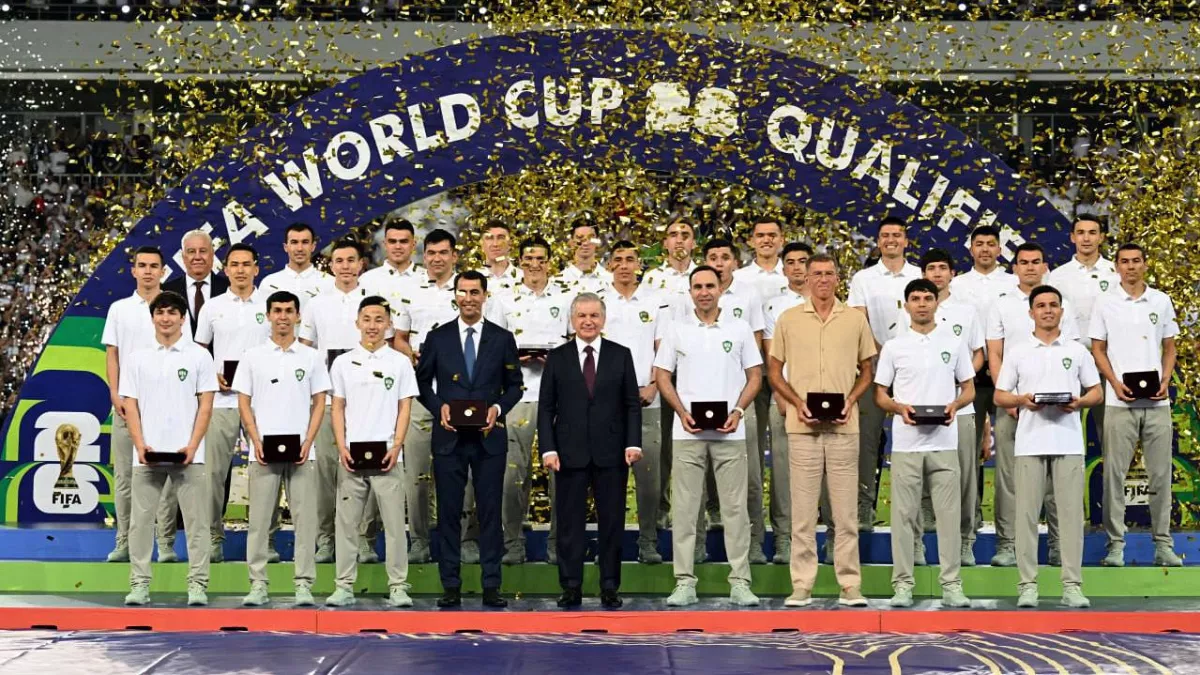
Uzbekistan’s Path to FIFA 2026: A Technical Audit of Fabio Cannavaro’s Defensive Block
On June 5, 2025, Uzbekistan’s “White Wolves” achieved something no Uzbek football generation had ever done before: they Qualified for the FIFA World Cup. In a tournament expanded to 48 teams, that achievement could have been dismissed as a product of favorable mathematics. It was not. Uzbekistan earned their place through a systematic, data-driven overhaul of their entire footballing identity, and the architect behind it is one of the most decorated defenders in the history of the sport. Fabio Cannavaro, the 2006 Ballon d’Or winner and World Cup-winning captain with Italy, took charge of Uzbekistan in late 2024. What followed was not a gradual evolution. It was a structural revolution. The team that once leaked goals against Tier-1 AFC opponents is now one of the most defensively disciplined sides in Asian football, having conceded just 3 goals in their last 10 international matches. Uzbekistan’s path to FIFA 2026 is not a lucky story. It is a tactical case study. This article breaks down exactly how Cannavaro rebuilt the White Wolves from the back line forward, what Group K presents as a challenge, and why this team could be the tournament’s most surprising success story. The Problem Cannavaro Inherited: A Team Built on Hope Before understanding what Cannavaro changed, it is important to understand what he walked into. Uzbekistan under previous management was a team with genuine attacking talent but a defensive structure that crumbled under sustained pressure from quality opposition. Against Tier-1 AFC sides like Japan and South Korea, Uzbekistan consistently found themselves exposed in transition. Their 4-3-3 system offered attacking fluidity but left the central defenders isolated whenever the midfield was bypassed. The clean sheet percentage sat at a modest 22%, and their defensive line averaged 48.2 meters in height, a figure that invited opponents to exploit the space in behind with devastating regularity. Pass completion in their own half was 76%, meaning that even when Uzbekistan won possession defensively, they gave it away under pressure far too often. Cannavaro identified these vulnerabilities immediately. His solution was not to simply organize the existing system. He replaced it entirely. The Cannavaro Effect: From Flair to Defensive Mastery Cannavaro’s coaching philosophy is built on the Italian tradition of defensive structure, but it is not the rigid, suffocating Catenaccio of the 1960s. It is a modern, data-informed iteration that prioritizes compactness, pressure triggers, and controlled transitions. His core tactical implementation at Uzbekistan is a hybrid 5-4-1 Low Block that fluidly transitions into a 3-4-3 during offensive phases. The brilliance of this system is its dual identity. When Uzbekistan defend, they are an impenetrable wall. When they attack, those same wing-backs push forward to create a three-pronged front that can trouble any defense in Asia. The “Rule of Three” is central to everything. Regardless of what happens in the final third, Cannavaro demands that three central defenders remain behind the ball at all times. This principle alone has eliminated the exposed transitions that previously made Uzbekistan vulnerable to counterattacks from faster, more technical opponents. Tactical Evolution: 2024 vs 2026 by the Numbers The statistical transformation under Cannavaro is striking. These numbers represent not just improvement but a complete change in footballing identity. Metric 2024 (Pre-Cannavaro) 2026 (Current) Change Average Defensive Line Height 48.2 meters 34.5 meters 28% deeper Clean Sheet Percentage 22% 58% +36 points Pass Completion in Own Half 76% 91% +15 points PPDA (Passes Per Defensive Action) 12.4 8.1 Higher aggression Goals Conceded (Last 10 Matches) N/A 3 Elite level A PPDA of 8.1 is particularly significant. Lower PPDA means a team allows fewer opponent passes before winning the ball back, which signals an aggressive, well-organized pressing structure rather than passive sitting. Cannavaro is not just asking his team to defend deep. He is teaching them when and how to press with purpose. Abdukodir Khusanov: The Tactical Heartbeat of the White Wolves No analysis of Uzbekistan’s path to FIFA 2026 is complete without spending serious time on Abdukodir Khusanov. The center-back is the single most important piece in Cannavaro’s defensive architecture, and his development over the past 18 months has been one of the most impressive in Asian football. Khusanov functions as the Libero in Cannavaro’s system. While the two flanking center-backs engage in tight man-marking assignments, Khusanov operates with greater freedom to read passing lanes, intercept through-balls, and cover the space created when his partners step to press. His elite recovery speed allows the midfield unit to push higher up the pitch with confidence, knowing that any ball played in behind has a defender capable of winning the race. His recent performances at Manchester City in March 2026, where he earned Player of the Month recognition, confirmed that his development is not limited to the international stage. He is operating at the highest club level with composure and authority. That experience is transferable and Uzbekistan benefit directly from it every time they take the field. Khusanov’s Role in Uzbekistan’s Defensive System Group K: A Forensic Breakdown of Uzbekistan’s World Cup Schedule Uzbekistan’s placement in Group K is simultaneously challenging and navigable. It is a group that rewards tactical discipline over individual brilliance, which suits Cannavaro’s approach perfectly. Let’s examine each fixture in detail. Group K Fixture Schedule and Strategic Priorities Date Opponent Venue Strategic Focus June 17, 2026 Colombia Mexico City Stadium Containment: neutralizing wing-play and Díaz June 23, 2026 Portugal Houston Stadium Transition: exploiting space behind high press June 27, 2026 DR Congo Atlanta Stadium Domination: switching to 3-4-3 for three points Fixture 1: Colombia (June 17, Mexico City) Colombia represents Uzbekistan’s most nuanced tactical challenge in the group. The Colombians rely heavily on inverted wingers, with Luis Díaz being the most dangerous creative threat on their roster. Díaz’s tendency to cut inside from the left creates diagonal runs that pull defensive lines apart, opening channels for runners from midfield. Cannavaro’s expected response is a “Box Midfield” configuration that blocks central passing lanes and forces Colombia’s build-up play wide. The wing-backs in Uzbekistan’s system will be asked to
Read More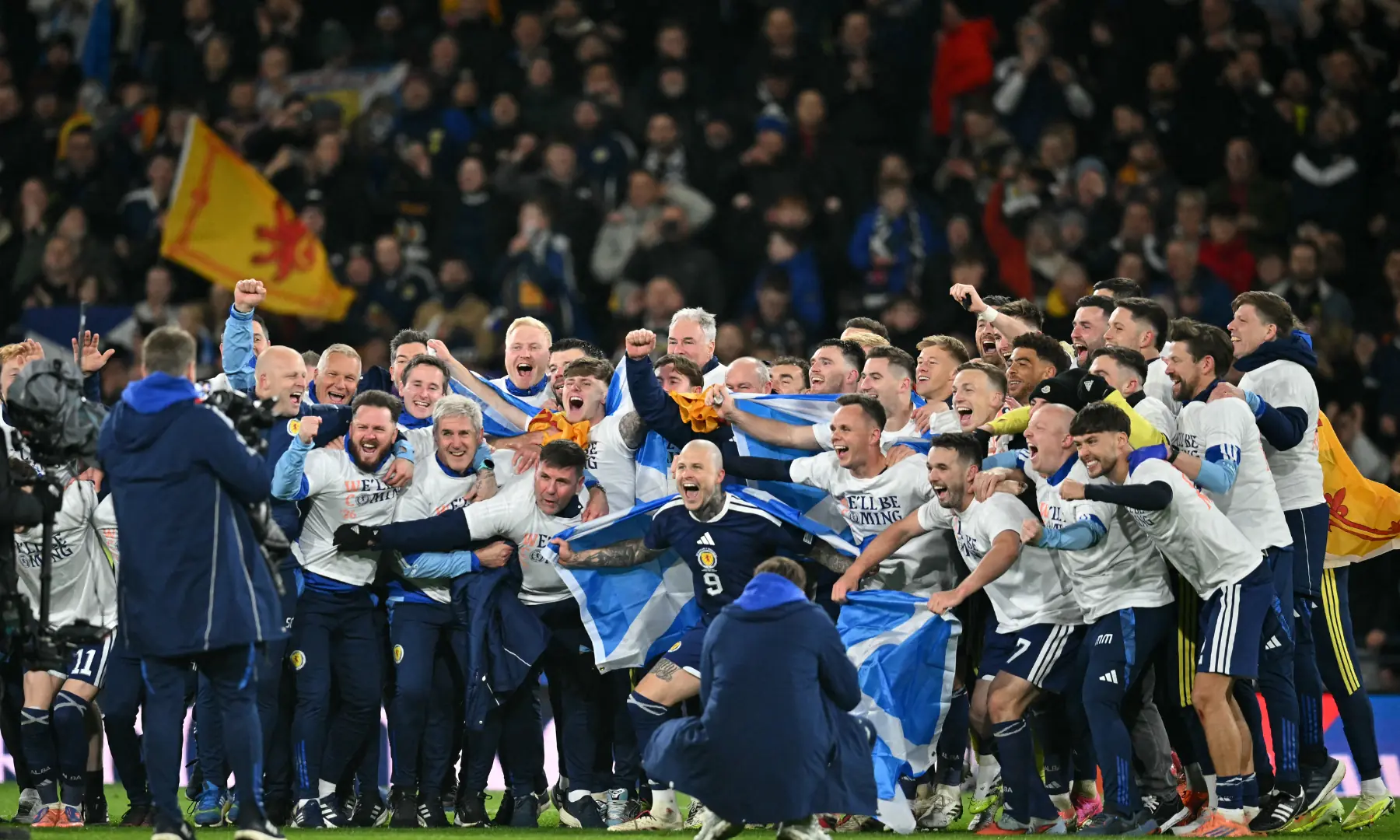
FIFA World Cup 2026 Qualified Teams List: All 48 Nations, Debutants, and Biggest Surprises
The 2026 FIFA World Cup is the most significant structural change in the tournament’s 96-year history. For the first time ever, 48 nations will compete for football’s ultimate prize, up from the 32-team format that has been in place since 1998. Co-hosted across Canada, Mexico, and the United States from June 11 to July 19, 2026, this edition represents a deliberate and historic push toward global football inclusivity. The FIFA World Cup 2026 qualified teams list is now complete. With 45 spots earned through gruelling continental qualifying campaigns spanning from September 2023 through to March 2026, plus the three automatic berths awarded to the host nations, every team that will appear in North America this summer has been confirmed. The qualification process involved 206 nations across six confederations, making it the most expansive qualification cycle in the sport’s history. This article gives you the full breakdown of every qualified team by confederation, highlights the four first-time qualifiers making their World Cup debuts, analyses the biggest shocks and heartbreaks from the qualification stage, and looks ahead at what this historic 48-team field means for the tournament itself. Whether you are planning your viewing schedule or simply want to understand how the field came together, this is your complete guide. The Complete FIFA World Cup 2026 Qualified Teams List by Confederation The 48 qualified teams are distributed across six confederations, with allocations reflecting both historical performance and FIFA’s push for broader representation. Here is the full breakdown of every nation that has earned their place in North America. All 48 Qualified Teams by Confederation Confederation Teams Qualified Notable Inclusions UEFA (Europe) 16 France, Germany, Spain, England, Portugal CAF (Africa) 10 Morocco, Senegal, Egypt, Algeria, Côte d’Ivoire AFC (Asia) 9 Japan, South Korea, Australia, Iran, Saudi Arabia CONMEBOL (South America) 6 Argentina, Brazil, Colombia, Uruguay, Ecuador CONCACAF (North/Central America) 6 USA, Mexico, Canada (hosts), Panama, Haiti, Curaçao OFC (Oceania) 1 New Zealand The expansion from 32 to 48 teams primarily benefited Africa (up from 5 to 10 slots), Asia (up from 4.5 to 8.5 slots), and CONCACAF (up from 3.5 to 6 slots). This redistribution reflects where football’s fastest growth is happening and acknowledges that talent is no longer concentrated exclusively in Europe and South America. CONMEBOL: South American Royalty Qualifies in Full Force South America sends six teams to the FIFA World Cup 2026 qualified teams list, and the continent’s qualification story is one of sustained excellence across an unforgiving 18-match round-robin format. Every match in CONMEBOL qualifying counts, there are no easy opponents, and the margin for error across nearly three years of competition is extremely thin. Argentina qualified with a pragmatic 0-0 draw in Bolivia in March 2025, a result that reflected their post-2022 mentality of grinding out results rather than chasing glory. As defending champions, they approached qualification with professionalism rather than panache, and it worked. Brazil followed in their traditional position near the top, while Colombia, Ecuador, Paraguay, and Uruguay all earned their spots through consistency and physicality across the full campaign. The notable absentees are Chile and Peru, two nations with genuine football pedigree who could not secure their positions in an era where the competition has never been stronger. CONMEBOL’s single available playoff slot went unused in the direct qualification sense, meaning the top six simply outperformed everyone else across 18 matches. CONMEBOL 2026 Qualified Teams Team World Cup Appearances Best Result Key Player Argentina 18 Winners (1978, 1986, 2022) Lionel Messi Brazil 22 Winners (5 times) Vinicius Jr Colombia 7 Quarter-finals (1994) Luis Díaz Uruguay 14 Winners (1930, 1950) Darwin Núñez Ecuador 4 Round of 16 (2006) Moisés Caicedo Paraguay 9 Quarter-finals (2010) Miguel Almirón UEFA: Europe’s 16 Teams Include Resurgents and Playoff Survivors Europe retains the largest allocation in the FIFA World Cup 2026 qualified teams list, with 16 nations earning their place across a combination of direct qualification groups and a four-round playoff system. The UEFA allocation reflects the confederation’s depth, but the playoff stage also exposed genuine frailties in some of the continent’s most historically significant footballing nations. The direct qualifiers read like a who’s who of international football’s elite: France, Germany, Spain, England, Portugal, Netherlands, Belgium, Croatia, Austria, Norway, Scotland, and Switzerland all secured their spots through group stage performance. The playoff route then delivered Sweden, Türkiye, Czechia, and Bosnia and Herzegovina as the final four European qualifiers. Bosnia and Herzegovina’s playoff victory over Italy on penalties was the single most discussed result of the entire global qualification process, and it is covered in greater detail in the surprises section below. Scotland’s playoff qualification adds emotional resonance for a nation with a passionate football culture that has historically struggled on the biggest stages. Key UEFA Qualified Teams Overview Team Qualification Route World Cup Appearances Tournament Pedigree France Direct 16 Winners 1998, 2018 Germany Direct 20 Winners 4 times Spain Direct 16 Winners 2010 England Direct 16 Winners 1966 Portugal Direct 9 Semi-finals 2006 Bosnia and Herzegovina Playoff 2 Group stage 2014 Türkiye Playoff 5 Third place 2002 Sweden Playoff 12 Third place 1994 CAF: Africa’s Record 10-Team Contingent Signals a New Era Africa has never sent more teams to a World Cup than the 10 nations confirmed in the FIFA World Cup 2026 qualified teams list. This expanded allocation is arguably the most significant beneficiary of the 48-team format, and the quality of teams that qualified reflects how far African football has developed since the continent first appeared at the tournament in 1970. Morocco qualified first among African nations in September 2025, building directly on their extraordinary 2022 World Cup campaign where they became the first African nation to reach a semi-final. They arrive in 2026 as genuine dark horse contenders rather than romantic underdogs. Senegal, Egypt, Algeria, Ghana, Côte d’Ivoire, South Africa, Tunisia, DR Congo, and Cabo Verde complete Africa’s largest ever World Cup delegation. South Africa’s return ends a 16-year absence from the tournament. DR Congo’s qualification is their first since 1974, when they competed under the name
Read More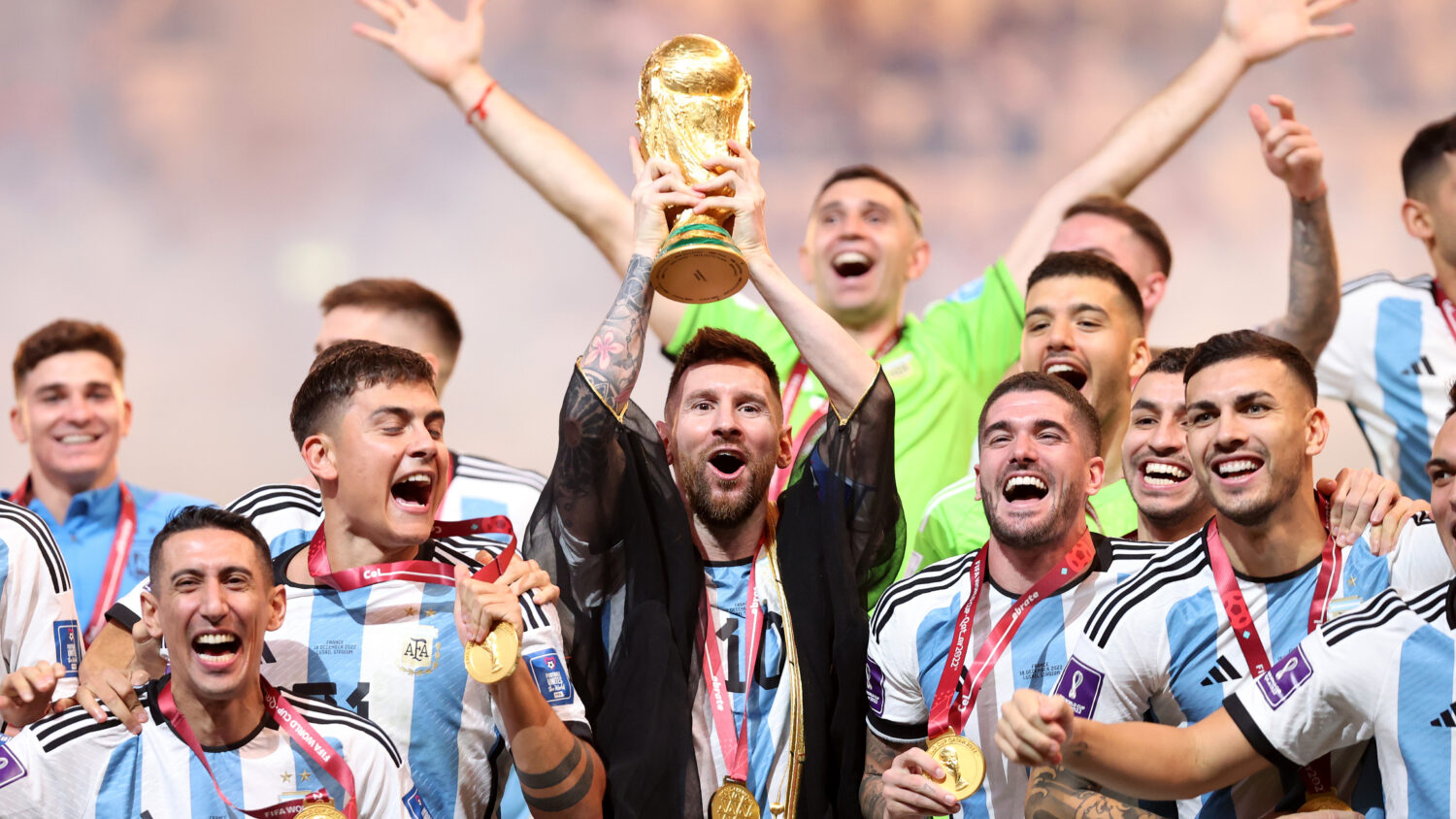
Who Has the Most FIFA World Cup Appearances by a Single Player in History?
The FIFA World Cup is the most watched sporting event on the planet. Every four years, billions of fans tune in to watch the world’s best players compete for football’s ultimate prize. But while goals, trophies, and golden boots tend to dominate the headlines, there is another milestone that speaks volumes about a player’s greatness: the total number of World Cup appearances accumulated across an entire career. Appearing at one World Cup requires talent. Appearing at two demands consistency. Making it to three, four, or even five editions of the tournament is a feat that separates true legends from everyone else. It requires not just elite ability but extraordinary physical durability, mental resilience, tactical adaptability, and the fortune of representing a nation capable of qualifying repeatedly. Lionel Messi currently holds the all-time record with 26 World Cup appearances, a mark built across five tournaments spanning from Germany 2006 to Qatar 2022. With the 2026 FIFA World Cup fast approaching, the first 48-team edition co-hosted by the United States, Canada, and Mexico, records that stood for decades are now within reach of being rewritten entirely. This article takes a deep dive into the players with the most FIFA World Cup appearances in history, examining what drove their longevity, how they adapted across different eras, and what the 2026 tournament could mean for the record books. Lionel Messi: The All-Time Leader with 26 World Cup Appearances No player in the history of the FIFA World Cup has stepped onto the pitch more times than Lionel Messi. His record of 26 appearances is the product of five consecutive tournament campaigns, each one adding another chapter to the most decorated individual career in football history. Messi made his World Cup debut at just 18 years old at Germany 2006, coming off the bench to score against Serbia and Montenegro. From that moment, he never missed another edition. He played all seven matches at South Africa 2010, reached the final at Brazil 2014 where he won the Golden Ball, participated fully at Russia 2018, and then capped everything with a trophy at Qatar 2022, where Argentina defeated France on penalties in arguably the greatest World Cup final ever played. Messi’s World Cup Appearances by Tournament Tournament Year Host Matches Played Goals Assists Germany 2006 Germany 3 1 1 South Africa 2010 South Africa 5 0 2 Brazil 2014 Brazil 7 4 1 Russia 2018 Russia 4 1 2 Qatar 2022 Qatar 7 7 3 Total 26 13 9 What elevates this record beyond pure statistics is the quality Messi delivered alongside the quantity. He did not simply accumulate appearances by featuring as a substitute or filling squad numbers. He was Argentina’s most important player in every single tournament, evolving from an electric young winger into a deep-lying playmaker and eventually a world champion and undisputed leader. If he participates at the 2026 World Cup, he could push his total even further into uncharted territory. Lothar Matthäus: The Former Record Holder Who Set the Standard Before Messi arrived to claim the crown, one name stood alone at the top of this list for over two decades. Lothar Matthäus of West Germany and Germany accumulated 25 World Cup appearances across five tournaments between 1982 and 1998, a record that seemed virtually untouchable at the time. Matthäus was the complete midfielder. He combined physical power with exceptional technical quality, reading the game with a tactical intelligence that allowed him to remain relevant as the sport evolved around him. He began his World Cup career as a dynamic box-to-box player and finished it as a commanding libero, demonstrating the kind of positional adaptability that extended elite careers before modern sports science made it more common. What Made Matthäus’s Record So Remarkable Reaching 25 appearances in an era with fewer substitutions, less squad rotation, and significantly more physical contact makes Matthäus’s achievement genuinely extraordinary. He appeared in three consecutive World Cup finals in 1982, 1986, and 1990, winning the trophy as captain in Italy. His longevity was driven by several factors that modern analysts continue to reference: His record stood for over 20 years, and the fact that only Messi has surpassed it underlines just how rare this level of sustained excellence truly is. Miroslav Klose: 24 Appearances and Football’s Greatest Goalscorer Miroslav Klose occupies a unique position in World Cup history. He ranks third on the all-time appearances list with 24 matches across four tournaments from 2002 to 2014, while simultaneously holding the record for most World Cup goals ever scored with 16. No player has combined volume and impact quite like Klose across the modern era. His World Cup career with Germany was defined by reliability. He scored in every single tournament he entered, delivered crucial goals in knockout rounds, and consistently elevated his performance when the pressure was highest. His aerial ability, intelligent movement, and selfless pressing style made him a nightmare for defenders and a perfect fit for Germany’s structured, progressive style of play. Top Three All-Time World Cup Appearance Leaders Rank Player Nation Appearances Tournaments Key Achievement 1 Lionel Messi Argentina 26 5 (2006 to 2022) 2022 World Cup winner and Golden Ball 2 Lothar Matthäus Germany 25 5 (1982 to 1998) 1990 World Cup winner as captain 3 Miroslav Klose Germany 24 4 (2002 to 2014) All-time record of 16 World Cup goals Klose reaching 24 appearances across just four tournaments highlights the benefit of representing a nation that consistently advances deep into the knockout rounds. Germany reached the final in 2002, the semifinal in 2006 and 2010, and won the trophy in 2014. Those deep runs transformed a strong career into a record-breaking one. Paolo Maldini: Defensive Excellence Across 23 Appearances Paolo Maldini stands as the greatest defender in this conversation, having accumulated 23 World Cup appearances for Italy across four tournaments between 1990 and 2002. In an era when Italy’s football was synonymous with defensive organisation and tactical discipline, Maldini was the foundation upon which every campaign was built. He featured
Read More
FIFA World Cup 2026 Ticketing Problems: Chaos, Outrage, and the Fans Being Left Behind
Two months before the greatest show on earth kicks off across the United States, Canada, and Mexico, something has gone seriously wrong. The FIFA World Cup 2026 ticketing problems have become one of the defining stories of the pre-tournament period, turning what should be a period of pure excitement into a source of widespread frustration, financial shock, and genuine anger from supporters around the world. With 48 teams, 104 matches, and a host nation infrastructure that promised to make this the most accessible World Cup in history, the expectation was that fans would have a genuine opportunity to be part of something historic. Instead, they have been met with crashing websites, eight-hour virtual queues, final tickets priced at nearly $11,000, and accusations of misleading practices that have now reached the European Commission. This is a full breakdown of what has gone wrong, why it matters, and what FIFA needs to do before the opening match arrives. How the Ticketing Process Was Supposed to Work FIFA’s ticketing operation for the 2026 World Cup began in September 2025 with a lottery-based system. Given the scale of the tournament and the enormous global appetite for tickets, the lottery approach made sense on paper. The numbers involved were staggering. Over 500 million ticket requests were reported across the early sales windows, set against roughly six to seven million tickets available across all 104 matches. By early 2026, sales shifted toward more direct release phases, culminating in the April 1 “last-minute sales phase,” which marked a significant structural change. For the first time in this ticketing cycle, the process became first-come, first-served, open until the end of the tournament with rolling releases of remaining inventory. FIFA also announced the reopening of its official resale marketplace on April 2, framing both developments as positive steps toward broader fan access. What actually happened on April 1 was something very different. The Technical Disaster: Queues, Crashes, and Wrong Portals The moment the last-minute sales phase opened at 11 a.m. Eastern Time, the system buckled. Fans who had been logged in and ready found themselves trapped in virtual queues stretching 90 minutes, with some reports of waits extending to eight hours before reaching the point of purchase. For many, that wait ended not in a ticket but in further frustration. A significant number of users were mysteriously redirected to a restricted portal called the “PMA late qualifier supporters sales phase,” a section designed exclusively for supporters of the six newest qualified teams from the inter-confederation playoffs. Being directed there incorrectly meant starting the entire process again from scratch, losing their queue position entirely in a system that was already overloaded. Website crashes, slow loading times, and a near-total absence of real-time communication from FIFA about what was happening or when it would be resolved compounded the problem. For supporters who had taken time off work, set alarms, or coordinated across time zones to participate in this window, the experience was genuinely dispiriting. FIFA acknowledged some technical issues but offered limited explanation and no meaningful remedy in real time. The Price Problem: Who Can Actually Afford to Go? If the technical failures were the immediate crisis, the pricing structure is the deeper, more systemic problem at the heart of the FIFA World Cup 2026 ticketing situation. The numbers involved have shocked even supporters who expected premium pricing for a North American-hosted tournament. Here is a comparison of ticket pricing across recent World Cups: Tournament Cheapest Final Ticket Category 1 Final Ticket Russia 2018 Approx. $200 Approx. $1,100 Qatar 2022 Approx. $600 Approx. $1,600 USA/Canada/Mexico 2026 Significantly higher Up to $10,990 Category 1 tickets for the final at MetLife Stadium in New Jersey have now reached $10,990, up from earlier listings of approximately $8,680. That is not a typo. A single seat at the World Cup final now costs the equivalent of a decent secondhand car. Even group stage matches in less prominent fixtures carry four-figure price tags that place them beyond the reach of the ordinary supporters who have followed their national teams for decades. FIFA’s defence has centred on the expanded format, the costs associated with North American hosting, and the straightforward reality of high demand. Critics, however, argue that none of those justifications explain why the cheapest final ticket has increased by a factor of more than ten compared to Russia 2018. The conclusion many supporters have reached is that FIFA has prioritised revenue extraction over accessibility, and the evidence is difficult to argue against. Dynamic Pricing and the European Commission Complaint The pricing controversy deepened significantly in March 2026 when Football Supporters Europe and the consumer advocacy group Euroconsumers filed a formal 18-page complaint with the European Commission. The complaint accused FIFA of excessive ticket prices, bait advertising, uncontrolled dynamic pricing, pressure-selling tactics, and opaque purchasing conditions, arguing that FIFA exploits its monopoly position as the sole legitimate ticket provider to impose terms that would be unacceptable in any other commercial context. Dynamic pricing, where the cost of a ticket fluctuates in real time based on demand, has drawn particular anger from European fan groups. In North American sports culture, dynamic pricing is a familiar and largely accepted practice. For international supporters from regions where this model is less established, and where buying a ticket involves booking flights and accommodation months in advance at fixed costs, the inability to lock in a price creates genuine financial uncertainty and planning difficulties. The European Commission complaint is not merely symbolic. It represents a formal legal and regulatory challenge to FIFA’s commercial practices in one of its most important markets, and FIFA will need to engage with it seriously as the tournament approaches. The Misleading Seating Map Scandal Just as the pricing controversy was reaching its peak, investigative reporting from The Athletic revealed another layer of the FIFA World Cup 2026 ticketing problems. Fans who had purchased tickets through earlier lottery phases claimed they had been misled by stadium seating maps, which suggested roughly equal access to desirable locations
Read More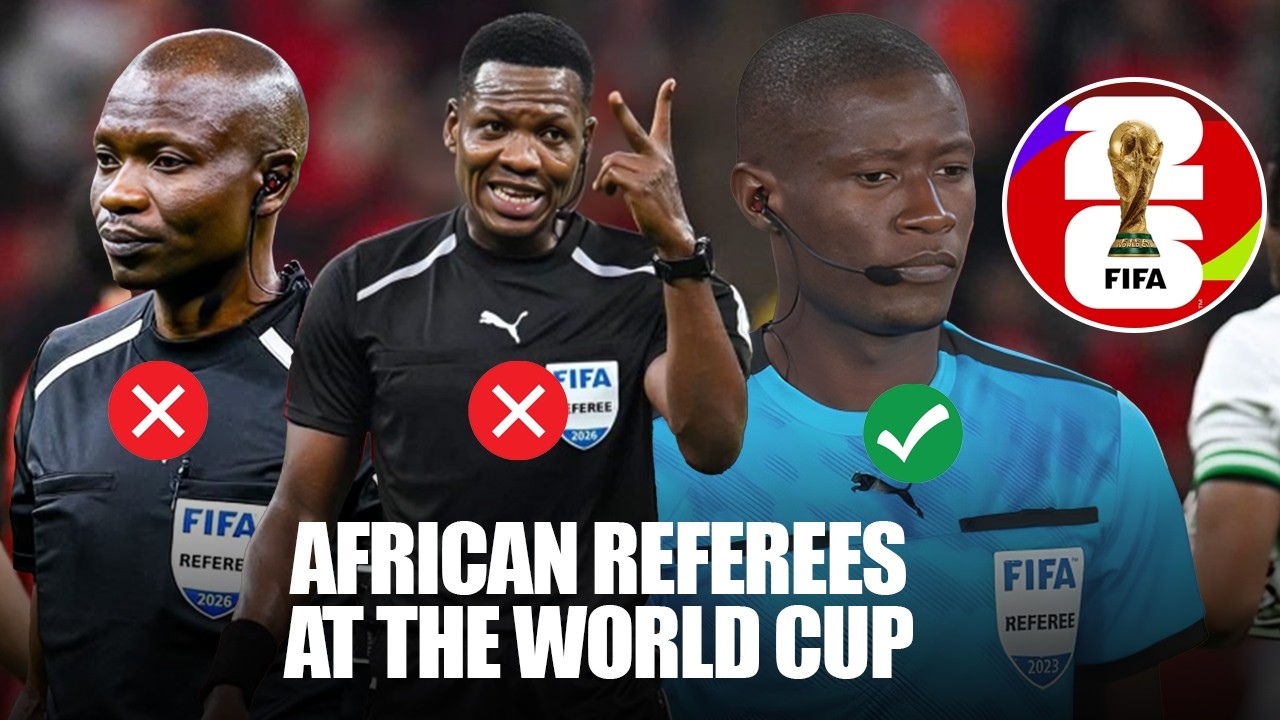
African Referees FIFA World Cup 2026: Meet the Seven Officials
On April 9, 2026, FIFA released the full list of match officials selected for the expanded 48-team FIFA World Cup 2026 in the United States, Canada, and Mexico. Buried within that announcement was a milestone that deserved far more attention than it received in the mainstream football conversation. Seven referees from Africa made the cut, representing the largest African officiating contingent in World Cup history. This is not tokenism or geographical box-ticking. These seven officials earned their places through a ruthless, multi-year evaluation process involving fitness assessments, refereeing seminars in Doha and Dubai, VAR collaboration testing, and performance reviews across high-stakes continental competitions. Their selection reflects something genuinely significant: African refereeing has arrived at the global table, not as guests, but as equals. Here is the complete guide to the African referees at FIFA World Cup 2026, who they are, what makes each of them exceptional, and why their presence matters far beyond the matches they will whistle. How FIFA Selected the African Referees for 2026 Understanding the selection process is essential context before examining the individuals themselves. FIFA’s refereeing seminars in early 2026 brought together candidates from across every confederation and subjected them to simulated World Cup conditions. Low error rates, consistency across different match environments, VAR collaboration quality, and physical fitness benchmarks all fed into the final decisions. The process was deliberately merit-driven, and the outcomes reflected that. Several high-profile African referees who might have expected selection based on reputation alone were left out. Those who made it through did so on performance, not profile. That distinction matters because it elevates the credibility of the entire contingent heading into the tournament. The geographical spread of the seven selected officials also reflects a deliberate strategy from the Confederation of African Football to develop officiating talent across the continent rather than concentrating investment in a handful of established football nations. The Seven African Referees: Full Profiles and Analysis Here is a complete overview of all seven African referees selected for FIFA World Cup 2026. Referee Country FIFA Listed Since World Cup Experience Mustapha Ghorbal Algeria 2014 2018, 2022 Amin Mohamed Omar Egypt 2017 Debut Pierre Ghislain Atcho Gabon N/A Debut Jalal Jayed Morocco N/A Debut Dahane Beida Mauritania N/A Debut Abongile Tom South Africa N/A Debut Omar Abdulkadir Artan Somalia N/A Debut Mustapha Ghorbal: The Veteran Leading the Charge If there is one name among the African referees at FIFA World Cup 2026 that commands immediate respect, it is Mustapha Ghorbal. The Algerian official has been a FIFA-listed referee since 2014 and brings invaluable experience having officiated at both the 2018 World Cup in Russia and the 2022 edition in Qatar. His nomination for the IFFHS World’s Best Referee Award in 2025 placed him among the elite officials on the planet, not just within Africa. Ghorbal’s defining quality is what analysts describe as preventive refereeing, the ability to read a match’s emotional temperature early and manage it before situations escalate. He uses cards sparingly but decisively, averaging approximately 2.6 yellow cards per match with minimal red cards, a profile that speaks to control rather than confrontation. His experience officiating North African derbies, some of the most intense and passionately contested matches in world football, has made him almost uniquely equipped for the pressure of a World Cup knockout environment. Expect to see him in the later stages of the tournament when FIFA needs officials who have been there before. Amin Mohamed Omar: Egypt’s Precision Technician The 40-year-old Egyptian brings a methodical, lawyer-like precision to his officiating that has made him one of CAF’s most trusted officials since earning his FIFA listing in 2017. Omar has handled U-17 World Cup matches and multiple Africa Cup of Nations openers, accumulating experience across a range of competitive pressures that has sharpened his decision-making significantly. His greatest strength is positional awareness and the intelligent application of the advantage rule. In a tournament featuring some of the most technically gifted teams in world football, his willingness to let play flow rather than reaching for his whistle at every contact will be a genuine asset. Omar’s selection also highlights Egypt’s structured referee development pipeline, a systematic approach to producing elite officials that other African football associations are actively studying as a model worth replicating. Pierre Ghislain Atcho: Gabon’s Athletic Modernist At just 34 years old, Pierre Ghislain Atcho is the youngest member of the African contingent and represents CAF’s deliberate investment in the next generation of officiating talent. His rise through the CAF Champions League and Confederation Cup has been rapid, driven by exceptional physical conditioning and an instinctive feel for game management that belies his relative youth at this level. In an expanded World Cup that will demand 104 matches across a compressed schedule, Atcho’s athleticism gives him a distinct advantage in high-tempo fixtures that stretch older officials physically. His Central African background has shaped him in an environment of physical, transition-heavy football, a tactical lens that could prove particularly useful when officiating matches involving the tournament’s more direct, counter-attacking sides. Jalal Jayed: Morocco’s Disciplined Strategist Jalal Jayed’s inclusion is part of a broader pattern of Moroccan football infrastructure growth that accelerated dramatically following the national team’s historic run to the semi-finals at the 2022 World Cup in Qatar. Moroccan referees have developed a reputation for tactical discipline and strong, collaborative working relationships with VAR officials, qualities that align perfectly with FIFA’s current officiating priorities. Jayed’s preventive style reduces unnecessary stoppages, a significant consideration in a 48-team format where match flow and fatigue management are constant challenges. His selection also carries a symbolic dimension: Morocco’s influence on African football now extends beyond the players and coaching staff to the officials who shape how the game is played. Dahane Beida: Mauritania’s Symbol of Merit Over Pedigree Of all the African referees at FIFA World Cup 2026, Dahane Beida’s story perhaps best captures what this selection process was designed to reward. Mauritania is not one of African football’s traditionally dominant nations. Their football infrastructure has developed
Read More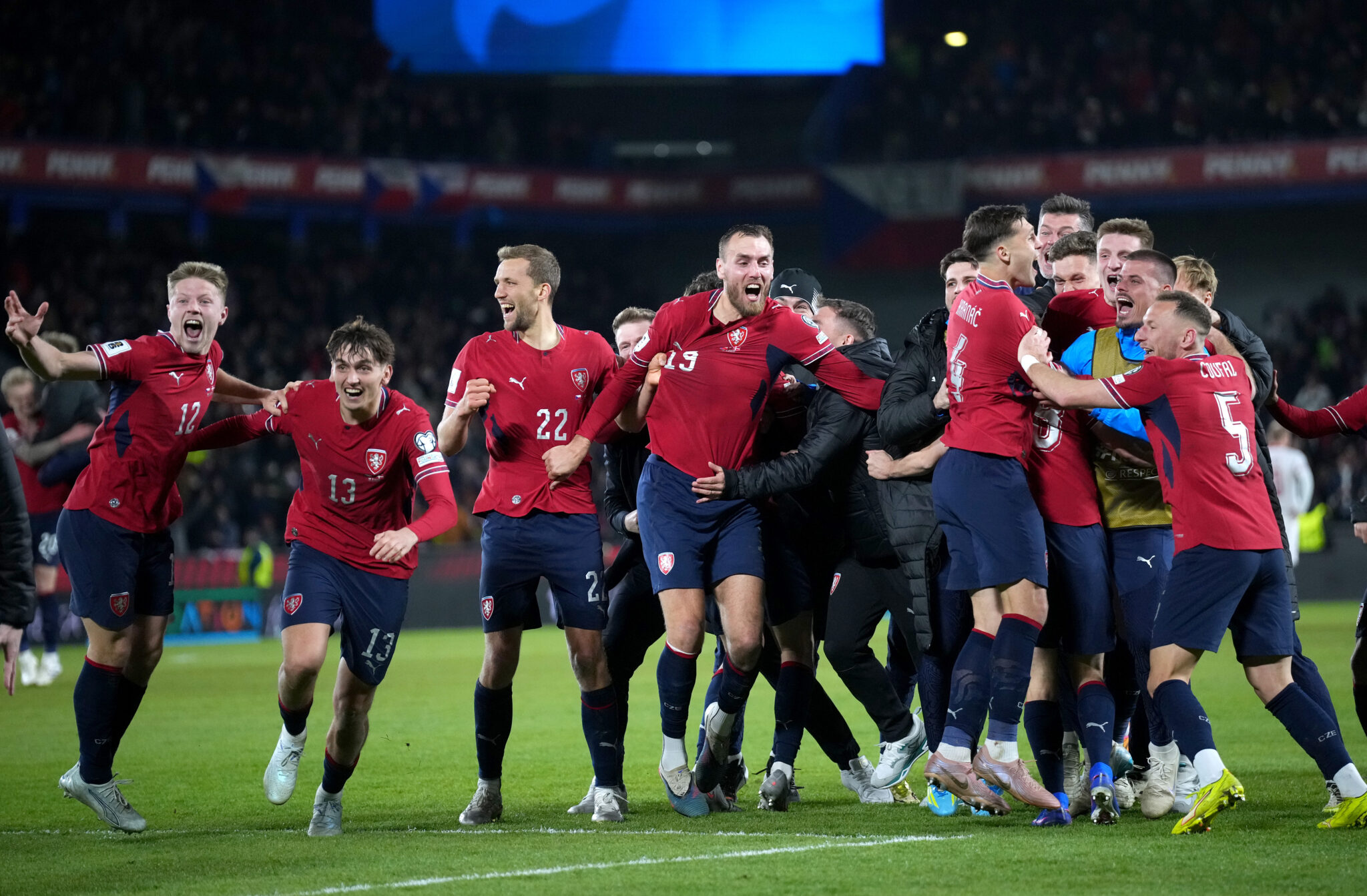
FIFA World Cup 2026 Qualification Surprises: 5 Teams That Shocked the Football World
The road to any World Cup produces drama. But the road to the 2026 FIFA World Cup, expanded to 48 teams for the first time and spread across the United States, Canada, and Mexico, delivered something genuinely extraordinary. With more spots available across every confederation, more nations dared to dream. And in the most unpredictable qualification campaign in recent memory, some of those dreams became reality in the most stunning fashion imaginable. Traditional powerhouses stumbled. Italy missed out for a third consecutive edition. Nigeria, Poland, Denmark, and Colombia all fell short. Meanwhile, tiny island nations, long-suffering footballing cultures, and first-time qualifiers gate-crashed the party in ways nobody saw coming. These are the five FIFA World Cup 2026 qualification surprises that shocked everyone, and the stories behind them that deserve to be told properly. The Big Picture: Why 2026 Qualifying Was So Unpredictable Before diving into the individual stories, it is worth understanding why this particular qualification cycle produced so many shocks. The expansion to 48 teams fundamentally altered the mathematics of qualification across every confederation. More spots meant more opportunities, but it also created a false sense of security among established nations who assumed their experience and ranking would carry them through. What the campaign actually revealed was how rapidly the gap between traditional football powers and developing nations has closed. Diaspora talent pipelines, improved coaching education, smarter tactical setups, and better infrastructure investment in smaller nations combined to create a genuinely level playing field in multiple confederation groups. The teams below are the five that best illustrate that shift. 1. Curaçao: The Smallest Nation in World Cup History There is small, and then there is Curaçao. With a population of approximately 156,000 people and a land area of just 444 square kilometres, this Caribbean island became the smallest nation by both population and geography ever to qualify for a FIFA World Cup. That sentence alone deserves a moment of reflection. Curaçao sealed their place by topping their CONCACAF third-round group, holding Jamaica to a goalless draw on the final matchday in November 2025 to edge out stronger regional sides including Trinidad and Tobago and Bermuda. It was a nervy, disciplined, and ultimately historic evening for a nation that was ranked as low as 150th in the world not long ago. The foundation of their rise is a combination of factors that other small nations would do well to study. A strong connection to the Dutch football system, with many players holding Dutch passports or competing in European leagues, has brought technical quality and tactical awareness to a squad that punches far above its weight. Their coaching staff built a compact defensive structure designed to absorb pressure and punish opponents on the counter, a style that proved devastatingly effective throughout the campaign. When qualification was confirmed, the streets of Willemstad turned into one enormous celebration. For a nation of 156,000, reaching the World Cup is not just a sporting achievement. It is a defining moment in their national identity. Among all the FIFA World Cup 2026 qualification surprises, Curaçao’s stands alone for sheer improbability. 2. Haiti: Ending 52 Years of Waiting If Curaçao’s story is about geography, Haiti’s is about perseverance against almost unimaginable odds. Their 2-0 victory over Nicaragua in November 2025 confirmed their return to the World Cup for only the second time in their history, ending a 52-year absence since their sole previous appearance at the 1974 tournament in West Germany. Haiti topped CONCACAF Group C ahead of fancied sides including Costa Rica and Honduras, a result that few analysts had predicted heading into the final qualifying window. Their campaign was built on a high-pressing, counter-attacking style implemented by coach Sebastien Migne, and delivered by a new generation of players, many of them based in European and North American club football, who brought a level of technical quality that previous Haitian squads had struggled to match. What gives this story its deeper resonance is the context surrounding it. Haiti has faced political instability, natural disasters, and profound infrastructure challenges that have consistently disrupted the development of their football programme. The fact that a nation dealing with those pressures could organise, prepare, and qualify for the world’s biggest sporting event is a testament to the power of football as a unifying force. Celebrations in Port-au-Prince and across the Haitian diaspora were emotional in a way that goes beyond sport. This qualification is validation. It is proof that resilience and belief can overcome systemic obstacles, and for a country that needs good news, it arrived at exactly the right moment. 3. Uzbekistan: Asian Debutants Rewriting the Continental Map Asian football has long been dominated by a familiar group of nations. Japan, South Korea, Iran, and Australia have historically claimed the majority of AFC World Cup berths, with occasional appearances from Saudi Arabia and other Gulf states. Uzbekistan’s arrival as first-time qualifiers signals that the continental landscape is shifting in ways the traditional powers cannot afford to ignore. Uzbekistan secured their historic debut with a crucial draw against the UAE in June 2025, finishing strongly in their AFC group to earn a place at the finals. Their campaign was built on tactical discipline, physical intensity, and the quality of a golden generation of players developed through improved domestic structures and experience in Russian and European club football. What made their qualification one of the standout FIFA World Cup 2026 qualification surprises was not just the achievement itself but what it represents. Alongside fellow debutants Jordan, Uzbekistan’s emergence signals that Central Asian football is no longer content to be overlooked. The investment in youth academies, the pipeline of talent through the domestic league, and smart tactical preparation under their coaching staff produced a side capable of competing with the best in their confederation. In Tashkent, the celebrations reflected just how significant this moment is for a nation that had never before reached football’s greatest stage. For the rest of the world, Uzbekistan’s qualification is a reminder that the 2026 tournament
Read More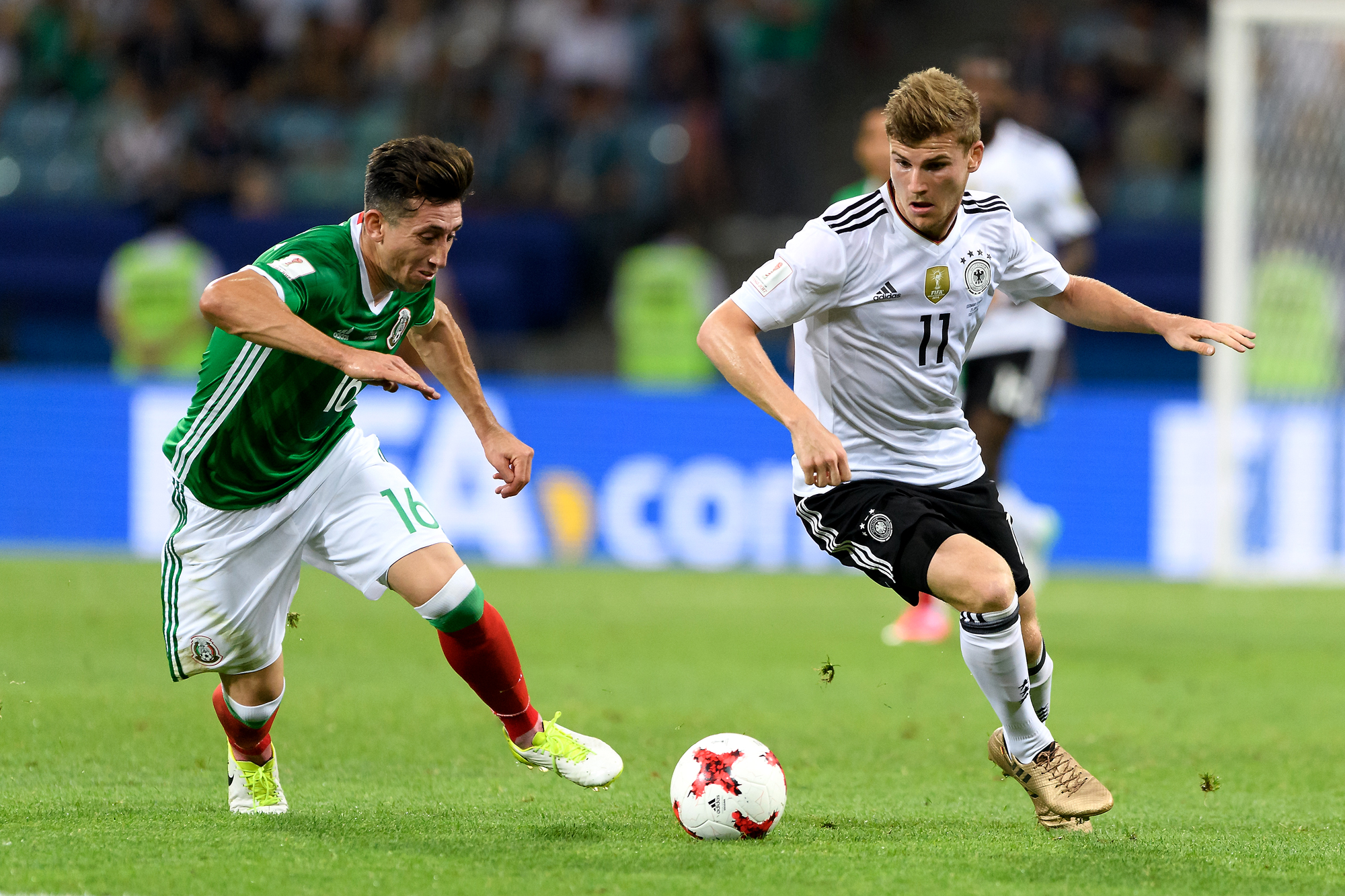
Which team did Mexico beat 1-0 in their opening match of the FIFA World Cup 2018?
There are results that live inside football forever. Scores that get passed down from one generation of supporters to the next, replayed in highlight reels and referenced in conversations about the beautiful game’s greatest moments. Mexico’s opening match at the 2018 FIFA World Cup produced exactly that kind of result. Mexico beat Germany 1-0 in their opening match of the 2018 FIFA World Cup. A single goal, scored by a young winger named Hirving “Chucky” Lozano in the 35th minute, was enough to topple the reigning world champions on one of football’s biggest stages. The date was June 17, 2018. The venue was the Luzhniki Stadium in Moscow, Russia. The attendance was 78,011. And for every Mexican supporter inside that stadium and watching from home, it was one of the greatest days their football has ever produced. Setting the Scene: What Made This Opening Match So Significant To truly appreciate what happened in Moscow that afternoon, you need to understand the context that surrounded it. The 2018 FIFA World Cup was hosted by Russia, and the draw had placed Mexico into Group F alongside Germany, Sweden, and South Korea. It was one of the most challenging groups in the tournament, and the opening fixture against Germany was considered by virtually every analyst to be Mexico’s toughest possible start. Germany were not simply a good team in 2018. They were the defending world champions, having won the 2014 tournament in Brazil with a 1-0 victory over Argentina in the final. Coached by Joachim Löw, their squad read like a who’s who of European football. Manuel Neuer in goal. Toni Kroos controlling midfield. Mesut Özil as the creative force. Thomas Müller and Timo Werner providing the attacking threat. FIFA had ranked them number one in the world heading into the tournament, and the overwhelming consensus was that they were among the two or three most likely sides to lift the trophy again. Mexico arrived with respect but without fear. Coach Juan Carlos Osorio had spent months preparing his squad for exactly this kind of challenge, and his roster blended experience with youthful energy. Goalkeeper Guillermo Ochoa, captain Andrés Guardado, and veteran striker Javier “Chicharito” Hernández provided the leadership, while young talents like Carlos Vela and Hirving Lozano offered pace and directness. The most recent competitive meeting between the two nations had ended in a 4-1 hammering for Mexico at the 2017 Confederations Cup semi-final. Mexico had never beaten Germany in competitive football before June 17, 2018. How Mexico Set Up: The Tactical Blueprint One of the most underappreciated aspects of Mexico’s famous victory is how intelligently Osorio approached the game. Rather than trying to match Germany’s possession-based style, he built his team around defensive discipline and the ability to hurt the world champions on the counter-attack. Mexico lined up in a 4-2-3-1 formation, with Héctor Moreno and Hugo Ayala as the central defensive partnership and Carlos Salcedo and Jesús Gallardo providing cover at full-back. In the middle of the park, Héctor Herrera and Andrés Guardado worked as a disciplined double pivot, focused on cutting off the supply lines to Germany’s creative players and protecting the space in behind the defensive line. The plan was clear. Absorb Germany’s pressure, stay compact, and wait for the moment to strike. Against a side as technically gifted as Germany, it required enormous concentration and physical commitment from every player on the pitch. For 35 minutes, Mexico executed it almost perfectly. The Goal: Lozano’s Moment That Defined a Generation The breakthrough that changed football history arrived in the 35th minute of Mexico’s 2018 World Cup opening match. Javier Hernández received possession in a dangerous area and immediately played a precise pass into the run of Hirving Lozano on the left side of the German penalty area. What Lozano did next was a combination of technique, composure, and pure instinct. He controlled the ball cleanly, shifted his body to evade Mesut Özil with a sharp directional change, and drove a low shot across Manuel Neuer from close range. The ball hit the back of the net, and the Luzhniki Stadium erupted in green and gold. It was Lozano’s first ever goal at a FIFA World Cup. It was also the perfect execution of everything Osorio had planned, a rapid transition from defence to attack, clinical finishing under pressure, and the courage to take on a world-class opponent in a decisive moment. Celebrations back in Mexico City were so intense that they reportedly registered on earthquake monitoring equipment across the capital. The Second Half: Ochoa, Resilience, and the Final Whistle Germany’s response in the second half was everything you would expect from the world’s top-ranked team. Joachim Löw made attacking substitutions, bringing on Marco Reus, Mario Gómez, and Julian Brandt to find a way through a disciplined Mexican rearguard. The Germans dominated possession and created a series of increasingly urgent chances. Toni Kroos struck the crossbar with a free-kick that had Ochoa beaten. Appeals for penalties were dismissed. Wave after wave of German pressure crashed against a Mexico defensive wall that refused to break. Guillermo Ochoa was outstanding in goal throughout, commanding his area with authority and producing the saves his team needed when Germany came closest to levelling. Every Mexican outfield player threw themselves into challenges and blocks with the kind of collective commitment that defines great defensive performances. When Edson Álvarez came on as a substitute, he slotted immediately into the structure and added another layer of physicality to the midfield shield. The final whistle confirmed what had seemed increasingly certain in the closing minutes. Mexico’s 2018 World Cup opening match ended 1-0. The defending world champions had been beaten. The Key Players Who Made History Several individuals deserve recognition for their roles in one of football’s most memorable upsets. Player Position Key Contribution Hirving Lozano Winger Scored the winning goal; awarded Man of the Match Guillermo Ochoa Goalkeeper Crucial saves throughout; kept Germany at bay Héctor Herrera Midfielder Relentless defensive work disrupting Germany’s play Andrés
Read More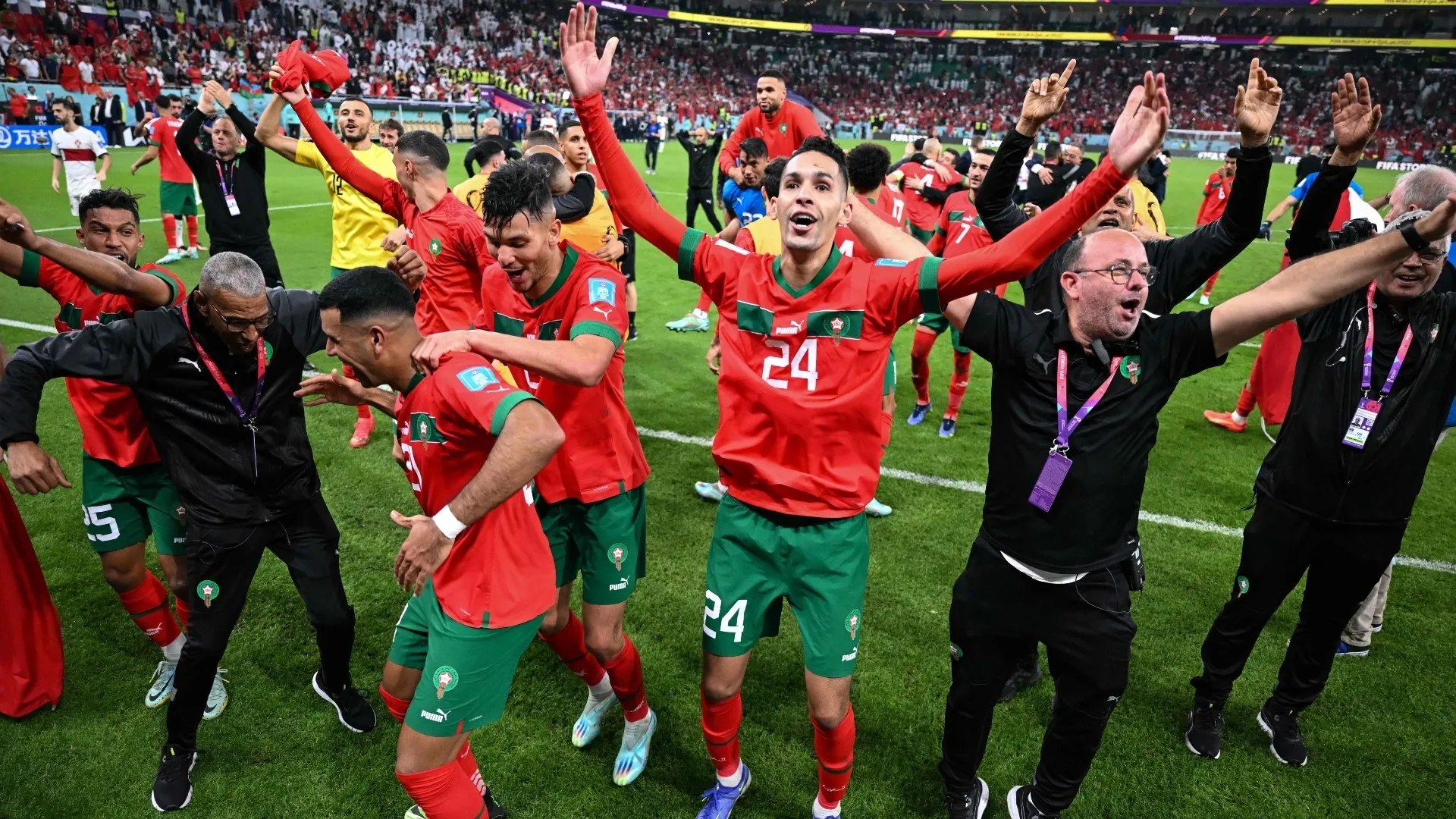
Classement FIFA Africa 2026: Top 10 African Rankings Explained
African football is in the middle of one of its most fascinating and competitive eras. As the FIFA World Cup 2026 approaches across Canada, Mexico, and the United States, the Classement FIFA Africa 2026 paints a vivid picture of where the continent stands, who is rising, who is under pressure, and which nations are quietly building something special. This is not just a list of numbers. It is a story of tactical evolution, generational transitions, and the shifting balance of power across a continent of 54 football nations. Here is the complete breakdown of the Classement FIFA Africa 2026 top 10, followed by the deeper trends every football fan needs to understand. Official Classement FIFA Africa: April 2026 This represents the final official FIFA update before the 2026 World Cup kicks off in North America, making it the most significant ranking snapshot of the entire cycle. Africa Rank Country Global Rank Total Points Movement 1 Morocco 8th 1755.87 Stable 2 Senegal 14th 1688.99 Down 2 3 Nigeria 26th 1585.09 Stable 4 Algeria 28th 1564.26 Up 1 5 Egypt 29th 1563.24 Up 2 6 Côte d’Ivoire 34th 1532.98 Up 3 7 Tunisia 44th 1483.05 Up 3 8 Cameroon 45th 1481.24 Down 1 9 DR Congo 46th 1478.35 Up 2 10 Mali 52nd 1459.13 Up 2 1. Morocco: The Only African Nation in the Global Top 10 Morocco sits at 8th in the world, a position that would have seemed extraordinary just a decade ago and now feels entirely deserved. At the very top of the Classement FIFA Africa 2026, the Atlas Lions are the undisputed standard-bearers of African football, and their dominance is not built on a single tournament result but on a sustained infrastructure that has been developing since their historic 2022 World Cup semi-final run in Qatar. A clinical 2-1 victory over Paraguay in March 2026 further reinforced their points cushion at the summit. If Morocco delivers a strong performance at the World Cup this summer, they could realistically break into the global top five by the end of the year, a feat no African nation has ever achieved. 2. Senegal: The Primary Challenger to Morocco’s Throne Despite slipping two places globally, Senegal remains comfortably in the elite tier of world football at 14th overall. The Lions of Teranga are the most credible threat to Morocco’s continental dominance in the Classement FIFA Africa 2026, and their squad depth is arguably their greatest strength. A blend of experienced leaders and emerging talent coming through the academies in Dakar gives Senegal the kind of generational continuity that sustains top-level performance across multiple tournament cycles. The slight dip in the rankings should not be misread as decline. Senegal remains a genuine World Cup contender and one of the most complete squads on the African continent heading into the summer. 3. Nigeria: High Ranking, Absent from the World Cup Nigeria’s position in the Classement FIFA Africa 2026 is one of the most thought-provoking entries on the entire list. The Super Eagles sit third in Africa and 26th globally, yet they will not be at the 2026 World Cup. That contradiction tells you a great deal about both the strengths and the limitations of the FIFA ranking system. Nigeria’s high points total reflects consistent high-scoring performances in continental qualifiers and a bronze medal finish at the 2025 AFCON. But ranking points and competitive relevance are not always the same thing. Their failure to win the specific high-leverage qualification matches that mattered most means they remain a powerful footballing nation watching the tournament from home. Expect their ranking to face significant pressure in the post-World Cup period as nations who compete in North America accumulate weighted points from tournament wins. 4. Algeria and Egypt: North Africa’s Closest Battle The gap between Algeria at 28th globally and Egypt at 29th is a mere 1.02 points, making this the tightest contest anywhere in the Classement FIFA Africa 2026. Both nations have undergone significant tactical and generational shifts heading into this World Cup cycle. Algeria has successfully integrated a younger generation of dual-national talents, bringing fresh energy and European club experience into a squad that had previously relied heavily on an older core. Egypt meanwhile has shifted toward a more defensively balanced tactical setup, making them exceptionally difficult to break down in high-stakes matches. Both nations are heading to the 2026 World Cup, and both carry genuine potential to cause upsets in North America. 5. Côte d’Ivoire: The Biggest Movers in the Upper Tier Côte d’Ivoire are the standout movers in the top half of the Classement FIFA Africa 2026, climbing three places to sit 34th globally. The Elephants are riding the momentum of their emotionally charged 2023 AFCON victory on home soil, and their squad has reached a level of maturity that makes them dangerous in any competition. With the majority of their starting eleven playing across Europe’s top five leagues, Côte d’Ivoire bring a level of technical quality and tactical awareness that was not always present in previous generations. They are hitting their peak at exactly the right moment, which makes them one of the more compelling African sides to watch at the 2026 World Cup. 6. Tunisia and Cameroon: The Old Guard Under Pressure Tunisia and Cameroon represent two of African football’s most established presences, and both find themselves at an interesting crossroads in the Classement FIFA Africa 2026. Tunisia have climbed to 44th globally on the back of disciplined defensive performances, demonstrating that tactical organization can compensate for a lack of individual star power at the international level. Cameroon at 45th tell a slightly different story. Inconsistent results in friendly matches against non-African opposition have cost them ground, and there are genuine questions about whether the technical setup surrounding the squad is modern enough to compete with the continent’s more progressive nations. If both Tunisia and Cameroon do not modernize their approaches, rising forces like South Africa’s Bafana Bafana, currently knocking on the door at 60th globally, could push them out of the
Read More