
Top 10 Dark Horses for the FIFA World Cup 2026
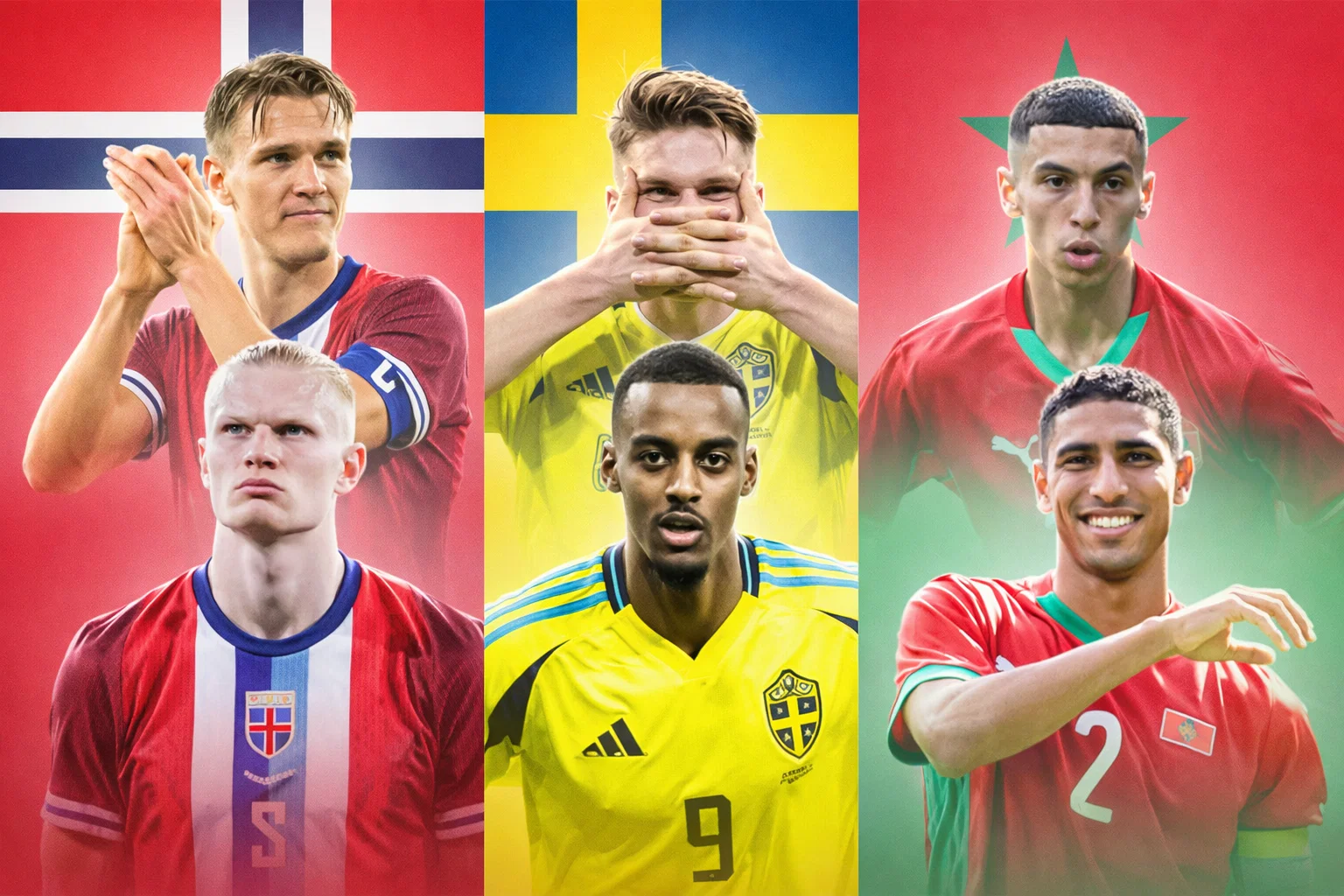
The FIFA World Cup 2026 is unlike any tournament that has come before it. For the first time in history, 48 nations will compete across three host countries, Canada, Mexico, and the United States, in a expanded format that introduces a Round of 32 and creates more opportunities than ever for the unexpected to happen. Brazil, France, and Argentina will arrive as favorites, but the beautiful game has never been kind to certainty. In this new landscape, the dark horses matter more than ever. One disciplined defensive shape, one moment of individual brilliance, one upset in a single 90-minute window, and the entire bracket shifts. These ten nations are the ones to watch: teams with the tactical identity, the rising stars, and the competitive pedigree to genuinely threaten the traditional giants of world football. Why the 2026 Format Is Built for Upsets Before diving into the teams themselves, it is worth understanding why this particular World Cup is so favorable for dark horses. The expanded 48-team format means every knockout match carries amplified variance. A tactically disciplined side does not need to be better than a favorite across multiple games. They only need to be better for 90 minutes, or sometimes just better for one moment in extra time. Add in the diverse climates across North American host cities, from the summer humidity of the US East Coast to the high-altitude conditions of Mexican venues, and the physical and tactical demands become unpredictable in ways that favor well-drilled, physically prepared underdogs. The 2026 dark horses listed below understand this landscape better than most. 1. Japan: Tactical Architects Who Have Outgrown the Underdog Label Japan enters the 2026 World Cup no longer as a surprise package but as a genuine tactical blueprint for how to compete against elite opposition. Under coach Hajime Moriyasu, the Samurai Blue have evolved from a hardworking but limited side into a team capable of dictating tempo against world-class opponents. Their system, a 4-2-3-1 and 3-4-3 hybrid, is built around intelligent pressing rather than aimless chasing. Japan baits elite midfields into specific trap zones before launching rapid transitions that few international teams can handle in real time. With Takefusa Kubo of Real Sociedad and Kaoru Mitoma of Brighton providing genuine world-class threat on the wings, and Wataru Endo anchoring the defensive structure, Japan boasts arguably their strongest squad in history. Almost their entire starting eleven plays in Europe’s top five leagues, a depth that makes them one of the most credible dark horses FIFA World Cup 2026 has to offer. 2. Ecuador: South America’s Battle-Hardened Physical Force If any tournament prepares a team for the pressures of a World Cup, it is CONMEBOL qualifying. Ecuador survived the most demanding regional qualification process in world football and emerged as a team built on athleticism, defensive discipline, and collective resilience. La Tri are a nightmare matchup for European giants precisely because of their physical profile. They are fast, strong in the air, and entirely comfortable competing in the high-intensity environments that the 2026 climate diversity will demand. The midfield spine of Moisés Caicedo combined with the defensive solidity of Piero Hincapié gives Ecuador a foundation that rivals established European nations. The most exciting addition to this picture is Kendry Páez, the teenage creative spark who provides something Ecuador has historically lacked: the ability to unlock a low defensive block in the group stages when the opposition sits deep. 3. Norway: The Haaland Factor Is Not a Gimmick Norway returns to the World Cup stage for the first time since 1998, and they arrive with the most clinical finisher in world football leading the line. Erling Haaland’s presence alone changes the tactical calculus for any opponent Norway faces, but reducing this team to one player significantly undersells what they bring to the tournament. Martin Ødegaard provides Premier League quality in the playmaking role, while the emergence of Oscar Bobb and Alexander Sørloth has transformed Norway from a two-man threat into a genuinely multi-dimensional attacking unit. Their strategy is straightforward but brutally effective: defensive solidity combined with direct service to Haaland whenever the opportunity arises. In a tournament where fatigue accumulates and margins shrink, having a striker who needs half a chance to score is one of the most valuable assets any dark horse FIFA World Cup 2026 contender can possess. 4. Morocco: The Giant-Killers Who Only Got Better Morocco’s historic semi-final run at the 2022 Qatar World Cup announced them to the world. Many expected them to decline after losing key figures from that campaign. Instead, they doubled down, won the Africa Cup of Nations, and arrived at 2026 sharper and more complete than before. The Atlas Lions defend not out of fear but out of tactical intelligence, using their shape to control space rather than simply absorb pressure. Achraf Hakimi and Noussair Mazraoui represent arguably the finest fullback partnership in international football, capable of neutralizing elite wingers while remaining primary attacking threats themselves. The most significant upgrade since Qatar is the integration of Brahim Díaz from Real Madrid in a central creative role, giving Morocco a possession-based dimension that pure counter-attacking teams simply do not have. They are not just a dark horse. They are a genuine quarterfinal threat. 5. Colombia: The Americas Resurrection Story Colombia missed the 2022 World Cup entirely, and the reset that followed has produced something genuinely exciting. They enter 2026 on one of international football’s longest unbeaten streaks, combining experienced leadership with a new generation of explosive attacking talent. Luis Díaz is the prototype for the modern dark horse attacker: capable of creating danger entirely through individual quality even when his team is being outplayed in possession. Colombia’s additional advantage is geography and culture. Playing significant matches in US host cities with enormous Latin American communities means many of their fixtures will generate an atmosphere resembling a home game, a psychological edge in tight knockout moments that is easy to underestimate and very difficult to replicate. 6. Uzbekistan: The Debutant Nobody Has Figured
Read More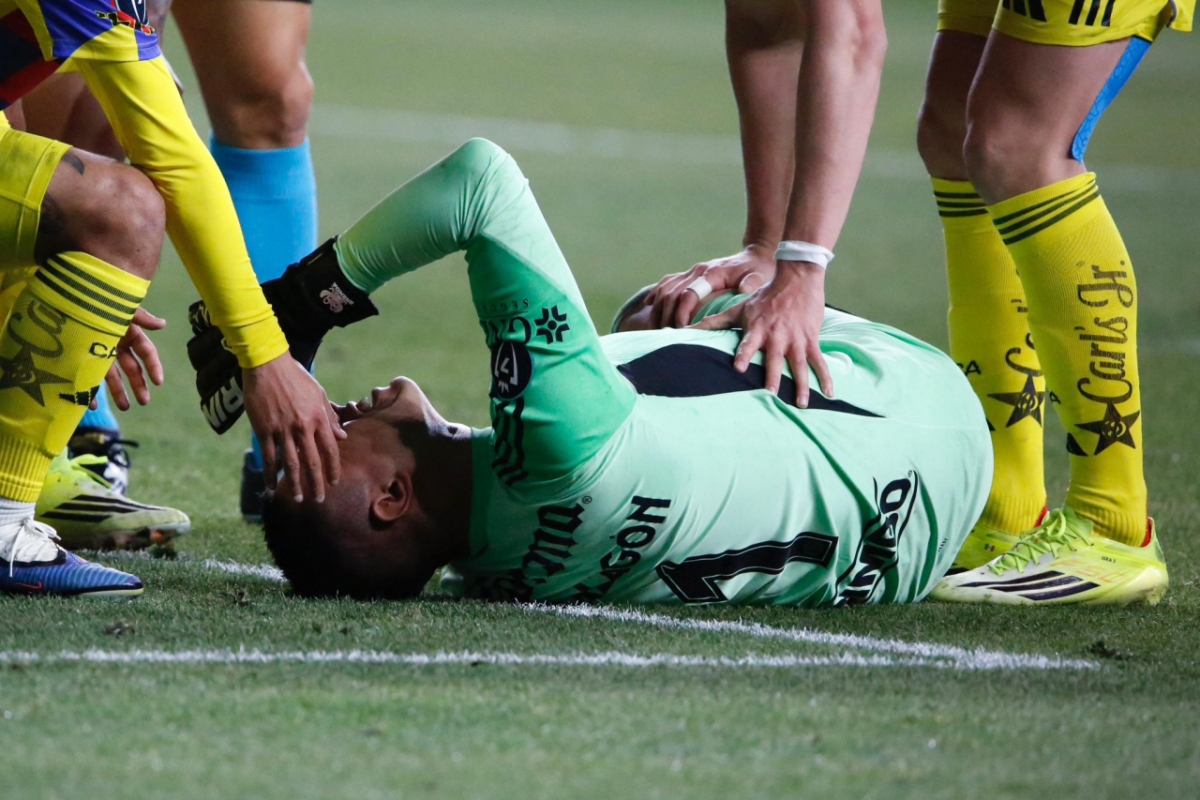
2026 FIFA World Cup Injury List: Confirmed Absentees, Neymar’s 77-Day Countdown, and Every Star in Doubt
The 2026 FIFA World Cup kicks off in less than 75 days — and the casualty list is already longer than any tournament in recent memory. From ACL tears tearing through South American squads to fresh muscle injuries rattling England’s preparations, this is shaping up to be the most injury-disrupted World Cup of the modern era. Much of the blame lies with an increasingly brutal club calendar. The expanded UEFA Champions League, the new FIFA Club World Cup, and packed domestic schedules have left elite players running on fumes. Knees, in particular, are paying the price — there have already been more significant ACL ruptures among World Cup-caliber players in 2025-26 than in any comparable pre-tournament window in the last two decades. This is the complete, fact-checked 2026 FIFA World Cup injury list as of April 2, 2026: who is definitely out, who is desperately racing the clock, which stars are being falsely linked with injuries, and which nations are most severely damaged. We have also separated players who are genuinely injured from those simply absent because their nation failed to qualify — a distinction that trips up a surprising number of fans searching online right now. Confirmed Absentees: The Definites These players will not be at the 2026 World Cup. Their injuries are confirmed, their recovery timelines place them well beyond the tournament window, and no amount of optimism from their clubs or national associations is going to change that. Rodrygo (Brazil) suffered an ACL tear at Real Madrid that has ended his tournament chances. For a Brazil side already managing fitness concerns across its attack, losing one of the most dynamic wide forwards in world football is a serious blow — not just in quality, but in the psychological confidence that comes with having elite options on the bench. Mexico have been the hardest-hit nation before a ball has even been kicked in North America. Marcel Ruiz of Toluca and goalkeeper Luis Ángel Malagón of Club América have both suffered ACL tears, devastating El Tri’s depth at two important positions. For a co-hosting nation that carries enormous pressure to finally break its knockout-stage curse, these losses carry extra weight. The scale of Mexico’s misfortune before their home tournament has echoes of the frustration that has defined their World Cup history for decades. Islam Issa (Egypt) confirmed his ACL injury on April 2, officially ending his participation. And Marc-André ter Stegen (Germany) — dealing with persistent knee complications stemming from an earlier procedure — is considered highly likely to miss the tournament entirely, leaving Germany with a significant void in goal just as the competition begins. The Legend Watch: Neymar and Ronaldo Neymar is in a genuine race against time. Currently at Santos, the Brazilian forward has 77 days to prove to Brazil head coach Carlo Ancelotti that he deserves a place in the squad. Ancelotti’s recent comment that the squad is “quite defined” was not an encouraging signal. Neymar has suffered a series of debilitating injuries over the past three years, and even his most loyal supporters acknowledge that his chance of being fully match-fit — not just present, but tournament-ready — is probably around 50/50. Brazil without Rodrygo and without a fit Neymar is a very different proposition from the side that most people are picturing when they write them into their bracket. Cristiano Ronaldo presents a slightly different picture. The 41-year-old has been sidelined with a hamstring injury since late February, missing a month of action with Al Nassr. Portuguese coaching staff remain publicly optimistic, and Ronaldo’s sheer determination to be present at what would almost certainly be his final World Cup should not be underestimated. But a hamstring injury at his age, sustained during the most physical period of the European season, demands careful management. Portugal will not risk him until he is genuinely ready — and whether that translates to “ready for the opening game” remains to be seen. Racing the Clock: Recent March and April Breakdowns If the ACL injuries represent the slow-burn damage of the calendar crisis, this category is where the pre-tournament anxiety is peaking right now. Phil Foden (England) suffered a high-impact injury during England’s friendly against Uruguay on March 29. Early scans indicate a significant muscle strain, and his availability for England’s tournament opener is genuinely in doubt. Foden has been one of the most consistent performers in Thomas Tuchel’s setup — creative, relentless, capable of unlocking defensive structures that England would otherwise struggle to break down. His absence, even for one or two group games, meaningfully reduces England’s ceiling. Reece James (England) has suffered his tenth hamstring injury of his career, in late March. Chelsea manager Liam Rosenior has been predictably cautious in his assessment, and James’ injury history strongly suggests a recovery timeline that makes the opening stages of the tournament extremely tight. England have now lost James so many times that their setup is designed to function without him — but having him fully fit remains the difference between a good right side and an elite one. Raphinha (Brazil) has been ruled out until May 2026 with a hamstring tear, missing the Champions League quarterfinals in the process. He must return to full fitness and then immediately hit peak form to have any hope of boarding the plane to North America. Coaches are notoriously cautious about rushing players back from this type of injury, and Brazil’s medical staff will be watching his recovery extremely closely in May. Fact-Check: The Biggest Rumors Currently Circulating Are False This is the most important section of any credible 2026 FIFA World Cup injury list — and the one that most rival articles fail to include. Social media has a well-documented tendency to manufacture or amplify injury rumors in the weeks before major tournaments, and 2026 is no different. Kylian Mbappé is not injured. Despite reports circulating in late March of a “partial ligament rupture,” Mbappé himself confirmed on April 1 that his knee issue is fully resolved and he
Read More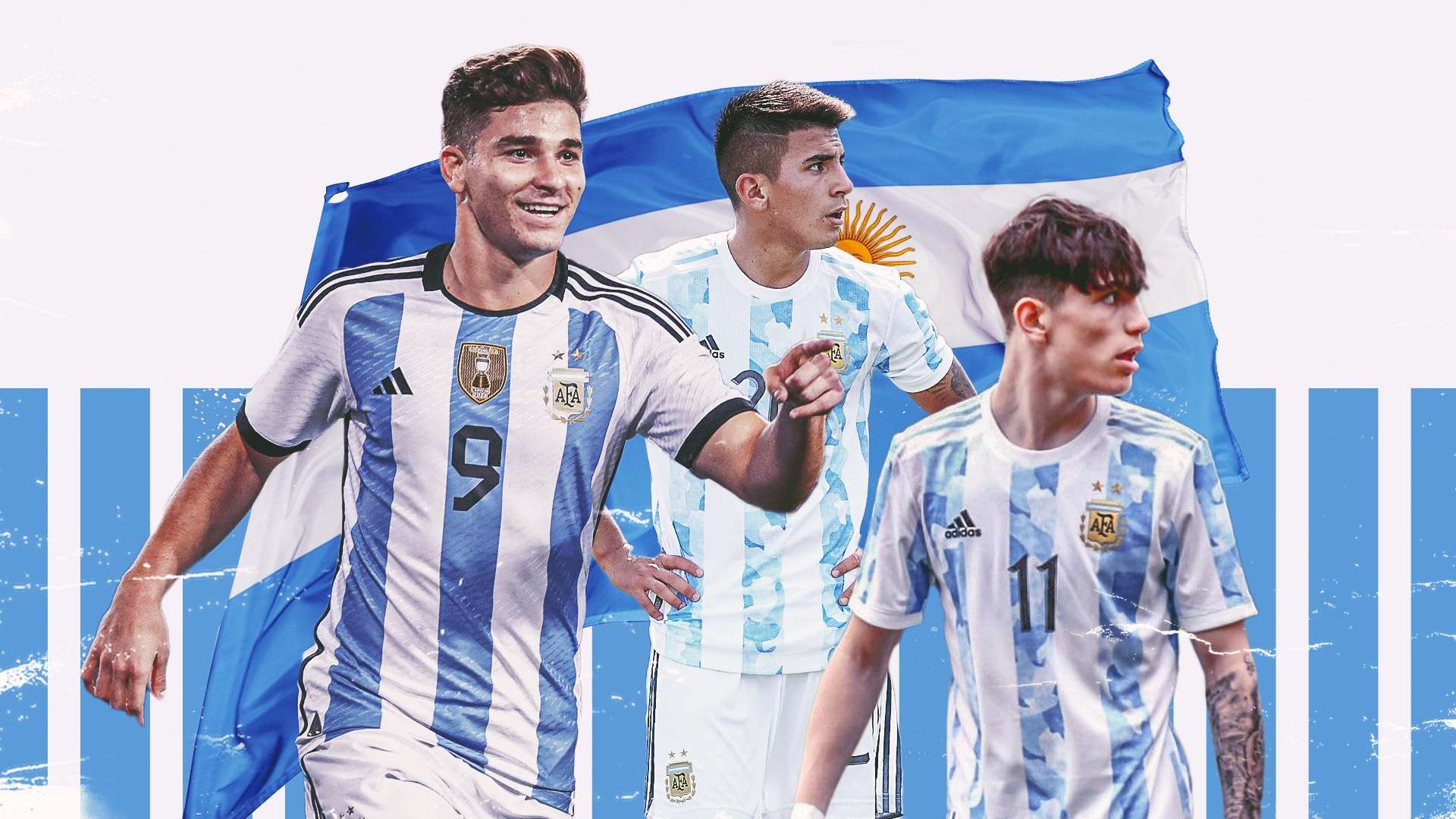
Argentina 2026 World Cup: Can La Albiceleste Become the First Back-to-Back Champions in 64 Years?
The last time a nation lifted the World Cup trophy and returned four years later to do it again, Elvis Presley was still making records, the Berlin Wall hadn’t been built yet, and the tournament itself flickered on television sets the size of a microwave. That was 1962. Brazil had won in Sweden in 1958, returned to Chile, and did the unthinkable again — a feat so remarkable that no team in the six decades since has come within touching distance of repeating it. Now, Argentina are going to try. They arrive at the Argentina 2026 World Cup campaign carrying a weight of expectation that would buckle most squads. They are the reigning world champions. They are the back-to-back Copa América holders. And under the quietly brilliant Lionel Scaloni, they have built something that looks less like a team riding a hot streak and more like a machine engineered specifically for tournament football. The numbers back it up: a dominant CONMEBOL qualifying campaign, a tactical masterclass that dismantled Brazil 4-1, and a squad whose ceiling may actually be higher now than when they lifted the trophy in Lusail in 2022. The Messi Question: Savior, Super-Sub, or Sideshow? No preview of Argentina at the 2026 World Cup is complete without confronting the Lionel Messi question head-on. At 38, the greatest player the sport has ever produced is approaching this tournament like a man who knows exactly what he is trying to accomplish. His participation is widely expected but not yet officially confirmed, and his role — should he feature — will look considerably different from Qatar. Playing for Inter Miami in MLS, Messi has adopted what can only be described as a “day-by-day” approach to managing his physical condition, prioritizing longevity over minutes. Scaloni has responded intelligently, transitioning the team’s tactical identity away from Messi as the primary engine and toward a system where he functions as a late-game impact substitute or a deep-lying playmaker who controls tempo rather than creates it from scratch. The clearest evidence that this transition is working? Argentina’s staggering 4-1 demolition of Brazil. Messi barely featured in that performance as the fulcrum — yet the result was emphatic. Argentina have learned, perhaps more powerfully than any other nation at this tournament, how to carry their greatest player while being capable of winning without him. The Spine That Won It All — and Got Better The tactical foundation of the 2022 Qatar triumph remains largely intact, and several of its key components have since reached the peak of their powers. Emiliano “Dibu” Martínez remains one of the most psychologically formidable goalkeepers in international football. Cristian Romero, now a seasoned veteran of high-pressure club football at Tottenham, has matured into one of the finest centre-backs in Europe. In midfield, the axis of Enzo Fernández and Alexis Mac Allister gives Scaloni a blend of energy, technical precision, and relentless pressing intensity that few nations can match. Up front, the so-called “Double 9” dilemma persists — though it is the kind of dilemma most coaches would kill for. Lautaro Martínez at Inter Milan and Julián Álvarez at Atlético Madrid are both operating at the peak of their powers, scoring regularly in the Champions League and competing for golden boots in their respective leagues. The question of which one leads the line in the tournament’s biggest moments is one of the few genuinely unresolved selection puzzles Scaloni faces. The departure of Ángel Di María from international football was expected to leave a gap that could not easily be filled — the wide threat, the big-game deliveries, the unstoppable crosses that created so many decisive moments in Qatar. Scaloni has addressed this not by finding a single replacement but by reconfiguring the system entirely, using overlapping fullbacks like Nahuel Molina and versatile wide midfielders to create width through collective movement rather than individual brilliance. The New Generation: Three Names to Watch One of the most compelling aspects of Argentina’s 2026 World Cup preparations is the emergence of young talent that was nowhere near the picture in Qatar. Three names stand above the rest. Franco Mastantuono, already embedded in Real Madrid’s setup at just 17, is the kind of creative prodigy that comes along once a generation. Technical, fearless, and capable of unlocking defenses in tight spaces, he has drawn comparisons to a young Messi — though Scaloni has been careful to manage expectations and integrate him gradually. Nicolás Paz has had a breakout season at Como in Serie A, providing the midfield creativity and progressive passing range that gives Argentina an additional dimension in central areas. He is the kind of player who makes the team better without necessarily appearing on the scoresheet, and Scaloni values that immensely. Valentín Barco adds something different again — a left-sided option who can play as a fullback or a winger, offering genuine tactical flexibility in a position where Argentina have historically been short of options since the peak years of Marcos Rojo and Marcos Acuña. His ability to bomb forward and deliver from wide areas gives Scaloni a card he didn’t have in 2022. The Threats: Three Reasons Argentina Could Fall Short Balanced analysis demands acknowledging the challenges, and Argentina face three significant ones. The first is the aging defensive leadership. While Romero is in his prime, Nicolás Otamendi — the defensive leader who commanded the backline with such authority in Qatar — is approaching the end of his international career. Against the explosive transitional pace of France, England, or Spain, the question of whether Argentina’s defensive structure can handle top-tier counter-attacks will be a recurring concern. The second is the “target team” effect. As defending champions, every opponent treats a match against Argentina like a final. This creates a relentless physical and psychological tax that accumulates across a seven-game tournament. The best teams manage it. The question is whether even the best teams can manage it in an expanded format. Which brings us to the third challenge: the 48-team format itself. The 2026
Read More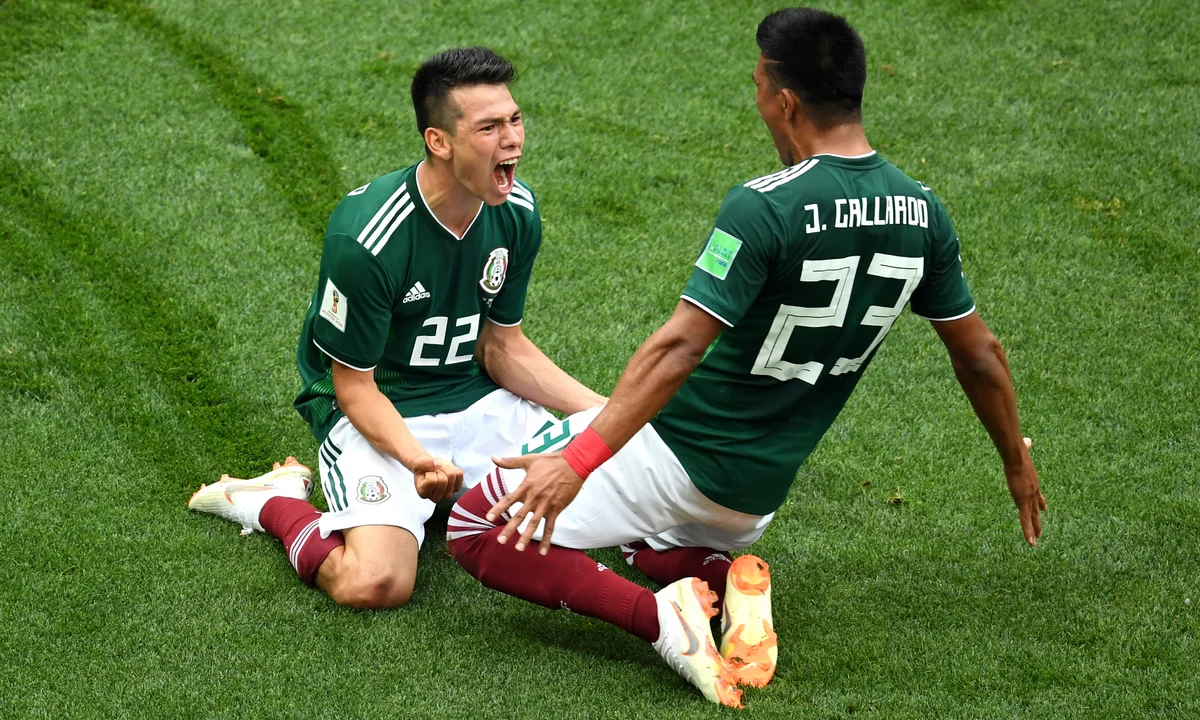
Mexico’s Consistent but Frustrating World Cup Record Explained From 1994 till 2018
Few stories in international football blend excellence and anguish quite like Mexico’s World Cup Record between 1994 and 2018. For 24 uninterrupted years, El Tri became the ultimate paradox: a team consistent enough to be one of the most reliable sides on the planet, yet unable to take a single step further when it mattered most. Seven consecutive World Cups. Seven Round of 16 exits. One nation’s sporting identity shaped by a single, seemingly unbreakable glass ceiling. In Mexico, this phenomenon has a name: El Quinto Partido, the Fifth Game. To reach the quarterfinals, a team must win their Round of 16 match. That fifth game became the wall Mexico simply could not climb, no matter who played, who coached, or how brightly they burned in the group stages. This is the full story of that extraordinary, maddening streak. While 1930 was about the dawn of the tournament, the modern era requires a different strategy. See our analysis on which 2026 teams are technically built for Mexico City to see how the game has evolved. What Is the “El Quinto Partido” Curse? Before diving into the matches themselves, it helps to understand why this barrier carries such cultural weight in Mexico. The World Cup knockout format means that advancing from the Round of 16 brings a team to the quarterfinals, their fifth game of the tournament. For Mexican fans watching between 1994 and 2018, that fifth game became almost mythological: always visible on the horizon, never actually reached. What makes the streak so striking is that it required consistent excellence to maintain. Only elite footballing nations qualify for the World Cup reliably, let alone make the knockout rounds at seven consecutive tournaments. Mexico did exactly that and then, with clockwork precision, stopped there every single time. The Technical Audit: Breaking Down the Round of 16 Barrier (1994–2018) Mexico’s record of reaching seven consecutive Round of 16 matches is a feat of consistency unmatched by most global giants. However, the technical reasons for the “curse” vary by tournament. Tournament Opponent Final Score Primary Tactical Issue USA 1994 Bulgaria 1-1 (1-3 Pens) Efficiency in penalty shootouts. France 1998 Germany 1-2 Defensive fatigue in the final 15 minutes. Korea/Japan 2002 USA 0-2 Counter-attack vulnerability against regional rivals. Germany 2006 Argentina 1-2 (AET) Moments of individual brilliance (Maxi Rodríguez volley). South Africa 2010 Argentina 1-3 Early structural collapse after a controversial offside goal. Brazil 2014 Netherlands 1-2 Game-state management (conceding twice after the 88th min). Russia 2018 Brazil 0-2 High-transition fatigue after an intense group stage. The 2026 Paradigm Shift: Why the “Fifth Game” is Now the “Sixth” With the expansion to 48 teams for the 2026 World Cup, the road to glory has been redesigned. For fans tracking the “Quinto Partido,” the goalposts have technically moved: The Seven Exits: A Tournament-by-Tournament Breakdown USA 1994: The Beginning Nobody Recognized Mexico returned to the World Cup in 1994 after missing the 1990 tournament entirely and made an immediate statement, finishing top of a group that included Italy, Ireland, and Norway. In the Round of 16 against Bulgaria, the match finished 1–1 after extra time. What followed set an unwelcome tone for the decades ahead: Mexico missed three of their four penalties and crashed out on shootout. At the time, it felt like bad luck. In hindsight, it was the quiet opening chapter of a very long story. France 1998: Outplayed in the Final Quarter Hour Four years later, Mexico showed genuine character in the group stage, coming from behind in multiple matches to qualify. Against Germany in the Round of 16, they were arguably the better team for over an hour. Luis Hernández put them ahead and Mexico looked set to make history, until the final 15 minutes. Jürgen Klinsmann and Oliver Bierhoff struck in quick succession, handing Germany a 2–1 victory. The pattern of late collapses under pressure had begun to take shape. Korea/Japan 2002: Rivals Inflict Maximum Pain Ask most Mexican football fans and they will tell you 2002 hurts most. Having topped their group, El Tri faced their fiercest rivals, the United States, in the Round of 16. It was, on paper, the most winnable path imaginable. Instead, the U.S. executed a disciplined counter-attacking game plan and won 2–0. The “Dos a Cero” scoreline became something of a mocking chant that echoed for years. The combination of losing to their greatest rival and squandering their most favorable draw made this perhaps the defining low point of the entire era. Germany 2006: Beaten by Pure Brilliance Not every exit in this saga was a story of collapse or controversy. In 2006, Mexico took Argentina all the way to extra time, tied at 1–1 in a match of genuine quality. What ended their run was not a tactical failure or a refereeing decision. It was one of the greatest goals in World Cup history. Maxi Rodríguez controlled the ball on the left side of the box and struck a ferocious left-footed volley into the top corner. Even in defeat, Mexico had nothing to be ashamed of. Sometimes you lose to a moment of genius, and this was one of those times. South Africa 2010: The Offside That Still Stings History handed Mexico a rematch with Argentina in 2010, and this time the exit came wrapped in controversy. Carlos Tevez opened the scoring from a position that television replays confirmed was clearly offside. The goal stood. An Osorio error gifted Argentina a second, and Mexico eventually lost 3–1. The offside goal remains one of the most discussed refereeing errors in World Cup history. For Mexican fans, it added a layer of bitter injustice to an already painful chapter. Brazil 2014: “No Era Penal” If there is a single phrase that encapsulates this entire 24-year period, it might be “No era penal” — it wasn’t a penalty. Mexico led the Netherlands 1–0 going into the final two minutes of their Round of 16 clash. A late equalizer brought the game level, and then, deep into
Read More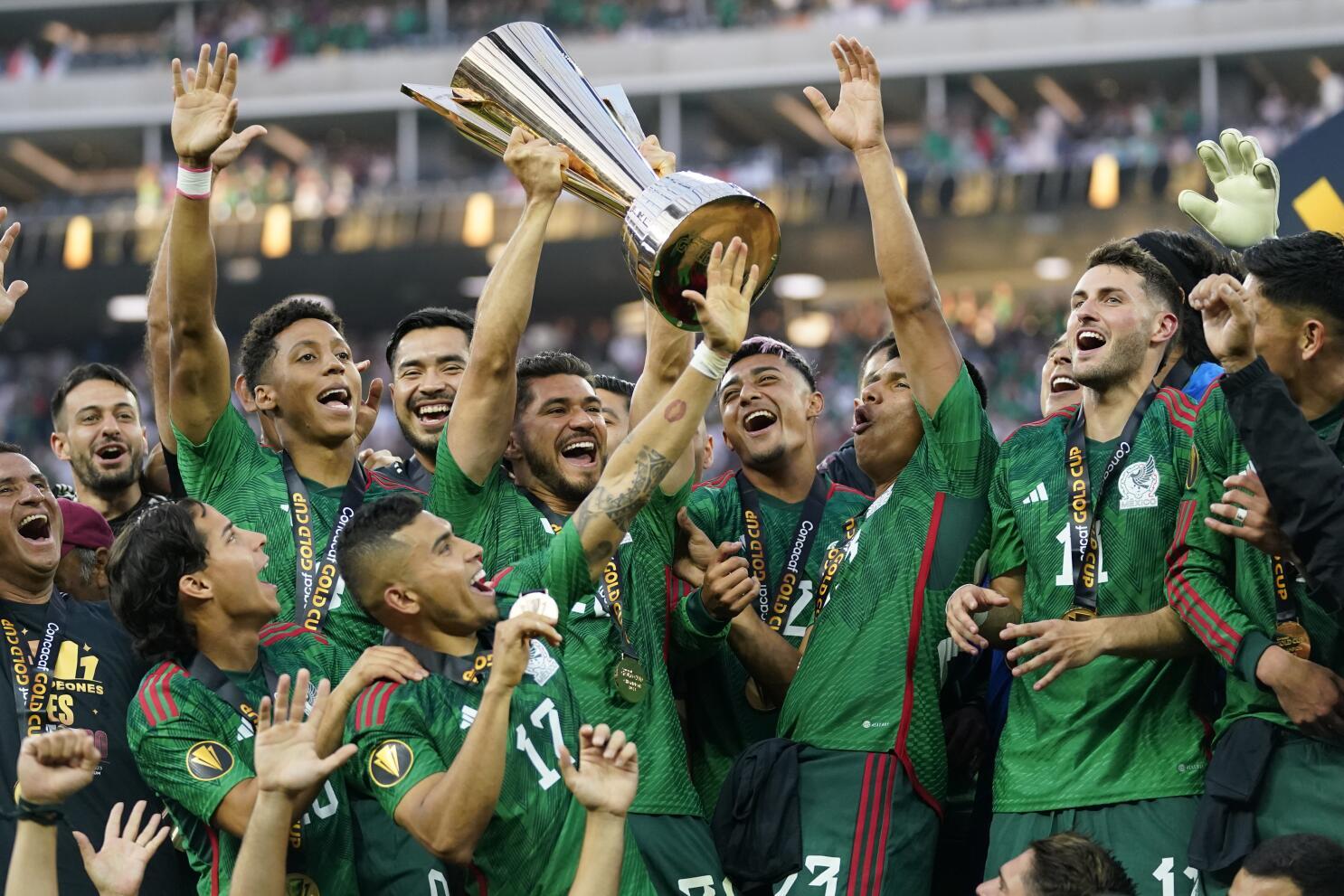
Which Mexican Player Scored in Three Consecutive FIFA World Cups?
Only a select group of footballers in history have managed to score across three separate FIFA World Cups. Doing so in three consecutive tournaments makes the feat even rarer. For Mexico, two players have achieved this milestone, and their stories are among the most compelling in El Tri’s history. If you’ve been searching for which Mexican player scored in three consecutive FIFA World Cups, the answer is not one name but two: Rafael Márquez and Javier “Chicharito” Hernández. The Rare Achievement: Scoring in Three Straight World Cups To appreciate how special this record is, consider the obstacles involved. A player must remain fit, form, and selected across a 12-year span. International football is unforgiving, and World Cup squads are brutally competitive. Yet two Mexicans beat those odds, each scoring in three back-to-back editions of the tournament while a third legend, Cuauhtémoc Blanco, scored in three World Cups but not consecutively. This article breaks down each player’s journey, their iconic goals, and what these records mean for Mexican football. Rafael Márquez: The Defending Legend Who Scored on the Biggest Stage From El Káiser to World Cup Goal Scorer Rafael Márquez is widely regarded as Mexico’s greatest-ever defender. Known as El Káiser, he captained El Tri across an extraordinary five World Cups and spent his peak years marshalling the backline at FC Barcelona. What often gets overlooked, however, is his ability to deliver crucial goals at the most pressurized moments in international football. Márquez became the first Mexican player to score in three consecutive FIFA World Cups, finding the net in 2006, 2010, and 2014. That run covered 12 years and three continents, a testament not just to his longevity but to his enduring quality at the highest level. Breaking Down His Three World Cup Goals Here is a look at each of his tournament goals: Year Host Nation Opponent Stage 2006 Germany Argentina Round of 16 2010 South Africa South Africa (hosts) Group Stage 2014 Brazil Croatia Group Stage In 2006, his goal against Argentina in the Round of 16 injected genuine belief into a Mexican team that was pushing one of the world’s best sides. In 2010, with the spotlight of the first-ever African World Cup burning brighter than ever, Márquez scored an equalizer against tournament hosts South Africa in the opening group game, a moment that quieted a roaring Johannesburg crowd. By 2014, he became the first Mexican to officially notch goals across three straight World Cups when he headed home against Croatia in the group stage. That goal was historic not just for Mexico but for World Cup football in general. Javier “Chicharito” Hernández: The Poacher Who Made History Mexico’s All-Time Top Scorer Joins the Elite Club Javier Hernández, affectionately nicknamed Chicharito (Little Pea), is Mexico’s all-time leading international goal scorer. His record of appearing in three consecutive World Cup tournaments with a goal to show from each is not just a personal milestone; it places him alongside Márquez in an exclusive corner of Mexican football history. What makes Chicharito’s achievement particularly compelling is the arc of his World Cup story. He debuted on the global stage in 2010 as an electric newcomer signed by Manchester United, and by 2018 he was a seasoned veteran still finding ways to score when it mattered most. His Three Consecutive World Cup Goals Year Host Nation Opponent Stage 2010 South Africa France Group Stage 2010 South Africa Argentina Round of 16 2014 Brazil Croatia Group Stage 2018 Russia South Korea Group Stage 2010 was the tournament where Chicharito announced himself to the world. His goal against France carried deep personal meaning as it mirrored a historic strike his grandfather, Tomás Balcázar, had scored against the same opponents years earlier. He then followed it up with a memorable goal against Argentina in the knockouts. In 2014, he came off the bench against Croatia and continued his streak. And in 2018, despite not starting regularly, he scored against South Korea to officially join Márquez as the only other Mexican to score in three consecutive World Cups. Cuauhtémoc Blanco: Three World Cups, But Not Consecutive The Pioneer Who Came First No article on this topic is complete without acknowledging Cuauhtémoc Blanco, who was technically the first Mexican to score in three different World Cups. His goals came in 1998 (against South Korea), 2002 (a penalty against Croatia), and 2010 (a penalty against France). However, because he was left out of Mexico’s 2006 squad, his three World Cup goals did not come in consecutive tournaments. Blanco’s omission from 2006 is one of Mexican football’s most debated decisions. Had he been included and scored, he would have held the consecutive record before Márquez. Instead, his legacy remains that of a pioneer: raw, technically gifted, and fearless, the original Mexican to conquer three World Cups with goals. What Separates These Players from the Rest Longevity, Mentality, and Elite Finishing Scoring at one World Cup requires skill. Scoring at three consecutive ones demands something more: elite fitness management, consistent international form, and the mental strength to perform under global scrutiny every four years. Each of these three players brought something distinct to Mexico’s World Cup identity. Together, they span nearly three decades of World Cup history and reflect how Mexican football evolved from the late 1990s through to 2018. Mexico’s World Cup Goal-Scoring Legacy in Context El Tri’s Consistent Presence on the World Stage Mexico qualified for seven consecutive World Cups from 1994 to 2018, reaching the Round of 16 in every single one. This remarkable consistency meant that players with strong tournament performances had real opportunities to build multi-tournament legacies. The records set by Márquez and Chicharito were not accidents; they were the product of a national programme that maintained stability and gave its best players room to grow across multiple cycles. The pursuit of the quinto partido, the elusive fifth game that would take Mexico past the Round of 16, has defined the country’s World Cup ambitions for decades. While that barrier has not yet
Read More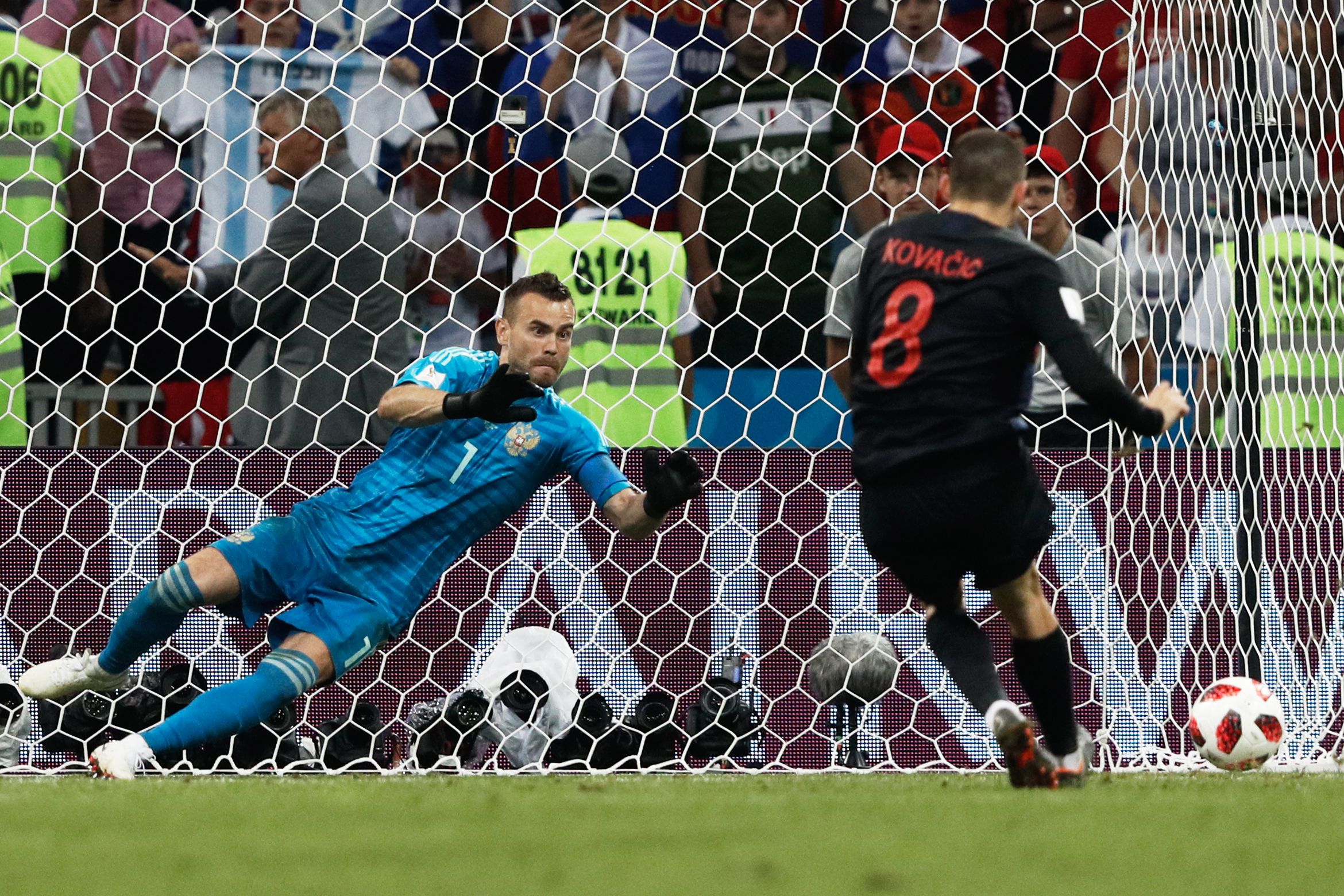
World Cup Penalty Shootouts: The Most Dramatic Moments Ever
The stadium goes quiet. A player places the ball on the spot. An entire nation’s tournament rests on a single kick. No moment in sport produces the same concentrated pressure as a World Cup penalty shootout. It strips everything away. Tactics become irrelevant. Teammates cannot help. The preparation of weeks, months, and years narrows down to one player, one goalkeeper, and twelve yards. What happens in those seconds has ended careers, defined legacies, and changed how entire nations remember the beautiful game. Where It All Began: The First World Cup Shootout The first World Cup penalty shootout took place in the 1982 semifinal between West Germany and France in Seville. The match was already one of the most dramatic the tournament had ever produced. France led 3-1 in extra time. West Germany scored twice to level it. West Germany won 5-4 on penalties, advancing to face Italy in the final. The shootout rule had existed since 1974 but had never been needed until that night in Spain. The match is widely regarded as one of the greatest ever played. Four goals in extra time. A dramatic shootout finish. It introduced the world to what a penalty shootout at this level would demand from every player involved. Every shootout since has been measured against the tension that Seville produced that night. England and Penalty Shootouts: A Nation’s Longest Nightmare No nation’s relationship with World Cup penalty shootouts carries more cultural weight than England’s. They lost each of their first three at the tournament. The 1990 semifinal defeat to West Germany in Turin. The 1998 round of 16 exit against Argentina. The 2006 quarterfinal loss to Portugal. Three shootouts. Three exits. Each one more painful than the last. Stuart Pearce’s anguished miss in Turin in 1990. Chris Waddle’s penalty sailing over the bar in the same shootout. David Beckham watching from the stands in 1998 after suspension as Paul Ince and David Batty missed against Argentina. In 2006, Portugal’s Ricardo saved three English penalties. England finally ended their shootout misery with a 4-3 victory over Colombia at the 2018 World Cup in Russia. It took 28 years. The relief was visible across an entire country. The Greatest Individual Shootout Moments The most iconic individual penalty moment in World Cup history belongs to one man. Roberto Baggio had carried Italy to the 1994 World Cup final almost singlehandedly. Franco Baresi and Daniele Massaro had already missed when Baggio stepped up at 3-2 down needing to score to keep Italy alive. He blazed over the bar. Brazil were world champions. Baggio stood at the spot with his head bowed. That image is one of the most reproduced in sporting history. It was the first World Cup final ever decided by penalties. Baggio later described it as the toughest moment of his career. The weight behind that description, from a player who had delivered so much to reach that point, captures everything a World Cup shootout can take from a person. Then there is Asamoah Gyan at the 2010 World Cup in South Africa. With Ghana seconds from a historic semifinal, Luis Suárez handled on the goal line and was sent off. Gyan struck the crossbar from the penalty spot. Ghana lost on penalties. An entire continent watching from home felt that miss together. No other moment in World Cup shootout history carried that shared dimension of collective devastation. The Psychology Behind World Cup Penalty Shootouts What separates the players who score from those who miss is not purely technical. Players who perform best under shootout pressure share specific psychological characteristics. They focus on execution rather than outcome. They approach the spot with a routine. They commit to their decision before they begin their run. Germany has historically been the strongest shootout team at the World Cup. West Germany beat France in 1982, Mexico in 1986, England in 1990, and Argentina in 2006. Germany has never lost a World Cup penalty shootout. That is not coincidence. It is the product of a footballing culture that has always treated the shootout as a skill to be prepared for rather than a lottery to be endured. England spent decades treating it as the latter. The results reflected that approach across three consecutive tournaments. The Most Dramatic Shootout by Team Outcome Croatia’s 2018 campaign provides the most extraordinary team-level shootout story in World Cup history. They beat Denmark in the round of 16 on penalties. They beat Russia in the quarterfinal on penalties. Goalkeeper Danijel Subašić saved three penalties against Denmark alone, a record for a single World Cup shootout. Luka Modric missed a penalty in that same shootout and then performed with calm authority through the rest of the tournament. The mental resilience required across consecutive knockout shootouts is almost without parallel. Argentina’s shootout record adds another dimension. They have been involved in more World Cup shootouts than any other nation, participating in seven across their history. They lost only one, the 2006 quarterfinal against Germany. The 2022 final against France, won 4-2 on penalties after a 3-3 draw, added the greatest shootout victory in the tournament’s history to an already extraordinary record. How Preparation Has Transformed the Shootout The evolution of how teams approach World Cup penalty shootouts across the past four decades reflects a broader shift in football’s relationship with sports science. In the early years of the shootout era, penalty practice was largely informal. Players were chosen in the moment. The process was reactive rather than planned. That approach has been systematically replaced. Designated takers are identified months before tournaments. Goalkeepers study opponent tendencies across years of footage. Psychologists work specifically on the mental routines that allow players to perform under shootout pressure. The results across recent tournaments reflect those improvements. Fewer missed penalties. More clinically taken kicks. The lottery narrative, never fully accurate, has become increasingly difficult to sustain. The Penalty Spot as Football’s Most Honest Mirror World Cup penalty shootouts do not lie. A player can perform brilliantly across 120 minutes
Read More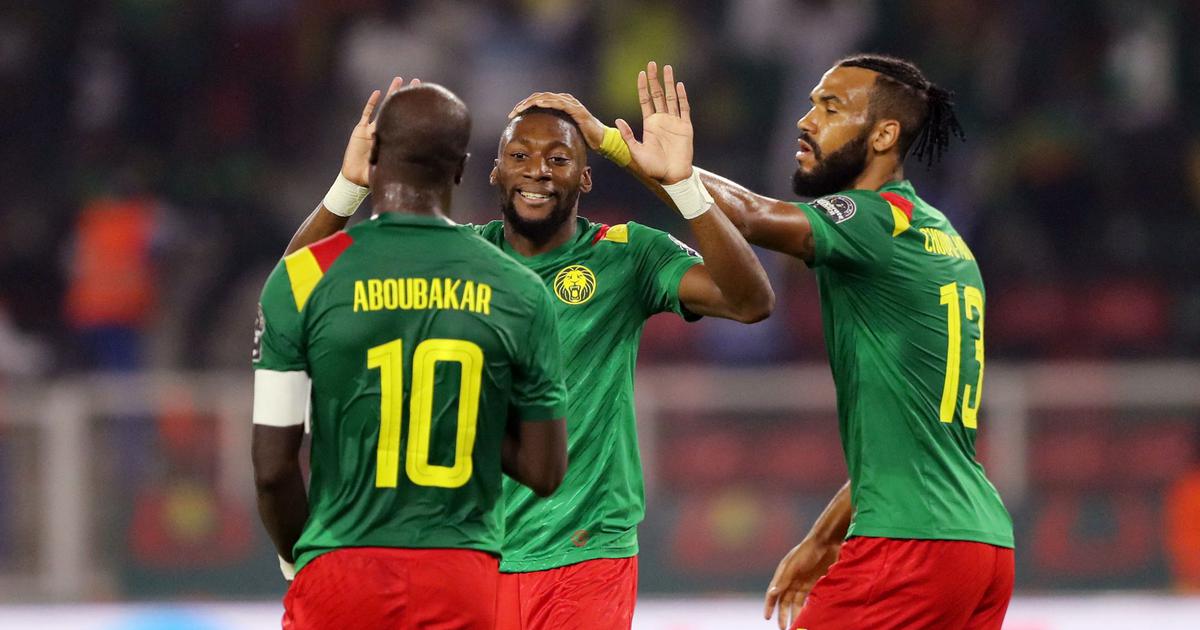
African Teams at the World Cup: Best Performances in History
A continent of 54 nations. Billions of passionate supporters. Decades of world-class individual talent flowing into the game’s biggest clubs and competitions. And yet, for much of World Cup history, the knockout rounds remained a ceiling that African teams approached but rarely broke through. The moments when they did break through, however, belong among the most celebrated in the tournament’s history. The story of African teams at the World Cup is one of the most compelling and underappreciated narratives the game has ever produced. The Pioneer: Cameroon 1990 In 1990, Cameroon reached the quarterfinals before being defeated 3-2 by England. That sentence does not begin to capture what happened. Cameroon beat Argentina in the opening game. The defending world champions. They were not supposed to be there. They were not supposed to win. They won 1-0. Roger Milla, at 38 years old, emerged as one of the tournament’s major stars. He scored four goals in Italy, celebrating each one with a dance around the corner flag that has become a popular goal celebration ever since. Two of his goals came against Romania in Cameroon’s second game, and two more came in extra time against Colombia in the last 16 to carry Cameroon to the quarterfinals, the furthest an African team had ever advanced at the World Cup. In the quarterfinal match against England, Milla confirmed his super-sub legend, entering in the second half with Cameroon trailing 1-0 and setting up a brilliant goal as well as drawing a penalty shot to give Cameroon the lead before eventually losing. England won 3-2 in extra time. Cameroon were out. But African football had arrived on the world stage, and nothing about how the tournament was viewed would ever be quite the same again. Senegal 2002: Eliminating the Champions Senegal was making its World Cup debut at the 2002 tournament. It was the only debutant to advance from the group stages and make it to the quarterfinals. Along the way, they produced one of the tournament’s most stunning results. They beat defending champions France 1-0 in the opening game through Papa Bouba Diop. The world noticed. Senegal beat Sweden in the round of 16 through a golden goal from Henri Camara. A second-half substitute, Ilhan Mansiz, became a hero for the Turks when he scored the golden goal in the 94th minute of extra time to end Senegal’s campaign in the quarterfinals. They left the tournament as only the second African nation in history to reach the last eight. Bruno Metsu built a side that had tactical discipline and collective spirit in equal measure. Individual quality functioned within a system. That distinction, between nations that rely on individuals and nations that build systems, would define African World Cup performances for the next two decades. Ghana 2010: The Closest Africa Has Come The 2010 World Cup was held on African soil for the first time. South Africa hosted it. The entire continent felt ownership of every match. And Ghana came within seconds of delivering a result that would have made history. In the quarterfinal against Uruguay, with the score level in the final minute of extra time, Dominic Adiyiah’s header was handled on the goal line. Luis Suarez was shown a red card. Asamoah Gyan stepped up for the penalty that would have sent Ghana to a World Cup semifinal. He struck the crossbar. Ghana lost on penalties. That moment is one of the most debated in World Cup history. A deliberate act of handball denied an entire continent its most anticipated sporting moment. Ghana’s players were devastated. Their supporters across Africa were devastated. The result stood. The pain did not leave quickly. Morocco 2022: Rewriting the Limits Morocco became the first African and first Arab nation to reach the semifinals of the 2022 World Cup following a 1-0 victory over Portugal. That sentence alone rewrote what African football was believed capable of at the tournament’s highest level. But the journey to it was equally extraordinary. Walid Regragui had a plan and his players followed it to perfection. Thanks to their defensive prowess, they managed to hold off Spain’s offense over 90 minutes and 30 minutes extra time. Morocco conceded just one own goal in five matches before the semifinal. They beat Belgium in the group stage. They beat Spain on penalties in the round of 16. They beat Portugal in the quarterfinal. Morocco lost 2-0 to France in the semifinal. They then lost 2-1 to Croatia in the third-place match, finishing fourth overall. Fourth place. The best finish ever by an African team at the World Cup. The performance proved that African football could compete with the very best not just through individual brilliance but through tactical organisation, defensive cohesion, and a shared belief that sustained a squad across seven weeks of the most intense competition on earth. The Pattern Across African World Cup Campaigns Look at Cameroon in 1990, Senegal in 2002, and Morocco in 2022 together, and the blueprint for successful African World Cup campaigns becomes clear. Each of those squads was built around defensive structure first. Each had a manager who unified the group around a collective identity rather than building around one or two stars. Each produced performances that exceeded the expectations placed on them by drawing on organisation rather than relying solely on talent. The campaigns that underperformed despite superior individual quality consistently lacked that structural foundation. Talent without system has repeatedly fallen short at this level. It is not a problem unique to African football. But it is one that the continent’s most successful World Cup sides have solved most decisively. The Structural Challenges African Teams Still Face The best performances by African teams at the World Cup have come despite significant structural disadvantages, not because of an equal playing field. Qualification demands are intense across a large confederation. Fixture congestion creates physical challenges for players who are also performing at the highest club level in Europe across a long domestic season. Investment gaps between confederations
Read More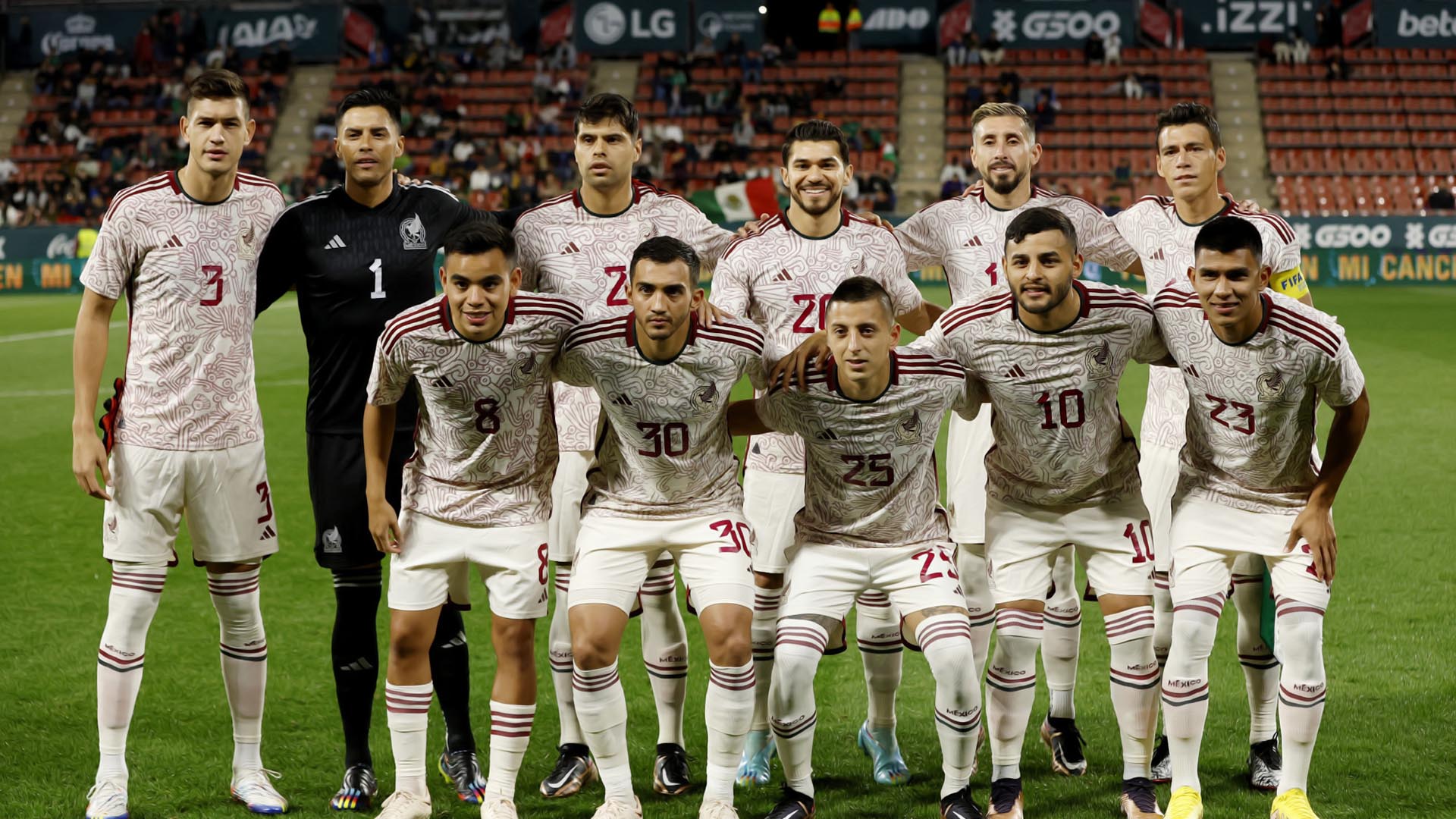
When Did Mexico Play Their First Match in FIFA World Cup History?
If you’ve ever gone down a rabbit hole of football history, chances are you’ve stumbled upon some fascinating facts about the very beginnings of the FIFA World Cup. One question that keeps coming up among fans and trivia lovers alike is: when did Mexico play their first match in FIFA World Cup history? The answer takes us all the way back to 1930, to a tournament that changed football forever. The Strategic Significance of 1930 for the 2026 Host Mexico’s historical role as a World Cup pioneer is often overshadowed by modern consistency, but the nation’s debut in 1930 set a precedent that remains relevant today. Playing in the very first match of the first-ever tournament in Montevideo, Uruguay, established Mexico as a foundational pillar of global football. The match at Estadio Pocitos saw a crowd of just over 4,000 spectators watch Mexico face a formidable French side. Despite a 4-1 defeat, Juan Carreño’s 70th-minute strike secured his place in history as the first Mexican player to score on the world stage. Connecting 1930 to 2026: The Ultimate Opening Match As we look toward the 2026 FIFA World Cup, Mexico’s debut in 1930 provides a “full circle” narrative. On June 11, 2026, the eyes of the world will return to Mexico for the tournament’s opening ceremony at the Estadio Azteca. The Birth of the FIFA World Cup: A Quick Historical Context Before diving into Mexico’s role, it’s worth understanding just how monumental the 1930 FIFA World Cup was. FIFA had been discussing an international tournament for years, and it was finally Jules Rimet, then FIFA president, who pushed the idea into reality. Uruguay was chosen as the host nation, partly because the country had won back-to-back Olympic gold medals in football in 1924 and 1928, and also because 1930 marked Uruguay’s centenary of independence. The tournament featured 13 nations divided across four groups. There were no qualifying rounds as teams were simply invited. Europe, despite being the heartland of organized football, sent only four teams due to the long and expensive sea voyage to South America. The Americas, however, showed up in full force. Mexico at the 1930 FIFA World Cup: The Historic First Match Mexico was one of the proud participants in the inaugural FIFA World Cup, and their journey in Uruguay holds a truly unique place in football history. Mexico played in the very first match of the first-ever FIFA World Cup on July 13, 1930, the opening day of the tournament. On that day, Mexico faced France in Group 1 at the Estadio Pocitos in Montevideo, Uruguay. It was one of two matches played simultaneously on the opening day, the other being the United States versus Belgium. However, Mexico vs. France holds the distinction of being the match that kicked off the World Cup era, as it is widely recognized as the tournament’s opening game. France won the match 4–1, but the result, while disappointing for Mexico, does nothing to diminish the historic significance of their participation. Key Facts About Mexico’s First Ever FIFA World Cup Match Here’s a quick breakdown of the historic fixture: Detail Information Date July 13, 1930 Tournament FIFA World Cup 1930 Host Country Uruguay Venue Estadio Pocitos, Montevideo Opponents Mexico vs. France Final Score France 4–1 Mexico Mexico’s Goalscorer Manuel Rosas (penalty) Manuel Rosas scored Mexico’s only goal of the match from the penalty spot, making it one of the earliest penalty goals in World Cup history. A small but remarkable footnote in the broader story of the beautiful game. How Did Mexico Perform in the Rest of the 1930 World Cup? Mexico’s debut tournament was a tough learning experience. Placed in Group 1 alongside France, Argentina, and Chile, Mexico faced some stiff competition throughout the group stage. Here’s how their campaign unfolded: Mexico finished at the bottom of their group, but the experience of simply being there, as one of only 13 nations in the world to take part in the first ever FIFA World Cup, was itself a historic achievement. Argentina, who were in the same group, went on to reach the final where they lost to hosts Uruguay in a fiercely contested match. Mexico, despite their group stage exit, had played their part in writing the very first chapter of World Cup football. The Legendary Mexican Goalkeeper Who Made World Cup History One name that frequently comes up in discussions about Mexico and the early FIFA World Cup is Antonio Carbajal. While he wasn’t part of the 1930 squad, Carbajal later became a living legend by becoming the first player in history to appear in five FIFA World Cups, playing in 1950, 1954, 1958, 1962, and 1966. This record stood for decades and reflects just how deeply Mexico has been woven into the DNA of World Cup history. His achievement is a testament to Mexico’s enduring commitment to the tournament, a commitment that began on that historic afternoon in Montevideo on July 13, 1930. Mexico’s World Cup Journey Since 1930 Mexico’s relationship with the FIFA World Cup didn’t end in 1930. The nation went on to become one of the most consistent World Cup participants in history. Some notable milestones include: Why Mexico’s 1930 World Cup Debut Still Matters Today Understanding when Mexico played their first match in FIFA World Cup history isn’t just a trivia question. It speaks to the country’s deep footballing roots and its role in shaping the global game. Mexico was there at the very beginning, one of only 13 nations brave enough to travel across the world and compete in an untested, brand new tournament. That willingness to show up, compete, and represent their nation on the grandest stage set the foundation for what Mexican football would eventually become: a passionate, technically gifted, and globally respected footballing culture. Final Thoughts Mexico’s first match in FIFA World Cup history took place on July 13, 1930, a date every Mexican football fan should know by heart. While the result didn’t go their way, the significance
Read More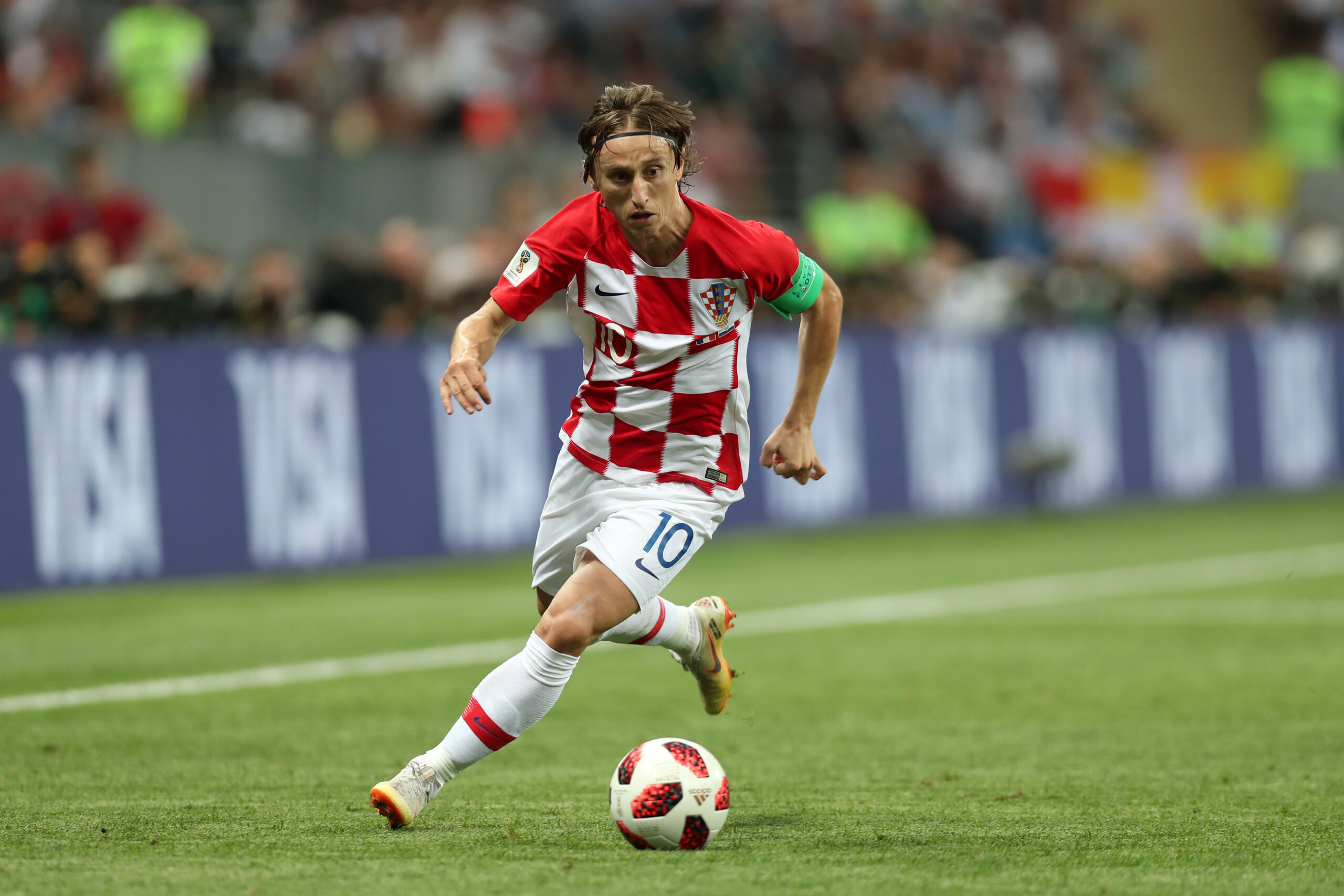
Luka Modric World Cup Career: From Underdog to Legend
Croatia has fewer than four million people. It has no history of football dominance. It has no pipeline of resources to rival the nations it faces. And yet, across four World Cups, it has reached heights that its size and means should never have allowed. That story has one engine at its centre. One player who carried more than any individual should be asked to carry, and delivered more than anyone expected. Luka Modric’s World Cup career is not simply the story of one man. It is the story of a small nation that refused to accept the limits the world placed on it. Croatia’s Underdog Identity and Where Modric Fits Croatia’s football identity was built on the 1998 World Cup in France, where they made the semifinals in their very first tournament as a nation following the breakup of Yugoslavia. Davor Suker won the Golden Boot. The world took notice. Then, for years, Croatia flickered in and out of tournament football without producing another run of that magnitude. Modric inherited that tradition. He became the creative engine, the leader, and the symbol of everything Croatian football aspired to be. His influence on every World Cup campaign went beyond any statistic. He was the heartbeat. Every attack flowed through him. Every defensive transition started with his pressing. And every moment of adversity was answered, at least in part, by his composure. 2006: A Quiet Debut on the Biggest Stage Modric made two appearances at the 2006 FIFA World Cup finals as a substitute in the group fixtures against Japan and Australia. He was 20 years old. His total playing time across both appearances was 35 minutes. Croatia were eliminated at the group stage. There were no headlines attached to that debut. No defining moments. Just a young midfielder absorbing the scale of the World Cup for the first time and storing everything he experienced. Players who become great at tournaments rarely arrive as finished articles. They arrive as learners. Modric’s 2006 campaign was exactly that. 2014: The Weight of Expectation By 2014 in Brazil, Modric was one of the finest midfielders on the planet. He had won the Champions League with Real Madrid weeks before the tournament. Croatia were placed in Group A alongside hosts Brazil, Mexico, and Cameroon. Croatia faced Brazil in their opening game and took the lead first through Marcelo’s own goal, but lost 1-3. Modric suffered a minor foot injury in the match. Croatia beat Cameroon 4-0 in their second game but then lost 1-3 to Mexico in the final group match, finishing third in their group and going home. It was a second consecutive group stage exit. Modric was playing the best football of his club career. The gap between individual quality and collective tournament success had never felt wider. What happened four years later made that frustration worthwhile. 2018: The Tournament That Defined a Career Russia 2018 is the centrepiece of the Luka Modric World Cup career. Croatia became the first team to earn three come-from-behind victories at a single FIFA World Cup, with all three matches going into extra time. What that statistic does not capture is the psychological demand of sustaining belief through three consecutive knockout matches decided beyond 90 minutes. In the round of 16, Croatia faced Denmark. Both teams drew 1-1 after extra time. Modric took a penalty in extra time but it was saved by Kasper Schmeichel. Croatia won the subsequent shootout 3-2. He stepped up again in the shootout and scored. The composure required to take a second penalty after missing the first is not taught. It is earned. The quarterfinal against hosts Russia produced another 1-1 draw after 90 minutes. Croatia took a 2-1 lead in extra time when Domagoj Vida headed in from Modric’s corner. Russia equalised in the 115th minute. Croatia won the shootout 4-3. The semifinal against England in Moscow saw Croatia trail to a Kieran Trippier free kick inside five minutes. Ivan Perisic equalised. Mario Mandzukic won it in the 109th minute. Croatia were in a World Cup final. The final against France in Moscow ended 4-2. Croatia led 1-0 through an early own goal before France took control. The defeat was painful. Modric won the Golden Ball as the tournament’s best player. He became the first player in over a decade to claim the award ahead of both Lionel Messi and Cristiano Ronaldo. The recognition was not simply for one tournament. It was for a body of work, across five weeks, that had stretched the limits of what a team his size should be capable of achieving. 2022: One Final Act at 37 Qatar 2022 brought Modric back to the World Cup stage at 37 years old. Croatia reached the semifinals again, losing 3-0 to Argentina. They finished third after beating Morocco in the third-place playoff. At the 2022 World Cup, he led the team to a third-place finish, winning the Bronze Ball as the tournament’s third best player. Two semifinals in four tournaments. That is the measure of what Modric built around himself. Not a superteam. Not a golden generation of eight world-class players. A well-organised, deeply motivated group of footballers who, when led by him, consistently exceeded what their talent level alone would have allowed. What Made Modric Unplayable at World Cups The tactical explanation for Modric’s World Cup performances centres on his ability to do two jobs simultaneously. He won the ball back with the urgency of a defensive midfielder. He then distributed it with the vision of a playmaker. No single opponent could neutralise both functions at once. Pressing him high left space in behind. Sitting off him gave him time to dictate the rhythm of the entire match. Beyond the tactical, the psychological dimension was equally decisive. He missed a penalty in a World Cup knockout match against Denmark and then stepped up to take another one minutes later in the same shootout. That is not a quality that can be coached. It is the definition
Read More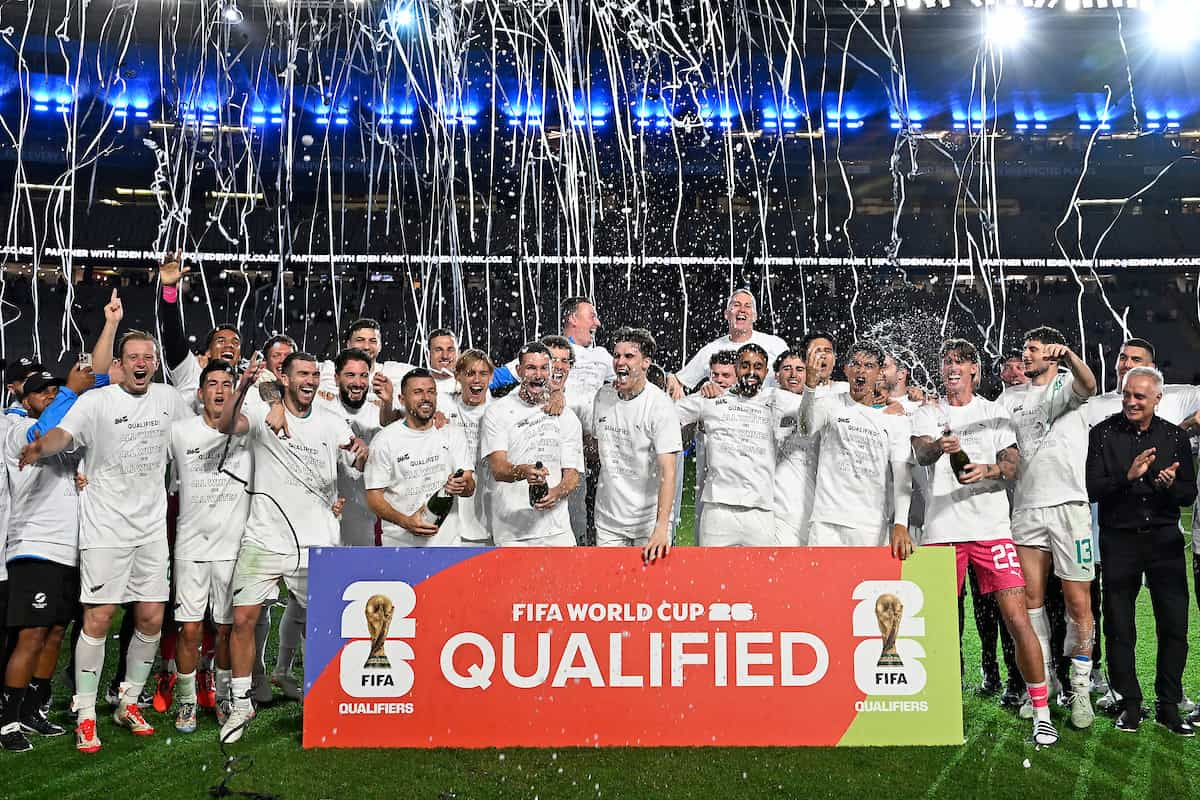
How Does FIFA World Cup Qualification Work? The Complete Guide
The FIFA World Cup is the most-watched sporting event on the planet, but before any team sets foot on that grand stage, they must survive one of football’s most grueling gauntlets: the qualification process. Millions of fans around the world follow these matches obsessively, yet many still wonder exactly how FIFA World Cup qualification works and why some regions get more spots than others. This guide breaks it all down. What Is FIFA World Cup Qualification? FIFA World Cup qualification is the series of regional competitions that determine which national teams earn the right to compete at the World Cup finals. With 211 FIFA member associations spread across six continental confederations, and only a limited number of spots available at the tournament, the road to the World Cup is long, competitive, and often heartbreaking. The host nation receives an automatic berth, which means the remaining spots are distributed among the six confederations based on a formula that FIFA revises ahead of each tournament cycle. How Many Teams Qualify for the World Cup? Starting from the 2026 FIFA World Cup, hosted jointly by the United States, Canada, and Mexico, the tournament expanded from 32 to 48 teams. This expansion significantly changed how many teams each confederation can send, giving more nations a genuine shot at qualifying for the first time in history. The 48-team format distributes spots roughly as follows across the six confederations: Additionally, two intercontinental playoff spots are available, where teams from different confederations compete in a mini-tournament for the final World Cup berths. How Does FIFA World Cup Qualification Work in Europe (UEFA)? UEFA’s qualification process is one of the most straightforward but also deeply competitive. The 55 UEFA member nations are divided into groups based on their FIFA rankings, and they play a home-and-away round-robin format against each other. Group winners earn direct qualification. Depending on the exact format, runners-up and some Nations League group winners then enter a playoff round, where they compete in single-leg or two-leg ties for the remaining UEFA berths. The Nations League pathway has added a fascinating new dimension, rewarding consistent performance across the broader UEFA calendar rather than just the traditional qualification window. How Does Qualification Work in South America (CONMEBOL)? South America uses one of the simplest and most ruthless formats in world football. All 10 CONMEBOL nations are placed into a single round-robin league, where every team plays every other team home and away across 18 matchdays spanning nearly two years. The top teams at the end of this marathon campaign qualify directly. The team finishing in the fifth or sixth position, depending on the cycle, enters the intercontinental playoff for a chance to secure an additional spot. This format means no nation, not even Brazil or Argentina, can afford to sleepwalk through the campaign. How Does Asia (AFC) Qualify for the World Cup? The AFC qualification process runs in multiple rounds. In the early rounds, lower-ranked Asian nations compete to advance, gradually whittling the field down. The later stages involve groups of higher-ranked Asian nations playing home-and-away matches. The top finishers from these groups earn direct World Cup berths. Teams finishing in certain playoff positions then enter a further knockout round for the remaining AFC spots and the intercontinental playoff place. The expanded 2026 format has been particularly welcomed across Asia, where nations like Vietnam, India, and others now have a more realistic path to the finals. How Does Africa (CAF) Determine Its World Cup Teams? CAF qualification typically begins with a group stage format across multiple groups. African nations play home-and-away matches within their groups, and the group winners advance directly to the World Cup. For the 2026 cycle, CAF’s increased allocation means more African nations than ever will make it to the finals. Given the continent’s enormous footballing talent and passionate fan base, this expansion has been widely celebrated. Historic qualifiers like Nigeria, Ghana, Senegal, and Cameroon now face even fiercer competition from rising nations hungry for their own World Cup moment. How Does CONCACAF Run Its Qualification? CONCACAF qualification is one of the more complex processes in world football. The region covers a wide range of footballing abilities, from powerhouses like Mexico and the United States to smaller island nations in the Caribbean. The process begins with preliminary rounds where the lowest-ranked nations compete, and the survivors then enter the main qualification rounds. The top finishers from the final round earn direct berths, while others compete in the intercontinental playoff. The expanded format has brought genuine excitement to nations like Jamaica, Panama, and El Salvador, who now have real shots at reaching the World Cup. What Are the Intercontinental Playoffs? The intercontinental playoffs are a fascinating and often tense part of FIFA World Cup qualification. Teams from different confederations that narrowly missed out on direct qualification are placed into a small tournament or two-legged ties to compete for the final World Cup spots. These playoffs can throw up extraordinary matchups, such as an Asian nation facing a South American team or an African side taking on a CONCACAF qualifier. The drama and unpredictability of these clashes make them some of the most compelling fixtures in the entire qualification cycle. Why Do Some Continents Get More World Cup Spots? The distribution of World Cup spots is based on a combination of factors including the number of FIFA member nations in each confederation, the overall quality of football in the region, and the commercial and cultural reach of the game in those areas. UEFA and CAF receive the largest allocations because they represent the highest number of competitive nations. FIFA also periodically revises allocations to reflect football’s global growth. The expansion to 48 teams is partly a response to the sport’s rapid development in Asia, North America, and Africa, where investment in football infrastructure has grown significantly over the past two decades. When Does World Cup Qualification Start and End? Qualification campaigns typically begin two to three years before the tournament itself. For the 2026 World
Read More