
Most Yellow Cards in World Cup History: Full Record List
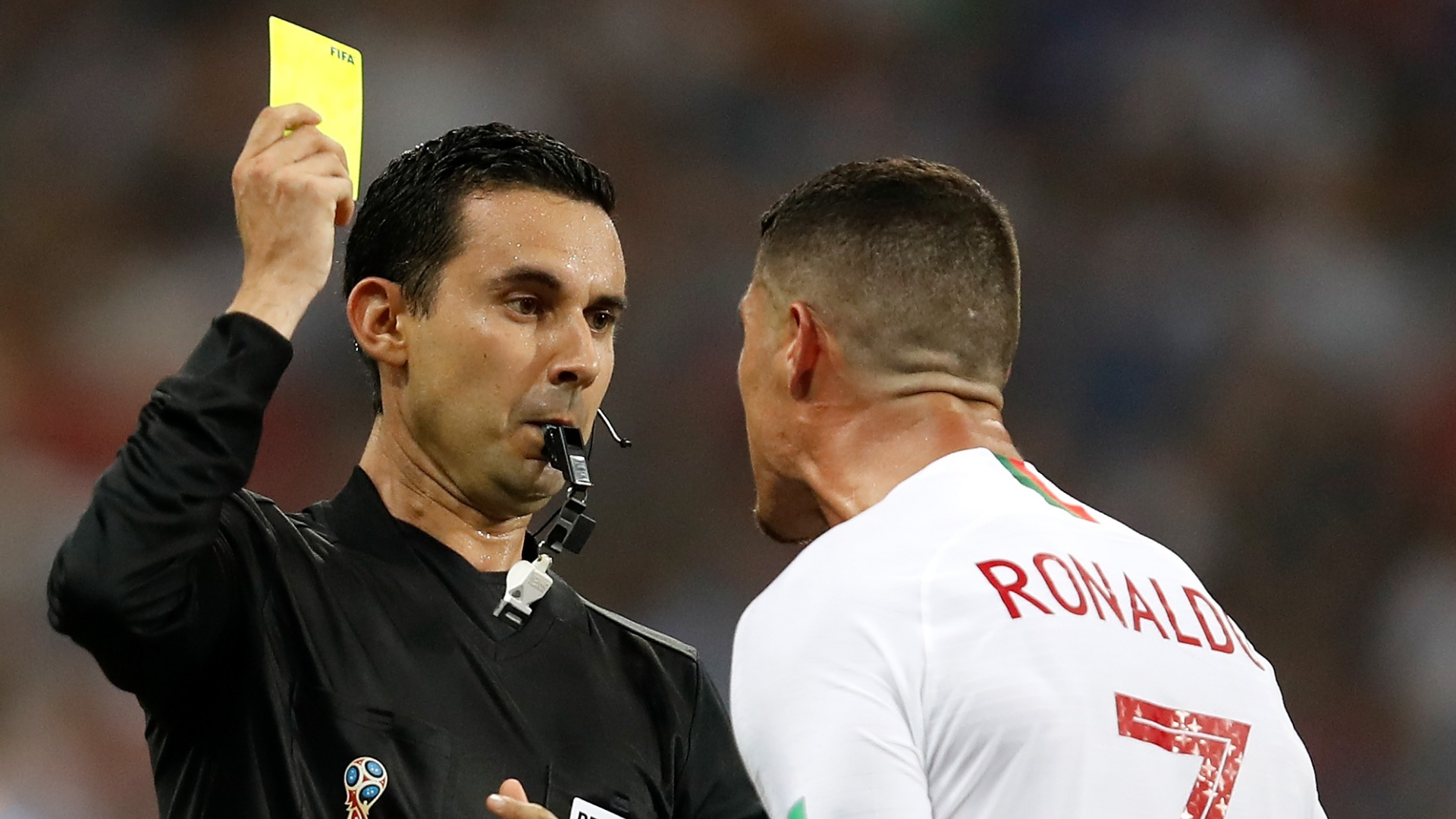
A referee reaches into his pocket. The crowd holds its breath. On the World Cup stage, that moment carries consequences that extend far beyond the match itself. A yellow card at this level can end a player’s tournament through suspension. It can shift momentum in a knockout tie. It can define how a nation’s campaign is remembered. Discipline, or the collapse of it, has shaped World Cup outcomes as decisively as any goal. The records behind those bookings tell a story the scorelines alone never could. The Most Carded Tournament in World Cup History The 2006 World Cup in Germany produced 345 yellow cards and 28 red cards across 64 matches, both individual records for a single World Cup. That is an average of more than five cards per game. FIFA No edition of the tournament before or since has come close to those numbers. The physicality of that tournament was documented in real time. Referees were under instruction to clamp down hard on tactical fouling. The result was a disciplinary record that still stands nearly two decades later. The Most Yellow-Carded Match in World Cup History For years, the Battle of Nuremberg held the record. Russian referee Valentin Ivanov issued a FIFA World Cup record four red cards and 16 yellow cards during the Portugal vs Netherlands round of 16 tie in 2006. Portugal won 1-0 through a Maniche strike. Both teams were reduced to nine men. The match became one of the most notorious in the tournament’s history. Then 2022 arrived. Spanish referee Antonio Mateu Lahoz issued a FIFA World Cup record 18 yellow cards and one red card during the Netherlands vs Argentina quarterfinal at the Lusail Stadium on 9 December 2022. In total, 15 players on the field received a card, a World Cup record. Argentina won on penalties. The match was immediately nicknamed the Battle of Lusail. The Guinness World Record for most yellow cards in a single World Cup match now belongs to that night in Qatar. The Player With the Most Yellow Cards in World Cup History Individual discipline records are as revealing as team ones. Javier Mascherano of Argentina has received seven yellow cards during the World Cup, the most of any player. The next with six is Cafu from Brazil, all of which were yellow, making him the most yellow-carded player before Mascherano surpassed the record. Mascherano earned his seventh and final booking in Argentina’s defeat to France at the 2018 World Cup. His record reflects both longevity and a combative style that never softened on the biggest stage. The Teams With the Most Yellow Cards in World Cup History At the team level, the numbers reflect decades of accumulated pressure. Germany has accumulated 122 yellow cards, the most of any World Cup team. Argentina follows with 112. Both nations have contested numerous knockout rounds across multiple tournaments, which naturally inflates the numbers. Argentina’s total is also coloured by the intense and physical nature of their campaigns across the tournament’s modern era, including the Battle of Lusail in 2022. How Yellow Cards Have Decided World Cup Outcomes The consequences of a booking extend well beyond the match in which it is given. In the knockout stages, accumulated yellow cards result in automatic one-game suspensions. Those suspensions have altered the trajectory of tournaments in ways that are rarely fully appreciated. At the 2006 World Cup, Portugal lost their suspended playmaker Deco for the quarterfinal against England after his red card in the Battle of Nuremberg. England, reduced to ten men themselves after Wayne Rooney’s red card, still lost. France in 1998 managed Zidane’s card accumulation with extreme care throughout the tournament, aware that losing him to suspension would cripple their chances. The mental discipline required to perform at the highest level while managing the risk of suspension is one of the most underrated aspects of World Cup preparation. How Refereeing and the Rules Have Evolved The use of physical red and yellow cards to indicate dismissals and cautions is a later invention, having been introduced at the 1970 tournament. Only players are listed in the official records, even if they were at the substitutes’ bench at the time of the sending off. The first red card at a World Cup was not issued until 1974, despite the system being introduced in 1970. The rules governing accumulated bookings have also shifted. In 2010, FIFA moved the card reset point to follow the World Cup’s quarterfinal games. The last two teams standing are guaranteed to be at full strength, barring injury or a red card in the semifinal. The card tally no longer resets after the opening games, so the longest stretch players have to go without receiving two yellow cards is five games instead of three. The introduction of VAR in 2018 brought another shift. Red card numbers fell sharply. Since 2010, the count has trended downward, with 17 red cards in 2010, dropping to 10 in 2014, and reaching record lows of 4 in both 2018 and 2022. VAR removed many of the erroneous dismissals that had historically inflated the numbers. What it could not remove was the intensity that produces yellow cards in the first place. Discipline as the Hidden Force of Every World Cup The most yellow cards in World Cup history belong to specific tournaments, specific matches, and specific players. But the broader truth runs beneath all of them. Discipline is not a footnote in the World Cup story. It is a decisive force that has altered finals, eliminated contenders, and defined entire campaigns. The teams that win the trophy are almost never the ones collecting the most bookings. They are the ones who channel their aggression precisely, who compete at maximum intensity without crossing the line. The referee’s pocket, in that sense, is as decisive as any boot that has ever struck a ball.
Read More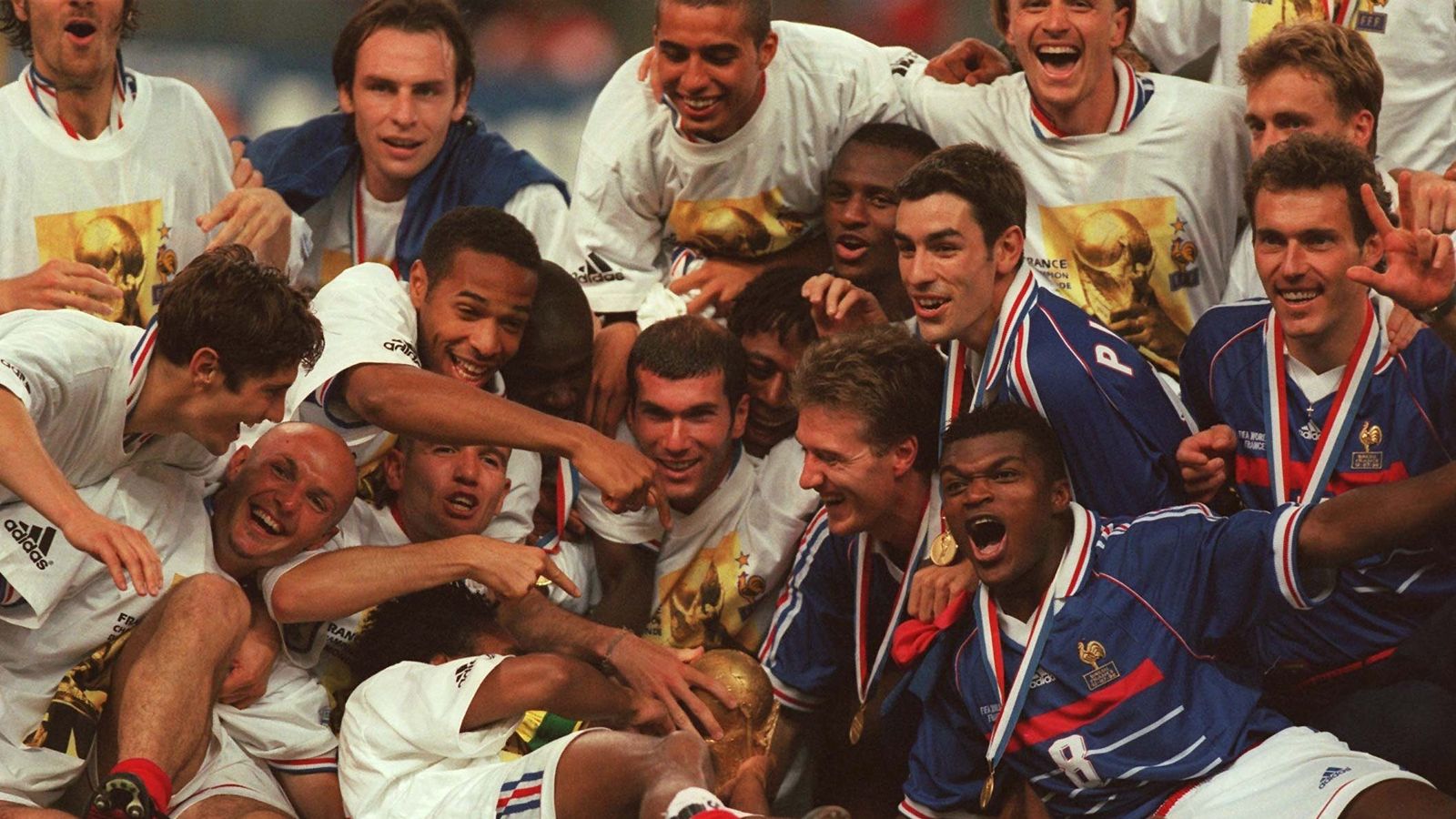
France World Cup History: Two Trophies and One Tragedy
Two World Cup trophies. One of the most humiliating exits the tournament has ever witnessed. A headbutt that stopped the world. And a final comeback so extraordinary it has already entered the permanent folklore of the game. France World Cup history is not a story of steady dominance. It is a story of the highest highs and the most crushing lows, often separated by just a few years. No nation has given the tournament more emotional extremes at the top level. The two stars on the French shirt were earned through brilliance, but the journey between them was never straightforward. Before the Glory: France’s Early World Cup Story France were founding members of the World Cup in 1930. Their early campaigns were largely unremarkable. The first genuine flash of world-class quality arrived in 1958 in Sweden, when Just Fontaine scored 13 goals in a single tournament. That remains the all-time record for goals in one World Cup edition. France finished third that year. Then came years of underachievement and failed qualification attempts through the 1960s and 1970s. Michel Platini’s generation provided the next high point, finishing third at the 1986 World Cup in Mexico. It was a foundation, not yet a dynasty. What followed twelve years later changed French football forever. 1998: The First Trophy, On Home Soil Aimé Jacquet’s France arrived at their own World Cup carrying enormous weight. The expectation was national. So was the pressure. But the squad Jacquet had built was different. It combined individual genius with defensive discipline and collective spirit. Zinedine Zidane was at its centre, but Didier Deschamps led it from the back, Thierry Henry terrorised defences from the flanks, and Emmanuel Petit controlled the tempo. The final against Brazil on July 12, 1998, at the Stade de France, was the perfect night. Zidane scored twice in the first half with headers from corners, 27th and 45th minute. Petit added a third in stoppage time. The final score was 3-0. France were world champions for the first time. The streets of Paris held one of the largest public gatherings in French peacetime history. The multicultural squad that won it represented a vision of France that the nation celebrated with fierce pride. It was more than a football match. It was a cultural moment. The Tragedy of 2002: Defending Champions Eliminated Without Scoring Four years later, France arrived in South Korea and Japan as world champions and European champions simultaneously. The most decorated international side on the planet. They were eliminated in the group stage without scoring a single goal. It remains the most catastrophic defence of a World Cup title in the tournament’s history. Zidane was injured for the opening two matches. France lost 1-0 to Senegal in the tournament’s very first game. Papa Bouba Diop scored the only goal. Then came a 0-0 draw with Uruguay, during which Thierry Henry was sent off for a reckless challenge. France needed to beat Denmark by two goals in the final group game. Zidane returned but was clearly unfit. Denmark won 2-0. Three games. Zero goals. One point. Exit. The psychological collapse behind those numbers was rooted in complacency, injury, and the curse of arriving as the overwhelming favourite with nothing to prove. Roger Lemerre was sacked the following week. 2006: A Final That Will Never Be Forgotten Four years after the lowest point in French football history, a retiring generation gathered for one final act. Zidane came out of international retirement. Raymond Domenech’s side reached the final against Italy in Berlin. France were competitive throughout. They went ahead early through a Zidane penalty. Then came the headbutt. In extra time, with the match level, Marco Materazzi said something to Zidane. What exactly was said has been debated for nearly two decades. What happened next was not. Zidane turned, walked back, and drove his head into Materazzi’s chest. The red card was immediate. France, reduced to ten men, lost on penalties. Zidane’s final act as a professional footballer was one of the most discussed moments in sporting history. The exit was simultaneously heroic and heartbreaking. That paradox is perfectly French. 2018: The Second Star Twenty years after 1998, Didier Deschamps returned to the World Cup final. This time as manager rather than captain. The squad he brought to Russia was built around different qualities. Mbappé provided the explosion. Antoine Griezmann provided the craft. Paul Pogba provided the power. Hugo Lloris provided the calm. The final against Croatia was won 4-2. Mbappé scored at 19 years old. Griezmann scored from the penalty spot. The second star was sewn onto the French shirt. Deschamps became only the third man to win the World Cup as both player and manager, following Brazil’s Mário Zagallo and Germany’s Franz Beckenbauer. The collective system he built, channelling individual brilliance into disciplined structure, was the same formula that had delivered 1998. History had found a way to repeat itself. 2022: So Close Again The 2022 final in Qatar against Argentina produced one of the most extraordinary evenings in World Cup history. France were 2-0 down with around ten minutes of normal time remaining. Mbappé scored twice in two minutes to level at 2-2. Messi put Argentina back ahead in extra time. Mbappé converted a penalty to make it 3-3. After 120 minutes, the finest World Cup final of the modern era went to penalties. France lost 4-2 in the shootout. Mbappé scored a hat trick in a final and still finished on the losing side. French football wept. The rest of the world stared in disbelief. A World Cup Legacy Built on Extremes France World Cup history is not a story of consistency. It is a story of intensity. Two titles separated by two decades. A group-stage exit without scoring. A red card in a final. One of the greatest comeback performances in the tournament’s history. No nation has delivered more drama at the highest level of the competition. The stars on the shirt were earned. Everything around them was lived
Read More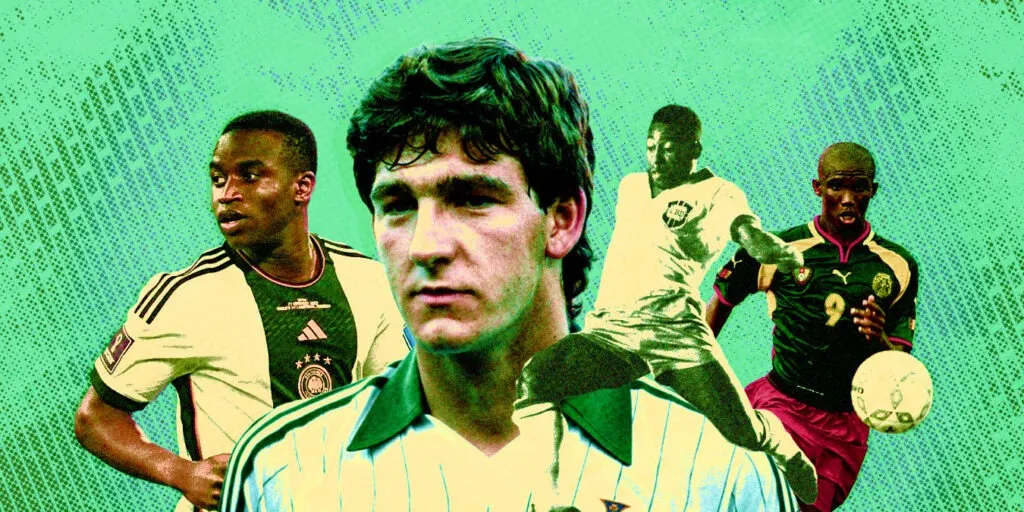
Youngest Players to Score at the FIFA World Cup
The crowd is at its loudest. The weight of a nation sits on every touch. And somewhere on that pitch stands a teenager, unburdened by history, unconcerned with pressure, about to do something nobody expected. The FIFA World Cup has always had this quality. It does not wait for players to be ready. It rewards those who arrive without fear. Some of the most iconic goals in tournament history have come from players barely old enough to vote. Their names are now written permanently into the game’s greatest story. The Record That Started It All: Pelé in 1958 No name in football carries more weight on this subject than Pelé. On June 19, 1958, in Gothenburg, Sweden, a 17-year-old striker stepped onto the World Cup stage for the first time in a knockout match. He scored the only goal against Wales in the quarterfinal. At 17 years and 239 days, he became the youngest scorer in FIFA World Cup history. That record has stood for over 65 years. He did not stop there. Against France in the semifinal, he scored a hat-trick. In the final against Sweden, he scored twice in a 5-2 victory. At 17 years and 249 days, he became the youngest player ever to score in a World Cup final. Both records remain unbroken. Pelé is still the only player in history to score at a World Cup before turning 18. The Goal That Announced a Generation: Michael Owen, 1998 Forty years after Pelé, another teenager arrived on the World Cup stage with something to say. Michael Owen came off the bench for England against Romania in France 1998, scoring an equalizer in the 83rd minute at just 18 years and 190 days old. It was enough to earn him a starting place. What came next changed everything. In the round of 16 against Argentina, Owen received the ball just past the halfway line. He ran at the defence, beat two players, and finished calmly past the goalkeeper. It was 18-year-old composure on the biggest stage. The goal is still voted among the finest in World Cup history. It announced a generation and confirmed that the tournament belonged to the fearless. The Pattern of Teenage Arrivals Owen was not an isolated case. The World Cup has repeatedly served as the moment a young player crosses from promising to iconic. Cesc Fàbregas, aged 19, was part of Spain’s 2006 squad that signalled a golden era approaching. Wayne Rooney arrived at that same tournament carrying the hopes of England at 20, playing through injury and still scoring against Trinidad and Tobago. Then came Gavi. At the 2022 World Cup in Qatar, the Barcelona midfielder scored against Costa Rica at just 18 years old. He became the youngest Spanish scorer in World Cup history. Each generation has its arrival moment. The World Cup manufactures them with remarkable consistency. Mbappé: The Modern Standard No teenager in the modern era has matched what Kylian Mbappé produced in Russia in 2018. He scored four goals at 19 years old. He was the tournament’s joint second-highest scorer as France lifted the title. His goal in the final against Croatia made him the second teenager after Pelé to score in a World Cup final. Sixty years separated those two moments. What made Mbappé’s tournament historically significant was not just the goals. It was the manner of them. Two goals against Argentina in the round of 16. A final goal struck from 25 yards. He combined raw pace with decision-making that most players develop over a decade. He received the Best Young Player award and left Russia as the most exciting footballer on the planet. What the Youngest Scorers Share Look at Pelé, Owen, Mbappé, and Gavi together and patterns emerge. None of them were weighed down by expectation in the way senior players often are. Inexperience, in their cases, became an asset. They played with the freedom that comes from having nothing yet to lose. Each also possessed a specific quality that separated them from technically gifted players who never quite delivered on the World Cup stage. They raised their game for the biggest moments rather than retreating from them. Pressure clarified them. It made them sharper, not more cautious. That quality is not taught. It is discovered in the moment, and the World Cup has always been the moment where the truly exceptional discover it first. The Next Generation: Who Could Join the List The 2026 World Cup, expanding to 48 teams, will give more young players than ever the opportunity to write their own chapter. Lamine Yamal of Spain will be 18 during the tournament. His performances at Euro 2024, scoring in the final as a 16-year-old, confirmed a talent that transcends age. Brazil’s Endrick, already a Real Madrid player, will be 19 in 2026 and carries the physical and technical profile to score on the biggest stage. The list is about to grow. The World Cup Has Always Belonged to the Bold The youngest scorers in FIFA World Cup history share one thing above all else. They did not arrive hoping to contribute. They arrived expecting to decide. Pelé scored in a final at 17. Owen dismantled Argentina at 18. Mbappé redefined teenage excellence at 19. The World Cup does not ask players how old they are. It only asks whether they are ready. The ones on this list answered before anyone thought to pose the question.
Read More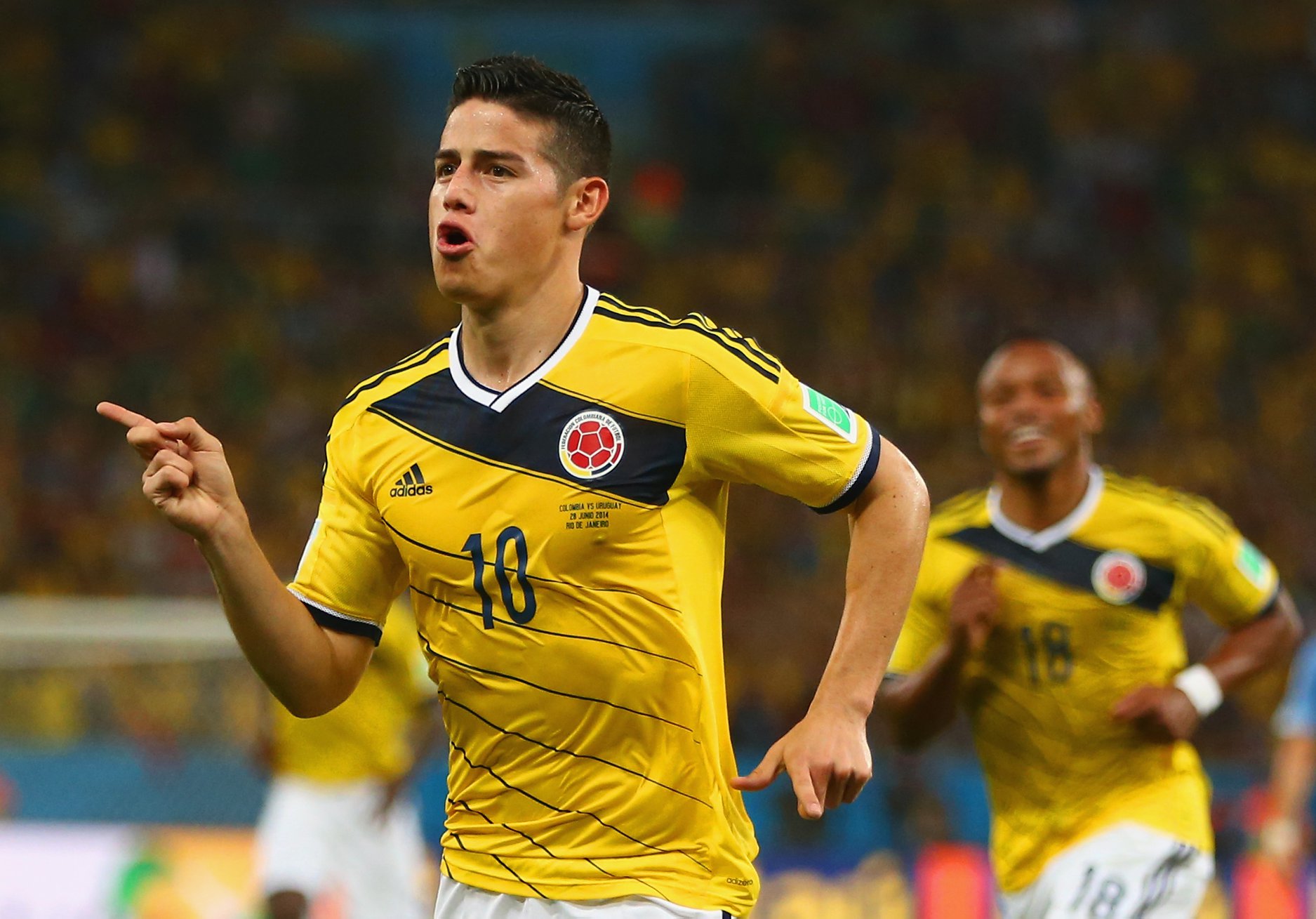
Top 10 Greatest World Cup Goals of All Time That You’ll Never Forget
The FIFA World Cup is the biggest stage in football, and some players have used that stage to create moments that live forever. Not just in highlight reels or history books, but in the collective memory of billions of fans across the globe. The greatest World Cup goals of all time are more than just goals. They are moments of pure human brilliance that stopped the world, changed tournaments, and turned players into legends overnight. Whether you watched them live or discovered them years later on YouTube, these goals have a way of giving you chills every single time. Here is a countdown of the 10 greatest World Cup goals of all time, ranked by their skill, drama, and lasting impact on the beautiful game. 10. Saeed Al-Owairan — Saudi Arabia vs. Belgium (1994) Not many players from outside the traditional football powers have left a mark this deep on World Cup history. Al-Owairan picked up the ball inside his own half and went on an extraordinary solo run, dancing past five Belgian defenders before calmly slotting it home. It was Saudi Arabia’s debut World Cup appearance and they announced themselves in the most stunning way possible. That goal helped them reach the Round of 16, a feat the country has never repeated since. In a tournament full of big names, a relatively unknown winger from Saudi Arabia stole the show. 9. Siphiwe Tshabalala — South Africa vs. Mexico (2010) Opening games of a World Cup rarely produce moments worth remembering decades later, but Tshabalala had other plans. Playing in front of a roaring home crowd, the South African midfielder picked up the ball on the left side, drove forward, and unleashed a thunderous left-footed strike that flew into the top corner. The vuvuzelas went into overdrive and the whole stadium shook. It was more than just a goal. It was a symbol of an entire continent’s passion for football and a historic moment for the first African nation ever to host the tournament. 8. Manuel Negrete — Mexico vs. Bulgaria (1986) Mexico in 1986 had the home crowd behind them and Negrete gave them every reason to roar. In the Round of 16, he received the ball at the top of the box and without hesitation launched himself into a perfectly timed scissor kick volley that crashed into the bottom corner. The technique was flawless, the timing was precise, and the execution was breathtaking. It is no surprise that FIFA fans later voted it the Greatest Goal in World Cup History in an official poll. Some goals are beautiful. This one was a work of art. 7. Ronaldinho — Brazil vs. England (2002) Still debated to this day, Ronaldinho’s outrageous free kick from 35 yards against England in the quarterfinals remains one of the greatest World Cup goals of all time. He spotted England goalkeeper David Seaman off his line and chipped the ball up and over him in a way that seemed almost impossible from that distance. Whether it was intentional or not, the net bulged and England were on their way out. Brazil went on to win the tournament and Ronaldinho went on to become one of the most beloved players of his generation. That single moment announced him to the entire world. 6. James Rodríguez — Colombia vs. Uruguay (2014) The 2014 World Cup in Brazil produced many memorable moments, but nothing quite captured the world’s attention like this goal from Colombia’s James Rodríguez. Receiving the ball on his chest with his back to goal and a defender breathing down his neck, he swiveled and smashed a first-time volley that hit the underside of the bar and bounced in. The stadium erupted, social media exploded, and within days the whole planet knew his name. That goal won him the Puskás Award, earned Colombia a place in the quarterfinals for the first time ever, and led to a blockbuster transfer to Real Madrid. 5. Landon Donovan — USA vs. Algeria (2010) Sometimes a goal is not just a goal. Sometimes it is a cultural moment. With the United States seconds away from crashing out of the group stage, goalkeeper Tim Howard launched a counterattack and Landon Donovan chased it down and buried the rebound in the 91st minute. The commentary, the celebration, and the pure relief on every American face watching was unforgettable. That goal did more for football in the United States than almost anything before or since. It pushed the sport into the mainstream conversation and gave a generation of American fans a reason to believe. 4. Dennis Bergkamp — Netherlands vs. Argentina (1998) If you want to understand what composure under pressure looks like, watch this goal on repeat. With the score tied 1-1 and minutes remaining in the quarterfinals, Frank de Boer played a 60-yard pass over the top. Bergkamp brought it down with a single touch, shifted the ball past his marker with the second, and lifted it over the keeper with the third. Three touches. One breathtaking goal. The Netherlands went through and Bergkamp cemented his place among the all-time greats. It is the kind of goal that players dream about and coaches use to teach composure and technique to this day. 3. Maxi Rodríguez — Argentina vs. Mexico (2006) Extra time in a knockout game is not where you expect to see a goal of this quality. Argentina and Mexico were locked in tension when Maxi Rodríguez received a long diagonal pass, controlled it on his chest, and before the ball even hit the ground, he smashed a left-footed volley into the top corner. Unstoppable. Unrepeatable. The technique required to pull off a strike like that under that kind of pressure is almost impossible to comprehend. Argentina went through and Maxi had the greatest moment of his career. Some goals make you jump off your seat. This one makes you question what is even physically possible. 2. Pelé — Brazil vs. Sweden (1958) At just 17 years old, Pelé
Read More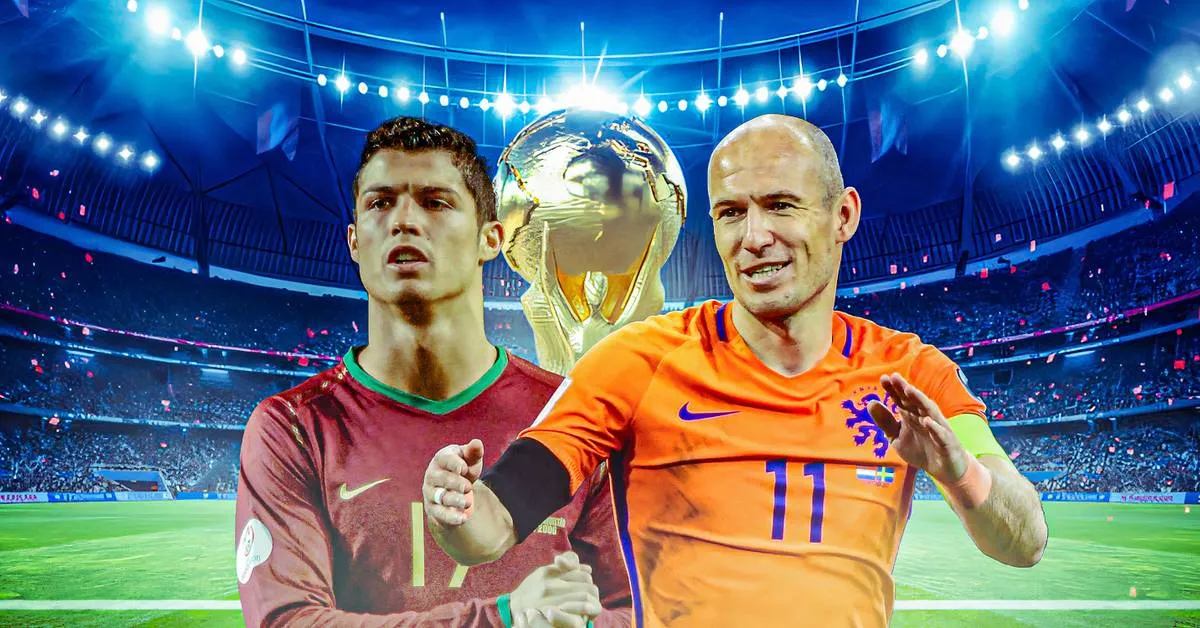
Countries That Have Never Won the FIFA World Cup
Ninety-four years of competition. Twenty-two editions of the greatest sporting event on earth. And in all that time, only eight nations have ever lifted the FIFA World Cup trophy. Brazil, Germany, Italy, Argentina, France, Uruguay, England, and Spain form the most exclusive club in sport, a list that has not changed since 2010. What makes that fact so striking is not who is on it. It is who is not. Some of football’s most passionate, most talented, and most historically significant nations have played the game at the highest level for generations and have never once stood on that final podium. Their stories are not stories of failure. They are stories of the brutal, beautiful unpredictability that makes the World Cup unlike anything else in sport. The Eight Who Won — And the World Left Behind The eight World Cup-winning nations share certain characteristics: periods of tactical innovation, generational squads peaking at the right moment, and the fortune of tournament draws that aligned when it mattered most. Yet countries that have never won the FIFA World Cup include nations that have dominated continental football, produced some of the game’s most celebrated players, and reached the final stages of multiple tournaments without completing the journey. The Netherlands have contested three finals and won none. Portugal reached the semifinals in four separate tournaments. Cameroon became the first African nation to reach a World Cup quarterfinal in 1990. South Korea finished fourth on home soil in 2002. The talent has existed. The victories in the final moment have not. The Most Painful Story in World Cup History: The Netherlands No nation carries the weight of World Cup near-misses quite like the Netherlands. Three finals, three defeats, spanning 36 years. In 1974, Johan Cruyff’s Total Football side produced some of the most breathtaking football the World Cup had ever seen, only to lose the final 2-1 to West Germany in Munich. In 1978, without Cruyff, who had withdrawn from the tournament for personal reasons, the Netherlands reached the final again, this time losing to hosts Argentina in extra time. Then came 2010 in Johannesburg, where a new generation built around Arjen Robben, Wesley Sneijder, and Robin van Persie made the final against Spain. Robben missed a one-on-one with Iker Casillas that would have made the score 1-0. Spain won 1-0 in extra time through Andres Iniesta. Three generations. Three different styles of football. Three defeats on the final day. The Netherlands are the defining example of a nation whose World Cup legacy is defined not by what they achieved but by what was so narrowly taken from them. Dutch football’s identity, its commitment to attacking, technical, expressive football, was forged in those tournaments and has shaped the global game permanently. The trophy, however, has never followed. Individual Brilliance Without the Collective: Portugal Portugal’s World Cup story is inseparable from the story of its great individuals. In 1966, Eusébio, one of the finest forwards of any generation, carried Portugal to a third-place finish at their first World Cup, finishing as the tournament’s top scorer with nine goals. Decades later, Cristiano Ronaldo, widely regarded as one of the two greatest players in football history, gave everything to deliver the World Cup to his nation and fell short each time. Portugal finished third again in 2022 in Qatar under Fernando Santos, Ronaldo’s likely final World Cup, and still the trophy remained out of reach. What has historically defined and limited Portugal is the gap between individual quality and collective organisation. Ronaldo’s brilliance was never in question. What the team around him lacked, across different tournaments and different squads, was the structural cohesion and shared system that World Cup winners have consistently demonstrated. A single player, no matter how exceptional, cannot carry a team to the trophy alone. Portugal’s World Cup history is the most compelling proof of that reality. Africa and Asia’s Closest Challengers Beyond Europe’s nearly men, some of football’s most passionate footballing cultures from Africa and Asia have come closer to breaking through than the record books suggest. Cameroon’s Roger Milla-inspired run to the quarterfinals in 1990 in Italy was a watershed moment, the first time an African nation had progressed that far in the tournament. Senegal reached the quarterfinals in 2002, eliminating defending champions France along the way. Ghana came closest of all African nations to a semifinal in 2010, losing to Uruguay in a quarterfinal penalty shootout after Luis Suárez’s infamous handball on the goal line. From Asia, South Korea’s run to the semifinals on home soil in 2002 remains the high-water mark for the continent, though it came amid considerable controversy around refereeing decisions. Japan has consistently qualified and performed creditably, reaching the round of 16 multiple times and causing genuine upsets against major nations. Morocco’s extraordinary run to the semifinals at the 2022 World Cup in Qatar, beating Spain and Portugal along the way, announced African football’s readiness to compete with the very best in a way that could not be dismissed or qualified. The structural and financial investment gaps between confederations have historically stacked the odds against these nations. The performances have increasingly refused to reflect those disadvantages. Why Winning the World Cup Demands More Than Talent The list of countries that have never won the FIFA World Cup is not a list of nations that lacked quality. It is a list of nations that never had every required element aligned at the same moment. World Cup winners share a specific combination of characteristics that transcends individual brilliance: squad depth across every position, a settled tactical system that has been rehearsed across multiple qualifying campaigns, tournament experience in the squad’s key players, and a collective belief that sustains performance across seven matches in a month. Belgium’s golden generation, widely considered one of the most talented squads in the world between 2014 and 2022, never progressed beyond a semifinal despite containing world-class players at every position. The alignment of all factors simply never arrived in the same tournament. There is
Read More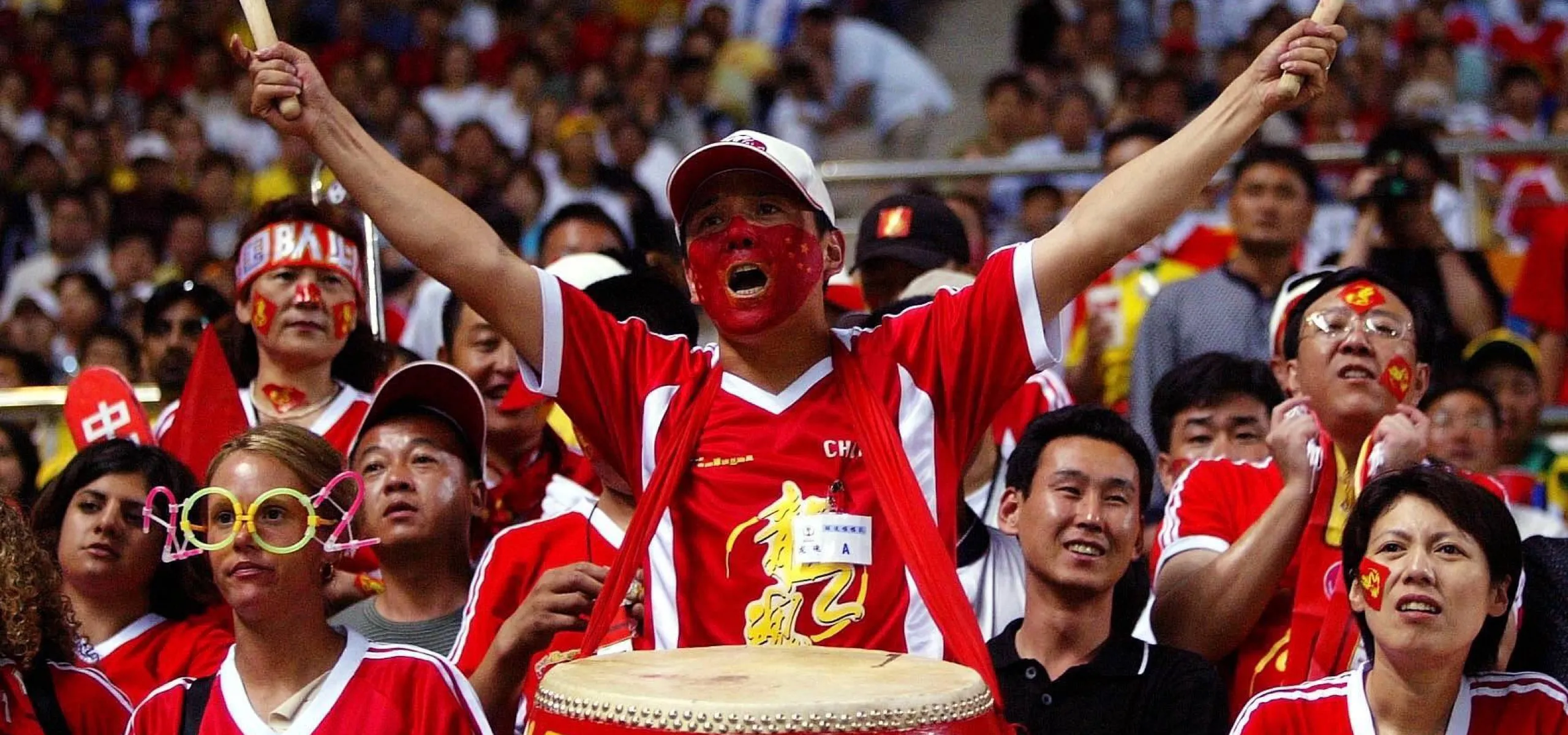
FIFA World Cup 2002: The Most Surprising Tournament in History
The FIFA World Cup 2002 was unlike anything football had ever seen before. Co-hosted by South Korea and Japan, it was the first World Cup held in Asia and the first to be shared between two nations. But the venue was not what made it extraordinary. What truly set the FIFA World Cup 2002 apart was the sheer volume of shocks, upsets, and underdog stories that unfolded over the course of just a few weeks. Traditional giants crumbled, newcomers rose to glory, and the entire footballing world was left speechless. Why FIFA World Cup 2002 Defied All Expectations Before the tournament began, most football fans expected the usual suspects to dominate. France were the reigning World Cup champions and European champions, Argentina had one of the most talented squads on the planet, and Italy and Germany were always reliable forces in world football. Yet within the first two rounds, the tournament had already been turned completely on its head. France, despite having Zinedine Zidane, Thierry Henry, and Patrick Vieira in their squad, failed to score a single goal and crashed out in the group stage. They were eliminated without even registering a shot on target in their opening match against Senegal, a game they lost 1-0. Argentina, loaded with stars like Gabriel Batistuta, Juan Sebastian Veron, and Hernan Crespo, also failed to advance past the group stage after a shock defeat to England and a draw with Sweden. Portugal, another heavyweight, were sent home early after a stunning loss to the United States. Senegal’s Fairytale Run That Shocked the World One of the most celebrated stories of the FIFA World Cup 2002 was Senegal’s extraordinary debut on the world stage. Playing in their first ever World Cup, the African nation opened the tournament by defeating reigning champions France. That result alone would have been enough to make history, but Senegal did not stop there. They advanced from the group stage, defeated Sweden in the round of 16, and pushed Turkey hard before eventually losing in extra time at the quarter-final stage. Coached by Bruno Metsu and led by players like El-Hadji Diouf and Papa Bouba Diop, Senegal played with incredible energy, confidence, and skill. Their run captured hearts across the globe and remains one of the greatest debut performances by any nation at a World Cup. The Rise of South Korea and the Home Advantage Factor No story from the FIFA World Cup 2002 generated more debate than the incredible run of co-hosts South Korea. Under the guidance of Dutch manager Guus Hiddink, South Korea became the first Asian team to reach the semi-finals of a World Cup. Along the way, they eliminated some of the most decorated teams in the history of the tournament. They knocked out Spain in the quarter-finals on penalties after a match filled with controversy surrounding refereeing decisions. Before that, they had sent Italy home in the round of 16, with Ahn Jung-hwan scoring a golden goal in extra time. South Korea’s players were tireless, technically sharp, and unbelievably motivated in front of their passionate home crowd. Whether you believe the results were purely earned or partly influenced by controversial officiating, there is no denying that their journey to the semi-finals was extraordinary. They eventually lost to Germany and then fell to Turkey in the third-place playoff, finishing fourth overall. Germany’s Unlikely Path to the Final Ironically, while most of the pre-tournament favourites were being eliminated, Germany quietly marched to the final despite playing some of the most uninspiring football the tournament had seen. They were far from the dominant force of years past, but Oliver Kahn was virtually unbeatable in goal and proved to be the most outstanding goalkeeper of the tournament. Germany defeated Paraguay, the United States, South Korea, and then faced Brazil in the final. Kahn had been virtually untouchable throughout, but he made a rare error in the final, allowing Ronaldo’s shot to slip through for Brazil’s first goal. It summed up the tournament in many ways: even the reliable heroes had their moments of fallibility, and the script never played out as expected. Brazil and Ronaldo’s Unforgettable Redemption If there was one story of triumph that felt earned and deserved, it was Brazil’s, and in particular Ronaldo’s. After suffering a mysterious seizure on the eve of the 1998 World Cup final, Ronaldo’s career had been derailed by injury and illness. Many had written him off entirely. The FIFA World Cup 2002 became the stage for one of sport’s greatest comebacks. Ronaldo finished the tournament as top scorer with eight goals, including two in the final against Germany. He was electric throughout, combining pace, power, and finishing ability in a way that no defender could handle. His partnership with Ronaldinho and Rivaldo gave Brazil an attacking force that was simply irresistible. Brazil won the tournament without losing a single game, claiming their record fifth World Cup title. For Ronaldo personally, it was the complete redemption of a career that had once seemed broken beyond repair. Controversial Refereeing and the Lingering Debates No honest account of the FIFA World Cup 2002 would be complete without acknowledging the refereeing controversies that surrounded certain matches. Several decisions during the tournament drew enormous criticism from neutrals and football analysts alike. Italy had a goal disallowed that appeared perfectly legitimate, and Francesco Totti was controversially sent off against South Korea in the round of 16 match. Spain also had goals ruled out in their quarter-final defeat to the hosts. These incidents sparked debate about the influence of home advantage, pressure on officials, and the standard of refereeing at the highest level. FIFA later implemented several refereeing reforms partly in response to the controversy generated during this tournament. Regardless of one’s interpretation of those events, they added another layer of drama and discussion to an already unforgettable competition. A Tournament That Permanently Changed World Football The FIFA World Cup 2002 left a legacy that extended far beyond the results on the pitch. It proved that African
Read More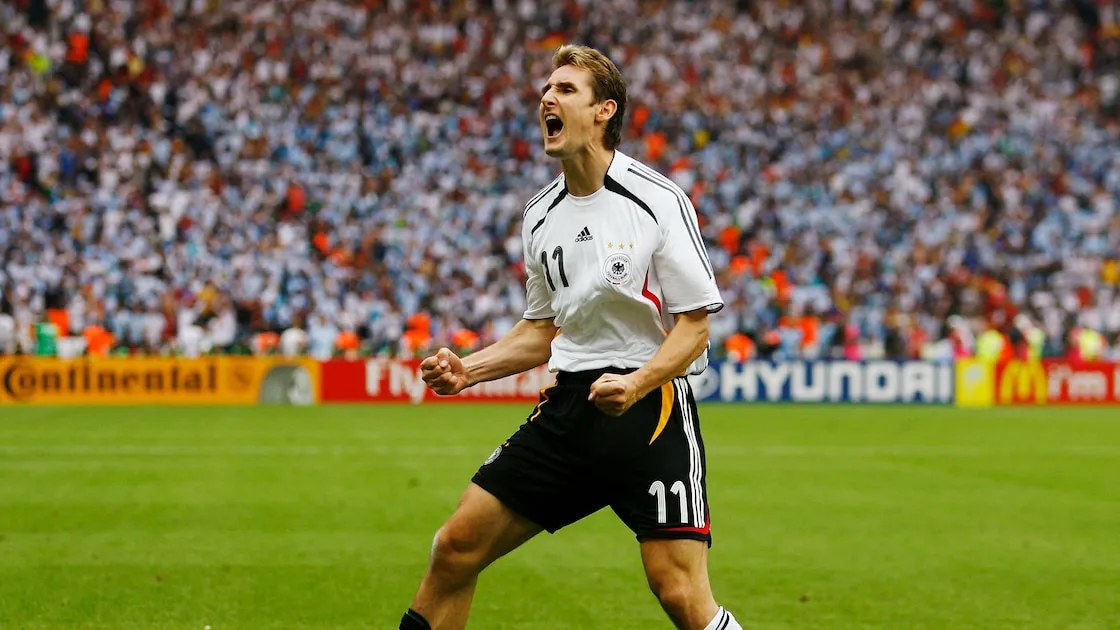
Who Is the All-Time Top Scorer at the FIFA World Cup?
Across more than nine decades of football, no stage has produced pressure like the FIFA World Cup. Nations stop. Streets empty. The weight of an entire country rests on twenty-two players and a single ball. It is in that environment, the most demanding in world sport, that one man rose above every other to claim a record that may never be broken. The FIFA World Cup all-time top scorer is Miroslav Klose of Germany, whose 16 goals across four tournaments represent a standard of sustained excellence that the history of the game has never seen before and is unlikely to see again. The Record That Stands Alone Sixteen goals. Four tournaments. Fourteen years of World Cup football. When Klose retired from international football in 2014, he left behind a scoring record that surpassed every great who had come before him. His 16 goals moved him one clear of Brazil’s Ronaldo, who had held the record at 15 across his own remarkable World Cup career. Klose’s record is not simply the product of longevity, though. It is the result of delivering at the highest level when the stakes demanded it most, a pattern that defined every one of his four appearances on the world’s biggest stage. Tournament by Tournament: How Klose Built the Record Klose’s World Cup story began in 2002 in South Korea and Japan, where a relatively unknown 24-year-old striker announced himself to the global game with five goals, including a hat-trick of headers against Saudi Arabia. His aerial ability and relentless movement made him impossible to manage for opposition defenses, and Germany’s run to the final was built significantly on his contributions. He did not win the tournament, but he introduced himself to the world in the most emphatic way possible. The 2006 World Cup in Germany brought five more goals on home soil, earning him the Golden Boot as the tournament’s top scorer. Playing in front of his own nation, Klose elevated his game further. His movement between the lines, his ability to time runs against high defensive lines, and his composure in front of goal were all on full display. Germany finished third that year, but Klose had confirmed himself as the most dangerous striker in world football. Four goals in 2010 in South Africa took his career total to 14, level with West Germany’s Gerd Müller, then the all-time record holder. By this point, Klose was 32 and questions about his pace and sharpness were being raised. He answered them not with words but with performances, proving that the instincts of a great goalscorer do not diminish with age. Four more goals in 2014 completed the journey, with his 16th arriving in the most dramatic circumstances imaginable. The Goal That Made History On the night of July 8, 2014, in Belo Horizonte, Brazil, Klose wrote the final chapter of his record in a match that football will never forget. Germany’s semifinal against the host nation became one of the most extraordinary evenings in World Cup history. With Germany leading 1-0 through Thomas Müller, Klose latched onto a rebound in the 23rd minute and slotted the ball into the net to make it 2-0. That goal, his 16th World Cup strike, surpassed Ronaldo’s long-standing record and placed Klose alone at the summit of the all-time charts. Germany went on to win 7-1 that night. But for Klose, the number that mattered was one: the single goal that separated him from every striker who had ever played the game. What Made Klose Impossible to Stop at World Cups Statistics only tell part of the story. What made Klose so uniquely dangerous at World Cups was the combination of technical intelligence and psychological composure that surfaced when every match truly mattered. His movement off the ball was studied and precise, creating space that defenders consistently failed to account for. His heading ability, honed from years of technical work, gave him a dimension that made him a threat from virtually every attacking position on the pitch. Beyond the physical and technical qualities, Klose possessed the temperament of a genuine big-game player. There is a documented pattern across his four World Cup campaigns of goals arriving at crucial moments, in knockout rounds, in tight games, and against opponents who had specifically prepared to stop him. He never seemed burdened by the weight of expectation. He seemed, instead, to use it as clarity, knowing that the biggest stages were exactly where his best football would appear. The Other Names in the Conversation To appreciate the full scale of Klose’s achievement, it helps to understand the company he keeps at the top of the all-time scoring charts. Ronaldo of Brazil, one of the most devastating forwards the sport has ever produced, finished his World Cup career with 15 goals across four tournaments spanning 1994 to 2006. Before him, West Germany’s Gerd Müller claimed 14 goals across the 1970 and 1974 editions, a tally built across just two tournaments that speaks to a frequency of scoring almost beyond comprehension. France’s Just Fontaine scored 13 goals in a single World Cup in 1958, a record for goals in one edition of the tournament that remains untouched. Each of these men was a generational talent. That Klose outlasted and outscored all of them is the measure of his greatness. Can Anyone Challenge the FIFA World Cup All-Time Top Scorer Record? Since Klose set the record in 2014, the question of whether any active player could mount a challenge has circled the sport. Cristiano Ronaldo of Portugal has eight World Cup goals across five tournaments. Lionel Messi of Argentina finished his career with 13 World Cup goals after leading Argentina to the 2022 title in Qatar, a magnificent total but still three behind Klose’s mark. Kylian Mbappé, France’s generational forward, has 12 World Cup goals before turning 26, making him the most credible threat to the record in the coming years. Whether he can reach 16 across future tournaments remains one of football’s most compelling
Read More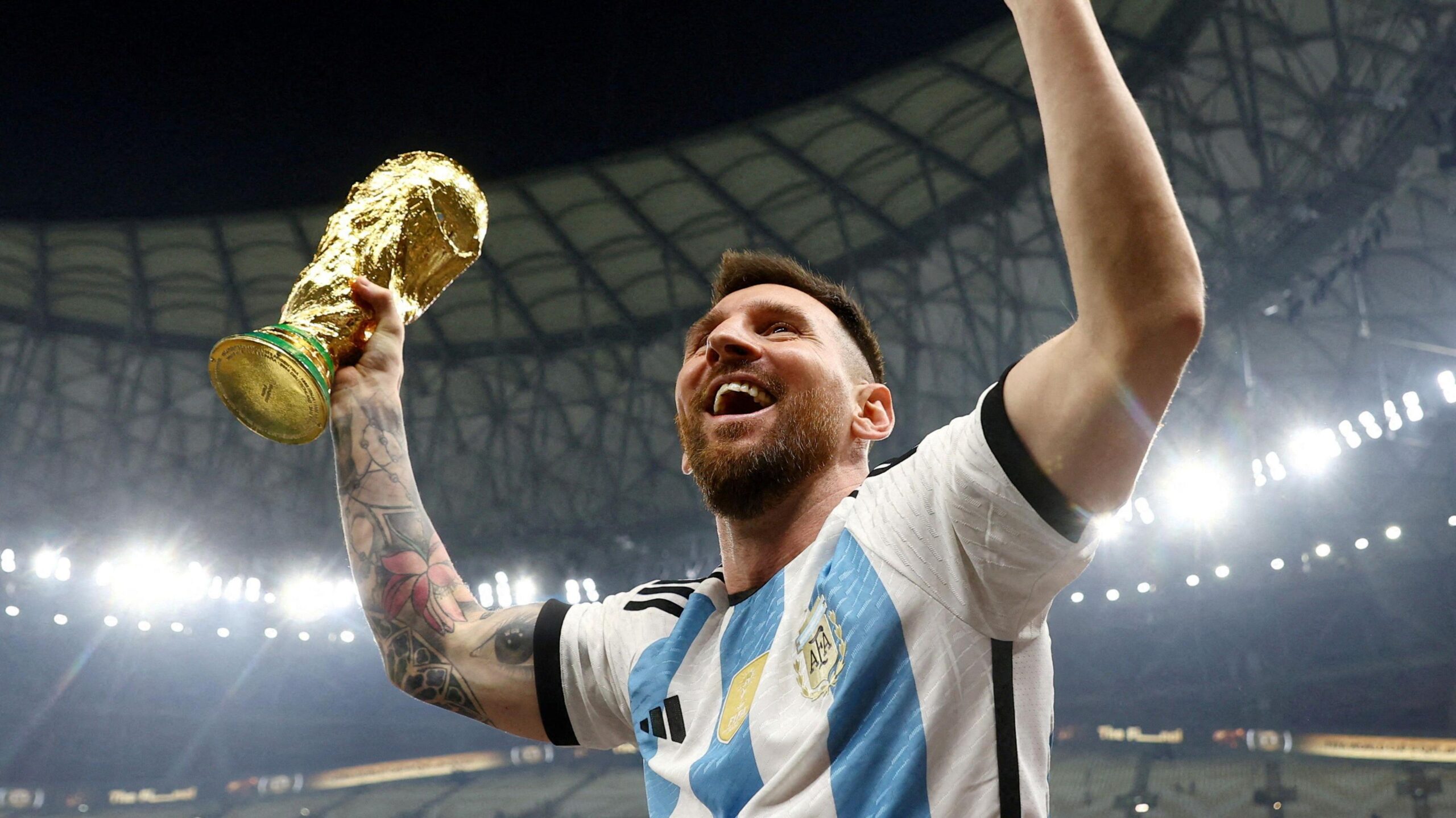
History of the FIFA World Cup: Every Tournament From 1930 to Today
The history of the FIFA World Cup is one of the greatest stories in all of sport. What began as a bold experiment in 1930 has grown into the most watched sporting event on the planet, drawing billions of viewers every four years. Football had featured at the Olympics, but FIFA president Jules Rimet believed the sport deserved its own global stage. Uruguay, fresh off Olympic gold in 1928, was chosen as the first host nation, and 13 teams made the journey to South America to compete for the very first World Cup trophy. Uruguay delivered a perfect fairytale, defeating Argentina 4 to 2 in the final in front of a packed Estadio Centenario in Montevideo. The tournament set the template for everything that followed. The Pre-War Era: 1934 and 1938 Italy hosted the 1934 World Cup and claimed the title on home soil, defeating Czechoslovakia in the final. Benito Mussolini used the tournament for political spectacle, but the football itself was fierce and competitive. Italy retained their title four years later in France in 1938, becoming the first nation to win back-to-back World Cups. Brazil announced themselves as an emerging force, and the tournament was notable for some of the highest-scoring matches in the competition’s history. The Second World War then forced a 12-year gap before the World Cup could return. Brazil 1950: The Maracanazo Shock The history of the FIFA World Cup contains no greater upset than what happened in Rio de Janeiro in 1950. Brazil, playing in front of nearly 200,000 fans at the Maracana, needed only a draw against Uruguay to win the title. Uruguay won 2 to 1. The moment, known as the Maracanazo, left an entire nation in mourning and remains one of the most dramatic days in football history. That tournament was also unique in using a final group stage rather than a knockout final, a format never repeated. The 1950s and 1960s: West Germany, Brazil, and New Powers West Germany claimed their first World Cup title in 1954 in Switzerland, beating the heavily favored Hungarians 3 to 2 in what became known as the Miracle of Bern. Brazil then dominated the late 1950s and 1960s, winning in Sweden in 1958 with a 17-year-old Pelé announcing himself to the world, and again in Chile in 1962. England finally had their moment in 1966 on home turf at Wembley, defeating West Germany 4 to 2 in extra time. Geoff Hurst’s hat-trick remains the only one ever scored in a World Cup final. The 1970s: The Peak of Brazilian Football Brazil’s 1970 squad, widely considered the greatest international team ever assembled, swept through Mexico and defeated Italy 4 to 1 in the final. Pelé, Jairzinho, Tostão, and Rivellino played football that felt decades ahead of its time. West Germany and the Netherlands dominated the next tournament in 1974, with the Dutch introducing the concept of Total Football under Rinus Michels. Despite their brilliance, the Netherlands lost the final to West Germany. Argentina then hosted in 1978, with the host nation controversially winning their first title. The controversy surrounding that tournament has never fully faded. The 1980s: Maradona, Mexico, and Memorable Moments The 1982 World Cup in Spain is remembered as one of the most entertaining tournaments in the history of the FIFA World Cup, even though Italy won it. Brazil played breathtaking football only to fall against Italy in a group stage thriller. Italy’s Paolo Rossi, returning from a match-fixing ban, scored a hat-trick to end Brazil’s campaign and went on to win the Golden Boot. The 1986 tournament in Mexico belonged entirely to Diego Maradona. Argentina’s captain produced arguably the greatest individual performance in World Cup history, including both the infamous Hand of God goal and the Goal of the Century against England in the same quarter-final. Argentina defeated West Germany in the final to claim the title. The 1990s: Tactical Football and Surprise Champions Italia 90 was a defensive, tense affair that produced the lowest goals per game average in World Cup history, yet it captured the world’s imagination through its drama. West Germany won a tight final against Argentina, 1 to 0. The 1994 World Cup, held in the United States, ended with the first-ever penalty shootout final, with Brazil beating Italy after a goalless 120 minutes. Roberto Baggio’s missed penalty remains one of football’s most iconic images. France hosted and won in 1998, with Zinedine Zidane scoring twice in the final against a mysteriously subdued Brazil team. Ronaldo’s strange illness before the match remains one of football’s enduring mysteries. The 2000s: Ronaldo’s Redemption and Italy’s Fourth Star Brazil won the 2002 World Cup in South Korea and Japan, with Ronaldo spectacularly redeeming himself by scoring twice in the final against Germany. That tournament also produced the biggest shock in World Cup history, with Senegal defeating reigning champions France in the opening game. Germany hosted a spectacular 2006 tournament full of attacking football. Italy triumphed on penalties over France in the final, a game remembered as much for Zidane’s infamous headbutt on Marco Materazzi as for the football itself. Zidane received a red card in his final professional match. The 2010s: Spain’s Golden Generation and Germany’s Dominance South Africa made history in 2010 as the first African nation to host the World Cup. Spain, powered by their dominant Barcelona and Real Madrid players, won their first ever title with Andrés Iniesta’s extra-time goal defeating the Netherlands. The vuvuzelas became the soundtrack of the tournament. Brazil hosted in 2014 and suffered the most humiliating defeat in their history, losing 7 to 1 to Germany in the semi-finals in what Brazilians still call the Mineirazo. Germany claimed their fourth World Cup title, defeating Argentina 1 to 0 in the final through Mario Götze’s extra-time goal. Russia 2018 delivered surprises from the very first round. France, led by the brilliance of Kylian Mbappé, won their second World Cup title by defeating Croatia 4 to 2 in an entertaining final. Defending champions Germany were eliminated
Read More