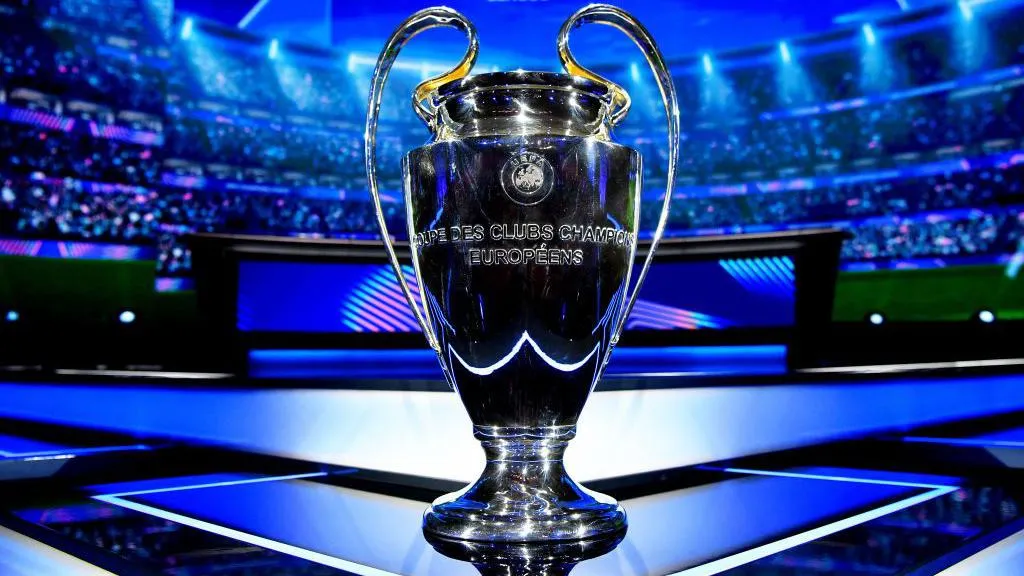
Few sounds in sport trigger emotion as instantly as the UEFA Champions League anthem. The moment the opening notes echo around a packed stadium, time seems to slow. Players stand taller. Fans fall silent. The stakes suddenly feel enormous. Long before the ball is kicked, the anthem tells everyone watching that this is football at its highest level.
This is not accidental. The Champions League anthem was designed to create awe, pressure, and anticipation. Decades later, it continues to deliver goosebumps on the biggest nights in world football.
For millions of fans, the Champions League anthem signals something sacred. It means midweek nights under floodlights, legendary stadiums, and careers defined by moments that last seconds. Unlike chants that belong to clubs or countries, this anthem belongs to the competition itself.
It unites fans across rivalries and languages. Whether you support a perennial giant or a surprise underdog, hearing the anthem instantly places your team on football’s grandest stage.
Origins of the Champions League Anthem
The anthem was introduced in 1992, the same year the European Cup was rebranded as the UEFA Champions League. UEFA wanted more than a name change. It wanted an identity that felt elite, timeless, and unmistakably prestigious.
At a time when football was becoming increasingly commercial, UEFA chose not to follow pop trends. Instead, it leaned into classical tradition, signaling that the Champions League was not just another tournament but the pinnacle of European football.
The Composer and Musical Inspiration
The anthem was composed by Tony Britten, who was tasked with creating something grand, authoritative, and emotionally powerful.
Britten based the anthem on George Frideric Handel’s “Zadok the Priest,” a piece traditionally used in British coronations. This choice was deliberate. Handel’s composition carries associations of ceremony, royalty, and historical importance.
By adapting a coronation anthem for football, Britten gave the Champions League an almost regal status. Winning it would feel like being crowned king of Europe.
Lyrics, Language, and Meaning
The lyrics are written in three of UEFA’s official languages: English, French, and German. This multilingual approach reinforces the competition’s pan-European identity.
The words themselves are simple. They speak of champions, the best teams, and the meeting of great clubs. Yet the meaning lies less in the lyrics and more in what they represent. Fans rarely sing along. Instead, they listen, absorb, and feel.
The anthem does not demand participation. It commands respect.
Why the Anthem Sounds So Powerful
Musically, the anthem is built to create anticipation. It begins with a slow, controlled introduction before swelling into a powerful choral climax. The use of a full orchestra and choir gives it depth and weight that modern music often lacks.
Repetition plays a key role. Fans hear the anthem again and again throughout the season, but always at moments of significance. Over time, the brain associates the sound with tension, excitement, and history. The result is a conditioned emotional response that feels almost automatic.
The Anthem’s Role in Matchday Rituals
Before every Champions League match, the anthem plays as players line up and the iconic starball flag is unfurled. Stadiums that moments earlier were roaring often fall into near silence.
This ritual transforms a football match into an event. It marks the transition from anticipation to reality. Players frequently describe this moment as when the pressure truly hits. For 90 minutes, everything that follows must live up to the promise of the music.
Psychological Impact on Players
Many players have spoken about the anthem as a defining experience in their careers. Hearing it for the first time confirms arrival at the elite level. Hearing it in a final represents a lifetime goal.
The anthem heightens nerves, but it also sharpens focus. It reminds players that they are part of something larger than themselves. For veterans, it evokes memories of past triumphs and heartbreaks. For newcomers, it represents the dream they grew up watching.
Iconic Moments Defined by the Anthem
Some of football’s most unforgettable nights are inseparable from the anthem that preceded them. Dramatic comebacks, last-minute goals, and emotional finals all feel larger because of the buildup the anthem creates.
When fans recall historic Champions League moments, the music often plays in their memory before the images do. It has become an emotional anchor, tying sound to history.
The Champions League is broadcast in more than 200 countries, and the anthem opens every match. This repetition has made it globally recognizable, even among casual viewers.
Children who may not understand tactics or formations still recognize the anthem as the sound of something important. Few pieces of music in sport have achieved such universal recognition without lyrics that fans actively sing.
Over the years, UEFA has commissioned orchestral and live choir performances for finals, adding visual grandeur to the music. While subtle variations exist, the core composition remains untouched.
Attempts to modernize or remix the anthem have been limited, and deliberately so. Its power lies in familiarity. Any major alteration would risk breaking the emotional connection built over decades.
Many leagues and tournaments have theme music, but none carry the same emotional weight. Domestic league anthems grow familiar through frequency, while international tournament songs change every cycle.
The Champions League anthem is different. It is permanent, ceremonial, and reserved only for the highest level of club football. That exclusivity is central to its impact.
Why the Anthem Still Gives Goosebumps Decades Later
The anthem’s effect is rooted in psychology as much as music. It is associated with high stakes, elite performance, and moments that define careers. Over time, nostalgia strengthens this bond.
Fans remember where they were when they heard it before historic matches. Players remember what it felt like to stand beneath it. Each repetition deepens the emotional imprint.
More Than Just a Song
The Champions League anthem is not just music played before a match. It is football mythology. It represents dreams fulfilled, pressure endured, and history written.
Long after goals are forgotten and trophies gather dust, the sound remains. And every time it plays, it reminds the world why the Champions League sits above all else.




No Comments