
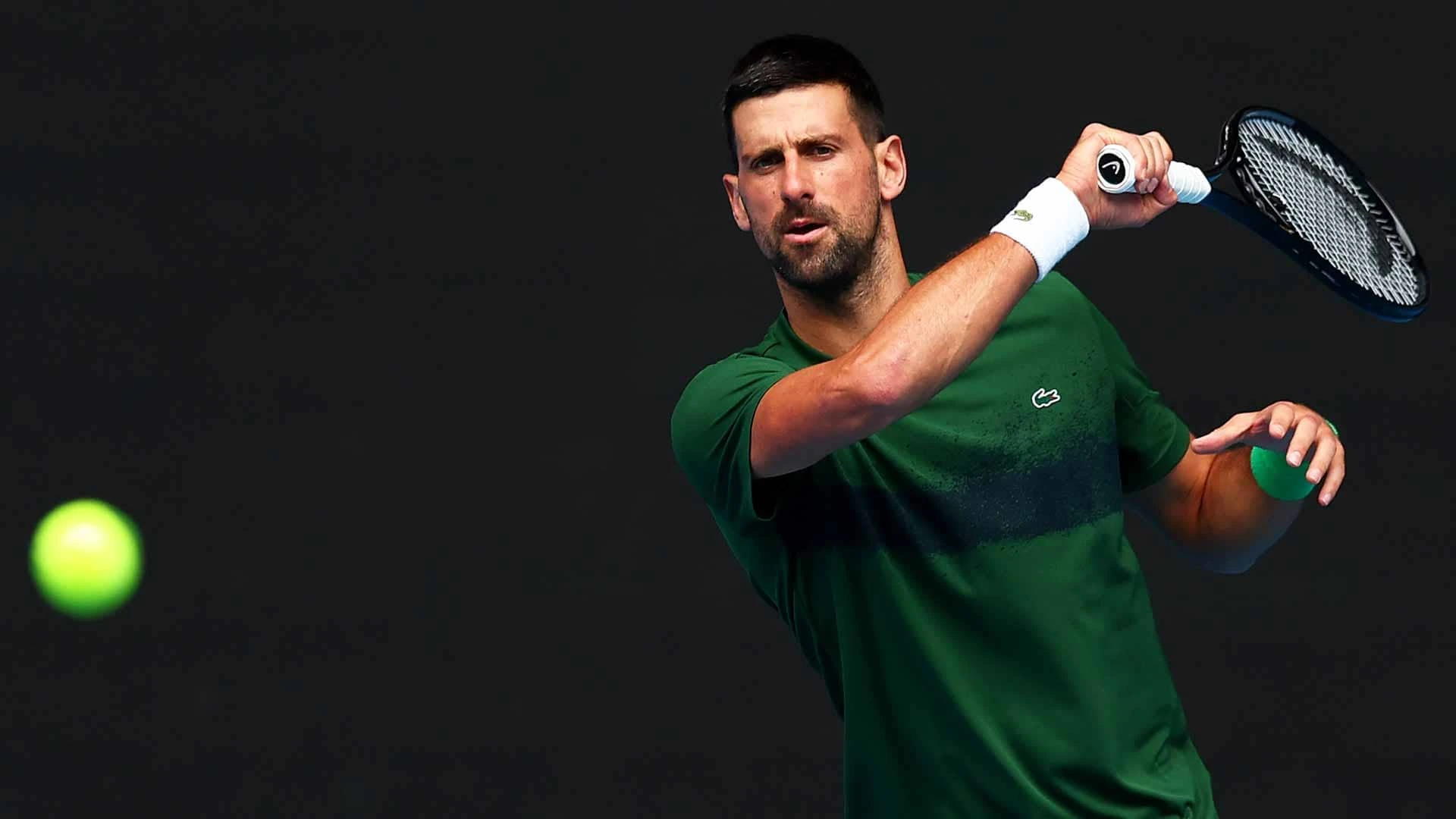
Djokovic Australian Open 2026: The Strategic Rest Formula Behind His 25th Slam Chase
Novak Djokovic is proving that experience and wisdom can triumph over youth and energy. His journey through the Djokovic Australian Open 2026 tournament reveals a champion who has mastered not just the game of tennis, but the art of managing his body at the highest level of competition. Breaking Records at Australian Open 2026 The Serbian legend has been unstoppable in Melbourne, achieving three incredible milestones within a single week. He secured his 100th match win at this prestigious event, became the first player ever to reach 400 Grand Slam victories, and surpassed Roger Federer to claim the record for most men’s quarterfinal appearances in tournament history. Even more remarkable is how efficiently he has reached this stage. The 38-year-old has spent only seven hours on court through four rounds without losing a single set. This efficiency stands in sharp contrast to his struggles in recent years, where grueling early matches depleted his energy reserves before reaching the tournament’s crucial stages. A Fortunate Break Changes Everything Lady luck intervened when 20-year-old Jakub Mensik withdrew from their fourth-round match due to an abdominal injury. While some players might worry about losing competitive rhythm, this unexpected rest day could prove invaluable for Djokovic at this stage of his career. Mensik would have been a serious challenge. The young Czech player arrived in Melbourne as the Auckland champion and has been firing an average of 16 aces per match this season. He even defeated Djokovic in the Miami Open final last year, showcasing the powerful serve that makes him dangerous against any opponent. For a player concerned about energy management deep in a tournament, avoiding this potential marathon match could be the difference between success and early elimination. The Revolutionary Training Approach for Djokovic Australian Open 2026 What truly sets this year’s campaign apart is the Serbian’s willingness to break conventional wisdom about tournament preparation. He has skipped practice sessions between matches, choosing preservation over perfection in a calculated gamble that seems to be paying dividends. His team evaluates his physical condition daily, making real-time decisions about whether additional court time helps or hurts his chances. After months of intensive preparation before arriving in Melbourne, Djokovic trusts his ball striking ability and focuses entirely on keeping his body fresh. This approach directly addresses his earlier comments about uncertainty regarding how his body would respond to extended tournament play. Rather than fight against aging, he has adapted his entire strategy around it. What Lies Ahead in the Quarterfinals Wednesday brings a quarterfinal showdown against either Taylor Fritz or Lorenzo Musetti. History heavily favors the 10-time champion, who holds a dominant 20-1 combined record against both potential opponents. However, Musetti pushed him to a three-hour battle in Athens last November, proving he can extend Djokovic even on favorable surfaces. That match took place in the Greek capital, where the Serbian star now makes his home, adding extra significance to their rivalry. The bigger challenge likely awaits in a potential semifinal against Jannik Sinner. The two-time defending champion ended Djokovic’s remarkable 33-match winning streak at this tournament two years ago and represents the new generation trying to dethrone the old guard. Why Timing Favors Djokovic Australian Open 2026 Success The champion himself recognizes that early season tournaments offer his best opportunity for Grand Slam glory. His body carries far less accumulated wear in January compared to the later months when Wimbledon, the US Open, and other major events take place. Recent history supports his concerns about physical durability. In 2024, he battled through seven hours of tennis and lost two sets in just his opening two matches. The following year followed a similar pattern with six hours played and two sets dropped in early rounds. Both tournaments ended in semifinal disappointment, including a retirement against Alexander Zverev after his exhausting comeback win over Carlos Alcaraz. This year’s smooth passage through the draw suggests he has learned valuable lessons from those physically draining campaigns. The Record Books Keep Changing Every victory adds another line to an already legendary resume. His next win will be number 103 at the Australian Open, moving him past Federer for most victories at a single Grand Slam tournament. But individual match records pale in comparison to his ultimate goal: capturing an unprecedented 25th major championship. Despite recent struggles against younger stars like Sinner and Alcaraz at the biggest events, Djokovic maintains complete confidence in his abilities. He believes that when his body feels good and his mind stays sharp, he can still defeat anyone in the world. The question is no longer whether he possesses the skill level. The question is whether his body will cooperate when it matters most. Energy Management as a Competitive Weapon The Djokovic Australian Open 2026 narrative centers on a simple but profound truth: at 38 years old, working smarter beats working harder. While younger competitors might fill every spare moment with additional training, the Serbian veteran trusts his experience and minimizes unnecessary physical stress. Where others might panic about rhythm after receiving a walkover, he recognizes an opportunity to bank precious energy for the battles ahead. Where conventional wisdom demands practice between matches, he prioritizes rest and recovery. His approach represents a masterclass in self-awareness. He understands his body’s limits, accepts the realities of aging, and adjusts his strategy accordingly without sacrificing competitive intensity. The Final Verdict Through the first week in Melbourne, this conservation strategy is working to perfection. Djokovic looks fresh, focused, and formidable. He moves efficiently on court, strikes the ball with authority, and shows no signs of the physical struggles that plagued his recent Grand Slam campaigns. Four more victories would deliver that historic 25th major title. Four more matches stand between him and tennis immortality. After decades of success built on relentless preparation and maximum effort, he is proving that sometimes the key to winning is knowing when to rest. The Djokovic Australian Open 2026 journey continues Wednesday. And based on everything we have seen so far, the smart money
Read More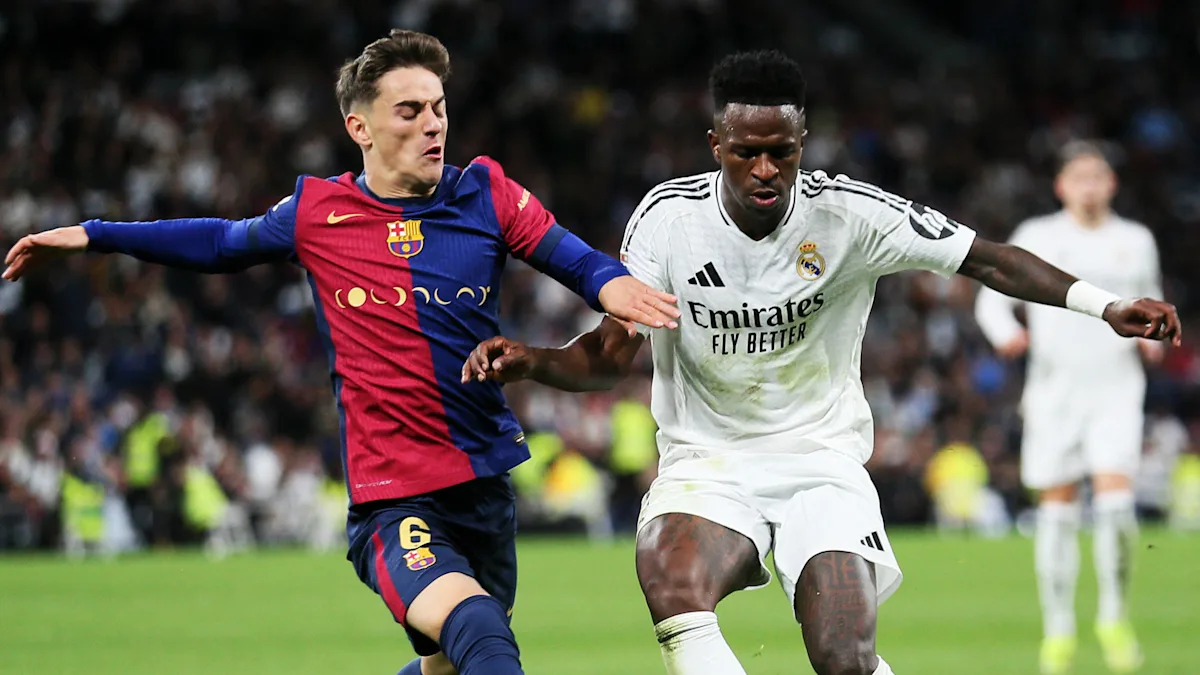
La Liga Title Race 2026: How Real Madrid Closed the Gap on Barcelona
The Spanish football landscape has been transformed in recent weeks, with the La Liga title race evolving from what appeared to be a comfortable Barcelona lead into one of the most gripping competitions in European football. What seemed like a foregone conclusion just weeks ago has become a nail-biting contest that could go either way. The Current State of the La Liga Title Race January brought unexpected drama to Spanish football’s premier competition. Barcelona entered the new year sitting comfortably at the summit with a four-point cushion over their eternal rivals. Fast forward just a few weeks, and that advantage has been slashed to a single point following a series of shocking developments. The turnaround reflects the unpredictable nature of elite football, where momentum can shift dramatically within days. Both Spanish giants have experienced extreme highs and devastating lows, making this season’s championship battle one for the history books. Barcelona’s Stumble: When Confidence Met Reality The Catalan club started 2026 in exceptional form, winning their opening fixtures convincingly and securing passage to the Super Cup final in Saudi Arabia. Their attacking prowess was on full display, netting twelve goals across four consecutive victories. Manager Hansi Flick seemed to have found the perfect formula, with his squad executing his tactical vision flawlessly. However, football has a way of humbling even the most dominant teams. Barcelona’s encounter with Real Sociedad ended their impressive eleven-match winning streak across all competitions. Despite controlling much of the match, the Blaugrana fell to a frustrating defeat, their second consecutive loss to Sociedad in league play. Flick acknowledged his team’s misfortune while maintaining they deserved better. Sometimes in football, effort and quality don’t translate to results, and Barcelona learned this harsh lesson at a critical juncture in the La Liga title race. Real Madrid’s Transformation Under New Leadership The managerial change at the Santiago Bernabéu initially appeared to destabilize Los Blancos. When Alvaro Arbeloa took charge of the first team following Xabi Alonso’s departure, expectations were high given his legendary status at the club. Yet his tenure began disastrously with an embarrassing Copa del Rey elimination to second-division side Albacete. That humiliating defeat sent shockwaves through Madrid. Club captain Dani Carvajal didn’t mince words, admitting the team had reached their lowest point. Supporters questioned whether promoting from within was the right decision, and Barcelona fans relished their rivals’ disarray. But Real Madrid have historically thrived when their backs are against the wall. Arbeloa regrouped his squad, and the response was emphatic. A dominant Champions League performance against Monaco, where Madrid scored six goals, signaled a potential turning point. The manager praised both his players’ commitment and the supporters’ renewed faith. What Makes This La Liga Title Race So Compelling Several factors have elevated this season’s competition into must-watch territory: Unpredictability: Neither team has been able to establish sustained dominance. Just when one appears to be pulling away, unexpected results bring their rivals back into contention. Historical Context: Last season’s championship provides a blueprint for comeback possibilities. Real Madrid held a six-point advantage at a similar stage, only to watch Barcelona overturn the deficit and claim the trophy. Managerial Intrigue: Arbeloa’s inexperience at the highest level contrasts with Flick’s proven track record, adding an intriguing subplot to the tactical battles ahead. The Pending Clasico: The rivals won’t meet again until May, meaning every match between now and then carries enormous significance. Real Madrid claimed the first encounter in October, making the return fixture potentially decisive. The Road Ahead in Spain’s Championship Battle Both clubs face crucial tests in the coming weeks. Real Madrid must navigate a challenging fixture against third-placed Villarreal, a match Arbeloa has identified as essential for building confidence and maintaining pressure on Barcelona. Meanwhile, the Catalans face bottom-dwelling Oviedo, a fixture they’re expected to win comfortably. The margin for error has evaporated. A single slip could prove costly in determining who lifts the trophy in May. Barcelona cannot afford to replicate their surprising loss to Real Sociedad, while Real Madrid must maintain the momentum generated by their Champions League demolition of Monaco. Why This Season Could Go Either Way Form, psychology, and squad depth will all play crucial roles in determining the eventual champion. Barcelona possess superior firepower and have demonstrated greater consistency throughout most of the campaign. However, Real Madrid’s championship pedigree and ability to perform under pressure cannot be discounted. The La Liga title race has become a test of mental fortitude as much as technical ability. Which squad can handle the mounting pressure? Which manager can make the crucial tactical adjustments when it matters most? Which team will maintain composure when faced with adversity? Conclusion: A Championship Battle for the Ages Spanish football fans are witnessing something special unfold. The La Liga title race has all the ingredients of a classic championship battle: storied rivals, dramatic momentum swings, managerial intrigue, and the promise of more twists to come. With Barcelona clinging to a slender one-point advantage and Real Madrid breathing down their necks, the next few months promise high-stakes drama at the pinnacle of Spanish football. Neither team can claim superiority, and neither fanbase can rest easy. One thing remains certain: this title race will be decided not by who starts strongest, but by who finishes with the most determination, quality, and nerves of steel. The stage is set for an unforgettable conclusion to Spain’s football season.
Read More
Latest Football Transfer News: January 2026 Window Heats Up
The January transfer window continues to deliver drama and unexpected developments as clubs across Europe scramble to finalize their business. From collapsed deals to surprising loan moves, here’s everything you need to know about the latest transfer activity. Liverpool’s Defensive Dilemma and Summer Plans The January transfer window continues to deliver surprising twists as Liverpool reportedly halt Andy Robertson’s potential switch to Tottenham Hotspur. Following their disappointing defeat at Bournemouth over the weekend. The Reds have reconsidered their defensive options and decided to keep the Scottish left-back at Anfield for now. Looking ahead to the summer window, Liverpool are exploring long-term solutions for their left-back position, with Fulham’s American defender Antonee Robinson emerging as a prime target. Trent Alexander-Arnold Saga Takes Unexpected Turn In a development that could infuriate Liverpool supporters, reports suggest Manchester City are considering a loan approach for Trent Alexander-Arnold from Real Madrid. The Citizens are desperately seeking right-back reinforcement and view the England international as an ideal solution. There’s even speculation about a permanent transfer materializing in the upcoming summer window. Alexander-Arnold’s departure from Merseyside has been identified as a significant factor in Liverpool’s struggles this campaign, though some fans remain reluctant to acknowledge this reality. Premier League Clubs Make Their Moves Several top-flight clubs are actively pursuing reinforcements as the window approaches its closing stages. The competition for talent is fierce, with multiple teams targeting similar positions and player profiles. Fulham’s Attacking Ambitions Manager Marco Silva continues pushing for new signings at Craven Cottage, potentially linking his transfer demands to his own future at the club. The Cottagers are actively pursuing striking options beyond their reliable veteran Raúl Jiménez. PSV Eindhoven’s American striker Ricardo Pepi has emerged as a leading candidate, while Genk’s South Korean forward Oh Hyeon-gyu remains under consideration. Manchester City winger Oscar Bobb is also on Fulham’s radar. Bournemouth’s Brazilian Investment The Cherries are set to complete the signing of promising Vasco da Gama winger Rayan, who has already arrived in the United Kingdom for his medical examination scheduled for Monday. The young Brazilian talent has drawn comparisons to Real Madrid star Vinícius Júnior. West Ham’s Relegation Battle Lucas Paquetá appears increasingly likely to depart the London Stadium amid West Ham’s relegation concerns. Brazilian giants Flamengo are close to securing the midfielder’s return to his homeland, with negotiations nearing completion ahead of their Serie A opener against São Paulo this Thursday. Chelsea’s Youth Movement Continues The Blues remain one of the most active clubs in the transfer market, with their focus firmly on securing the brightest young talents across Europe. Their extensive scouting network continues to identify promising players who fit their long-term vision. Defensive Reshuffling The Blues continue their strategic management of young defensive talent. Twenty-year-old Argentine center-back Aaron Anselmino is returning from his loan spell at Borussia Dortmund to rejoin the Chelsea squad. Meanwhile, highly-rated academy graduate Josh Acheampong has attracted serious interest from both Crystal Palace and Bayern Munich. Despite this attention, Chelsea sources indicate a permanent sale is considered extremely unlikely, though a loan arrangement to Palace could materialize as they seek to replace Marc Guéhi. French Talent on the Radar Chelsea’s recruitment team maintains strong interest in Rennes’ young French defender Jérémy Jacquet, who represents France at Under-21 level. Additionally, teenage midfielder Mohamed Kader Meité from the same club features on Chelsea’s wish list, creating competition with Manchester United for his signature. The London club is also monitoring Paris Saint-Germain’s teenage sensation Ibrahim Mbaye, though they face rivalry from Manchester United once again. The Senegalese forward impressed at the recent Africa Cup of Nations, and PSG will demand substantial compensation for one of their brightest prospects. Transfer Window Outlook As the January window approaches its final days, clubs across the Premier League are making decisive moves to strengthen their squads. From Liverpool’s defensive concerns to Chelsea’s continued youth acquisition strategy, the coming weeks promise more drama before the transfer deadline. The next few days will prove crucial for teams looking to secure their targets before the window slams shut. Some deals will succeed, others will fall through at the last minute, but one thing is certain—the transfer market never fails to deliver excitement.
Read More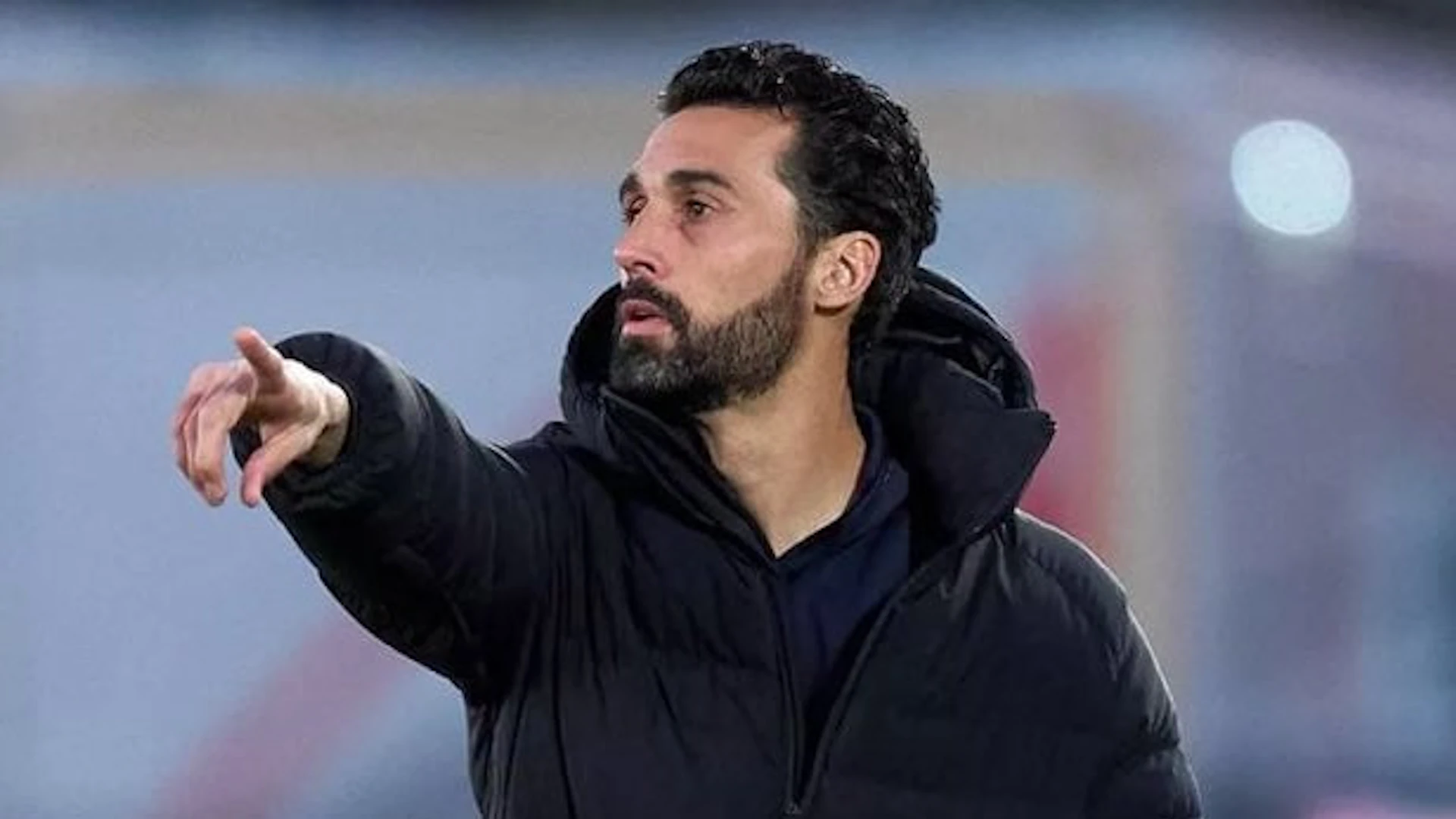
Álvaro Arbeloa Takes the Reins at Real Madrid: A Calculated Risk or Desperate Gamble?
The football world stood still when Real Madrid announced Álvaro Arbeloa as their new head coach. The decision, coming swiftly after Xabi Alonso’s departure following a Spanish Super Cup defeat to Barcelona, has sparked intense debate among supporters and pundits alike. The Unexpected Appointment at Real Madrid Real Madrid’s choice to promote Arbeloa from their reserve team has raised eyebrows across the footballing landscape. The 43-year-old former defender lacks the heavyweight managerial credentials typically associated with one of the world’s most prestigious clubs. Yet, those within the Santiago Bernabéu see this differently, viewing the appointment as a strategic move rooted in club identity rather than an impulsive reaction. A Man Who Knows the Real Madrid Way Arbeloa’s connection to Real Madrid runs deep. Having spent 20 of his 43 years associated with the club, he embodies the values and culture that define Los Blancos. During his unveiling, he emphasized this bond, stating his understanding of the club’s relentless winning mentality, lessons learned during his playing days that remain embedded in the current dressing room. This isn’t the first time club president Florentino Pérez has looked inward during turbulent times. The strategy mirrors previous appointments of former players like Zinedine Zidane, who successfully navigated the unique pressures of managing Real Madrid. However, not all such decisions have yielded positive results, as Santiago Solari’s brief six-month tenure in 2018-19 demonstrated. From Academy Coach to First Team Boss Arbeloa’s coaching journey began in 2020, entirely within Real Madrid’s youth system. His progression through the academy ranks saw him win multiple league titles before taking charge of Castilla, the reserve team, seven months ago. This internal development has given him intimate knowledge of the club’s philosophy and several players who have graduated to the senior squad. Tactical Philosophy and Influences Those familiar with Arbeloa’s work describe him as an attacking-minded coach with excellent communication skills. His preferred 4-3-3 formation emphasizes high pressing and aggressive, forward-thinking football. Interestingly, he favors deploying wingers on their opposite flanks, a tactical nuance that could reshape Madrid’s attacking dynamics. The influence of José Mourinho, under whom Arbeloa played from 2010 to 2013, remains evident in his coaching approach. However, the new manager is clear about maintaining his own identity, acknowledging that attempting to replicate the Portuguese mastermind would lead to failure. Instead, he draws from all his former managers, creating a unique coaching philosophy. Mixed Reactions from the Bernabéu Faithful The appointment has generated divided opinions among Real Madrid supporters. Many fans question whether the decision was premature, particularly given the team’s position, second in La Liga, four points behind Barcelona. Supporter sentiment reflects cautious skepticism. While some acknowledge the team’s underperformance justified change, others worry about timing and Arbeloa’s readiness for such a demanding role. The concern centers on whether someone with limited senior coaching experience can command a dressing room that allegedly challenged Alonso, a more decorated player and experienced manager. The Bellingham Controversy Reports suggesting dressing room divisions, specifically naming Jude Bellingham among players who lost faith in Alonso, were swiftly and forcefully denied by the England international. His public rejection of these claims as “damaging misinformation” highlighted the toxic atmosphere surrounding Alonso’s final days, though it also revealed the challenges Arbeloa inherits. Questions About Longevity Real Madrid’s refusal to announce contract length suggests flexibility in their planning. Arbeloa himself acknowledged this uncertainty, simply stating he’ll remain as long as the club desires. This ambiguity has fueled speculation about potential summer replacements, with Jürgen Klopp’s name prominently mentioned despite his current role with Red Bull. The German manager’s comments when questioned about the Madrid position, neither confirming nor denying interest, have only intensified speculation. For now, Arbeloa must focus on immediate results, starting with Wednesday’s Copa del Rey fixture against Albacete. The Challenge Ahead Arbeloa inherits a squad filled with world-class talent but seemingly lacking cohesion. His message of fresh starts and clean slates aims to reset the atmosphere, but actions on the pitch will ultimately determine his fate. At Real Madrid, potential and promise count for little, only trophies matter. The new manager faces the challenge of implementing his ideas while managing egos in one of football’s most demanding environments. His emphasis on attacking football and high pressing could revitalize a team that has appeared disjointed, but transitional periods rarely align with Real Madrid’s expectation of immediate success. Historical Context This marks the 17th managerial change under Pérez’s presidency since 2009, a statistic that underscores both the club’s ambition and its impatience. The pattern typically involves oscillating between proven winners like Carlo Ancelotti and José Mourinho during crisis moments, and club legends during periods requiring cultural realignment. Arbeloa’s appointment fits the latter category, though his lack of first-team management experience distinguishes him from predecessors. Where Zidane had managed Castilla before his promotion and Alonso arrived with Bundesliga success at Bayer Leverkusen, Arbeloa’s resume consists entirely of youth and reserve team achievements. What Success Looks Like for Real Madrid For Arbeloa, success means more than just results, it requires restoring belief and unity within the squad. His stated commitment to attacking football and player development aligns with Madrid’s traditions, but implementation under pressure will test his credentials. The immediate objectives are clear: close the four-point gap to Barcelona, progress deep into the Copa del Rey, and compete seriously in the Champions League. Anything less will intensify scrutiny and potentially accelerate discussions about long-term alternatives. Final Thoughts Real Madrid’s appointment of Álvaro Arbeloa represents a fascinating intersection of tradition and uncertainty. While his deep connection to the club provides cultural continuity, his limited experience raises legitimate questions about capability at the highest level. The coming months will reveal whether this was a shrewd decision by a club trusting its own development system, or a hasty reaction that fails to address underlying problems. For Arbeloa, the pressure is immense but the opportunity is unmissable, a chance to write his name into Real Madrid folklore from the touchline, just as he did on the pitch. Only time will
Read More