
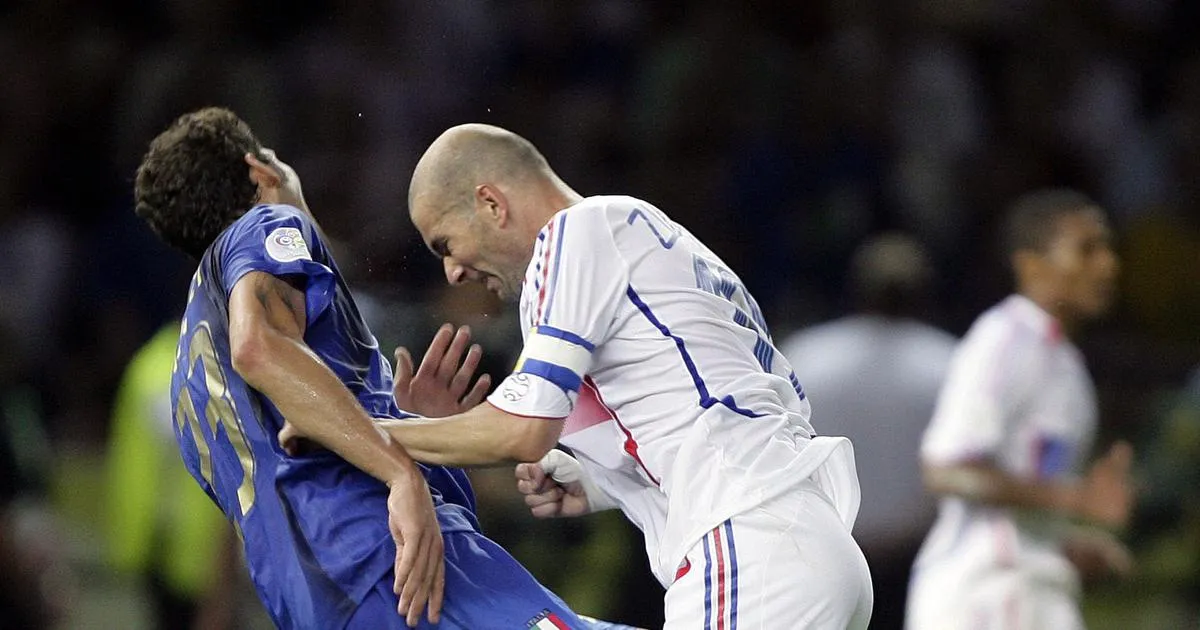

Few sporting moments have frozen time like the Zinedine Zidane 2006 World Cup headbutt. In the final minutes of his final professional match, one of football’s greatest artists walked away from the pitch in disbelief after a single, violent act. The incident instantly eclipsed the match itself, transforming a career-defining farewell into a global controversy that still sparks debate nearly two decades later.
Table of Contents
- Setting the Scene – The 2006 World Cup Final
- Zidane’s Tournament Before the Final
- The Incident – What Happened on the Pitch
- What Was Said? The Provocation Debate
- The Role of Technology and Officials
- Immediate Fallout During the Match
- Zidane’s Explanation After the Final
- Reaction From the Football World
- Disciplinary Action and Official Consequences
- How the Headbutt Affected Zidane’s Legacy
- Why the Incident Still Resonates Today
- A Legendary Career Defined by a Human Moment
Setting the Scene – The 2006 World Cup Final
The final in Berlin pitted France against Italy, two tactical giants with deep World Cup histories. For Zidane, it was a farewell on the grandest stage. France had surged through the knockout rounds, and the atmosphere inside the Olympiastadion carried immense tension. The match was finely balanced, with little separating the teams across 120 minutes.
Zidane’s Tournament Before the Final
Zidane’s tournament began quietly, including a suspension after the group stage. But once France reached the knockouts, he was magnificent. He dictated tempo, controlled midfield battles, and produced moments of elegance that reminded the world why he was revered. By the final, Zidane had already scored twice in the tournament and stood on the brink of a fairy-tale ending.
The Incident – What Happened on the Pitch
In the 110th minute, with the score level, Zidane exchanged words with Italian defender Marco Materazzi near the center circle. Moments later, Zidane turned and forcefully headbutted Materazzi in the chest. The Italian collapsed. Play stopped, but the referee initially did not see the incident.
What Was Said? The Provocation Debate
The immediate question was why Zidane reacted. After the final, Materazzi admitted he insulted Zidane, reportedly making a comment about Zidane’s sister. Zidane later confirmed that the words were deeply offensive and personal. While exact phrasing varied across translations, both players acknowledged verbal provocation preceded the headbutt.
The Role of Technology and Officials
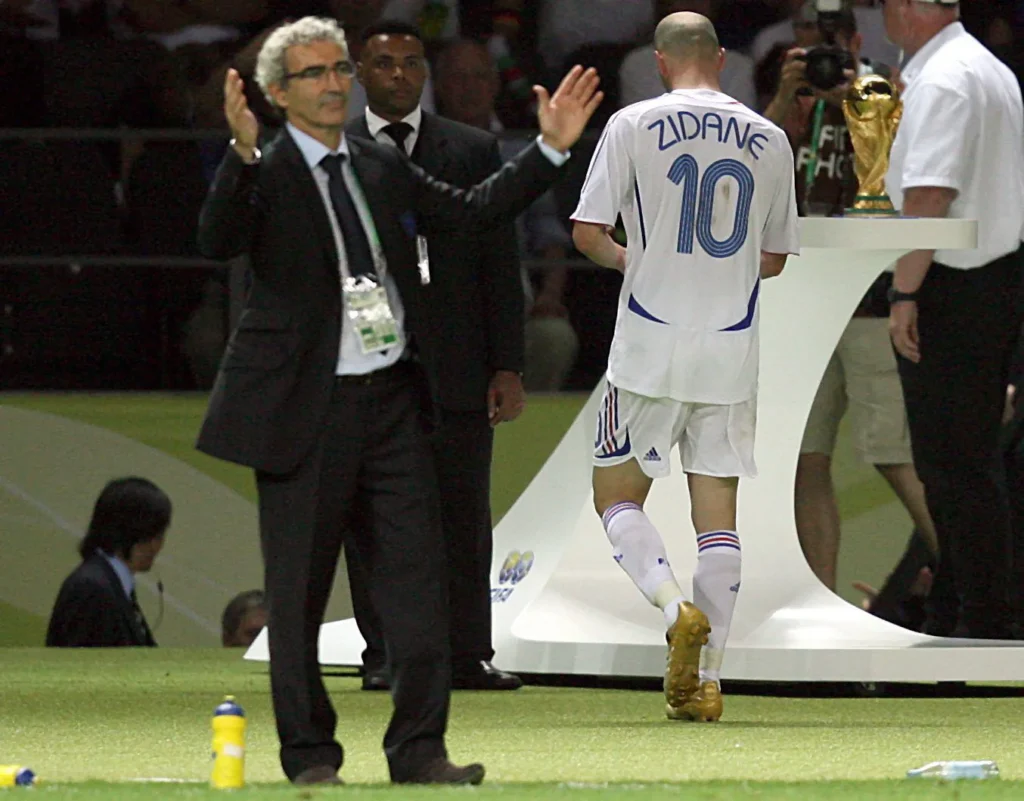
The referee, Horacio Elizondo, was alerted by the fourth official, who had seen the incident on the stadium screens. After consulting, Elizondo showed Zidane a straight red card. This marked one of the earliest high-profile moments where video replay influenced an on-field decision in a World Cup final.
Immediate Fallout During the Match
France finished extra time with ten men. Zidane walked past the World Cup trophy as he exited, an image that became iconic. The match proceeded to penalties, where Italy prevailed. France’s players were visibly shaken, having lost their captain and talisman at the most critical moment.
Zidane’s Explanation After the Final
Days later, Zidane publicly addressed the incident. He apologized to fans and teammates but stopped short of apologizing to Materazzi. He stated he reacted instinctively to words he felt crossed a line and accepted full responsibility for his actions. FIFA later fined Zidane and ordered him to complete community service as part of his sanction.
Reaction From the Football World
Reactions were deeply divided. Some condemned Zidane’s loss of control, arguing greatness demands restraint. Others sympathized, pointing to provocation and the immense pressure of the moment. Former players, coaches, and fans debated whether words alone could justify such a response, especially in a World Cup final.
Disciplinary Action and Official Consequences
FIFA’s investigation concluded that Zidane’s act warranted punishment, while Materazzi received a lesser sanction for verbal provocation. The governing body emphasized respect and discipline, but the incident also reignited discussions about how referees handle off-the-ball verbal abuse.
How the Headbutt Affected Zidane’s Legacy
The Zinedine Zidane 2006 World Cup headbutt did not erase his achievements, but it forever altered how his career finale is remembered. Rather than diminishing him, some argue it humanized a player often seen as flawless. Zidane remains a World Cup winner, Ballon d’Or recipient, and football icon, with the headbutt now an inseparable chapter of his story.
Why the Incident Still Resonates Today
The headbutt endures because it sits at the intersection of greatness and vulnerability. It symbolizes how pressure, pride, and provocation can collide even at the highest level. It is replayed, analyzed, and referenced whenever discussions turn to emotion, discipline, and legacy in sport.
A Legendary Career Defined by a Human Moment
Zinedine Zidane’s career was built on brilliance, not controversy. Yet his final act on a football pitch captured something profoundly human. The headbutt was a mistake, but it did not define him alone. Instead, it reminded the world that even legends carry emotion, limits, and consequences under the brightest lights.



No Comments