
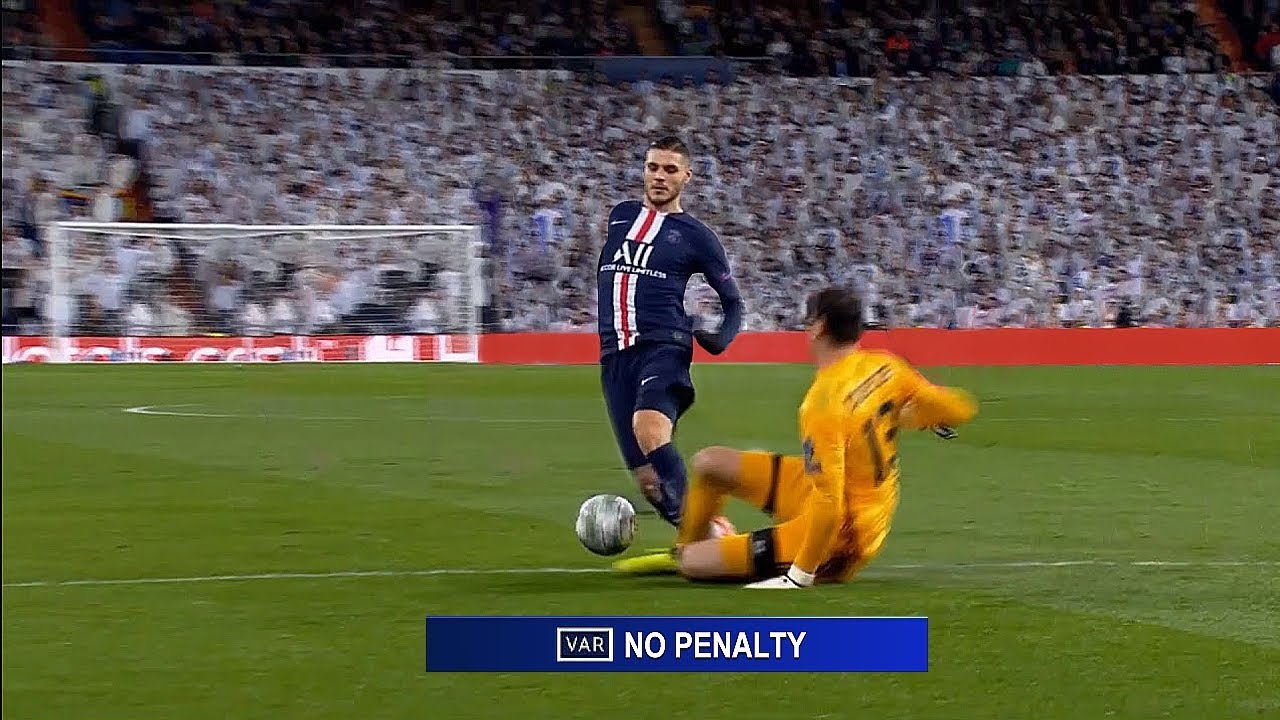

Since its introduction to top-level football, VAR (Video Assistant Referee) was supposed to be the answer to decades of human error on the pitch. Referees would no longer have to rely solely on their own eyes. A team of officials watching high-definition replays from multiple angles would be on hand to make sure justice was served. What has happened in reality, however, is a very different story.
Table of Contents
- Quick Ranking Overview
- 10. Juventus 2-2 Salernitana — Serie A, 2022
- 9. Sweden 6-0 Azerbaijan — UEFA Nations League, 2024
- 8. Everton 0-1 Manchester City — Premier League, 2023
- 7. Manchester United 1-0 Wolves — Premier League, 2022
- 6. Inter Milan 1-0 Barcelona — Champions League, 2022
- 5. Portugal 2-0 Uruguay — World Cup 2022
- 4. Tunisia 1-0 France — World Cup 2022
- 3. Arsenal 1-1 Brentford — Premier League, 2023
- 2. Sheffield United 0-0 Aston Villa — Premier League, 2020
- 1. Tottenham 2-1 Liverpool — Premier League, 2023
- Final Thoughts on the Worst VAR Decisions in Football
Rather than eliminating controversy, VAR has sometimes amplified it. Fans have watched referees overturn perfectly good goals, let clear fouls go unpunished, and apply the rulebook in ways that leave everyone, including seasoned football experts, completely baffled. The technology is still relatively young, but it has already produced a catalogue of decisions that will be debated for years to come.
Here are the 10 worst VAR decisions in football history, ranked by how catastrophic the call was, how deeply it affected the outcome of matches or entire seasons, and how loudly it is still being talked about today.
Quick Ranking Overview
| Rank | Match | Year | Competition | The Error |
|---|---|---|---|---|
| 1 | Tottenham 2-1 Liverpool | 2023 | Premier League | Luis Diaz goal wrongly ruled out for offside |
| 2 | Sheffield United 0-0 Aston Villa | 2020 | Premier League | Clear goal not spotted by VAR or goal-line tech |
| 3 | Arsenal 1-1 Brentford | 2023 | Premier League | Offside lines never drawn, Toney goal wrongly stood |
| 4 | Tunisia 1-0 France | 2022 | World Cup | Griezmann goal wrongly disallowed, defender touch ignored |
| 5 | Portugal 2-0 Uruguay | 2022 | World Cup | Penalty awarded for arm used as support, against own guidance |
| 6 | Inter Milan 1-0 Barcelona | 2022 | Champions League | Ansu Fati handball call defied replay evidence |
| 7 | Manchester United 1-0 Wolves | 2022 | Premier League | Penalty denied despite contact, officials later apologised |
| 8 | Everton 0-1 Manchester City | 2023 | Premier League | Blatant Rodri handball completely missed |
| 9 | Sweden 6-0 Azerbaijan | 2024 | Nations League | Isak ruled offside despite being onside at point of contact |
| 10 | Juventus 2-2 Salernitana | 2022 | Serie A | Red card stood after the goal it was earned for was ruled out |
10. Juventus 2-2 Salernitana — Serie A, 2022
Some VAR controversies involve goals being wrongly given or taken away. This one managed to punish a player for celebrating a goal that did not even count in the end, which puts it in a category all of its own.
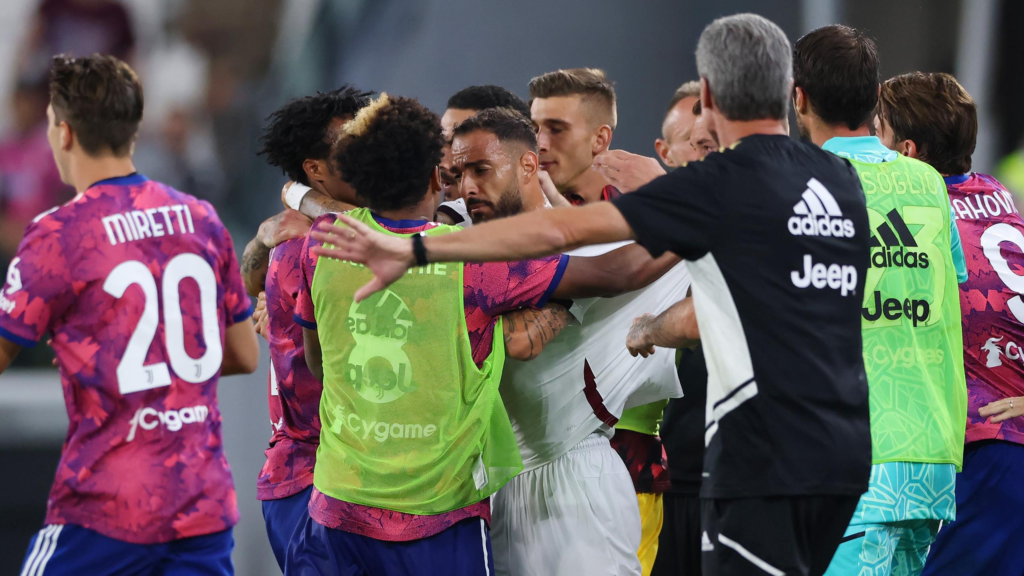
Late in a tightly contested Serie A fixture, Arkadiusz Milik thought he had fired Juventus to a crucial winner. Already carrying a yellow card, the striker pulled his shirt off in pure celebration and was immediately shown a second booking, resulting in a red card. Only at that point did VAR intervene to rule the goal out for an offside infringement by Leonardo Bonucci in the build-up. The goal was scrubbed, but the dismissal remained. Three more red cards followed, including Juve manager Massimiliano Allegri, in the chaos that ensued. It was a masterclass in how not to use video review technology.
9. Sweden 6-0 Azerbaijan — UEFA Nations League, 2024
Even a six-goal demolition could not escape the reach of a baffling VAR call. Alexander Isak thought he had put his name on the scoresheet for Sweden, only for the offside flag to be confirmed by video review despite replays making the situation look far from clear-cut.
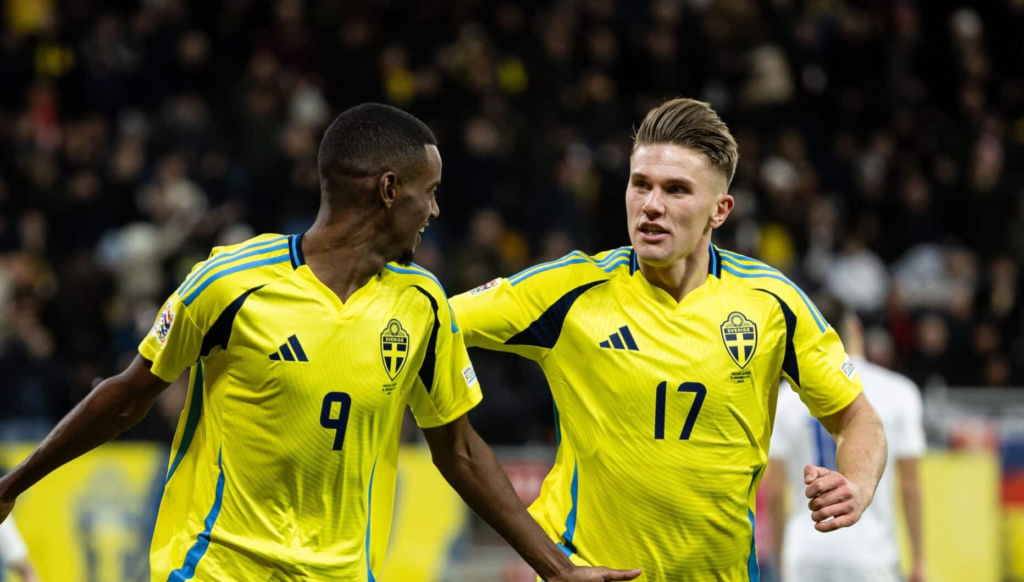
The core issue was that while Isak may have briefly drifted into an offside position during the build-up, he was visibly onside at the moment the ball was actually played to him. The offside law exists to penalise a player who gains an advantage from being in an illegal position when the ball is delivered, not to punish movement that occurred earlier in the sequence. The decision made no footballing sense, and the Polish officials responsible, Pawel Malec and Daniel Stefanski, were stripped of their duties and banned from officiating by the Polish Football Association shortly after.
8. Everton 0-1 Manchester City — Premier League, 2023
This was a decision so straightforward that it arguably should never have required VAR at all. Rodri handled the ball inside his own penalty area during a Premier League clash at Goodison Park in February 2023, yet neither the on-field referee nor the VAR team flagged it as an offence. Everton were denied what appeared to be a nailed-on spot kick.
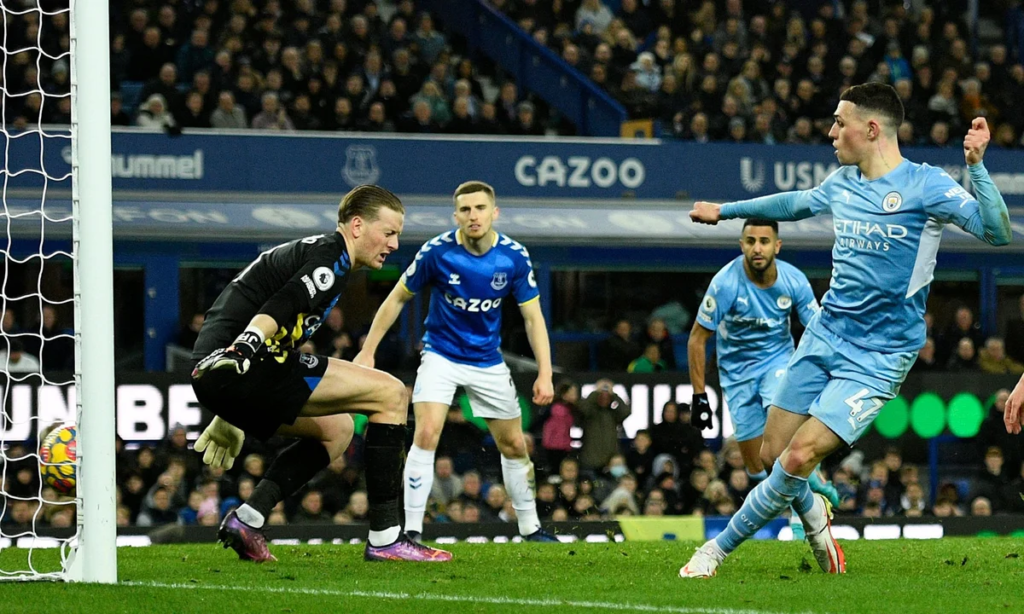
Frank Lampard, managing Everton at the time, was understandably furious. He suggested the call was so obvious that even his young child would have recognised the handball, and his frustration resonated with supporters across the country. The VAR official on duty, Chris Kavanagh, faced a wave of criticism, and the incident added further fuel to the growing argument that video review was not delivering the consistency it had promised.
7. Manchester United 1-0 Wolves — Premier League, 2022
Gary O’Neil’s managerial debut at Wolverhampton Wanderers began under the darkest of clouds. With his side chasing an equaliser at Old Trafford, a cross was swung into the Manchester United penalty area for striker Sasa Kalajdzic, who was clearly brought down by goalkeeper Andre Onana before he could get a touch on the ball. No penalty was given on the field, and VAR declined to intervene.
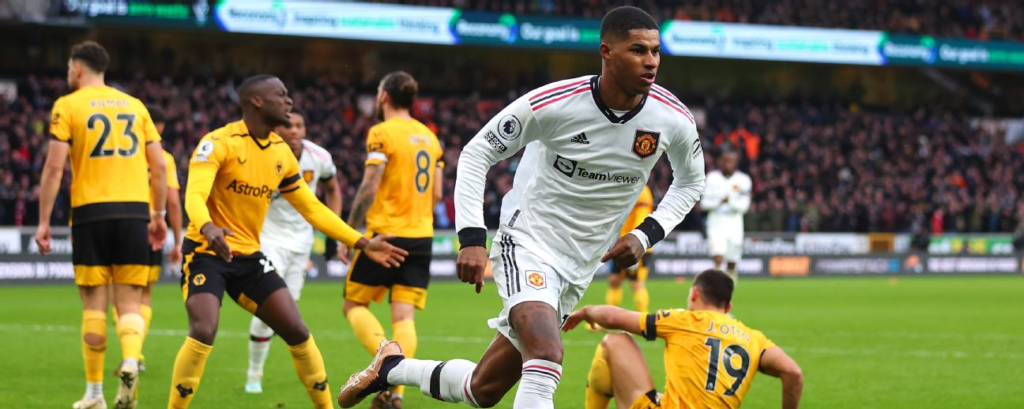
What made the situation worse was what came next. Football authorities essentially admitted soon after that the decision had been wrong, offering the kind of apologetic acknowledgement that has become painfully routine in the VAR era. An apology restores no points. Wolves endured a turbulent season, and this denial of what should have been a clear penalty set a discouraging tone right from the opening day.
6. Inter Milan 1-0 Barcelona — Champions League, 2022
Barcelona were already up against it when they arrived at the San Siro, needing a result to keep their Champions League hopes alive. When Pedri threaded a ball through for Ansu Fati and the net rippled, the relief among the travelling support was palpable. Then VAR intervened, ruling the goal out on the grounds that Fati had handled the ball in the build-up.
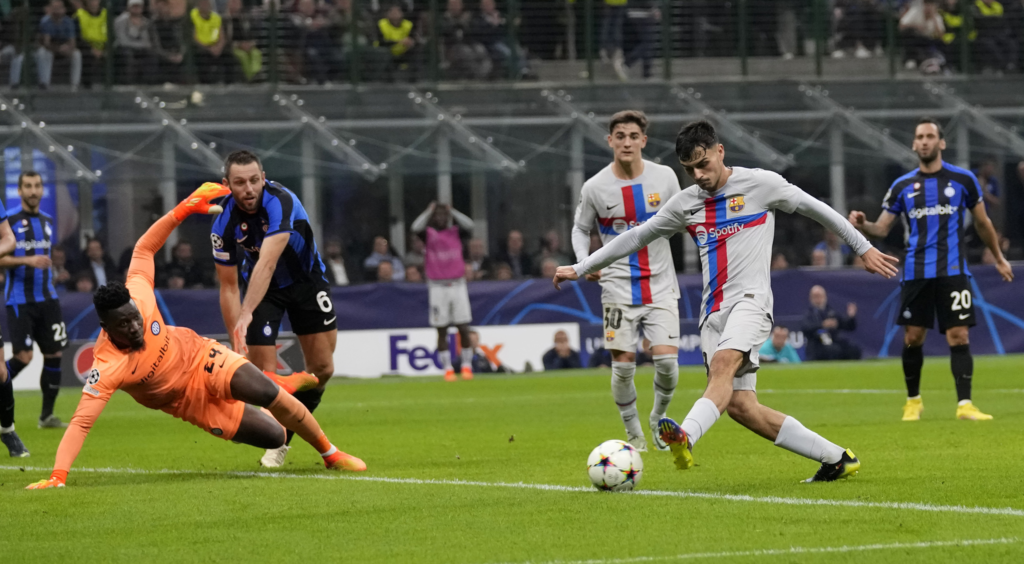
Replays told a very different story. Fati’s hands were raised as he pressured goalkeeper Andre Onana, and the ball clearly made contact with his fingers rather than the other way around. Manager Xavi was blunt in his reaction, calling it a real injustice with good reason. Barcelona were eliminated at the group stage, and many supporters still trace the beginning of that exit to this single, unjustifiable VAR call.
5. Portugal 2-0 Uruguay — World Cup 2022
Portugal’s second goal in their group stage victory over Uruguay came via a penalty that arguably should never have been given. Bruno Fernandes delivered a ball into the box, and Jose Maria Gimenez attempted to block it, with the ball striking his arm in the process. The key detail was that the arm was being used to support the defender’s body weight as he went to ground, not held out in an attempt to control or redirect the ball.
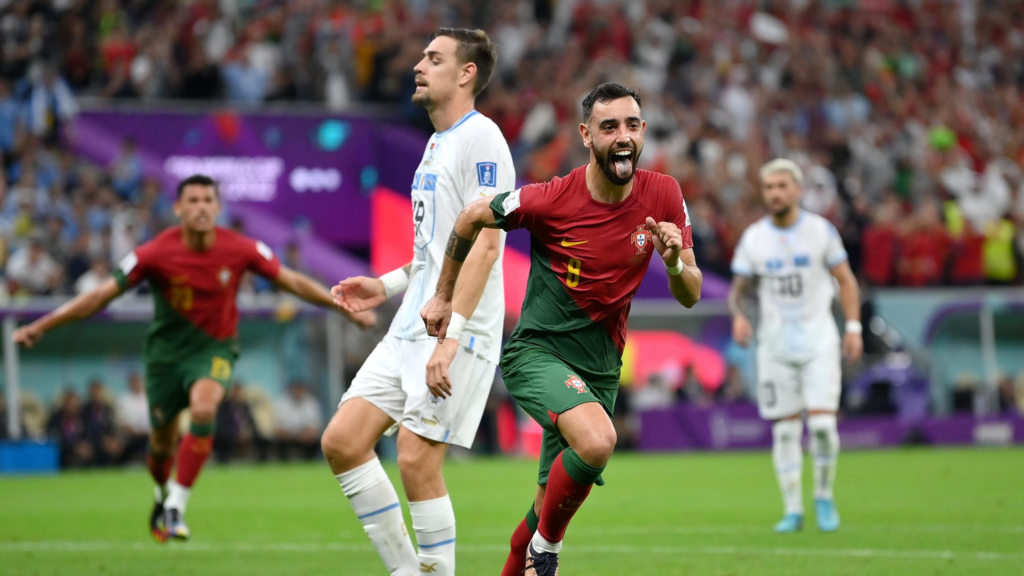
Guidance circulated in the months before the 2022 World Cup had been explicit on this very scenario: an arm positioned for support does not constitute a punishable handball offence. VAR official Abdullah Al-Marri, the same official who would later be involved in the Griezmann controversy, recommended the referee review the incident on the pitchside monitor. The referee obliged and awarded the penalty anyway, in direct contradiction of the governing body’s own published guidance. Portugal went through; Uruguay went home.
4. Tunisia 1-0 France — World Cup 2022
This is one of those VAR decisions that feels even worse when you understand the full context of the laws that were meant to govern it. Tunisia were producing a famous group stage upset against France, who had already qualified and were playing a heavily rotated lineup. In stoppage time, Antoine Griezmann volleyed in what appeared to be a late equaliser for the French.
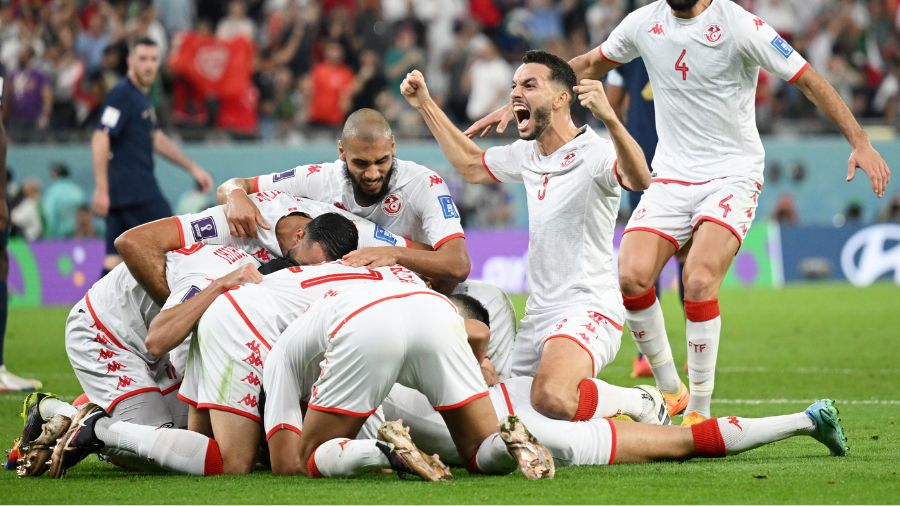
VAR ruled the goal out for offside, citing Griezmann’s position at the moment Aurelien Tchouameni’s pass was played. The crucial detail that the review missed entirely was that a Tunisian defender had touched the ball during the sequence, which under the laws of the game should have reset the offside clock and allowed the goal to stand. Griezmann was onside relative to the Tunisian touch. The error denied Tunisia a historic victory, and the VAR official in charge of that review, Abdullah Al-Marri, was not assigned to oversee another match at that tournament.
3. Arsenal 1-1 Brentford — Premier League, 2023
Arsenal were locked in a tight Premier League title race in the spring of 2023 and could ill afford to drop points at home. When Brentford equalised through Ivan Toney following a cross from Christian Norgaard, replays quickly raised genuine concerns about whether Toney had been in an offside position when the ball was delivered.
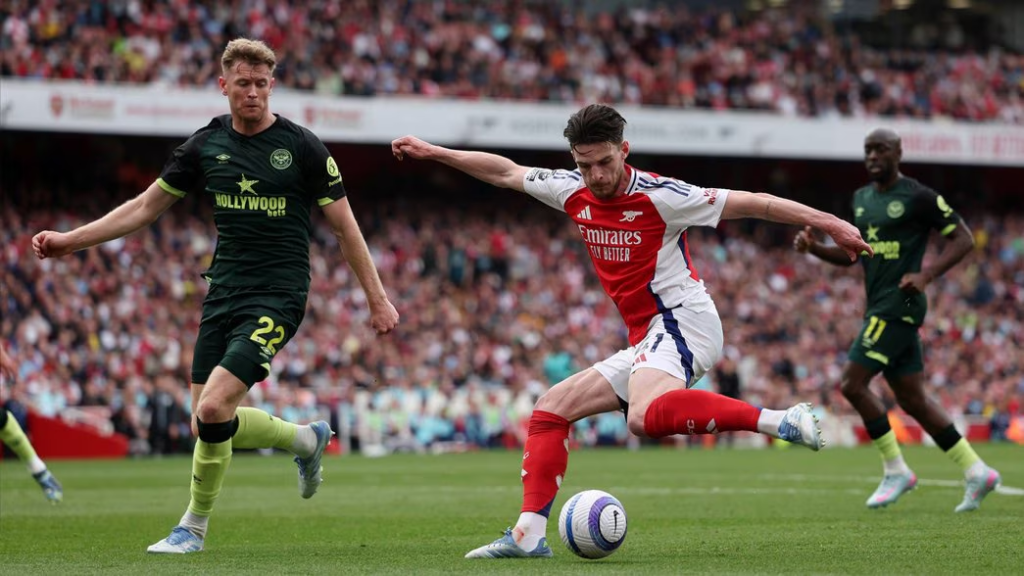
The standard procedure in such situations is straightforward: VAR draws lines across the screen to check the positions of the relevant players. That did not happen. VAR official Lee Mason made no attempt to run the check, and the goal was allowed to stand without the basic verification process being completed. The error was glaring, the consequences were real, and Mason resigned from his position within days. Arsenal’s title challenge ultimately fell short, with those dropped points playing a meaningful part in the final table.
2. Sheffield United 0-0 Aston Villa — Premier League, 2020
In the broader history of the worst VAR decisions, this one stands apart because it was not just a failure of video review in isolation. It was a total systems collapse involving multiple layers of officiating technology, all of which failed simultaneously in one of the most consequential matches of that Premier League season.
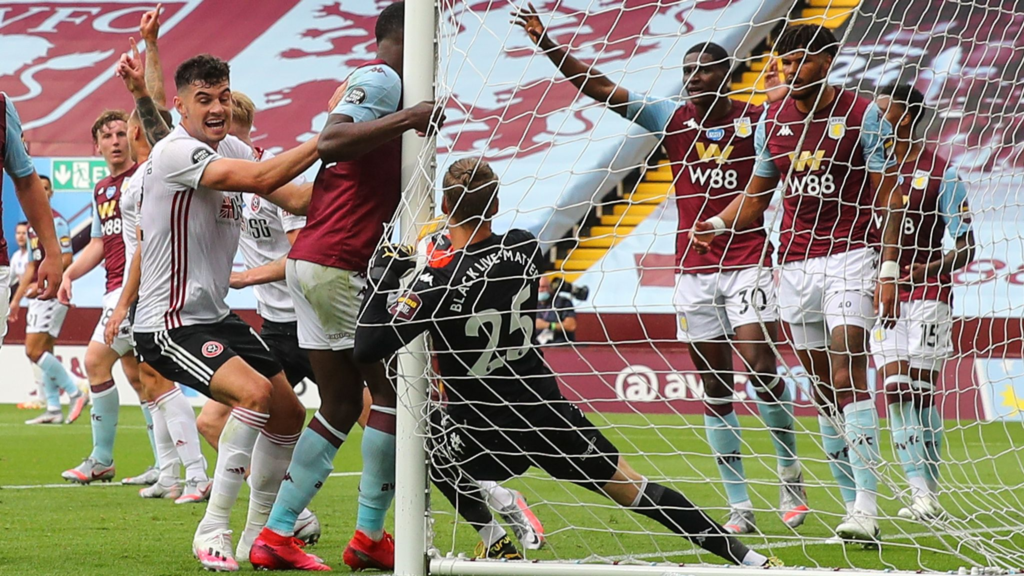
Villa goalkeeper Orjan Nyland fumbled a free-kick and, in stumbling backward, carried the ball behind his own goal line. Goal-line technology, which had been embedded in the Premier League for years, did not detect the crossing of the line. VAR, which had access to numerous camera angles and the authority to correct exactly this kind of error, also failed to act. The game finished goalless, handing Villa an undeserved point. The real damage emerged at the end of the season, when both Bournemouth and Watford were relegated by the slimmest of margins in finishes that a single corrected result could have altered entirely.
1. Tottenham 2-1 Liverpool — Premier League, 2023
The worst VAR decision in football history did not just get the call wrong. It reversed a correct on-field decision and replaced it with an incorrect one, in broad daylight, with the entire footballing world watching. That is what separates the Luis Diaz incident from everything else on this list.
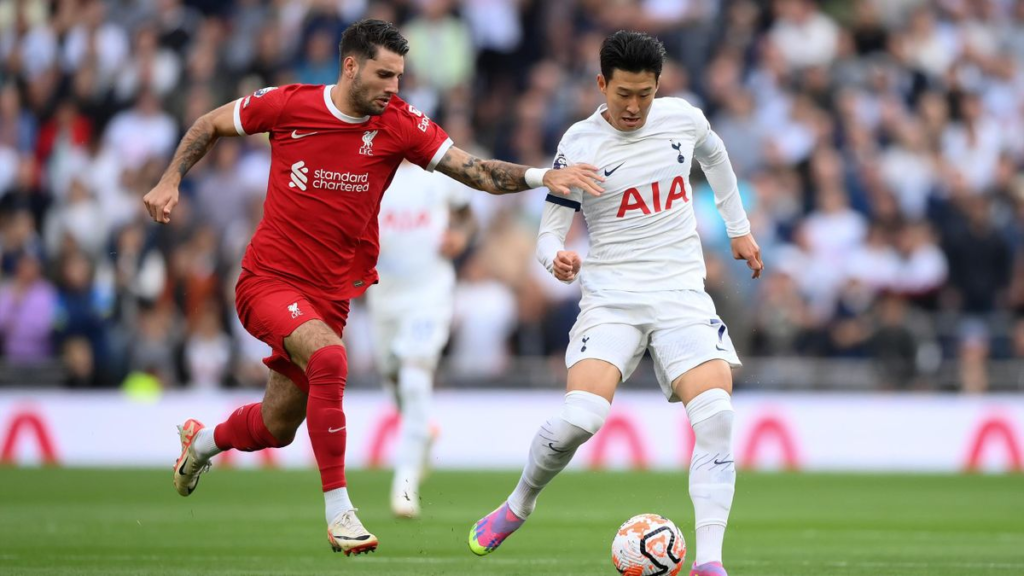
Early in the 2023/24 season, Liverpool faced Tottenham in a match that felt critical for both clubs. Diaz latched onto a through ball, finished cleanly, and the goal was immediately flagged as offside by the assistant referee on the touchline. VAR reviewed the decision. The standard procedure would be to draw the lines, confirm the flag was correct, and disallow the goal. Instead, VAR confirmed the flag without drawing any lines at all. When replays aired moments later, Diaz was so clearly onside that the magnitude of the error was impossible to explain away. Liverpool lost the match 2-1, denied a goal that should have given them an advantage they would almost certainly never have relinquished.
PGMOL issued a formal apology and acknowledged the mistake in unusually direct terms. It changed nothing about the result, and nothing about the two points that disappeared because of one catastrophic lapse in process. It remains the single most indefensible VAR decision in the history of the technology.
Final Thoughts on the Worst VAR Decisions in Football
The pattern running through every entry on this list is not simply human error. It is the failure of a system that was supposed to catch and correct exactly these kinds of mistakes. VAR was built on the promise of certainty, and yet time and again it has introduced new forms of doubt, injustice, and frustration into a sport that was already coping with plenty of both.
Until football’s governing bodies address the inconsistencies in how VAR is applied, the speed at which reviews are conducted, and the transparency with which decisions are communicated to fans and players, debates like these will keep coming. And supporters will keep asking the same uncomfortable question: is this really better than what we had before?




No Comments