
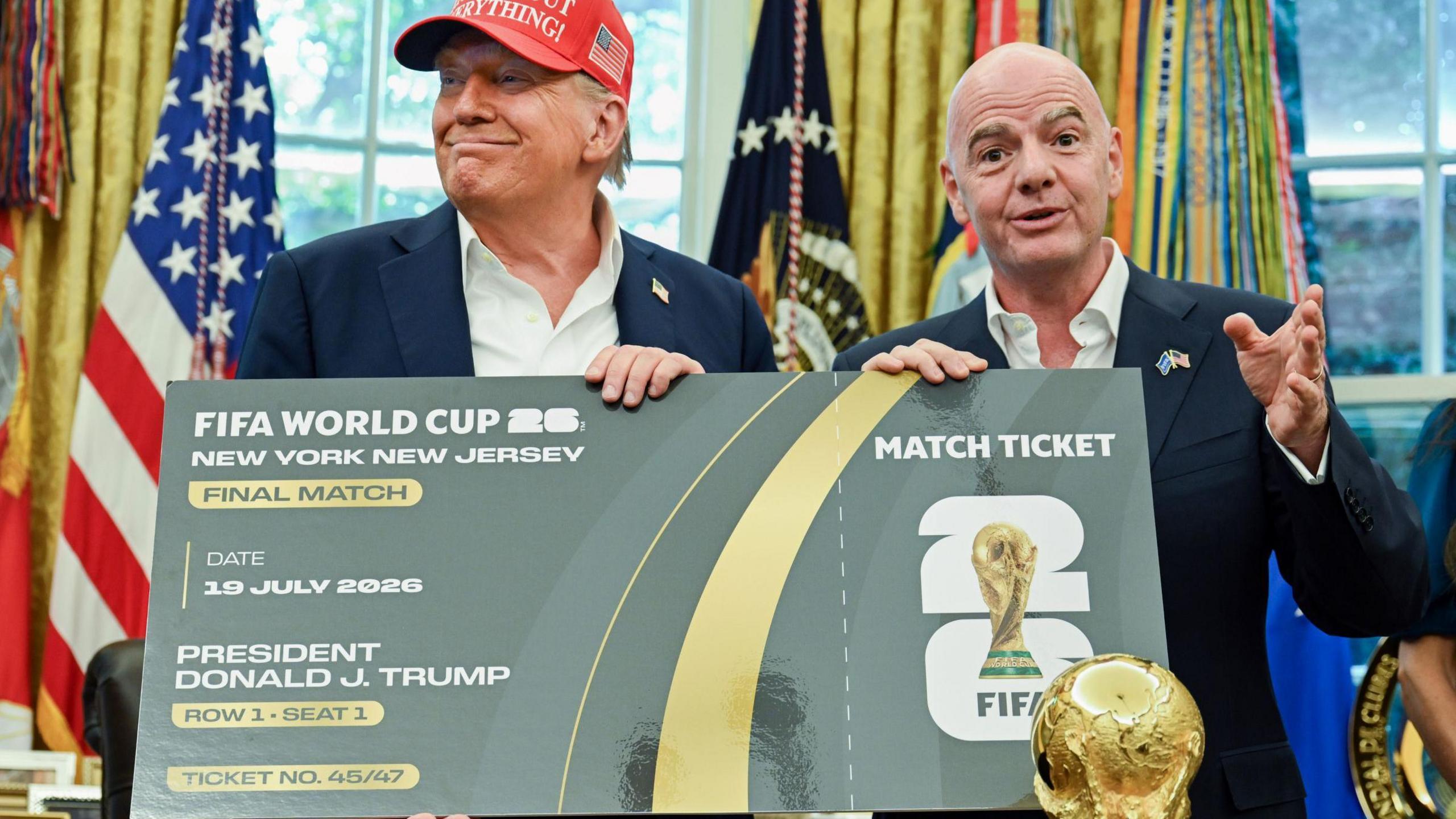

Two months before the greatest show on earth kicks off across the United States, Canada, and Mexico, something has gone seriously wrong. The FIFA World Cup 2026 ticketing problems have become one of the defining stories of the pre-tournament period, turning what should be a period of pure excitement into a source of widespread frustration, financial shock, and genuine anger from supporters around the world.
Table of Contents
- How the Ticketing Process Was Supposed to Work
- The Technical Disaster: Queues, Crashes, and Wrong Portals
- The Price Problem: Who Can Actually Afford to Go?
- Dynamic Pricing and the European Commission Complaint
- The Misleading Seating Map Scandal
- The Resale Platform: FIFA as the World’s Biggest Scalper?
- The Impact on International and Grassroots Fans
- What Needs to Happen Before June
With 48 teams, 104 matches, and a host nation infrastructure that promised to make this the most accessible World Cup in history, the expectation was that fans would have a genuine opportunity to be part of something historic. Instead, they have been met with crashing websites, eight-hour virtual queues, final tickets priced at nearly $11,000, and accusations of misleading practices that have now reached the European Commission. This is a full breakdown of what has gone wrong, why it matters, and what FIFA needs to do before the opening match arrives.
How the Ticketing Process Was Supposed to Work
FIFA’s ticketing operation for the 2026 World Cup began in September 2025 with a lottery-based system. Given the scale of the tournament and the enormous global appetite for tickets, the lottery approach made sense on paper. The numbers involved were staggering. Over 500 million ticket requests were reported across the early sales windows, set against roughly six to seven million tickets available across all 104 matches.
By early 2026, sales shifted toward more direct release phases, culminating in the April 1 “last-minute sales phase,” which marked a significant structural change. For the first time in this ticketing cycle, the process became first-come, first-served, open until the end of the tournament with rolling releases of remaining inventory. FIFA also announced the reopening of its official resale marketplace on April 2, framing both developments as positive steps toward broader fan access.
What actually happened on April 1 was something very different.
The Technical Disaster: Queues, Crashes, and Wrong Portals
The moment the last-minute sales phase opened at 11 a.m. Eastern Time, the system buckled. Fans who had been logged in and ready found themselves trapped in virtual queues stretching 90 minutes, with some reports of waits extending to eight hours before reaching the point of purchase. For many, that wait ended not in a ticket but in further frustration.
A significant number of users were mysteriously redirected to a restricted portal called the “PMA late qualifier supporters sales phase,” a section designed exclusively for supporters of the six newest qualified teams from the inter-confederation playoffs. Being directed there incorrectly meant starting the entire process again from scratch, losing their queue position entirely in a system that was already overloaded.
Website crashes, slow loading times, and a near-total absence of real-time communication from FIFA about what was happening or when it would be resolved compounded the problem. For supporters who had taken time off work, set alarms, or coordinated across time zones to participate in this window, the experience was genuinely dispiriting. FIFA acknowledged some technical issues but offered limited explanation and no meaningful remedy in real time.
The Price Problem: Who Can Actually Afford to Go?
If the technical failures were the immediate crisis, the pricing structure is the deeper, more systemic problem at the heart of the FIFA World Cup 2026 ticketing situation. The numbers involved have shocked even supporters who expected premium pricing for a North American-hosted tournament.
Here is a comparison of ticket pricing across recent World Cups:
| Tournament | Cheapest Final Ticket | Category 1 Final Ticket |
|---|---|---|
| Russia 2018 | Approx. $200 | Approx. $1,100 |
| Qatar 2022 | Approx. $600 | Approx. $1,600 |
| USA/Canada/Mexico 2026 | Significantly higher | Up to $10,990 |
Category 1 tickets for the final at MetLife Stadium in New Jersey have now reached $10,990, up from earlier listings of approximately $8,680. That is not a typo. A single seat at the World Cup final now costs the equivalent of a decent secondhand car. Even group stage matches in less prominent fixtures carry four-figure price tags that place them beyond the reach of the ordinary supporters who have followed their national teams for decades.
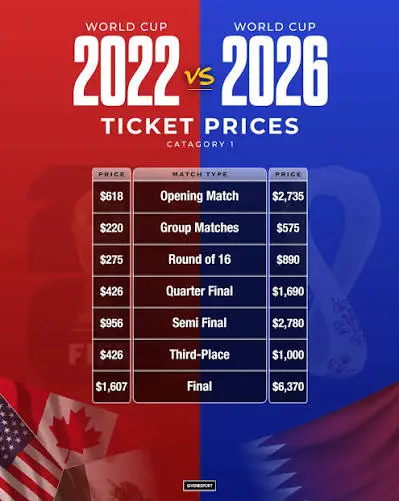
FIFA’s defence has centred on the expanded format, the costs associated with North American hosting, and the straightforward reality of high demand. Critics, however, argue that none of those justifications explain why the cheapest final ticket has increased by a factor of more than ten compared to Russia 2018. The conclusion many supporters have reached is that FIFA has prioritised revenue extraction over accessibility, and the evidence is difficult to argue against.
Dynamic Pricing and the European Commission Complaint
The pricing controversy deepened significantly in March 2026 when Football Supporters Europe and the consumer advocacy group Euroconsumers filed a formal 18-page complaint with the European Commission. The complaint accused FIFA of excessive ticket prices, bait advertising, uncontrolled dynamic pricing, pressure-selling tactics, and opaque purchasing conditions, arguing that FIFA exploits its monopoly position as the sole legitimate ticket provider to impose terms that would be unacceptable in any other commercial context.
Dynamic pricing, where the cost of a ticket fluctuates in real time based on demand, has drawn particular anger from European fan groups. In North American sports culture, dynamic pricing is a familiar and largely accepted practice. For international supporters from regions where this model is less established, and where buying a ticket involves booking flights and accommodation months in advance at fixed costs, the inability to lock in a price creates genuine financial uncertainty and planning difficulties.
The European Commission complaint is not merely symbolic. It represents a formal legal and regulatory challenge to FIFA’s commercial practices in one of its most important markets, and FIFA will need to engage with it seriously as the tournament approaches.
The Misleading Seating Map Scandal
Just as the pricing controversy was reaching its peak, investigative reporting from The Athletic revealed another layer of the FIFA World Cup 2026 ticketing problems. Fans who had purchased tickets through earlier lottery phases claimed they had been misled by stadium seating maps, which suggested roughly equal access to desirable locations within each ticket category.
In reality, large portions of the better seats within categories like Category 1 appear to have been reserved for VIP sections, hospitality packages, team supporter allocations, and other premium uses that were never clearly communicated to general sale buyers. Supporters who paid Category 1 prices found themselves in seats that, by any objective measure, did not reflect what they had been led to expect.
Changes to category boundaries during the sales process added further confusion, and the overall picture left many buyers feeling that they had been subjected to a bait-and-switch operation. FIFA has not fully addressed these specific allegations, a silence that has done nothing to restore the trust that the ticketing process has severely damaged among the supporter community.
The Resale Platform: FIFA as the World’s Biggest Scalper?
FIFA’s official resale and exchange marketplace, designed to provide a safe and authorised secondary market, has generated its own controversy. Unlike previous World Cups where resale was typically capped at or near face value, the 2026 platform allows uncapped pricing, with FIFA taking a significant commission on every transaction.
Early analysis of the fee structure suggested a total charge approaching 30 percent across buyer and seller fees, meaning that a supporter trying to resell a ticket at the price they originally paid would effectively be making a loss unless they marked it up significantly to cover the platform’s cut. The result is a secondary market where resale listings for high-demand fixtures have reached tens of thousands of dollars, with FIFA collecting revenue at every level of the transaction.
The accusation being levelled from multiple directions is that FIFA has effectively institutionalised scalping, creating a structure where inflated secondary market prices not only benefit individual sellers but generate direct income for football’s governing body. FIFA president Gianni Infantino acknowledged that resale prices would likely exceed face value but framed this as an inevitable consequence of high demand rather than a structural problem of FIFA’s own design.
The Impact on International and Grassroots Fans
Beyond the financial and technical failures, the FIFA World Cup 2026 ticketing problems carry a human cost that deserves specific attention. For supporters travelling from Latin America, Africa, or Asia, the combination of high ticket prices, expensive flights, accommodation costs, and in many cases complex visa processes creates a total financial barrier that is simply impossible for most ordinary fans to overcome.
Accessibility concerns have also been raised regarding the adequacy of provision for fans with disabilities, with questions about whether specific seating needs are being properly addressed through the current purchasing system. And in host cities across the United States, domestic fans have reported the same long queues and unavailability of popular matches that international supporters have faced, suggesting this is a systemic failure rather than a problem isolated to any particular region or demographic.
Perhaps most tellingly, some lower-demand group stage fixtures, including certain United States games, have shown slower sales than FIFA projected, raising the possibility that even at this scale and in this host market, the pricing strategy may be deterring interest rather than managing excess demand.
What Needs to Happen Before June
FIFA has maintained that its ticketing approach balances demand with the revenue requirements of delivering a world-class event. The organisation continues to encourage fans to monitor the official portal for rolling ticket releases and to use only authorised channels to avoid counterfeit risks.
But maintaining the current position as the tournament approaches is not a sustainable strategy. The combination of a formal European Commission complaint, widespread media criticism, documented technical failures, and evidence of misleading practices creates pressure that FIFA cannot simply wait out. Meaningful action before June would need to include transparent communication about remaining ticket availability, genuine engagement with the pricing concerns raised by fan groups, and a credible response to the seating map allegations that have damaged trust so significantly.
The 2026 World Cup will almost certainly still attract enormous crowds and produce extraordinary football. The infrastructure is in place, the teams are qualified, and the matches will be played. But football’s greatest tournament has always derived its power from the passion of ordinary supporters, the families who save for years, the fans who travel across continents, and the communities that gather around screens when the tickets are beyond reach.
If FIFA does not address the FIFA World Cup 2026 ticketing problems with the urgency and honesty they demand, the tournament risks being remembered not only for what happened on the pitch, but for the millions of supporters who were priced out, locked out, or simply let down before a single ball was kicked.






No Comments