
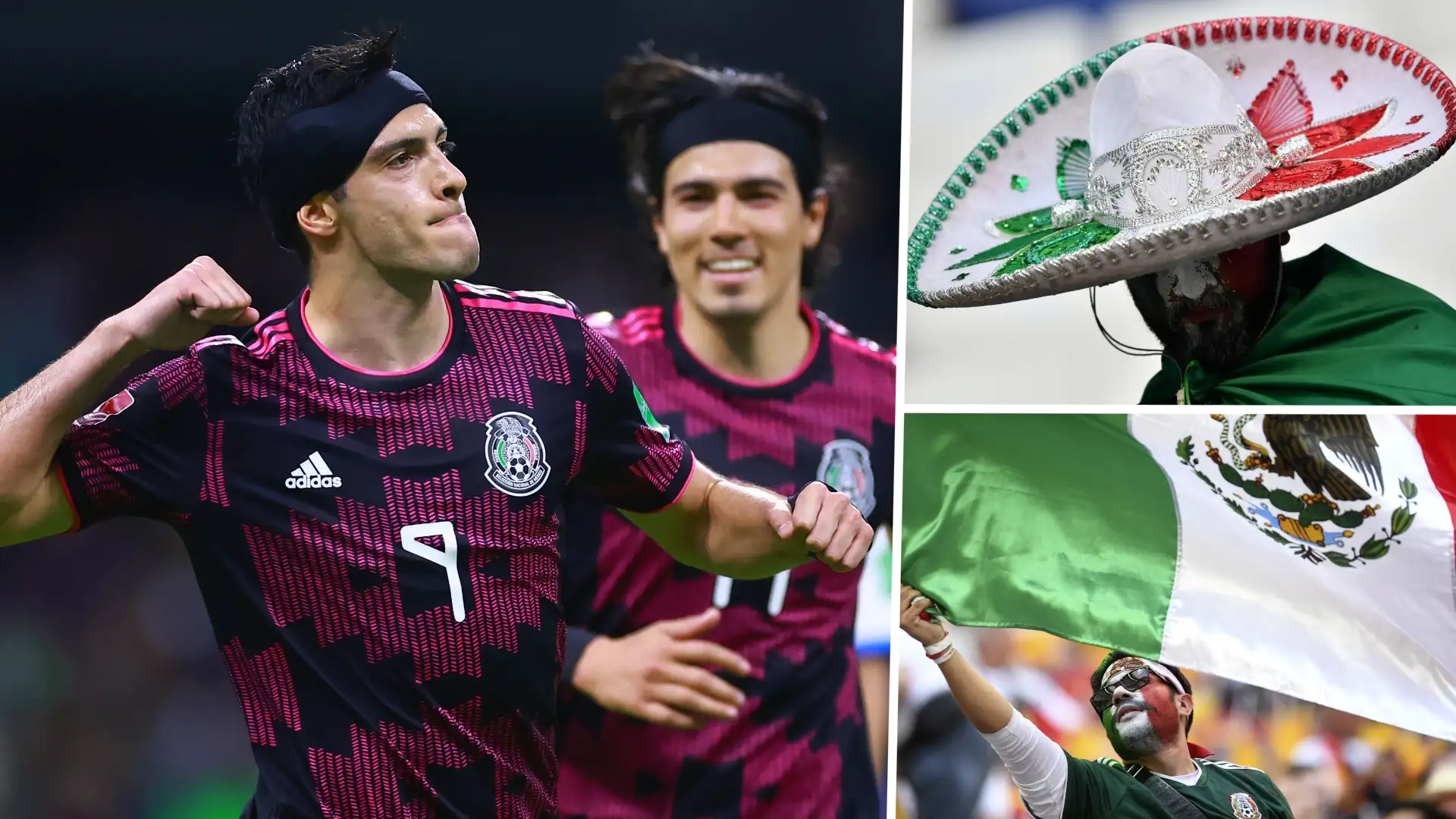

If you have ever watched Mexico play football, you will have heard it. A rhythmic, passionate chant rising from thousands of voices at once: “¡Tri! ¡Tri! ¡Tri!” It echoes through the Estadio Azteca on matchday, rings out in bars across North America, and can be heard wherever Mexican supporters gather to watch their team. The Mexican national team nickname is El Tri, and it is one of the most recognisable, emotionally charged identifiers in world football.
Table of Contents
- What Does El Tri Actually Mean?
- When Did Mexico Start Being Called El Tri?
- El Tri and Mexican Football Identity
- How El Tri Compares to Other National Team Nicknames
- El Tri in World Cup History
- Why 2026 Could Be El Tri’s Most Important Chapter
- The Cultural Reach of El Tri Beyond Football
- The Answer, and Everything Behind It
But where did it come from? What does it actually mean? And why has it endured for decades while other nicknames have faded into obscurity? This is the complete story of El Tri, from its origins in the 1950s to its significance heading into the FIFA World Cup 2026 on home soil.
What Does El Tri Actually Mean?
The answer is straightforward but carries genuine depth. El Tri is a shortened form of El Tricolor, which translates directly from Spanish as “The Three-Colored” or simply “The Tricolor.” The name refers to the three colours of the Mexican national flag: green, white, and red.
Each colour carries specific symbolic meaning rooted in Mexican history and national identity:
- Green represents hope and independence
- White symbolises purity and unity
- Red stands for the blood of the national heroes who fought for Mexico’s freedom
Mexico’s traditional home kit mirrors the flag almost exactly, a green jersey, white shorts, and red socks or accents, making the visual connection between the team and the nation impossible to miss. When fans chant “El Tri,” they are not simply cheering for eleven footballers. They are expressing pride in their country, their history, and their identity. The nickname works on a level that goes far beyond sport.
The full term El Tricolor is still used in formal contexts, particularly in official communications and broadcast commentary. But El Tri has become the everyday version, short enough to chant, easy to recognise instantly, and carrying all the weight of the longer form in just two syllables.
When Did Mexico Start Being Called El Tri?
The Mexican national team nickname did not arrive fully formed. It developed gradually over several decades, rooted in the team’s evolving visual identity and growing media presence.
The earliest documented uses of “Tricolor” in reference to the national team date to around 1956, when Mexican sports media began using the term to highlight the team’s connection to the national flag. At that point, however, it remained relatively formal and was not yet the universally beloved shorthand it would become.
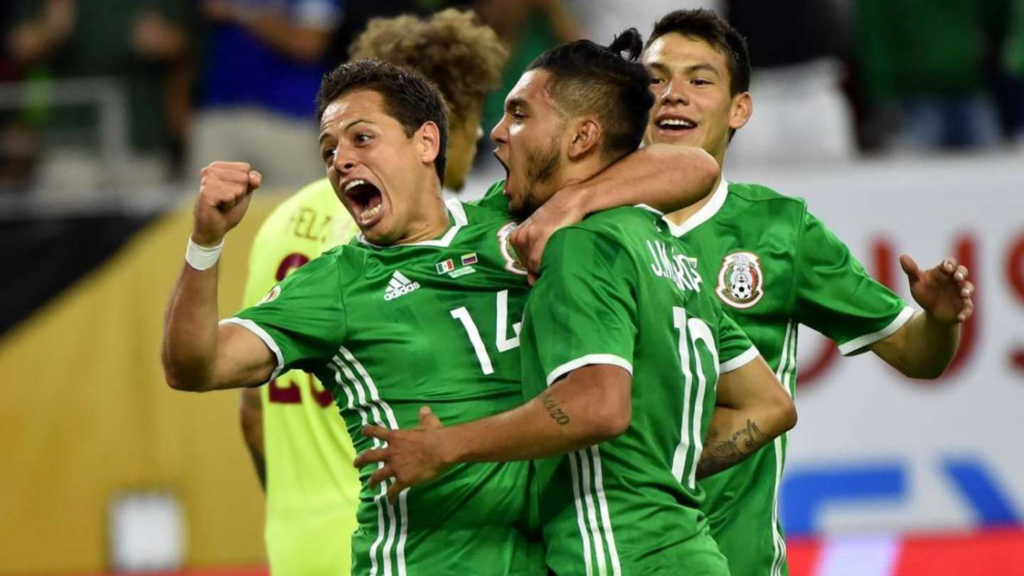
The real turning point came in the 1980s. In 1984, the team began consistently wearing red socks alongside the green shirt and white shorts, completing the visual tricolor look that made the nickname feel truly earned and visually obvious during home matches and international tournaments. National media campaigns, television coverage of the 1986 World Cup held on Mexican soil, and the passionate support generated by that tournament combined to embed El Tri permanently in the national football vocabulary.
Before this period, the team had no widely accepted or consistently used nickname. Kit designs varied, and the colour scheme had not yet been fully standardised around the flag’s three colours. The alignment of kit, flag, and nickname in the 1980s created the complete package that millions recognise today.
El Tri and Mexican Football Identity
Understanding why the Mexican national team nickname resonates so deeply requires understanding what football means in Mexico. This is a country where the sport operates at a level of cultural significance that is difficult to overstate. It is not simply entertainment. For millions of Mexicans and members of the diaspora across the United States, Canada, and beyond, football is a connection to home, to family, and to national pride.
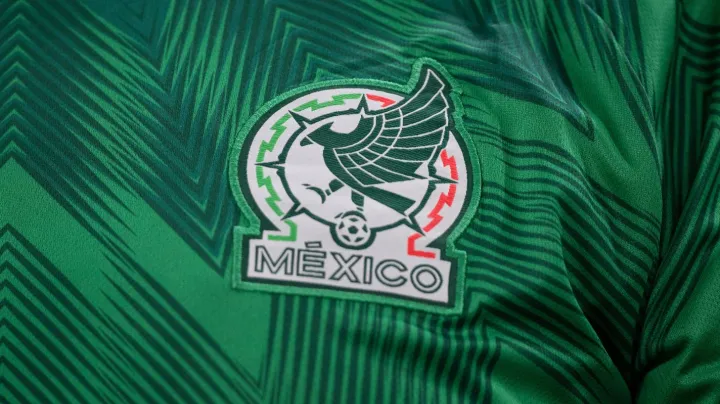
El Tri captures all of that in three letters. The nickname ties the team directly to the flag, which ties it directly to the nation. Supporting El Tri is, for many fans, an act of patriotism as much as it is an act of sporting allegiance. This is why the atmosphere at the Estadio Azteca, one of the most intimidating and electrifying venues in world football, reaches the intensity it does on international matchdays.
Generations of legendary players have worn the green shirt and carried the El Tri identity onto the world stage. Hugo Sánchez, one of the greatest forwards of his era, played with the weight of the nickname on his shoulders. Cuauhtémoc Blanco became one of the most beloved figures in Mexican football history under the same banner. The modern generation, including Santiago Giménez, Edson Álvarez, and Hirving Lozano, continues that lineage. The nickname connects every era of Mexican football into a single, unbroken thread.
How El Tri Compares to Other National Team Nicknames
Mexico is far from unique in giving its national team a nickname rooted in the colours of the national flag. Many of the world’s most recognised footballing nations follow a similar pattern. What sets El Tri apart is the emotional charge behind it and the way it has embedded itself in everyday language beyond the world of sport.
| Country | Nickname | Meaning |
|---|---|---|
| Mexico | El Tri / El Tricolor | The Three-Colored (flag colours) |
| Argentina | La Albiceleste | The White and Sky Blue |
| Brazil | A Seleção / Canarinho | The Selection / Little Canary |
| Spain | La Roja | The Red |
| Germany | Die Mannschaft | The Team |
| Ecuador | La Tri | The Three-Colored |
It is worth noting that Ecuador also uses “La Tri” as their nickname, similarly rooted in their tricolour flag. However, context and colour make the two entirely distinct. El Tri belongs to Mexico in a way that transcends any similarity with another nation’s terminology.
El Tri in World Cup History
The Mexican national team nickname has been heard at World Cups for decades, and it has become associated with a particular kind of footballing experience: passionate, skilled, and ultimately heartbreaking in the knockout rounds. Mexico has qualified for every World Cup since 1994, one of the most consistent records of qualification in the game, and El Tri has consistently arrived at tournaments as one of the most visually and vocally prominent fan presences at any venue.
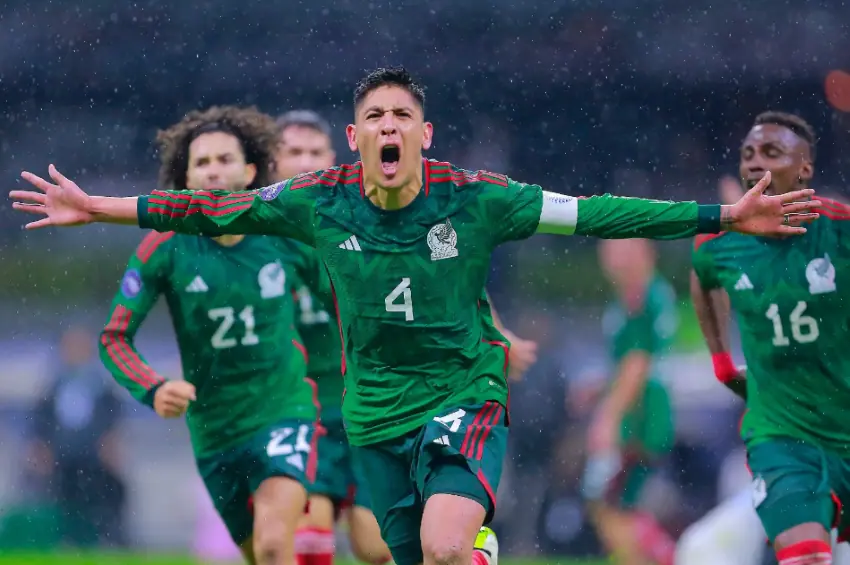
The 2018 World Cup in Russia produced one of the defining El Tri moments of modern football, a 1-0 victory over defending champions Germany in the group stage, with Hirving Lozano’s goal sending Mexican fans into celebrations so intense they reportedly registered on earthquake monitors in Mexico City. It was a moment that captured everything El Tri represents: colour, passion, belief, and the capacity to produce something extraordinary when the occasion demands it.
At Qatar 2022, Mexico exited at the group stage in painful circumstances despite a talented squad, extending a run of seven consecutive Round of 16 eliminations that has become the central frustration of the modern El Tri era. Breaking through that barrier has become the defining ambition of the current generation.
Why 2026 Could Be El Tri’s Most Important Chapter
The FIFA World Cup 2026 carries unique significance for Mexico and for the El Tri story. As one of the three co-hosts alongside the United States and Canada, Mexico will play group stage matches in Mexico City, Guadalajara, and Monterrey, meaning that El Tri will have the rare and precious advantage of competing on home soil in front of their own supporters.
The expanded 48-team format also creates a more forgiving structure in the group stage, potentially easing the path to the knockout rounds. For a nation that has not reached the quarterfinal since 1986, when they also hosted the tournament, the parallels are obvious and the expectations are enormous.
The chant of “¡Tri! ¡Tri! ¡Tri!” will be louder in 2026 than it has been at any World Cup in a generation. For the players carrying the nickname onto the pitch, that sound represents both an incredible source of energy and an enormous responsibility.
The Cultural Reach of El Tri Beyond Football
One of the most telling indicators of how deeply the Mexican national team nickname has embedded itself in broader culture is how far it extends beyond match days and football stadiums. You will find El Tri on jerseys worn by fans who have never attended a live match. You will hear the chant in school playgrounds, family gatherings, and workplaces across Mexico and the Mexican diaspora in North America.
For Mexican-Americans and Mexicans living abroad, wearing an El Tri jersey is an act of cultural expression and heritage. It connects them to home in a way that transcends sport. The nickname has appeared on everything from official merchandise to tattoos to the names of restaurants and businesses, a level of cultural penetration that only the most powerful sporting identifiers achieve.
In 2023, the Mexican Football Federation attempted to trademark El Tri for exclusive commercial use, a move that itself speaks to how valuable the nickname has become as a brand asset. The case highlighted the tension between the commercial identity of the federation and the organic, community-owned nature of a nickname that fans feel belongs to them as much as to any official body.
The Answer, and Everything Behind It
The Mexican national team nickname is El Tri, short for El Tricolor, meaning “The Three-Colored,” a direct reference to the green, white, and red of the Mexican national flag. It began appearing in media around 1956, took firm hold in the 1980s when the kit fully adopted the tricolour look, and has been the heartbeat of Mexican football culture ever since.
More than a nickname, El Tri is a declaration of identity. It connects players to fans, the present generation to all those who came before, and Mexican football to the nation that breathes life into it. As the 2026 World Cup approaches and El Tri prepares to compete on home soil, those three letters carry more meaning than ever.
¡Arriba México! ¡Arriba El Tri!






No Comments