
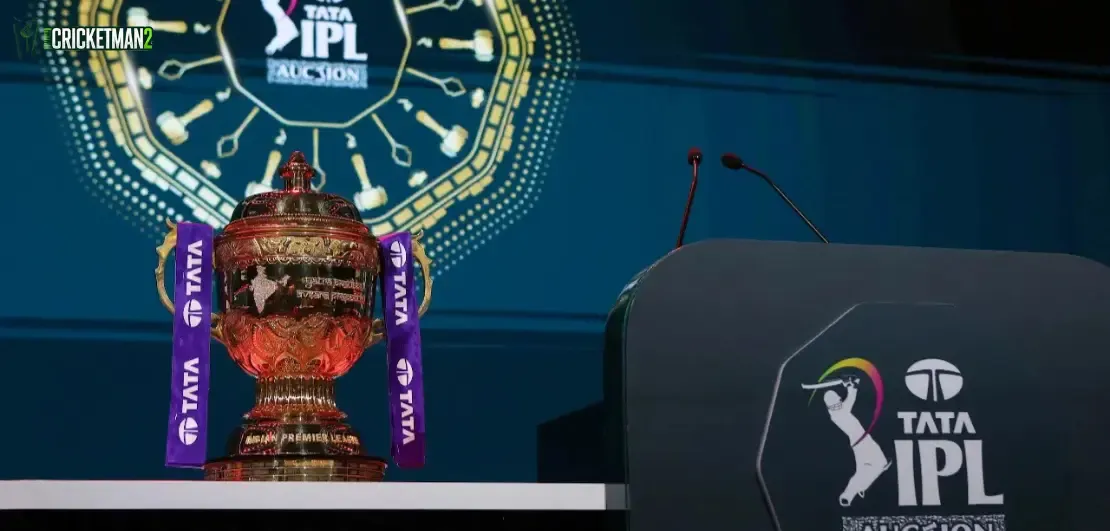

The IPL 2026 mini auction at Abu Dhabi’s Etihad Arena on December 16, 2025, delivered unprecedented drama despite being a gap-filling exercise. Australian all-rounder Cameron Green shattered records with a ₹25.20 crore deal, while Chennai Super Kings stunned the cricket world by investing ₹14.20 crore each in two uncapped Indian players.
Table of Contents
By the auction’s end, 77 players were sold for ₹215.45 crore, with franchises completing their 25-player squads ahead of the March 2026 season. What was expected to be routine squad completion transformed into a day of strategic gambles and career-defining moments.
Understanding the Mini Auction Format
Unlike mega auctions that force complete rebuilds every 3-4 years, the IPL 2026 mini auction allowed teams to retain their core players and fill specific gaps. Franchises had already kept 18-21 players during the November 2025 retention window, entering the auction with limited slots but clear strategies.
Punjab Kings retained 21 players after their runners-up finish in 2025, while Gujarat Titans kept 20. The total player pool included 359 cricketers (246 Indians, 113 overseas), though only 156 went under the hammer. Each team maintained the mandatory maximum of 8 overseas players per 25-member squad.
The Biggest Buys That Made Headlines
Cameron Green – ₹25.20 Crore (Kolkata Knight Riders)
Green became the most expensive overseas player in IPL history, surpassing Mitchell Starc’s ₹24.75 crore. Four franchises engaged in an epic bidding war with the paddle raised 113 times before KKR secured the Australian all-rounder. Under new rules, Green receives ₹18 crore while ₹7.20 crore goes to players’ welfare.
His dual value as a power-hitting batsman and pace-bowling option justified the astronomical price for a franchise seeking immediate championship impact.
Matheesha Pathirana – ₹18 Crore (Kolkata Knight Riders)
KKR’s second blockbuster signing made the Sri Lankan pace sensation the most expensive player from his country—more than double any previous Sri Lankan’s IPL price. His death-over mastery and mystery variations made him worth every rupee.
KKR’s combined ₹43.20 crore investment in just two players represented the auction’s boldest championship-or-bust strategy.
Prashant Veer – ₹14.20 Crore (Chennai Super Kings)
The auction’s most shocking moment saw CSK bid ₹14.20 crore for 20-year-old uncapped left-arm spinner Prashant Veer from Uttar Pradesh. Entering at ₹30 lakh base price, his value skyrocketed 47 times as five franchises battled aggressively.
Veer became the most expensive uncapped player in IPL auction history, vindicating CSK’s academy scouting program that had identified and trained him before the auction.
Kartik Sharma – ₹14.20 Crore (Chennai Super Kings)
CSK doubled down by matching their Veer bid for 20-year-old wicketkeeper-batter Kartik Sharma from Rajasthan, who had trained with their academy. The joint ₹28.40 crore investment in two uncapped players marked CSK’s most dramatic philosophical shift from their traditional experience-first approach.
Other Significant Signings
Liam Livingstone’s journey from unsold to ₹13 crore (Sunrisers Hyderabad) provided the auction’s most dramatic redemption story. After shockingly going unsold initially, the English all-rounder was snapped up in the accelerated round at 6.5 times his base price.
Auqib Nabi Dar fetched ₹8.4 crore from Delhi Capitals, while Venkatesh Iyer joined Royal Challengers Bengaluru for ₹7 crore and Ravi Bishnoi moved to Rajasthan Royals for ₹7.20 crore.
David Miller’s ₹2 crore deal with Delhi Capitals represented exceptional value for a proven T20 finisher, while Matt Short’s ₹1.5 crore move to CSK was labeled an outright steal for the two-time BBL MVP.
Surprise Picks and Shocking Snubs
CSK’s Youth Revolution
Chennai Super Kings abandoned their proven “Thala way” of surrounding MS Dhoni with experienced campaigners. Their ₹28.40 crore investment in two uncapped 20-year-olds signaled a generational transition that divided fans between visionary planning and reckless gambling.
In CSK’s entire history, they’d made only four purchases exceeding ₹10 crore—now they’d done it twice in one day for players with zero IPL experience.
High-Profile Players Who Went Unsold
A total of 79 players (48 Indians, 31 overseas) remained unsold, including shocking rejections of Jake Fraser-McGurk, Jonny Bairstow, Daryl Mitchell, Devon Conway, Spencer Johnson, and Alzarri Joseph.
Among Indians, established internationals like Deepak Hooda, Vijay Shankar, KS Bharat, and Karn Sharma failed to attract bids. Prithvi Shaw and Sarfaraz Khan initially went unsold before being picked in accelerated rounds.
Strategic Trends Revealed
Youth Over Experience
A total of 32 players under age 25 were purchased, demonstrating franchises’ shift toward long-term investments. Domestic performers from Karnataka Premier League and Syed Mushtaq Ali Trophy received opportunities based on comprehensive scouting networks.
Overseas Spending Pattern
The 29 overseas players sold for ₹128.05 crore significantly exceeded the ₹87.40 crore spent on 48 Indian players. All-rounders dominated spending as they maximize value within the four-overseas-player playing XI limit.
Analytics-Driven Decisions
CSK’s September 2024 trials with Stephen Fleming in attendance exemplified how data-driven scouting now drives auction strategy. Franchises with robust domestic networks gained decisive advantages.
Team-by-Team Winners
Kolkata Knight Riders made the boldest statement with ₹43.20 crore in two players, targeting specific weaknesses with premium solutions. If Green and Pathirana deliver, KKR possess championship-caliber firepower.
Chennai Super Kings executed either a masterstroke or massive gamble. Their youth-focused approach could unearth India regulars for a decade or leave them vulnerable in 2026.
Sunrisers Hyderabad capitalized brilliantly by landing Livingstone when others undervalued him, securing explosive all-round capabilities at reasonable cost.
Royal Challengers Bengaluru filled their bowling all-rounder gap with Venkatesh Iyer, while Delhi Capitals mixed experience (Miller) with potential (Dar).
What This Means for IPL 2026
The mini auction outcomes will directly shape the March 2026 season. Uncapped players carrying ₹8-14 crore price tags face immense pressure that could inspire greatness or induce paralysis. KKR’s championship-or-bust investment creates title expectations, while CSK’s generational transition suggests planning beyond MS Dhoni’s eventual retirement.
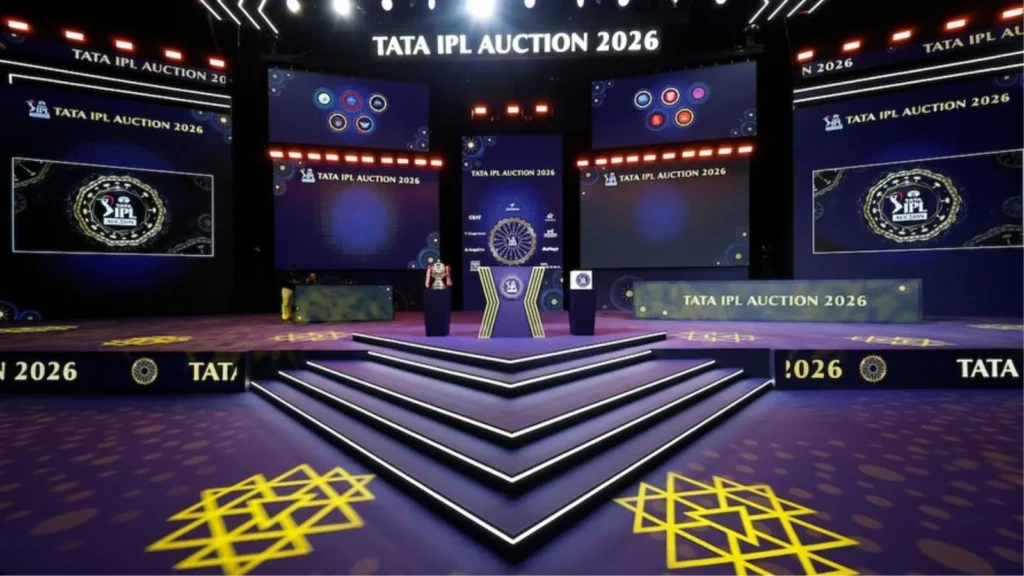
The auction’s relative restraint maintained competitive balance—unlike mega auctions creating clear super-teams and rebuilding franchises, most teams made only essential purchases to complete squads without massive overhauls.
Fan Reactions and Social Media Buzz
Cameron Green’s record bid dominated Twitter/X with debates about player valuation, while CSK’s uncapped gamble divided fans between trusting elite scouting versus questioning reckless spending. Prithvi Shaw’s initial unsold status generated sympathy before his accelerated-round selection provided relief.
Viral moments included the 113 paddle raises for Green, CSK’s shocking ₹14.20 crore uncapped bids, and Livingstone’s emotional journey from rejection to ₹13 crore within hours.
Mini Auction, Maximum Impact
The IPL 2026 mini auction defied its gap-filling label to deliver record-breaking drama and strategic revolution. Cameron Green’s ₹25.20 crore made him the most expensive overseas player in IPL history, while CSK’s unprecedented ₹28.40 crore investment in uncapped youngsters potentially redefined auction philosophy.
With 77 players sold for ₹215.45 crore and all ten franchises completing their 25-player squads, the stage is set for IPL 2026’s March kickoff. Young uncapped Indians carry historic expectations, established stars must prove continued relevance, and franchises will learn whether data-driven scouting trumps experience.
In cricket’s richest league, even a “mini” auction created maximum impact. The players are set, squads complete, and only on-field performances will determine whether auction winners become championship winners.

No Comments