


Cricket rewards specialists. Batters spend lifetimes perfecting technique at the crease. Bowlers dedicate careers to mastering swing, spin, or pace. The all-rounder does both, at the highest level, under the heaviest pressure, and does it consistently enough to be considered genuinely elite in each discipline. That combination is rarer than it sounds, and the players who have truly achieved it belong to a category of greatness that sits apart from every other figure the game has produced.
Table of Contents
- What Defines a True Cricket All-Rounder at the Highest Level
- Sir Garfield Sobers: The Benchmark Every Cricket All-Rounder Is Measured Against
- The 1980s Golden Era of Cricket All-Rounders
- Kapil Dev and Ian Botham: Match-Winners Who Changed Their Nations’ Cricket
- Richard Hadlee and Imran Khan: The All-Rounders Who Carried Their Teams
- Jacques Kallis: The Most Complete Cricket All-Rounder by the Numbers
- Shakib Al Hasan, Andrew Flintoff, and the Modern All-Rounder Blueprint
- Ben Stokes and the Reinvention of What a Cricket All-Rounder Can Be
- The Enduring Legacy of the Greatest Cricket All-Rounders of All Time
This is the definitive ranking of the top 10 cricket all-rounders of all time, from the unmatched genius of Garfield Sobers to the modern brilliance of Ben Stokes.
What Defines a True Cricket All-Rounder at the Highest Level
The term all-rounder is applied loosely in cricket, but at the elite level it carries a precise meaning. A genuine all-rounder must be capable of winning matches independently with either discipline. Batting averages above 30 in Test cricket and bowling averages below 35 represent the broad threshold, but the truly great ones operate well beyond those markers.
The players on this list are ranked not just on statistics but on match-winning contributions across both skills, longevity at the international level, and the degree to which their all-round ability shaped outcomes that one-dimensional players simply could not have influenced.
Sir Garfield Sobers: The Benchmark Every Cricket All-Rounder Is Measured Against
Every conversation about the greatest cricket all-rounders of all time begins and ends with Sir Garfield Sobers. The West Indian left-hander accumulated 8,032 Test runs at an average of 57.78, a figure that would place him among the elite even if he had never bowled a single delivery in his career. He also took 235 Test wickets across three distinct bowling styles — left-arm fast-medium, orthodox left-arm spin, and wrist spin — making him uniquely versatile in a way no other player has replicated.
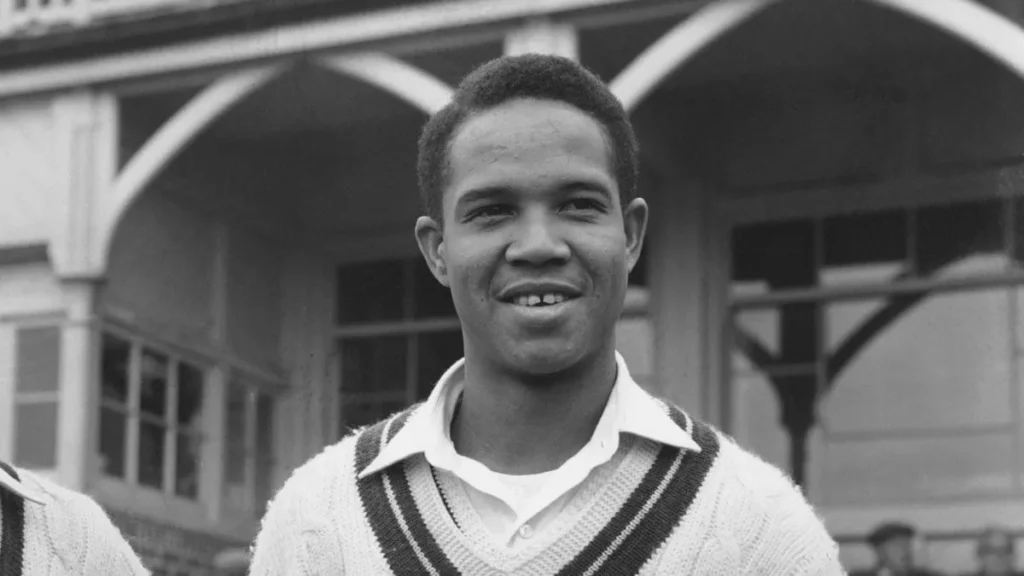
He held six sixes in a single over off Malcolm Nash in 1968, set the Test batting record of 365 not out in 1958, and did all of it with an effortless grace that made the extraordinary appear routine. No one else has come close to his combined standard across both disciplines.
The 1980s Golden Era of Cricket All-Rounders
The 1980s produced a concentration of all-round talent that the game has never seen before or since. Imran Khan, Kapil Dev, Richard Hadlee, and Ian Botham were active simultaneously, each carrying their national team on their shoulders while producing performances that redefined what was expected of a player who could bat and bowl. They pushed each other, competed against each other, and collectively elevated the standard of all-round cricket to a level that made the decade uniquely rich.
Comparing them remains one of cricket’s most enjoyable debates because the margins between them are genuinely narrow and each made an argument for the top position through at least one period of their career.
Kapil Dev and Ian Botham: Match-Winners Who Changed Their Nations’ Cricket
Kapil Dev finished his Test career with 5,248 runs and 434 wickets, becoming the first player in history to achieve the double of 4,000 runs and 400 wickets in Tests. His 1983 Cricket World Cup campaign for India, which included a match-saving unbeaten 175 against Zimbabwe when India were struggling at 17 for 5, remains one of the most celebrated innings in the tournament’s history. India won that World Cup, and Kapil’s all-round contribution throughout was central to it.
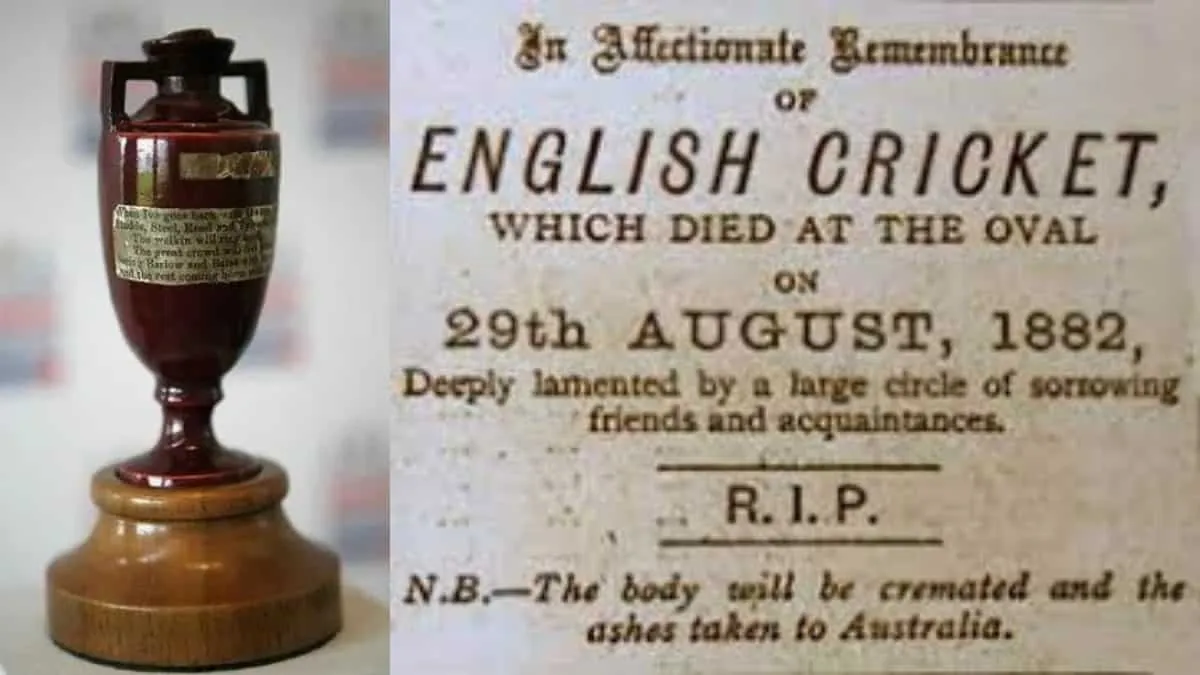
Ian Botham’s place in cricket history rests heavily on the 1981 Ashes series, where he almost single-handedly won three Test matches for England through centuries and five-wicket hauls delivered in the same matches. His career figures of 5,200 runs and 383 Test wickets tell part of the story. The emotional force he brought to every match he played tells the rest.
Richard Hadlee and Imran Khan: The All-Rounders Who Carried Their Teams
Richard Hadlee and Imran Khan share a defining characteristic that separates them from Botham and Kapil — both operated for extended periods as the most important player in their team by a considerable margin, often winning matches in which their supporting casts were significantly outclassed. Hadlee took 431 Test wickets at an average of 22.29 for New Zealand while also contributing 3,124 runs with the bat, and his contribution to elevating New Zealand into a competitive Test nation cannot be overstated.
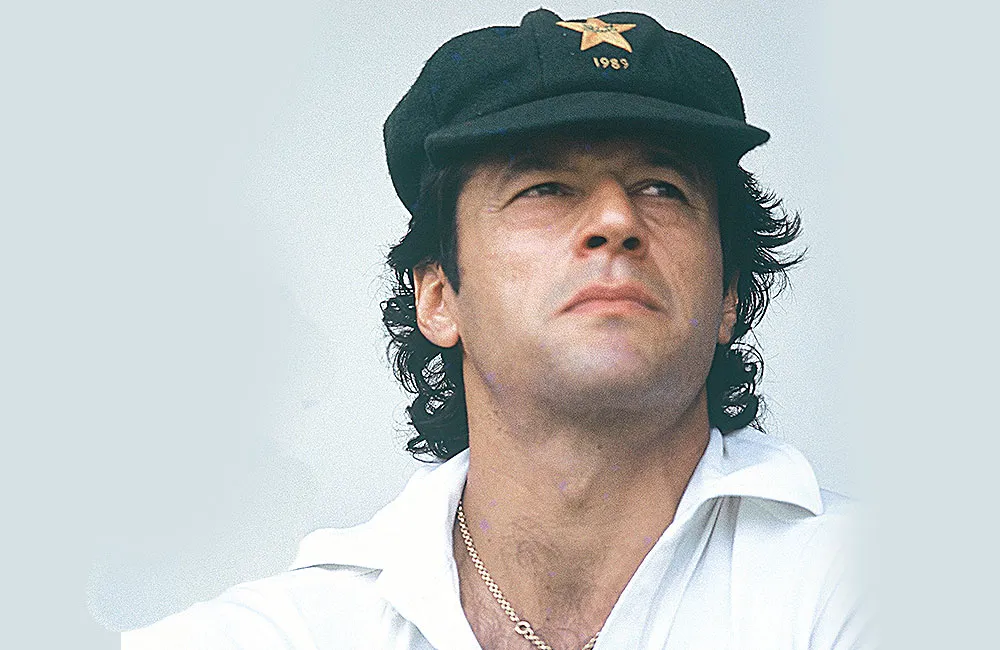
Imran Khan took 362 Test wickets and scored 3,807 runs, but his influence on Pakistan cricket extended far beyond numbers. He led Pakistan to their only Cricket World Cup title in 1992 and inspired a generation of Pakistani fast bowlers who shaped the country’s cricketing identity for decades after his retirement.
Jacques Kallis: The Most Complete Cricket All-Rounder by the Numbers
The statistical case for Jacques Kallis is almost unfair in its weight. The South African right-hander accumulated 13,289 Test runs at an average of 55.37 across a career spanning 1995 to 2013, while also claiming 292 Test wickets at an average of 32.65. No other player in cricket history comes close to matching that combination of volume and quality across both disciplines. He also held 200 Test catches as a fielder, adding a third dimension to his contribution.
The frequent criticism levelled at Kallis is that he was never the most entertaining player to watch and that his batting was occasionally prioritised at the expense of his bowling load. That may be fair, but it does not diminish what the numbers represent. By any objective statistical measure, Kallis produced the most complete all-round Test career in cricket history.
Shakib Al Hasan, Andrew Flintoff, and the Modern All-Rounder Blueprint
The twenty-first century produced two very different models of all-round excellence. Shakib Al Hasan has compiled a record that makes him arguably the most valuable all-rounder in limited-overs cricket history, consistently ranking among the top players in both batting and bowling across ODIs and T20 Internationals while carrying Bangladesh’s hopes almost entirely on his own. His ability to contribute decisively in both disciplines across all three formats places him in rare company.
Andrew Flintoff represented a different kind of all-round brilliance — impact-driven, physically imposing, and capable of shifting a series in a single session. The 2005 Ashes remains his monument, a series in which his batting and fast bowling were both match-defining across five Tests. His body ultimately limited what his career could become, but the peaks he reached during that series belong among the finest all-round performances English cricket has ever seen.
Ben Stokes and the Reinvention of What a Cricket All-Rounder Can Be
Ben Stokes enters any discussion of the greatest cricket all-rounders of all time having already produced two of the most celebrated individual performances in the sport’s modern history. His unbeaten 135 at Headingley in 2019, winning the third Ashes Test from an apparently impossible position with England requiring 73 runs with one wicket remaining, is widely regarded as one of the greatest Test innings ever played. Weeks earlier, he had anchored England’s Super Over victory over New Zealand in the 2019 Cricket World Cup final at Lord’s with an innings of extraordinary composure under the heaviest imaginable pressure.
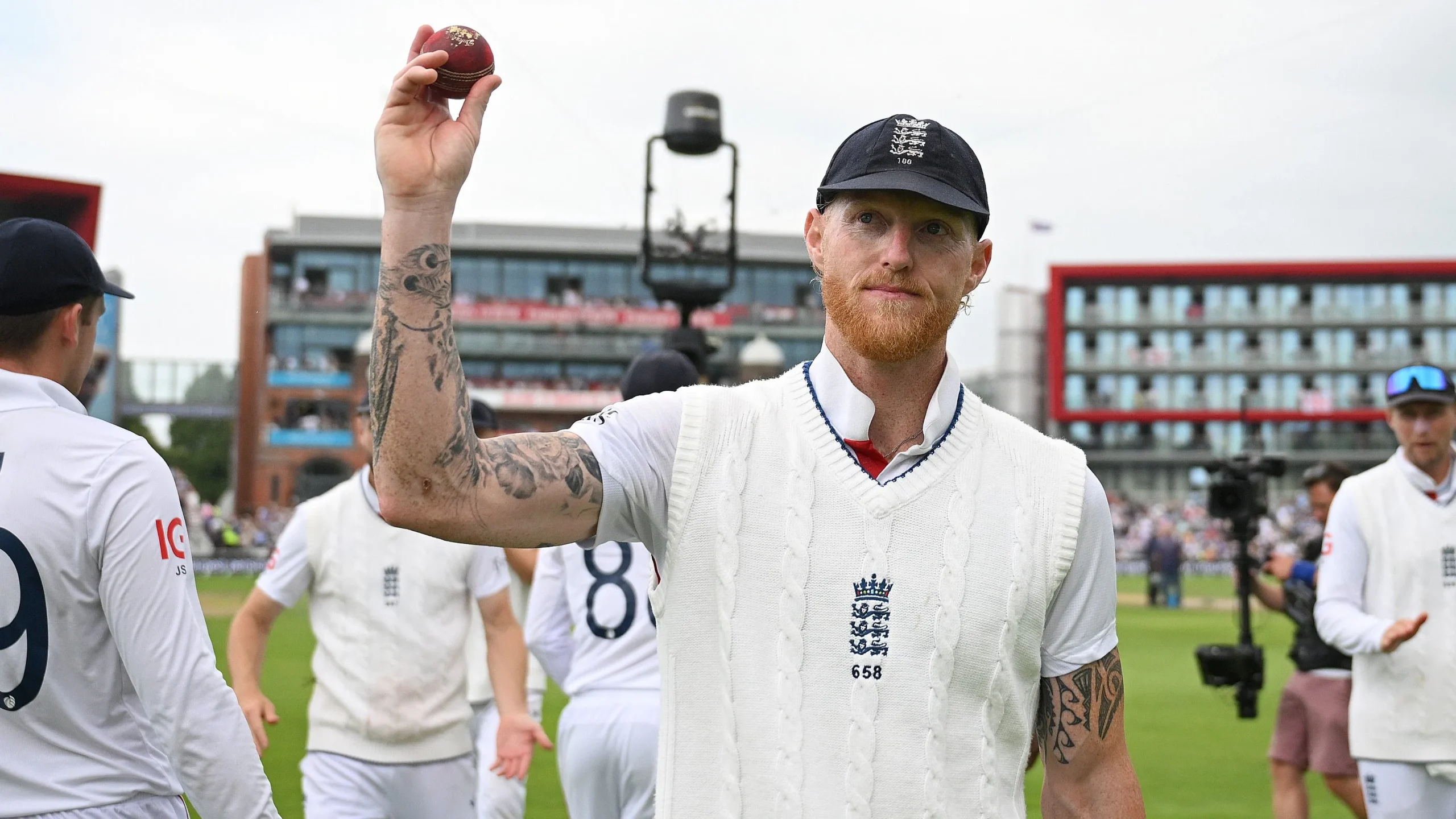
As England’s Test captain from 2022 onward, he transformed the team’s approach to batting entirely, leading an aggressive, positive style of play that has reinvigorated Test cricket’s appeal globally. His bowling, when fully fit, operates at genuine international pace. His batting average and the contexts in which he has produced his biggest innings place him firmly among the all-time greats, still adding to a legacy that is not yet complete.
The Enduring Legacy of the Greatest Cricket All-Rounders of All Time
What unites every player on this list, from Sobers through to Stokes, is a refusal to be defined by a single skill. Each of them could have built a distinguished international career as either a batter or a bowler. The fact that they chose to master both, and succeeded at the highest level in both, is what places them in a separate conversation from every other great the game has produced.
The greatest cricket all-rounders of all time did not just win matches. They expanded what cricket believed was achievable within a single player, and every generation of the game is richer for what they left behind.




No Comments