
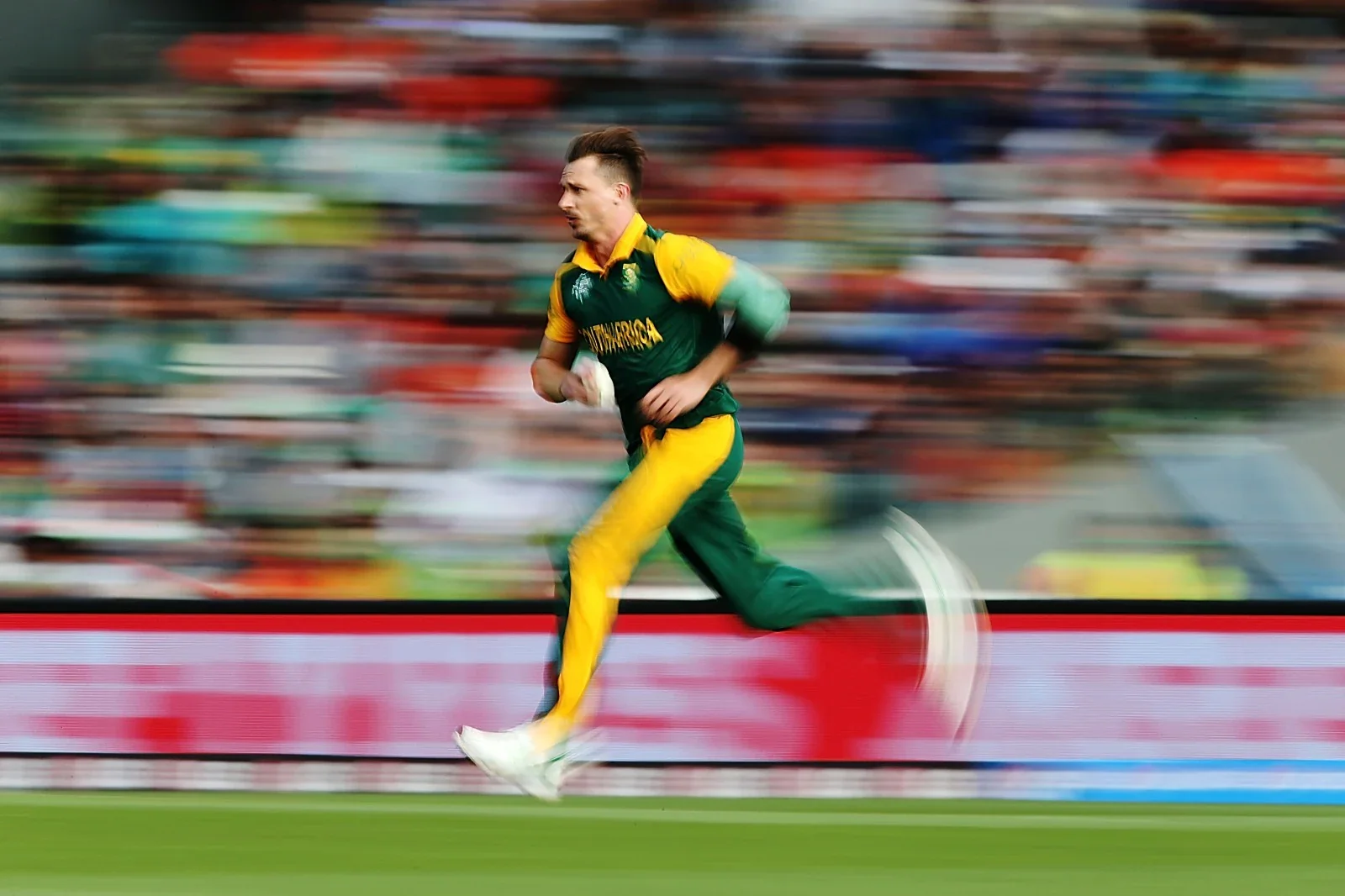

There is something primal about raw pace in cricket. The crowd rises, the batsman tenses, and the bowler charges in with everything they have. Speed has always been one of cricket’s greatest weapons, and thanks to modern speed gun technology, we can now put exact numbers to what were once just legends. This list ranks the top 10 fastest bowlers in cricket history based on the fastest recorded deliveries captured by speed guns in official international matches. From Pakistan to Australia, West Indies to South Africa, these are the men who made batting look terrifying.
Table of Contents
- 10. Dale Steyn (South Africa) — 155.7 km/h (96.8 mph
- 9. Shane Bond (New Zealand) — 156.4 km/h (97.2 mph)
- 8. Fidel Edwards (West Indies) — 157.7 km/h (98 mph)
- 7. Andy Roberts (West Indies) — 159.5 km/h (99.1 mph)
- 6. Mitchell Starc (Australia) — 160.4 km/h (99.7 mph)
- 5. Jeff Thomson (Australia) — 160.6 km/h (99.8 mph)
- 4. Jofra Archer (England) — 161.0 km/h (100 mph)
- 3. Brett Lee (Australia) — 161.1 km/h (100.1 mph)
- 2. Shaun Tait (Australia) — 161.1 km/h (100.1 mph)
- 1. Shoaib Akhtar (Pakistan) — 161.3 km/h (100.23 mph)
- What Makes a Truly Fast Bowler?
10. Dale Steyn (South Africa) — 155.7 km/h (96.8 mph
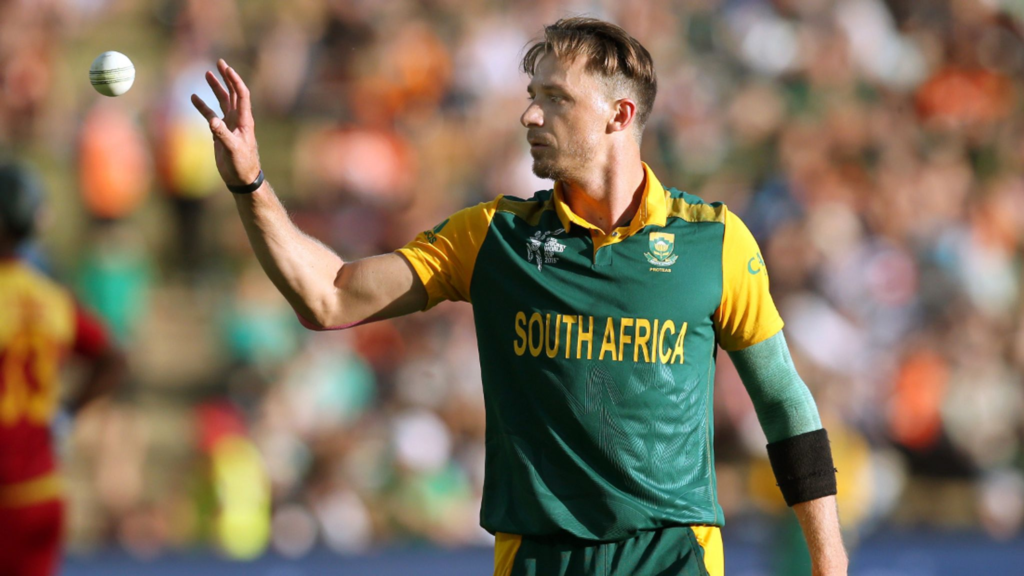
Dale Steyn earned his reputation as one of the greatest fast bowlers of all time, and his numbers back that claim entirely. Steyn combined speed, swing, and accuracy to terrorise every batter in the world, and he bowled his fastest delivery of 155.7 km/h against New Zealand. What made Steyn extraordinary was not just raw pace but the vicious late movement he could generate at that speed. For a full decade, he was the best fast bowler on the planet, and South Africa’s all-time leading wicket-taker in Test cricket. Few bowlers have ever combined sustained pace with the kind of consistent wicket-taking ability that Steyn demonstrated across all formats.
9. Shane Bond (New Zealand) — 156.4 km/h (97.2 mph)
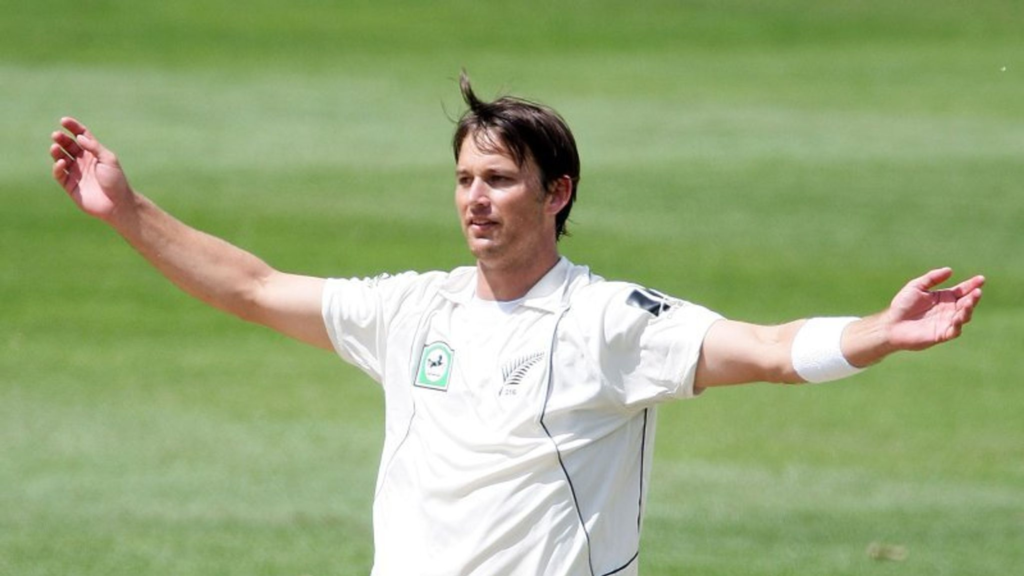
Shane Bond was the most complete fast bowler New Zealand has ever produced, combining serious pace with exceptional skill. Bond’s peak came at the 2003 ICC World Cup when he sent the ball flying through at 156.4 km/h. Unfortunately, this gifted bowler was plagued by injury and managed to take only 87 Test wickets and 147 wickets in ODIs. His ability to swing the ball at high speed made him devastating in any conditions. His whippy action was the cause of discomfort to many batsmen all around the world, and his ability to swing the ball away at such high speeds and bowl toe-crushing yorkers brought him many wickets.
8. Fidel Edwards (West Indies) — 157.7 km/h (98 mph)
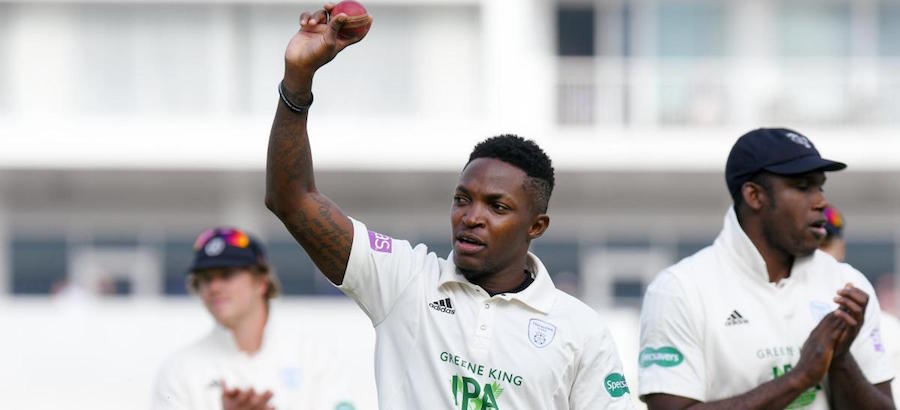
Fidel Edwards may not be a household name today, but at his peak he was one of the most hostile fast bowlers on the planet. His 157.7 km/h ball came in the first year of his international cricket career against South Africa in 2003. He boasts 165 Test wickets and 60 in ODIs, and he last played for West Indies in 2012, but still plied his trade in franchise T20 competitions. Edwards bowled with a whippy action reminiscent of Jeff Thomson, and as a right-arm quick with a slingy delivery he was a rare and difficult proposition for batsmen across the world. His early burst of pace was as impressive as any debut in modern cricket history.
7. Andy Roberts (West Indies) — 159.5 km/h (99.1 mph)
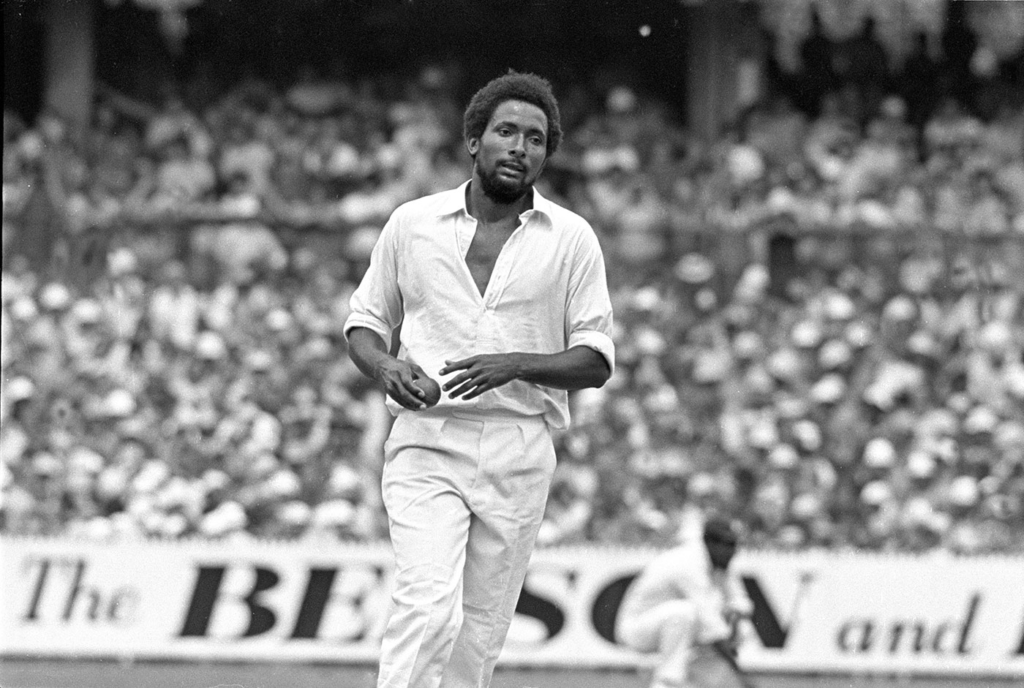
Andy Roberts was the godfather of the fearsome West Indian pace attack that dominated world cricket through the 1970s and 1980s. His 159.5 km/h delivery was against Australia in 1975, and he played for Hampshire and Leicestershire counties in England and was inducted into the US Cricket Hall of Fame in 2005. What made Roberts particularly dangerous was his intelligence. He had two distinct bouncers, one that skidded through quickly and one that reared up steeply, and batsmen rarely knew which was coming. His contributions to fast bowling go beyond just speed; he fundamentally changed how the game was played.
6. Mitchell Starc (Australia) — 160.4 km/h (99.7 mph)
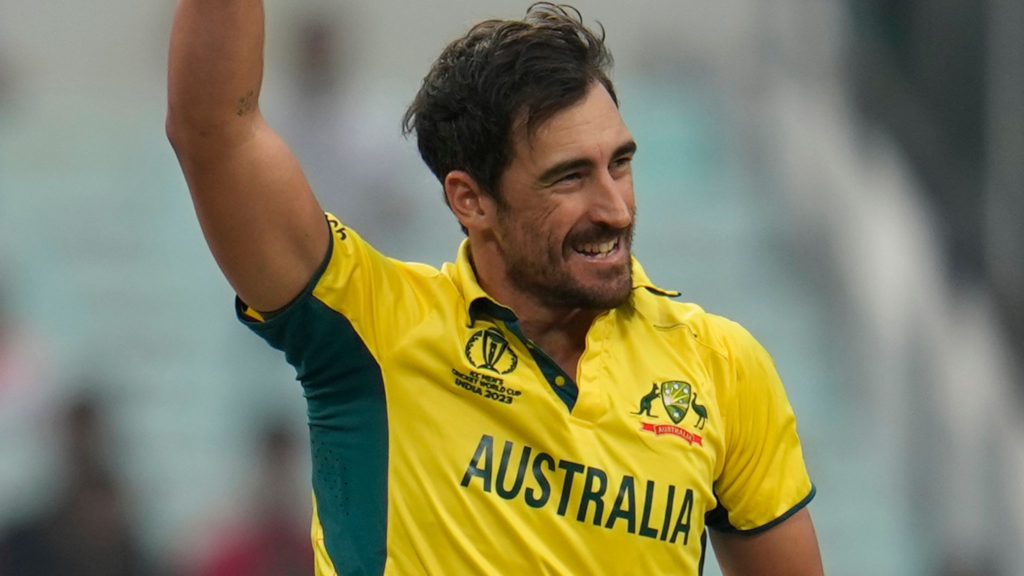
Mitchell Starc is one of the most feared left-arm fast bowlers the game has ever seen and a proud member of the fastest bowlers in cricket history. On the 4th ball of the 89th over as he ran in to bowl to Kiwi batter Ross Taylor, the speed gun displayed 160.4 km/h; it was a yorker on off stump and Taylor could only manage to defend the ball. Starc’s left-arm angle combined with his searing in-swinging yorkers makes him one of the most feared bowlers in the game today. He is famous for his fast in-swinging yorkers and has taken 244 Test wickets and 184 ODI wickets, and was part of the Australian side who won the World Cup in 2015.
5. Jeff Thomson (Australia) — 160.6 km/h (99.8 mph)
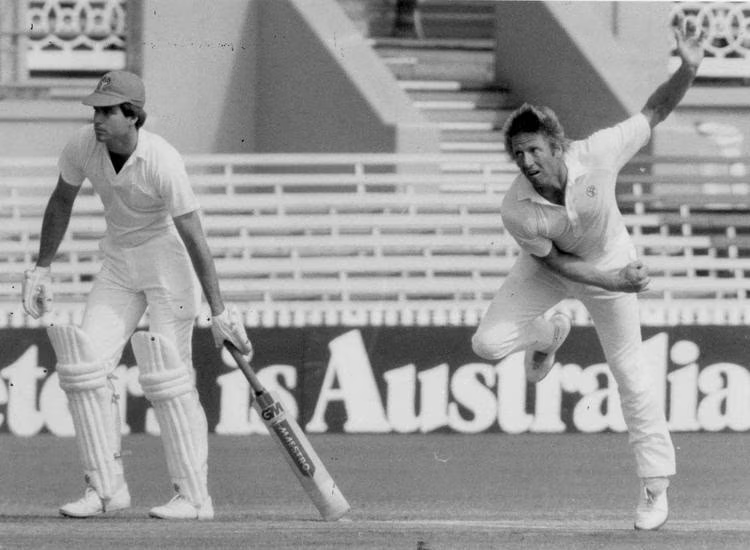
Long before speed guns were standard equipment at cricket grounds, Jeff Thomson was making batsmen across the world genuinely fear for their safety. His fastest delivery was recorded at 160.6 km/h against the West Indies in 1975, and along with Dennis Lillee, he is believed to be part of the quickest bowling duo in cricket history. Thomson’s chest-on slingy action was nearly impossible to pick, and the bounce he extracted from Australian pitches was brutal. He took 200 Test wickets and 55 ODI wickets and was inducted into the Australian Cricket Hall of Fame in 2016.
4. Jofra Archer (England) — 161.0 km/h (100 mph)
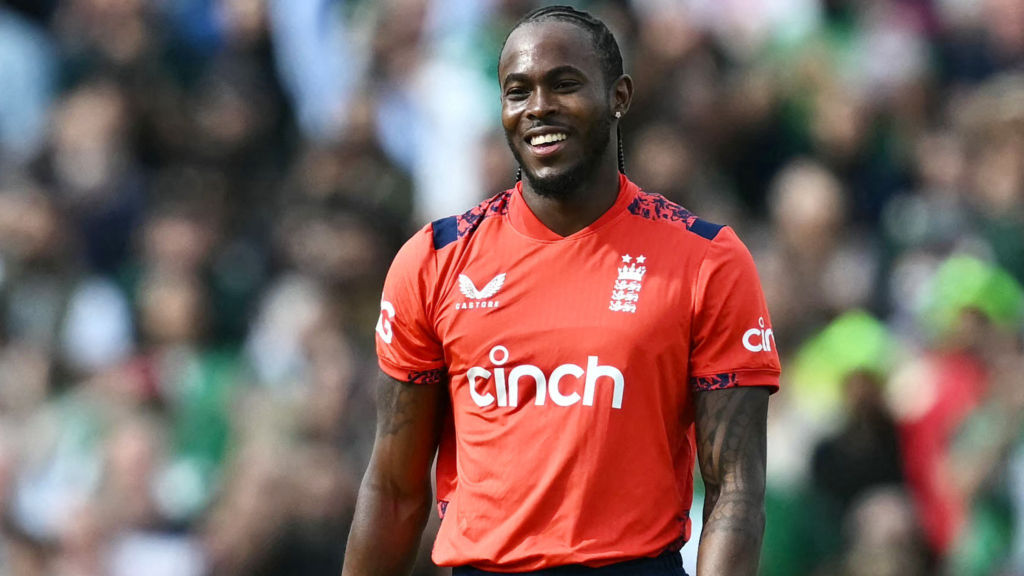
Jofra Archer burst onto the international scene in 2019 and immediately announced himself as one of the fastest bowlers in cricket history. England’s Jofra Archer bowled the fastest ball in the 2019 Cricket World Cup at a speed of 161.0 km/h. His smooth, almost effortless action makes his pace all the more unsettling for batsmen, who often struggle to pick it up early. Archer memorably pinned Steve Smith repeatedly with short-pitched bowling during the 2019 Ashes series, producing some of the most compelling fast-bowling spells in modern times. Injuries have unfortunately limited his appearances, but when fit, he is as threatening as anyone who has ever held a cricket ball.
3. Brett Lee (Australia) — 161.1 km/h (100.1 mph)
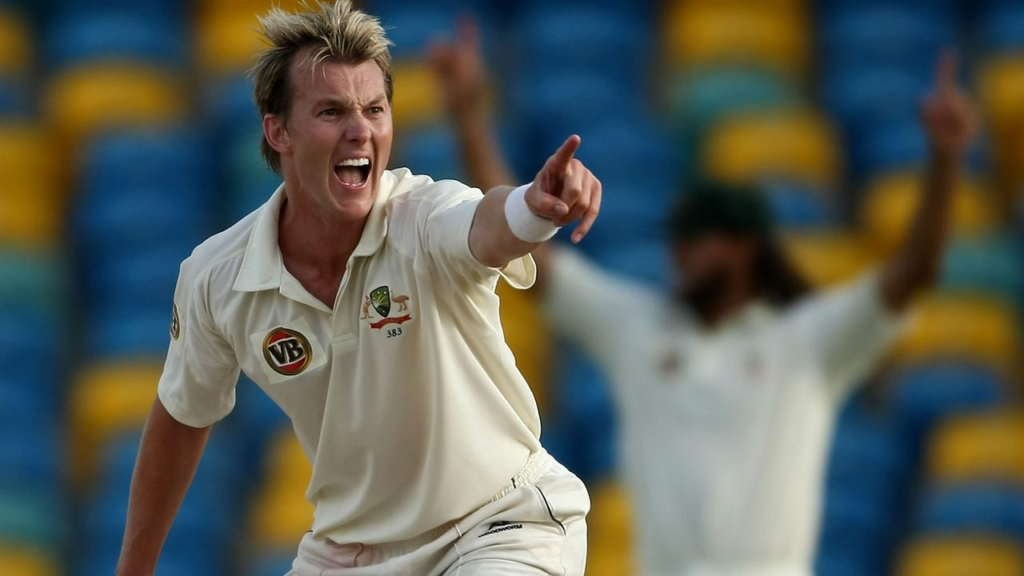
Brett Lee brought pace with a smile, but batsmen were rarely smiling when he ran in. His fastest delivery was recorded at 161.1 km/h against New Zealand in 2005, showcasing his remarkable achievement in speed and control. Lee was far more than just a fast bowler. He is one of the most impressive Australia all-format bowlers, with 310 Test wickets, 280 ODI wickets and 487 first-class wickets, and he helped Australia take the 2003 and 2007 ICC Cricket World Cup titles. His ability to sustain high speeds over long spells is what separated him from many of his contemporaries.
2. Shaun Tait (Australia) — 161.1 km/h (100.1 mph)
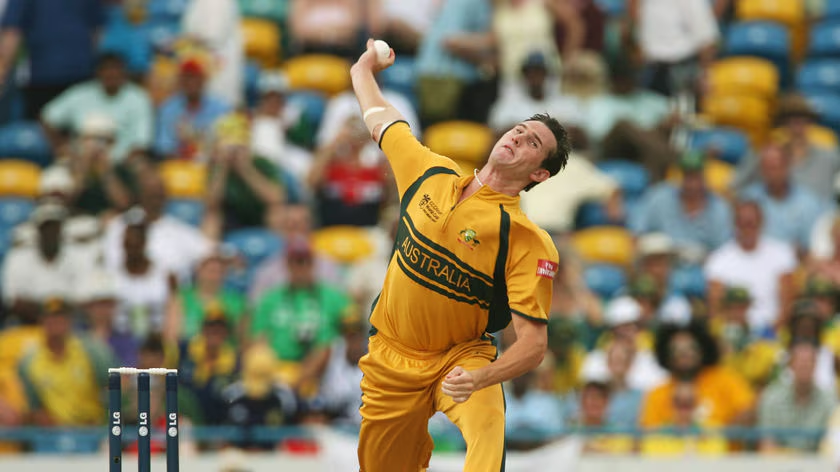
Shaun Tait was a unique and explosive talent in Australian cricket who sits just behind the all-time record holder among the fastest bowlers in cricket history. His fastest delivery was clocked at 161.1 km/h against England in 2010, and he played a crucial role in the 2007 World Cup campaign. What made Tait so special was his deceptive action. He had a slow run-up to the bowling crease, but the way his bowling arm contorted into a slingy action, he could generate pace like fire, constantly bowling over 150 km/h. Injury cut short what could have been an even more remarkable career, but his place among the fastest bowlers in cricket history is untouchable.
1. Shoaib Akhtar (Pakistan) — 161.3 km/h (100.23 mph)
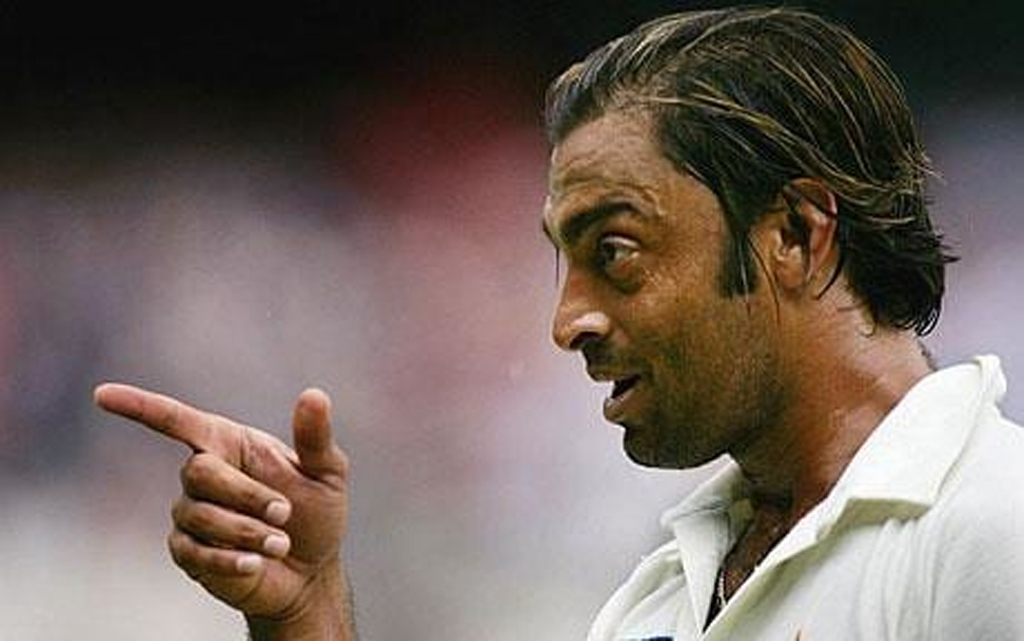
No list of the fastest bowlers in cricket history is complete without Shoaib Akhtar at the very top. The highest electronically measured speed for a ball bowled by any bowler is 161.3 km/h (100.23 mph) by Shoaib Akhtar against England on 22 February 2003 in a World Cup match at Newlands, Cape Town, South Africa. Nicknamed the “Rawalpindi Express,” Akhtar was a force of nature with a thunderous run-up and a delivery action that seemed to defy physics. The unlucky batter to face that delivery was Nick Knight, who quietly tucked it onto the leg side for a single. His record has stood for over two decades and remains the gold standard in fast bowling.
What Makes a Truly Fast Bowler?
Speed is only part of the equation. The fastest bowlers in cricket history combined sheer pace with movement, bounce, and the mental ability to intimidate batsmen from the moment they began their run-up. Bowlers reaching 140 km/h are qualified as fast men, those above 145 km/h are considered genuine speedsters, and 150 km/h is regarded as the benchmark for express pace bowlers. Most of the names on this list operated consistently above that final threshold, which is what made them legends.
It is also worth noting that the recording of the speed of deliveries is a relatively recent development in the long history of cricket and an inexact science given the lack of uniformity in the speed gun technology utilized. That means legends from earlier eras like Wes Hall and Fred Trueman, who were reportedly terrifying, never had their peak speeds officially recorded.
Speed gun technology has given fans a way to quantify greatness, but watching Shoaib Akhtar sprint to the crease or Brett Lee charge in under the lights at the MCG always reminded cricket lovers that numbers alone can never fully capture what it feels like when the fastest bowlers in cricket history are in full flight.



No Comments