
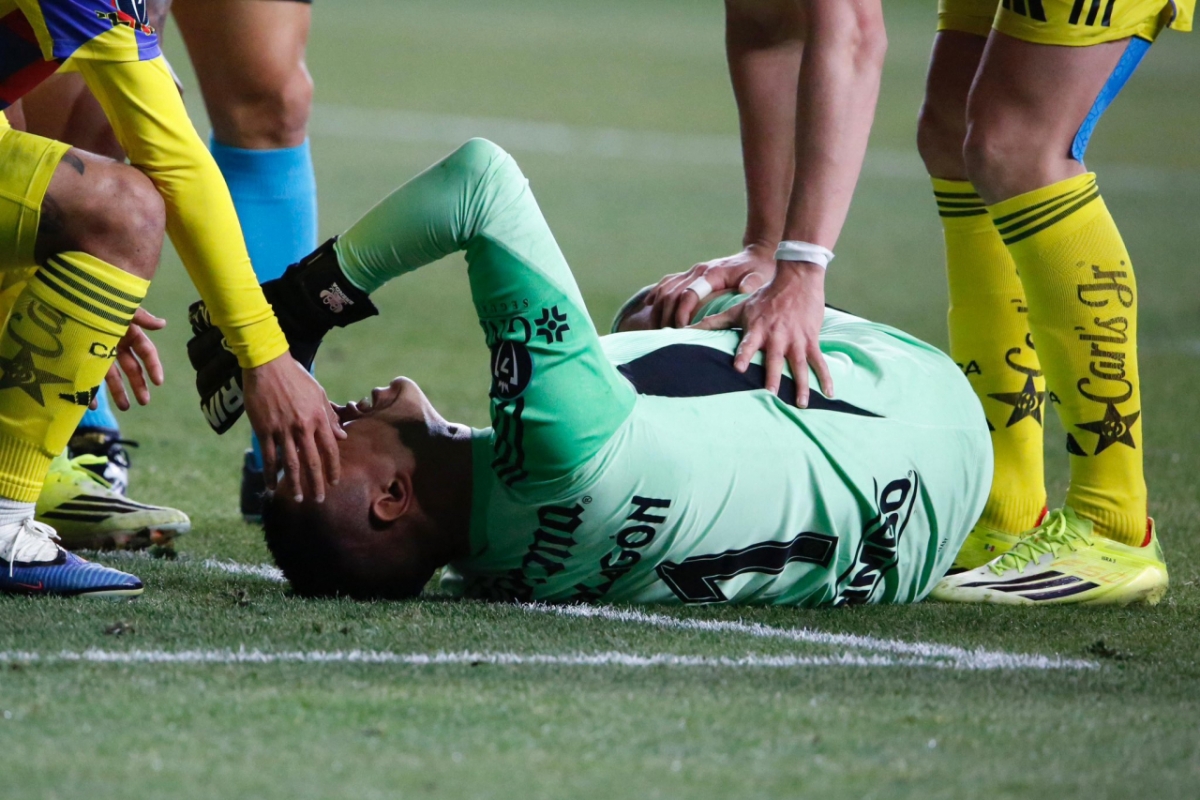

The 2026 FIFA World Cup kicks off in less than 75 days — and the casualty list is already longer than any tournament in recent memory. From ACL tears tearing through South American squads to fresh muscle injuries rattling England’s preparations, this is shaping up to be the most injury-disrupted World Cup of the modern era.
Table of Contents
- Confirmed Absentees: The Definites
- The Legend Watch: Neymar and Ronaldo
- Racing the Clock: Recent March and April Breakdowns
- Fact-Check: The Biggest Rumors Currently Circulating Are False
- Missing Giants: Absent by Elimination, Not Injury
- Fantasy Football: Must-Sell, Monitor, and Hold
- Verdict: Which Nations Are Most Damaged?
Much of the blame lies with an increasingly brutal club calendar. The expanded UEFA Champions League, the new FIFA Club World Cup, and packed domestic schedules have left elite players running on fumes. Knees, in particular, are paying the price — there have already been more significant ACL ruptures among World Cup-caliber players in 2025-26 than in any comparable pre-tournament window in the last two decades.
This is the complete, fact-checked 2026 FIFA World Cup injury list as of April 2, 2026: who is definitely out, who is desperately racing the clock, which stars are being falsely linked with injuries, and which nations are most severely damaged. We have also separated players who are genuinely injured from those simply absent because their nation failed to qualify — a distinction that trips up a surprising number of fans searching online right now.
Confirmed Absentees: The Definites
These players will not be at the 2026 World Cup. Their injuries are confirmed, their recovery timelines place them well beyond the tournament window, and no amount of optimism from their clubs or national associations is going to change that.
Rodrygo (Brazil) suffered an ACL tear at Real Madrid that has ended his tournament chances. For a Brazil side already managing fitness concerns across its attack, losing one of the most dynamic wide forwards in world football is a serious blow — not just in quality, but in the psychological confidence that comes with having elite options on the bench.
Mexico have been the hardest-hit nation before a ball has even been kicked in North America. Marcel Ruiz of Toluca and goalkeeper Luis Ángel Malagón of Club América have both suffered ACL tears, devastating El Tri’s depth at two important positions. For a co-hosting nation that carries enormous pressure to finally break its knockout-stage curse, these losses carry extra weight. The scale of Mexico’s misfortune before their home tournament has echoes of the frustration that has defined their World Cup history for decades.
Islam Issa (Egypt) confirmed his ACL injury on April 2, officially ending his participation. And Marc-André ter Stegen (Germany) — dealing with persistent knee complications stemming from an earlier procedure — is considered highly likely to miss the tournament entirely, leaving Germany with a significant void in goal just as the competition begins.
The Legend Watch: Neymar and Ronaldo
Neymar is in a genuine race against time. Currently at Santos, the Brazilian forward has 77 days to prove to Brazil head coach Carlo Ancelotti that he deserves a place in the squad. Ancelotti’s recent comment that the squad is “quite defined” was not an encouraging signal. Neymar has suffered a series of debilitating injuries over the past three years, and even his most loyal supporters acknowledge that his chance of being fully match-fit — not just present, but tournament-ready — is probably around 50/50. Brazil without Rodrygo and without a fit Neymar is a very different proposition from the side that most people are picturing when they write them into their bracket.
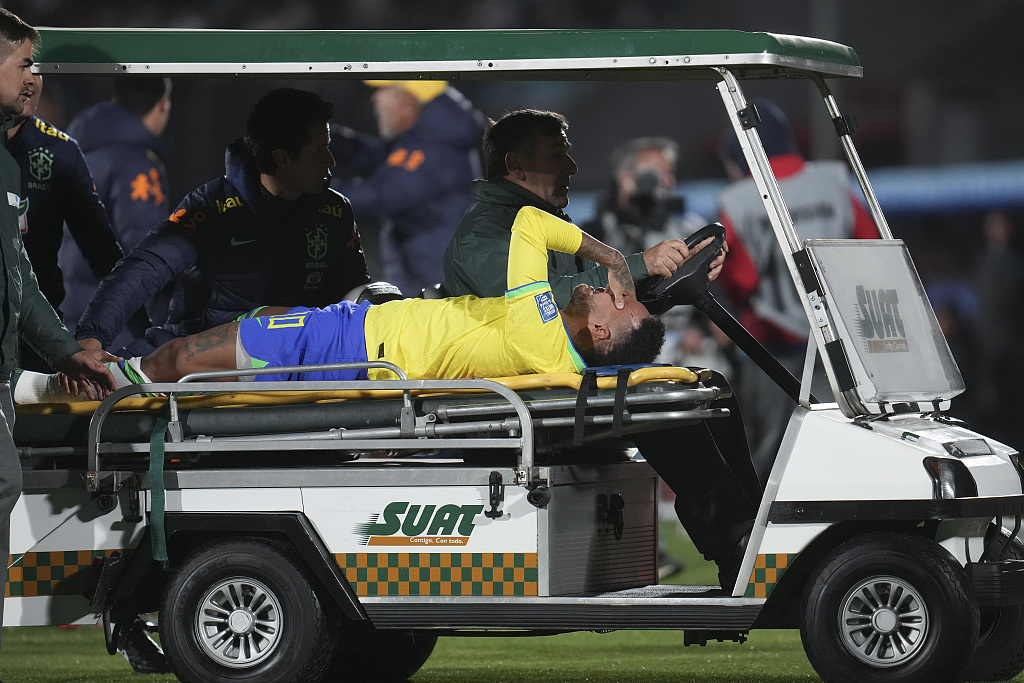
Cristiano Ronaldo presents a slightly different picture. The 41-year-old has been sidelined with a hamstring injury since late February, missing a month of action with Al Nassr. Portuguese coaching staff remain publicly optimistic, and Ronaldo’s sheer determination to be present at what would almost certainly be his final World Cup should not be underestimated. But a hamstring injury at his age, sustained during the most physical period of the European season, demands careful management. Portugal will not risk him until he is genuinely ready — and whether that translates to “ready for the opening game” remains to be seen.
Racing the Clock: Recent March and April Breakdowns
If the ACL injuries represent the slow-burn damage of the calendar crisis, this category is where the pre-tournament anxiety is peaking right now.
Phil Foden (England) suffered a high-impact injury during England’s friendly against Uruguay on March 29. Early scans indicate a significant muscle strain, and his availability for England’s tournament opener is genuinely in doubt. Foden has been one of the most consistent performers in Thomas Tuchel’s setup — creative, relentless, capable of unlocking defensive structures that England would otherwise struggle to break down. His absence, even for one or two group games, meaningfully reduces England’s ceiling.
Reece James (England) has suffered his tenth hamstring injury of his career, in late March. Chelsea manager Liam Rosenior has been predictably cautious in his assessment, and James’ injury history strongly suggests a recovery timeline that makes the opening stages of the tournament extremely tight. England have now lost James so many times that their setup is designed to function without him — but having him fully fit remains the difference between a good right side and an elite one.
Raphinha (Brazil) has been ruled out until May 2026 with a hamstring tear, missing the Champions League quarterfinals in the process. He must return to full fitness and then immediately hit peak form to have any hope of boarding the plane to North America. Coaches are notoriously cautious about rushing players back from this type of injury, and Brazil’s medical staff will be watching his recovery extremely closely in May.
Fact-Check: The Biggest Rumors Currently Circulating Are False
This is the most important section of any credible 2026 FIFA World Cup injury list — and the one that most rival articles fail to include. Social media has a well-documented tendency to manufacture or amplify injury rumors in the weeks before major tournaments, and 2026 is no different.
Kylian Mbappé is not injured. Despite reports circulating in late March of a “partial ligament rupture,” Mbappé himself confirmed on April 1 that his knee issue is fully resolved and he is back in complete training. He will be fit for France. Anyone selling you a World Cup preview that treats Mbappé as a doubt is working from outdated or fabricated information.
Vinicius Jr is not injured. A single missed gym session last week triggered a wave of panic across Brazilian football forums. He has since rejoined full team training and is confirmed fit for upcoming friendlies. This is the kind of non-story that spreads because fans are nervous about their team — the correct response is to wait for official club communications, not to treat training-ground speculation as fact.
Missing Giants: Absent by Elimination, Not Injury
A significant portion of searches around the 2026 FIFA World Cup injury list actually come from fans looking for star players who are simply not going to the tournament — not because of injury, but because their nation failed to qualify. It is worth being explicit.
Italy will miss their third consecutive World Cup after losing a qualification playoff to Bosnia and Herzegovina on penalties. Gianluigi Donnarumma, Alessandro Bastoni, Sandro Tonali, and Federico Dimarco are all fit — they just have no tournament to attend. Victor Osimhen will not be there because Nigeria were eliminated by DR Congo. Robert Lewandowski and Matty Cash are absent because Poland were eliminated by Sweden. Dominik Szoboszlai and Hungary failed to qualify entirely.
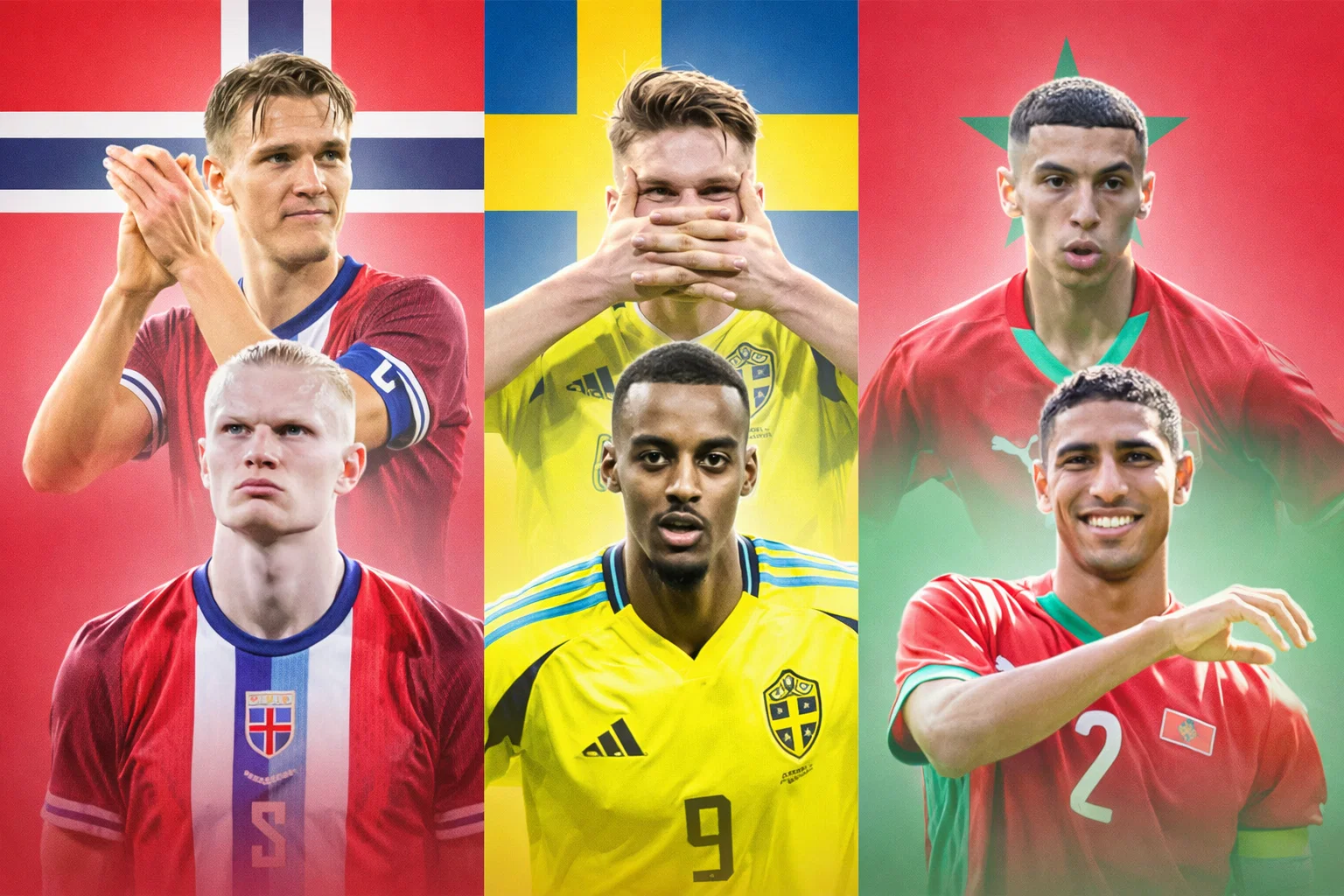
One important correction worth making here: Erling Haaland and Martin Ødegaard are going to the World Cup. Norway qualified and are drawn in Group I alongside France and Senegal. This surprises a lot of fans who assume Norway are perennial non-qualifiers, but the history of the World Cup is full of underestimated nations making their mark when it matters most.
Fantasy Football: Must-Sell, Monitor, and Hold
For fantasy managers building their 2026 World Cup squads, here is the clearest verdict the current data supports.
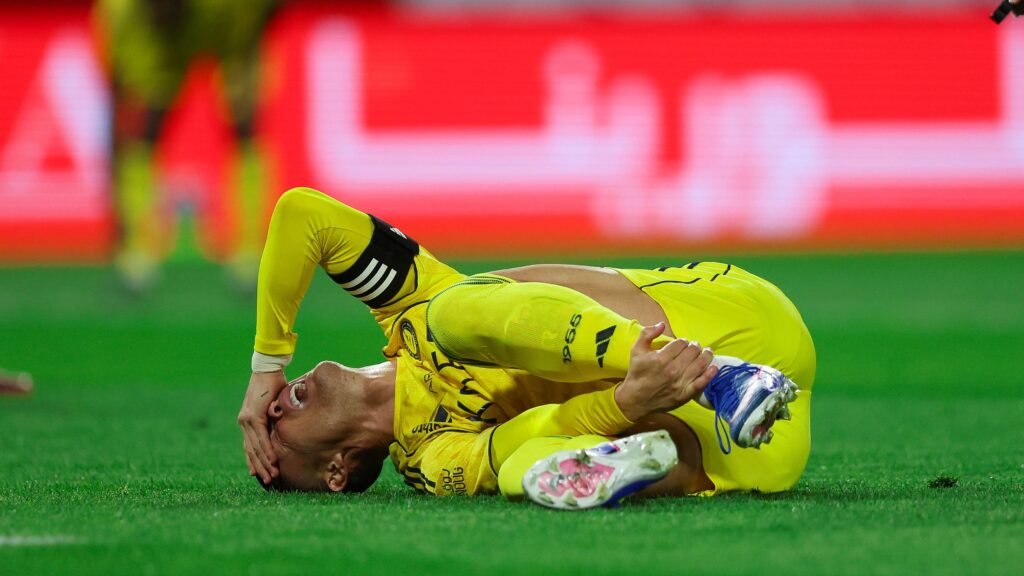
Sell immediately: Rodrygo, Reece James, Marcel Ruiz, and Luis Ángel Malagón. These players are confirmed out or have injury histories so severe that the risk is simply not worth carrying.
Monitor closely through May: Neymar, Cristiano Ronaldo, Phil Foden, and Raphinha. Any one of them could be a world-class asset — or a wasted squad spot. Wait for May fitness updates before committing.
Hold with confidence: Jude Bellingham, Kevin De Bruyne, Vinicius Jr, and Kylian Mbappé. All four have been linked with fitness concerns; all four are either confirmed fit or expected to be 100% by the tournament. Panic-selling any of them based on the current noise would be a mistake.
Verdict: Which Nations Are Most Damaged?
Brazil are the most injury-affected contender in the tournament. Rodrygo is out. Raphinha is racing time. Neymar is a coin flip. That is potentially three of their most creative attacking options either missing or compromised — and it arrives at a tournament where individual brilliance across generations has always defined Brazil’s World Cup identity.
England arrive with genuine fragility. Foden and James in doubt simultaneously represents a meaningful reduction in quality at the positions where Tuchel’s system is most reliant on individual excellence. England can still go deep — but the margin for error just got smaller.
Mexico, as co-hosts, carry enormous expectation and have already lost two players to season-ending injuries before the squad is even announced. The psychological and tactical challenge of rebuilding around those absences in a home tournament is considerable.
Germany face a goalkeeping problem with ter Stegen unlikely to feature. Their outfield quality remains strong, but the mental security that comes from having a world-class goalkeeper behind you is not a small thing in a knockout tournament.
Argentina, Spain, and France are relatively unscathed. They arrive healthier, deeper, and more tactically settled than most of their rivals. If the tournament is ultimately decided by fitness and preparation — and at a 48-team World Cup stretched across three countries, it very well might be — that advantage is not trivial.
The 2026 FIFA World Cup injury list will continue to evolve through May and into June. Check back for updates as the European season concludes and squads are officially named.



No Comments