
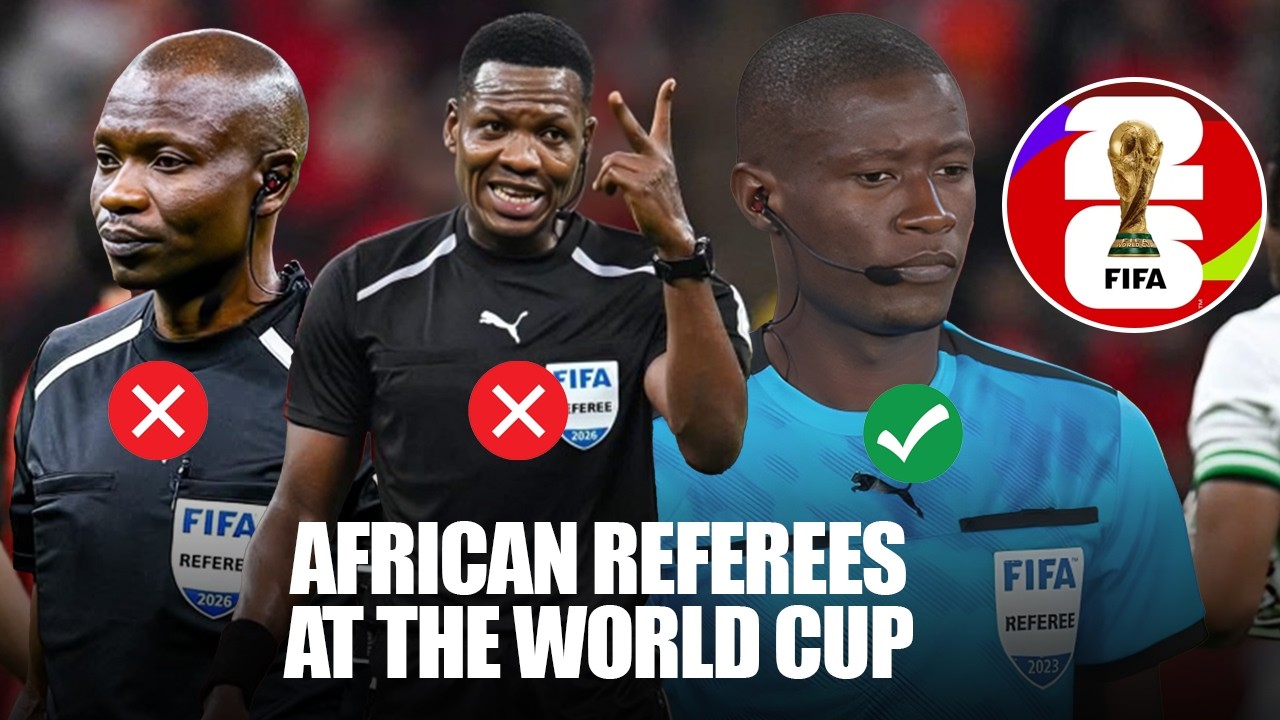

On April 9, 2026, FIFA released the full list of match officials selected for the expanded 48-team FIFA World Cup 2026 in the United States, Canada, and Mexico. Buried within that announcement was a milestone that deserved far more attention than it received in the mainstream football conversation. Seven referees from Africa made the cut, representing the largest African officiating contingent in World Cup history.
Table of Contents
- How FIFA Selected the African Referees for 2026
- The Seven African Referees: Full Profiles and Analysis
- Mustapha Ghorbal: The Veteran Leading the Charge
- Amin Mohamed Omar: Egypt’s Precision Technician
- Pierre Ghislain Atcho: Gabon’s Athletic Modernist
- Jalal Jayed: Morocco’s Disciplined Strategist
- Dahane Beida: Mauritania’s Symbol of Merit Over Pedigree
- Abongile Tom: South Africa’s Professional Operator
- Omar Abdulkadir Artan: Somalia’s Historic Debutant
- The Absences That Generated Debate
- Why This Matters Beyond the Whistle
This is not tokenism or geographical box-ticking. These seven officials earned their places through a ruthless, multi-year evaluation process involving fitness assessments, refereeing seminars in Doha and Dubai, VAR collaboration testing, and performance reviews across high-stakes continental competitions. Their selection reflects something genuinely significant: African refereeing has arrived at the global table, not as guests, but as equals.
Here is the complete guide to the African referees at FIFA World Cup 2026, who they are, what makes each of them exceptional, and why their presence matters far beyond the matches they will whistle.
How FIFA Selected the African Referees for 2026
Understanding the selection process is essential context before examining the individuals themselves. FIFA’s refereeing seminars in early 2026 brought together candidates from across every confederation and subjected them to simulated World Cup conditions. Low error rates, consistency across different match environments, VAR collaboration quality, and physical fitness benchmarks all fed into the final decisions.
The process was deliberately merit-driven, and the outcomes reflected that. Several high-profile African referees who might have expected selection based on reputation alone were left out. Those who made it through did so on performance, not profile. That distinction matters because it elevates the credibility of the entire contingent heading into the tournament.
The geographical spread of the seven selected officials also reflects a deliberate strategy from the Confederation of African Football to develop officiating talent across the continent rather than concentrating investment in a handful of established football nations.
The Seven African Referees: Full Profiles and Analysis
Here is a complete overview of all seven African referees selected for FIFA World Cup 2026.
| Referee | Country | FIFA Listed Since | World Cup Experience |
|---|---|---|---|
| Mustapha Ghorbal | Algeria | 2014 | 2018, 2022 |
| Amin Mohamed Omar | Egypt | 2017 | Debut |
| Pierre Ghislain Atcho | Gabon | N/A | Debut |
| Jalal Jayed | Morocco | N/A | Debut |
| Dahane Beida | Mauritania | N/A | Debut |
| Abongile Tom | South Africa | N/A | Debut |
| Omar Abdulkadir Artan | Somalia | N/A | Debut |
Mustapha Ghorbal: The Veteran Leading the Charge
If there is one name among the African referees at FIFA World Cup 2026 that commands immediate respect, it is Mustapha Ghorbal. The Algerian official has been a FIFA-listed referee since 2014 and brings invaluable experience having officiated at both the 2018 World Cup in Russia and the 2022 edition in Qatar. His nomination for the IFFHS World’s Best Referee Award in 2025 placed him among the elite officials on the planet, not just within Africa.
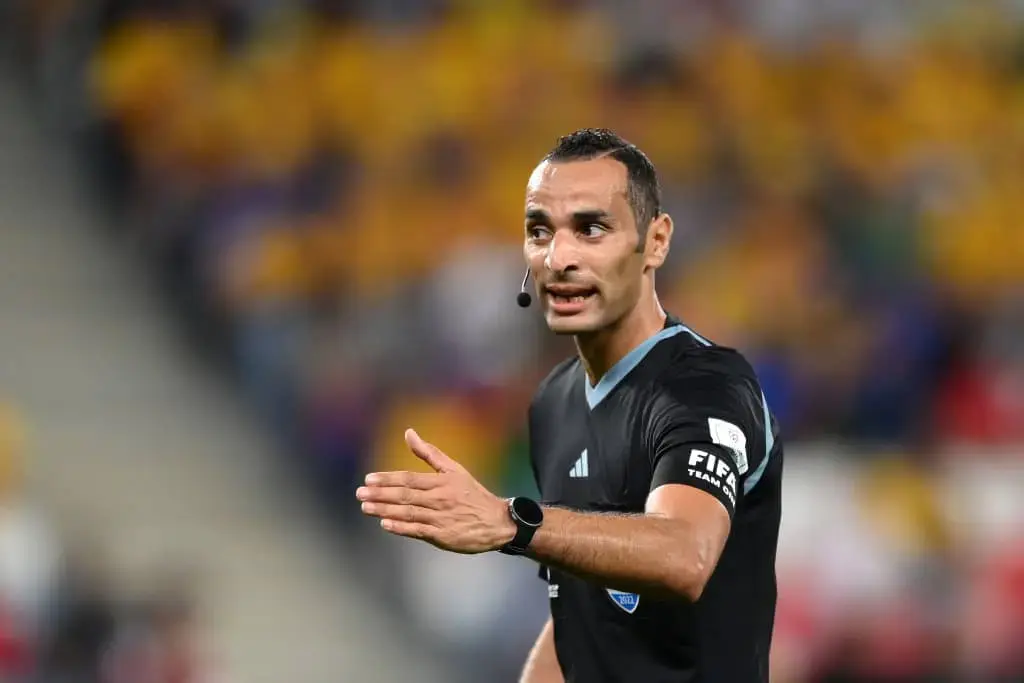
Ghorbal’s defining quality is what analysts describe as preventive refereeing, the ability to read a match’s emotional temperature early and manage it before situations escalate. He uses cards sparingly but decisively, averaging approximately 2.6 yellow cards per match with minimal red cards, a profile that speaks to control rather than confrontation. His experience officiating North African derbies, some of the most intense and passionately contested matches in world football, has made him almost uniquely equipped for the pressure of a World Cup knockout environment. Expect to see him in the later stages of the tournament when FIFA needs officials who have been there before.
Amin Mohamed Omar: Egypt’s Precision Technician
The 40-year-old Egyptian brings a methodical, lawyer-like precision to his officiating that has made him one of CAF’s most trusted officials since earning his FIFA listing in 2017. Omar has handled U-17 World Cup matches and multiple Africa Cup of Nations openers, accumulating experience across a range of competitive pressures that has sharpened his decision-making significantly.
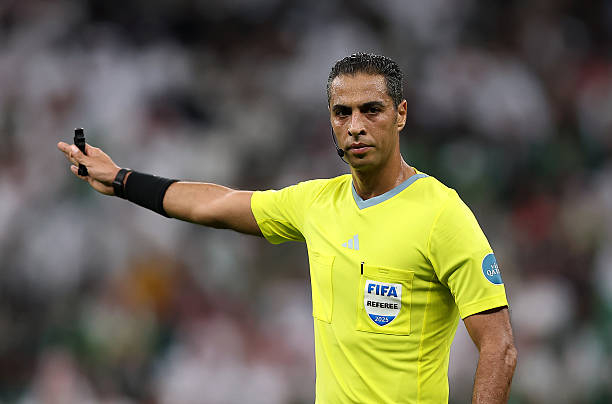
His greatest strength is positional awareness and the intelligent application of the advantage rule. In a tournament featuring some of the most technically gifted teams in world football, his willingness to let play flow rather than reaching for his whistle at every contact will be a genuine asset. Omar’s selection also highlights Egypt’s structured referee development pipeline, a systematic approach to producing elite officials that other African football associations are actively studying as a model worth replicating.
Pierre Ghislain Atcho: Gabon’s Athletic Modernist
At just 34 years old, Pierre Ghislain Atcho is the youngest member of the African contingent and represents CAF’s deliberate investment in the next generation of officiating talent. His rise through the CAF Champions League and Confederation Cup has been rapid, driven by exceptional physical conditioning and an instinctive feel for game management that belies his relative youth at this level.
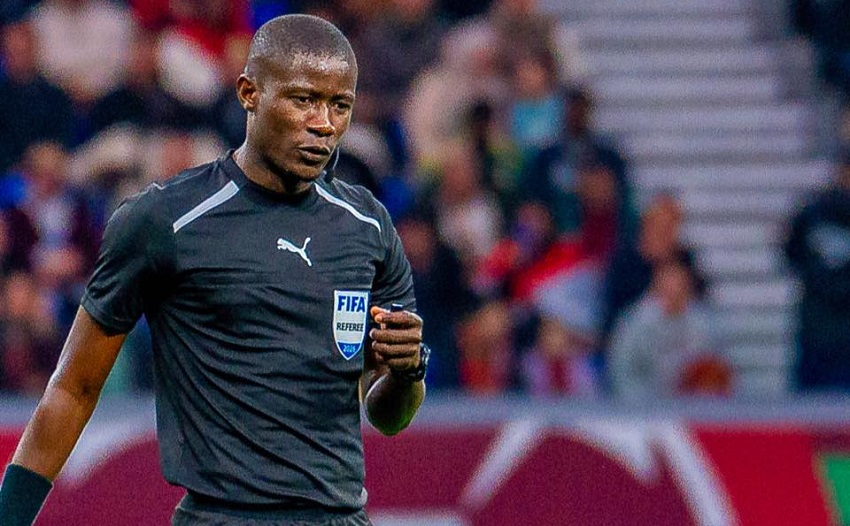
In an expanded World Cup that will demand 104 matches across a compressed schedule, Atcho’s athleticism gives him a distinct advantage in high-tempo fixtures that stretch older officials physically. His Central African background has shaped him in an environment of physical, transition-heavy football, a tactical lens that could prove particularly useful when officiating matches involving the tournament’s more direct, counter-attacking sides.
Jalal Jayed: Morocco’s Disciplined Strategist
Jalal Jayed’s inclusion is part of a broader pattern of Moroccan football infrastructure growth that accelerated dramatically following the national team’s historic run to the semi-finals at the 2022 World Cup in Qatar. Moroccan referees have developed a reputation for tactical discipline and strong, collaborative working relationships with VAR officials, qualities that align perfectly with FIFA’s current officiating priorities.
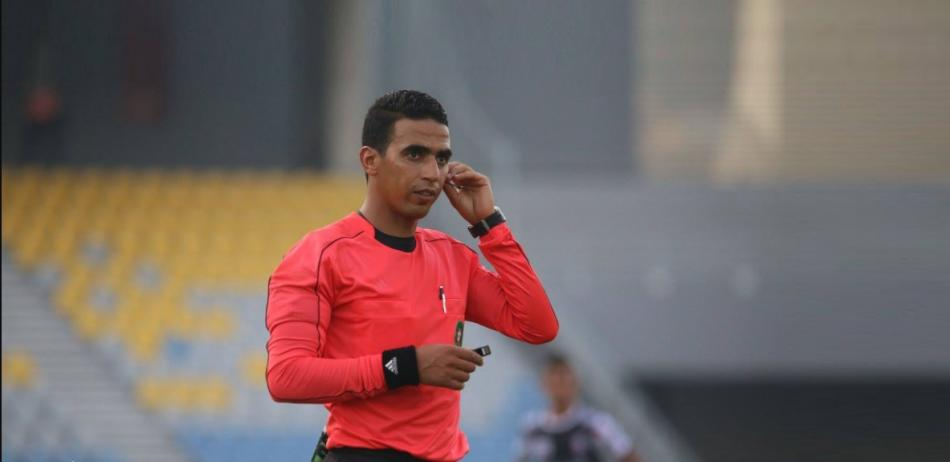
Jayed’s preventive style reduces unnecessary stoppages, a significant consideration in a 48-team format where match flow and fatigue management are constant challenges. His selection also carries a symbolic dimension: Morocco’s influence on African football now extends beyond the players and coaching staff to the officials who shape how the game is played.
Dahane Beida: Mauritania’s Symbol of Merit Over Pedigree
Of all the African referees at FIFA World Cup 2026, Dahane Beida’s story perhaps best captures what this selection process was designed to reward. Mauritania is not one of African football’s traditionally dominant nations. Their football infrastructure has developed quietly and without the spotlight that follows the continent’s bigger associations. Yet Beida’s steady, consistent performances through West African competitions and CAF assignments earned him a place that nobody can question on merit.
His selection carries a message that resonates across the continent: World Cup officiating is no longer the exclusive preserve of referees from Africa’s Big Five football nations. Nations that invest intelligently in referee development programmes, regardless of their overall football resources, now have a genuine pathway to the highest level. That message will accelerate investment and ambition across multiple associations that previously assumed the door was closed to them.
Abongile Tom: South Africa’s Professional Operator
South Africa’s football infrastructure benefits from a professional domestic league structure and the lasting legacy of hosting the 2010 World Cup, and Abongile Tom is a product of that environment. He is known among officials and players for his exceptional fitness levels, clear communication under pressure, and an ability to handle the kind of big personalities and heated moments that high-stakes tournament football inevitably produces.
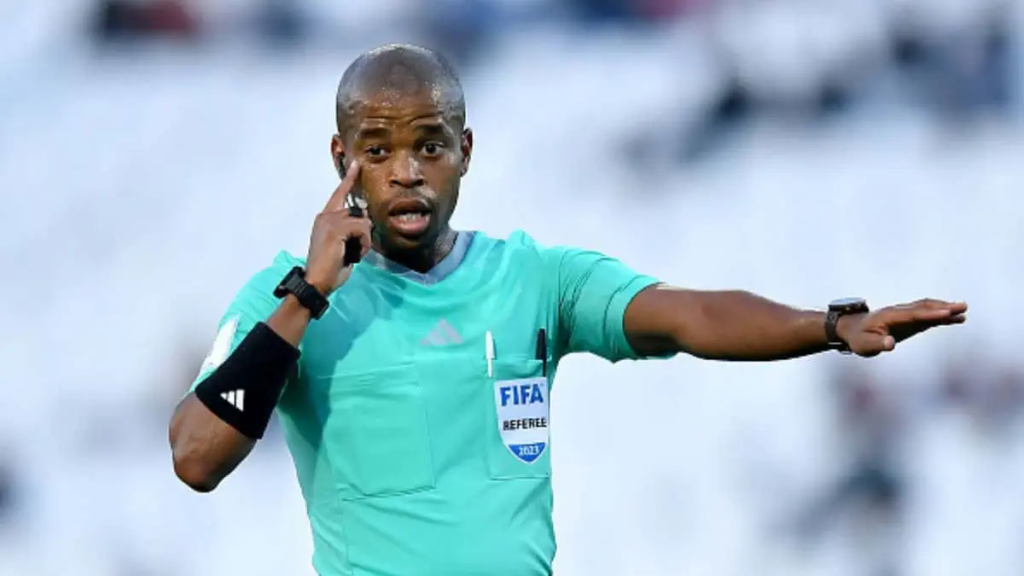
In a tournament hosted across North American venues during summer heat, Tom’s experience managing intense, emotionally charged atmospheres in South African football provides a foundation that translates well to the demands of the global stage. Southern Africa’s representation within the contingent also completes a genuinely continental geographic spread that reflects CAF’s inclusive development strategy.
Omar Abdulkadir Artan: Somalia’s Historic Debutant
The most emotionally significant selection among the seven African officials is undoubtedly Omar Abdulkadir Artan of Somalia. Football infrastructure in Somalia has faced decades of challenges rooted in political instability and economic hardship. That a Somali referee has navigated those obstacles and earned a place at the FIFA World Cup through his performances in domestic and regional matches is, by any measure, a remarkable story.
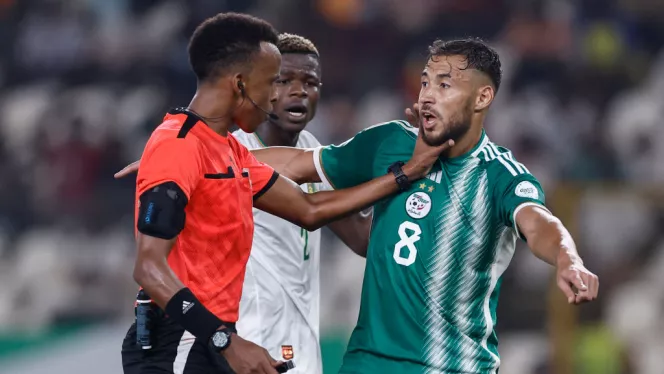
Artan’s appointment validates the grassroots referee development programmes that FIFA and CAF have invested in across post-conflict and developing regions of the continent. It proves that talent identification has genuinely expanded beyond the nations with the most resources, and it will inspire a generation of young officials across the Horn of Africa who can now see a pathway that previously seemed unimaginable.
The Absences That Generated Debate
No analysis of the African referees at FIFA World Cup 2026 would be complete without acknowledging the notable omissions. Jean-Jacques Ndala of DR Congo, who officiated the controversial 2025 Africa Cup of Nations final, and Issa Sy of Senegal, who faced scrutiny following a CAF Champions League incident, were both left out despite their profiles and experience.
FIFA’s quality-first approach, prioritising recent seminar performance and consistency over historical reputation, explains both absences. For the individual referees and their national associations, the omissions are painful. For the overall standard of officiating at the tournament, the message of accountability they send is a healthy one. Nigeria’s continued absence from the list also highlights a structural gap: despite producing elite players for generations, the country has not yet invested equivalently in its referee development pathways.
Why This Matters Beyond the Whistle
The significance of having seven African referees at FIFA World Cup 2026 extends well beyond the individual matches they will officiate. African teams have historically raised concerns about officiating bias at major tournaments. A strong, competent African contingent helps neutralise that narrative and builds trust in the fairness of proceedings.
More practically, success in 2026 will accelerate investment in referee academies, fitness programmes, and VAR technology across CAF member associations. Mauritania and Somalia now serve as living proof that the pathway exists regardless of a nation’s size or resources. And the full African support network, which includes approximately ten assistant referees and VAR specialists from Algeria, Egypt, Gabon, Angola, Cameroon, and Morocco, ensures that African perspectives influence decisions at every level of the officiating structure throughout the tournament.
African football’s whistle-blowers are ready. In 2026, they will prove they belong among the very best in the world.



No Comments