

A continent of 54 nations. Billions of passionate supporters. Decades of world-class individual talent flowing into the game’s biggest clubs and competitions. And yet, for much of World Cup history, the knockout rounds remained a ceiling that African teams approached but rarely broke through. The moments when they did break through, however, belong among the most celebrated in the tournament’s history.
Table of Contents
The story of African teams at the World Cup is one of the most compelling and underappreciated narratives the game has ever produced.
The Pioneer: Cameroon 1990
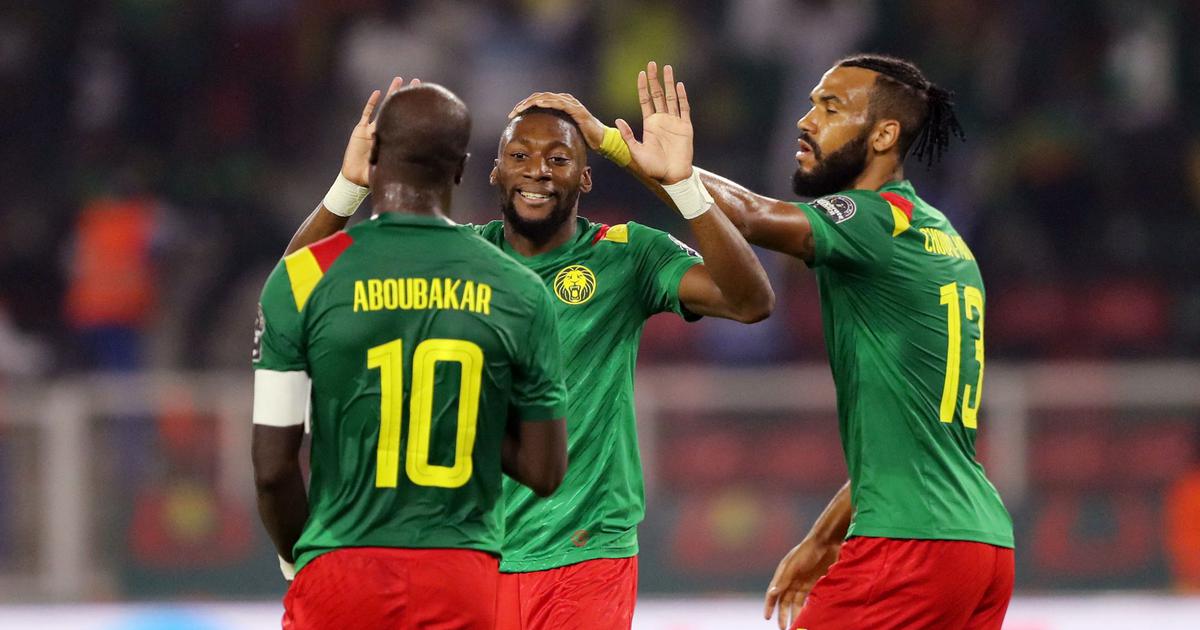
In 1990, Cameroon reached the quarterfinals before being defeated 3-2 by England. That sentence does not begin to capture what happened. Cameroon beat Argentina in the opening game. The defending world champions. They were not supposed to be there. They were not supposed to win. They won 1-0.
Roger Milla, at 38 years old, emerged as one of the tournament’s major stars. He scored four goals in Italy, celebrating each one with a dance around the corner flag that has become a popular goal celebration ever since. Two of his goals came against Romania in Cameroon’s second game, and two more came in extra time against Colombia in the last 16 to carry Cameroon to the quarterfinals, the furthest an African team had ever advanced at the World Cup.
In the quarterfinal match against England, Milla confirmed his super-sub legend, entering in the second half with Cameroon trailing 1-0 and setting up a brilliant goal as well as drawing a penalty shot to give Cameroon the lead before eventually losing. England won 3-2 in extra time. Cameroon were out. But African football had arrived on the world stage, and nothing about how the tournament was viewed would ever be quite the same again.
Senegal 2002: Eliminating the Champions
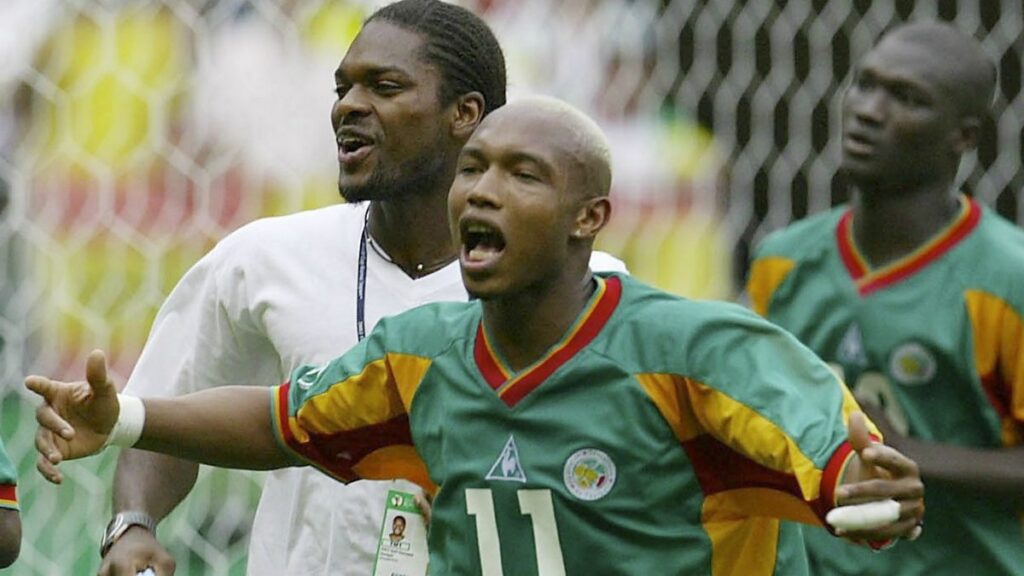
Senegal was making its World Cup debut at the 2002 tournament. It was the only debutant to advance from the group stages and make it to the quarterfinals. Along the way, they produced one of the tournament’s most stunning results. They beat defending champions France 1-0 in the opening game through Papa Bouba Diop. The world noticed.
Senegal beat Sweden in the round of 16 through a golden goal from Henri Camara. A second-half substitute, Ilhan Mansiz, became a hero for the Turks when he scored the golden goal in the 94th minute of extra time to end Senegal’s campaign in the quarterfinals. They left the tournament as only the second African nation in history to reach the last eight. Bruno Metsu built a side that had tactical discipline and collective spirit in equal measure.
Individual quality functioned within a system. That distinction, between nations that rely on individuals and nations that build systems, would define African World Cup performances for the next two decades.
Ghana 2010: The Closest Africa Has Come
The 2010 World Cup was held on African soil for the first time. South Africa hosted it. The entire continent felt ownership of every match. And Ghana came within seconds of delivering a result that would have made history. In the quarterfinal against Uruguay, with the score level in the final minute of extra time, Dominic Adiyiah’s header was handled on the goal line. Luis Suarez was shown a red card. Asamoah Gyan stepped up for the penalty that would have sent Ghana to a World Cup semifinal. He struck the crossbar. Ghana lost on penalties.
That moment is one of the most debated in World Cup history. A deliberate act of handball denied an entire continent its most anticipated sporting moment. Ghana’s players were devastated. Their supporters across Africa were devastated. The result stood. The pain did not leave quickly.
Morocco 2022: Rewriting the Limits
Morocco became the first African and first Arab nation to reach the semifinals of the 2022 World Cup following a 1-0 victory over Portugal. That sentence alone rewrote what African football was believed capable of at the tournament’s highest level. But the journey to it was equally extraordinary.
Walid Regragui had a plan and his players followed it to perfection. Thanks to their defensive prowess, they managed to hold off Spain’s offense over 90 minutes and 30 minutes extra time. Morocco conceded just one own goal in five matches before the semifinal. They beat Belgium in the group stage. They beat Spain on penalties in the round of 16. They beat Portugal in the quarterfinal. Morocco lost 2-0 to France in the semifinal. They then lost 2-1 to Croatia in the third-place match, finishing fourth overall.
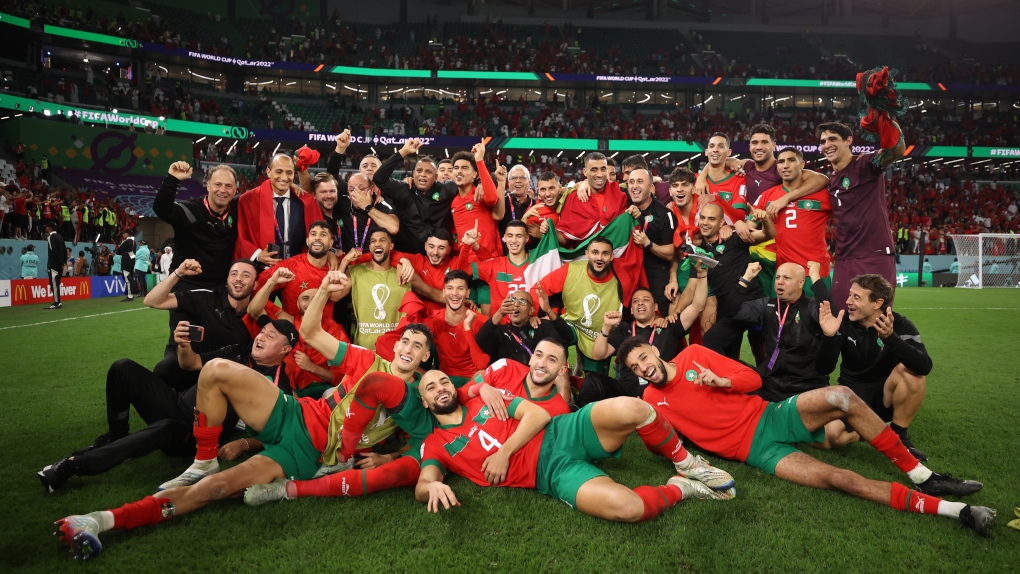
Fourth place. The best finish ever by an African team at the World Cup. The performance proved that African football could compete with the very best not just through individual brilliance but through tactical organisation, defensive cohesion, and a shared belief that sustained a squad across seven weeks of the most intense competition on earth.
The Pattern Across African World Cup Campaigns
Look at Cameroon in 1990, Senegal in 2002, and Morocco in 2022 together, and the blueprint for successful African World Cup campaigns becomes clear. Each of those squads was built around defensive structure first. Each had a manager who unified the group around a collective identity rather than building around one or two stars. Each produced performances that exceeded the expectations placed on them by drawing on organisation rather than relying solely on talent.
The campaigns that underperformed despite superior individual quality consistently lacked that structural foundation. Talent without system has repeatedly fallen short at this level. It is not a problem unique to African football. But it is one that the continent’s most successful World Cup sides have solved most decisively.
The Structural Challenges African Teams Still Face
The best performances by African teams at the World Cup have come despite significant structural disadvantages, not because of an equal playing field. Qualification demands are intense across a large confederation. Fixture congestion creates physical challenges for players who are also performing at the highest club level in Europe across a long domestic season. Investment gaps between confederations remain real. .
Player availability conflicts between clubs and national teams continue to disrupt preparation. These are not excuses. They are context. They make the performances above more remarkable, not less.
2026 and the Case for Africa’s Next Chapter
The 2026 World Cup format involves 48 teams competing for the title. Africa will receive nine guaranteed qualification spots, up from five. More African nations will reach the knockout rounds than ever before. Morocco carry the momentum and tactical foundation of their 2022 run. Senegal possess the squad depth and individual quality to threaten any opponent. The stage is being set for African teams at the World Cup to build on what Morocco began in Qatar. The ceiling, it turns out, was never fixed. It was only waiting for the right team to break it.



No Comments