

The last time a nation lifted the World Cup trophy and returned four years later to do it again, Elvis Presley was still making records, the Berlin Wall hadn’t been built yet, and the tournament itself flickered on television sets the size of a microwave. That was 1962. Brazil had won in Sweden in 1958, returned to Chile, and did the unthinkable again — a feat so remarkable that no team in the six decades since has come within touching distance of repeating it.
Table of Contents
Now, Argentina are going to try.
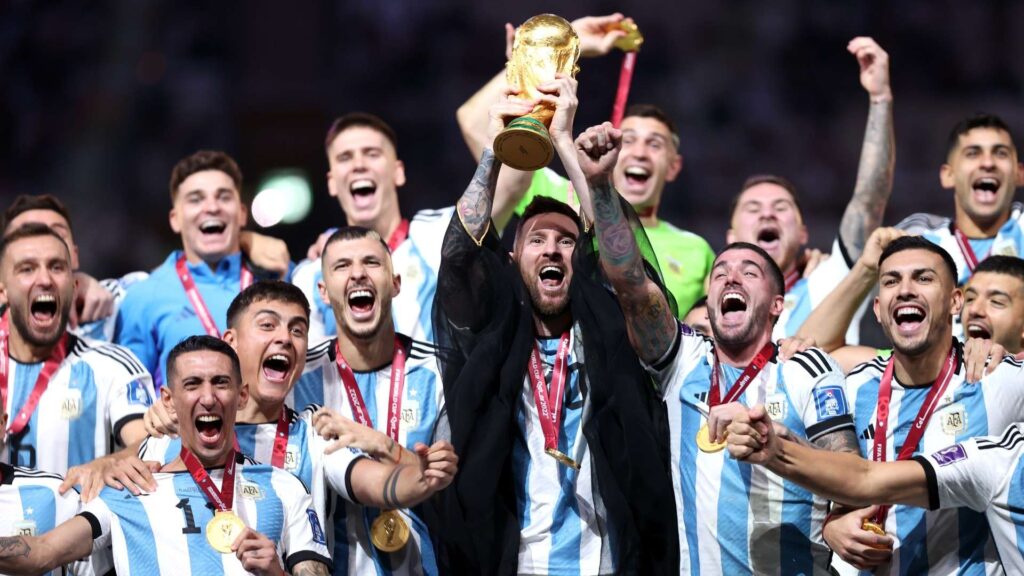
They arrive at the Argentina 2026 World Cup campaign carrying a weight of expectation that would buckle most squads. They are the reigning world champions. They are the back-to-back Copa América holders. And under the quietly brilliant Lionel Scaloni, they have built something that looks less like a team riding a hot streak and more like a machine engineered specifically for tournament football. The numbers back it up: a dominant CONMEBOL qualifying campaign, a tactical masterclass that dismantled Brazil 4-1, and a squad whose ceiling may actually be higher now than when they lifted the trophy in Lusail in 2022.
The Messi Question: Savior, Super-Sub, or Sideshow?
No preview of Argentina at the 2026 World Cup is complete without confronting the Lionel Messi question head-on. At 38, the greatest player the sport has ever produced is approaching this tournament like a man who knows exactly what he is trying to accomplish. His participation is widely expected but not yet officially confirmed, and his role — should he feature — will look considerably different from Qatar.
Playing for Inter Miami in MLS, Messi has adopted what can only be described as a “day-by-day” approach to managing his physical condition, prioritizing longevity over minutes. Scaloni has responded intelligently, transitioning the team’s tactical identity away from Messi as the primary engine and toward a system where he functions as a late-game impact substitute or a deep-lying playmaker who controls tempo rather than creates it from scratch.
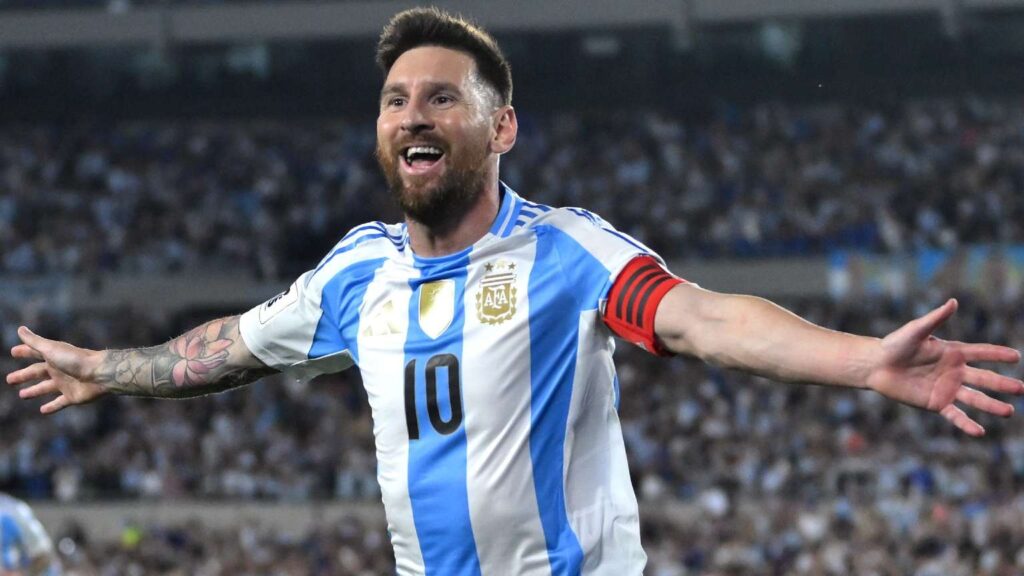
The clearest evidence that this transition is working? Argentina’s staggering 4-1 demolition of Brazil. Messi barely featured in that performance as the fulcrum — yet the result was emphatic. Argentina have learned, perhaps more powerfully than any other nation at this tournament, how to carry their greatest player while being capable of winning without him.
The Spine That Won It All — and Got Better
The tactical foundation of the 2022 Qatar triumph remains largely intact, and several of its key components have since reached the peak of their powers. Emiliano “Dibu” Martínez remains one of the most psychologically formidable goalkeepers in international football. Cristian Romero, now a seasoned veteran of high-pressure club football at Tottenham, has matured into one of the finest centre-backs in Europe. In midfield, the axis of Enzo Fernández and Alexis Mac Allister gives Scaloni a blend of energy, technical precision, and relentless pressing intensity that few nations can match.
Up front, the so-called “Double 9” dilemma persists — though it is the kind of dilemma most coaches would kill for. Lautaro Martínez at Inter Milan and Julián Álvarez at Atlético Madrid are both operating at the peak of their powers, scoring regularly in the Champions League and competing for golden boots in their respective leagues. The question of which one leads the line in the tournament’s biggest moments is one of the few genuinely unresolved selection puzzles Scaloni faces.
The departure of Ángel Di María from international football was expected to leave a gap that could not easily be filled — the wide threat, the big-game deliveries, the unstoppable crosses that created so many decisive moments in Qatar. Scaloni has addressed this not by finding a single replacement but by reconfiguring the system entirely, using overlapping fullbacks like Nahuel Molina and versatile wide midfielders to create width through collective movement rather than individual brilliance.
The New Generation: Three Names to Watch
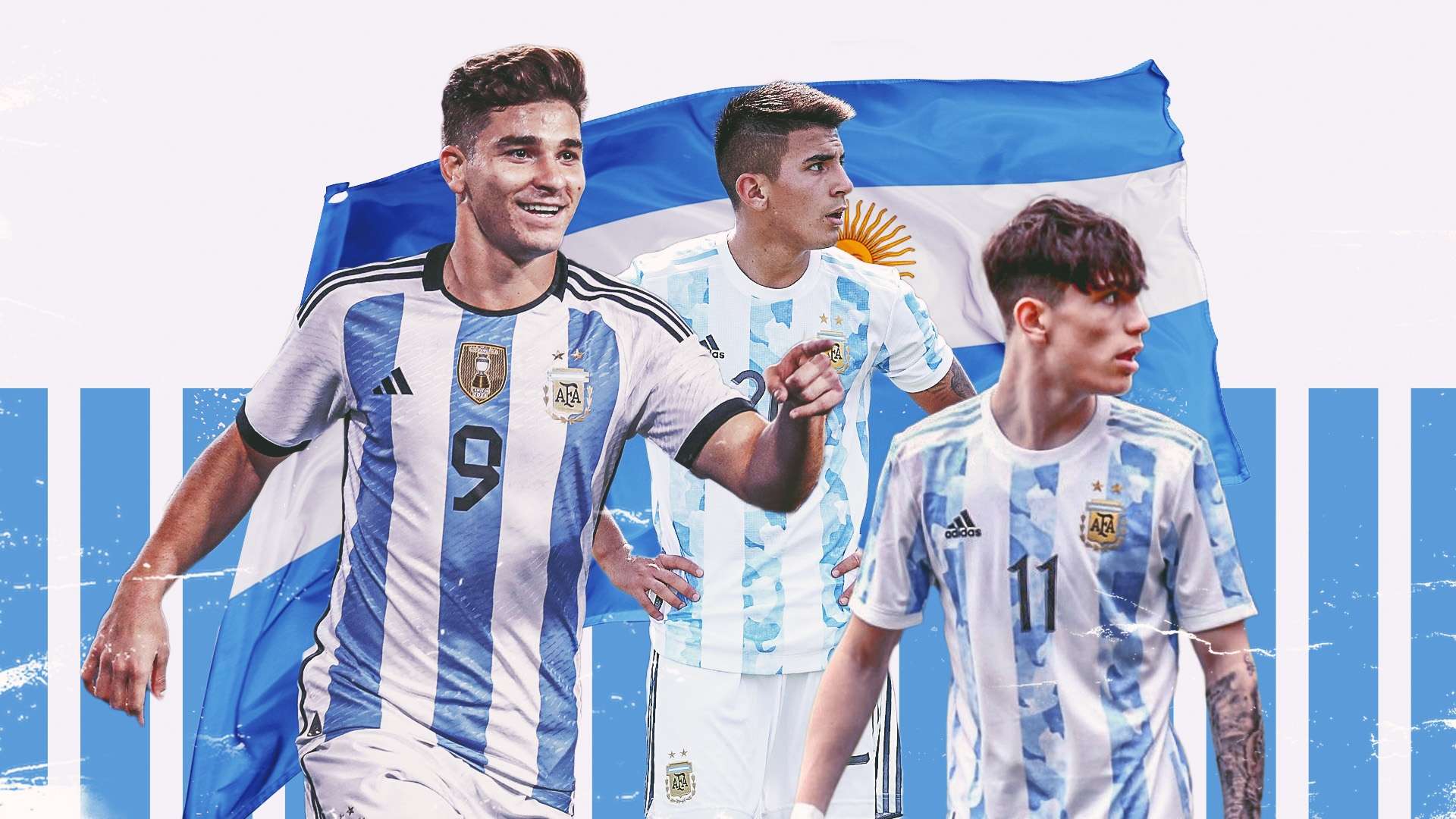
One of the most compelling aspects of Argentina’s 2026 World Cup preparations is the emergence of young talent that was nowhere near the picture in Qatar. Three names stand above the rest.
Franco Mastantuono, already embedded in Real Madrid’s setup at just 17, is the kind of creative prodigy that comes along once a generation. Technical, fearless, and capable of unlocking defenses in tight spaces, he has drawn comparisons to a young Messi — though Scaloni has been careful to manage expectations and integrate him gradually.
Nicolás Paz has had a breakout season at Como in Serie A, providing the midfield creativity and progressive passing range that gives Argentina an additional dimension in central areas. He is the kind of player who makes the team better without necessarily appearing on the scoresheet, and Scaloni values that immensely.
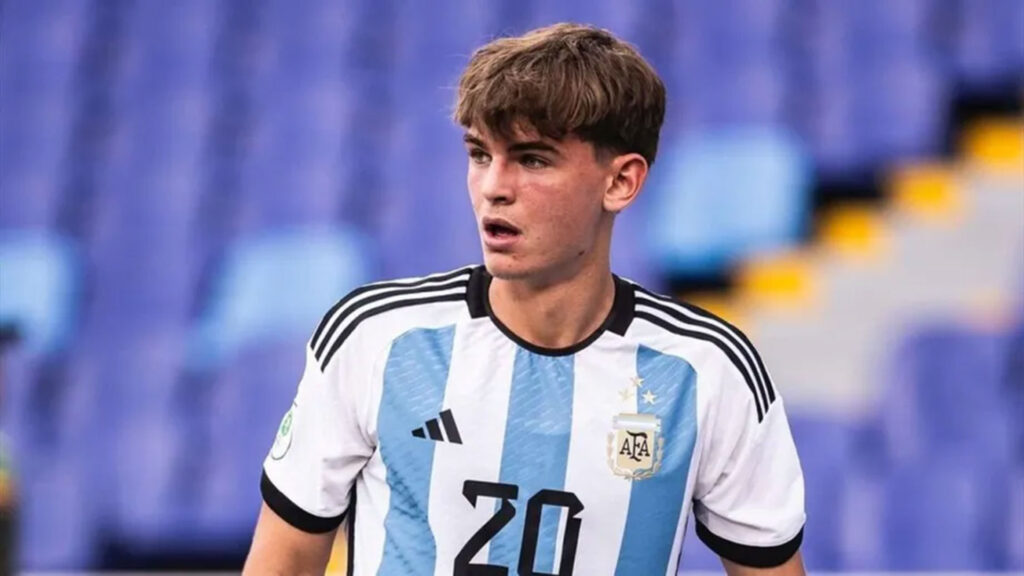
Valentín Barco adds something different again — a left-sided option who can play as a fullback or a winger, offering genuine tactical flexibility in a position where Argentina have historically been short of options since the peak years of Marcos Rojo and Marcos Acuña. His ability to bomb forward and deliver from wide areas gives Scaloni a card he didn’t have in 2022.
The Threats: Three Reasons Argentina Could Fall Short
Balanced analysis demands acknowledging the challenges, and Argentina face three significant ones.
The first is the aging defensive leadership. While Romero is in his prime, Nicolás Otamendi — the defensive leader who commanded the backline with such authority in Qatar — is approaching the end of his international career. Against the explosive transitional pace of France, England, or Spain, the question of whether Argentina’s defensive structure can handle top-tier counter-attacks will be a recurring concern.
The second is the “target team” effect. As defending champions, every opponent treats a match against Argentina like a final. This creates a relentless physical and psychological tax that accumulates across a seven-game tournament. The best teams manage it. The question is whether even the best teams can manage it in an expanded format.
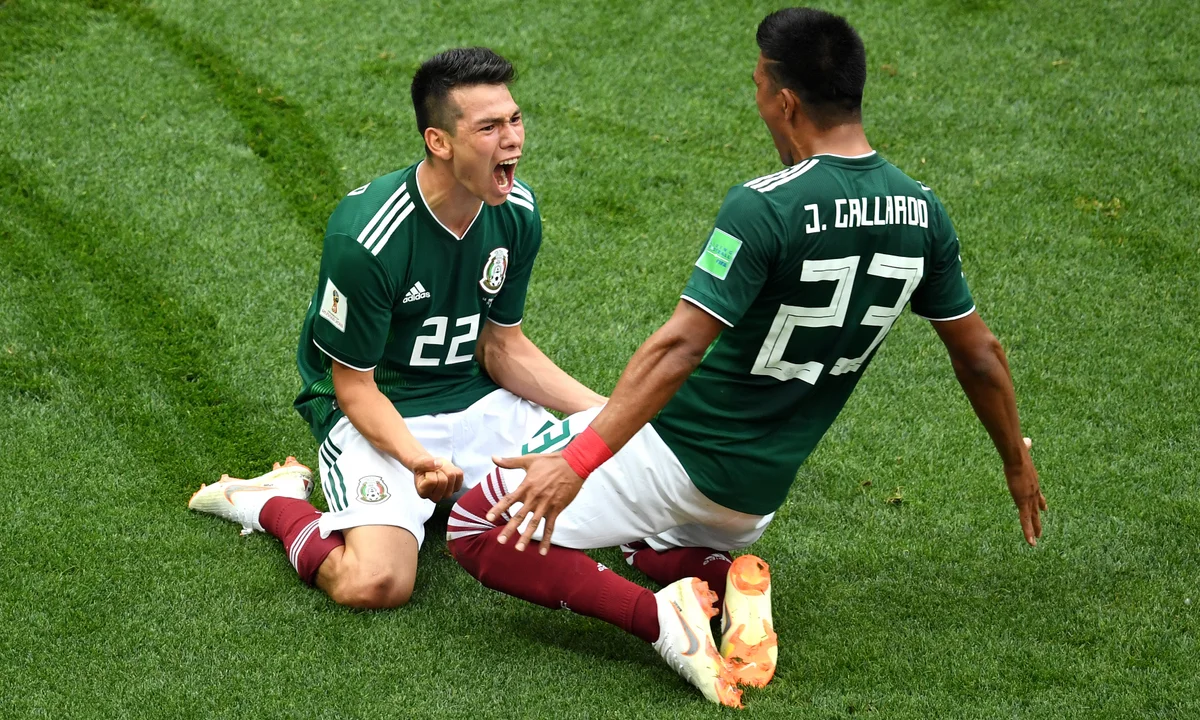
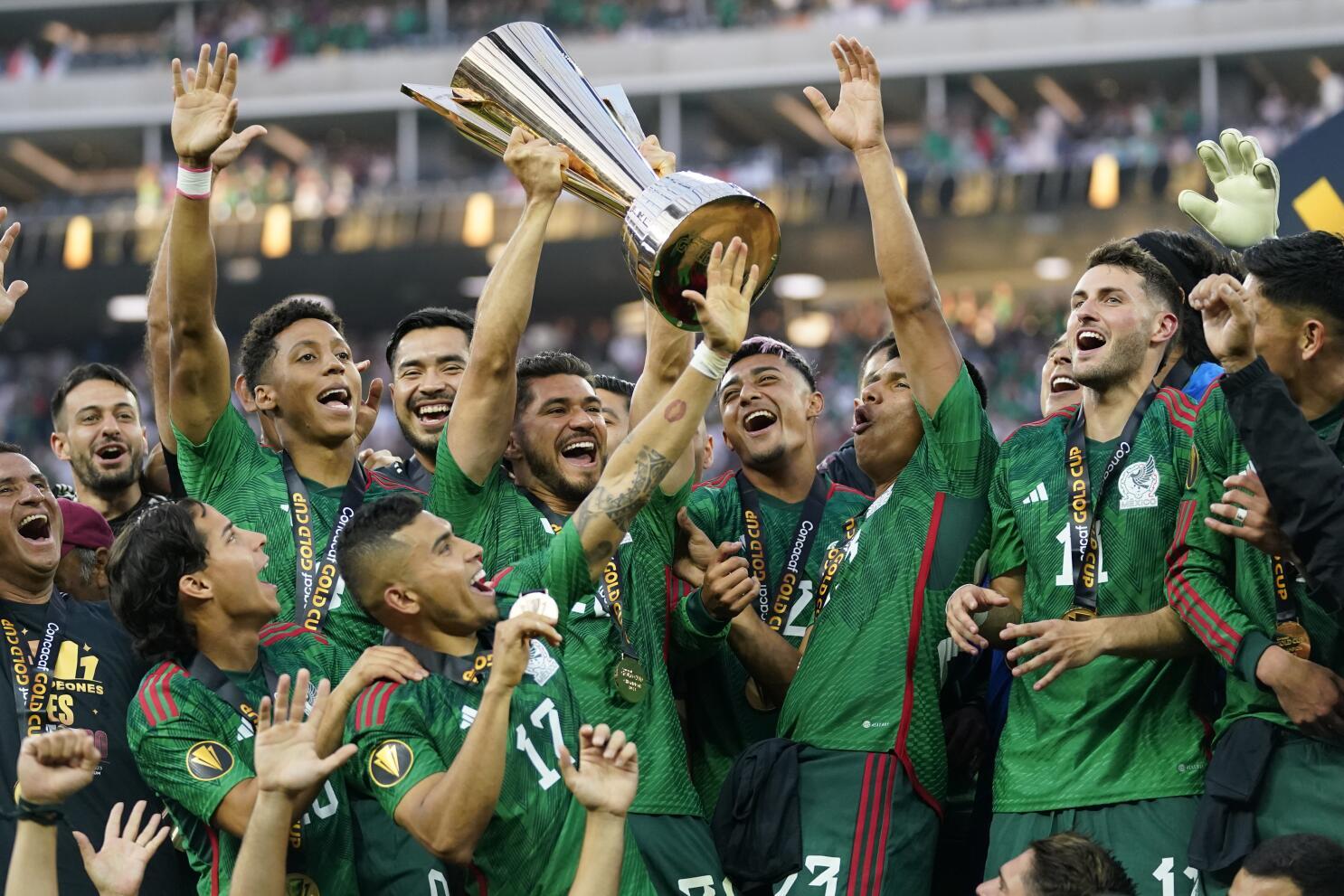
Which brings us to the third challenge: the 48-team format itself. The 2026 World Cup is the first to feature this expanded structure, which includes an additional knockout round (the Round of 32). That’s an extra game, extra physical load, and an extra opportunity for a “trap match” against a lower-ranked opponent playing with nothing to lose. Mexico’s tortured history with exactly this kind of high-stakes knockout pressure is a reminder of how unforgiving tournament football can be, even for elite nations.
The Competition: Who Stands in Their Way?
Argentina enter as neither the clear frontrunner nor an underdog. Betting markets currently place them at approximately +750, trailing Spain (+450), England (+500), and France (+600). On paper, that makes them fourth favorites — but the gap between those numbers and the actual quality of the squad is smaller than it looks.
Spain represent the most credible threat. Their youth movement, built around technically gifted players who have come of age in one of the most demanding footballing environments on the planet, gives them the highest ceiling in the tournament. France, with the individual quality of Kylian Mbappé and a squad depth that borders on unfair, are never more than one inspired performance away from looking like the best team in the world. England, perennially underestimated and overestimated in equal measure, arrive at a co-hosted North American tournament with genuine belief.
None of these teams, however, arrive with Argentina’s combination of recent tournament experience, tactical cohesion, and psychological resilience. Winning ugly, absorbing pressure, and finding a way when nothing is working — these are the hallmarks of a Scaloni-era Argentina side that has been tested at the highest level and passed every time.
It is also worth noting that the history of the World Cup is full of nations who showed up at the tournament as hosts or co-hosts hoping to seize a moment, only to find that the weight of expectation is its own unique obstacle. Argentina, by contrast, carry the expectation of champions — a very different kind of pressure, and one they have learned to channel.
Verdict: The Most Tournament-Ready Team in the World?
Italy did it in 1938. Brazil did it in 1962. The Argentina 2026 World Cup campaign represents the most credible attempt to join that list since Pelé’s Brazil walked off the pitch in Santiago as back-to-back champions 64 years ago.
They are not the outright favourite — that distinction belongs to Spain. But Argentina are arguably the most tournament-ready team in the competition. Their tactical flexibility under Scaloni allows them to play multiple systems within a single match. Their veterans know what it takes to win the biggest games on the biggest stages. And their emerging generation — Mastantuono, Paz, Barco — adds a dimension that opposing coaches have no historical data to prepare for.
The threats are real. The competition is fierce. The expanded format introduces variables that no defending champion has ever had to navigate. But if the history of Scaloni’s Argentina has taught us anything, it is that this team tends to find a way — not through brute force or individual magic, but through collective intelligence, relentless organization, and the quiet confidence of a group that genuinely believes it is destined for something historic.
A fourth star. History made. Argentina believe 2026 is their moment — and right now, it is very hard to argue with them.



No Comments