
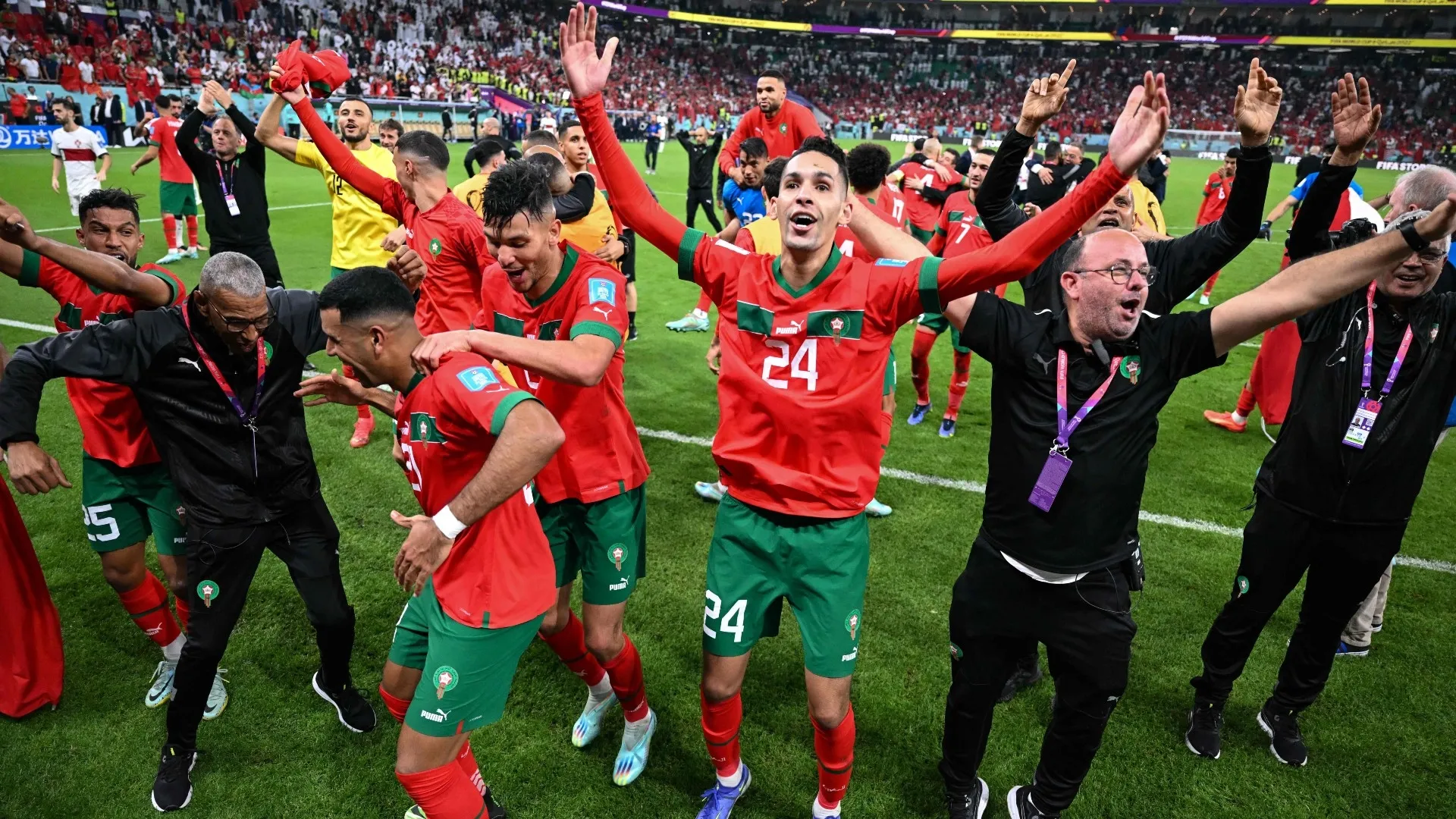

African football is in the middle of one of its most fascinating and competitive eras. As the FIFA World Cup 2026 approaches across Canada, Mexico, and the United States, the Classement FIFA Africa 2026 paints a vivid picture of where the continent stands, who is rising, who is under pressure, and which nations are quietly building something special. This is not just a list of numbers. It is a story of tactical evolution, generational transitions, and the shifting balance of power across a continent of 54 football nations.
Table of Contents
- Official Classement FIFA Africa: April 2026
- 1. Morocco: The Only African Nation in the Global Top 10
- 2. Senegal: The Primary Challenger to Morocco’s Throne
- 3. Nigeria: High Ranking, Absent from the World Cup
- 4. Algeria and Egypt: North Africa’s Closest Battle
- 5. Côte d’Ivoire: The Biggest Movers in the Upper Tier
- 6. Tunisia and Cameroon: The Old Guard Under Pressure
- 7. DR Congo: African Football’s Feel-Good Story of 2026
- 8. Mali: The Quiet Development Model
- Three Trends Reshaping the Classement FIFA Africa in 2026
Here is the complete breakdown of the Classement FIFA Africa 2026 top 10, followed by the deeper trends every football fan needs to understand.
Official Classement FIFA Africa: April 2026
This represents the final official FIFA update before the 2026 World Cup kicks off in North America, making it the most significant ranking snapshot of the entire cycle.
| Africa Rank | Country | Global Rank | Total Points | Movement |
|---|---|---|---|---|
| 1 | Morocco | 8th | 1755.87 | Stable |
| 2 | Senegal | 14th | 1688.99 | Down 2 |
| 3 | Nigeria | 26th | 1585.09 | Stable |
| 4 | Algeria | 28th | 1564.26 | Up 1 |
| 5 | Egypt | 29th | 1563.24 | Up 2 |
| 6 | Côte d’Ivoire | 34th | 1532.98 | Up 3 |
| 7 | Tunisia | 44th | 1483.05 | Up 3 |
| 8 | Cameroon | 45th | 1481.24 | Down 1 |
| 9 | DR Congo | 46th | 1478.35 | Up 2 |
| 10 | Mali | 52nd | 1459.13 | Up 2 |
1. Morocco: The Only African Nation in the Global Top 10
Morocco sits at 8th in the world, a position that would have seemed extraordinary just a decade ago and now feels entirely deserved. At the very top of the Classement FIFA Africa 2026, the Atlas Lions are the undisputed standard-bearers of African football, and their dominance is not built on a single tournament result but on a sustained infrastructure that has been developing since their historic 2022 World Cup semi-final run in Qatar.
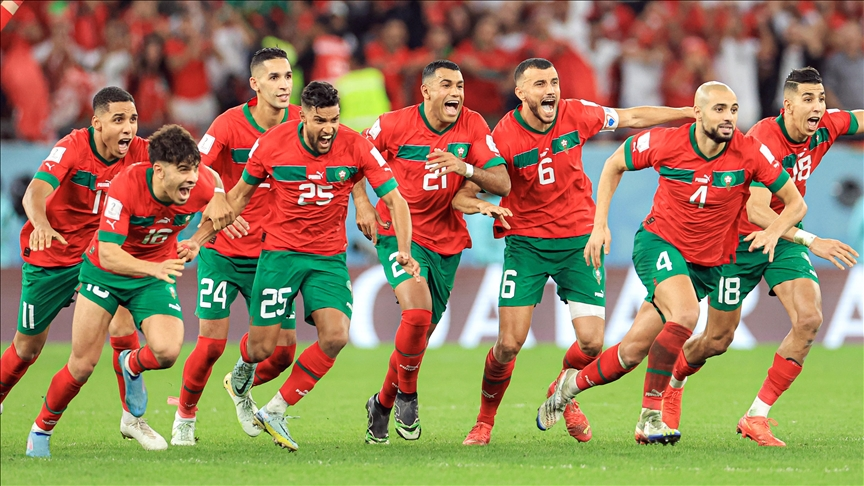
A clinical 2-1 victory over Paraguay in March 2026 further reinforced their points cushion at the summit. If Morocco delivers a strong performance at the World Cup this summer, they could realistically break into the global top five by the end of the year, a feat no African nation has ever achieved.
2. Senegal: The Primary Challenger to Morocco’s Throne
Despite slipping two places globally, Senegal remains comfortably in the elite tier of world football at 14th overall. The Lions of Teranga are the most credible threat to Morocco’s continental dominance in the Classement FIFA Africa 2026, and their squad depth is arguably their greatest strength. A blend of experienced leaders and emerging talent coming through the academies in Dakar gives Senegal the kind of generational continuity that sustains top-level performance across multiple tournament cycles.
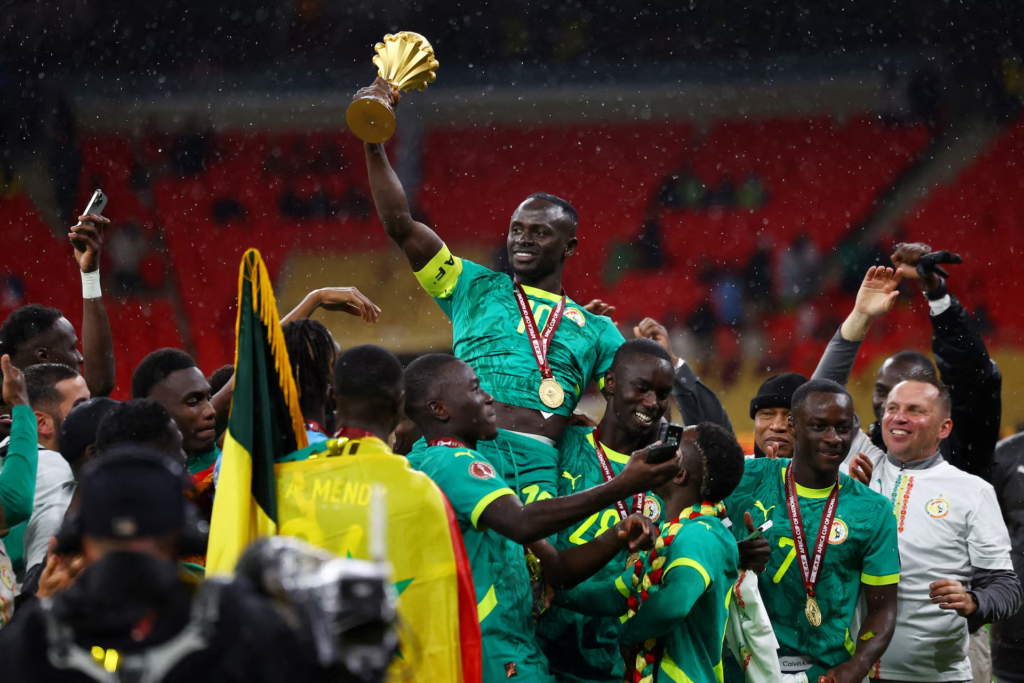
The slight dip in the rankings should not be misread as decline. Senegal remains a genuine World Cup contender and one of the most complete squads on the African continent heading into the summer.
3. Nigeria: High Ranking, Absent from the World Cup
Nigeria’s position in the Classement FIFA Africa 2026 is one of the most thought-provoking entries on the entire list. The Super Eagles sit third in Africa and 26th globally, yet they will not be at the 2026 World Cup. That contradiction tells you a great deal about both the strengths and the limitations of the FIFA ranking system.
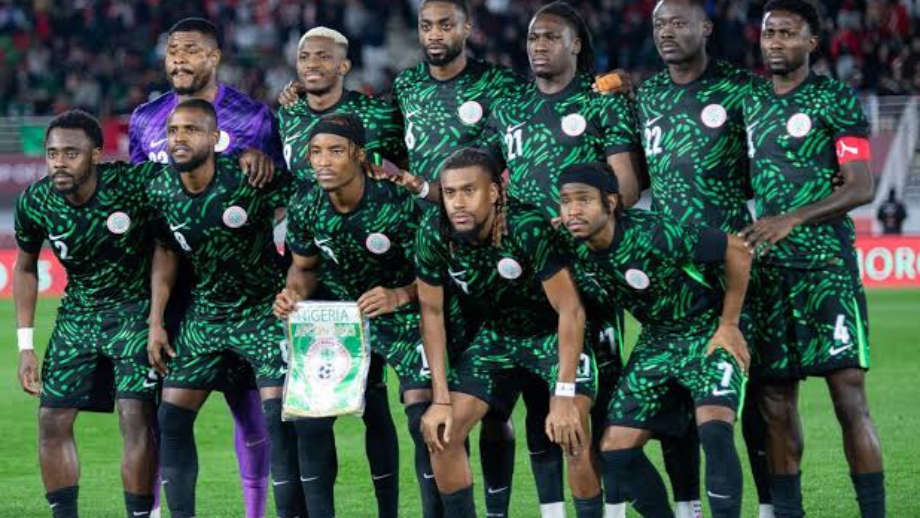
Nigeria’s high points total reflects consistent high-scoring performances in continental qualifiers and a bronze medal finish at the 2025 AFCON. But ranking points and competitive relevance are not always the same thing. Their failure to win the specific high-leverage qualification matches that mattered most means they remain a powerful footballing nation watching the tournament from home. Expect their ranking to face significant pressure in the post-World Cup period as nations who compete in North America accumulate weighted points from tournament wins.
4. Algeria and Egypt: North Africa’s Closest Battle
The gap between Algeria at 28th globally and Egypt at 29th is a mere 1.02 points, making this the tightest contest anywhere in the Classement FIFA Africa 2026. Both nations have undergone significant tactical and generational shifts heading into this World Cup cycle.
Algeria has successfully integrated a younger generation of dual-national talents, bringing fresh energy and European club experience into a squad that had previously relied heavily on an older core. Egypt meanwhile has shifted toward a more defensively balanced tactical setup, making them exceptionally difficult to break down in high-stakes matches. Both nations are heading to the 2026 World Cup, and both carry genuine potential to cause upsets in North America.
5. Côte d’Ivoire: The Biggest Movers in the Upper Tier
Côte d’Ivoire are the standout movers in the top half of the Classement FIFA Africa 2026, climbing three places to sit 34th globally. The Elephants are riding the momentum of their emotionally charged 2023 AFCON victory on home soil, and their squad has reached a level of maturity that makes them dangerous in any competition.
With the majority of their starting eleven playing across Europe’s top five leagues, Côte d’Ivoire bring a level of technical quality and tactical awareness that was not always present in previous generations. They are hitting their peak at exactly the right moment, which makes them one of the more compelling African sides to watch at the 2026 World Cup.
6. Tunisia and Cameroon: The Old Guard Under Pressure
Tunisia and Cameroon represent two of African football’s most established presences, and both find themselves at an interesting crossroads in the Classement FIFA Africa 2026. Tunisia have climbed to 44th globally on the back of disciplined defensive performances, demonstrating that tactical organization can compensate for a lack of individual star power at the international level.
Cameroon at 45th tell a slightly different story. Inconsistent results in friendly matches against non-African opposition have cost them ground, and there are genuine questions about whether the technical setup surrounding the squad is modern enough to compete with the continent’s more progressive nations. If both Tunisia and Cameroon do not modernize their approaches, rising forces like South Africa’s Bafana Bafana, currently knocking on the door at 60th globally, could push them out of the Classement FIFA Africa top ten entirely within the next two years.
7. DR Congo: African Football’s Feel-Good Story of 2026
If there is one entry in the Classement FIFA Africa 2026 that deserves to be celebrated above all others, it is DR Congo at 46th globally. By qualifying for the World Cup for the first time since 1974, when they competed as Zaire, DR Congo have completed one of the most remarkable returns to the global stage in African football history.
Their intercontinental playoff victory over Jamaica provided a significant points boost that helped them break into the continental top ten, and the momentum generated by that achievement has transformed the atmosphere around Congolese football entirely. They arrive at the 2026 World Cup as genuine underdogs with nothing to lose and everything to prove, which historically tends to be a very dangerous combination.
8. Mali: The Quiet Development Model
Mali rounds out the Classement FIFA Africa 2026 top ten at 52nd globally, and their presence here speaks to something important about how African football is changing. The Malians do not have the headline names of a Nigeria or the historical prestige of a Cameroon, but they have built one of the most coherent youth-to-senior pipeline systems on the continent.
Their tactical cohesion is evident in how consistently they perform across different competition formats. Mali represent the development model done correctly: patient investment in scouting, structured academies, and a clear tactical identity that players absorb from a young age and carry seamlessly into the senior setup.
Three Trends Reshaping the Classement FIFA Africa in 2026
Looking beyond the individual positions, three structural patterns define where African football is heading:
North Africa’s tactical dominance is not accidental. Four of the top seven nations in the Classement FIFA Africa 2026 are North African. Morocco, Algeria, Egypt, and Tunisia have each mastered the disciplines that the ELO-based FIFA ranking system rewards most heavily: winning competitive qualifiers consistently and maintaining high clean-sheet ratios. While Sub-Saharan giants like Nigeria and Senegal often rely on individual brilliance and athletic transitions, North African sides have built systems around defensive solidity and tactical structure that accumulate points reliably over time.
The middle tier is becoming genuinely dangerous. The gap between seventh-placed Tunisia and nations outside the top ten like South Africa or Burkina Faso is shrinking at a rate that would have been unthinkable ten years ago. Mali and DR Congo have professionalized their scouting networks and coaching structures, creating a flatter competitive landscape where the real development stories are happening in the sixth to tenth bracket rather than at the very top.
Rankings and relevance are not always the same thing. Nigeria’s situation is the clearest illustration of this. Being third in the Classement FIFA Africa 2026 on paper while absent from the World Cup forces a genuine rethink of what these numbers actually mean. The FIFA ranking system measures accumulated performance across all competitive matches, but the moments that define a nation’s football generation demand a different kind of performance under pressure that points totals alone cannot capture.
The Classement FIFA Africa 2026 tells a story of a continent in genuine transition. Morocco leads with historic authority. Senegal, Algeria, and Egypt challenge with legitimate quality. And from DR Congo’s remarkable return to Côte d’Ivoire’s peak maturity, African football arrives at the 2026 World Cup with more compelling stories than ever before.




No Comments