
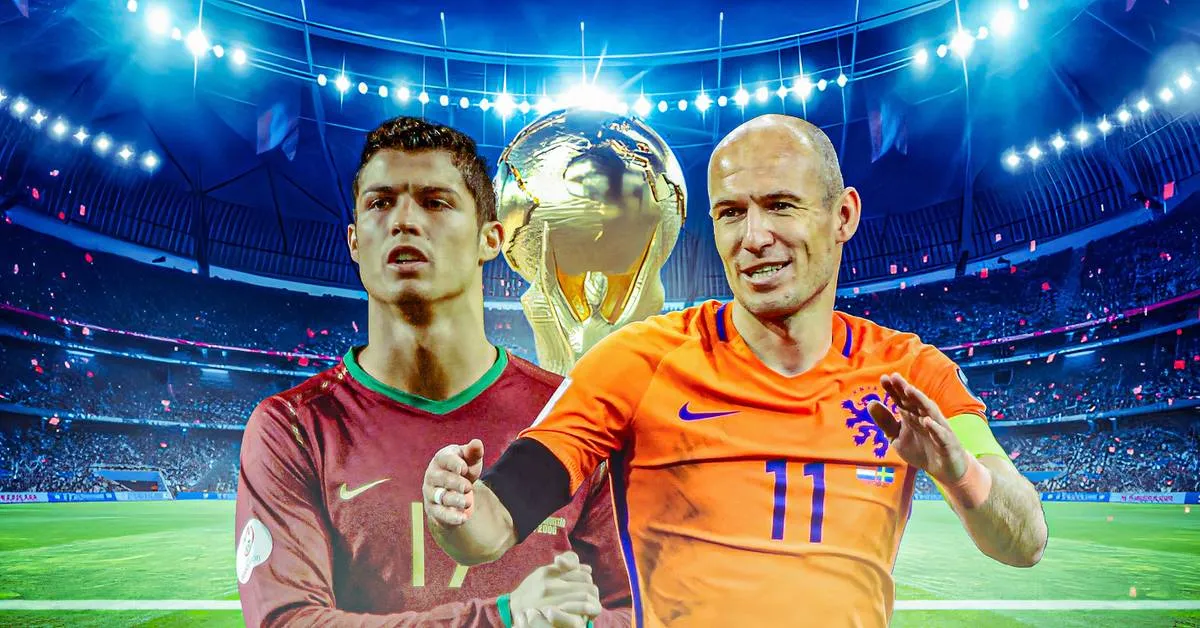

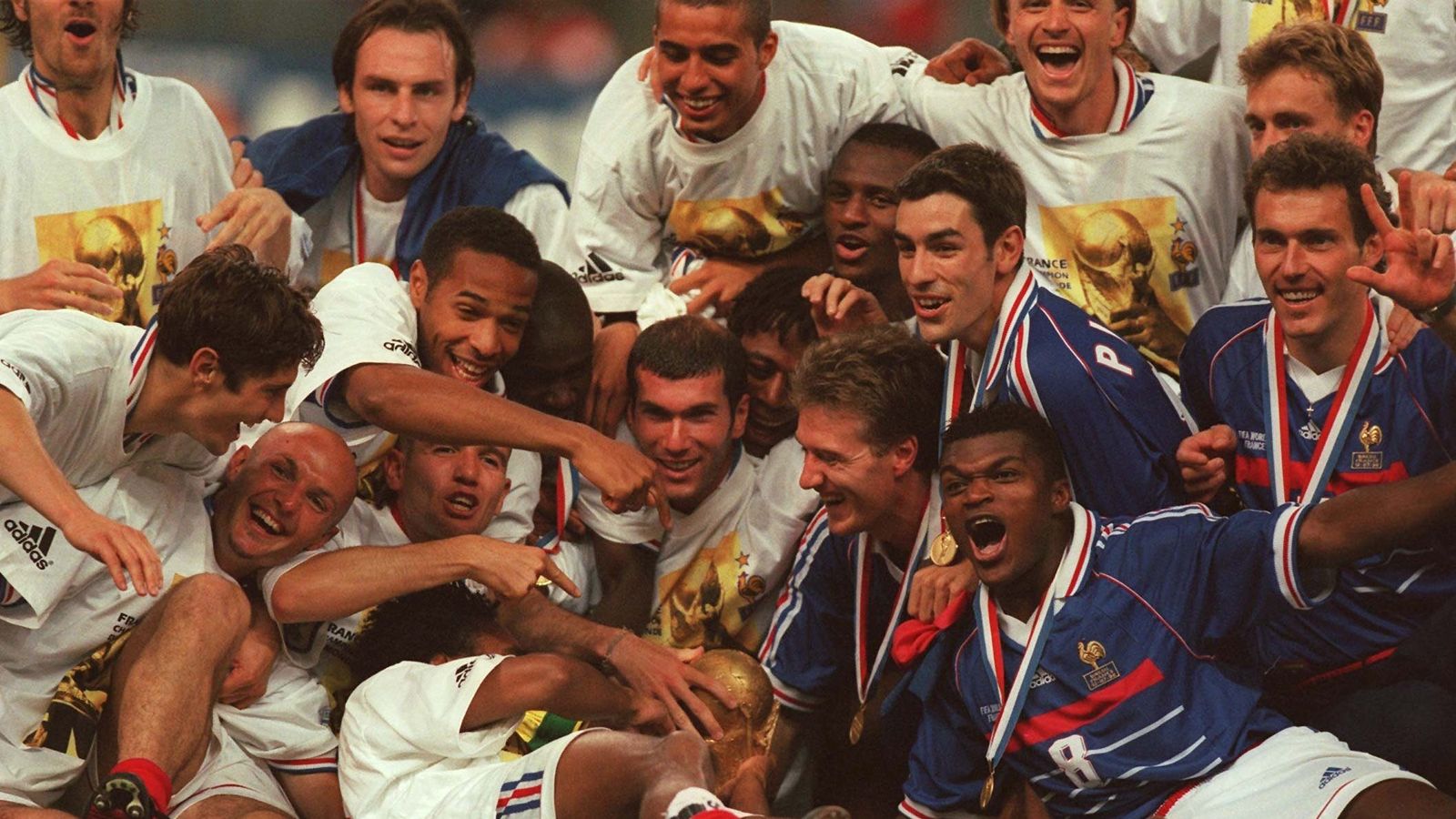
Ninety-four years of competition. Twenty-two editions of the greatest sporting event on earth. And in all that time, only eight nations have ever lifted the FIFA World Cup trophy. Brazil, Germany, Italy, Argentina, France, Uruguay, England, and Spain form the most exclusive club in sport, a list that has not changed since 2010. What makes that fact so striking is not who is on it. It is who is not.
Table of Contents
- The Eight Who Won — And the World Left Behind
- The Most Painful Story in World Cup History: The Netherlands
- Individual Brilliance Without the Collective: Portugal
- Africa and Asia’s Closest Challengers
- Why Winning the World Cup Demands More Than Talent
- The Nations Most Likely to Break Through
- The Trophy That No Amount of Talent Can Guarantee
Some of football’s most passionate, most talented, and most historically significant nations have played the game at the highest level for generations and have never once stood on that final podium. Their stories are not stories of failure. They are stories of the brutal, beautiful unpredictability that makes the World Cup unlike anything else in sport.
The Eight Who Won — And the World Left Behind
The eight World Cup-winning nations share certain characteristics: periods of tactical innovation, generational squads peaking at the right moment, and the fortune of tournament draws that aligned when it mattered most. Yet countries that have never won the FIFA World Cup include nations that have dominated continental football, produced some of the game’s most celebrated players, and reached the final stages of multiple tournaments without completing the journey.
The Netherlands have contested three finals and won none. Portugal reached the semifinals in four separate tournaments. Cameroon became the first African nation to reach a World Cup quarterfinal in 1990. South Korea finished fourth on home soil in 2002. The talent has existed. The victories in the final moment have not.
The Most Painful Story in World Cup History: The Netherlands
No nation carries the weight of World Cup near-misses quite like the Netherlands. Three finals, three defeats, spanning 36 years. In 1974, Johan Cruyff’s Total Football side produced some of the most breathtaking football the World Cup had ever seen, only to lose the final 2-1 to West Germany in Munich. In 1978, without Cruyff, who had withdrawn from the tournament for personal reasons, the Netherlands reached the final again, this time losing to hosts Argentina in extra time. Then came 2010 in Johannesburg, where a new generation built around Arjen Robben, Wesley Sneijder, and Robin van Persie made the final against Spain. Robben missed a one-on-one with Iker Casillas that would have made the score 1-0. Spain won 1-0 in extra time through Andres Iniesta.
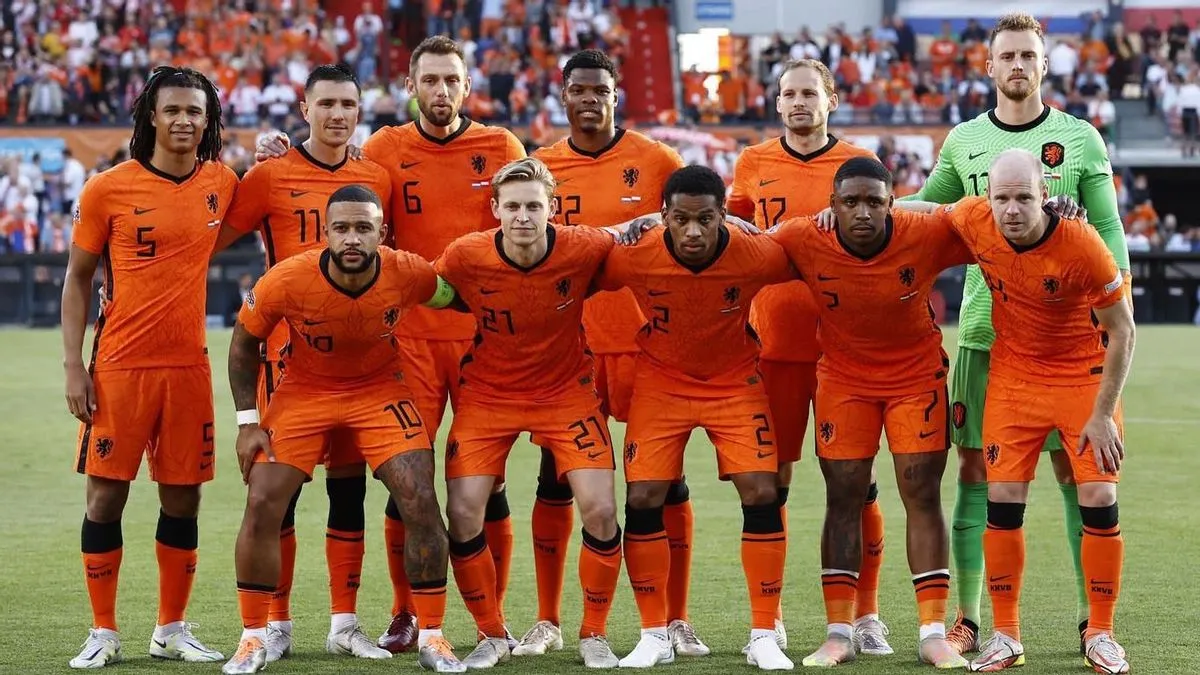
Three generations. Three different styles of football. Three defeats on the final day. The Netherlands are the defining example of a nation whose World Cup legacy is defined not by what they achieved but by what was so narrowly taken from them. Dutch football’s identity, its commitment to attacking, technical, expressive football, was forged in those tournaments and has shaped the global game permanently. The trophy, however, has never followed.
Individual Brilliance Without the Collective: Portugal
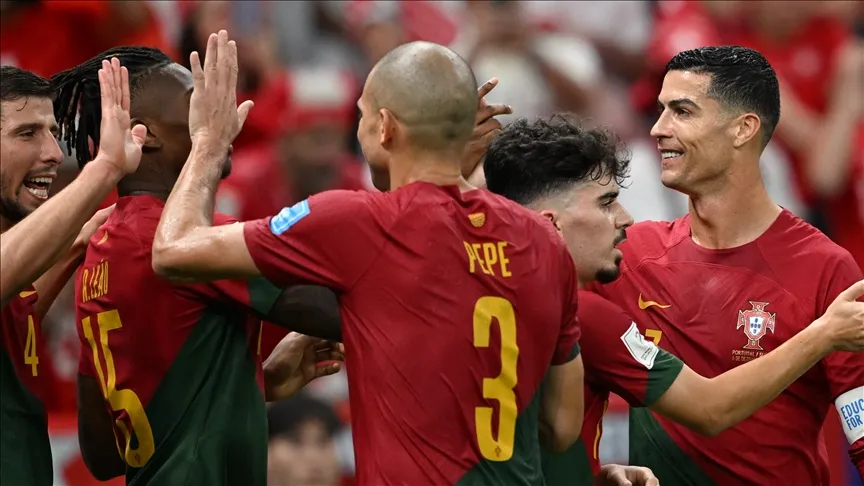
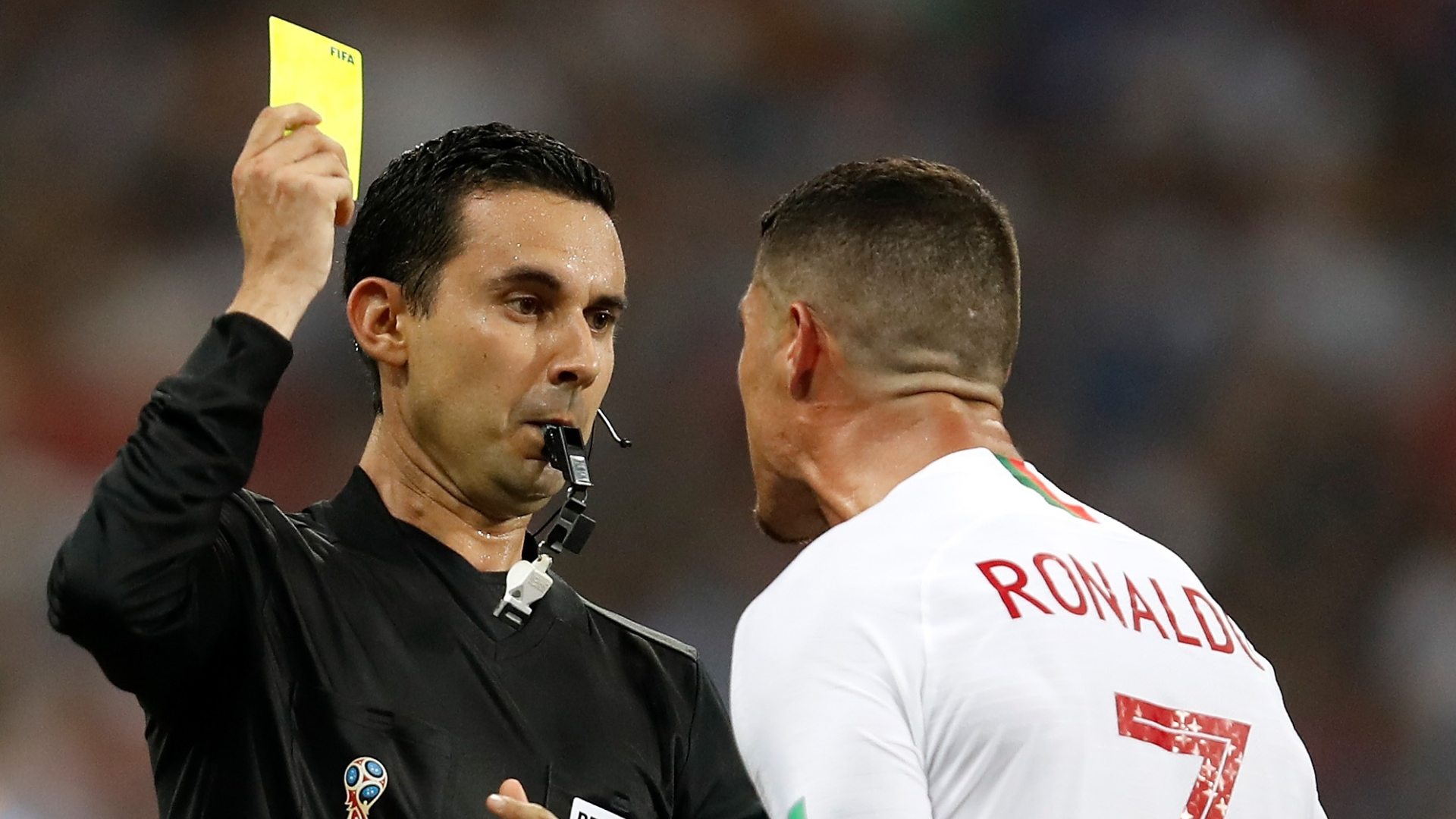
Portugal’s World Cup story is inseparable from the story of its great individuals. In 1966, Eusébio, one of the finest forwards of any generation, carried Portugal to a third-place finish at their first World Cup, finishing as the tournament’s top scorer with nine goals. Decades later, Cristiano Ronaldo, widely regarded as one of the two greatest players in football history, gave everything to deliver the World Cup to his nation and fell short each time. Portugal finished third again in 2022 in Qatar under Fernando Santos, Ronaldo’s likely final World Cup, and still the trophy remained out of reach.
What has historically defined and limited Portugal is the gap between individual quality and collective organisation. Ronaldo’s brilliance was never in question. What the team around him lacked, across different tournaments and different squads, was the structural cohesion and shared system that World Cup winners have consistently demonstrated. A single player, no matter how exceptional, cannot carry a team to the trophy alone. Portugal’s World Cup history is the most compelling proof of that reality.
Africa and Asia’s Closest Challengers
Beyond Europe’s nearly men, some of football’s most passionate footballing cultures from Africa and Asia have come closer to breaking through than the record books suggest. Cameroon’s Roger Milla-inspired run to the quarterfinals in 1990 in Italy was a watershed moment, the first time an African nation had progressed that far in the tournament. Senegal reached the quarterfinals in 2002, eliminating defending champions France along the way. Ghana came closest of all African nations to a semifinal in 2010, losing to Uruguay in a quarterfinal penalty shootout after Luis Suárez’s infamous handball on the goal line.
From Asia, South Korea’s run to the semifinals on home soil in 2002 remains the high-water mark for the continent, though it came amid considerable controversy around refereeing decisions. Japan has consistently qualified and performed creditably, reaching the round of 16 multiple times and causing genuine upsets against major nations. Morocco’s extraordinary run to the semifinals at the 2022 World Cup in Qatar, beating Spain and Portugal along the way, announced African football’s readiness to compete with the very best in a way that could not be dismissed or qualified.
The structural and financial investment gaps between confederations have historically stacked the odds against these nations. The performances have increasingly refused to reflect those disadvantages.
Why Winning the World Cup Demands More Than Talent
The list of countries that have never won the FIFA World Cup is not a list of nations that lacked quality. It is a list of nations that never had every required element aligned at the same moment. World Cup winners share a specific combination of characteristics that transcends individual brilliance: squad depth across every position, a settled tactical system that has been rehearsed across multiple qualifying campaigns, tournament experience in the squad’s key players, and a collective belief that sustains performance across seven matches in a month. Belgium’s golden generation, widely considered one of the most talented squads in the world between 2014 and 2022, never progressed beyond a semifinal despite containing world-class players at every position. The alignment of all factors simply never arrived in the same tournament.
There is also the psychological dimension that separates contenders from champions. The nations that have won the World Cup share a documented pattern of performing at their peak under the specific and unrepeatable pressure of a final. That is not a skill that can be taught in training. It is built through tournament experience, through near-misses, through the accumulated belief of a squad that has been tested and has responded. Many of the world’s great footballing nations are still building that belief. Some have been building it for generations.
The Nations Most Likely to Break Through
Looking toward the 2026 World Cup, hosted across the United States, Canada, and Mexico, several nations carry genuine expectations of finally ending their wait. The Netherlands, now managed by Ronald Koeman and building around a young, technically gifted squad, remain the most historically credentialed nation never to have won the tournament. Portugal, in a post-Ronaldo transition era, will be looking to develop the collective system their individual talent has long deserved. Morocco, riding the momentum of their 2022 semifinal run, represent African football’s most credible title contenders in the tournament’s history.
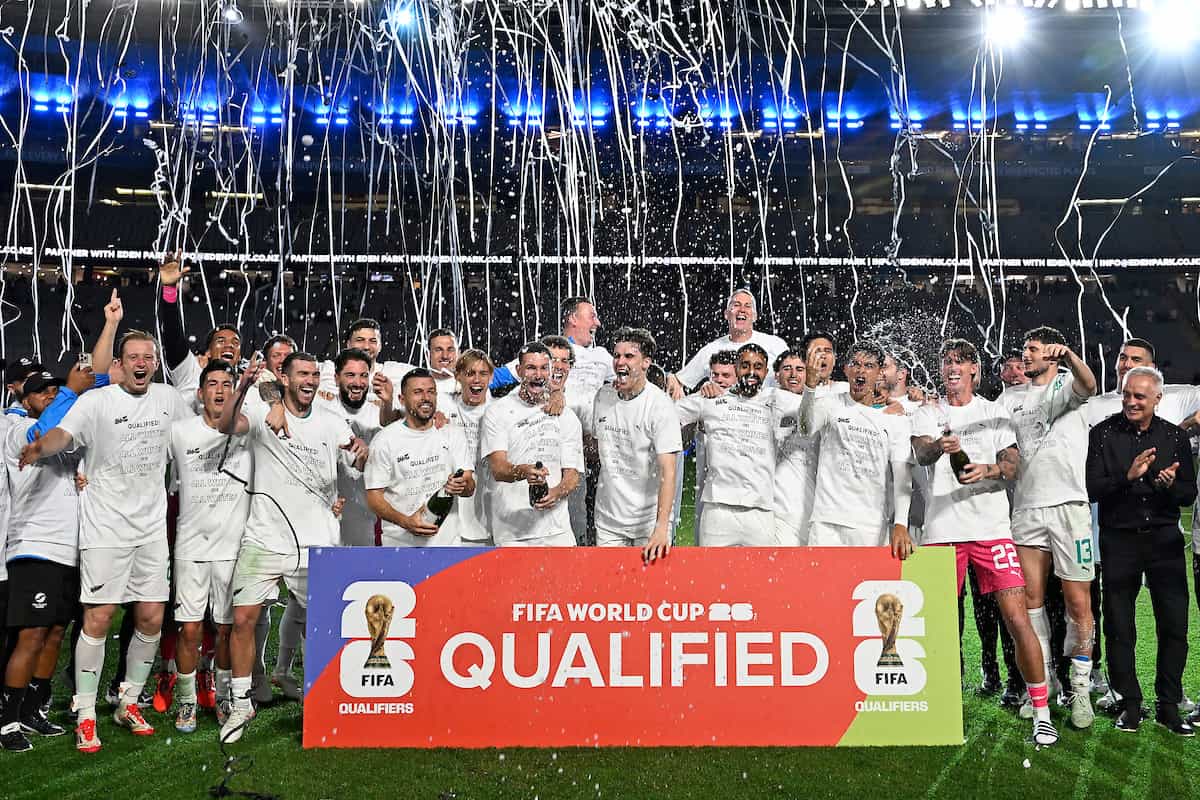
The expansion of the 2026 tournament to 48 teams increases the opportunities for nations from Africa, Asia, and North America to accumulate the knockout experience that has historically been their greatest deficit. Whether it creates a new World Cup winner or simply extends the dominance of the established eight remains the sport’s most compelling open question.
The Trophy That No Amount of Talent Can Guarantee
The FIFA World Cup remains the one prize in football that resists every attempt to claim it through logic, investment, or individual brilliance alone. The countries that have never won the FIFA World Cup are not defined by their absence from the winners’ list. They are defined by what their pursuit of it has produced: some of the most thrilling football in the tournament’s history, some of its most iconic players, and some of its most enduring stories.
The Netherlands’ Total Football, Eusébio’s nine goals in 1966, Morocco’s march through 2022, each of these belongs to the soul of the World Cup as permanently as any trophy ever could. The pursuit continues. And in that pursuit, the game finds much of its meaning.




No Comments