
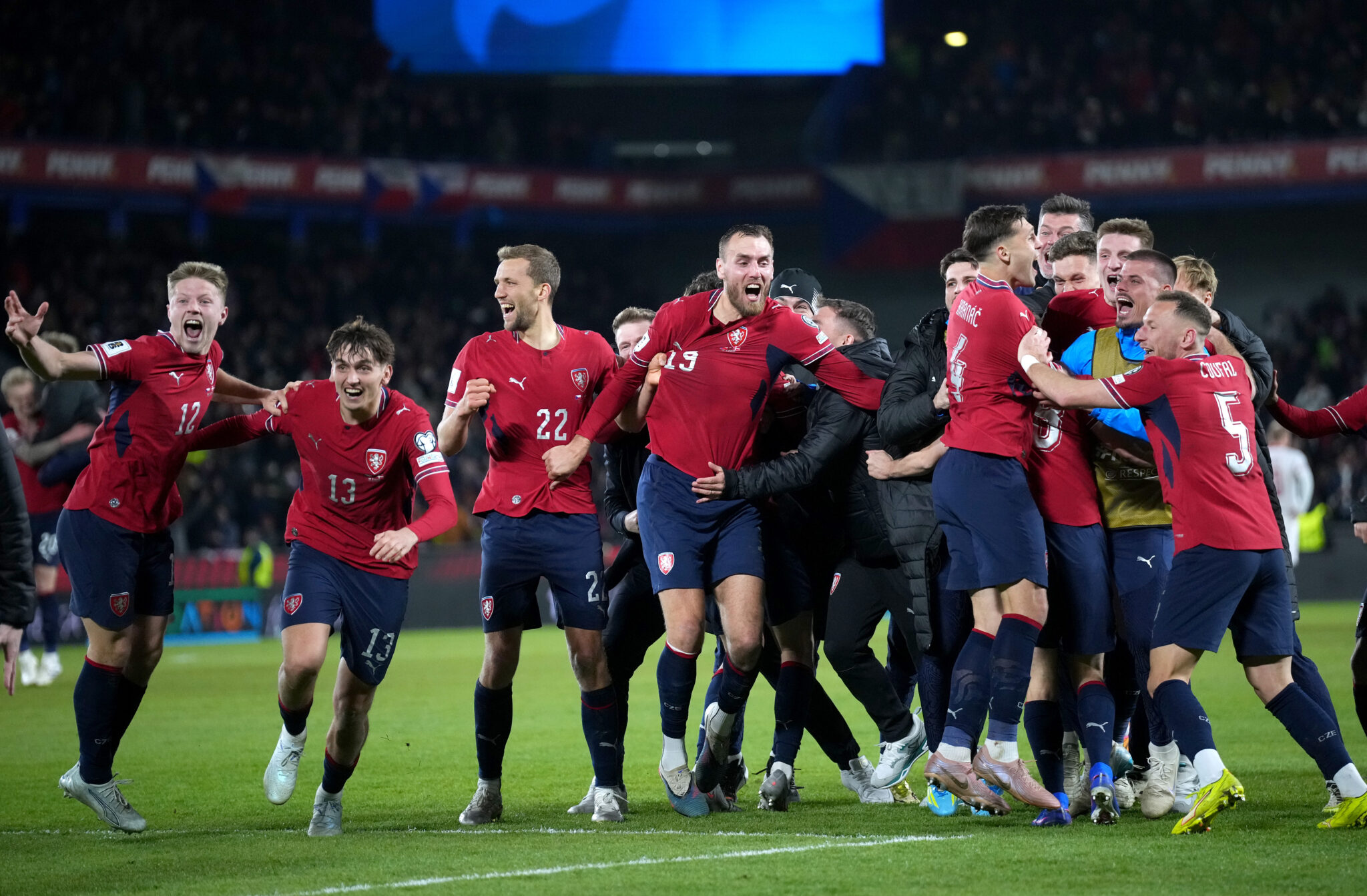

The road to any World Cup produces drama. But the road to the 2026 FIFA World Cup, expanded to 48 teams for the first time and spread across the United States, Canada, and Mexico, delivered something genuinely extraordinary. With more spots available across every confederation, more nations dared to dream. And in the most unpredictable qualification campaign in recent memory, some of those dreams became reality in the most stunning fashion imaginable.
Table of Contents
- The Big Picture: Why 2026 Qualifying Was So Unpredictable
- 1. Curaçao: The Smallest Nation in World Cup History
- 2. Haiti: Ending 52 Years of Waiting
- 3. Uzbekistan: Asian Debutants Rewriting the Continental Map
- 4. Cape Verde: Small Islands, Giant Heart
- 5. Scotland: 28 Years of Hurt Finally Ends
- What These Stories Tell Us About Modern Football
Traditional powerhouses stumbled. Italy missed out for a third consecutive edition. Nigeria, Poland, Denmark, and Colombia all fell short. Meanwhile, tiny island nations, long-suffering footballing cultures, and first-time qualifiers gate-crashed the party in ways nobody saw coming. These are the five FIFA World Cup 2026 qualification surprises that shocked everyone, and the stories behind them that deserve to be told properly.
The Big Picture: Why 2026 Qualifying Was So Unpredictable
Before diving into the individual stories, it is worth understanding why this particular qualification cycle produced so many shocks. The expansion to 48 teams fundamentally altered the mathematics of qualification across every confederation. More spots meant more opportunities, but it also created a false sense of security among established nations who assumed their experience and ranking would carry them through.
What the campaign actually revealed was how rapidly the gap between traditional football powers and developing nations has closed. Diaspora talent pipelines, improved coaching education, smarter tactical setups, and better infrastructure investment in smaller nations combined to create a genuinely level playing field in multiple confederation groups. The teams below are the five that best illustrate that shift.
1. Curaçao: The Smallest Nation in World Cup History
There is small, and then there is Curaçao. With a population of approximately 156,000 people and a land area of just 444 square kilometres, this Caribbean island became the smallest nation by both population and geography ever to qualify for a FIFA World Cup. That sentence alone deserves a moment of reflection.
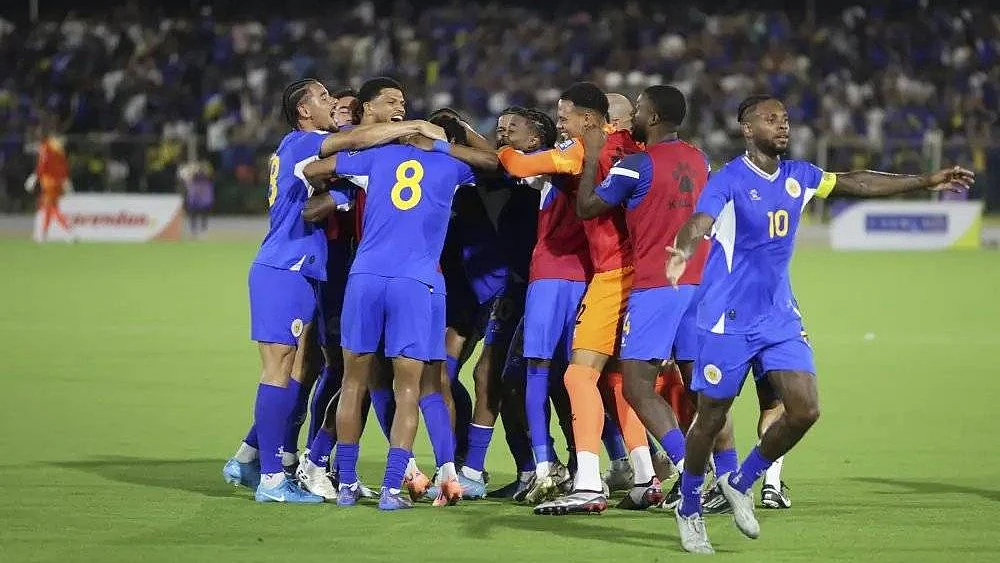
Curaçao sealed their place by topping their CONCACAF third-round group, holding Jamaica to a goalless draw on the final matchday in November 2025 to edge out stronger regional sides including Trinidad and Tobago and Bermuda. It was a nervy, disciplined, and ultimately historic evening for a nation that was ranked as low as 150th in the world not long ago.
The foundation of their rise is a combination of factors that other small nations would do well to study. A strong connection to the Dutch football system, with many players holding Dutch passports or competing in European leagues, has brought technical quality and tactical awareness to a squad that punches far above its weight. Their coaching staff built a compact defensive structure designed to absorb pressure and punish opponents on the counter, a style that proved devastatingly effective throughout the campaign.
When qualification was confirmed, the streets of Willemstad turned into one enormous celebration. For a nation of 156,000, reaching the World Cup is not just a sporting achievement. It is a defining moment in their national identity. Among all the FIFA World Cup 2026 qualification surprises, Curaçao’s stands alone for sheer improbability.
2. Haiti: Ending 52 Years of Waiting
If Curaçao’s story is about geography, Haiti’s is about perseverance against almost unimaginable odds. Their 2-0 victory over Nicaragua in November 2025 confirmed their return to the World Cup for only the second time in their history, ending a 52-year absence since their sole previous appearance at the 1974 tournament in West Germany.

Haiti topped CONCACAF Group C ahead of fancied sides including Costa Rica and Honduras, a result that few analysts had predicted heading into the final qualifying window. Their campaign was built on a high-pressing, counter-attacking style implemented by coach Sebastien Migne, and delivered by a new generation of players, many of them based in European and North American club football, who brought a level of technical quality that previous Haitian squads had struggled to match.
What gives this story its deeper resonance is the context surrounding it. Haiti has faced political instability, natural disasters, and profound infrastructure challenges that have consistently disrupted the development of their football programme. The fact that a nation dealing with those pressures could organise, prepare, and qualify for the world’s biggest sporting event is a testament to the power of football as a unifying force.
Celebrations in Port-au-Prince and across the Haitian diaspora were emotional in a way that goes beyond sport. This qualification is validation. It is proof that resilience and belief can overcome systemic obstacles, and for a country that needs good news, it arrived at exactly the right moment.
3. Uzbekistan: Asian Debutants Rewriting the Continental Map
Asian football has long been dominated by a familiar group of nations. Japan, South Korea, Iran, and Australia have historically claimed the majority of AFC World Cup berths, with occasional appearances from Saudi Arabia and other Gulf states. Uzbekistan’s arrival as first-time qualifiers signals that the continental landscape is shifting in ways the traditional powers cannot afford to ignore.
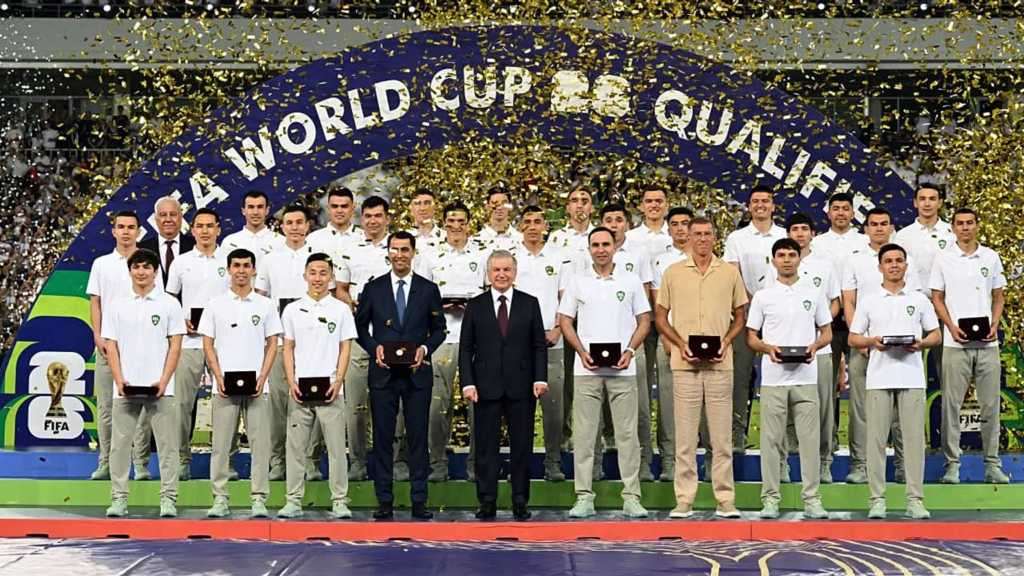
Uzbekistan secured their historic debut with a crucial draw against the UAE in June 2025, finishing strongly in their AFC group to earn a place at the finals. Their campaign was built on tactical discipline, physical intensity, and the quality of a golden generation of players developed through improved domestic structures and experience in Russian and European club football.
What made their qualification one of the standout FIFA World Cup 2026 qualification surprises was not just the achievement itself but what it represents. Alongside fellow debutants Jordan, Uzbekistan’s emergence signals that Central Asian football is no longer content to be overlooked. The investment in youth academies, the pipeline of talent through the domestic league, and smart tactical preparation under their coaching staff produced a side capable of competing with the best in their confederation.
In Tashkent, the celebrations reflected just how significant this moment is for a nation that had never before reached football’s greatest stage. For the rest of the world, Uzbekistan’s qualification is a reminder that the 2026 tournament will introduce genuinely new voices to the global conversation.
4. Cape Verde: Small Islands, Giant Heart
Cape Verde became the second-smallest nation to qualify for the 2026 World Cup, behind only Curaçao, with a population of approximately 525,000. Their path through CAF qualifying, defeating Eswatini and holding off stronger African competition, was a masterclass in organisation, tactical discipline, and the kind of collective spirit that more celebrated nations often struggle to replicate.

The Blue Sharks, as they are known, have built their identity around defensive solidity, set-piece effectiveness, and rapid transitions on the counter-attack. Their squad draws heavily on players from the Portuguese football system and the Cape Verdean diaspora, giving them a level of technical quality that belies their relatively modest profile in African football.
The shock factor here is significant when you consider which African nations failed to qualify. Nigeria, the continent’s most populous nation and one of its most decorated footballing cultures, missed out entirely. Colombia and other higher-profile nations from other confederations also fell short. Cape Verde, with a fraction of the resources and profile of those nations, made it through.
| Team | Population | World Cup Appearances | 2026 Status |
|---|---|---|---|
| Curaçao | 156,000 | 0 (debut) | Qualified |
| Cape Verde | 525,000 | 1 (2022) | Qualified |
| Haiti | 11.7 million | 1 (1974) | Qualified |
| Uzbekistan | 36 million | 0 (debut) | Qualified |
| Scotland | 5.5 million | 8 (last in 1998) | Qualified |
On the islands, streets filled with green and red flags as qualification was confirmed. For a small nation that has steadily built its football programme over decades, this moment represents the reward for years of quiet, determined work.
5. Scotland: 28 Years of Hurt Finally Ends
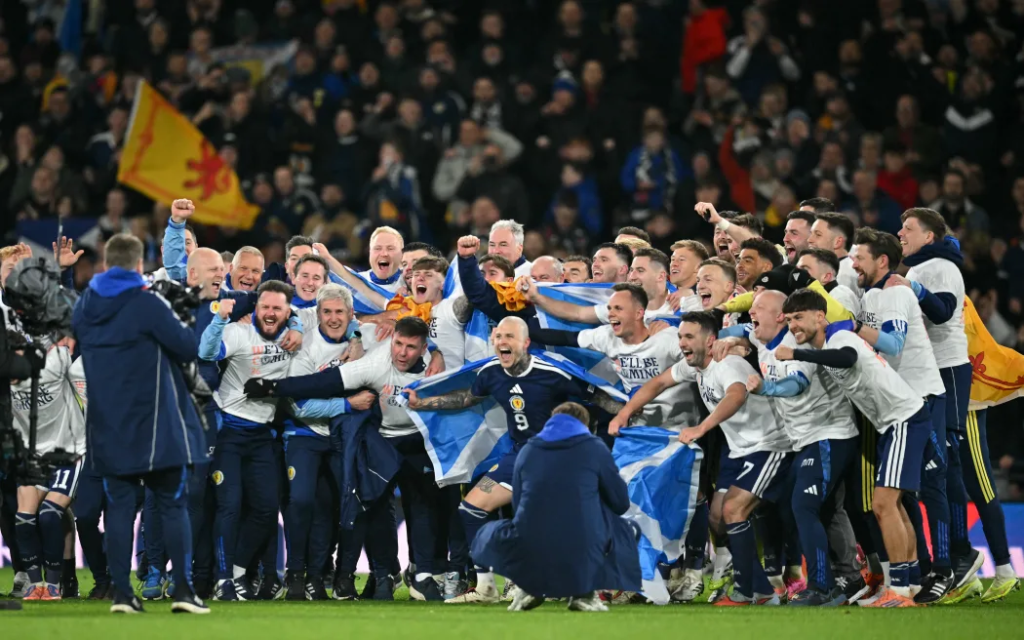
Of all the FIFA World Cup 2026 qualification surprises in UEFA, none carried quite the emotional weight of Scotland’s return to the finals for the first time since 1998. A dramatic 4-2 victory over Denmark in November 2025 sealed their place and produced scenes of raw, uncontainable joy across the country that those who witnessed them will not forget quickly.
Scotland’s campaign was everything their supporters have come to expect and love about the national team: intense, nervy, occasionally chaotic, and ultimately triumphant. Scott McTominay was the standout figure throughout, scoring crucial goals and providing the kind of leadership that a tournament-level squad demands. The blend of Premier League quality and the unique atmosphere of Hampden Park proved to be a potent combination in the home fixtures that shaped their campaign.
The 28-year wait had become a running wound in Scottish football culture. Near-misses, playoff heartbreaks, and agonising final-day failures had accumulated into a painful narrative that seemed to define El Tri’s relationship with the World Cup. The moment qualification was confirmed, that narrative was rewritten entirely.
Fans celebrated in pubs and squares from Glasgow to Edinburgh, with Flower of Scotland echoing long into the night. For a football-mad nation that has so often come close without crossing the line, this was not just a qualification. It was a release.
What These Stories Tell Us About Modern Football
Taken together, these five FIFA World Cup 2026 qualification surprises point toward a broader truth about where football is heading. The gap between established powers and developing nations is closing, and the 48-team expansion has created space for that reality to express itself on the biggest stage.
Diaspora connections, smarter coaching, youth development investment, and tactical sophistication are combining in nations that were previously dismissed as also-rans. The result is a 2026 World Cup that will be genuinely, excitingly unpredictable from the very first group stage fixtures.
Curaçao, Haiti, Uzbekistan, Cape Verde, and Scotland will arrive in North America carrying the hopes of millions and the weight of remarkable stories. They may not be favourites to lift the trophy. But in football, as the qualification campaign has just reminded us, the favourites do not always win.




No Comments