

The history of the FIFA World Cup is one of the greatest stories in all of sport. What began as a bold experiment in 1930 has grown into the most watched sporting event on the planet, drawing billions of viewers every four years. Football had featured at the Olympics, but FIFA president Jules Rimet believed the sport deserved its own global stage. Uruguay, fresh off Olympic gold in 1928, was chosen as the first host nation, and 13 teams made the journey to South America to compete for the very first World Cup trophy.
Table of Contents
- The Pre-War Era: 1934 and 1938
- Brazil 1950: The Maracanazo Shock
- The 1950s and 1960s: West Germany, Brazil, and New Powers
- The 1970s: The Peak of Brazilian Football
- The 1980s: Maradona, Mexico, and Memorable Moments
- The 1990s: Tactical Football and Surprise Champions
- The 2000s: Ronaldo’s Redemption and Italy’s Fourth Star
- The 2010s: Spain’s Golden Generation and Germany’s Dominance
- Qatar 2022: A Historic Tournament
- What Comes Next in the History of the FIFA World Cup
Uruguay delivered a perfect fairytale, defeating Argentina 4 to 2 in the final in front of a packed Estadio Centenario in Montevideo. The tournament set the template for everything that followed.
The Pre-War Era: 1934 and 1938
Italy hosted the 1934 World Cup and claimed the title on home soil, defeating Czechoslovakia in the final. Benito Mussolini used the tournament for political spectacle, but the football itself was fierce and competitive. Italy retained their title four years later in France in 1938, becoming the first nation to win back-to-back World Cups.
Brazil announced themselves as an emerging force, and the tournament was notable for some of the highest-scoring matches in the competition’s history. The Second World War then forced a 12-year gap before the World Cup could return.
Brazil 1950: The Maracanazo Shock
The history of the FIFA World Cup contains no greater upset than what happened in Rio de Janeiro in 1950. Brazil, playing in front of nearly 200,000 fans at the Maracana, needed only a draw against Uruguay to win the title. Uruguay won 2 to 1.
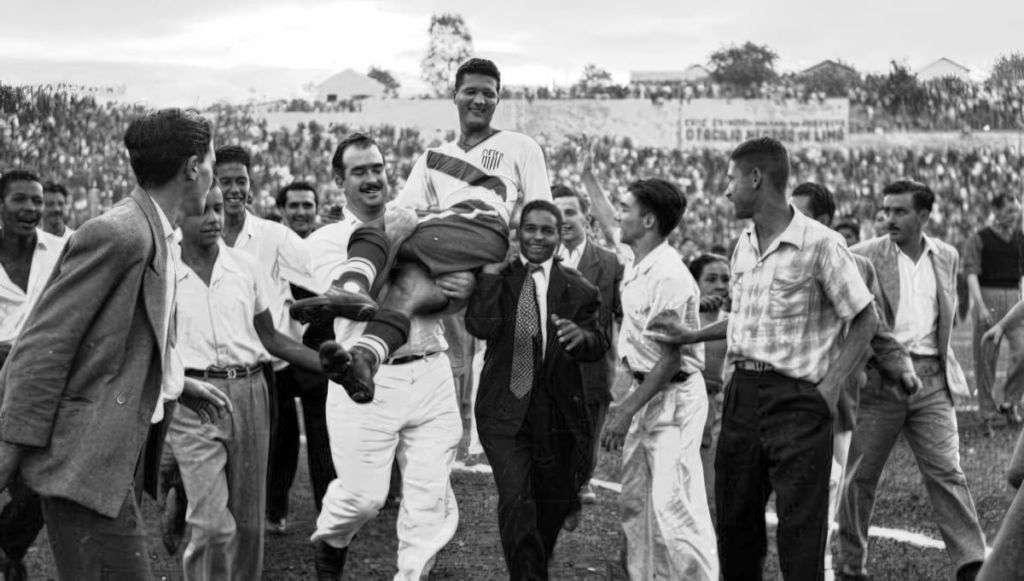
The moment, known as the Maracanazo, left an entire nation in mourning and remains one of the most dramatic days in football history. That tournament was also unique in using a final group stage rather than a knockout final, a format never repeated.
The 1950s and 1960s: West Germany, Brazil, and New Powers
West Germany claimed their first World Cup title in 1954 in Switzerland, beating the heavily favored Hungarians 3 to 2 in what became known as the Miracle of Bern. Brazil then dominated the late 1950s and 1960s, winning in Sweden in 1958 with a 17-year-old Pelé announcing himself to the world, and again in Chile in 1962. England finally had their moment in 1966 on home turf at Wembley, defeating West Germany 4 to 2 in extra time. Geoff Hurst’s hat-trick remains the only one ever scored in a World Cup final.
The 1970s: The Peak of Brazilian Football
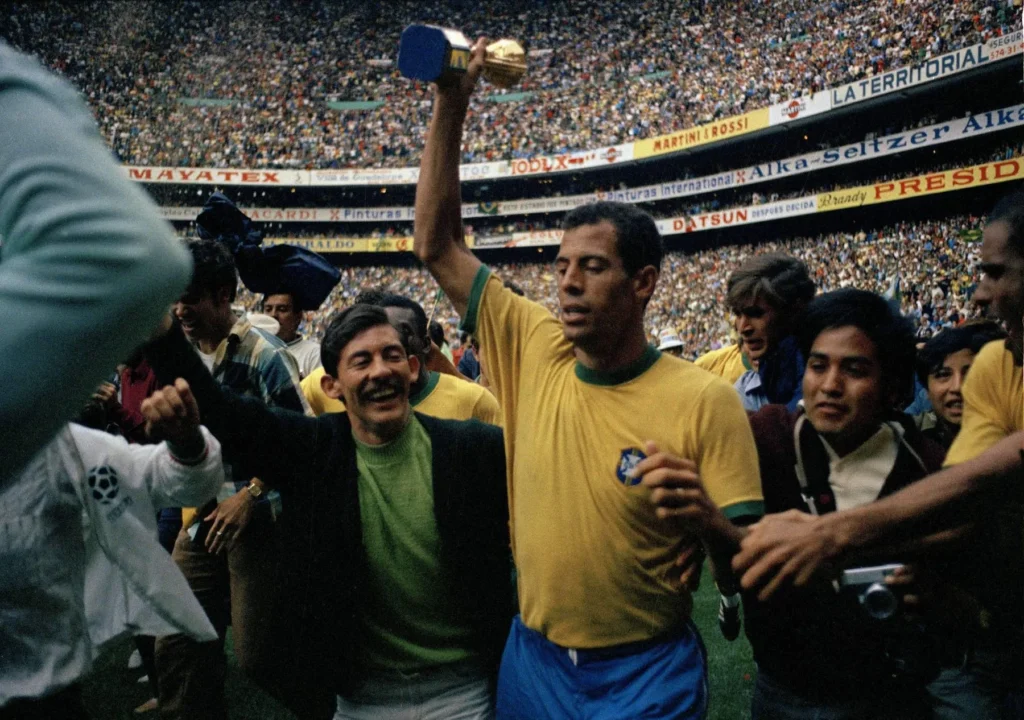
Brazil’s 1970 squad, widely considered the greatest international team ever assembled, swept through Mexico and defeated Italy 4 to 1 in the final. Pelé, Jairzinho, Tostão, and Rivellino played football that felt decades ahead of its time. West Germany and the Netherlands dominated the next tournament in 1974, with the Dutch introducing the concept of Total Football under Rinus Michels.
Despite their brilliance, the Netherlands lost the final to West Germany. Argentina then hosted in 1978, with the host nation controversially winning their first title. The controversy surrounding that tournament has never fully faded.
The 1980s: Maradona, Mexico, and Memorable Moments
The 1982 World Cup in Spain is remembered as one of the most entertaining tournaments in the history of the FIFA World Cup, even though Italy won it. Brazil played breathtaking football only to fall against Italy in a group stage thriller. Italy’s Paolo Rossi, returning from a match-fixing ban, scored a hat-trick to end Brazil’s campaign and went on to win the Golden Boot.
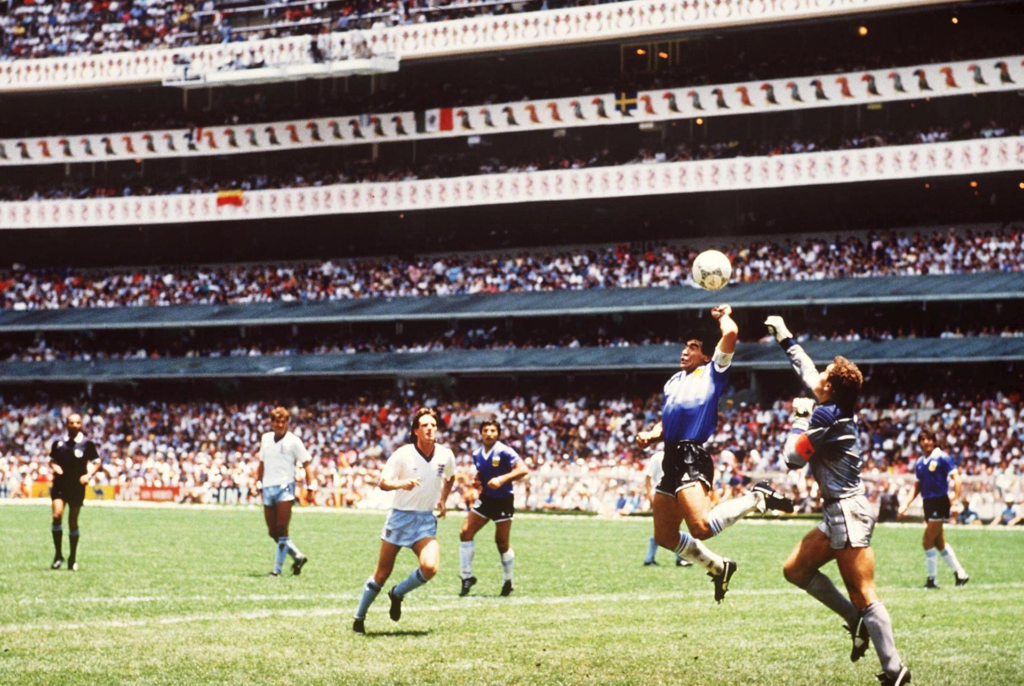
The 1986 tournament in Mexico belonged entirely to Diego Maradona. Argentina’s captain produced arguably the greatest individual performance in World Cup history, including both the infamous Hand of God goal and the Goal of the Century against England in the same quarter-final. Argentina defeated West Germany in the final to claim the title.
The 1990s: Tactical Football and Surprise Champions
Italia 90 was a defensive, tense affair that produced the lowest goals per game average in World Cup history, yet it captured the world’s imagination through its drama. West Germany won a tight final against Argentina, 1 to 0. The 1994 World Cup, held in the United States, ended with the first-ever penalty shootout final, with Brazil beating Italy after a goalless 120 minutes.
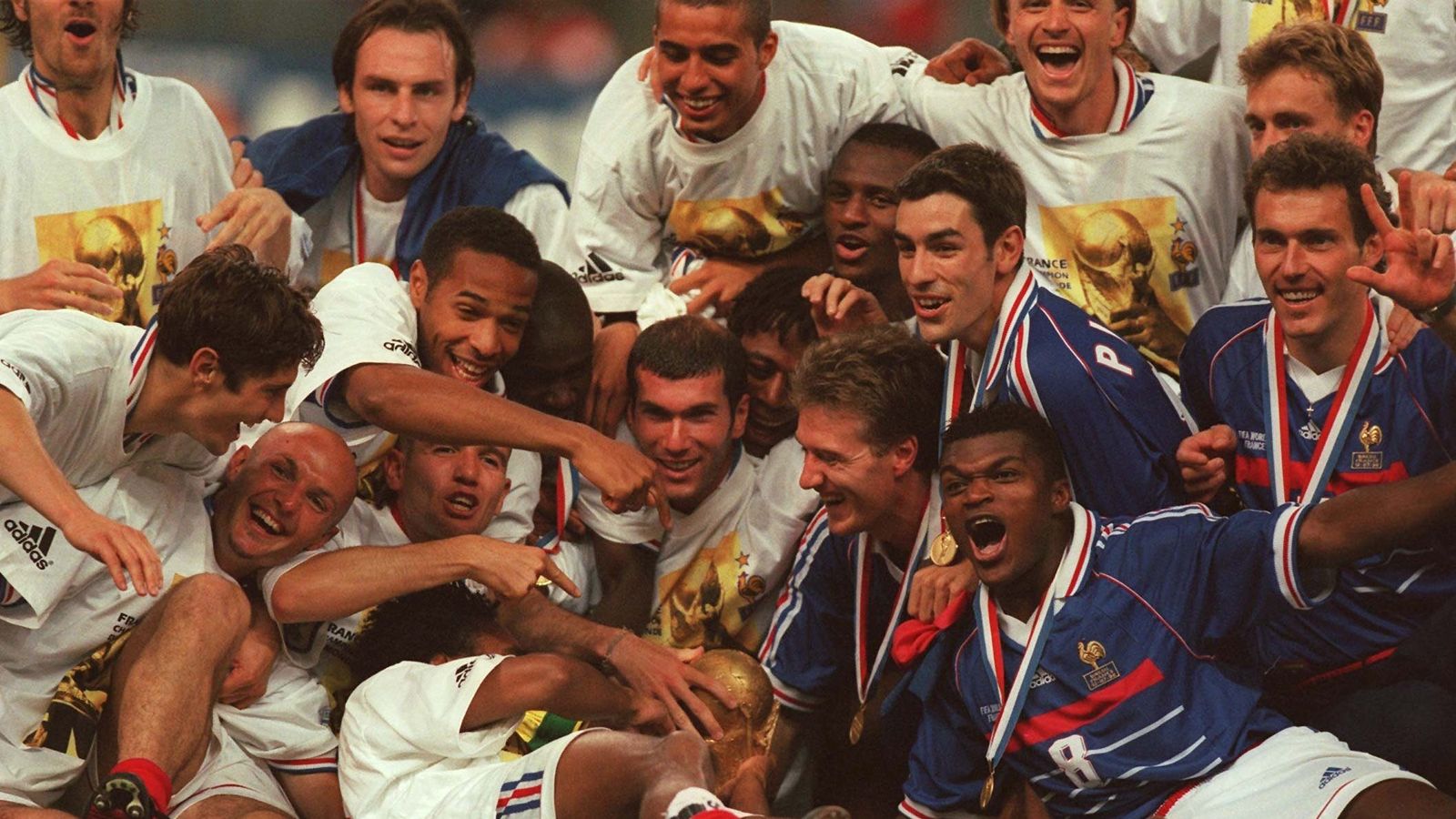
Roberto Baggio’s missed penalty remains one of football’s most iconic images. France hosted and won in 1998, with Zinedine Zidane scoring twice in the final against a mysteriously subdued Brazil team. Ronaldo’s strange illness before the match remains one of football’s enduring mysteries.
The 2000s: Ronaldo’s Redemption and Italy’s Fourth Star
Brazil won the 2002 World Cup in South Korea and Japan, with Ronaldo spectacularly redeeming himself by scoring twice in the final against Germany. That tournament also produced the biggest shock in World Cup history, with Senegal defeating reigning champions France in the opening game.
Germany hosted a spectacular 2006 tournament full of attacking football. Italy triumphed on penalties over France in the final, a game remembered as much for Zidane’s infamous headbutt on Marco Materazzi as for the football itself. Zidane received a red card in his final professional match.
The 2010s: Spain’s Golden Generation and Germany’s Dominance
South Africa made history in 2010 as the first African nation to host the World Cup. Spain, powered by their dominant Barcelona and Real Madrid players, won their first ever title with Andrés Iniesta’s extra-time goal defeating the Netherlands. The vuvuzelas became the soundtrack of the tournament. Brazil hosted in 2014 and suffered the most humiliating defeat in their history, losing 7 to 1 to Germany in the semi-finals in what Brazilians still call the Mineirazo. Germany claimed their fourth World Cup title, defeating Argentina 1 to 0 in the final through Mario Götze’s extra-time goal.
Russia 2018 delivered surprises from the very first round. France, led by the brilliance of Kylian Mbappé, won their second World Cup title by defeating Croatia 4 to 2 in an entertaining final. Defending champions Germany were eliminated in the group stage, while traditional powers Argentina and Brazil both exited in the knockout rounds.
Qatar 2022: A Historic Tournament
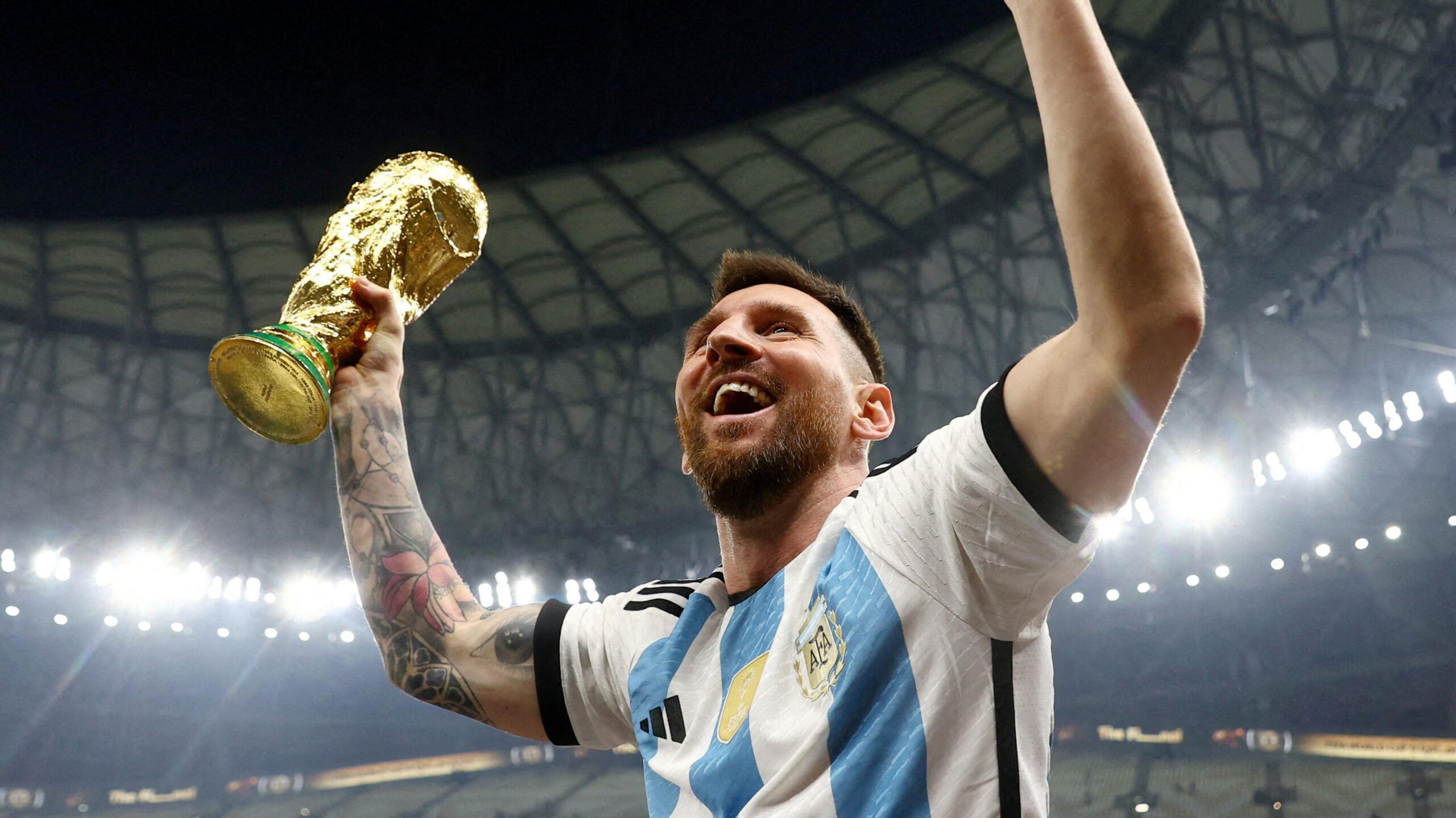
The 2022 World Cup made history as the first tournament held in the Middle East and the first played in November and December due to the extreme summer heat in Qatar. Argentina finally ended their 36-year wait for a World Cup title in the most dramatic fashion imaginable.
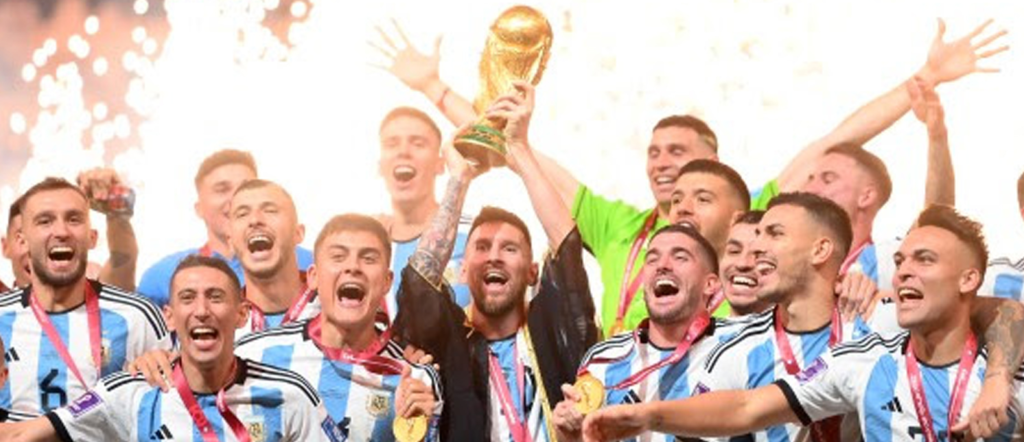
Their final against France went to penalties after a breathtaking 3 to 3 draw, with both Mbappé and Lionel Messi delivering extraordinary performances. Messi’s lifelong dream was fulfilled, and many observers called it the greatest World Cup final ever played.
What Comes Next in the History of the FIFA World Cup
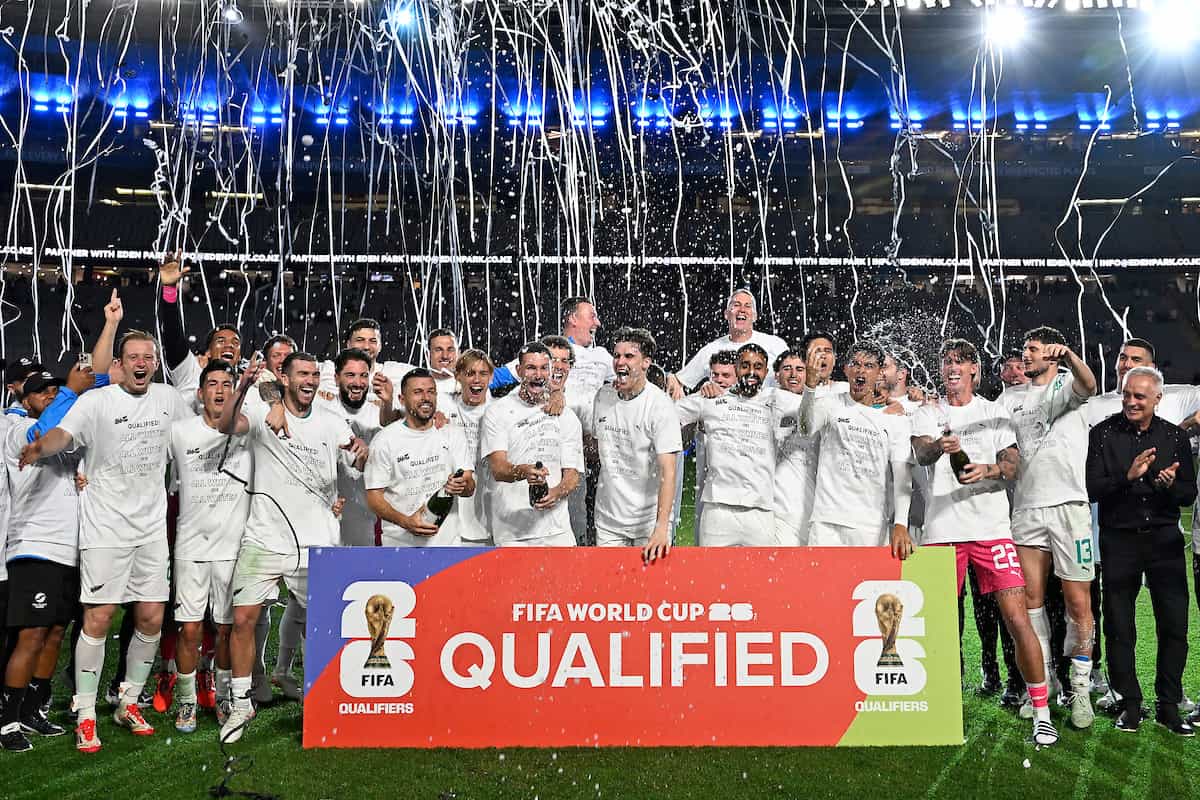
The 2026 World Cup will be hosted jointly by the United States, Canada, and Mexico, marking the first time three nations share hosting duties. The tournament will also expand to 48 teams for the first time. New generations of players will write the next chapters in the history of the FIFA World Cup, a story that has captured hearts across every continent for nearly a century. From Jules Rimet’s vision in 1930 to the global spectacle of today, no sporting event on earth carries more weight, more passion, or more history.



No Comments