
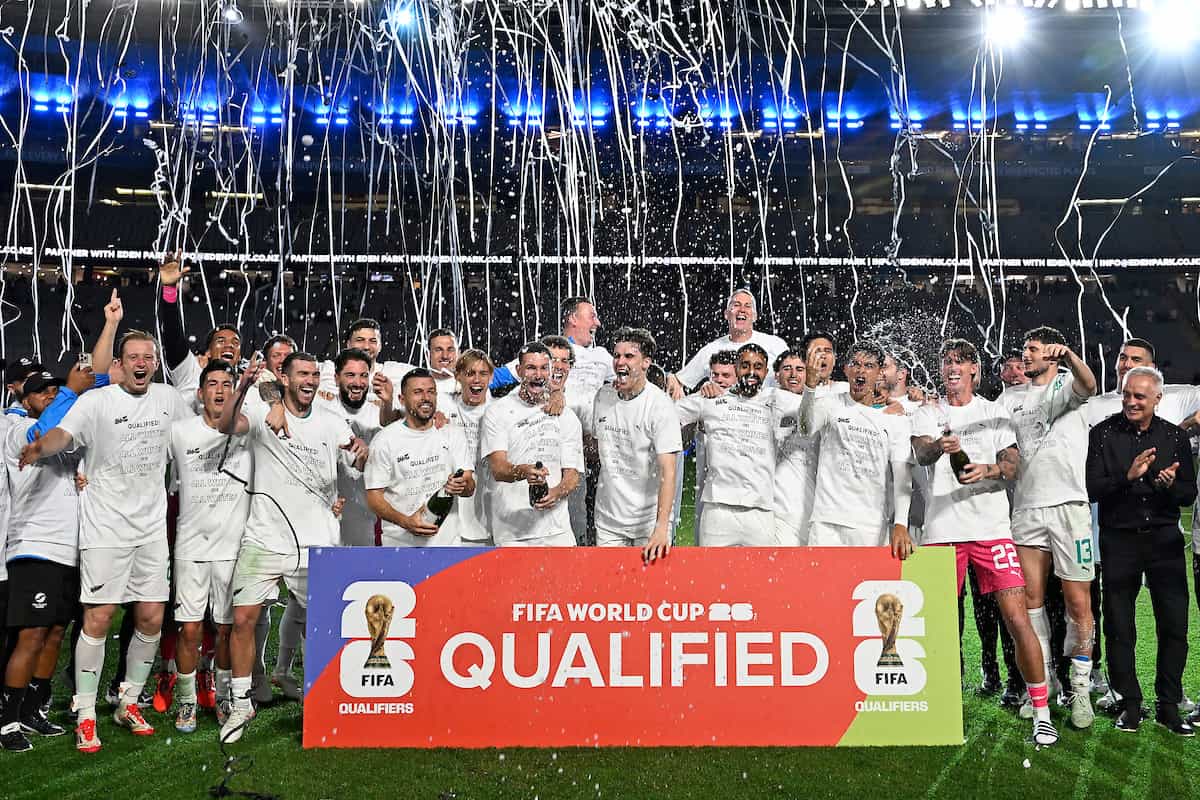

The FIFA World Cup is the most-watched sporting event on the planet, but before any team sets foot on that grand stage, they must survive one of football’s most grueling gauntlets: the qualification process. Millions of fans around the world follow these matches obsessively, yet many still wonder exactly how FIFA World Cup qualification works and why some regions get more spots than others. This guide breaks it all down.
Table of Contents
- What Is FIFA World Cup Qualification?
- How Many Teams Qualify for the World Cup?
- How Does FIFA World Cup Qualification Work in Europe (UEFA)?
- How Does Qualification Work in South America (CONMEBOL)?
- How Does Asia (AFC) Qualify for the World Cup?
- How Does Africa (CAF) Determine Its World Cup Teams?
- How Does CONCACAF Run Its Qualification?
- What Are the Intercontinental Playoffs?
- Why Do Some Continents Get More World Cup Spots?
- When Does World Cup Qualification Start and End?
- Final Thoughts on FIFA World Cup Qualification
What Is FIFA World Cup Qualification?
FIFA World Cup qualification is the series of regional competitions that determine which national teams earn the right to compete at the World Cup finals. With 211 FIFA member associations spread across six continental confederations, and only a limited number of spots available at the tournament, the road to the World Cup is long, competitive, and often heartbreaking.
The host nation receives an automatic berth, which means the remaining spots are distributed among the six confederations based on a formula that FIFA revises ahead of each tournament cycle.
How Many Teams Qualify for the World Cup?
Starting from the 2026 FIFA World Cup, hosted jointly by the United States, Canada, and Mexico, the tournament expanded from 32 to 48 teams. This expansion significantly changed how many teams each confederation can send, giving more nations a genuine shot at qualifying for the first time in history.
The 48-team format distributes spots roughly as follows across the six confederations:
- UEFA (Europe) receives the largest allocation with 16 direct spots. Europe has the highest density of competitive football nations, which justifies its large share.
- CAF (Africa) sees its allocation grow to 9 spots, a notable increase that reflects football’s rapid growth across the African continent.
- CONMEBOL (South America) receives 6 direct berths, with the possibility of an additional spot through an intercontinental playoff. South America has historically punched above its weight, producing legends of the game across generations.
- AFC (Asia) gets 8 spots plus a playoff slot, a major jump from previous tournaments, reflecting Asia’s growing football infrastructure and fan base.
- CONCACAF (North, Central America and Caribbean) receives 6 spots plus a potential playoff berth, a significant increase that opens the door for smaller Caribbean and Central American nations.
- OFC (Oceania) earns 1 direct qualification spot for the first time, marking a historic moment for Pacific football nations.
Additionally, two intercontinental playoff spots are available, where teams from different confederations compete in a mini-tournament for the final World Cup berths.
How Does FIFA World Cup Qualification Work in Europe (UEFA)?
UEFA’s qualification process is one of the most straightforward but also deeply competitive. The 55 UEFA member nations are divided into groups based on their FIFA rankings, and they play a home-and-away round-robin format against each other.
Group winners earn direct qualification. Depending on the exact format, runners-up and some Nations League group winners then enter a playoff round, where they compete in single-leg or two-leg ties for the remaining UEFA berths. The Nations League pathway has added a fascinating new dimension, rewarding consistent performance across the broader UEFA calendar rather than just the traditional qualification window.
How Does Qualification Work in South America (CONMEBOL)?
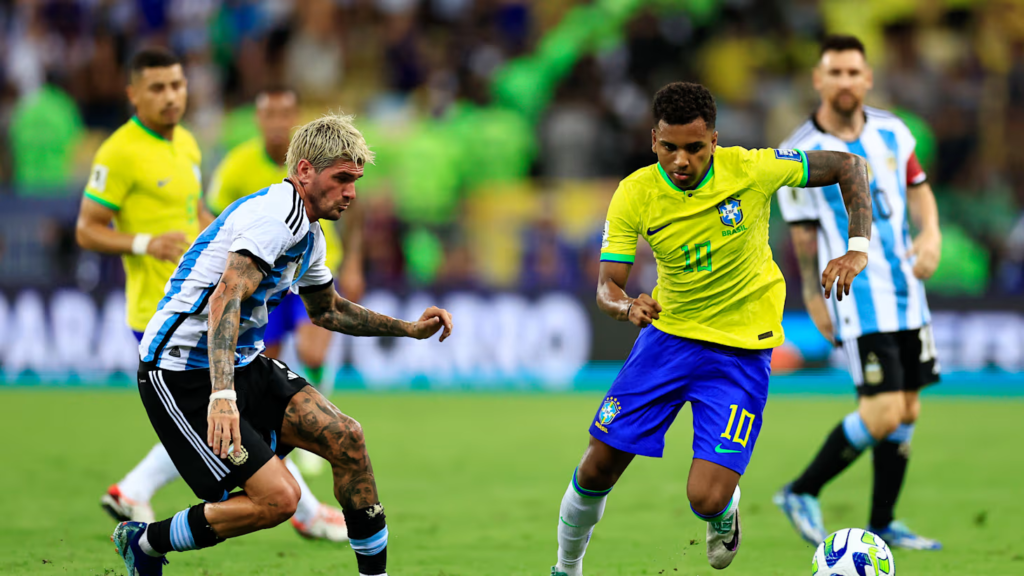
South America uses one of the simplest and most ruthless formats in world football. All 10 CONMEBOL nations are placed into a single round-robin league, where every team plays every other team home and away across 18 matchdays spanning nearly two years.
The top teams at the end of this marathon campaign qualify directly. The team finishing in the fifth or sixth position, depending on the cycle, enters the intercontinental playoff for a chance to secure an additional spot. This format means no nation, not even Brazil or Argentina, can afford to sleepwalk through the campaign.
How Does Asia (AFC) Qualify for the World Cup?
The AFC qualification process runs in multiple rounds. In the early rounds, lower-ranked Asian nations compete to advance, gradually whittling the field down.
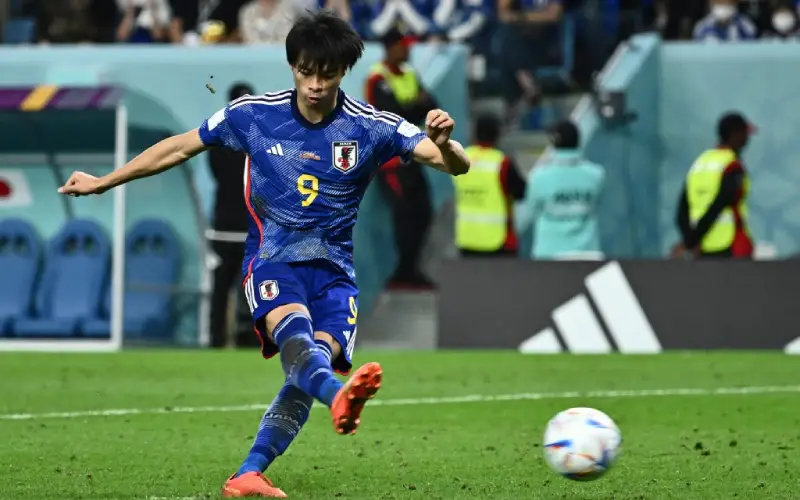
The later stages involve groups of higher-ranked Asian nations playing home-and-away matches. The top finishers from these groups earn direct World Cup berths. Teams finishing in certain playoff positions then enter a further knockout round for the remaining AFC spots and the intercontinental playoff place. The expanded 2026 format has been particularly welcomed across Asia, where nations like Vietnam, India, and others now have a more realistic path to the finals.
How Does Africa (CAF) Determine Its World Cup Teams?
CAF qualification typically begins with a group stage format across multiple groups. African nations play home-and-away matches within their groups, and the group winners advance directly to the World Cup.
For the 2026 cycle, CAF’s increased allocation means more African nations than ever will make it to the finals. Given the continent’s enormous footballing talent and passionate fan base, this expansion has been widely celebrated. Historic qualifiers like Nigeria, Ghana, Senegal, and Cameroon now face even fiercer competition from rising nations hungry for their own World Cup moment.
How Does CONCACAF Run Its Qualification?
CONCACAF qualification is one of the more complex processes in world football. The region covers a wide range of footballing abilities, from powerhouses like Mexico and the United States to smaller island nations in the Caribbean.
The process begins with preliminary rounds where the lowest-ranked nations compete, and the survivors then enter the main qualification rounds. The top finishers from the final round earn direct berths, while others compete in the intercontinental playoff. The expanded format has brought genuine excitement to nations like Jamaica, Panama, and El Salvador, who now have real shots at reaching the World Cup.
What Are the Intercontinental Playoffs?
The intercontinental playoffs are a fascinating and often tense part of FIFA World Cup qualification. Teams from different confederations that narrowly missed out on direct qualification are placed into a small tournament or two-legged ties to compete for the final World Cup spots.
These playoffs can throw up extraordinary matchups, such as an Asian nation facing a South American team or an African side taking on a CONCACAF qualifier. The drama and unpredictability of these clashes make them some of the most compelling fixtures in the entire qualification cycle.
Why Do Some Continents Get More World Cup Spots?
The distribution of World Cup spots is based on a combination of factors including the number of FIFA member nations in each confederation, the overall quality of football in the region, and the commercial and cultural reach of the game in those areas. UEFA and CAF receive the largest allocations because they represent the highest number of competitive nations.
FIFA also periodically revises allocations to reflect football’s global growth. The expansion to 48 teams is partly a response to the sport’s rapid development in Asia, North America, and Africa, where investment in football infrastructure has grown significantly over the past two decades.
When Does World Cup Qualification Start and End?
Qualification campaigns typically begin two to three years before the tournament itself. For the 2026 World Cup, qualification matches across various confederations kicked off as early as 2023 and run through to late 2025, with playoff matches finalizing the full field in early 2026.
The lengthy timeline means teams must manage player fitness, squad depth, and tactical consistency over a very extended period. Injuries, managerial changes, and shifts in form can completely alter a nation’s qualifying fortunes across such a long campaign.
Final Thoughts on FIFA World Cup Qualification
Understanding how FIFA World Cup qualification works reveals just how much effort, strategy, and passion goes into reaching the tournament before a single ball is kicked at the finals. Every group stage victory, every playoff drama, and every last-minute qualifier is part of a global story that unfolds over years.
The expanded 2026 format has made the dream more accessible than ever, bringing new nations and their fans into the conversation. Whether you support a traditional powerhouse or a rising underdog, the qualification journey is a World Cup story in itself, and it deserves just as much attention as the tournament that follows.






No Comments