

Few stories in international football blend excellence and anguish quite like Mexico’s World Cup Record between 1994 and 2018. For 24 uninterrupted years, El Tri became the ultimate paradox: a team consistent enough to be one of the most reliable sides on the planet, yet unable to take a single step further when it mattered most. Seven consecutive World Cups. Seven Round of 16 exits. One nation’s sporting identity shaped by a single, seemingly unbreakable glass ceiling.
Table of Contents
- What Is the “El Quinto Partido” Curse?
- The Seven Exits: A Tournament-by-Tournament Breakdown
- USA 1994: The Beginning Nobody Recognized
- France 1998: Outplayed in the Final Quarter Hour
- Korea/Japan 2002: Rivals Inflict Maximum Pain
- Germany 2006: Beaten by Pure Brilliance
- South Africa 2010: The Offside That Still Stings
- Brazil 2014: “No Era Penal”
- Russia 2018: The Giant-Killer Who Could Not Go Further
- Why Did the Streak Keep Happening? Key Factors Explained
- Mexico’s World Cup Round of 16 Streak in Context
- The Streak Ends: But Not How Anyone Wanted
- Looking Ahead: The 2026 World Cup and a New Chapter
In Mexico, this phenomenon has a name: El Quinto Partido, the Fifth Game. To reach the quarterfinals, a team must win their Round of 16 match. That fifth game became the wall Mexico simply could not climb, no matter who played, who coached, or how brightly they burned in the group stages. This is the full story of that extraordinary, maddening streak.
What Is the “El Quinto Partido” Curse?
Before diving into the matches themselves, it helps to understand why this barrier carries such cultural weight in Mexico. The World Cup knockout format means that advancing from the Round of 16 brings a team to the quarterfinals, their fifth game of the tournament. For Mexican fans watching between 1994 and 2018, that fifth game became almost mythological: always visible on the horizon, never actually reached.
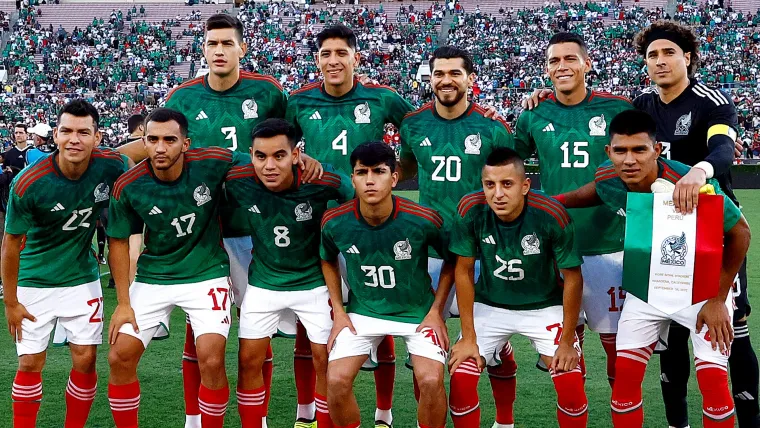
What makes the streak so striking is that it required consistent excellence to maintain. Only elite footballing nations qualify for the World Cup reliably, let alone make the knockout rounds at seven consecutive tournaments. Mexico did exactly that and then, with clockwork precision, stopped there every single time.
The Seven Exits: A Tournament-by-Tournament Breakdown
USA 1994: The Beginning Nobody Recognized
Mexico returned to the World Cup in 1994 after missing the 1990 tournament entirely and made an immediate statement, finishing top of a group that included Italy, Ireland, and Norway. In the Round of 16 against Bulgaria, the match finished 1–1 after extra time. What followed set an unwelcome tone for the decades ahead: Mexico missed three of their four penalties and crashed out on shootout. At the time, it felt like bad luck. In hindsight, it was the quiet opening chapter of a very long story.
France 1998: Outplayed in the Final Quarter Hour
Four years later, Mexico showed genuine character in the group stage, coming from behind in multiple matches to qualify. Against Germany in the Round of 16, they were arguably the better team for over an hour. Luis Hernández put them ahead and Mexico looked set to make history, until the final 15 minutes. Jürgen Klinsmann and Oliver Bierhoff struck in quick succession, handing Germany a 2–1 victory. The pattern of late collapses under pressure had begun to take shape.
Korea/Japan 2002: Rivals Inflict Maximum Pain
Ask most Mexican football fans and they will tell you 2002 hurts most. Having topped their group, El Tri faced their fiercest rivals, the United States, in the Round of 16. It was, on paper, the most winnable path imaginable. Instead, the U.S. executed a disciplined counter-attacking game plan and won 2–0. The “Dos a Cero” scoreline became something of a mocking chant that echoed for years. The combination of losing to their greatest rival and squandering their most favorable draw made this perhaps the defining low point of the entire era.
Germany 2006: Beaten by Pure Brilliance
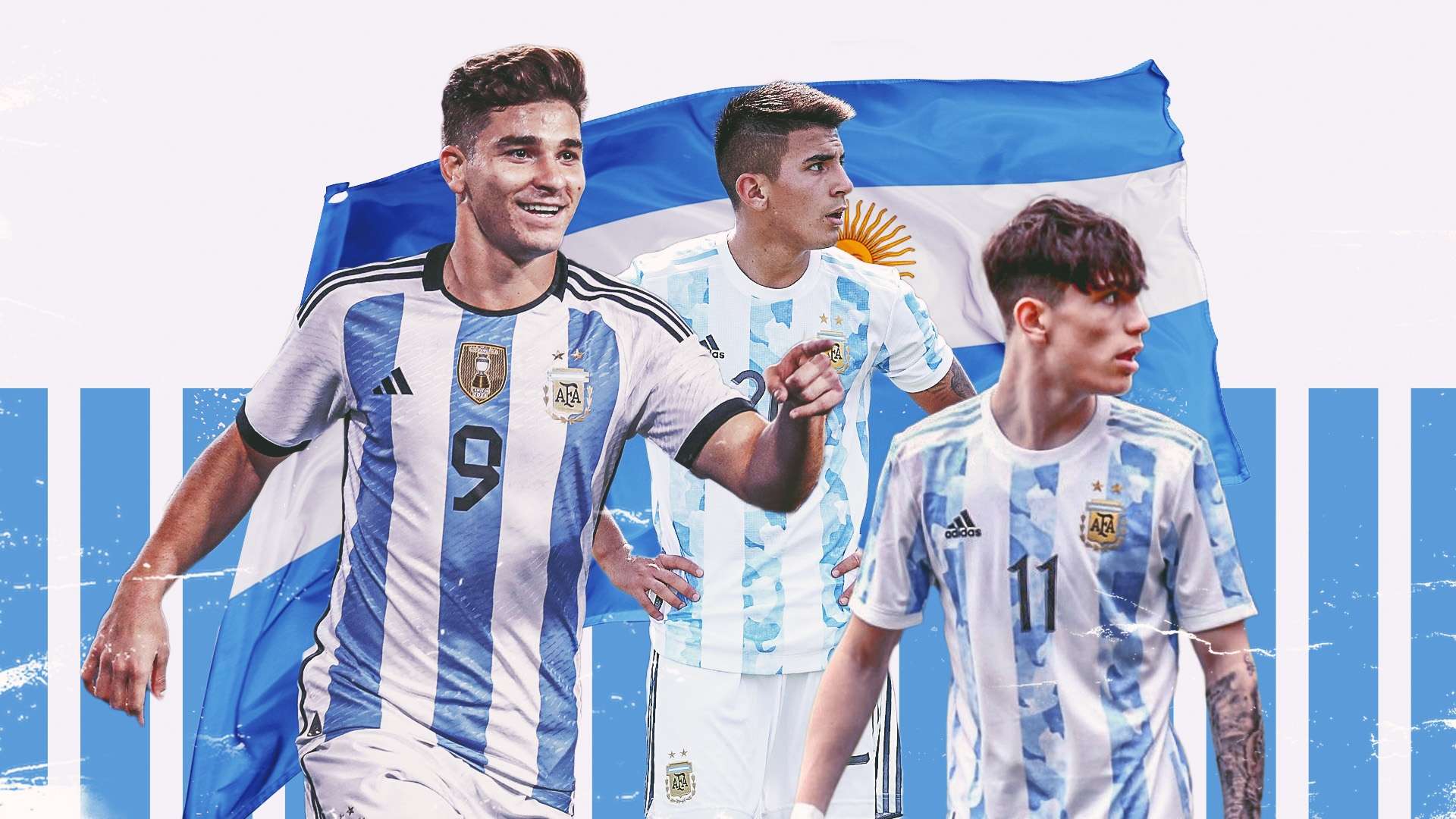
Not every exit in this saga was a story of collapse or controversy. In 2006, Mexico took Argentina all the way to extra time, tied at 1–1 in a match of genuine quality. What ended their run was not a tactical failure or a refereeing decision. It was one of the greatest goals in World Cup history. Maxi Rodríguez controlled the ball on the left side of the box and struck a ferocious left-footed volley into the top corner. Even in defeat, Mexico had nothing to be ashamed of. Sometimes you lose to a moment of genius, and this was one of those times.
South Africa 2010: The Offside That Still Stings
History handed Mexico a rematch with Argentina in 2010, and this time the exit came wrapped in controversy. Carlos Tevez opened the scoring from a position that television replays confirmed was clearly offside. The goal stood. An Osorio error gifted Argentina a second, and Mexico eventually lost 3–1. The offside goal remains one of the most discussed refereeing errors in World Cup history. For Mexican fans, it added a layer of bitter injustice to an already painful chapter.
Brazil 2014: “No Era Penal”
If there is a single phrase that encapsulates this entire 24-year period, it might be “No era penal” — it wasn’t a penalty. Mexico led the Netherlands 1–0 going into the final two minutes of their Round of 16 clash. A late equalizer brought the game level, and then, deep into stoppage time, Arjen Robben went down in the box under a challenge from Rafael Márquez. The referee awarded a penalty. Klaas-Jan Huntelaar converted. Mexico lost 2–1. The phrase became a national rallying cry, a declaration that the football gods had once again conspired against El Tri at the worst possible moment.
Russia 2018: The Giant-Killer Who Could Not Go Further
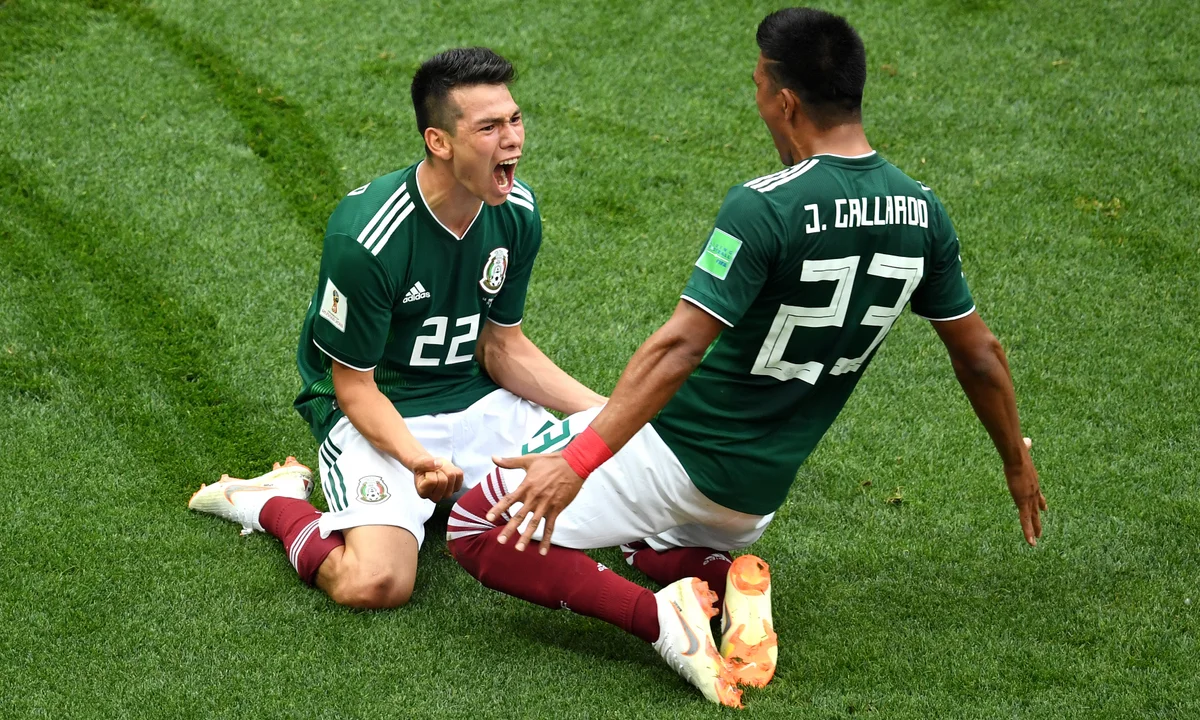
Mexico’s 2018 World Cup started with perhaps their greatest moment in the tournament’s modern era: a stunning 1–0 victory over defending champions Germany. The country celebrated so exuberantly that seismometers in Mexico City reportedly detected vibrations.
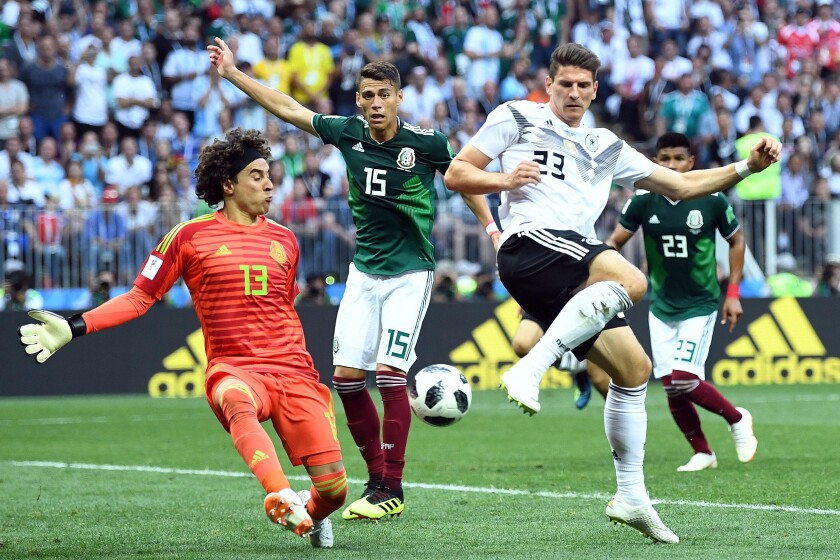
But a subsequent loss to Sweden complicated the group stage, and El Tri found themselves facing Brazil in the Round of 16. Goalkeeper Guillermo Ochoa was brilliant, but goals from Neymar and Roberto Firmino sealed a 2–0 defeat. The seventh consecutive Round of 16 exit was complete.
Why Did the Streak Keep Happening? Key Factors Explained
Understanding the streak requires looking beyond match-by-match results. Several structural and psychological factors repeatedly surfaced across the 24-year period.
| Factor | Explanation |
|---|---|
| Psychological weight | As the “Fifth Game” narrative grew, players faced enormous mental pressure in knockout matches |
| Tactical style | Mexico’s high-energy pressing worked well in group stages but struggled against elite defensive structures |
| Brutal draws | Facing Argentina twice and Brazil once in the Round of 16 is a brutal run of luck by any measure |
| Penalty shootout weakness | The 1994 exit revealed a vulnerability that resurfaced in mentality and pressure management throughout the era |
The draw factor deserves particular attention. Reaching the quarterfinals requires not just winning a Round of 16 match, but being drawn against a beatable opponent. Mexico faced Argentina twice and Brazil once, three of the world’s most formidable footballing nations, in what should be the earliest stage of the knockout rounds. That is not a small thing.
Mexico’s World Cup Round of 16 Streak in Context
To appreciate how unusual this record is, consider the broader numbers:
- Seven consecutive Round of 16 appearances across 24 years
- Only Brazil comes close in terms of sustained knockout-round presence over a similar period
- Mexico qualified for and advanced through the group stage every single tournament between 1994 and 2018
- They faced five different opponents across the seven Round of 16 exits, losing to Germany, the U.S., Argentina (twice), the Netherlands, and Brazil
This is, by any measure, elite consistency. The frustration comes not from failure to show up, but from failure to take the next step, a far more specific and psychologically complex problem.
The Streak Ends: But Not How Anyone Wanted
The “El Quinto Partido” streak came to an end in 2022, but the manner of it offered no relief. Mexico failed to advance from their group in Qatar, meaning the record of consistent Round of 16 appearances was broken before the deeper problem of never advancing beyond it could be resolved. A nation that had agonized over one glass ceiling found itself back at an earlier one entirely.
Looking Ahead: The 2026 World Cup and a New Chapter
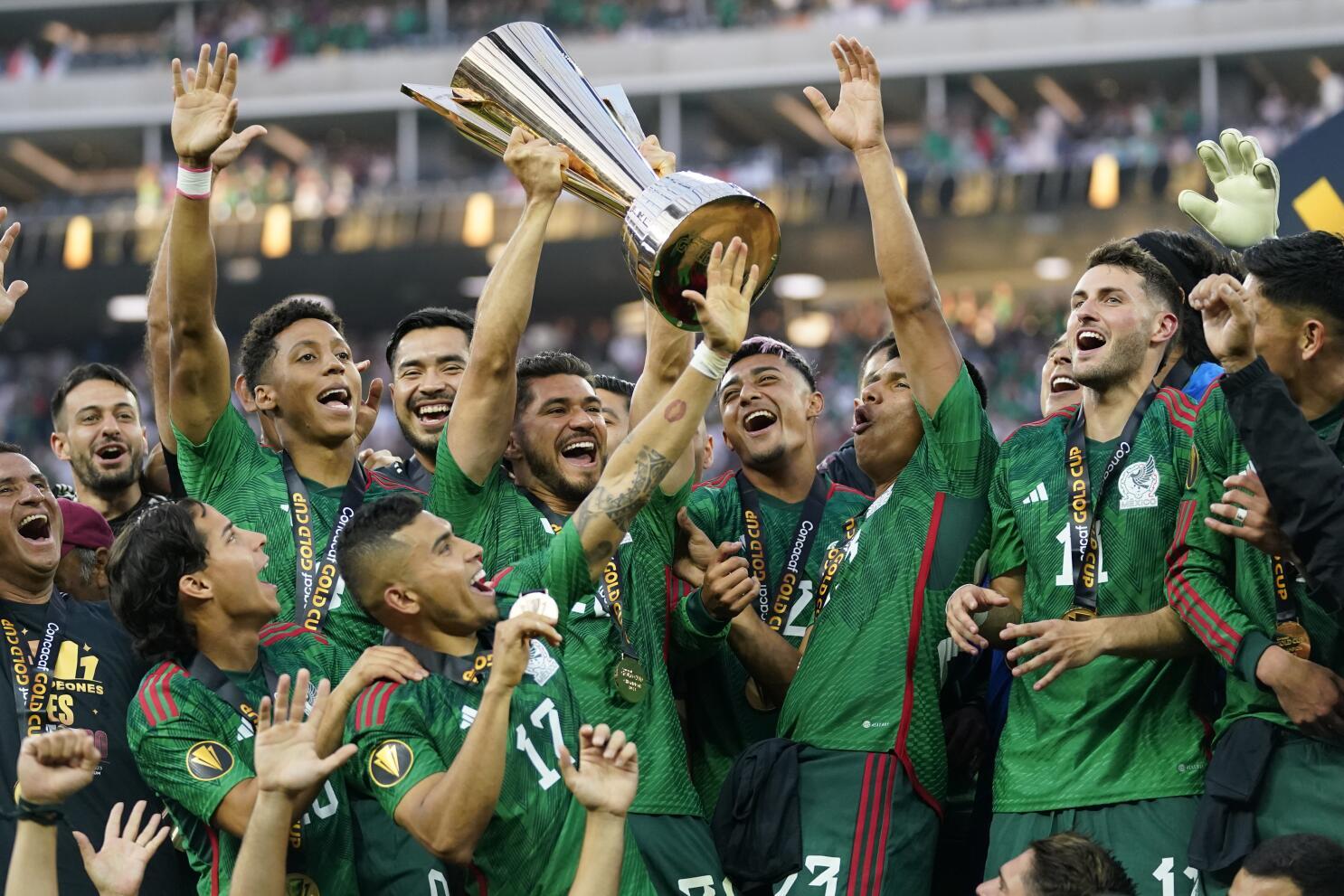
With Mexico set to co-host the 2026 FIFA World Cup alongside the United States and Canada, there has never been a higher-profile stage for El Tri to finally rewrite this narrative. Home support, at least for some matches, combined with a new generation of players and the weight of history pressing behind them means 2026 carries an almost cinematic sense of possibility.
The Fifth Game still waits. The question now is whether a new generation of Mexican footballers can finally answer its call.




No Comments