
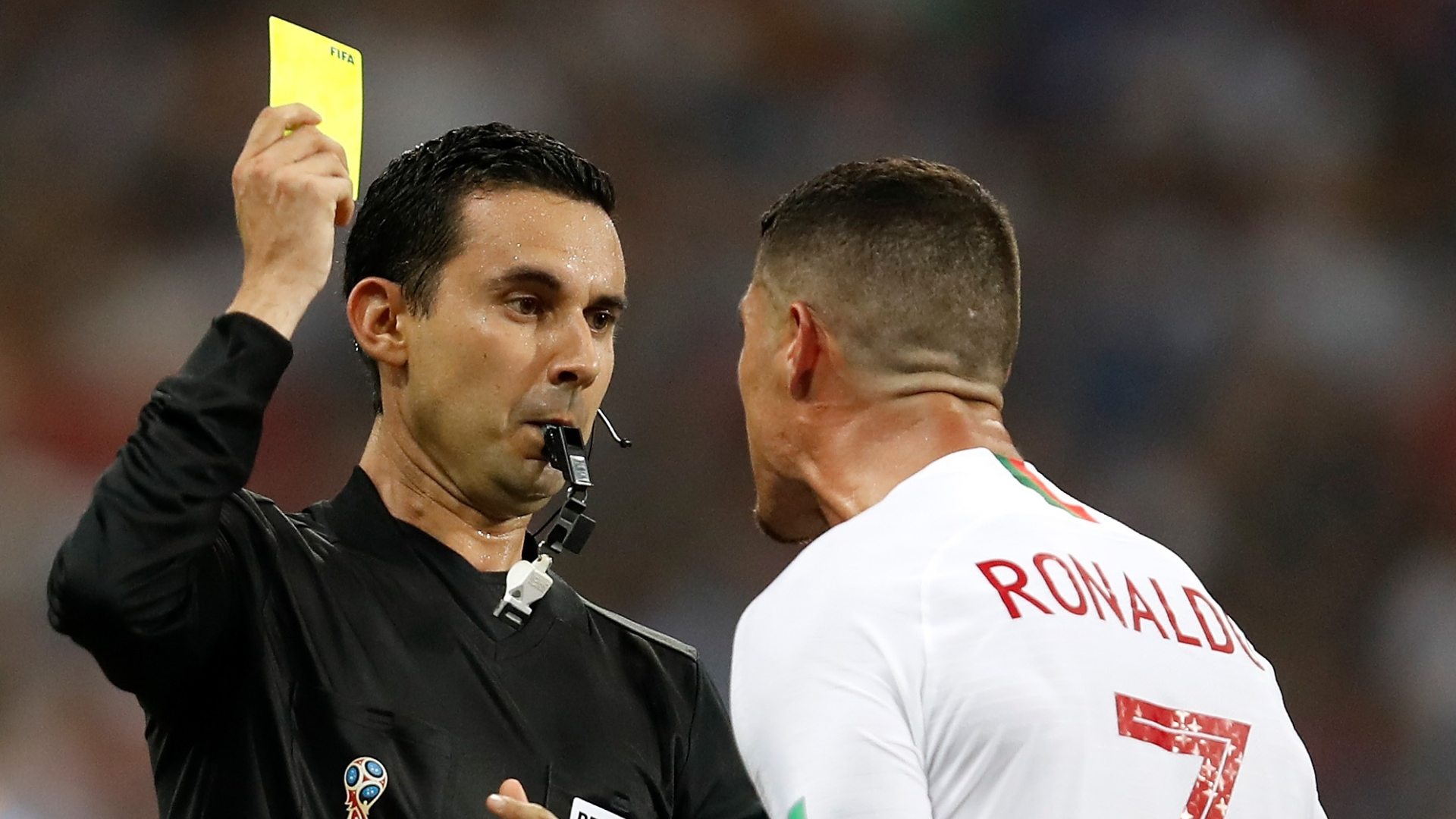

A referee reaches into his pocket. The crowd holds its breath. On the World Cup stage, that moment carries consequences that extend far beyond the match itself. A yellow card at this level can end a player’s tournament through suspension. It can shift momentum in a knockout tie. It can define how a nation’s campaign is remembered. Discipline, or the collapse of it, has shaped World Cup outcomes as decisively as any goal. The records behind those bookings tell a story the scorelines alone never could.
Table of Contents
- The Most Carded Tournament in World Cup History
- The Most Yellow-Carded Match in World Cup History
- The Player With the Most Yellow Cards in World Cup History
- The Teams With the Most Yellow Cards in World Cup History
- How Yellow Cards Have Decided World Cup Outcomes
- How Refereeing and the Rules Have Evolved
- Discipline as the Hidden Force of Every World Cup
The Most Carded Tournament in World Cup History
The 2006 World Cup in Germany produced 345 yellow cards and 28 red cards across 64 matches, both individual records for a single World Cup. That is an average of more than five cards per game. FIFA No edition of the tournament before or since has come close to those numbers. The physicality of that tournament was documented in real time. Referees were under instruction to clamp down hard on tactical fouling. The result was a disciplinary record that still stands nearly two decades later.
The Most Yellow-Carded Match in World Cup History
For years, the Battle of Nuremberg held the record. Russian referee Valentin Ivanov issued a FIFA World Cup record four red cards and 16 yellow cards during the Portugal vs Netherlands round of 16 tie in 2006. Portugal won 1-0 through a Maniche strike. Both teams were reduced to nine men. The match became one of the most notorious in the tournament’s history.
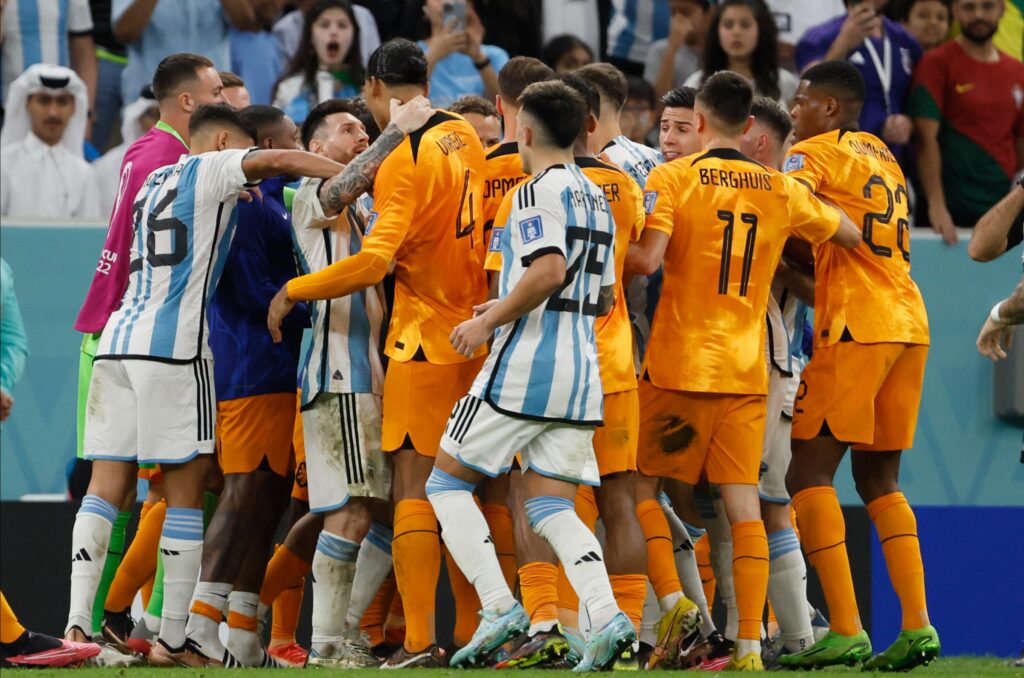
Then 2022 arrived. Spanish referee Antonio Mateu Lahoz issued a FIFA World Cup record 18 yellow cards and one red card during the Netherlands vs Argentina quarterfinal at the Lusail Stadium on 9 December 2022. In total, 15 players on the field received a card, a World Cup record. Argentina won on penalties. The match was immediately nicknamed the Battle of Lusail. The Guinness World Record for most yellow cards in a single World Cup match now belongs to that night in Qatar.
The Player With the Most Yellow Cards in World Cup History
Individual discipline records are as revealing as team ones. Javier Mascherano of Argentina has received seven yellow cards during the World Cup, the most of any player. The next with six is Cafu from Brazil, all of which were yellow, making him the most yellow-carded player before Mascherano surpassed the record. Mascherano earned his seventh and final booking in Argentina’s defeat to France at the 2018 World Cup. His record reflects both longevity and a combative style that never softened on the biggest stage.
The Teams With the Most Yellow Cards in World Cup History
At the team level, the numbers reflect decades of accumulated pressure. Germany has accumulated 122 yellow cards, the most of any World Cup team. Argentina follows with 112. Both nations have contested numerous knockout rounds across multiple tournaments, which naturally inflates the numbers. Argentina’s total is also coloured by the intense and physical nature of their campaigns across the tournament’s modern era, including the Battle of Lusail in 2022.
How Yellow Cards Have Decided World Cup Outcomes
The consequences of a booking extend well beyond the match in which it is given. In the knockout stages, accumulated yellow cards result in automatic one-game suspensions. Those suspensions have altered the trajectory of tournaments in ways that are rarely fully appreciated.
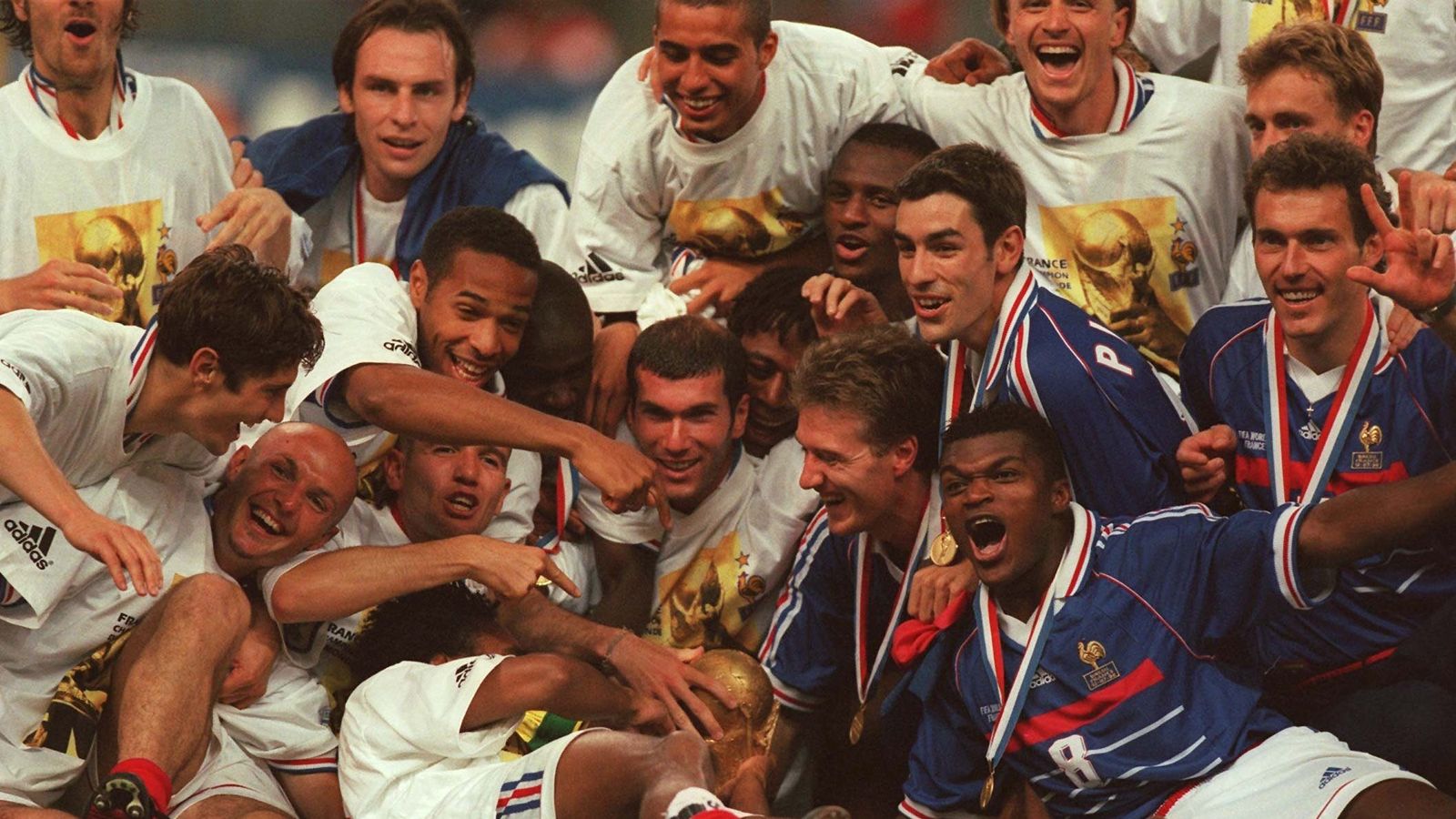
At the 2006 World Cup, Portugal lost their suspended playmaker Deco for the quarterfinal against England after his red card in the Battle of Nuremberg. England, reduced to ten men themselves after Wayne Rooney’s red card, still lost. France in 1998 managed Zidane’s card accumulation with extreme care throughout the tournament, aware that losing him to suspension would cripple their chances. The mental discipline required to perform at the highest level while managing the risk of suspension is one of the most underrated aspects of World Cup preparation.
How Refereeing and the Rules Have Evolved
The use of physical red and yellow cards to indicate dismissals and cautions is a later invention, having been introduced at the 1970 tournament. Only players are listed in the official records, even if they were at the substitutes’ bench at the time of the sending off. The first red card at a World Cup was not issued until 1974, despite the system being introduced in 1970.
The rules governing accumulated bookings have also shifted. In 2010, FIFA moved the card reset point to follow the World Cup’s quarterfinal games. The last two teams standing are guaranteed to be at full strength, barring injury or a red card in the semifinal. The card tally no longer resets after the opening games, so the longest stretch players have to go without receiving two yellow cards is five games instead of three.
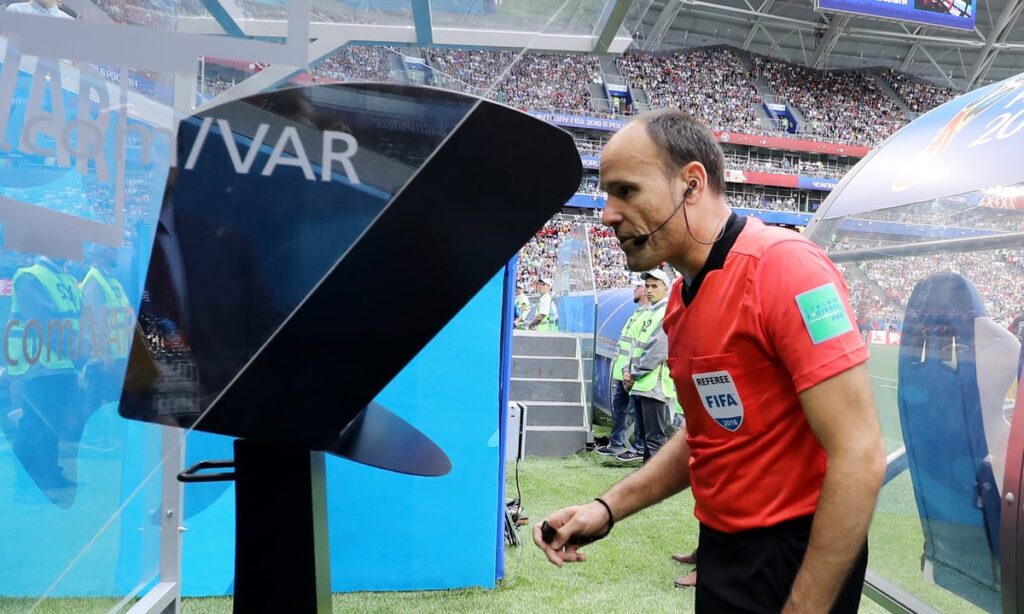
The introduction of VAR in 2018 brought another shift. Red card numbers fell sharply. Since 2010, the count has trended downward, with 17 red cards in 2010, dropping to 10 in 2014, and reaching record lows of 4 in both 2018 and 2022. VAR removed many of the erroneous dismissals that had historically inflated the numbers. What it could not remove was the intensity that produces yellow cards in the first place.
Discipline as the Hidden Force of Every World Cup
The most yellow cards in World Cup history belong to specific tournaments, specific matches, and specific players. But the broader truth runs beneath all of them. Discipline is not a footnote in the World Cup story. It is a decisive force that has altered finals, eliminated contenders, and defined entire campaigns. The teams that win the trophy are almost never the ones collecting the most bookings.
They are the ones who channel their aggression precisely, who compete at maximum intensity without crossing the line. The referee’s pocket, in that sense, is as decisive as any boot that has ever struck a ball.






No Comments