
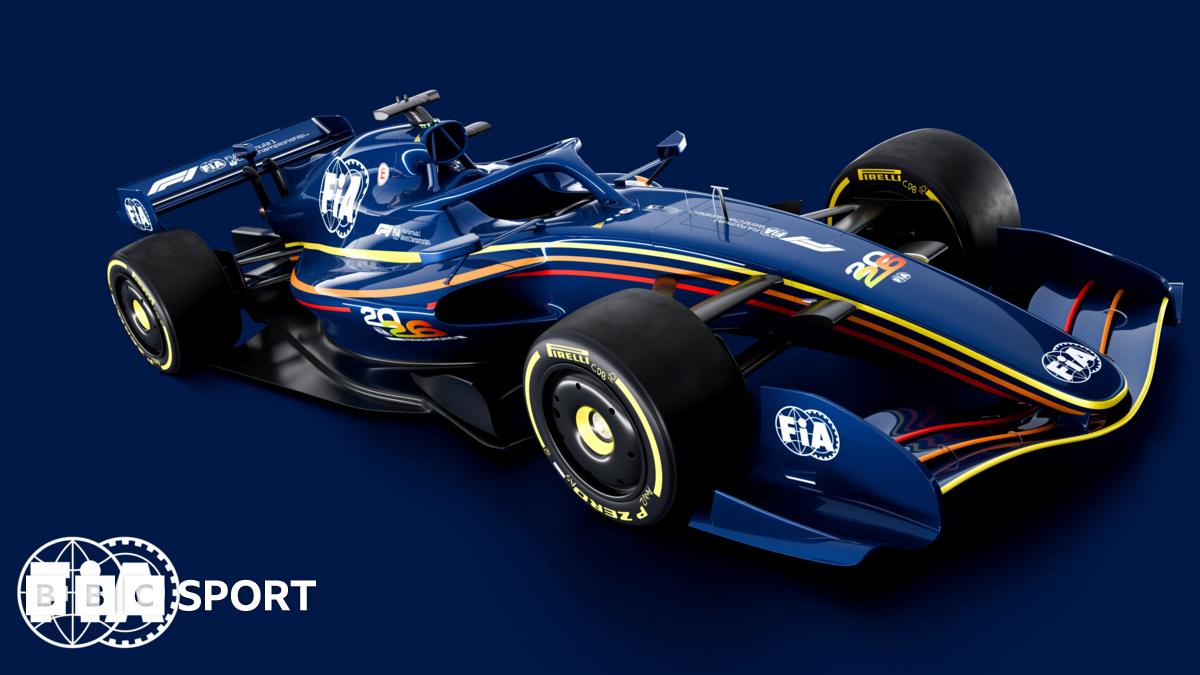

Three races into the new Formula 1 season, the sport finds itself in a place nobody wanted to be. The 2026 regulations, designed after years of planning and marketed as a bold, sustainable leap forward for the championship, have produced racing that has frustrated drivers, confused fans, and raised genuine safety concerns. The F1 2026 regulations crisis is real, it is urgent, and the clock is ticking.
Table of Contents
- What the 2026 F1 Regulations Were Supposed to Deliver
- The Core Problem: Battery Chaos and “Yo-Yo” Racing
- Red Bull’s Collapse and Verstappen’s Fury
- The Safety Wake-Up Call at Suzuka
- The Fix: What Is Actually on the Table?
- Winners, Losers, and What Each Team Stands to Gain or Lose
- What Happens If the FIA Gets This Wrong
On April 9, with an unscheduled break following the Japanese Grand Prix providing a narrow window of opportunity, the sport’s key stakeholders gathered for the first of three emergency meetings. Technical directors from all eleven teams, power unit manufacturers, the FIA, and Formula 1 itself sat down to discuss what has gone wrong and, more critically, what can realistically be done before the Miami Grand Prix on May 1 to 3.
The question hanging over the sport right now is a simple but serious one: can Formula 1 fix itself before the damage becomes permanent?
What the 2026 F1 Regulations Were Supposed to Deliver
To understand why the current situation feels so damaging, it helps to remember what these regulations were sold as. The 2026 ruleset represented one of the most ambitious overhauls in Formula 1 history, combining a near 50/50 split between internal combustion engine power and electrical energy, active aerodynamics designed to reduce dirty air and promote closer racing, and stricter energy management protocols aimed at making the sport more sustainable and environmentally relevant.

The vision was compelling. Greener cars, wheel-to-wheel racing, and a technical framework that would keep Formula 1 relevant in an era of global electrification. Manufacturers invested billions in development. Teams restructured their technical departments around the new power unit architecture. The FIA positioned 2026 as the beginning of a new golden era.
Three races in, the gap between vision and reality has been stark.
The Core Problem: Battery Chaos and “Yo-Yo” Racing
The fundamental issue at the heart of the F1 2026 regulations crisis is the 50/50 power split itself, and specifically how it behaves in race conditions. What seemed logical on paper has produced deeply unsatisfying racing in practice.
Drivers are now engaged in a constant, lap-by-lap battle with their energy management systems. A car can boost past a rival on one straight using electrical power, then immediately run out of battery deployment on the next, forcing sudden lift-and-coast moments or jarring power drops that have nothing to do with driver skill or racecraft. The result is what critics have started calling “yo-yo racing,” where position changes are dictated more by who has charge remaining than by genuine pace differences.
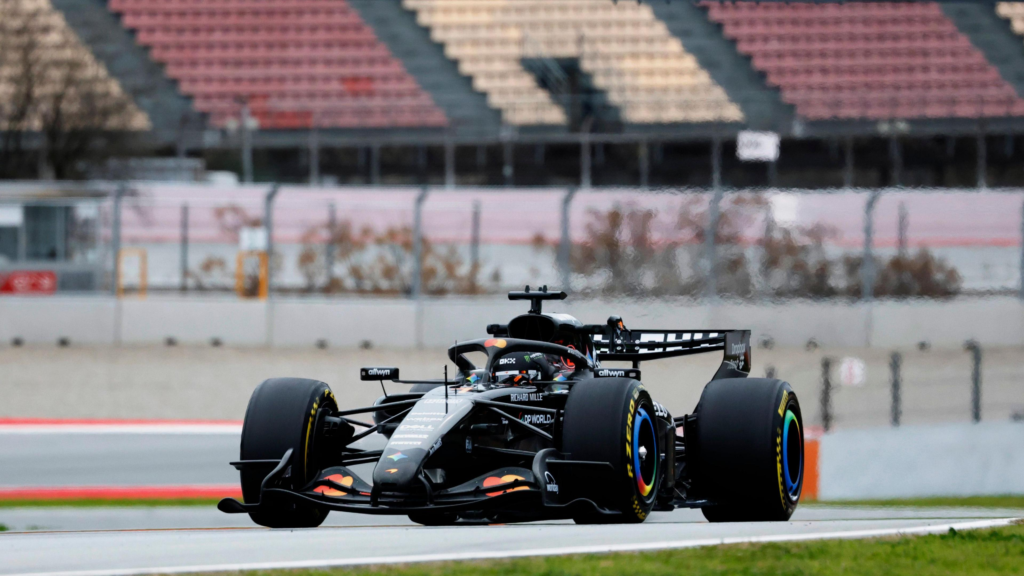
Lando Norris described situations where drivers feel genuinely “not in control,” with battery deployment algorithms effectively making overtaking decisions rather than the driver behind the wheel. In both China and Japan, battles between Mercedes and Ferrari illustrated the problem vividly. Exciting in isolated moments, but fundamentally artificial in a way that undermines the sporting integrity of the competition.
Qualifying has suffered equally. Rather than rewarding drivers who can extract the absolute maximum from their car over a single flying lap, the format now penalises aggressive energy use. Software deployment limits and strategy considerations have turned pole position battles into tactical management exercises rather than the flat-out spectacle they are supposed to be. Nigel Mansell warned before the season that these regulations could lead to drivers deliberately slowing to conserve battery. His fears have been realised within three rounds.
Red Bull’s Collapse and Verstappen’s Fury
No team illustrates the scale of the F1 2026 regulations crisis more vividly than Red Bull. The Milton Keynes outfit dominated the previous regulatory era so completely that the competitive hierarchy seemed almost immovable. Three races into 2026, they sit sixth in the constructors’ standings with just 16 points, reportedly running approximately one second off the pace of the leading teams in key sectors.
Max Verstappen, a four-time world champion, is languishing in ninth place in the drivers’ standings with 12 points. It is the worst start of his career at this level, and he has not been quiet about his feelings. After the Chinese Grand Prix, Verstappen called the racing “a joke” and compared it to Mario Kart, stating bluntly that anyone who enjoyed what they were watching “really doesn’t know what racing is about.” He has consistently labelled the regulations “anti-racing” and “terrible” throughout the early weeks of the season, and has gone as far as questioning his long-term future in the sport if the product does not improve significantly.
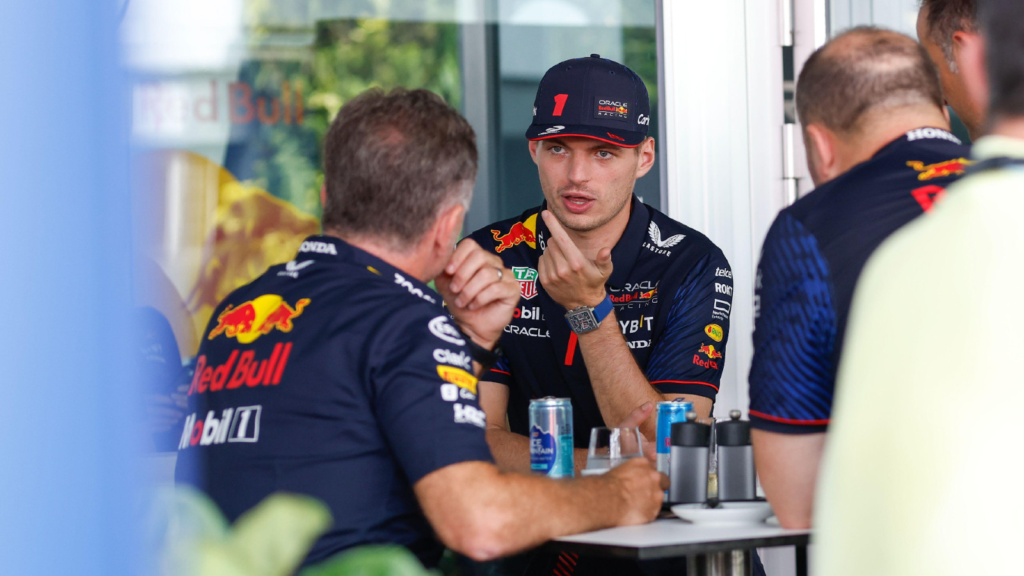
It would be easy to dismiss Verstappen’s comments as the frustration of a champion unaccustomed to losing. But he has been raising concerns about these regulations since simulator testing in 2023, long before any competitive results were on the line. His criticism reflects a genuine belief that the spectacle has been fundamentally compromised, and that view is shared across the paddock by drivers who are winning as well as those who are struggling.
The Safety Wake-Up Call at Suzuka
Beyond the competitive and entertainment concerns, the Japanese Grand Prix delivered a reminder that the F1 2026 regulations crisis carries real safety implications. Haas rookie Oliver Bearman suffered a terrifying crash at Suzuka measuring 50G, with investigators pointing to inconsistent power delivery as a contributing factor in the incident.
The dynamic being created by the 50/50 power split means that one car can be running at full electrical boost while another immediately ahead has exhausted its battery deployment. The closing speeds generated in those scenarios are unpredictable in a way that traditional Formula 1 physics are not. The FIA’s post-race statement confirmed that the Bearman incident accelerated the urgency of their regulatory review, even though such a review had always been planned after the opening rounds of the season.
When safety enters the conversation, the timeline for action compresses dramatically.
The Fix: What Is Actually on the Table?
The meetings beginning April 9 are structured around a clear and aggressive timeline designed to produce implementable solutions before Miami.
The key dates in the process are as follows:
- April 15: Sporting Regulations meeting to align any proposed changes across the competitive and technical frameworks.
- April 16: Follow-up technical session to assess the feasibility of specific interventions.
- April 20: High-level summit involving team principals, Formula 1 CEO Stefano Domenicali, and FIA leadership to vote on approved proposals.
The FIA has already confirmed publicly that tweaks to aspects of the regulations are coming, with energy management the primary focus of the short-term intervention. Options currently under discussion include capping the MGU-K electrical output to reduce the severity of the yo-yo effect, adjusting overtake boost modes to create more predictable power delivery, and softening deployment rules to reduce the frequency of sudden power drops mid-corner or mid-straight.
Longer-term structural discussions are also underway that could revisit the 50/50 split more fundamentally. A shift toward a 65/35 ratio favouring the internal combustion engine has been floated as a medium-term correction that would preserve the sustainability credentials of the new formula while restoring more of the raw performance character that Formula 1 has always been defined by.
If proposals are approved at the April 20 summit, changes would require ratification by the World Motor Sport Council before being implemented for Miami. That would represent a rare and significant in-season regulatory intervention, but the sport’s commercial and competitive health appears to demand nothing less.
Winners, Losers, and What Each Team Stands to Gain or Lose
The regulatory crisis has reshuffled the competitive order in ways that create very different stakes for each team heading into the review process.
| Team | Current Position | Regulation Impact | Stakes in the Review |
|---|---|---|---|
| McLaren | Leading contenders | Strong hybrid integration | Want minimal changes to preserve advantage |
| Mercedes | Adaptable | Competitive in new formula | Cautiously supportive of tweaks |
| Ferrari | Adaptable | Managing new rules reasonably | Open to energy management adjustments |
| Red Bull | 6th in constructors | Severely disadvantaged | Pushing hardest for structural change |
| Haas | Safety concerns raised | Bearman crash accelerated review | Prioritising safety-focused fixes |
McLaren have been the standout beneficiaries of the new regulations. Norris and Oscar Piastri have accumulated 46 constructor points across the opening three rounds, their hybrid deployment and chassis balance ideally suited to the demands of the new formula. Zak Brown’s team will not want dramatic changes that eliminate an advantage they have earned through excellent technical preparation.
Red Bull, on the other hand, need significant structural intervention if they are to recover anything from their 2026 campaign. Verstappen’s public frustration is not just a PR problem. It represents a genuine risk to Formula 1’s commercial value if the sport’s most prominent champion remains this disengaged from the product.
What Happens If the FIA Gets This Wrong
The stakes of the April 20 summit extend well beyond the 2026 season. The decisions made in the next ten days will shape the regulatory framework for the 2026 to 2030 cycle, influence which manufacturers choose to remain committed to the sport, and determine whether Formula 1 retains the casual audience it has worked so hard to build over the past five years.
Formula 1 has navigated regulatory crises before. The refuelling ban, the introduction of the hybrid era in 2014, the ground effect regulations of 2022 all produced short-term disruption and long-term improvement. The sport has demonstrated a capacity to self-correct when the will to do so exists across the key stakeholders.
The difference this time is the combination of factors arriving simultaneously: safety concerns, a dominant narrative of artificial racing, the most decorated driver on the grid questioning his future, and a commercial calendar that allows only days rather than months to respond.
As one paddock insider was reported to have put it, April 20 is not just another meeting. It is a defining moment for what Formula 1 wants to be.
Miami is coming. The window is closing. The F1 2026 regulations crisis needs an answer, and it needs one now.






No Comments