

Roger Federer’s 20 Grand Slams: Breaking Down Each Title Victory
Roger Federer’s name is synonymous with elegance, longevity, and excellence. His 20 Grand Slam titles were not just trophies collected over time but milestones that shaped modern men’s tennis. Spread across different surfaces, eras, and rivals, each title tells a story of evolution, resilience, and unmatched skill. This article breaks down Roger Federer’s 20 Grand Slams victories and explains why they still matter in the history of the sport. The Legacy of Federer’s Grand Slam Era When Federer won his final major in 2018, he set a benchmark that once seemed untouchable. His success spanned nearly two decades, bridging generations of players and redefining what longevity at the highest level looks like. More than numbers, Federer’s Grand Slam record reflects consistency across surfaces, adaptability to change, and a playing style that influenced the global perception of tennis. Federer’s First Grand Slam Breakthrough Federer’s Grand Slam journey began at Wimbledon Championships in 2003, where he defeated Mark Philippoussis in the final. That victory marked his transformation from a gifted talent into a champion capable of dominating the sport. It also announced the arrival of a new grass-court king and laid the foundation for one of the greatest careers in tennis history. Dominance at Wimbledon Wimbledon was Federer’s most successful Grand Slam tournament, where he won eight titles, the most by any male player. His fluid movement, precise serve, and attacking instincts made him nearly unbeatable on grass. From early wins in the mid-2000s to the emotional triumph in 2017, Federer’s Wimbledon titles showcased his adaptability. Even as the game became more physical, his timing and shot-making allowed him to stay competitive against younger opponents. Wimbledon was where Federer’s elegance and efficiency were most visible. Australian Open Success Federer claimed six titles at the Australian Open, demonstrating his mastery on hard courts. His victories in Melbourne highlighted his ability to handle fast conditions while maintaining control from the baseline. The 2017 Australian Open stands out as one of the defining moments of his career. Returning from injury at age 35, Federer defeated Rafael Nadal in a classic final, proving that experience and tactical intelligence could still overcome youth and power. US Open Era of Supremacy Federer’s dominance at the US Open was unmatched during his peak. He won five consecutive titles from 2004 to 2008, a run that underlined his control over the men’s game. These victories came during the height of his athleticism, where his aggressive baseline play and improved serve made him nearly impossible to break. The US Open years cemented Federer’s reputation as the best player in the world during the mid-2000s. The French Open Challenge The French Open proved to be Federer’s greatest challenge, largely due to the dominance of Rafael Nadal on clay. Federer reached multiple finals but repeatedly fell short against his greatest rival. That changed in 2009, when Federer finally won the French Open, completing the career Grand Slam. Although Nadal was absent from the final, the victory was monumental. It removed the last remaining gap in Federer’s résumé and confirmed his versatility across all surfaces. Grand Slam Wins by Playing Style and Evolution Federer’s 20 Grand Slams can be divided into phases that reflect his evolution as a player. Early in his career, he relied on explosive shot-making and aggressive net play. During his peak years, he refined his baseline game and improved his defensive skills. In the later stages of his career, Federer reinvented himself. Shorter points, smarter shot selection, and a more aggressive backhand allowed him to compete effectively despite declining physicality. This ability to adapt was key to extending his Grand Slam success well into his 30s. Rivalries That Shaped Federer’s Grand Slam Wins Federer’s major victories were heavily influenced by his rivalries, particularly with Rafael Nadal and Novak Djokovic. Nadal pushed Federer to improve on clay and develop greater mental toughness, while Djokovic tested his endurance and precision on hard courts. Many of Federer’s most memorable Grand Slam finals came against these rivals. Even in defeat, those matches elevated the quality of tennis and defined an era often regarded as the greatest in the sport’s history. Comebacks and Late-Career Triumphs Winning Grand Slams after the age of 30 is rare in men’s tennis, yet Federer achieved this multiple times. His titles in 2017 and 2018 were not just victories but statements about preparation, discipline, and belief. By managing his schedule carefully and focusing on major tournaments, Federer extended his career at the top level. These late-career wins added depth to his legacy, proving that greatness is not confined to youth. Statistical Breakdown of Federer’s 20 Titles Federer’s Grand Slam tally breaks down as follows: He reached 31 Grand Slam finals overall, winning nearly two-thirds of them. His success across all four majors places him among the most complete players in tennis history. Why Federer’s 20 Grand Slams Still Matter Although other players have since surpassed Federer’s total, his 20 Grand Slams remain historically significant. He set the benchmark that others chased, changing expectations around longevity and consistency. Federer also globalized tennis in a new way. His sportsmanship, style, and accessibility attracted fans beyond traditional audiences, leaving an impact that statistics alone cannot capture. More Than Just 20 Trophies Roger Federer’s 20 Grand Slams titles represent more than numerical achievement. They tell the story of a player who evolved with the sport, faced legendary rivals, and maintained excellence across generations. While records may fall, Federer’s Grand Slam legacy endures as a symbol of balance between skill, grace, and competitive greatness.
Read More
Don Bradman’s 99.94 Average: Cricket’s Most Unbreakable Record
In a sport built on numbers, no statistic carries the weight or mystique of Don Bradman’s Test batting average of 99.94. More than just a figure, it represents a level of dominance that cricket has never seen before or since. Across eras, formats, and generations, this number continues to stand apart as the most unbreakable record in the game’s history. This article examines how Bradman achieved this extraordinary average, why it defies comparison, and why modern cricket makes it virtually impossible to replicate. Why 99.94 Still Astonishes Cricket Fans In Test cricket, a batting average of 40 is considered very good. An average of 50 defines greatness. Only a handful of players in history have sustained averages above 55 across long careers. Bradman’s 99.94 almost doubles that elite benchmark. What makes the record even more astonishing is its context. Bradman played in an era without modern equipment, protective gear, video analysis, or sports science. Yet his output remains unmatched nearly a century later, making 99.94 not just a record, but an anomaly in sporting history. Who Was Don Bradman? Sir Donald George Bradman was born in 1908 and made his Test debut for Australia in 1928. Over a career spanning 20 years, he became the most dominant batter cricket has ever known. Bradman played 52 Test matches, scoring 6,996 runs across 80 innings, with 29 centuries. His impact extended beyond numbers. Opponents altered entire bowling strategies specifically to stop him, and captains set fields rarely used against any other player. Bradman wasn’t merely Australia’s best batter. He was the game’s measuring stick. Understanding the Batting Average in Cricket A batting average measures runs scored divided by times dismissed. Unlike strike rate, it rewards consistency, endurance, and the ability to avoid failure over time. Historically: Before Bradman, the highest career average was in the low 60s. Bradman didn’t just raise the bar. He shattered it. Breaking Down the 99.94 Test Average Bradman’s average was built on remarkable consistency: Even more striking is that his average never dipped below 95 after his early years. Most batters see their averages decline as their careers extend. Bradman maintained near-perfection until his final match. The Infamous Final Innings – How Bradman Missed 100 Bradman entered his final Test innings in 1948 needing just four runs to finish his career with a perfect average of 100. Facing England at The Oval, he was bowled for zero by Eric Hollies. That single dismissal dropped his average from 100 to 99.94. Ironically, this moment made the record even more legendary. The fact that perfection slipped away by four runs humanized an otherwise superhuman career. Era, Conditions, and Opposition Quality Bradman played on uncovered pitches, where rain could turn wickets into unpredictable surfaces known as “sticky dogs.” Protective gear was minimal, bats were heavier and less forgiving, and travel between tours was exhausting. He faced high-quality bowlers, including Harold Larwood, whose Bodyline tactics were designed almost exclusively to curb Bradman’s run scoring. Despite these challenges, Bradman averaged: These were not inflated by weak opposition or favorable conditions. Comparing Bradman to Modern Batting Legends Modern greats like Sachin Tendulkar, Jacques Kallis, Ricky Ponting, and Kumar Sangakkara finished with averages between 50 and 58. Even the best of the modern era fall 40 runs per innings short of Bradman. Adjustments for era, pitch quality, and professionalism still fail to close the gap. Statistical modeling consistently shows that Bradman’s dominance relative to his peers exceeds that of any other cricketer or athlete in major global sports. Why the Record Is Considered Unbreakable Mathematically, sustaining a 99.94 average over a long career is nearly impossible. A modern batter would need: Modern cricket also presents challenges Bradman never faced: all-format scheduling, constant international travel, extensive video analysis by opponents, and higher athletic standards among bowlers. Even one poor series can permanently damage an average. Bradman simply didn’t have those declines. Psychological Dominance and Aura Beyond technique, Bradman exerted psychological control over opponents. Bowlers entered matches already beaten mentally. Fielding captains spread fields defensively before he had settled. Teammates fed off his confidence. Opponents built entire game plans around stopping him, often at the expense of other batters. This mental dominance is a crucial, often overlooked reason why his numbers reached such extraordinary heights. Attempts to Challenge the Record Several players began their careers with averages in the 60s or 70s, prompting speculation about Bradman’s record. Every single one eventually regressed toward the mean. Cricket’s history shows that longevity always brings statistical correction. Bradman remains the lone exception. Bradman’s Legacy Beyond the Numbers Bradman’s influence extends into cricket culture itself. He became a symbol of excellence, humility, and national pride in Australia. His standards still shape how greatness is measured. Awards, honors, and tributes followed him throughout his life, but his true legacy lies in the fact that every great batter is still compared to him and found wanting. A Record That Defines Greatness Don Bradman’s 99.94 is not just cricket’s greatest record. It is one of the most dominant statistical achievements in all of sport. Generations have come and gone. Formats have changed. Conditions have evolved. Yet this number remains untouched, not because no one has tried, but because it exists beyond normal human performance. Some records are broken. Others endure. Bradman’s 99.94 belongs firmly to the latter.
Read More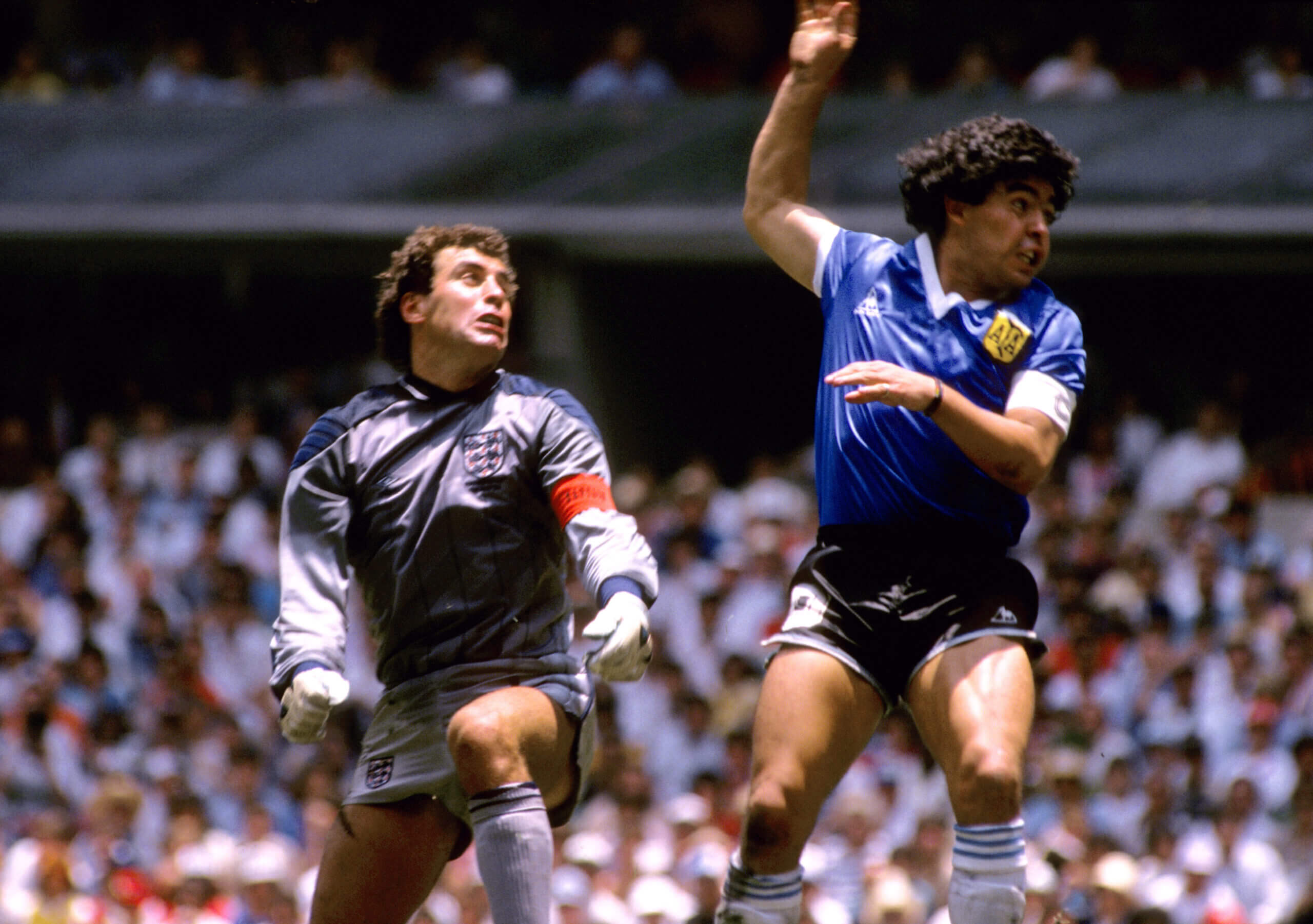
Maradona’s Hand of God Goal: The Most Controversial Moment in World Cup History
Mexico City, Azteca Stadium · Argentina vs England · 1986 FIFA World Cup On June 22, 1986, Diego Maradona punched a football into England’s net with his left hand, looked the referee in the eye, and kept running. Four minutes later, he scored the greatest goal ever recorded. One afternoon in Mexico City gave the world both the most controversial goal and the most brilliant goal in World Cup history, and football has never stopped talking about either. The World Stage: Argentina vs England in 1986 The 1986 FIFA World Cup quarter-final between Argentina and England was never going to be a simple football match. Just four years earlier, the two nations had fought the Falklands War, a brutal 74-day armed conflict over a remote chain of islands in the South Atlantic. Soldiers from both countries had died. The wound was raw. By the time the two squads lined up at the Estadio Azteca in Mexico City, the match carried the weight of something far greater than sport. Argentina entered the tournament as a team built almost entirely around one extraordinary man. Diego Armando Maradona, then 25 years old, was at the absolute peak of his powers. England, managed by Bobby Robson, featured a strong squad including Peter Shilton in goal and striker Gary Lineker. Both teams knew they were playing not just for a World Cup semi-final berth, but for national pride in the truest and most complicated sense. What Actually Happened: Breaking Down Maradona’s Hand of God Goal The first half ended goalless. In the 51st minute of the second half, Argentine midfielder Jorge Valdano played a through ball toward Maradona. England midfielder Steve Hodge, under pressure, attempted to hook the ball back to goalkeeper Peter Shilton but sent it looping awkwardly into the air above the penalty box. Maradona and Shilton both rushed toward it. What followed took less than a second. Maradona, several inches shorter than Shilton, raised his left arm and punched the ball into the net. Shilton immediately began protesting to Tunisian referee Ali Bin Nasser. England’s players swarmed the official. Maradona, meanwhile, sprinted toward his teammates with his arms raised, deliberately avoiding eye contact with the referee, fully aware of exactly what he had done. The referee, who had not seen the handball clearly and received no assistance from his linesman, allowed the goal to stand. Argentina led 1–0. It was a little with the head of Maradona and a little with the hand of God.Diego Maradona, post-match press conference, June 22, 1986 That single sentence became one of the most quoted lines in sports history. It was defiant, poetic, and completely unapologetic. Maradona never expressed genuine remorse for the act itself, though he later admitted in his 2004 autobiography that the hand was deliberate, calling it a form of “symbolic revenge” against England for the Falklands War. The Goal of the Century: Maradona’s Redemption Four Minutes Later If the Hand of God goal revealed Maradona’s cunning, what came next revealed his genius. In the 55th minute, just four minutes after the controversial opener, Maradona received the ball inside his own half. What followed was a 10-second, 60-metre run in which he dribbled past five England outfield players and then goalkeeper Peter Shilton before sliding the ball into an empty net. In 2002, a poll of 36,000 football fans conducted by FIFA voted this the Goal of the Century. It remains the standard against which all other individual goals are measured. The same man who had cheated his way to a goal had then produced perhaps the greatest piece of individual skill the game has ever seen, all in the same half, against the same opponents. The contrast was staggering and deliberate, as though Maradona himself understood the narrative he was writing in real time. England’s Reaction and the Immediate Controversy Peter Shilton was furious immediately after the match and remained so for decades. He has consistently and publicly refused to forgive Maradona for the handball, calling it a stain on the game. Bobby Robson called it “blatant cheating.” Gary Lineker, who scored England’s consolation goal in the 81st minute to make it 2–1, was characteristically measured but nonetheless clear that the result had been decided by an act of dishonesty. English fans and media were incensed, and the controversy was amplified by television replays that made the handball unmistakably clear to millions of viewers worldwide who had seen what the referee had not. British tabloids were unsparing. In Argentina, however, the reaction was the polar opposite: Maradona was celebrated as a hero who had outwitted the English at everything, including at their own game. Why Maradona’s Hand of God Goal Still Matters Decades Later The Hand of God goal is not just controversial in isolation. It asks fundamental questions about sport, nationalism, and morality that have no clean answers. Was it cheating? Yes, without any doubt. Was it a product of its political context? Almost certainly. Does the brilliant goal that followed four minutes later somehow complicate the moral ledger? That is a question football supporters have debated for nearly 40 years. The goal also changed football in a very practical sense. The introduction of Video Assistant Referee (VAR) technology, which now allows officials to review incidents including potential handballs in real time, is in no small part a legacy of moments like the Hand of God. The modern game has invested heavily in tools specifically designed to ensure that a referee can never again be fooled the way Ali Bin Nasser was in Mexico City. Maradona’s Hand of God goal has also entered the broader cultural conversation far beyond football. It appears in films, literature, philosophy classes, and political speeches. It is used as a case study in discussions of fair play, the morality of competition, and the relationship between sport and war. Few moments in any sport carry quite so much meaning in such a short number of seconds. Maradona’s Legacy and the Hand of God’s Place in Football
Read More
Lionel Messi vs Cristiano Ronaldo: Statistical Breakdown of Football’s Greatest Rivalry
The football world has been fortunate to witness one of the most compelling rivalries in sports history: Lionel Messi vs Cristiano Ronaldo. Spanning over 15 years, their competition has captivated fans, defined an era, and constantly pushed the boundaries of performance. While debates often revolve around personal preferences, statistics offer an objective lens to evaluate their influence on the game. This article breaks down their careers, records, and contributions to give a clear statistical perspective on football’s greatest rivalry. Career Overview – Messi and Ronaldo Lionel Messi began his professional career at FC Barcelona, rising through their famed La Masia academy. He spent more than 17 seasons at the club before moving to Paris Saint-Germain in 2021. Messi has won numerous league titles, domestic cups, and UEFA Champions League trophies, cementing his reputation as a playmaker and prolific goal scorer. Cristiano Ronaldo started at Sporting CP before making his name at Manchester United. His career has seen top performances at Real Madrid, Juventus, and a return to Manchester United. Ronaldo’s physical prowess, goal-scoring consistency, and versatility across leagues have earned him a place among football legends. Internationally, Messi has won the Copa America with Argentina and reached World Cup finals. Ronaldo has led Portugal to victory in the UEFA European Championship and the UEFA Nations League, showcasing his leadership and clutch performances. Goalscoring Records Statistics often highlight the dominance of Messi and Ronaldo in front of goal. As of 2026, Messi has scored over 800 career goals for club and country, while Ronaldo has surpassed 850. Breaking it down by competition: Goals per season reflect their consistency. Both players have averaged around 30–40 goals per season in peak years, a remarkable feat given the longevity of their careers. Assists and Playmaking Stats While Ronaldo is often celebrated for his finishing, Messi excels as a creator. Over his career, Messi averages approximately 0.35 assists per game, contributing to his team beyond scoring. Ronaldo’s assist rate is slightly lower at 0.25 per game but still impressive given his focus on goal-scoring. Messi’s vision, dribbling, and passing enable him to influence games even when he does not score. Ronaldo’s off-the-ball movement and crosses also generate opportunities, particularly in counter-attacking setups. Overall, Messi edges ahead in playmaking statistics, while Ronaldo remains a lethal finisher. Efficiency and Accuracy Metrics Analyzing efficiency provides another angle: Goal involvement per 90 minutes shows that both players consistently influence matches, whether through goals or assists, often matching or exceeding entire teams’ output in key games. Big Match Performances In high-stakes matches, statistics further highlight their rivalry: These numbers underline how their greatness extends beyond mere accumulation of statistics, influencing crucial moments. Longevity and Consistency Both players have maintained peak performance well into their 30s. Messi has displayed remarkable consistency across two decades, rarely dipping below 20 goals per season in top-flight football. Ronaldo’s physical conditioning allows him to maintain elite output even as he moves across leagues, with more than 30 goals in multiple seasons well past 30 years of age. Injuries have been minor relative to their careers, allowing uninterrupted streaks that set benchmarks for future generations. Awards and Individual Honors Individual accolades reflect their dominance: Statistics often justify these awards, showing that their output is more than reputation; it is measurable performance. Head-to-Head Comparison Messi and Ronaldo have faced each other in direct competition more than 30 times. Messi has a slight edge in goals scored in these encounters, but Ronaldo has delivered match-winning performances in crucial fixtures, such as Champions League knockout ties. Beyond numbers, both players influence each other psychologically. Their presence pushes teammates and opponents alike to perform at higher levels, and tactical adjustments often revolve around countering their unique skills. Who Has the Edge? Statistically, the rivalry is remarkably even. Messi excels in playmaking, dribbling, and creative influence, while Ronaldo leads in raw goal output, physical dominance, and performance in multiple leagues. Numbers alone cannot declare a definitive winner — the debate often comes down to personal preference, style, or loyalty. What is undeniable is that Messi vs Ronaldo has defined a generation, pushing football standards higher and inspiring millions worldwide. Their rivalry is not just a clash of talent but a measurable testament to consistency, skill, and competitive excellence.
Read More
LBW Law Decoded: Why It’s Cricket’s Most Debated Dismissal Method
Few rules in cricket generate as much controversy, confusion, and conversation as LBW (Leg Before Wicket). A single LBW decision can change the momentum of a match, spark heated debates among commentators, and divide fans instantly. Despite advances in technology, LBW remains cricket’s most disputed dismissal because it combines written law with human judgement and interpretation. This article decodes the LBW law, explains why it is so difficult to judge, and explores why it continues to dominate cricketing debates across all formats. What Is LBW? A Simple Explanation LBW stands for Leg Before Wicket, a method of dismissal where a batter is given out if the ball strikes any part of their body, usually the pad, instead of the bat, and the umpire believes the ball would have gone on to hit the stumps. The purpose of LBW is to prevent batters from unfairly using their legs to block the ball and protect the wicket. Without this rule, batters could simply pad away deliveries, making bowlers ineffective and the contest unbalanced. While the idea sounds simple, applying it during live play is anything but. The Origins of the LBW Law LBW was introduced in the 18th century when defensive batting began to dominate early cricket. Batters discovered they could use their legs as a shield, forcing lawmakers to introduce a rule that restored balance. Since then, the law has evolved alongside the game itself. Lawmakers have adjusted the rule to reflect changes in technique, pitch conditions, and playing styles. Today, the Marylebone Cricket Club governs the law and regularly updates the Laws of Cricket to keep them relevant. Despite centuries of refinement, LBW remains one of the most complex rules in the sport. The Official Conditions for an LBW Decision Umpires can only give an LBW dismissal when several conditions are met at the same time. Missing even one requirement means the batter survives. Where Did the Ball Pitch? The ball must pitch either in line with the stumps or outside off stump. If it pitches outside leg stump, the batter cannot be out LBW under any circumstance. This single condition accounts for a large number of rejected appeals. Where Did the Ball Hit the Batter? The ball must strike the batter in line with the stumps. In certain cases, impact outside off stump can still result in LBW if the batter is not playing a genuine shot. Even a slight movement across the crease can change the outcome of the decision. Was the Ball Going on to Hit the Stumps? This is the most debated part of the law. The umpire must decide whether the ball would have gone on to hit the stumps if the batter’s body had not stopped it. Factors such as swing, seam, spin, pace, and bounce all make this judgement extremely difficult. Was the Batter Playing a Shot? If the batter is playing a genuine shot, they cannot be out LBW if the ball hits them outside off stump. The umpire often determines whether the batter offered a genuine shot by interpreting the batter’s intent. Why LBW Is So Difficult to Judge LBW decisions must be made in a split second. Umpires need to track the pitching point, point of impact, ball trajectory, batter movement, and shot intent all at once. Late swing, sharp turn, or uneven bounce can deceive even the most experienced officials. Unlike run-outs or catches, LBW does not offer a single clear visual cue, which is why disagreements are inevitable. The Role of Umpires in LBW Decisions On-field umpires remain central to LBW decisions. Even in the era of technology, the initial call still rests with them. The concept of umpire’s call exists to acknowledge the limitations of both human judgment and technology. When ball-tracking shows marginal contact with the stumps, the on-field decision stands, preserving the umpire’s authority while still allowing reviews for clear errors. Technology and LBW: Help or Hindrance? The Decision Review System was introduced primarily to reduce incorrect LBW decisions. Ball-tracking technology such as Hawk-Eye predicts the path of the ball after impact and has improved accuracy significantly. However, ball tracking is still a projection rather than absolute certainty. This is why technology has reduced obvious mistakes but has not eliminated controversy. Fans now debate margins instead of mistakes. Famous LBW Controversies in Cricket History Cricket history is filled with famous LBW decisions that altered matches and defined careers. From World Cup knockouts to iconic Test series, disputed LBW calls have sparked outrage, celebrations, and endless replays. What makes these moments unforgettable is the context. High pressure, massive stakes, and emotional investment ensure LBW decisions remain etched in memory. LBW Across Formats: Tests, ODIs, and T20s LBW impacts each format differently. In Test cricket, patient bowling and defensive batting lead to tight, marginal calls. The ODIs, batters balance defense with stroke play, making shot intent crucial. In T20 cricket, aggressive stances and planted front legs result in a higher frequency of LBW dismissals. As the game gets faster, the risk of LBW increases. How LBW Influences Batting and Bowling Strategies Modern batters adjust their stance, move across the crease, and play straighter bats to reduce LBW risk. Bowlers counter by targeting the pads with full, straight deliveries and setting up batters for late movement. LBW appeals are no longer hopeful shouts. They are part of a calculated strategy. Common Misconceptions About LBW One of the biggest misconceptions is that any ball hitting the pad is out. In reality, most LBW appeals fail because one or more conditions are not satisfied. Another common misunderstanding involves pitching rules and the playing-a-shot clause, which often leads to confusion among fans. Why LBW Remains Cricket’s Most Debated Dismissal LBW combines complex laws, human judgment, and emotional involvement. Even with advanced technology, interpretation cannot be removed entirely. This uncertainty is not a flaw. It is part of what makes cricket compelling. Understanding LBW Beyond the Arguments LBW is more than a rule. It reflects cricket’s balance between skill, fairness, and
Read More
Tennis Scoring System Origins: The 15-30-40 Mystery Finally Solved
If you have ever sat down to watch a tennis match and wondered why the score jumps from 0 to 15 to 30 to 40 instead of just counting 1, 2, 3 like every other sport on the planet, you are not alone. It is one of the most commonly asked questions in sports, and the answer takes us on a surprisingly deep journey through medieval France, clock faces, and centuries of sporting tradition. Understanding the tennis scoring system origins does not just satisfy curiosity. It gives you a whole new appreciation for every point played at Wimbledon, the US Open, or your local club court. Why Does Tennis Use 15, 30, and 40? The most widely accepted explanation for the tennis scoring system origins traces back to medieval France in the 1400s. The game played back then was called “jeu de paume,” which roughly translates to “game of the palm,” since players originally hit the ball with their hands before rackets came into use. This early version of tennis was enormously popular among French nobility, and its scoring was tied to something almost everyone owned in that era: a clock. The theory goes that a clock face was used to keep score. Each point won moved the hand of the clock forward by 15 minutes. So the first point moved the hand to 15, the second to 30, and the third to 45. When a player reached 60, they won the game. Simple enough, right? So where did 40 come from? The 45 That Became 40: A Linguistic Shortcut Here is where the tennis scoring system origins get genuinely interesting. The jump from 45 to 40 is most commonly attributed to a simple matter of practicality and pronunciation. When calling out scores quickly during a fast-moving match, “forty-five” was a mouthful. Over time, players and officials began shortening it to “forty,” and the abbreviation stuck permanently. There is also a second theory worth considering. Some historians believe the change from 45 to 40 was made deliberately to accommodate the concept of “deuce,” which requires a player to win two consecutive points after reaching a tied score. If both players reached 45, there would be no room on the clock face to represent the advantage point needed before winning. By dropping the final score to 40, the system allowed a logical progression: 40, then advantage, then game. Whether it was convenience or clever design, the result is the same scoring system tennis players use today across every tournament in the world. What Does “Love” Mean in Tennis and Where Did It Come From? No discussion of tennis scoring system origins is complete without addressing “love,” the term used for zero. If you have ever wondered why a score of nothing is called love, there are two main theories that historians debate. The first and most popular theory links the word to the French word “l’oeuf,” which means “the egg.” An egg, of course, is oval shaped and resembles a zero visually. This kind of number-to-object association is not unique to tennis. You see the same logic in cricket, where a score of zero is called a “duck” because of the duck-egg shape. Over time, English-speaking players may have anglicized “l’oeuf” into “love,” and the term carried forward through generations of the sport. The second theory suggests the word comes from the English phrase “to play for love,” meaning to play for the joy of the game rather than for money or reward. In this reading, starting at “love” means you have nothing to lose and everything to gain. While this interpretation is more poetic, most linguistic historians lean toward the French egg theory as the more likely origin. The Deuce Rule: Why Two Points Are Not Always Enough Understanding the tennis scoring system origins also means understanding deuce, which is arguably the most dramatic rule in the sport. When both players reach 40, the game does not end on the next point. Instead, the score is called deuce, and the winner must win two consecutive points to claim the game. The word “deuce” itself comes from the French word “deux,” meaning two, reflecting the requirement to win by two clear points. This rule was introduced to prevent matches from being decided by a single lucky shot when both competitors are evenly matched. It adds tension, drama, and a genuine test of mental and physical stamina. In high-level matches, players can spend several minutes locked in a deuce battle for a single game, which is part of what makes tennis so compelling to watch. How Did Tennis Scoring System Origins Influence the Modern Game? The scoring structure that evolved from those French courtyards has proven remarkably resilient. Despite centuries of change in equipment, court surfaces, and playing styles, the fundamental scoring system has remained almost entirely intact. That consistency speaks to how well-designed the system actually is, even if its origins were never planned with modern professional sport in mind. Today, some competitions have introduced tie-breaks and “no-ad” scoring to speed up matches, particularly in doubles and lower-stakes tournament formats. The ATP and WTA tours have experimented with formats like the match tie-break to reduce extremely long matches. But at the Grand Slams, traditional scoring largely rules, especially in the men’s game where five-set matches with standard deuce rules are still the norm. Other Theories Worth Knowing About Tennis Scoring While the clock face explanation dominates most conversations about tennis scoring system origins, it is worth noting that not all historians agree. Some researchers argue there is no direct documented evidence linking early tennis scores to actual clock faces. They suggest the clock theory may itself be a later rationalization invented to explain a system that grew more organically through custom and tradition. Another alternative theory points to the use of “chases” in real tennis, the older indoor version of the game still played in a handful of courts worldwide. In real tennis, court measurements and positional markers may have
Read More
Lamine Yamal Penalty Miss Costs Barcelona in 2-1 La Liga Defeat to Girona
Barcelona’s bid to reclaim top spot in La Liga suffered a painful setback on Sunday night as they fell 2-1 to Catalan neighbours Girona at Montilivi Stadium. A Lamine Yamal penalty miss on the stroke of half-time proved the defining moment, denying Barca the early lead that could have altered the course of the match entirely. The defeat left Barcelona second in the table, two points behind Real Madrid, and piled further pressure on coach Hansi Flick following a torrid week for the defending champions. Lamine Yamal Penalty Miss Sets the Tone in the First Half The teenage winger, who has been one of the brightest stars in European football this season, stepped up to take the spot kick in first-half stoppage time only to see his effort strike the post. It was a moment that shifted the momentum of the game before the break even arrived. Barcelona had been the brighter side up to that point, but the missed penalty handed Girona a psychological lift they carried into the dressing room and ultimately converted into points. For Yamal personally, it was a rare and visible miss from a player who rarely shows any weakness in front of goal. Cubarsi Header Gives Barca Hope Before Girona Storm Back Barcelona did eventually break the deadlock 14 minutes into the second half, and it came in style. Pau Cubarsi met Jules Kounde’s precise cross from the right flank and placed a clinical header into the top corner. The goal was Barcelona’s 100th in all competitions this season, making them only the second club in Europe’s top five domestic leagues to reach that milestone after Bayern Munich. It was a landmark worth celebrating, but Girona refused to respect the occasion. Within three minutes, Thomas Lemar levelled the score with a composed side-foot finish from close range after Vladyslav Vanat had done the hard work down the left wing. Fran Beltran Seals Victory as Flick Faces Growing Crisis With the match finely balanced, Girona showed the greater composure in the closing stages. Substitute Fran Beltran delivered the winner with three minutes remaining, driving a low shot from just inside the penalty area into the bottom corner. Joel Roca was sent off for Girona in the dying seconds, but the red card was irrelevant to the result. For Hansi Flick, the defeat compounded a nightmare week that had already included a 4-0 Copa del Rey loss to Atletico Madrid. Barcelona now face serious questions about their consistency and their ability to sustain a title challenge when results matter most. A Timely Win Lifts Girona Up the La Liga Table For Girona, the victory ended a three-game winless run at exactly the right time. The result lifted them three places in the La Liga standings to 12th position, level on points with Getafe. It was also a statement win for a side that has faced significant challenges this season following their dramatic rise under Michel, and beating their more illustrious Catalan neighbours will do wonders for morale. Barcelona, by contrast, must pick themselves up quickly. With Real Madrid firmly in control at the summit and the Copa del Rey already gone, their season increasingly hinges on one remaining domestic front.
Read More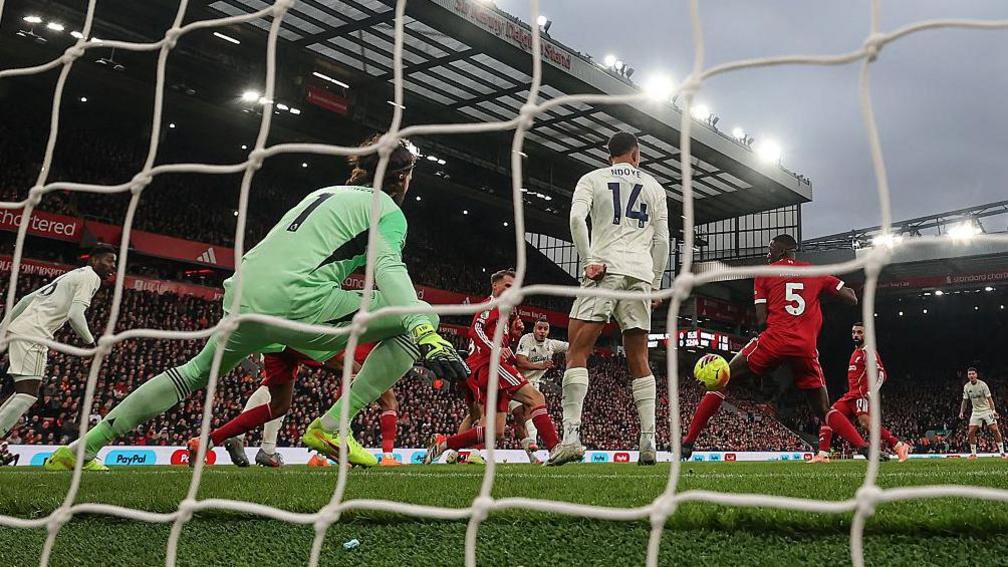
Offside Rule Evolution From 1863 to VAR, Every Major Change Explained
Few topics in football spark as much debate as the offside rule. Whether it is a disallowed goal in a World Cup final or a hairline VAR call in a midweek league match, the rule touches every level of the game. Yet for all its controversy, the offside rule evolution over the past 160 years is a fascinating story of football finding its identity, balancing attacking freedom against defensive organisation, and ultimately chasing the impossible ideal of perfect officiating. Understanding where it came from, how it changed, and what it looks like today makes you a smarter fan and a sharper critic of the decisions that shape matches. The Origins of the Offside Rule in 1863 When the Football Association was founded in 1863 and the Laws of the Game were first written down, a basic offside principle was already in place. A player was considered offside if fewer than three opponents stood between them and the goal at the moment the ball was played forward. This three-player rule was designed to prevent goal-hanging, a habit where attackers would simply loiter near the opposing goalkeeper waiting for long passes. The spirit of the law was clear: players should be involved in the game, not just camping at the far post waiting for a scoring opportunity to fall into their lap. This early framework set the philosophical foundation for every version of the offside rule evolution that would follow. The 1925 Reform That Changed Football Forever The most dramatic single moment in the offside rule evolution came in 1925, when the Football Association reduced the minimum number of defenders required from three to two. This seemingly minor change had enormous consequences. Before 1925, goal totals across the Football League had been falling sharply. Defenders, led by tacticians at clubs like Newcastle United, had mastered the art of stepping up to trap attackers offside before they could threaten the goal. The game was becoming stagnant and heavily weighted toward defence. The two-player rule transformed everything almost overnight. In the 1925 to 1926 season, goals per game in the Football League jumped from around 2.5 to over 3.5. Tactics had to be rethought entirely. Herbert Chapman at Arsenal famously developed the WM formation in direct response, using a centre-back to plug the gap that the new rule created. The offside trap did not disappear, but the entire geometry of the game shifted toward a more open, goal-hungry style that supporters loved. How Active Play Redefined the Offside Rule Evolution Through the mid-twentieth century, the core offside structure remained relatively stable. But referees and the game’s governing bodies increasingly recognised that simply being in an offside position was not the same as actually influencing play. Gradual interpretations began to take hold, eventually codified formally by FIFA and the International Football Association Board (IFAB). A player who was in an offside position but not involved in active play would not be penalised. This concept of active involvement became central to the modern game, allowing attackers to take up advanced positions without automatically killing a move if the ball was played to a teammate in an onside position. This interpretation introduced far more nuance for linesmen and referees, but it also made the rule far more difficult to apply consistently across competitions and continents. Disputes about what constituted active play versus passive positioning became the dominant debate at coaches’ and referees’ associations for decades. Redefining the Body Line: Arms, Heads and Feet Another important chapter in the offside rule evolution came through clarifications about which part of the body counted when determining a player’s position. IFAB confirmed over time that only body parts from which a goal can legally be scored are considered. This excluded the arms, meaning a player’s outstretched arm extending ahead of the last defender would not make them offside. The relevant body parts are the head, torso, and legs. On the surface this sounds straightforward, but in practice it produced some of the tightest and most agonising calls in football, particularly once high-definition cameras and frame-by-frame analysis became standard tools in stadium broadcasts. The Introduction of the Assistant Referee Flag Protocol For most of the twentieth century, the key instruction to linesmen was to raise their flag the moment they spotted an offside. This created a significant problem: linesmen would flag before knowing whether the player in the offside position would touch the ball or become involved in play. Goals were regularly disallowed because a flag went up too early, even when the offside player never touched the ball and a different, clearly onside player scored. In response, football authorities introduced guidance instructing assistant referees to delay their flag when there was doubt about whether the offside player would become actively involved. This change in flagging protocol was a meaningful step in the offside rule evolution, because it asked officials to make a judgement about the future rather than simply reacting to the present. It reduced incorrect disallowances but also introduced a new wave of controversy when goals were allowed following passages of play that involved players who had been in offside positions. VAR and the New Era of Offside Rule Evolution The introduction of Video Assistant Referee technology from 2018 onwards, including its use at that year’s FIFA World Cup in Russia, represented the single biggest operational change to offside decisions since the 1925 law amendment. VAR gave officials access to multiple camera angles, freeze-frame imagery, and semi-automated line-drawing tools to review potential offside incidents. In theory, this promised an end to the human error that had plagued the rule for over a century. In practice, it delivered extraordinary accuracy alongside extraordinary controversy. The core issue is that VAR offside lines are drawn manually by operators, using broadcast cameras that are rarely placed perfectly perpendicular to the plane of the field. A fraction of a pixel difference in line placement can be the difference between a valid goal and a disallowed one. Goals were overturned for a player’s shoulder being
Read More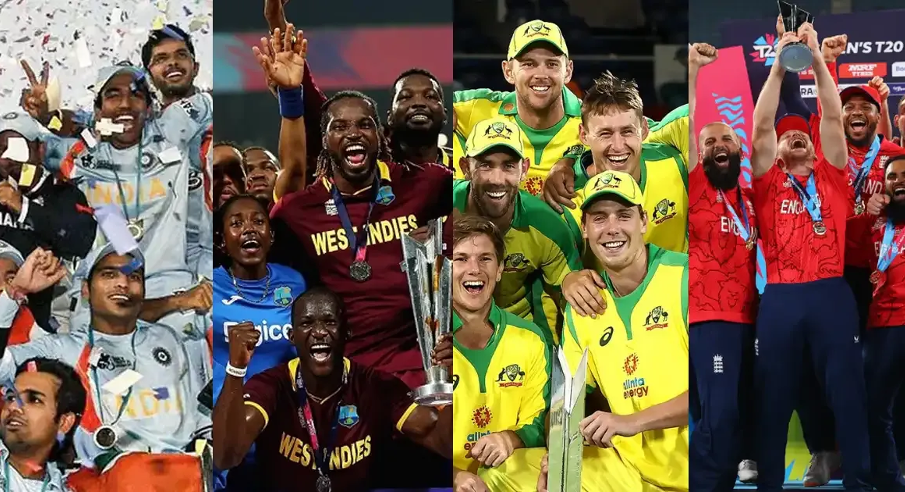
T20 World Cup Winners: A Complete History of Cricket’s Most Exciting Tournament
The T20 World Cup has revolutionized international cricket since its inception, transforming the sport into a high-octane spectacle that captures the imagination of millions worldwide. This prestigious tournament, held approximately every two years, showcases the fastest and most explosive format of cricket, where fortunes can change in a single over. Since the inaugural edition in 2007, the T20 World Cup has delivered countless unforgettable moments, from last-ball thrillers to record-breaking performances. Nine tournaments have produced six different champions, with India, the West Indies, and England each claiming the trophy twice. The Birth of T20 Cricket’s Premier Event South Africa hosted the groundbreaking first edition in 2007, bringing together twelve nations for what would become one of cricket’s most anticipated events. The tournament introduced a new dimension to international cricket, emphasizing aggressive batting, innovative bowling, and athletic fielding. India, led by the cool-headed MS Dhoni, etched their name in history by becoming the inaugural T20 World Cup winners. Their five-run victory over arch-rivals Pakistan in the Johannesburg final set the tone for years of intense competition to come. The tournament opened with Caribbean legend Chris Gayle making an immediate statement. He dispatched the very first ball of the tournament to the boundary before demolishing the South African bowling attack with a magnificent 117—the format’s maiden century. This innings announced T20 cricket’s arrival on the global stage. That debut edition became legendary for several reasons. Bowl-outs determined tied matches before the Super Over was introduced. Yuvraj Singh created history by smashing six consecutive sixes off England’s Stuart Broad in a single over. The final itself concluded with Misbah-ul-Haq’s audacious scoop shot that didn’t quite come off, gifting India their victory. Complete List of T20 World Cup Winners and Tournament Details Virat Kohli delivered a masterclass with 76 in the final, though South Africa seemed destined for victory in their chase. However, Jasprit Bumrah produced one of the greatest T20 bowling spells under pressure, derailing the Proteas and securing India’s second title. Both Kohli and Rohit Sharma retired from T20 internationals immediately after, mirroring the 2014 exits of Sangakkara and Jayawardene. Championship Statistics: Who Dominates T20 World Cup History? Three nations share the distinction of being the most successful T20 World Cup winners, each claiming two titles: India (2007, 2024) India bookended the first seventeen years with championships under different captains. Their seventeen-year gap between titles represents the longest wait for a repeat champion. West Indies (2012, 2016) The Caribbean’s back-to-back campaigns in 2012 and 2016 showcased their dominance in the format. Their fearless, aggressive approach epitomizes T20 cricket’s spirit. England (2010, 2022) England’s titles came twelve years apart, demonstrating their evolution as a limited-overs force. Their 2022 triumph made them dual world champions across formats. Single-Time Champions: Individual Records and Statistical Milestones All-Time Leading Run Scorer Virat Kohli stands atop the T20 World Cup run-scoring charts with 1,292 runs from 35 matches since his debut in 2012. His consistency across multiple tournaments, combined with his ability to perform in pressure situations, has made him the format’s most reliable batsman. All-Time Leading Wicket-Taker Bangladesh all-rounder Shakib Al Hasan holds the record for most T20 World Cup wickets with 50 dismissals across 43 matches between 2007 and 2024. His ability to bowl economically while taking crucial wickets has been invaluable for Bangladesh. Evolution and Expansion of the Tournament The T20 World Cup has grown significantly since 2007. From twelve teams in the inaugural edition, the tournament expanded to sixteen teams in 2014 and then to twenty teams in 2024. This expansion has provided opportunities for emerging cricket nations to compete on the world stage. The 2024 edition marked a watershed moment for Associate nations. The USA’s co-hosting duties came with a memorable campaign that included their stunning upset of Pakistan. Uganda and Canada also made their debuts, while Nepal continued building their T20 credentials. Afghanistan’s run to the semi-finals in 2024 demonstrated how the game is spreading beyond traditional cricket powerhouses. Their exciting brand of cricket, led by spin wizard Rashid Khan, captured hearts worldwide. Iconic Moments That Defined T20 World Cup History Yuvraj Singh’s Six Sixes (2007) Against England in Durban, Yuvraj Singh demolished Stuart Broad for six consecutive sixes in one over, becoming only the second player in international cricket to achieve this feat. Lasith Malinga’s Final Over (2014) With India needing just seven runs from the final over, Sri Lanka’s Malinga defended the target by taking two wickets and conceding only five runs, showcasing his death-bowling mastery. Brathwaite’s Heroics (2016) Carlos Brathwaite’s four consecutive sixes in the final over against Ben Stokes remains the most dramatic finish in T20 World Cup history. Needing 19 runs, Brathwaite delivered when it mattered most. Netherlands’ Giant-Killing (2009) The Netherlands shocked tournament hosts England with a four-wicket victory, proving that on any given day in T20 cricket, underdogs can triumph. USA’s Super Over Victory (2024) Co-hosts USA defeated Pakistan in a thrilling Super Over, marking one of the tournament’s greatest upsets and announcing their arrival in international cricket. Looking Ahead: The 2026 T20 World Cup The next edition returns to the subcontinent, with India and Sri Lanka co-hosting in 2026. Italy will make their T20 World Cup debut, joining the expanding family of cricket nations. With Kohli and Rohit Sharma having retired from T20 internationals, India will field a new generation of stars. England will defend their title, while perennial contenders Australia, Pakistan, and West Indies will aim to add to their trophy cabinets. The tournament promises new storylines, emerging talents, and the continued growth of cricket’s most entertaining format. The Future of T20 Cricket The T20 World Cup has fundamentally changed how cricket is played and consumed. Its success has inspired domestic leagues worldwide, from the Indian Premier League to Australia’s Big Bash League and the Caribbean Premier League. The format’s accessibility—matches completed in roughly three hours—has attracted younger audiences and introduced cricket to markets previously unfamiliar with the sport. The 2024 tournament’s presence in the United States represented a strategic expansion into
Read More