
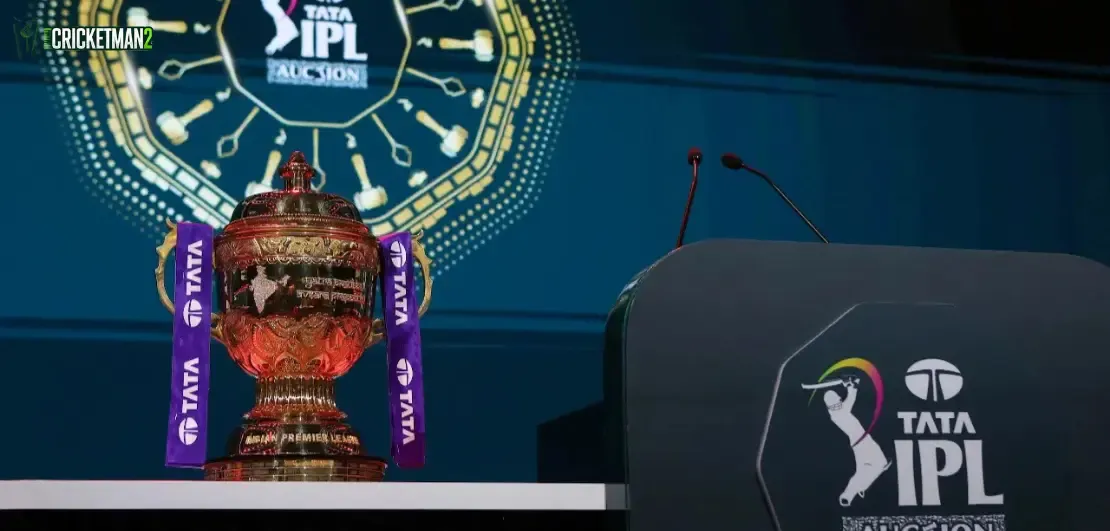
IPL 2026 Mini Auction Results: Biggest Buys and Surprise Picks
The IPL 2026 mini auction at Abu Dhabi’s Etihad Arena on December 16, 2025, delivered unprecedented drama despite being a gap-filling exercise. Australian all-rounder Cameron Green shattered records with a ₹25.20 crore deal, while Chennai Super Kings stunned the cricket world by investing ₹14.20 crore each in two uncapped Indian players. By the auction’s end, 77 players were sold for ₹215.45 crore, with franchises completing their 25-player squads ahead of the March 2026 season. What was expected to be routine squad completion transformed into a day of strategic gambles and career-defining moments. Understanding the Mini Auction Format Unlike mega auctions that force complete rebuilds every 3-4 years, the IPL 2026 mini auction allowed teams to retain their core players and fill specific gaps. Franchises had already kept 18-21 players during the November 2025 retention window, entering the auction with limited slots but clear strategies. Punjab Kings retained 21 players after their runners-up finish in 2025, while Gujarat Titans kept 20. The total player pool included 359 cricketers (246 Indians, 113 overseas), though only 156 went under the hammer. Each team maintained the mandatory maximum of 8 overseas players per 25-member squad. The Biggest Buys That Made Headlines Cameron Green – ₹25.20 Crore (Kolkata Knight Riders) Green became the most expensive overseas player in IPL history, surpassing Mitchell Starc’s ₹24.75 crore. Four franchises engaged in an epic bidding war with the paddle raised 113 times before KKR secured the Australian all-rounder. Under new rules, Green receives ₹18 crore while ₹7.20 crore goes to players’ welfare. His dual value as a power-hitting batsman and pace-bowling option justified the astronomical price for a franchise seeking immediate championship impact. Matheesha Pathirana – ₹18 Crore (Kolkata Knight Riders) KKR’s second blockbuster signing made the Sri Lankan pace sensation the most expensive player from his country—more than double any previous Sri Lankan’s IPL price. His death-over mastery and mystery variations made him worth every rupee. KKR’s combined ₹43.20 crore investment in just two players represented the auction’s boldest championship-or-bust strategy. Prashant Veer – ₹14.20 Crore (Chennai Super Kings) The auction’s most shocking moment saw CSK bid ₹14.20 crore for 20-year-old uncapped left-arm spinner Prashant Veer from Uttar Pradesh. Entering at ₹30 lakh base price, his value skyrocketed 47 times as five franchises battled aggressively. Veer became the most expensive uncapped player in IPL auction history, vindicating CSK’s academy scouting program that had identified and trained him before the auction. Kartik Sharma – ₹14.20 Crore (Chennai Super Kings) CSK doubled down by matching their Veer bid for 20-year-old wicketkeeper-batter Kartik Sharma from Rajasthan, who had trained with their academy. The joint ₹28.40 crore investment in two uncapped players marked CSK’s most dramatic philosophical shift from their traditional experience-first approach. Other Significant Signings Liam Livingstone’s journey from unsold to ₹13 crore (Sunrisers Hyderabad) provided the auction’s most dramatic redemption story. After shockingly going unsold initially, the English all-rounder was snapped up in the accelerated round at 6.5 times his base price. Auqib Nabi Dar fetched ₹8.4 crore from Delhi Capitals, while Venkatesh Iyer joined Royal Challengers Bengaluru for ₹7 crore and Ravi Bishnoi moved to Rajasthan Royals for ₹7.20 crore. David Miller’s ₹2 crore deal with Delhi Capitals represented exceptional value for a proven T20 finisher, while Matt Short’s ₹1.5 crore move to CSK was labeled an outright steal for the two-time BBL MVP. Surprise Picks and Shocking Snubs CSK’s Youth Revolution Chennai Super Kings abandoned their proven “Thala way” of surrounding MS Dhoni with experienced campaigners. Their ₹28.40 crore investment in two uncapped 20-year-olds signaled a generational transition that divided fans between visionary planning and reckless gambling. In CSK’s entire history, they’d made only four purchases exceeding ₹10 crore—now they’d done it twice in one day for players with zero IPL experience. High-Profile Players Who Went Unsold A total of 79 players (48 Indians, 31 overseas) remained unsold, including shocking rejections of Jake Fraser-McGurk, Jonny Bairstow, Daryl Mitchell, Devon Conway, Spencer Johnson, and Alzarri Joseph. Among Indians, established internationals like Deepak Hooda, Vijay Shankar, KS Bharat, and Karn Sharma failed to attract bids. Prithvi Shaw and Sarfaraz Khan initially went unsold before being picked in accelerated rounds. Strategic Trends Revealed Youth Over Experience A total of 32 players under age 25 were purchased, demonstrating franchises’ shift toward long-term investments. Domestic performers from Karnataka Premier League and Syed Mushtaq Ali Trophy received opportunities based on comprehensive scouting networks. Overseas Spending Pattern The 29 overseas players sold for ₹128.05 crore significantly exceeded the ₹87.40 crore spent on 48 Indian players. All-rounders dominated spending as they maximize value within the four-overseas-player playing XI limit. Analytics-Driven Decisions CSK’s September 2024 trials with Stephen Fleming in attendance exemplified how data-driven scouting now drives auction strategy. Franchises with robust domestic networks gained decisive advantages. Team-by-Team Winners Kolkata Knight Riders made the boldest statement with ₹43.20 crore in two players, targeting specific weaknesses with premium solutions. If Green and Pathirana deliver, KKR possess championship-caliber firepower. Chennai Super Kings executed either a masterstroke or massive gamble. Their youth-focused approach could unearth India regulars for a decade or leave them vulnerable in 2026. Sunrisers Hyderabad capitalized brilliantly by landing Livingstone when others undervalued him, securing explosive all-round capabilities at reasonable cost. Royal Challengers Bengaluru filled their bowling all-rounder gap with Venkatesh Iyer, while Delhi Capitals mixed experience (Miller) with potential (Dar). What This Means for IPL 2026 The mini auction outcomes will directly shape the March 2026 season. Uncapped players carrying ₹8-14 crore price tags face immense pressure that could inspire greatness or induce paralysis. KKR’s championship-or-bust investment creates title expectations, while CSK’s generational transition suggests planning beyond MS Dhoni’s eventual retirement. The auction’s relative restraint maintained competitive balance—unlike mega auctions creating clear super-teams and rebuilding franchises, most teams made only essential purchases to complete squads without massive overhauls. Fan Reactions and Social Media Buzz Cameron Green’s record bid dominated Twitter/X with debates about player valuation, while CSK’s uncapped gamble divided fans between trusting elite scouting versus questioning reckless spending. Prithvi Shaw’s initial unsold status
Read More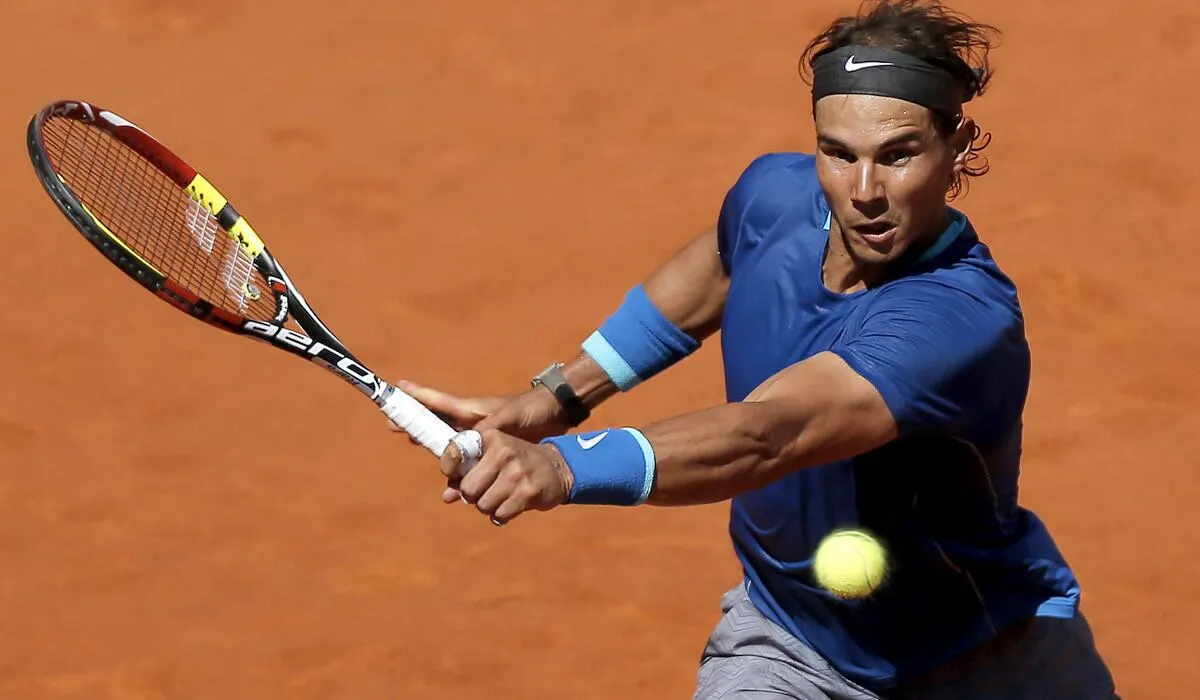
Rafael Nadal’s Clay Court Dominance: 14 French Open Titles Breakdown
In a sport defined by fine margins and constant evolution, one achievement stands almost beyond comparison. Rafael Nadal’s clay court dominance, particularly at the French Open, represents the most overwhelming display of superiority tennis has ever witnessed. Winning a Grand Slam once is a career milestone. Winning it 14 times borders on the unimaginable. At Roland Garros, Nadal didn’t just win titles, he redefined what dominance looks like on a single surface. Why Clay Courts Suit Nadal Perfectly Clay courts reward patience, endurance, and heavy topspin, all of which align perfectly with Nadal’s natural strengths. His left-handed forehand produces extreme topspin that pushes opponents far behind the baseline, especially on slower clay surfaces. The high bounce neutralizes flatter hitters, while Nadal’s speed and defensive instincts turn points into physical battles few can survive. Physical and Mental Endurance Clay matches often stretch into long rallies and extended matches. Nadal’s fitness, resilience, and willingness to grind gave him a decisive edge, allowing him to outlast even the most talented opponents. Nadal’s First French Open Triumph (2005) Nadal announced himself to the tennis world in 2005 at just 19 years old. In his first appearance at the French Open, he dominated the field and defeated Mariano Puerta in the final. It was immediately clear this was not a one-off breakthrough. His movement, confidence, and composure on clay suggested a future built around Roland Garros success. The Golden Years – Establishing Total Control Between 2006 and 2014, Nadal turned Paris into his personal fortress. During this period, he captured nine French Open titles, often winning with startling ease. He adapted to different opponents, weather conditions, and even rule changes, yet his grip on the tournament never loosened. Many finals were decided in straight sets, highlighting the gap between Nadal and the rest of the field on clay. Rivalries That Defined Nadal’s Clay Era Nadal’s dominance becomes even more impressive when considering the opponents he faced. He regularly battled legends like Roger Federer and Novak Djokovic, players who dominated other surfaces. Federer and Djokovic on Clay Federer, arguably the greatest grass-court player, struggled to impose his attacking style against Nadal’s heavy topspin. Djokovic pushed Nadal harder than anyone at Roland Garros, handing him rare defeats, yet Nadal still finished with a vastly superior clay record. Setbacks, Injuries, and Comebacks Nadal’s journey was not uninterrupted. Chronic knee and foot issues forced him to miss the French Open in 2009, 2017 preparation phases, and later years. Remarkably, setbacks often preceded comebacks. Each return seemed to strengthen his legend, as he repeatedly proved doubts premature. The Second Peak – Extending the Impossible Winning Grand Slams after age 30 is rare. Nadal won eight French Open titles after turning 25 and multiple titles in his mid-30s, including his final triumph in 2022. Adjustments to scheduling, shorter points, and improved serve efficiency allowed him to conserve energy while remaining lethal. Breakdown of the 14 French Open Titles From 2005 to 2022, Nadal amassed a 112–4 win-loss record at Roland Garros. He won 14 titles, many without dropping a set. His finals record stands at a perfect 14–0, an unmatched statistic in tennis history. Several of those victories came against top-ranked opponents, reinforcing that his dominance was not due to weak competition. Why Nadal at Roland Garros Is Untouchable Beyond technique and fitness, Nadal developed a psychological edge. Opponents often entered matches beaten before the first ball. Familiarity with the court, crowd support, and years of success created an aura that no other player has replicated at a single Grand Slam. Can Anyone Ever Match This Record? Modern tennis scheduling, surface homogenization, and physical demands make it highly unlikely any player will approach 14 French Open titles. Even winning half that number would be considered extraordinary. Nadal’s record stands as one of the most secure achievements in sports. What Nadal’s Clay Dominance Means for Tennis History Rafael Nadal clay court dominance reshaped discussions about greatness. It demonstrated that specialization, when paired with excellence, can redefine a sport. His achievements elevated the prestige of clay tennis and set a benchmark future generations may never reach. The King of Clay Forever Rafael Nadal did more than dominate clay courts, he became synonymous with them. His 14 French Open titles are not just records, they are monuments to perseverance, adaptation, and excellence. Long after statistics fade, Nadal’s legacy at Roland Garros will remain the gold standard for dominance in sport.
Read More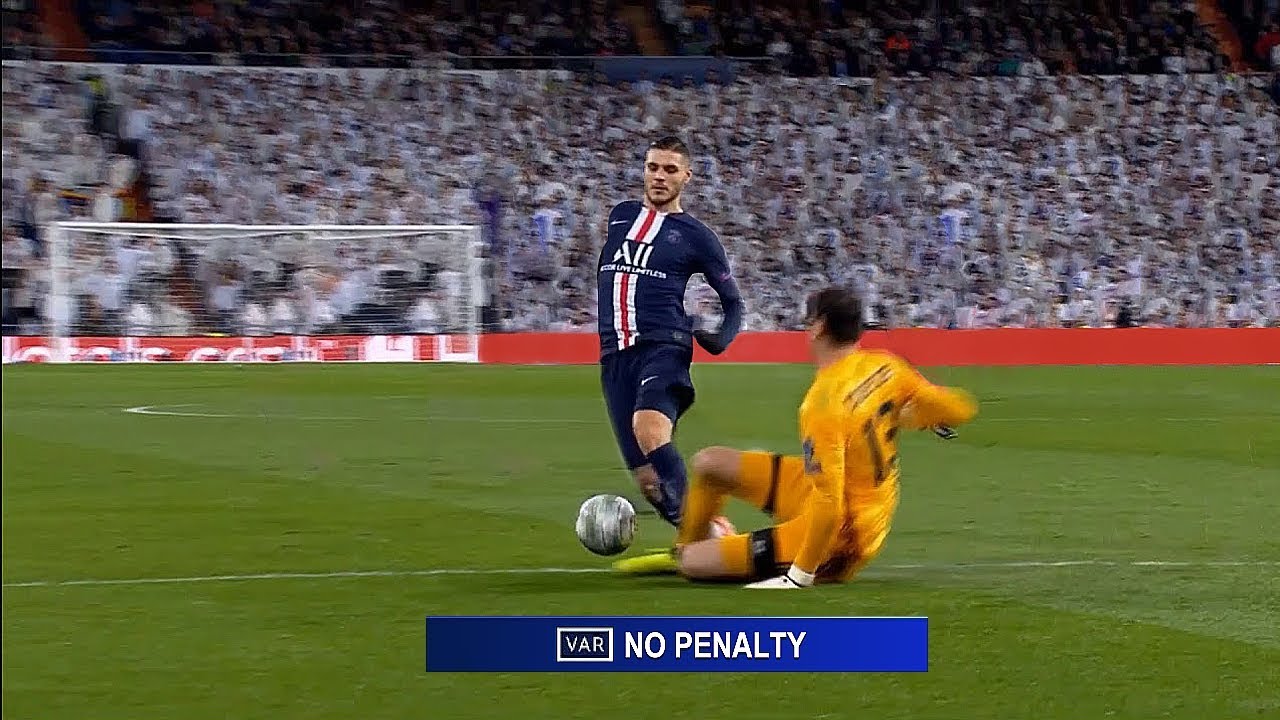
10 Worst VAR Decisions in Football History (And Why Fans Are Still Furious)
Since its introduction to top-level football, VAR (Video Assistant Referee) was supposed to be the answer to decades of human error on the pitch. Referees would no longer have to rely solely on their own eyes. A team of officials watching high-definition replays from multiple angles would be on hand to make sure justice was served. What has happened in reality, however, is a very different story. Rather than eliminating controversy, VAR has sometimes amplified it. Fans have watched referees overturn perfectly good goals, let clear fouls go unpunished, and apply the rulebook in ways that leave everyone, including seasoned football experts, completely baffled. The technology is still relatively young, but it has already produced a catalogue of decisions that will be debated for years to come. Here are the 10 worst VAR decisions in football history, ranked by how catastrophic the call was, how deeply it affected the outcome of matches or entire seasons, and how loudly it is still being talked about today. Quick Ranking Overview Rank Match Year Competition The Error 1 Tottenham 2-1 Liverpool 2023 Premier League Luis Diaz goal wrongly ruled out for offside 2 Sheffield United 0-0 Aston Villa 2020 Premier League Clear goal not spotted by VAR or goal-line tech 3 Arsenal 1-1 Brentford 2023 Premier League Offside lines never drawn, Toney goal wrongly stood 4 Tunisia 1-0 France 2022 World Cup Griezmann goal wrongly disallowed, defender touch ignored 5 Portugal 2-0 Uruguay 2022 World Cup Penalty awarded for arm used as support, against own guidance 6 Inter Milan 1-0 Barcelona 2022 Champions League Ansu Fati handball call defied replay evidence 7 Manchester United 1-0 Wolves 2022 Premier League Penalty denied despite contact, officials later apologised 8 Everton 0-1 Manchester City 2023 Premier League Blatant Rodri handball completely missed 9 Sweden 6-0 Azerbaijan 2024 Nations League Isak ruled offside despite being onside at point of contact 10 Juventus 2-2 Salernitana 2022 Serie A Red card stood after the goal it was earned for was ruled out 10. Juventus 2-2 Salernitana — Serie A, 2022 Some VAR controversies involve goals being wrongly given or taken away. This one managed to punish a player for celebrating a goal that did not even count in the end, which puts it in a category all of its own. Late in a tightly contested Serie A fixture, Arkadiusz Milik thought he had fired Juventus to a crucial winner. Already carrying a yellow card, the striker pulled his shirt off in pure celebration and was immediately shown a second booking, resulting in a red card. Only at that point did VAR intervene to rule the goal out for an offside infringement by Leonardo Bonucci in the build-up. The goal was scrubbed, but the dismissal remained. Three more red cards followed, including Juve manager Massimiliano Allegri, in the chaos that ensued. It was a masterclass in how not to use video review technology. 9. Sweden 6-0 Azerbaijan — UEFA Nations League, 2024 Even a six-goal demolition could not escape the reach of a baffling VAR call. Alexander Isak thought he had put his name on the scoresheet for Sweden, only for the offside flag to be confirmed by video review despite replays making the situation look far from clear-cut. The core issue was that while Isak may have briefly drifted into an offside position during the build-up, he was visibly onside at the moment the ball was actually played to him. The offside law exists to penalise a player who gains an advantage from being in an illegal position when the ball is delivered, not to punish movement that occurred earlier in the sequence. The decision made no footballing sense, and the Polish officials responsible, Pawel Malec and Daniel Stefanski, were stripped of their duties and banned from officiating by the Polish Football Association shortly after. 8. Everton 0-1 Manchester City — Premier League, 2023 This was a decision so straightforward that it arguably should never have required VAR at all. Rodri handled the ball inside his own penalty area during a Premier League clash at Goodison Park in February 2023, yet neither the on-field referee nor the VAR team flagged it as an offence. Everton were denied what appeared to be a nailed-on spot kick. Frank Lampard, managing Everton at the time, was understandably furious. He suggested the call was so obvious that even his young child would have recognised the handball, and his frustration resonated with supporters across the country. The VAR official on duty, Chris Kavanagh, faced a wave of criticism, and the incident added further fuel to the growing argument that video review was not delivering the consistency it had promised. 7. Manchester United 1-0 Wolves — Premier League, 2022 Gary O’Neil’s managerial debut at Wolverhampton Wanderers began under the darkest of clouds. With his side chasing an equaliser at Old Trafford, a cross was swung into the Manchester United penalty area for striker Sasa Kalajdzic, who was clearly brought down by goalkeeper Andre Onana before he could get a touch on the ball. No penalty was given on the field, and VAR declined to intervene. What made the situation worse was what came next. Football authorities essentially admitted soon after that the decision had been wrong, offering the kind of apologetic acknowledgement that has become painfully routine in the VAR era. An apology restores no points. Wolves endured a turbulent season, and this denial of what should have been a clear penalty set a discouraging tone right from the opening day. 6. Inter Milan 1-0 Barcelona — Champions League, 2022 Barcelona were already up against it when they arrived at the San Siro, needing a result to keep their Champions League hopes alive. When Pedri threaded a ball through for Ansu Fati and the net rippled, the relief among the travelling support was palpable. Then VAR intervened, ruling the goal out on the grounds that Fati had handled the ball in the build-up. Replays told a very different story. Fati’s hands were raised as
Read More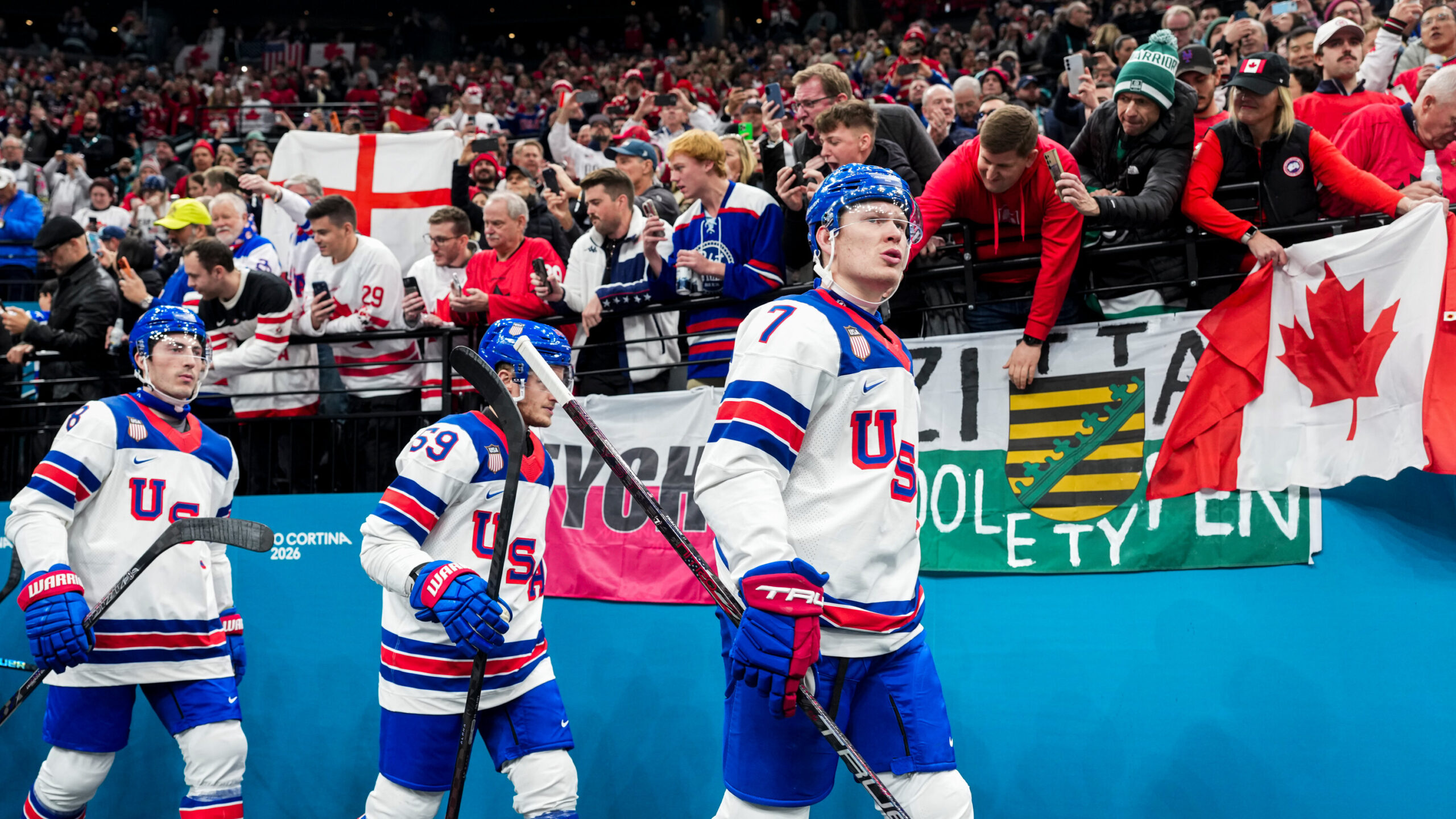
Team USA Men’s Hockey Faces Intense Backlash After Laughing Along With Trump’s Sexist Women’s Team Remark
The United States men’s hockey team’s historic gold medal victory at the 2026 Winter Olympics was quickly overshadowed by controversy after a post-game phone call from President Donald Trump sparked widespread outrage online over what many are calling a deeply sexist remark directed at the U.S. women’s hockey team. Trump’s Locker Room Call Draws Immediate Criticism Shortly after their victory, the men’s team received a congratulatory call from President Trump, facilitated by FBI Director Kash Patel, who was present in the locker room. During the call, Trump invited the players to attend the State of the Union and mentioned arranging military transport to bring them home. However, it was one specific comment that ignited a social media storm. Trump told the men’s team that the women’s squad would also need to be included in any celebration, adding that failing to do so would risk his impeachment. The remark, widely interpreted as framing the women’s team as a political burden rather than celebrated champions, was met with laughter from several players, including Jack Hughes, who scored the game-winning goal. The moment drew particular attention given that Jack Hughes’ mother, Ellen Hughes, is closely connected to the women’s hockey program and was herself a silver medalist at the 1992 World Championship. The U.S. women’s team had also claimed gold at the 2026 Games and has a considerably stronger overall Olympic medal record than the men’s program. Patel’s presence in the locker room added another layer of confusion for many observers. While Patel stated on social media that the team had personally invited him, his attendance raised eyebrows across sports and political circles. Social Media Erupts Over Men’s Team Response Reaction across platforms was swift and largely critical. On X, formerly Twitter, users directed their anger at both the comment itself and the players who appeared to laugh along with it. One user questioned whether the men’s team had anything to say about a moment in which the women’s squad, who made history in multiple ways at these Games, were reduced to a political punchline. Another called the footage disturbing, saying it framed female athletes as a liability rather than a source of national pride. Several posts focused on the broader cultural message being sent. Commenters pointed out the particular irony of the men’s team having featured the young daughter of the late Johnny Gaudreau in their celebratory photo, while apparently finding humor in the notion that women should be recognized alongside men in sport. On Threads, one user congratulated the men sarcastically on winning gold while also delivering what they described as a gold-medal performance in poor sportsmanship. Others stated flatly that women in the country deserved far better than what was displayed in that locker room. Deleted Posts Fuel Further Controversy The controversy deepened when eagle-eyed social media users began noticing that certain Instagram Stories and posts connected to players had been quietly removed. Commenters were quick to point out that the internet preserves content regardless of whether it is deleted, drawing additional scrutiny to the team’s behavior. The incident has reignited conversations about gender equity in professional and Olympic sports, the political crossover into athletic celebrations, and the responsibility athletes carry as public figures when confronted with discriminatory language, even from powerful figures. As of publication, no official statement had been released by any player addressing the controversy.
Read More
Premier League Top Scorers of All Time: Alan Shearer to Harry Kane
Since its launch in 1992, the Premier League has been defined by goals. Fast-paced football, global broadcasting, and attacking flair turned English football into a spectacle, and at the heart of it all stood elite goal scorers. The Premier League top scorers of all time are more than just numbers on a list. They represent eras, tactical shifts, and moments that shaped modern football culture. What It Takes to Be a Premier League Goal Machine Scoring consistently in the Premier League demands more than raw talent. Players must adapt to physical defenders, evolving tactics, and relentless schedules. Longevity matters as much as brilliance. Injuries, managerial changes, and team quality all influence whether a striker can remain productive season after season. Only a handful have survived these challenges long enough to enter the all-time list. Alan Shearer – The Benchmark That Still Stands Alan Shearer remains the gold standard. With 260 Premier League goals, his record has endured for nearly three decades. Playing primarily for Blackburn Rovers and Newcastle United, Shearer combined power, positioning, and ruthless finishing. Unlike many modern forwards, he thrived in physically demanding systems and faced defensive styles designed to stop him specifically. His record is remarkable not only for its volume but for the era in which it was achieved. Why Shearer’s Record Is So Hard to Break Shearer played in an era of aggressive defending and fewer protections for attackers. His consistency across multiple seasons, without relying on modern sports science, makes his tally even more remarkable. The Elite Chasers Behind Shearer Several greats followed but never quite caught him. Andy Cole scored prolifically in the league’s early years, while Wayne Rooney’s versatility allowed him to score consistently across multiple roles and managers. Sergio Agüero brought efficiency and big-game impact, becoming Manchester City’s greatest scorer. Each came close in different ways, but none sustained the volume needed to dethrone Shearer. Harry Kane’s Rise Into the All-Time Conversation Harry Kane emerged later but climbed rapidly. By the time he left Tottenham Hotspur in 2023, Kane had scored 213 Premier League goals, placing him second on the all-time list. Unlike traditional poachers, Kane blended playmaking with finishing, often dropping deep while still finishing seasons as a top scorer. His consistency across multiple managerial systems highlighted his tactical intelligence as much as his finishing ability. Comparing Scoring Eras in the Premier League Comparing eras adds complexity. Early Premier League football was more physical, with fewer tactical protections for attackers. Modern players benefit from advanced sports science and attacking systems but face more structured defenses. Why Context Matters Goal totals must be understood in context. That perspective helps explain why Shearer’s record remains so difficult to surpass despite higher-scoring seasons today. One-Club Legends vs Modern Movers Loyalty has played a role in shaping records. Shearer and Kane both built legacies largely at one club, accumulating goals through continuity. Modern players move more frequently, chasing trophies or financial security, which can interrupt momentum. Transfers abroad also limit opportunities to climb the Premier League charts, as Kane’s move to Bayern Munich demonstrated. Penalties, Assists, and All-Round Contribution Critics often debate penalties when discussing goal totals. While spot-kicks inflate numbers, earning them still requires attacking involvement. Kane and Shearer both converted penalties with consistency, but they also contributed in open play. Modern analysis increasingly values assists, pressing, and build-up play, reminding fans that scoring alone does not define a forward’s total impact. Modern Strikers Chasing History Current Premier League forwards face a different landscape. Tactical rotations, squad depth, and intense schedules make long-term consistency harder. While several players show elite finishing ability, matching Shearer’s longevity remains unlikely. The Premier League top scorers of all time list may grow, but its summit looks increasingly secure. Why the Premier League Scoring Record Matters The record resonates because it symbolizes dominance in the world’s most competitive league. Fans use it as a benchmark when debating greatness across generations. Media narratives, rivalries, and legacy discussions all orbit this number. It remains one of English football’s most iconic statistical milestones. From Shearer to Kane and Beyond From Alan Shearer’s relentless power to Harry Kane’s refined versatility, the Premier League has showcased extraordinary goal scorers. While the record still belongs to Shearer, Kane’s rise confirmed that greatness can evolve with the game. Future strikers may challenge the list, but the standard set by these legends ensures the conversation will endure for decades.
Read More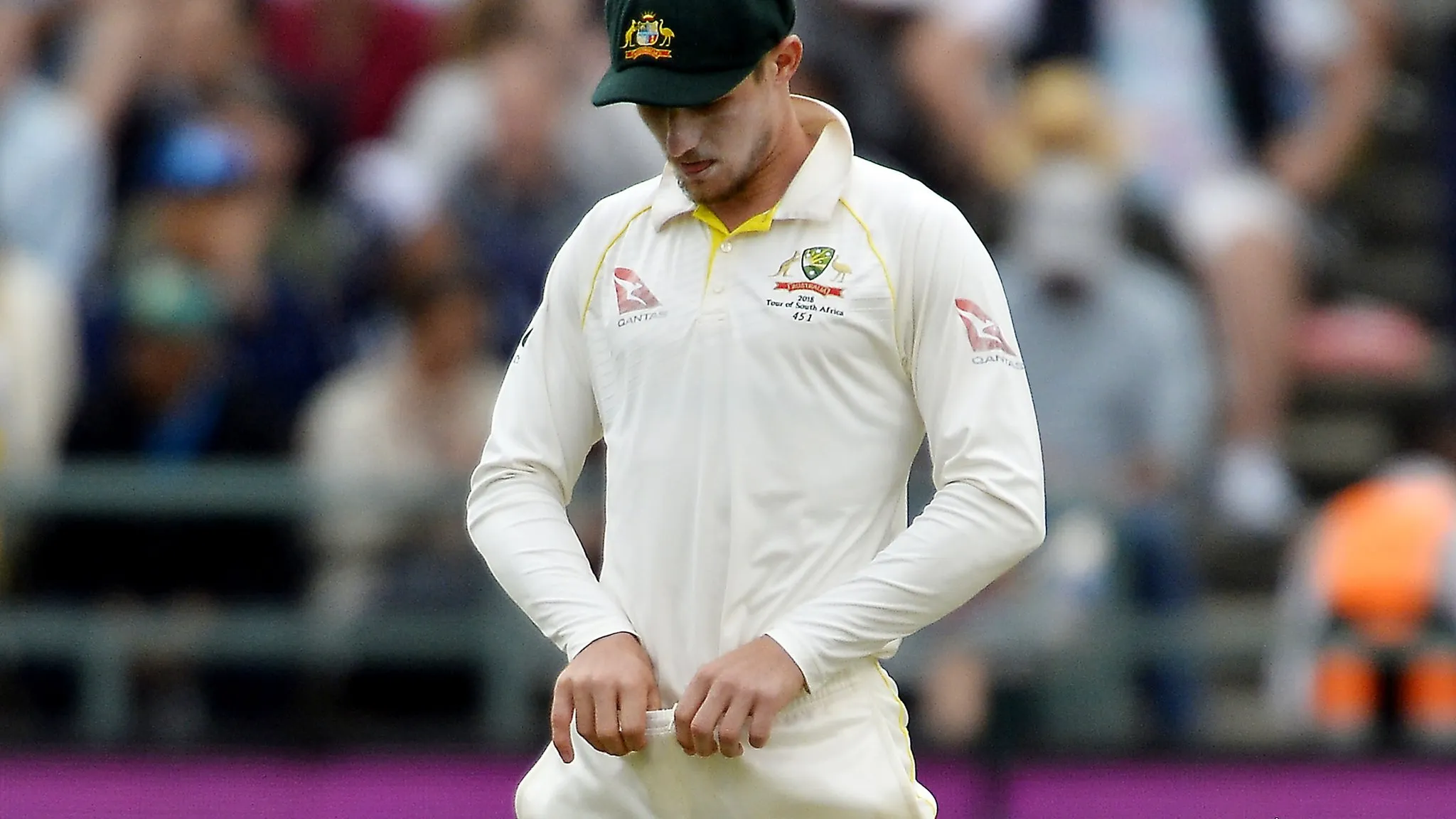
Ball Tampering Scandals: From Reverse Swing to Sandpaper Gate
For decades, cricket has prided itself on being the “gentleman’s game,” built on honor, respect, and self-regulation. Yet few issues have tested that reputation more severely than ball tampering. Unlike sledging or aggressive tactics, ball tampering strikes directly at the laws that govern fairness. From subtle accusations during the rise of reverse swing to the explosive Sandpaper Gate scandal, this practice has repeatedly forced cricket to confront uncomfortable questions about ethics, pressure, and competitive advantage. What Is Ball Tampering? Ball tampering refers to the illegal alteration of the condition of the cricket ball to gain an unfair advantage, usually by enhancing swing. Under the Laws of Cricket, players may shine the ball using sweat but are prohibited from using artificial substances or roughening it intentionally. The line between legal maintenance and illegal alteration has always been thin, making enforcement difficult and controversies inevitable. Why the Cricket Ball Matters So Much Swing bowling depends heavily on the ball’s condition. Conventional swing occurs with a newer ball, while reverse swing happens when one side is significantly rougher than the other, allowing the ball to move late at high speeds. Reverse swing can be match-defining, especially in dry or abrasive conditions. That potential impact explains why teams feel tempted to push boundaries when pressure mounts. The Reverse Swing Era and Rising Suspicion Reverse swing became widely prominent in international cricket during the late 1980s and 1990s. Its sudden effectiveness raised eyebrows, especially when conventional swing had traditionally dominated. Many teams struggled to understand how bowlers could move an old ball so sharply, and suspicion followed innovation. Pakistan’s 1990s Bowlers and Global Accusations No team faced more scrutiny than Pakistan. Bowlers like Wasim Akram and Waqar Younis mastered reverse swing to devastating effect. Opposing teams, particularly England, frequently accused Pakistan of ball tampering. Despite intense suspicion, officials never produced conclusive evidence, leaving the controversy unresolved and fueling long-standing resentment. Early High-Profile Ball Tampering Incidents Ball tampering allegations eventually ensnared players from traditional cricketing powers as well. In 1994, Mike Atherton was fined for keeping dirt in his pocket during a Test match, though the punishment was relatively light. In 2004, Rahul Dravid admitted to using a lozenge to shine the ball, resulting in a fine but little long-term damage to his reputation. These incidents highlighted inconsistent enforcement and differing public reactions. Repeat Offenses and Growing Scrutiny in the 2010s As television coverage expanded, ball tampering became harder to hide. Faf du Plessis faced sanctions in 2013 and 2016 for using his zipper and saliva mixed with mint substances to alter the ball. These cases reflected a shift toward stricter monitoring and growing intolerance, even as players argued that the laws lacked clarity. Sandpaper Gate – Cricket’s Biggest Ball Tampering Scandal Everything changed during the 2018 Test match in Cape Town. Cameras caught Australian player Cameron Bancroft using sandpaper to roughen the ball. Unlike previous controversies, this incident was undeniable and deliberate. The scandal quickly escalated beyond the act itself, exposing a coordinated plan within the team. The Australian Players at the Center of the Storm Investigations revealed leadership involvement. Captain Steve Smith and vice-captain David Warner admitted to knowing about the plan, while Cameron Bancroft executed it on the field. Attempts to hide the sandpaper only deepened public outrage once the truth emerged. Fallout and Consequences The repercussions were severe. Smith and Warner received one-year bans, while Bancroft was suspended for nine months. Australian cricket underwent a cultural reckoning, confronting accusations of a “win-at-all-costs” mentality. Careers were altered permanently, and public trust suffered significant damage. How Ball Tampering Laws Changed After Sandpaper Gate In response, cricket authorities strengthened penalties and clarified responsibilities. Captains now face greater accountability, and umpires receive more authority to inspect balls. High-definition broadcasts and multiple camera angles have further reduced opportunities for misconduct, making ball tampering a far riskier proposition. Can Ball Tampering Ever Be Fully Eliminated? Despite stricter laws, completely eliminating ball tampering remains challenging. The ball naturally deteriorates, and players still manage it aggressively within legal limits. As long as swing remains vital and pressure intense, ethical gray areas will persist. Technology can deter misconduct, but intent remains difficult to police. A Battle Between Skill and Temptation Ball tampering scandals reveal cricket’s ongoing struggle to balance tradition, innovation, and integrity. From reverse swing suspicions to Sandpaper Gate’s undeniable proof, these episodes reflect how far players may go when stakes rise. Ultimately, the debate underscores a simple truth: the game’s greatest challenge lies not in the condition of the ball, but in the choices made by those who hold it.
Read More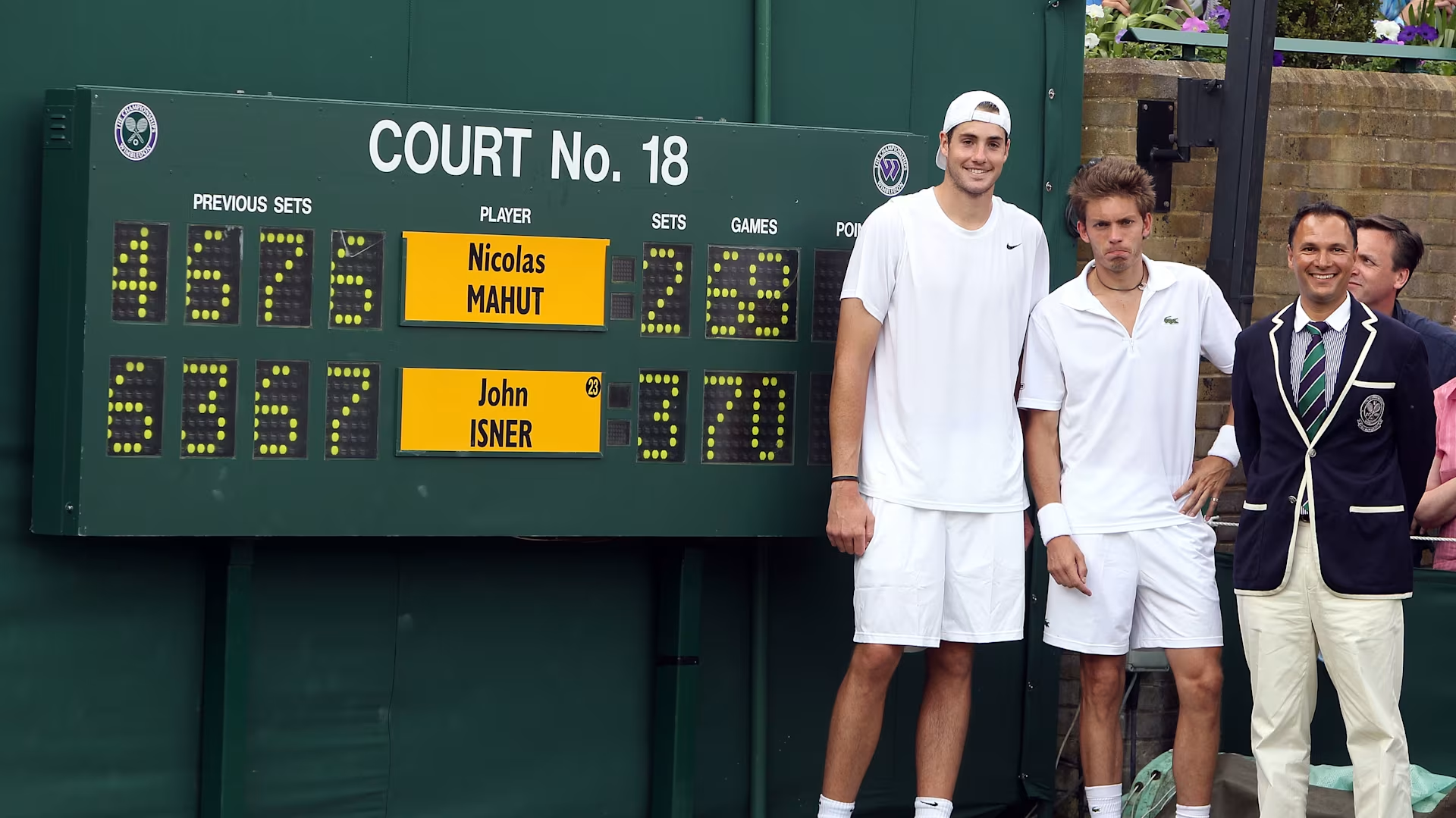
The Longest Tennis Match Ever: Isner vs Mahut at Wimbledon 2010
On June 22, 2010, John Isner and Nicolas Mahut walked onto Court 18 at the All England Club expecting a routine first-round match. Three days later, after 11 hours and 5 minutes of play, the tennis world had witnessed something it had never seen before. The longest tennis match ever played had just concluded, and the sport would never look at unlimited final sets the same way again. This is the complete story, how it unfolded across three days, every record it shattered, what changed in the rules afterward, and why it remains one of the most genuinely extraordinary events in professional sports history. The Two Players and the Setting In June 2010, neither competitor was among the tournament favorites. John Isner, 25 years old and from Greensboro, North Carolina, stood 6 feet 9 inches tall and was already known as one of the tour’s most powerful servers. Nicolas Mahut, 28 and French, had built a strong reputation on grass courts through a precise serve-and-volley game and exceptional tactical intelligence. Their first-round draw placed them on Court 18, one of Wimbledon’s smaller outside courts. The modest setting attracted little initial attention. That would change within 24 hours. Day One, June 22: The Beginning of Something Unprecedented The match began in the mid-afternoon and moved at a normal pace through the first four sets. Isner won the first 6-4. Mahut took the second and third 3-6 and 6-7. Isner won the fourth set tiebreak 7-6 (3). At this point the score was tied at two sets apiece, and nothing suggested the match was heading anywhere other than a standard five-set conclusion. Then the fifth set began. Under the rules at Wimbledon in 2010, no tiebreak was played in the deciding set. Players had to win by two clear games. With both men serving at an exceptional level, game after game went with serve. The score reached 20-20. Then 30-30. The scoreboard on Court 18, which was not designed to display games beyond 47, began struggling to keep up. At 9:10 PM, fading light forced the umpire to suspend play with the fifth set locked at 59-59. Isner had already served more than 90 aces. The match had been going for roughly six hours and was already approaching the all-time record for match duration — but neither player had yet broken serve in the deciding set. Day Two, June 23: The Records Start to Fall Word had spread overnight. When the players returned the following morning, the small outside court had become one of the most-watched spots in world sport. Spectators abandoned their seats on Centre Court to witness what was unfolding on Court 18. Television cameras from broadcasters around the world trained themselves on the scoreboard that could barely contain the numbers. On this day, the match surpassed the previous record for the longest tennis match ever played: the 6 hours and 33 minutes Fabrice Santoro and Arnaud Clement had spent on court at the 2004 French Open. The Isner-Mahut match passed that mark and kept going without pause. Both players continued to hold serve with extraordinary consistency. Isner’s average first-serve speed exceeded 120 miles per hour throughout. Mahut answered with precision placement and aggressive net approaches. Darkness forced a second suspension. The fifth set still stood at 59-59. Both men had now been competing across portions of two separate days and the physical toll was visible on both players, yet the quality of tennis remained remarkably high. Day Three, June 24: The End When the players returned for a third consecutive day, the atmosphere around Court 18 had taken on a quality that witnesses would later describe as unlike anything they had experienced at a regular-season match. Officials, journalists, and players from across the tournament grounds had gathered to watch the conclusion. After more games of serve-holds at the highest level, Isner finally broke Mahut’s serve in the 138th game of the fifth set. After 11 hours and 5 minutes of total play — and a fifth set that alone had lasted 8 hours and 11 minutes — the longest tennis match in history was over. Final score: John Isner defeated Nicolas Mahut 6-4, 3-6, 6-7 (9-7), 7-6 (3), 70-68. Isner collapsed to the court. Mahut stood at the net and received a standing ovation that matched the one given to the winner. Both men understood what they had been part of. The Court 18 scoreboard was not built to display numbers above 47 games per set. Wimbledon ground staff tracked and updated the score manually for the duration of the fifth set. The Records: Everything This Match Broke Category Isner-Mahut Record Previous Record Total match duration 11 hrs 5 min 6 hrs 33 min (2004 FO) Longest final set 8 hrs 11 min No comparable benchmark Fifth set score 70-68 (138 games) Never previously reached Total games in match 183 ~40-60 in a typical 5-setter Aces — Isner 113 Previous single-match high ~80 Aces — Mahut 103 First time both exceeded 100 Combined aces 216 Never approached before Total points played Isner 980 / Mahut 949 Far beyond any prior match To frame the scale of what happened: the fifth set of this match, taken alone, was longer than the previous record for an entire match. The 138 games in that deciding set exceeded the total game count of most complete five-set encounters. Both players hit more aces individually than many players accumulate across an entire Grand Slam tournament draw. How It Compares: The Longest Tennis Matches in History No other match in professional tennis comes close in terms of total duration, but several other marathon encounters have pushed the boundaries of endurance at the Grand Slam level: Rank Match / Event Duration Deciding Set Notes 1 Isner vs Mahut — Wimbledon 2010 R1 11h 5m 70-68 All records still stand 2 Isner vs Anderson — Wimbledon 2018 SF 6h 36m 26-24 Heat exhaustion; changed SF scheduling 3 Nadal vs Djokovic — AO Final 2012 5h 53m 7-5
Read More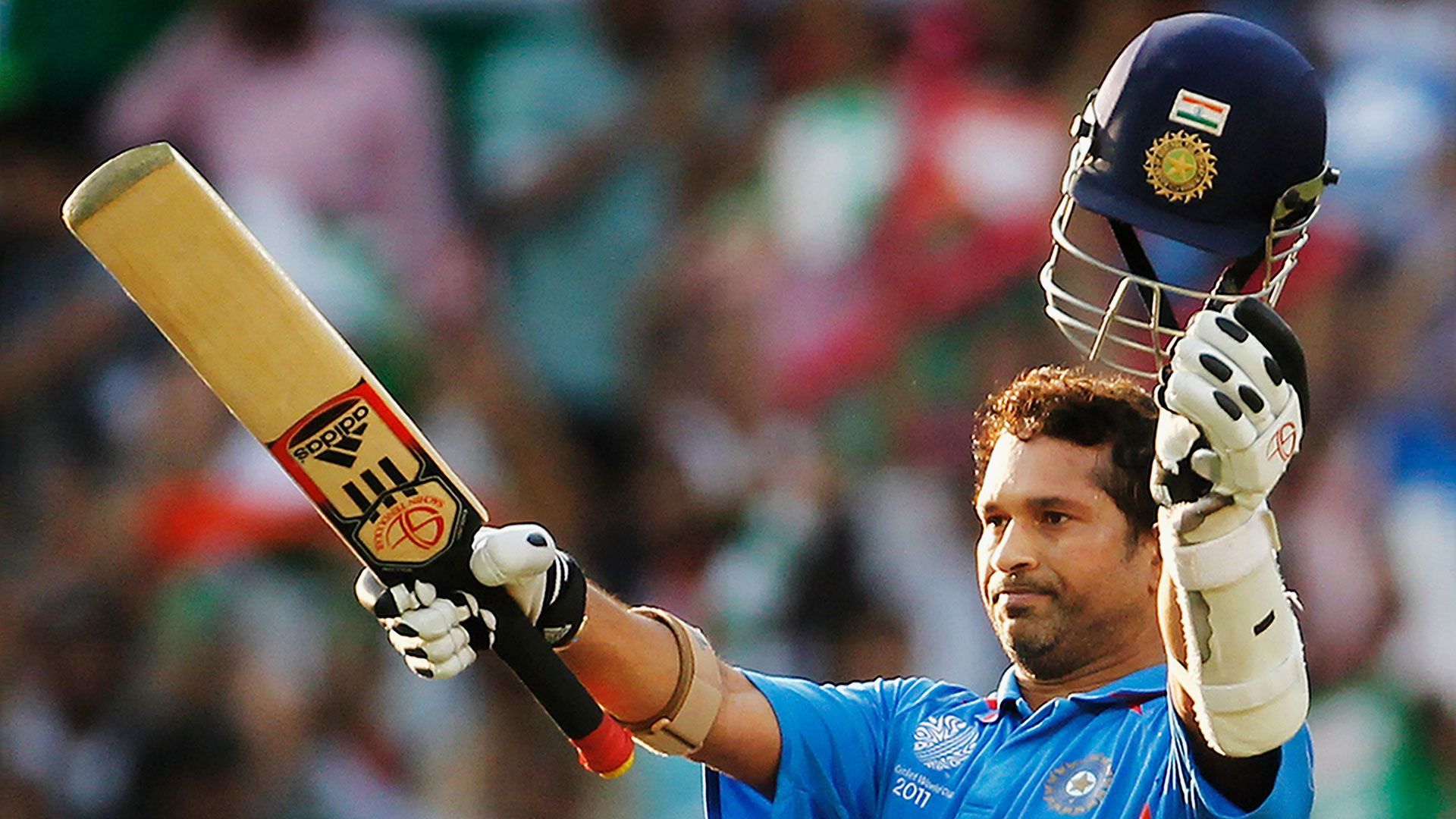
Sachin Tendulkar 100 International Centuries: The Record That Shocked the World
Cricket has produced legends across generations, but no achievement in the history of the sport has captured the imagination of fans quite like Sachin Tendulkar’s 100 international centuries. It is a record so extraordinary that many believed it was humanly impossible before Tendulkar proved them wrong. From the dusty grounds of Mumbai to the grandest cricket stadiums on earth, this remarkable journey took over two decades and left an entire nation breathless. The Making of a Cricket Legend Sachin Ramesh Tendulkar was born on April 24, 1973, in Mumbai, India. From the moment he picked up a bat, it was clear the sport had found someone truly special. He made his international debut at just 16 years of age in 1989, facing the fearsome Pakistani pace attack with a calm that belied his youth. What followed over the next 24 years was nothing short of a sporting miracle. Tendulkar did not just play cricket. He became cricket for an entire generation of Indians and fans around the world. Every time he walked to the crease, the noise inside a stadium would change, the energy would shift, and millions of television sets would flicker to life across the subcontinent. His technique was flawless, his temperament ice cold, and his hunger for runs seemingly unquenchable. Breaking Down the Sachin Tendulkar 100 International Centuries Record The number 100 carries a deep significance in cricket. A century in a single match is considered the benchmark of batting excellence. Now imagine scoring 100 of them across international cricket, combining both Test matches and One Day Internationals. That is precisely what Sachin Tendulkar achieved, and it remains one of the most staggering individual records in all of sport. His 100 international centuries are split between 51 in Test cricket and 49 in ODIs. Each one came against international bowling attacks, under pressure, on different pitches across different countries, and in conditions that were often far from friendly. The sheer volume and consistency of these performances over more than two decades is what separates this record from everything else in the game. The Road to 100: Milestones Along the Way Tendulkar’s journey to 100 centuries was filled with highs, setbacks, and moments that became etched permanently into cricket folklore. His first international century came in an ODI against England in 1994, though he had already been dazzling audiences with his strokeplay for years before that milestone. Once he got started, the centuries kept flowing with a regularity that seemed almost routine but was anything but. Some centuries stood out more than others. His 98 not out at Centurion in a World Cup match against Pakistan in 2003 was a masterclass in controlled aggression. His double centuries in Test cricket demonstrated a different kind of mastery, the ability to grind down opposition over long periods with relentless precision. Through knee surgeries, dips in form, mounting public pressure, and the unique burden of being India’s most celebrated sportsman, he kept going. The wait for the 100th century was agonising for fans. He remained stuck on 99 for months, and with each dismissal short of three figures, the national anxiety grew. Finally, on March 16, 2012, against Bangladesh in an Asia Cup match in Mirpur, Sachin Tendulkar reached the magical three-figure mark for the 100th time in international cricket. The entire country erupted. What Made Sachin Tendulkar’s Centuries So Special Not all centuries are created equal, and when studying the Sachin Tendulkar 100 international centuries record more closely, what stands out is the variety and quality of the knocks. He scored them on fast pitches in South Africa and Australia, on spin-friendly tracks in India and Sri Lanka, in day night ODIs, in pressure-packed Test matches, and against every bowling attack the world had to offer. His technique allowed him to play every shot in the book. The straight drive, the cover drive, the pull shot over square leg, and the famous upper cut over point were all weapons in an arsenal that left bowlers helpless. He was never a one-dimensional batsman. He adapted to formats, conditions, and situations with an intelligence that came from thousands of hours of practice and an obsessive dedication to his craft. Beyond the technical brilliance, Tendulkar understood the weight of his own significance. He carried the hopes of over a billion people every time he batted, and he did so with grace and responsibility. That mental strength, perhaps more than any physical attribute, was what allowed him to compile centuries when it mattered most. The Record in Numbers: A Statistical Marvel The statistics behind Sachin Tendulkar’s 100 international centuries tell their own remarkable story. Over the course of his career, he scored 15,921 runs in Test cricket at an average of 53.78 and 18,426 runs in ODIs at an average of 44.83. His combined international run tally of over 34,000 runs also stands as a world record. He played 200 Test matches and 463 ODIs, consistently performing at the highest level across both formats over an extraordinary length of time. No other batsman in history comes close to 100 international centuries. The second highest tally belongs to Ricky Ponting of Australia with 71 international centuries, a record that itself is considered remarkable. The gap between Tendulkar and the rest underscores just how far beyond ordinary greatness this achievement truly sits. The Legacy of Sachin Tendulkar’s 100 Centuries in Cricket History When Tendulkar retired from international cricket in November 2013, following his 200th Test match at the Wankhede Stadium in Mumbai, the outpouring of emotion was unlike anything cricket had ever seen. Grown men and women wept openly. A generation of fans said goodbye not just to a cricketer, but to a companion who had been part of their lives for nearly a quarter of a century. The record of 100 international centuries is significant not merely because of the number itself, but because of what it represents. It is the product of extraordinary talent combined with extraordinary discipline, extraordinary longevity, and an extraordinary
Read More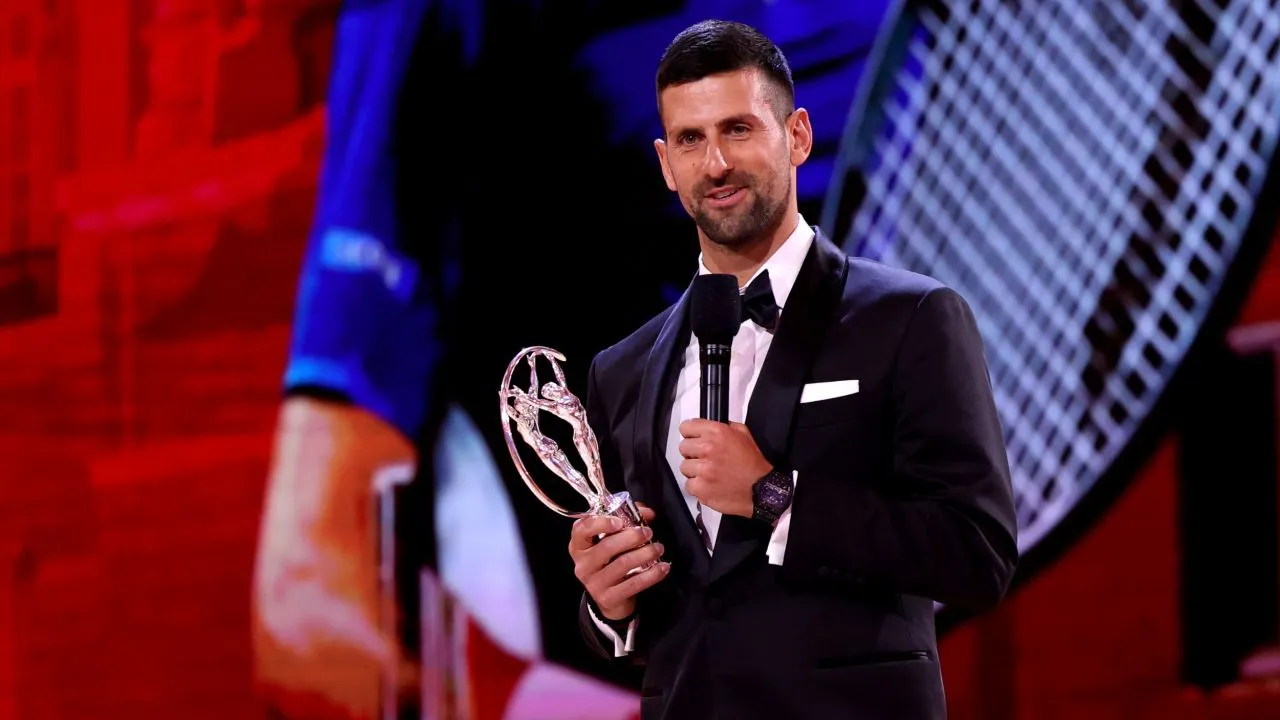
Novak Djokovic’s 25th Grand Slam Quest: Can He Reach 30?
Novak Djokovic’s achievement of 25 Grand Slam titles is a historic milestone in tennis, cementing his legacy as one of the sport’s greatest players. However, with rising competition and the physical toll of elite tennis, many wonder: can Djokovic push his Grand Slam tally to 30? In this article, we’ll explore his remarkable journey, the challenges ahead, and whether reaching 30 titles is a feasible goal. The Milestone of 25 Grand Slams Novak Djokovic’s 25th Grand Slam title is a monumental achievement that solidifies his place in the conversation of tennis greatness alongside Roger Federer and Rafael Nadal. Djokovic clinched his 25th Grand Slam at the 2023 US Open, a tournament where his victory not only extended his Grand Slam count but also solidified his reputation for resilience and skill at the highest level. Since his breakthrough win at the 2008 Australian Open, Djokovic has consistently been at the top of men’s tennis, dominating all surfaces and adapting his game to outlast the competition. His 25 Grand Slam titles make him one of the sport’s most decorated players, surpassing the previous milestone of 24 set by Serena Williams in 2017. Djokovic’s Journey to Dominance in Tennis Djokovic’s path to 25 Grand Slam titles has been a story of persistence, adaptability, and fierce competitiveness. He first emerged as a major contender in 2008, winning the Australian Open, and began to challenge Federer and Nadal’s dominance. Over the years, Djokovic’s game evolved, making him an incredibly tough opponent, especially on hard courts and grass courts, where he has claimed the majority of his titles. His most defining years came between 2011 and 2015, when he dominated the sport, winning numerous Grand Slam titles in succession. Djokovic’s 2021 season was one of the best in tennis history, where he won three out of the four major titles and nearly completed a calendar Grand Slam. It’s these kinds of dominant runs that set Djokovic apart, showing his ability to maintain consistency even against fierce competition. The Competition: Can Djokovic Keep Up with Younger Rivals? While Djokovic’s ability to perform at the highest level is unquestionable, the rising competition from younger players presents a significant challenge. Players like Carlos Alcaraz, Daniil Medvedev, and Alexander Zverev are coming into their own, with Alcaraz already showing that he can rival Djokovic’s success. Alcaraz, the 2022 US Open champion, has already proven he has the ability to dominate the sport with his powerful baseline game and athleticism. Medvedev, a former US Open champion, has shown that he can challenge Djokovic on hard courts, and Zverev, who has reached multiple Grand Slam finals, continues to develop into a formidable opponent. These younger players bring a new dynamic to the sport, creating a new level of competition for Djokovic. As he pushes towards 30 Grand Slam titles, Djokovic must navigate this emerging rivalry while maintaining his physical and mental edge. The Physical and Mental Challenge of Continuing at the Highest Level At 36 years old, Novak Djokovic is already one of the oldest players on the ATP Tour’s top rankings. The physical demands of tennis are immense, and as players age, the strain of competing in the sport’s most physically demanding tournaments becomes more pronounced. Injuries and recovery times increase, and the intense mental focus required to maintain a high level of performance can take its toll. However, Djokovic has shown remarkable resilience throughout his career. His commitment to fitness and recovery is unmatched, with a rigorous training routine and discipline in maintaining peak physical condition. His ability to recover quickly from injuries and sustain a high level of performance is one of the reasons why he remains competitive against much younger rivals. The mental challenge is also a key factor. Djokovic has always had a reputation for his psychological strength on the court. Whether it’s coming back from a set down or dealing with the pressure of playing in high-stakes matches, his ability to remain calm and composed has been one of his most valuable assets throughout his career. Strategies and Adaptations Djokovic Must Make to Reach 30 To achieve his goal of reaching 30 Grand Slam titles, Djokovic must continue to adapt both his physical game and his schedule. One strategy may be to reduce his participation in less important tournaments to focus more on the four major Grand Slams. By conserving his energy and focusing on these big events, Djokovic could maximize his chances of success. Additionally, Djokovic’s mental approach to the game may also play a significant role in his quest for 30. His experience in high-pressure moments can help him stay focused, but finding ways to stay fresh and mentally engaged throughout the season will be key to his long-term success. Managing expectations and maintaining a work-life balance, especially with his growing family, will also be important as he tries to extend his career. Key Upcoming Tournaments in Djokovic’s Grand Slam Pursuit As the tennis calendar progresses, several tournaments stand out as key opportunities for Djokovic to add to his Grand Slam tally. The 2024 Australian Open is the first major tournament of the year and one where Djokovic has enjoyed significant success throughout his career. With a record nine Australian Open titles, Djokovic will be hungry to add another to his collection. The French Open and Wimbledon are also crucial tournaments. Djokovic’s remarkable grass-court game has made him a favorite at Wimbledon, while his consistent performance at Roland Garros places him among the top contenders for the French Open as well. The US Open remains another target, with Djokovic’s recent victory there reminding the tennis world that he can still win in New York. The Legacy: Is 30 Grand Slams Feasible for Djokovic? Reaching 30 Grand Slam titles would be a monumental achievement, and while it may seem daunting, it’s certainly within the realm of possibility for Djokovic. His consistency, physical resilience, and mental fortitude are unparalleled in men’s tennis. Additionally, his ability to peak at the right moments and adjust his game
Read More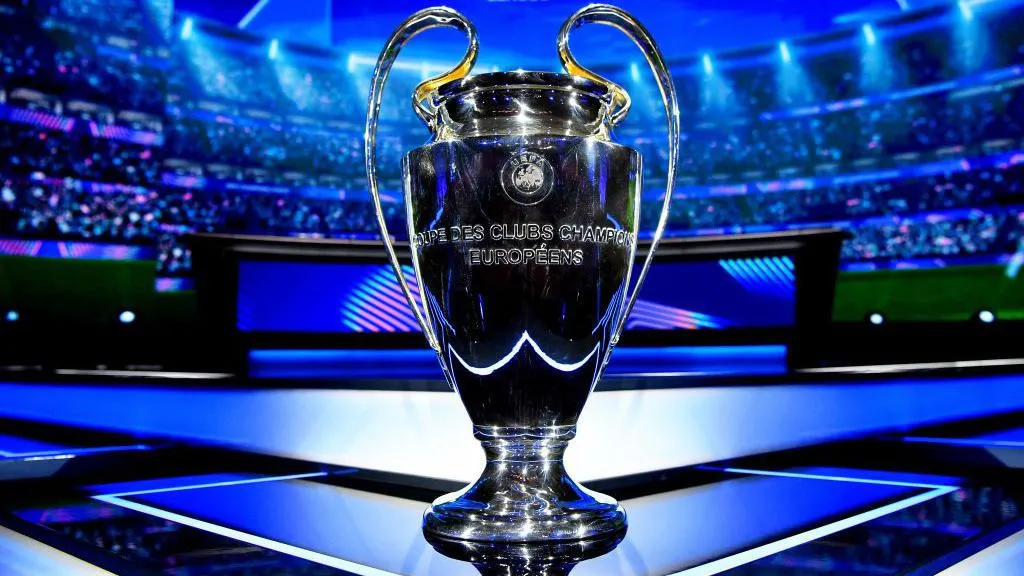
UEFA Champions League Anthem History: Why It Gives You Goosebumps
Few sounds in sport trigger emotion as instantly as the UEFA Champions League anthem. The moment the opening notes echo around a packed stadium, time seems to slow. Players stand taller. Fans fall silent. The stakes suddenly feel enormous. Long before the ball is kicked, the anthem tells everyone watching that this is football at its highest level. This is not accidental. The Champions League anthem was designed to create awe, pressure, and anticipation. Decades later, it continues to deliver goosebumps on the biggest nights in world football. The Soundtrack of Football’s Biggest Nights For millions of fans, the Champions League anthem signals something sacred. It means midweek nights under floodlights, legendary stadiums, and careers defined by moments that last seconds. Unlike chants that belong to clubs or countries, this anthem belongs to the competition itself. It unites fans across rivalries and languages. Whether you support a perennial giant or a surprise underdog, hearing the anthem instantly places your team on football’s grandest stage. Origins of the Champions League Anthem The anthem was introduced in 1992, the same year the European Cup was rebranded as the UEFA Champions League. UEFA wanted more than a name change. It wanted an identity that felt elite, timeless, and unmistakably prestigious. At a time when football was becoming increasingly commercial, UEFA chose not to follow pop trends. Instead, it leaned into classical tradition, signaling that the Champions League was not just another tournament but the pinnacle of European football. The Composer and Musical Inspiration The anthem was composed by Tony Britten, who was tasked with creating something grand, authoritative, and emotionally powerful. Britten based the anthem on George Frideric Handel’s “Zadok the Priest,” a piece traditionally used in British coronations. This choice was deliberate. Handel’s composition carries associations of ceremony, royalty, and historical importance. By adapting a coronation anthem for football, Britten gave the Champions League an almost regal status. Winning it would feel like being crowned king of Europe. Lyrics, Language, and Meaning The lyrics are written in three of UEFA’s official languages: English, French, and German. This multilingual approach reinforces the competition’s pan-European identity. The words themselves are simple. They speak of champions, the best teams, and the meeting of great clubs. Yet the meaning lies less in the lyrics and more in what they represent. Fans rarely sing along. Instead, they listen, absorb, and feel. The anthem does not demand participation. It commands respect. Why the Anthem Sounds So Powerful Musically, the anthem is built to create anticipation. It begins with a slow, controlled introduction before swelling into a powerful choral climax. The use of a full orchestra and choir gives it depth and weight that modern music often lacks. Repetition plays a key role. Fans hear the anthem again and again throughout the season, but always at moments of significance. Over time, the brain associates the sound with tension, excitement, and history. The result is a conditioned emotional response that feels almost automatic. The Anthem’s Role in Matchday Rituals Before every Champions League match, the anthem plays as players line up and the iconic starball flag is unfurled. Stadiums that moments earlier were roaring often fall into near silence. This ritual transforms a football match into an event. It marks the transition from anticipation to reality. Players frequently describe this moment as when the pressure truly hits. For 90 minutes, everything that follows must live up to the promise of the music. Psychological Impact on Players Many players have spoken about the anthem as a defining experience in their careers. Hearing it for the first time confirms arrival at the elite level. Hearing it in a final represents a lifetime goal. The anthem heightens nerves, but it also sharpens focus. It reminds players that they are part of something larger than themselves. For veterans, it evokes memories of past triumphs and heartbreaks. For newcomers, it represents the dream they grew up watching. Iconic Moments Defined by the Anthem Some of football’s most unforgettable nights are inseparable from the anthem that preceded them. Dramatic comebacks, last-minute goals, and emotional finals all feel larger because of the buildup the anthem creates. When fans recall historic Champions League moments, the music often plays in their memory before the images do. It has become an emotional anchor, tying sound to history. How the Anthem Became a Global Football Symbol The Champions League is broadcast in more than 200 countries, and the anthem opens every match. This repetition has made it globally recognizable, even among casual viewers. Children who may not understand tactics or formations still recognize the anthem as the sound of something important. Few pieces of music in sport have achieved such universal recognition without lyrics that fans actively sing. Variations, Remixes, and Live Performances Over the years, UEFA has commissioned orchestral and live choir performances for finals, adding visual grandeur to the music. While subtle variations exist, the core composition remains untouched. Attempts to modernize or remix the anthem have been limited, and deliberately so. Its power lies in familiarity. Any major alteration would risk breaking the emotional connection built over decades. Comparison with Other Football Anthems Many leagues and tournaments have theme music, but none carry the same emotional weight. Domestic league anthems grow familiar through frequency, while international tournament songs change every cycle. The Champions League anthem is different. It is permanent, ceremonial, and reserved only for the highest level of club football. That exclusivity is central to its impact. Why the Anthem Still Gives Goosebumps Decades Later The anthem’s effect is rooted in psychology as much as music. It is associated with high stakes, elite performance, and moments that define careers. Over time, nostalgia strengthens this bond. Fans remember where they were when they heard it before historic matches. Players remember what it felt like to stand beneath it. Each repetition deepens the emotional imprint. More Than Just a Song The Champions League anthem is not just music played before a match. It is football mythology. It represents
Read More