

Top 10 NFL Salaries in 2026: The Quarterback Era Reaches New Heights
Professional football has always been a big-money business, but the 2026 NFL season has taken player compensation into genuinely uncharted territory. With the salary cap projected to hit a record-breaking range of $301 million to $306 million, the financial landscape of the league looks almost unrecognizable compared to even a decade ago. Quarterbacks are commanding figures that would have seemed absurd just a few years back, and one wide receiver has broken through to claim a spot among the game’s highest earners. If you have been wondering who tops the list of the highest-paid NFL players this season, this complete breakdown of the top 10 NFL salaries in 2026 covers everything you need to know, ranked by Average Annual Value (AAV), which remains the most accurate and widely used measure of a player’s true market worth. The Complete Top 10 NFL Salaries in 2026 at a Glance Before diving into the details, here is the full picture: Rank Player Team Position AAV 1 Dak Prescott Dallas Cowboys QB $60,000,000 2 Joe Burrow Cincinnati Bengals QB $55,000,000 3 Jordan Love Green Bay Packers QB $55,000,000 4 Trevor Lawrence Jacksonville Jaguars QB $55,000,000 5 Tua Tagovailoa Miami Dolphins QB $53,100,000 6 Jared Goff Detroit Lions QB $53,000,000 7 Justin Herbert LA Chargers QB $52,500,000 8 Lamar Jackson Baltimore Ravens QB $52,000,000 9 Jalen Hurts Philadelphia Eagles QB $51,000,000 10 Justin Jefferson Minnesota Vikings WR $35,000,000 Nine of the ten spots belong to quarterbacks. The lone exception is Justin Jefferson, whose presence on this list is a story in itself. Number 1: Dak Prescott Makes History at $60 Million Per Year No player in NFL history has ever averaged $60 million per season, and Dak Prescott is the first to reach that milestone. The Dallas Cowboys quarterback leveraged a “no-tag” clause in his previous contract to force the franchise into a four-year, $240 million extension, a negotiating position that gave him enormous power at the table. Whether Prescott is worth every dollar will always be debated among NFL fans, but his ability to extract maximum value from one of the league’s most high-profile franchises is undeniable. His cash flow in 2026 is unmatched by any player in the game, even if the cap management involves creative structuring through void years. He stands alone at the top of the top 10 NFL salaries in 2026, and the gap between him and the next tier is not insignificant. Numbers 2, 3, and 4: The $55 Million Trio Joe Burrow, Cincinnati Bengals Joe Burrow was the first quarterback to break through the $55 million per year ceiling, and his contract reflects what he has meant to a franchise that spent decades in mediocrity. Since Burrow arrived, the Bengals have become legitimate AFC title contenders, and the front office rewarded that transformation accordingly. His deal was not just a pay raise; it was an acknowledgment that he changed the identity of an entire organization. Jordan Love, Green Bay Packers Jordan Love’s rise to the $55 million club is the latest chapter in Green Bay’s long tradition of developing elite quarterbacks. After being asked to wait patiently behind Aaron Rodgers for years, Love delivered a breakout performance that left the Packers with no choice but to commit fully. His contract validates both his talent and the organization’s belief that their quarterback development system continues to work at the highest level. Trevor Lawrence, Jacksonville Jaguars Trevor Lawrence has always carried the label of a “generational talent,” and his $55 million per year deal reflects the Jaguars’ conviction that he is their franchise cornerstone for the foreseeable future. His contract locks him in through his prime years, giving Jacksonville the kind of long-term stability at quarterback that the franchise has rarely enjoyed throughout its history. Number 5: Tua Tagovailoa, Miami Dolphins at $53.1 Million Tua Tagovailoa’s place among the top 10 NFL salaries in 2026 has not come without scrutiny. Questions about his long-term durability have followed him throughout his career, but his statistical output within Mike McDaniel’s offensive system has been difficult to argue against. His contract is heavily structured with guarantees that peak in 2026, making him one of the most expensive investments in the AFC East and a player the Dolphins cannot afford to replace. Number 6: Jared Goff, Detroit Lions at $53 Million Few careers in recent NFL history have followed a more dramatic arc than Jared Goff’s. Written off after his time in Los Angeles ended badly, Goff reinvented himself in Detroit and became the engine behind one of the league’s most exciting offenses. His $53 million per year extension is a direct result of that resurgence, and while the Lions have used contract restructures to bring his 2026 cap hit down to approximately $15 million, his AAV firmly places him among the game’s elite earners. Number 7: Justin Herbert, LA Chargers at $52.5 Million Justin Herbert’s deal, originally signed during the 2023 offseason, now looks like a preview of the market it helped create. By 2026, his cap hit has grown to over $46 million, reflecting the reality that contracts signed in previous years continue to escalate as the cap rises. Herbert remains one of the most physically gifted quarterbacks in football, and the Chargers continue to build around his deep passing ability and athleticism in hopes of making a sustained playoff run. Number 8: Lamar Jackson, Baltimore Ravens at $52 Million Lamar Jackson’s $52 million per year figure is somewhat deceiving in isolation. His total contract represents one of the richest deals in league history, but the structure of that agreement, signed when the market was slightly lower, means younger quarterbacks who signed more recently have technically surpassed his AAV. What remains unquestioned is Jackson’s status as one of the most dynamic and genuinely unique players the NFL has ever seen, a two-time MVP whose value to Baltimore extends far beyond any single statistical category. Number 9: Jalen Hurts, Philadelphia Eagles at $51 Million Jalen Hurts rounds out the quarterback portion of
Read More
Joey Browner Net Worth 2026: The Legacy of a Vikings Legend
The NFL world lost one of its most physically dominant and deeply respected figures on March 28, 2026. Joey Browner, the six-time Pro Bowl safety who defined the Minnesota Vikings’ secondary throughout the 1980s, passed away at the age of 65. As fans, former teammates, and football historians reflect on his remarkable journey, one question has surfaced repeatedly: what was Joey Browner net worth in 2026, and what does it tell us about the man behind the legend? The answer is more layered than a simple number. It is a story of a different NFL era, a second career built on passion, a community that rallied around him in his final years, and a family sporting dynasty that few American households can match. What Was Joey Browner’s Net Worth in 2026? At the time of his passing, Joey Browner’s net worth was estimated to be between $1.5 million and $3 million. For a player of his stature, six Pro Bowl selections, four First-team All-Pro honors, and a place on the NFL 1980s All-Decade Team, that figure might surprise some readers. But context is everything. Browner played during an era when even the most elite NFL players earned a fraction of what today’s stars command. Understanding his financial journey requires understanding the world he played in. Joey Browner’s NFL Career: The Foundation of His Earnings A First-Round Pick Who Delivered on Every Promise Joey Browner was selected 19th overall in the 1983 NFL Draft by the Minnesota Vikings. From his very first season, he announced himself as one of the most complete safeties the league had ever seen. Over nine seasons with the Vikings and one final year with the Tampa Bay Buccaneers, he built a career that would earn him a place in the Vikings Ring of Honor and cement his reputation as one of the defining defensive players of his generation. His career statistics alone tell the story of a relentless competitor: The Salary Reality of the 1980s NFL Here is where the financial picture becomes important context. During Browner’s peak years between 1985 and 1990, NFL salaries were a fraction of the modern game. Even as a premier safety and consistent All-Pro selection, his annual salary likely ranged between $200,000 and $500,000. To put that in perspective, a top-tier safety in today’s NFL can earn upwards of $15 million per year. Browner maximized what was available to him through performance bonuses tied to his Pro Bowl and All-Pro selections, and through the longevity that 10 professional seasons provided. Playing a full decade made him eligible to vest completely into the NFL’s pension system, a benefit that would prove significant in his later years. Post-NFL Career: How Browner Built His Legacy After Football A Voice Behind the Microphone Retirement in 1992 did not mean stepping away from the spotlight. Browner transitioned into sports radio broadcasting, working primarily in Las Vegas and Nevada, where he leveraged his deep football knowledge to provide analysis for both collegiate and professional games. His contributions to the sport off the field were formally recognized in 2004 when he was enshrined into the African-American Hall of Fame specifically for his broadcasting work, a distinction that speaks to the quality and consistency of his second career. Broadcasting provided Browner with a platform, an income stream, and continued relevance in the football world long after his playing days ended. Coaching, Mentoring, and Grassroots Impact Rather than pursuing high-profile NFL coaching positions, Browner devoted considerable energy to grassroots football. He coached high school athletes and mentored young prospects, work that often included consulting fees for private camps and talent evaluation. While much of this effort could be described as community service, it was also a reflection of his character: a man more interested in building others up than seeking personal recognition. This commitment to mentorship became one of the most consistent themes of his post-football life and contributed to the enormous outpouring of respect that followed his passing. The Vikings Ring of Honor: A Source of Ongoing Value In 2013, Browner was inducted into the Vikings Ring of Honor, joining a select group of franchise legends. Beyond the prestige, this status opened doors to ongoing “Legend” appearances, autograph events, and marketing partnerships with the franchise. These opportunities provided a steady and reliable source of income in his later years, connecting him to a fan base that never forgot what he meant to the organization. The “Joey Browner Care” Initiative: Community Steps Up In August 2025, something remarkable happened that illustrated just how deeply Browner was loved. Former Vikings teammates including Tommy Kramer and Scott Studwell organized a fundraiser titled “Joey Browner Care” to support his medical needs. The event, held in Fridley, Minnesota, generated over 525 orders for autographed jerseys and memorabilia. While the specific details of his health situation remained private, reports at the time of his passing confirmed he had been residing in a nursing facility. The fundraiser was not a sign of financial ruin. It was a sign of community. The Vikings family ensured that Browner’s medical needs were met without exhausting his personal estate, a testament to the bonds formed over decades of shared purpose. The Browner Family: One of Sport’s Great Dynasties No discussion of Joey Browner’s life is complete without acknowledging the family that shaped him. The Browners are one of the most accomplished sporting families in American history. This dynasty created more than shared pride. It built a network of financial literacy, mutual support, and shared resources that helped Joey maintain stability throughout his life. The Browner name carried weight, and that weight translated into real-world security. Joey Browner Net Worth 2026: A Full Breakdown Pulling everything together, here is an estimated breakdown of what comprised Joey Browner’s net worth at the time of his passing in 2026: Category Estimated Value Professional Career Earnings (inflation-adjusted) ~$3.5 million Real Estate and Investments $1.0 million to $1.5 million NFL Pension and Annuities $500,000 and above Total Estimated Net Worth $1.5 million to
Read More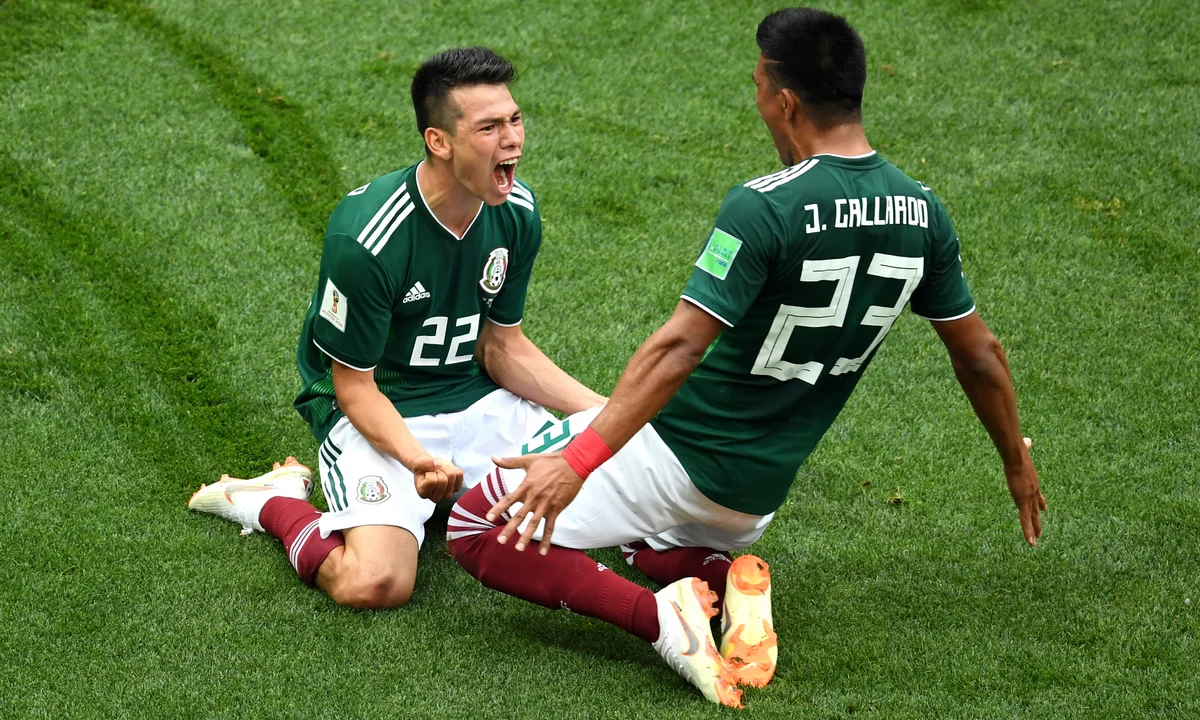
Mexico’s Consistent but Frustrating World Cup Record Explained From 1994 till 2018
Few stories in international football blend excellence and anguish quite like Mexico’s World Cup Record between 1994 and 2018. For 24 uninterrupted years, El Tri became the ultimate paradox: a team consistent enough to be one of the most reliable sides on the planet, yet unable to take a single step further when it mattered most. Seven consecutive World Cups. Seven Round of 16 exits. One nation’s sporting identity shaped by a single, seemingly unbreakable glass ceiling. In Mexico, this phenomenon has a name: El Quinto Partido, the Fifth Game. To reach the quarterfinals, a team must win their Round of 16 match. That fifth game became the wall Mexico simply could not climb, no matter who played, who coached, or how brightly they burned in the group stages. This is the full story of that extraordinary, maddening streak. While 1930 was about the dawn of the tournament, the modern era requires a different strategy. See our analysis on which 2026 teams are technically built for Mexico City to see how the game has evolved. What Is the “El Quinto Partido” Curse? Before diving into the matches themselves, it helps to understand why this barrier carries such cultural weight in Mexico. The World Cup knockout format means that advancing from the Round of 16 brings a team to the quarterfinals, their fifth game of the tournament. For Mexican fans watching between 1994 and 2018, that fifth game became almost mythological: always visible on the horizon, never actually reached. What makes the streak so striking is that it required consistent excellence to maintain. Only elite footballing nations qualify for the World Cup reliably, let alone make the knockout rounds at seven consecutive tournaments. Mexico did exactly that and then, with clockwork precision, stopped there every single time. The Technical Audit: Breaking Down the Round of 16 Barrier (1994–2018) Mexico’s record of reaching seven consecutive Round of 16 matches is a feat of consistency unmatched by most global giants. However, the technical reasons for the “curse” vary by tournament. Tournament Opponent Final Score Primary Tactical Issue USA 1994 Bulgaria 1-1 (1-3 Pens) Efficiency in penalty shootouts. France 1998 Germany 1-2 Defensive fatigue in the final 15 minutes. Korea/Japan 2002 USA 0-2 Counter-attack vulnerability against regional rivals. Germany 2006 Argentina 1-2 (AET) Moments of individual brilliance (Maxi Rodríguez volley). South Africa 2010 Argentina 1-3 Early structural collapse after a controversial offside goal. Brazil 2014 Netherlands 1-2 Game-state management (conceding twice after the 88th min). Russia 2018 Brazil 0-2 High-transition fatigue after an intense group stage. The 2026 Paradigm Shift: Why the “Fifth Game” is Now the “Sixth” With the expansion to 48 teams for the 2026 World Cup, the road to glory has been redesigned. For fans tracking the “Quinto Partido,” the goalposts have technically moved: The Seven Exits: A Tournament-by-Tournament Breakdown USA 1994: The Beginning Nobody Recognized Mexico returned to the World Cup in 1994 after missing the 1990 tournament entirely and made an immediate statement, finishing top of a group that included Italy, Ireland, and Norway. In the Round of 16 against Bulgaria, the match finished 1–1 after extra time. What followed set an unwelcome tone for the decades ahead: Mexico missed three of their four penalties and crashed out on shootout. At the time, it felt like bad luck. In hindsight, it was the quiet opening chapter of a very long story. France 1998: Outplayed in the Final Quarter Hour Four years later, Mexico showed genuine character in the group stage, coming from behind in multiple matches to qualify. Against Germany in the Round of 16, they were arguably the better team for over an hour. Luis Hernández put them ahead and Mexico looked set to make history, until the final 15 minutes. Jürgen Klinsmann and Oliver Bierhoff struck in quick succession, handing Germany a 2–1 victory. The pattern of late collapses under pressure had begun to take shape. Korea/Japan 2002: Rivals Inflict Maximum Pain Ask most Mexican football fans and they will tell you 2002 hurts most. Having topped their group, El Tri faced their fiercest rivals, the United States, in the Round of 16. It was, on paper, the most winnable path imaginable. Instead, the U.S. executed a disciplined counter-attacking game plan and won 2–0. The “Dos a Cero” scoreline became something of a mocking chant that echoed for years. The combination of losing to their greatest rival and squandering their most favorable draw made this perhaps the defining low point of the entire era. Germany 2006: Beaten by Pure Brilliance Not every exit in this saga was a story of collapse or controversy. In 2006, Mexico took Argentina all the way to extra time, tied at 1–1 in a match of genuine quality. What ended their run was not a tactical failure or a refereeing decision. It was one of the greatest goals in World Cup history. Maxi Rodríguez controlled the ball on the left side of the box and struck a ferocious left-footed volley into the top corner. Even in defeat, Mexico had nothing to be ashamed of. Sometimes you lose to a moment of genius, and this was one of those times. South Africa 2010: The Offside That Still Stings History handed Mexico a rematch with Argentina in 2010, and this time the exit came wrapped in controversy. Carlos Tevez opened the scoring from a position that television replays confirmed was clearly offside. The goal stood. An Osorio error gifted Argentina a second, and Mexico eventually lost 3–1. The offside goal remains one of the most discussed refereeing errors in World Cup history. For Mexican fans, it added a layer of bitter injustice to an already painful chapter. Brazil 2014: “No Era Penal” If there is a single phrase that encapsulates this entire 24-year period, it might be “No era penal” — it wasn’t a penalty. Mexico led the Netherlands 1–0 going into the final two minutes of their Round of 16 clash. A late equalizer brought the game level, and then, deep into
Read More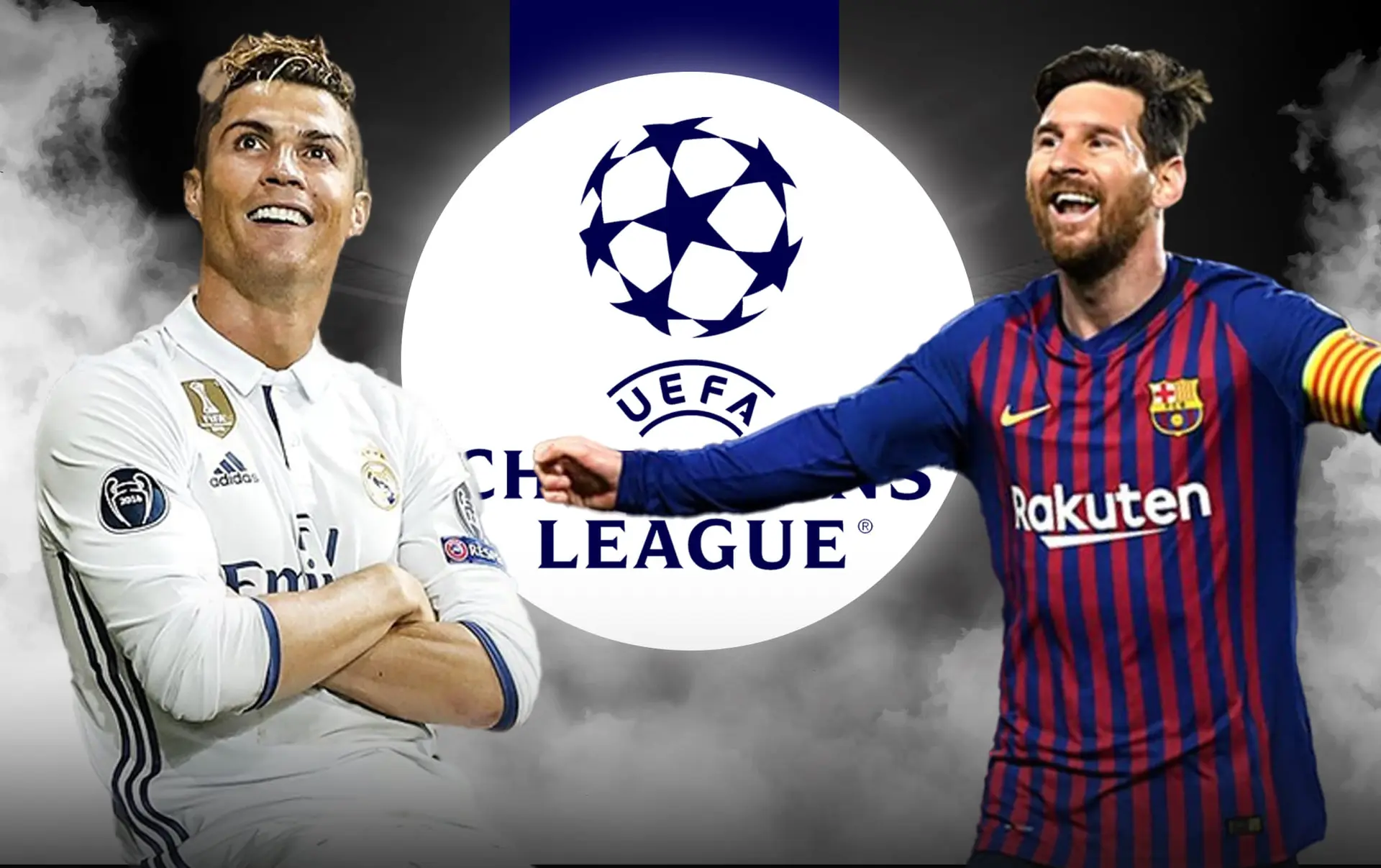
Which Player Has Scored in the Most Champions League Quarter-Finals in History?
The UEFA Champions League quarter-finals are where legends are made. Eight teams remain, the stakes are at their highest, and only the truly great players consistently deliver at this stage. But when you look back across decades of European football, one name stands alone as the undisputed king of the last eight. Cristiano Ronaldo: The All-Time Quarter-Final King With 25 goals in UCL quarter-finals, Cristiano Ronaldo is not just the record holder — he is in a league entirely of his own. According to UEFA’s official records, Ronaldo has scored more than the next two players on the list combined. That is not a record. That is a statement. What makes Ronaldo’s dominance so remarkable is that he delivered these goals across three different clubs — Manchester United, Real Madrid, and Juventus — proving his quarter-final brilliance was never just about the team around him. It was about him. His best single performance at this stage? A stunning 5-goal haul against Bayern Munich across two legs in the 2016/17 quarter-finals with Real Madrid — still the record for most goals scored in a single UCL quarter-final tie by one player. The Full Top 5 — Quarter-Final Goals in Champions League History Rank Player Goals Clubs 1 Cristiano Ronaldo 25 Man United, Real Madrid, Juventus 2 Lionel Messi 12 Barcelona 3 Raúl González 10 Real Madrid, Schalke 4 Filippo Inzaghi 9 Juventus, AC Milan 4 Andriy Shevchenko 9 Dynamo Kyiv, AC Milan The gap between first and second is staggering. Messi, universally regarded as one of the two greatest players of all time, has 12 quarter-final goals — less than half of Ronaldo’s tally. Raúl, a Real Madrid icon who terrorised European defences for over a decade, managed 10. Ronaldo is more than two and a half times that. Lionel Messi: Brilliant, But Not Close Messi’s 12 quarter-final goals are nothing to dismiss. All of them came for Barcelona, and they include some of the most memorable moments in UCL history — from his stunning individual goal against Real Madrid in 2011 to a dominant two-goal performance against Manchester United in 2019. But Messi’s quarter-final story also has its shadow. Despite those numbers, Barcelona were eliminated at the quarter-final stage in several seasons where Messi was at his peak. The last-eight stage was both his showcase and, at times, his stumbling block. Ronaldo, by contrast, used the quarter-finals as a springboard. Every time he reached this stage with Real Madrid, he seemed to deliver the goals that sent his team through to the semis. Raúl, Inzaghi, and Shevchenko: The Old Guard Raúl González sits third with 10 goals — eight for Real Madrid across his legendary career at the Bernabéu, and two more after his move to Schalke. He was the competition’s all-time top scorer before Messi and Ronaldo came along, and his quarter-final record reflects a player who showed up when it mattered most. Filippo Inzaghi is perhaps the most underrated name on this list. The Italian striker scored 9 quarter-final goals for both Juventus and AC Milan, including four in a single tie against Dynamo Kyiv in the 1997/98 season — still one of the best individual performances in quarter-final history. Inzaghi made a career out of being in the right place at the right time, and the UCL quarter-finals were no exception. Andriy Shevchenko also reached 9, scoring for Dynamo Kyiv, AC Milan, and Chelsea. His goals span three different clubs and three different eras of the competition, a testament to remarkable longevity at the highest level. Most Goals in a Single Quarter-Final Tie Some players have not just scored across multiple quarter-finals — they have torn them apart in a single series. Ronaldo’s five-goal demolition of Bayern Munich in 2017 remains the benchmark. He scored twice in a 2-1 away win in the first leg — famously becoming the first player ever to reach 100 goals in UEFA club competition during that match — before adding a hat-trick in the second leg at the Bernabéu. What These Numbers Tell Us The Champions League quarter-final is a pressure cooker. Most players who make it this far in elite club football are world-class. The drop-off in performance from group stage to knockout rounds has been well documented. Yet Ronaldo consistently elevated his game at the last-eight stage in a way nobody else in history has managed. His 25 goals represent not just quantity, but timing. These are goals scored when elimination was one bad performance away. Goals scored against Bayern Munich, Atlético Madrid, Juventus, Schalke, and Chelsea — the biggest clubs in Europe. The current 2025/26 quarter-finals are once again serving up blockbuster ties: Real Madrid vs Bayern, Barcelona vs Atlético Madrid, PSG vs Liverpool, and Arsenal vs Sporting CP. Future legends will have their chance to chip away at these records. But Ronaldo’s 25-goal mark looks safe for a very long time. Quick-Fire Facts
Read More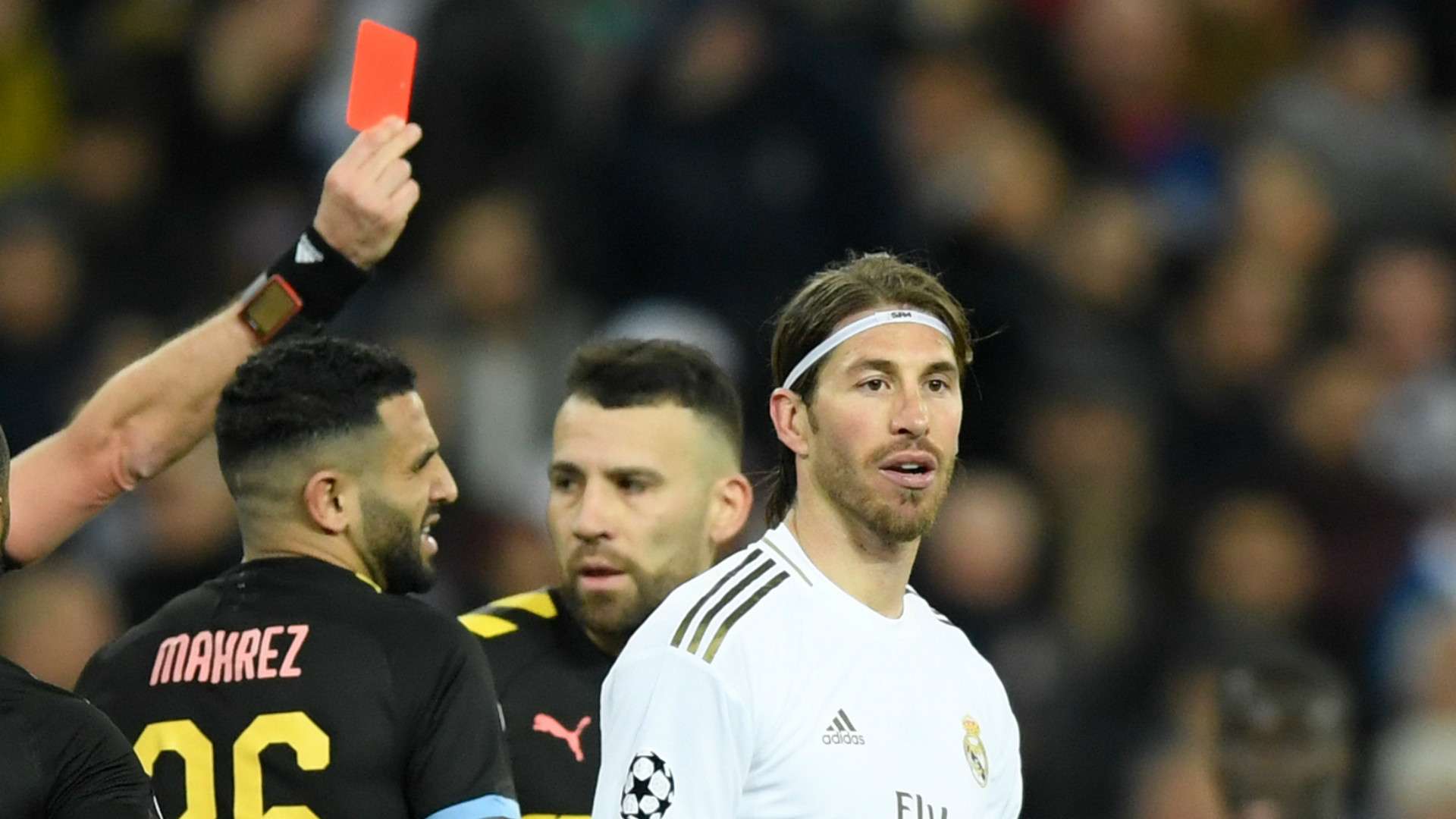
Sergio Ramos Red Card Record: Football’s Most Controversial Defender
No defender in football history has occupied the space between greatness and infamy quite like Sergio Ramos. He won five La Liga titles, four Champions League trophies, the 2010 World Cup, and two European Championships. He captained Real Madrid through the most successful period the club has seen in a generation. He also accumulated 30 red cards across his career, holds the all-time La Liga record for dismissals, and became the most sent-off player in the history of Europe’s top five leagues combined. The Sergio Ramos red card record did not exist despite his greatness. In many ways, it existed because of it. Sergio Ramos Red Card Record: The Numbers That Define a Career Ramos accumulated 20 red cards in La Liga, the highest total any player has ever recorded in Spain’s top flight. He received 26 dismissals across all competitions for Real Madrid alone, a club record more than twice ahead of any other player in the club’s history. His 191 total bookings across La Liga, covering 171 yellows and 20 reds, represent the highest combined disciplinary total the competition has ever recorded. In the Champions League, his four red cards make him joint-most dismissed player in the competition’s history alongside Edgar Davids and Zlatan Ibrahimovic. Most remarkably, he received not a single red card across 180 appearances for Spain. That anomaly alone tells you how precisely he understood the line between aggression and consequence. The Tactical Fouls That Made Ramos Both Brilliant and Brutal Ramos was not an impulsive, hot-headed defender who lost control under pressure. He was a calculating, tactically intelligent player who used professional fouling as consciously as any other technique in his defensive arsenal. In 2019, he publicly admitted he had deliberately earned a booking against Ajax in the Champions League Round of 16 to wipe his yellow card tally ahead of the quarterfinals. The admission earned him a UEFA disciplinary investigation and a two-match ban. It was controversial. It was also entirely consistent with how he had operated throughout his entire career. Most Infamous Red Cards in Sergio Ramos’s Career His red card history against Barcelona stands in a category of its own. He was sent off five times against the Catalan club, more than any other player in the history of the fixture, across the most hostile period of the Clasico rivalry between 2009 and 2012. His sending off against Girona in February 2019 made him the most dismissed player in the history of all five major European leagues, overtaking the previous record of 19 held by French midfielder Cyril Rool. His red card against Manchester City in February 2020, for a last-man challenge on Gabriel Jesus, cost his side at a critical juncture of the Champions League and ended his Real Madrid career on a difficult disciplinary note. How Sergio Ramos’s Red Card Record Affected Real Madrid Across his first 22 red cards for Real Madrid, the subsequent suspensions covered 24 matches. Madrid won 18 of those games, drew three, and lost three. The club simply did not miss him badly, a reflection both of their squad depth and of Ramos’s legal team successfully challenging multiple dismissals through the appeal process. The occasion where his absence proved most damaging came in the 2019 Champions League second leg against Ajax. His self-engineered suspension, publicly acknowledged, coincided with a 4-1 defeat that crashed Madrid out of the competition. The optics of a captain engineering his own suspension and watching his team humiliated from the stands were as damaging as any red card he had received in the preceding fourteen years. The Greatest Defender of His Generation Despite the Controversy The case for Ramos as the finest centre-back of his generation requires no qualification around his disciplinary record. His 22 major honours for Real Madrid, combined with the 2010 World Cup and two European Championships for Spain, place him in an elite category shared by virtually no other defender in the sport’s history. He scored 101 goals across 671 Real Madrid appearances, a figure unprecedented for a centre-back at European level. His 93rd-minute equalising header against Atletico Madrid in the 2014 Champions League final, forcing extra time in a match Madrid were seconds from losing, remains one of the most significant individual moments in the competition’s history. He was named in the FIFPro World XI eleven times, a record for any defender in the award’s history. How Rivals, Managers, and Referees Viewed the Sergio Ramos Red Card Record Opposition managers built tactical plans around his disciplinary tendencies, identifying situations where he was likely to commit a bookable offence. Pep Guardiola’s Barcelona sides were particularly effective at drawing fouls and yellows from him in positions that accumulated toward suspensions. Former Barcelona captain Carles Puyol acknowledged publicly that Ramos was one of the toughest opponents he ever faced, a statement that reflected genuine respect beneath years of fierce rivalry. Referees across La Liga were consistently aware of his accumulated card history, a factor that inevitably coloured decisions made in his vicinity during contested late-game moments. The Legacy of Sergio Ramos Beyond the Red Cards Ramos was named to the UEFA Team of the Year nine times, a record for any defender. He captained Real Madrid to three consecutive Champions League titles between 2016 and 2018, becoming the first captain to lift the European Cup in back-to-back editions in the competition’s modern era. His international record of 180 caps without a single red card for Spain remains the sport’s most remarkable disciplinary anomaly. It is either evidence of genuine self-regulation on the biggest stage or the clearest proof that Ramos always knew exactly where the line was and chose, when his country needed him most, never to cross it. What Sergio Ramos Redefined About the Modern Defender Ramos permanently expanded what football expected from a centre-back. His goal-scoring from set pieces, his vocal leadership across multiple generations of teammates, and his competitive aggression have collectively become the blueprint that younger defenders across Europe now aspire to replicate.
Read More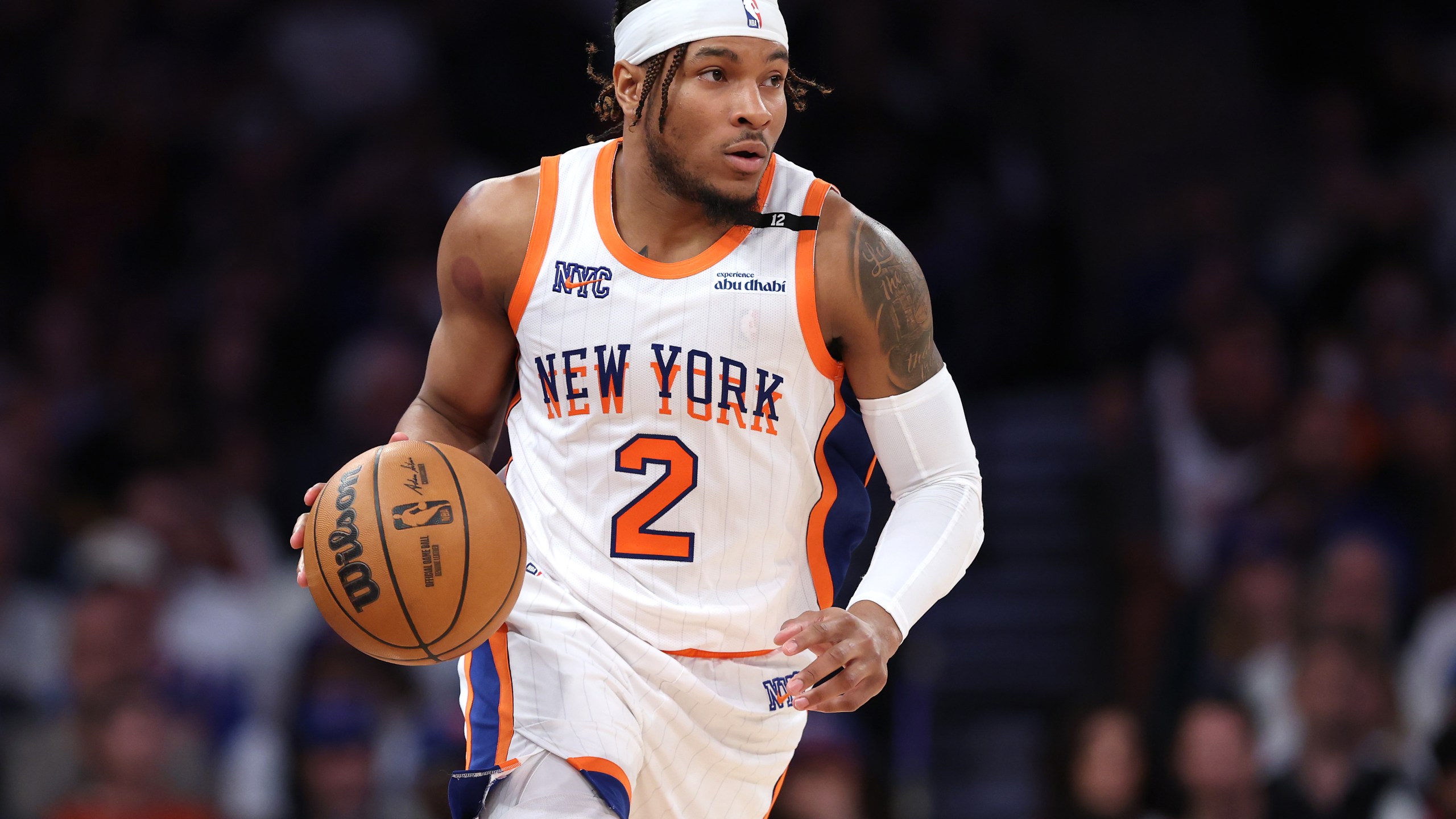
Miles McBride Net Worth in 2026: The $13M Knick Who Came Back Just in Time
NEW YORK — Miles McBride has missed 28 games, undergone core muscle surgery, and spent two months watching from the sideline as the New York Knicks chased a second seed without him. His net worth, estimated at approximately $3 million in 2026, reflects a player still on the front end of a financial journey that is about to enter its most important chapter — on the court and in the contract room. The 25-year-old guard known as Deuce is back. He returned Sunday against the Oklahoma City Thunder after the longest absence of his professional career, upgraded from questionable and cleared to play just as New York enters the most consequential stretch of their season. The timing of his comeback is as significant as the contract that keeps him in New York through 2027 — and both tell a story worth understanding. From Second-Round Doubt to a $13 Million Guarantee McBride’s professional life did not begin with fanfare. The Oklahoma City Thunder selected him 36th overall in the second round of the 2021 NBA Draft — a slot that typically produces role players and roster fillers, not franchise contributors. His draft rights were swiftly traded to the New York Knicks alongside Rokas Jokubaitis in exchange for Jeremiah Robinson-Earl, a move that opened a door McBride has refused to close ever since. His rookie deal was modest, as all second-round contracts are. He earned $925,258 in his first season, $1,563,518 in his second, and $1,836,096 in his third — a steady climb that reflected his growth but not yet his true value. Across his first three NBA seasons, he accumulated $4,324,872 in total earnings. Then the Knicks made their statement. On December 30, 2023, New York handed McBride a three-year, $13 million extension — fully guaranteed, every dollar of it. The average annual value sits at $4,333,333. His 2025-26 base salary is $4,333,333, with a slight reduction to $3,956,523 in his final contract year in 2026-27. Combined with his rookie deal earnings, McBride has now secured over $17 million in total career NBA contract value. For a second-round pick out of West Virginia, that figure carries real weight. The Career Year That Made His Return Headline News Before surgery interrupted his 2025-26 season, McBride was producing at the highest level of his professional life. He was averaging 12.9 points per game — a career best — while connecting at 42.0 percent from three-point range on 6.9 attempts per game, another career high. He had started 14 of his 35 appearances, the team played 22-13 in games he appeared in, and he had quietly become the most reliable and dangerous player coming off the Knicks’ bench. Then came December — a high ankle sprain that cost him three weeks. When he returned, he played some of his best basketball of the season. Then came January 27, his last game before the medical staff discovered what the ankle soreness was masking: a core muscle injury, commonly known as a sports hernia. He went under the knife on February 6. The projected recovery window was six to eight weeks. He missed 28 straight games — the longest absence of his career. The Injury Diary: From Surgery Table to Game Night The road back was longer and slower than anyone wanted to admit publicly. In late February, McBride traveled with the team to Milwaukee and spoke to reporters for the first time since surgery. His word of choice was “slow.” He had begun form shooting on the court but was doing so without jumping — a detail that underlined how far he still had to go. By March 17, he had been cleared for contact work. By March 25, coach Mike Brown confirmed he had progressed to full scrimmaging against teammates — the final significant hurdle before game clearance. On March 24, The Athletic’s James L. Edwards III spotted McBride doing his normal pre-game workout at the customary 6:15 time slot and noted it was the first time in weeks he had looked like himself out there. Four days later, Deuce was back on the floor. What He Brings Back That No One Else Could Provide The Knicks went 20-8 in the 28 games McBride missed, which sounds fine until you examine how they actually won those games. The bench production was inconsistent by the coaching staff’s own admission. Jose Alvarado, acquired at the trade deadline specifically to offset the loss of McBride, saw his minutes shrink as the season progressed — coach Mike Brown eventually preferred Jordan Clarkson and Tyler Kolek in key stretches. The Charlotte loss that snapped a seven-game winning streak exposed the seams in a reserve rotation that never quite settled. What McBride brings back is specific and hard to manufacture: two-way guard production. He is a hounding perimeter defender who can guard at the point of attack, a reliable catch-and-shoot threat at 42 percent from deep, and an off-the-dribble creator who generates his own looks without needing plays run for him. New York ranks ninth in three-point makes and fourth in three-point percentage as a team. McBride does not hurt those numbers. He elevates them. The Cincinnati Kid Who Made New York Home The financial story of Miles McBride is inseparable from the personal one. He grew up in Cincinnati, Ohio, and attended Archbishop Moeller High School before heading to West Virginia University, where he built the defensive reputation and competitive edge that first attracted NBA attention. He is the product of a system that tends to overlook second-round prospects — and he has spent every season since 2021 proving that system wrong. He has fully embraced New York in a way that matters commercially as well as culturally. He lives in the One High Line building in West Chelsea, one of the city’s most distinctive residential addresses, in a two-bedroom apartment that runs $15,500 per month — a lifestyle that reflects both his earnings and his investment in the city itself. McBride is not a player passing through
Read More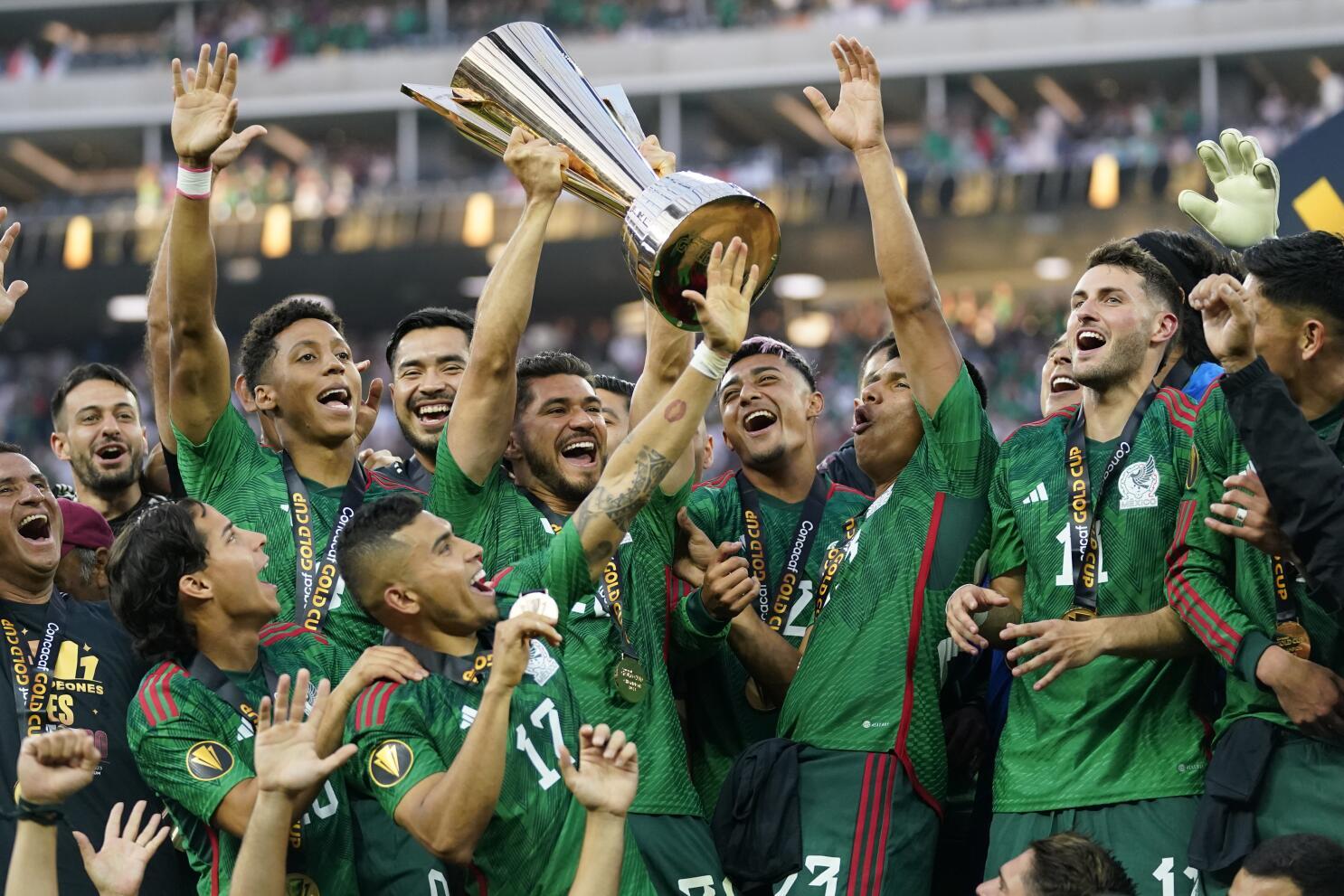
Which Mexican Player Scored in Three Consecutive FIFA World Cups?
Only a select group of footballers in history have managed to score across three separate FIFA World Cups. Doing so in three consecutive tournaments makes the feat even rarer. For Mexico, two players have achieved this milestone, and their stories are among the most compelling in El Tri’s history. If you’ve been searching for which Mexican player scored in three consecutive FIFA World Cups, the answer is not one name but two: Rafael Márquez and Javier “Chicharito” Hernández. The Rare Achievement: Scoring in Three Straight World Cups To appreciate how special this record is, consider the obstacles involved. A player must remain fit, form, and selected across a 12-year span. International football is unforgiving, and World Cup squads are brutally competitive. Yet two Mexicans beat those odds, each scoring in three back-to-back editions of the tournament while a third legend, Cuauhtémoc Blanco, scored in three World Cups but not consecutively. This article breaks down each player’s journey, their iconic goals, and what these records mean for Mexican football. Rafael Márquez: The Defending Legend Who Scored on the Biggest Stage From El Káiser to World Cup Goal Scorer Rafael Márquez is widely regarded as Mexico’s greatest-ever defender. Known as El Káiser, he captained El Tri across an extraordinary five World Cups and spent his peak years marshalling the backline at FC Barcelona. What often gets overlooked, however, is his ability to deliver crucial goals at the most pressurized moments in international football. Márquez became the first Mexican player to score in three consecutive FIFA World Cups, finding the net in 2006, 2010, and 2014. That run covered 12 years and three continents, a testament not just to his longevity but to his enduring quality at the highest level. Breaking Down His Three World Cup Goals Here is a look at each of his tournament goals: Year Host Nation Opponent Stage 2006 Germany Argentina Round of 16 2010 South Africa South Africa (hosts) Group Stage 2014 Brazil Croatia Group Stage In 2006, his goal against Argentina in the Round of 16 injected genuine belief into a Mexican team that was pushing one of the world’s best sides. In 2010, with the spotlight of the first-ever African World Cup burning brighter than ever, Márquez scored an equalizer against tournament hosts South Africa in the opening group game, a moment that quieted a roaring Johannesburg crowd. By 2014, he became the first Mexican to officially notch goals across three straight World Cups when he headed home against Croatia in the group stage. That goal was historic not just for Mexico but for World Cup football in general. Javier “Chicharito” Hernández: The Poacher Who Made History Mexico’s All-Time Top Scorer Joins the Elite Club Javier Hernández, affectionately nicknamed Chicharito (Little Pea), is Mexico’s all-time leading international goal scorer. His record of appearing in three consecutive World Cup tournaments with a goal to show from each is not just a personal milestone; it places him alongside Márquez in an exclusive corner of Mexican football history. What makes Chicharito’s achievement particularly compelling is the arc of his World Cup story. He debuted on the global stage in 2010 as an electric newcomer signed by Manchester United, and by 2018 he was a seasoned veteran still finding ways to score when it mattered most. His Three Consecutive World Cup Goals Year Host Nation Opponent Stage 2010 South Africa France Group Stage 2010 South Africa Argentina Round of 16 2014 Brazil Croatia Group Stage 2018 Russia South Korea Group Stage 2010 was the tournament where Chicharito announced himself to the world. His goal against France carried deep personal meaning as it mirrored a historic strike his grandfather, Tomás Balcázar, had scored against the same opponents years earlier. He then followed it up with a memorable goal against Argentina in the knockouts. In 2014, he came off the bench against Croatia and continued his streak. And in 2018, despite not starting regularly, he scored against South Korea to officially join Márquez as the only other Mexican to score in three consecutive World Cups. Cuauhtémoc Blanco: Three World Cups, But Not Consecutive The Pioneer Who Came First No article on this topic is complete without acknowledging Cuauhtémoc Blanco, who was technically the first Mexican to score in three different World Cups. His goals came in 1998 (against South Korea), 2002 (a penalty against Croatia), and 2010 (a penalty against France). However, because he was left out of Mexico’s 2006 squad, his three World Cup goals did not come in consecutive tournaments. Blanco’s omission from 2006 is one of Mexican football’s most debated decisions. Had he been included and scored, he would have held the consecutive record before Márquez. Instead, his legacy remains that of a pioneer: raw, technically gifted, and fearless, the original Mexican to conquer three World Cups with goals. What Separates These Players from the Rest Longevity, Mentality, and Elite Finishing Scoring at one World Cup requires skill. Scoring at three consecutive ones demands something more: elite fitness management, consistent international form, and the mental strength to perform under global scrutiny every four years. Each of these three players brought something distinct to Mexico’s World Cup identity. Together, they span nearly three decades of World Cup history and reflect how Mexican football evolved from the late 1990s through to 2018. Mexico’s World Cup Goal-Scoring Legacy in Context El Tri’s Consistent Presence on the World Stage Mexico qualified for seven consecutive World Cups from 1994 to 2018, reaching the Round of 16 in every single one. This remarkable consistency meant that players with strong tournament performances had real opportunities to build multi-tournament legacies. The records set by Márquez and Chicharito were not accidents; they were the product of a national programme that maintained stability and gave its best players room to grow across multiple cycles. The pursuit of the quinto partido, the elusive fifth game that would take Mexico past the Round of 16, has defined the country’s World Cup ambitions for decades. While that barrier has not yet
Read More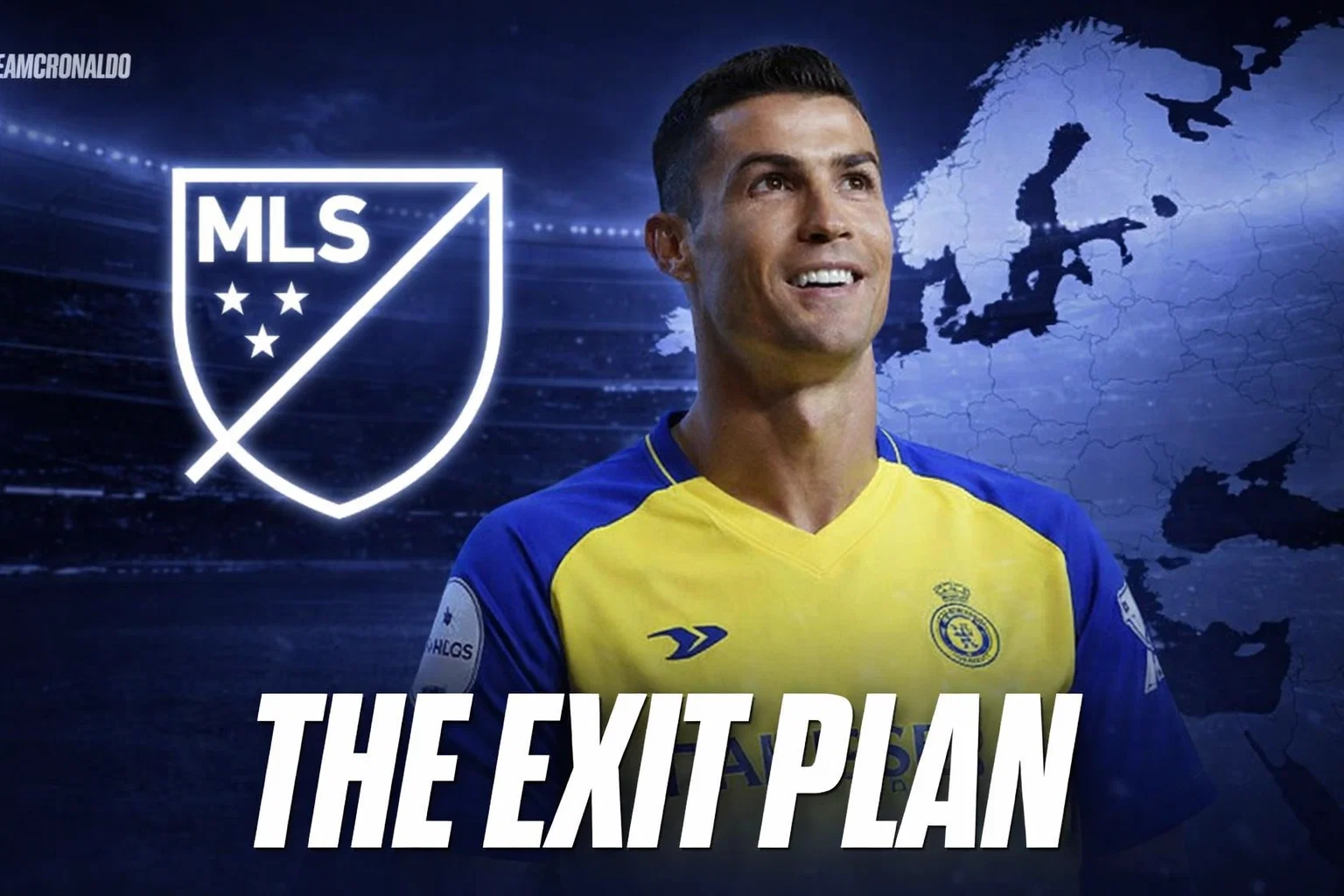
Cristiano Ronaldo’s Al-Nassr Exit Strategy: The Masterplan Behind Football’s Most Calculated Farewell
At 41, most footballers are arguing about tactics on television. Cristiano Ronaldo is arguing with defenders in the Saudi Pro League, and winning. Leading the Golden Boot race in March 2026 and captaining Portugal toward a World Cup, Ronaldo is not winding down. He is executing what may be the most meticulously planned retirement in the history of sport. This is not a story about a legend reluctantly calling it quits. Cristiano Ronaldo Al-Nassr exit strategy is a documented, multi-phase roadmap built around one audacious final mission: becoming the first person in history to score 1,000 official career goals, while still leaving the game on his own terms. Why Cristiano Ronaldo Al-Nassr exit Is Unlike Anything Football Has Seen Most elite athletes fade. Contracts expire, form dips, and the farewell tour happens by accident rather than design. Ronaldo has flipped that script entirely. Every decision he has made since joining Al-Nassr in January 2023 has been oriented toward a specific endpoint: not just retirement, but a structured transition from footballer to global sports mogul. The strategy breaks down into four clearly defined phases, each building on the last. Phase 1: Locking In the Foundation with a 2027 Contract Extension The first move in Ronaldo’s exit plan came in June 2025, when he signed a landmark two-year extension with Al-Nassr, keeping him at the club until June 2027. On the surface, it looked like a straightforward renewal. In reality, it was the cornerstone of everything that follows. By securing his future before his original deal expired, Ronaldo eliminated the noise of transfer speculation during the 2025–26 season, his most critical scoring year. Staying in Saudi Arabia also guaranteed him something no European club could offer at this stage of his career: guaranteed starts, a system built around him, and the statistical runway to chase 1,000 goals without the pressure of fighting for a place in a squad. Financially, the extension reportedly maintains his staggering $200 million per year package. That capital is not sitting idle. It is actively funding the hotels, fitness brands, and media ventures that will define CR7’s post-playing identity. Phase 2: The Road to 1,000 Goals This is the centrepiece of Ronaldo’s entire exit strategy, and the numbers are compelling. Milestone Status (March 2026) Total Career Goals 965 Goals Needed for 1,000 35 2025–26 Season Goals 21 in 22 matches Projected 1,000th Goal January 2027 At his current rate of roughly one goal per game, Ronaldo is comfortably on track to reach 1,000 before his contract ends. But this is not happening by accident. His entire game has been retooled for this purpose. How Ronaldo Has Reinvented His Playing Style Gone are the dribbling runs and trademark step-overs from his Manchester United and Real Madrid peak. Ronaldo has consciously evolved into what analysts are calling a penalty box predator, conserving energy, reading the game from a central position, and arriving at precisely the right moment to finish. Al-Nassr have supported this transition by investing heavily in creative wide players. The presence of Sadio Mané, along with newer 2025 signings providing width and delivery, means Ronaldo no longer needs to create his own chances. He just needs to convert them. It is a ruthlessly efficient arrangement, and the goals are flowing. Hitting 1,000 career goals would be a statistical landmark that may genuinely never be broken. Lionel Messi, the only realistic rival for such a milestone, currently sits significantly behind. For Ronaldo, it would be the definitive answer to every comparison debate: a number so singular it would outlast both of them. Phase 3: One Last World Cup and the Hunt for Football’s Final Trophy If the 1,000-goal milestone is Ronaldo’s personal Everest, the 2026 FIFA World Cup is the team trophy that has always eluded him. In November 2025, he made it official: I will be 41 years old and I think that will be the moment… the 2026 World Cup will definitely be my last. Portugal travel to North America in June 2026 with Ronaldo as captain and talisman, and the squad is arguably stronger now than it has been in years, with a generation of talented midfielders and forwards finally maturing around him. Manager Roberto Martínez has maintained Ronaldo as the focal point of Portugal’s attack, a decision made easier by the fact that Ronaldo is still averaging a goal per game at club level. What the World Cup Means for the Exit Strategy The 2026 tournament serves a dual purpose in Ronaldo’s broader plan. On the pitch, it is his last shot at the only major trophy missing from a cabinet that includes five Champions League titles, five Ballon d’Or awards, and a UEFA European Championship. Off the pitch, a strong World Cup performance, watched by billions across North America’s three host nations, would be the perfect global stage for launching the next chapter of his brand. Ronaldo has always understood that football is as much about narrative as it is about goals. Ending his international career at a World Cup, ideally with Portugal going deep into the tournament, would write the final page of his playing story in the most spectacular way possible. Phase 4: From the Pitch to the Boardroom, The 2027 Transition When the World Cup ends in July 2026, Ronaldo will have approximately 12 months remaining on his Al-Nassr contract. Those final months are being framed not as a farewell tour, but as a handover. Here is what his post-football plan reportedly looks like: The Full Timeline at a Glance Date Milestone June 2026 Final World Cup appearance, USA January 2027 Projected 1,000th career goal June 2027 Official retirement from professional football Late 2027 Possible Sporting CP legacy appearance July 2027 onwards Full transition to ownership and ambassadorship Why This Exit Strategy Could Redefine How Athletes Retire What makes Cristiano Ronaldo’s Al-Nassr exit strategy genuinely remarkable is not the scale of it, though the scale is extraordinary, but the intentionality. Every phase has a purpose. The contract extension gave him
Read More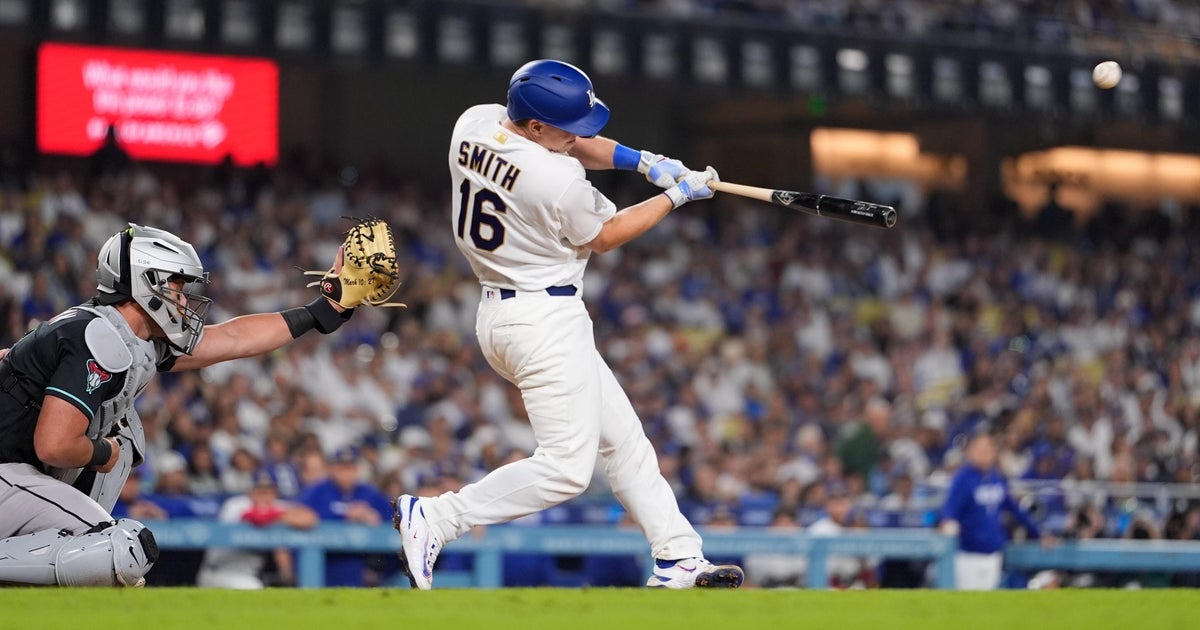
Will Smith Dodgers Birthday Homer: The Fresh Prince Delivers Again When It Matters Most
Will Smith has a habit of saving his best moments for the biggest stages. He ended the 2025 World Series with a walk-off home run in Game 7. On Saturday night, he did it again — this time on his 31st birthday, in front of a Dodger Stadium crowd that had shown up to watch him get immortalised as a bobblehead. The Will Smith Dodgers birthday home run was everything the night called for. A two-run shot to centre field in the eighth inning, off a 2-2 pitch from Arizona reliever Juan Morillo, turning a 2-2 tie into a 3-2 lead the Dodgers never surrendered. Edwin Diaz came on to close it out. The sweep was complete. 0-for-3 on His Own Bobblehead Night. Then This. Saturday was Will Smith’s night before a single pitch was thrown. The Dodgers had scheduled a Will Smith Game 7 home run bobblehead giveaway in his honour and Smith caught all three games of the Arizona series behind the plate as the starting catcher. He spent the first three at-bats giving Dodger fans nothing to celebrate. Three hitless appearances, the birthday narrative drifting quietly toward awkwardness. Then Mookie Betts drew a two-out walk in the eighth inning, and Smith stepped in against Morillo with a chance to write the ending himself. He did not miss it. The Pitch, the Swing, the Moment Morillo went 2-2 before delivering the pitch that settled the game. Smith sent it over the wall in centrefields for his first home run of the 2026 season and the go-ahead run that gave Los Angeles a 3-2 lead. It was Smith’s fourth career walk-off or game-deciding home run in high-leverage moments as a Dodger — a number that undersells just how reliably he performs when the situation demands it. For a catcher carrying a $17.5 million salary in 2026 and the weight of back-to-back World Series rings, Saturday night felt entirely on brand. Glasnow Was Exactly What the Dodgers Needed Before Smith’s moment arrived, Tyler Glasnow had quietly done his job in his 2026 season debut. The big right-hander gave up two runs on four hits in six innings, striking out six and keeping Arizona manageable throughout. It was not the dominant, swing-and-miss performance Glasnow is capable of producing, but it was controlled, efficient and exactly what a staff ace should deliver in Game 3 of an early-season sweep. Glasnow enters the 2026 season healthier than at any point in recent years, having posted a 1.69 ERA across 21.1 playoff innings last October. Saturday was a reminder that when he pitches with conviction, opposing lineups rarely solve him for long. Freddie Freeman Finally Wakes Up One of the smaller storylines inside Saturday’s win was Freddie Freeman going 3-for-4 to snap an 0-for-8 start to his 2026 season. Freeman doubled down the left field line in the sixth inning, scoring Kyle Tucker who had reached on an Arizona error. It was the kind of sharp contact Freeman had been making all week — he entered Saturday with a .581 expected weighted on-base average despite zero hits, with four balls tracked at over 100 mph — and a reminder that the numbers were always going to turn in his favour eventually. Diaz and the Trumpet Make It Official With Smith’s home run delivering the lead, the Dodgers handed the ninth inning to Edwin Diaz — and Dodger Stadium gave him the welcome he has already earned in just three appearances. Trumpeter Tatiana Tate blared the famous Narco entrance music from the left field stands near the bullpen. Fans were on their feet. Diaz retired the side on three consecutive flyballs to earn his second save of the young season, calm and decisive from the first pitch to the last. The Diamondbacks had led in all three games of this series. They lost every single one. Three Games In. Three Wins. A Statement Already Made. The Dodgers are 3-0 to open 2026 and have already won eight consecutive series dating back through last season’s playoffs and World Series triumph. Arizona held leads of 2-0 in Game 1, 2-0 in Game 2, and 2-2 heading into the eighth inning Saturday night. The Dodgers overtook them in every single game, a pattern that speaks less to luck and more to the depth and belief inside that clubhouse. The Will Smith Dodgers birthday home run will sit among the early highlight moments of what this roster believes is a historic three-peat season. Three games in, it already looks like they might be right.
Read More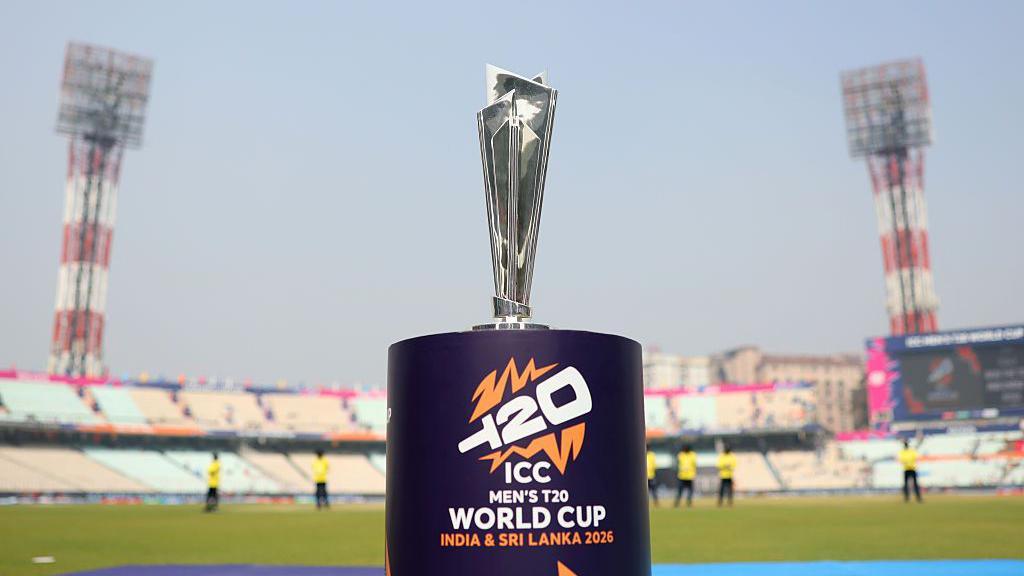
T20 World Cup Winners List: Every Champion from 2007 to 2026
Cricket has always produced moments that stop the world, but no format delivers them with the frequency, intensity, and sheer unpredictability of Twenty20. Since the first ball was bowled in Johannesburg in September 2007, the T20 World Cup has grown from an experimental tournament into the most-watched event in world cricket. Ten editions, six different champions, and a collection of final-over finishes that have produced some of the most celebrated individual moments the sport has ever seen. This is the complete T20 World Cup winners list from 2007 to 2026, every champion tracked, every defining performance revisited, and every title examined for what it revealed about the team that won it. Complete T20 World Cup Winners List (2007 to 2026) Year Winner Runner-Up Host Nation Final Venue 2007 India Pakistan South Africa Wanderers, Johannesburg 2009 Pakistan Sri Lanka England Lord’s, London 2010 England Australia West Indies Kensington Oval, Bridgetown 2012 West Indies Sri Lanka Sri Lanka R. Premadasa, Colombo 2014 Sri Lanka India Bangladesh Sher-e-Bangla, Dhaka 2016 West Indies England India Eden Gardens, Kolkata 2021 Australia New Zealand UAE & Oman Dubai International 2022 England Pakistan Australia MCG, Melbourne 2024 India South Africa West Indies & USA Kensington Oval, Barbados 2026 India New Zealand India & Sri Lanka Narendra Modi Stadium, Ahmedabad The T20 World Cup Winners List and How the Tournament Began The inaugural ICC T20 World Cup was held in South Africa in September 2007, featuring twelve teams competing in a format that the cricketing establishment still viewed with a degree of suspicion. The tournament silenced every doubt immediately. India, led by the 26-year-old MS Dhoni, beat Pakistan by five runs in the final at the Wanderers Stadium in Johannesburg, with Misbah-ul-Haq’s audacious scoop off Joginder Sharma caught by Sreesanth in the final over to seal the result. That final encapsulated everything the format would go on to produce repeatedly — pressure condensed into a single delivery, a match turning on one decision, and an outcome that no one predicted. The T20 World Cup was established in that moment as something the sport had never quite had before, and the champions list that began with India in 2007 has grown increasingly rich with every edition that followed. India and the West Indies: The Most Successful Nations on the T20 World Cup Winners List India’s 2007 triumph and their subsequent titles in 2024 and 2026 place them alone at the summit of the T20 World Cup winners list with three championships. West Indies hold two titles and both were won in dramatic, defining fashion. Their 2012 triumph in Sri Lanka came through Marlon Samuels’ authoritative 78 and Sunil Narine’s suffocating 3 for 9 in the final, defending 137 against the hosts to win by 36 runs. Together, India and West Indies represent the two cultures most naturally suited to T20 cricket’s specific demands — one built on calculated aggression and collective execution, the other on fearless individual power. No other nation has reached three titles. No other nation has yet managed to construct the kind of sustained T20 infrastructure that makes consistent deep runs across multiple editions possible. Pakistan, England, and Sri Lanka: One Title That Changed Everything Pakistan’s 2009 title, won at Lord’s in England, carried a particular emotional weight given the political tensions and security challenges surrounding their tour. Shahid Afridi delivered an unbeaten 54 in the final against Sri Lanka as Pakistan chased down 139 to win by eight wickets, and the celebrations that followed captured something beyond cricket. It remains their only T20 World Cup title and is deeply embedded in Pakistani cricket’s sense of identity. England won their first T20 World Cup in 2010 in the West Indies, defeating Australia by seven wickets in Bridgetown with Kevin Pietersen winning Player of the Tournament. Sri Lanka’s 2014 title in Bangladesh was profoundly personal — Kumar Sangakkara scored an unbeaten 52 in the final against India, and he and Mahela Jayawardene walked off together as champions in their final T20 World Cup appearances, a farewell the sport will not easily forget. The 2016 T20 World Cup: West Indies’ Most Dramatic Title Defence England needed nineteen runs off the final over of the 2016 T20 World Cup final in Kolkata. Ben Stokes was bowling. Carlos Brathwaite was batting. What followed belongs in a separate category from every other final-over finish in cricket history. Brathwaite hit four consecutive sixes, each one landing in a different part of Eden Gardens, to take West Indies from impossible to champions in the space of four deliveries. The final margin was four wickets. The emotional impact was total and immediate. Daren Sammy, lifting the trophy for the second time as West Indies captain, produced one of the most raw and genuine celebrations the sport has witnessed. No single over in tournament history has produced more runs, more disbelief, or more lasting conversation. Australia’s 2021 T20 World Cup Win and the UAE Chapter The 2021 T20 World Cup, held in the UAE and Oman after the pandemic forced a postponement, produced cricket of genuine quality in largely empty stadiums. Australia and New Zealand met in the final in Dubai, with New Zealand posting 172 for 4 largely on the back of Kane Williamson’s 85. Australia chased the target with remarkable composure — Mitchell Marsh struck an unbeaten 77 from 50 deliveries and David Warner contributed 53 alongside him, Australia winning by eight wickets with an over to spare. It was Australia’s first T20 World Cup title in their debut tournament final, a result that confirmed both their adaptation to the format’s specific demands and Mitchell Marsh’s emergence as one of the most destructive T20 batters in world cricket. England’s 2022 T20 World Cup Triumph in Australia England’s second T20 World Cup title, claimed at the Melbourne Cricket Ground in November 2022, was achieved through the clearest expression of their white-ball philosophy. Pakistan posted 137 for 8 in the final and England chased it in 19 overs, with Ben Stokes delivering an unbeaten
Read More