
World Cup Penalty Shootouts: The Most Dramatic Moments Ever
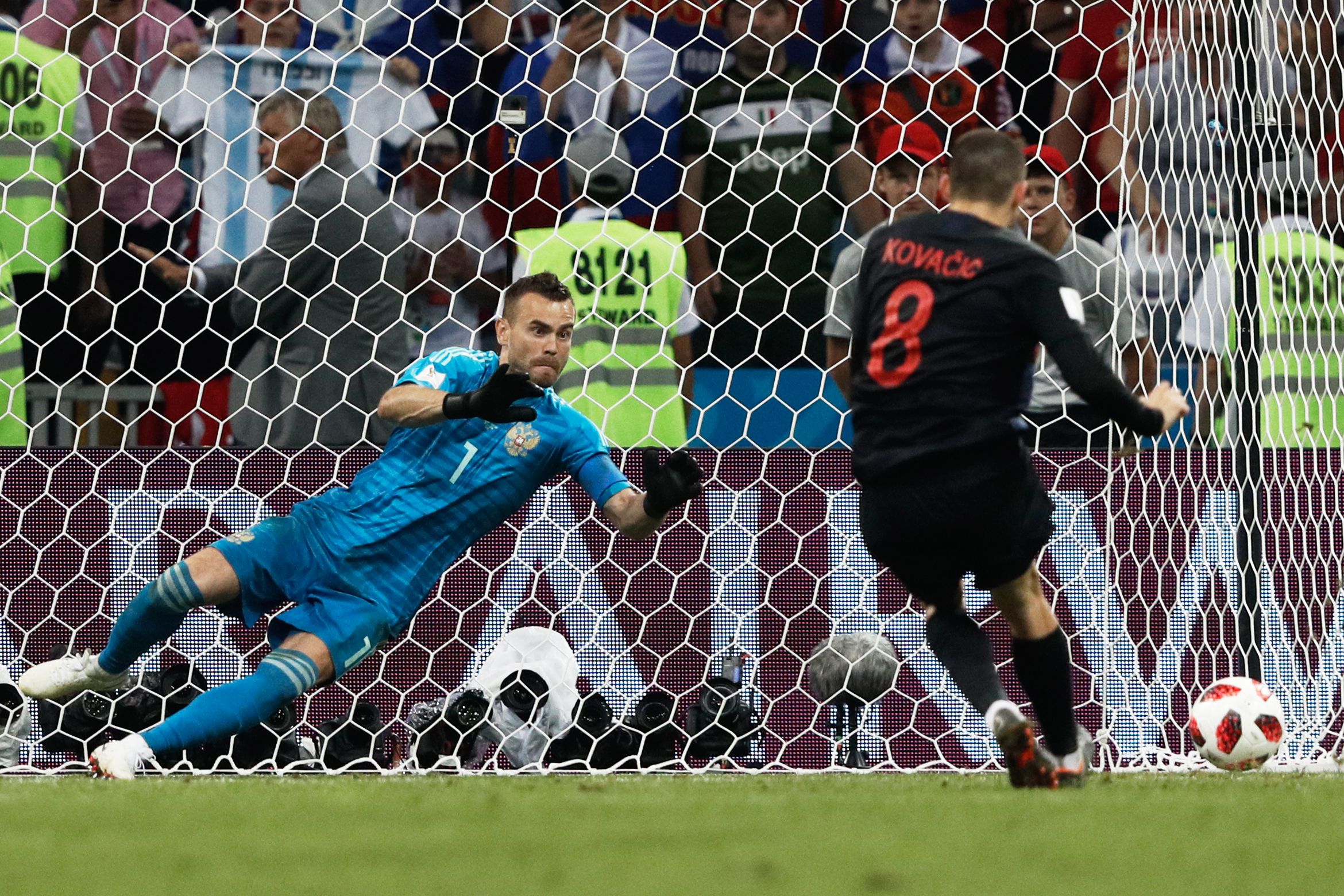
The stadium goes quiet. A player places the ball on the spot. An entire nation’s tournament rests on a single kick. No moment in sport produces the same concentrated pressure as a World Cup penalty shootout. It strips everything away. Tactics become irrelevant. Teammates cannot help. The preparation of weeks, months, and years narrows down to one player, one goalkeeper, and twelve yards. What happens in those seconds has ended careers, defined legacies, and changed how entire nations remember the beautiful game. Where It All Began: The First World Cup Shootout The first World Cup penalty shootout took place in the 1982 semifinal between West Germany and France in Seville. The match was already one of the most dramatic the tournament had ever produced. France led 3-1 in extra time. West Germany scored twice to level it. West Germany won 5-4 on penalties, advancing to face Italy in the final. The shootout rule had existed since 1974 but had never been needed until that night in Spain. The match is widely regarded as one of the greatest ever played. Four goals in extra time. A dramatic shootout finish. It introduced the world to what a penalty shootout at this level would demand from every player involved. Every shootout since has been measured against the tension that Seville produced that night. England and Penalty Shootouts: A Nation’s Longest Nightmare No nation’s relationship with World Cup penalty shootouts carries more cultural weight than England’s. They lost each of their first three at the tournament. The 1990 semifinal defeat to West Germany in Turin. The 1998 round of 16 exit against Argentina. The 2006 quarterfinal loss to Portugal. Three shootouts. Three exits. Each one more painful than the last. Stuart Pearce’s anguished miss in Turin in 1990. Chris Waddle’s penalty sailing over the bar in the same shootout. David Beckham watching from the stands in 1998 after suspension as Paul Ince and David Batty missed against Argentina. In 2006, Portugal’s Ricardo saved three English penalties. England finally ended their shootout misery with a 4-3 victory over Colombia at the 2018 World Cup in Russia. It took 28 years. The relief was visible across an entire country. The Greatest Individual Shootout Moments The most iconic individual penalty moment in World Cup history belongs to one man. Roberto Baggio had carried Italy to the 1994 World Cup final almost singlehandedly. Franco Baresi and Daniele Massaro had already missed when Baggio stepped up at 3-2 down needing to score to keep Italy alive. He blazed over the bar. Brazil were world champions. Baggio stood at the spot with his head bowed. That image is one of the most reproduced in sporting history. It was the first World Cup final ever decided by penalties. Baggio later described it as the toughest moment of his career. The weight behind that description, from a player who had delivered so much to reach that point, captures everything a World Cup shootout can take from a person. Then there is Asamoah Gyan at the 2010 World Cup in South Africa. With Ghana seconds from a historic semifinal, Luis Suárez handled on the goal line and was sent off. Gyan struck the crossbar from the penalty spot. Ghana lost on penalties. An entire continent watching from home felt that miss together. No other moment in World Cup shootout history carried that shared dimension of collective devastation. The Psychology Behind World Cup Penalty Shootouts What separates the players who score from those who miss is not purely technical. Players who perform best under shootout pressure share specific psychological characteristics. They focus on execution rather than outcome. They approach the spot with a routine. They commit to their decision before they begin their run. Germany has historically been the strongest shootout team at the World Cup. West Germany beat France in 1982, Mexico in 1986, England in 1990, and Argentina in 2006. Germany has never lost a World Cup penalty shootout. That is not coincidence. It is the product of a footballing culture that has always treated the shootout as a skill to be prepared for rather than a lottery to be endured. England spent decades treating it as the latter. The results reflected that approach across three consecutive tournaments. The Most Dramatic Shootout by Team Outcome Croatia’s 2018 campaign provides the most extraordinary team-level shootout story in World Cup history. They beat Denmark in the round of 16 on penalties. They beat Russia in the quarterfinal on penalties. Goalkeeper Danijel Subašić saved three penalties against Denmark alone, a record for a single World Cup shootout. Luka Modric missed a penalty in that same shootout and then performed with calm authority through the rest of the tournament. The mental resilience required across consecutive knockout shootouts is almost without parallel. Argentina’s shootout record adds another dimension. They have been involved in more World Cup shootouts than any other nation, participating in seven across their history. They lost only one, the 2006 quarterfinal against Germany. The 2022 final against France, won 4-2 on penalties after a 3-3 draw, added the greatest shootout victory in the tournament’s history to an already extraordinary record. How Preparation Has Transformed the Shootout The evolution of how teams approach World Cup penalty shootouts across the past four decades reflects a broader shift in football’s relationship with sports science. In the early years of the shootout era, penalty practice was largely informal. Players were chosen in the moment. The process was reactive rather than planned. That approach has been systematically replaced. Designated takers are identified months before tournaments. Goalkeepers study opponent tendencies across years of footage. Psychologists work specifically on the mental routines that allow players to perform under shootout pressure. The results across recent tournaments reflect those improvements. Fewer missed penalties. More clinically taken kicks. The lottery narrative, never fully accurate, has become increasingly difficult to sustain. The Penalty Spot as Football’s Most Honest Mirror World Cup penalty shootouts do not lie. A player can perform brilliantly across 120 minutes
Read More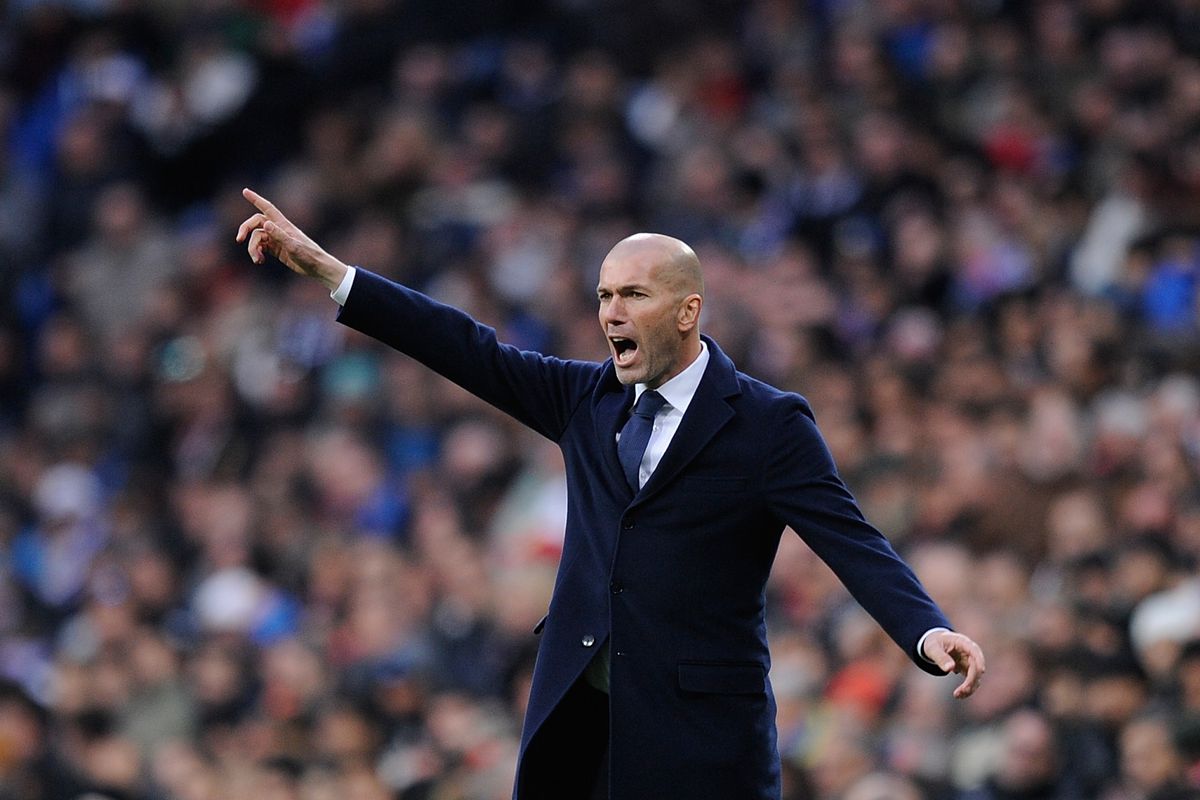
Zinedine Zidane’s 2026 Managerial Terms: The King Returns to Define an Era
The wait is over. After five years of silence, rejected offers, and endless speculation, Zinedine Zidane is returning to management and he’s doing it on his own terms. As of March 2026, the French Football Federation (FFF) has finalized the agreement that will see “Zizou” take charge of the French national team, succeeding the legendary Didier Deschamps following the conclusion of the 2026 FIFA World Cup in North America. This isn’t just a coaching appointment. It is a cultural moment for French football, and arguably, for the global game. Zinedine Zidane’s 2026 managerial terms carry implications that stretch far beyond tactics and tournament cycles. Here is a comprehensive breakdown of everything we know. Why Zidane Waited and Why France Was Always the Destination To understand why this appointment matters so much, you need to appreciate what Zidane walked away from to get here. During his five-year hiatus from management, he turned down some of the most lucrative and high-profile positions in world football. Manchester United came calling. Paris Saint-Germain pursued him. A reported €100 million annual package from Al-Hilal in Saudi Arabia was placed on the table and declined. His reason, consistent and unwavering throughout, was singular: he was waiting for France. For Zidane, the national team was never just another job. It represents the pinnacle of his footballing identity, the shirt he wore when he lifted the World Cup in 1998 and the platform he believes deserves his complete, undivided commitment. That patience, rare in modern football, has only deepened the anticipation surrounding his arrival. The Key Terms of the Agreement FFF President Philippe Diallo confirmed in March 2026 that a successor to Deschamps had been identified, with reports from both Le Parisien and transfer insider Fabrizio Romano confirming that a verbal pact had been reached. Zidane will formally take office on August 1, 2026, immediately after the World Cup final in New Jersey brings the curtain down on the Deschamps era. Crucially, the agreement isn’t just about the role itself. Zidane has negotiated conditions that reflect the lessons learned from his time at Real Madrid, where friction over recruitment decisions occasionally complicated his work. The three pillars of his agreement include: Tactical Blueprint: From Pragmatism to Artistry The most persistent criticism of Didier Deschamps’ 14-year reign was not the results, a 2018 World Cup win and a 2022 final appearance speak for themselves, but the style. France, despite possessing arguably the most talented generation in European football history, often played with what critics described as the “handbrake on.” Defensive solidity and counter-attacking efficiency were prioritized over the expressive, possession-based football that the squad’s individual quality should have made possible. Zidane’s mandate is to change that identity fundamentally. The Formation Shift Zidane is expected to move France away from the rigid 4-2-3-1 that defined the Deschamps years toward a more fluid 4-3-3 or 3-4-3 structure. The emphasis will shift from defensive organization to technical dominance and proactive pressing. The Pressing Game Central to his plan is a high-energy press led by the next generation of French midfielders. Warren Zaïre-Emery and Eduardo Camavinga are expected to be the primary engines of this system, winning the ball higher up the pitch and turning defense into attack at speed. The Mbappé Liberty Perhaps the most exciting element of Zidane’s tactical vision is what he plans to do with Kylian Mbappé. Rather than continuing to use him as a traditional left winger or central striker with defensive tracking responsibilities, Zidane is expected to give him the kind of positional freedom he once extended to Cristiano Ronaldo at Real Madrid. A “roaming ten” or drifting inside-forward role that allows Mbappé to find pockets of space and influence matches on his own terms. Wing-Back Width To give Mbappé and the central midfield that freedom, Zidane will lean heavily on the athleticism of Theo Hernández and Bradley Barcola to provide width from advanced wing-back positions, keeping the team wide and the opposition defense stretched. The Mbappé Factor: More Than Just Football The relationship between Zinedine Zidane and Kylian Mbappé is arguably the emotional core of this entire project. By 2026, Mbappé is no longer a prodigy being managed carefully through tournament football. He is the undisputed leader of the team, the player every tactical decision is ultimately designed to unlock. For Mbappé, Zidane represents something different from any other manager he has worked under. As one unnamed FFF official put it in March 2026, Zizou is the only person in French football that Mbappé regards with total, silent reverence. That dynamic, a superstar player genuinely looking up to his coach, is a rare and powerful foundation for a successful international partnership. The commercial dimension is equally significant. Marketing analysts predict the FFF’s commercial valuation could rise by as much as 25% within the first year of Zidane’s tenure, driven by kit sales and new global sponsorship deals with brands such as Nike and Hublot. The pairing of the greatest French player of the 1990s with the greatest French player of the 2020s is, from a brand perspective, a phenomenon the sport rarely gets to witness. Navigating the Post-Deschamps Transition Replacing a manager who delivered a World Cup and 14 years of consistent success is never straightforward. Zidane is acutely aware of this, and his approach to the first 100 days reflects a carefully considered “soft power” strategy rather than an aggressive overhaul. His opening priorities are expected to include: Comparing the Eras: Deschamps vs. Zidane To appreciate the scale of the shift Zidane represents, it helps to place the two eras side by side. Metric Deschamps Era (2012–2026) Zidane Terms (2026–2030) Primary Style Defensive Pragmatism Creative Possession Squad Focus Proven Veterans Youth Integration Tactical Setup Rigid 4-2-3-1 Fluid 4-3-3 / 3-4-2-1 Public Image Clinical and Stoic Iconic and Inspirational Neither approach is wrong. Deschamps’ method delivered a World Cup. But football evolves, and Zidane’s appointment signals that French football is ready for its next identity. The Global Ripple Effect Zinedine Zidane’s 2026 managerial terms don’t
Read More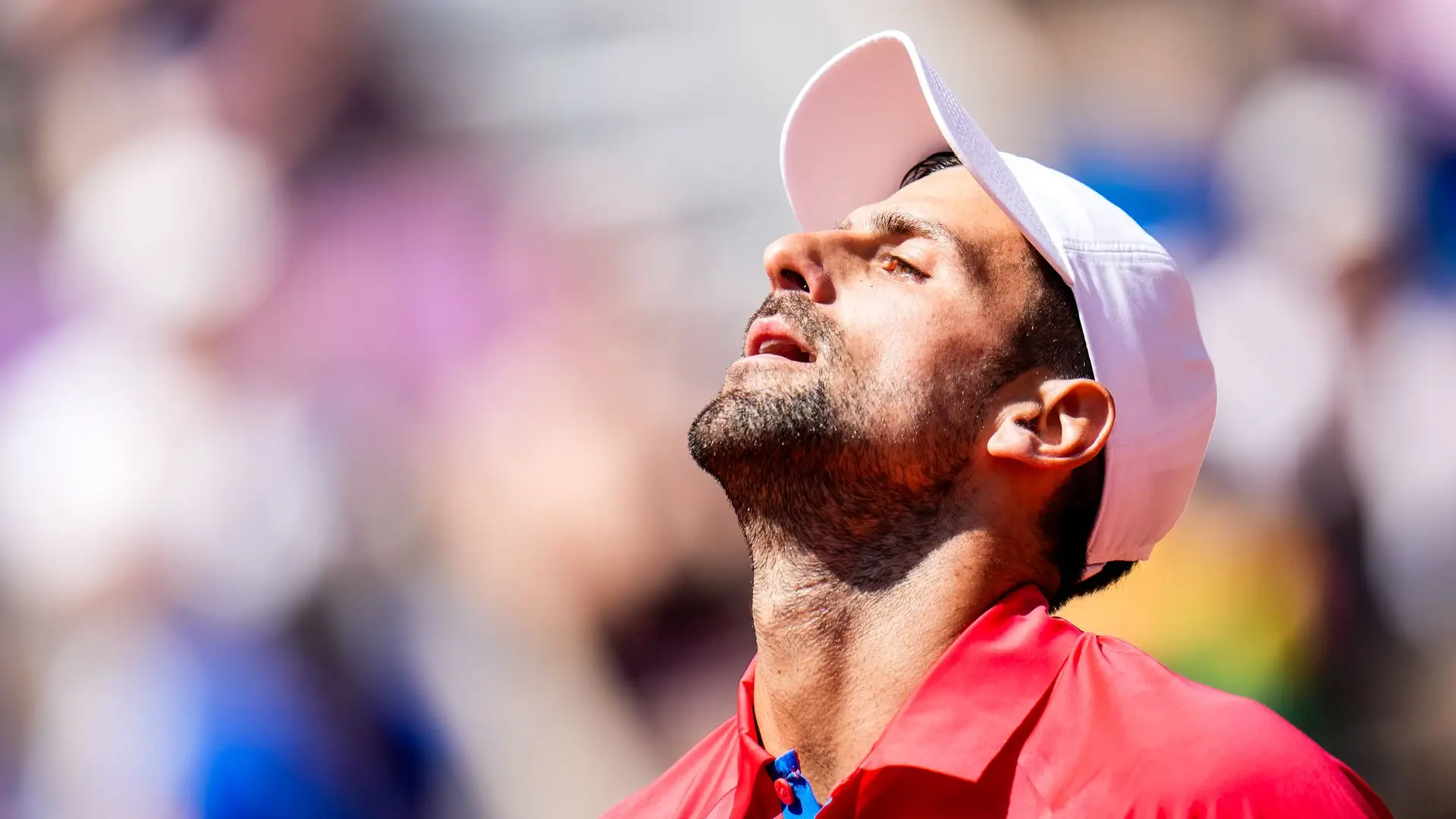
Novak Djokovic’s 2026 Diet and Longevity Plan: How He’s Defying Athletic Age
At 38 years old, Novak Djokovic is doing something no tennis player has done before. Not just competing at the top level, but actively engineering his biology to get better with age. While most athletes at his stage are managing decline, Djokovic has entered 2026 with a singular, almost obsessive mission: reconstruct the machine. His approach combines cutting-edge sports science, a meticulously designed anti-inflammatory diet, and recovery technologies that sound more like science fiction than sports medicine. The result? Biomarkers that reportedly rival those of a man in his late twenties. This is the story of how Novak Djokovic’s 2026 diet and longevity strategy is rewriting the rules of elite athletic performance. The Philosophy Behind the Plan: Food as Information Before diving into the specifics, it’s worth understanding how Djokovic thinks about nutrition, because it’s fundamentally different from most athletes. He doesn’t view food as fuel in the traditional sense. He views it as information for his cells. This shift in mindset, which has been building since he first went gluten-free in 2011 after a food sensitivity test changed his career, has evolved into something far more sophisticated by 2026. His current protocol is a low-inflammation, highly personalized system designed to keep his body in an almost constant state of cellular repair. The 2026 Morning Ritual: The “Golden Hour” Detox Djokovic’s day doesn’t start with a coffee and a training session. It starts with a precise, sequential morning ritual intended to alkalinize the body and prime the digestive system before a single calorie of solid food enters the picture. Here’s how his morning unfolds: The sequencing matters as much as the ingredients. Each step prepares the body for the next, creating a cascade of benefits that set the metabolic tone for the entire day. Strategic Fasting and Glycemic Management One of the most discussed elements of Djokovic’s 2026 nutrition plan is his use of 16/8 intermittent fasting. By restricting his eating window to eight hours, typically running from 10:00 AM to 6:00 PM, he allows his body extended time in a fasted state, during which a process called autophagy takes place. Autophagy is essentially the body’s cellular housekeeping mechanism. It clears out damaged proteins and dysfunctional cell components, which plays a direct role in reducing systemic inflammation and slowing the biological markers of aging. For an athlete pushing through the physical demands of Grand Slam tennis at nearly 39, this recovery edge is significant. Fueling During Competition When it comes to on-court energy, Djokovic has made a notably clean choice: dates. Rather than relying on the processed energy gels or sugar-heavy sports drinks common on tour, dates offer a rapid yet sustained glycemic response, delivering quick energy without the sharp crash that follows most simple sugars. Paired with electrolyte-rich liquids, this keeps him sharp across long, physically brutal matches. The Caffeine Switch As of 2026, Djokovic has largely phased out coffee in favor of high-grade green tea. The reasoning is precise: coffee elevates cortisol, and elevated cortisol interrupts deep-stage sleep, the most critical window for physical repair and hormonal recovery. Green tea provides a gentler, more sustained alertness without the cortisol spike, protecting the sleep quality that underpins everything else in his recovery stack. Longevity Technologies: The “Reconstruction” Stack Diet alone doesn’t explain Djokovic’s physical state in 2026. Entering the preseason, he partnered with Dr. Mark Kovacs, a sports scientist specializing in the biomechanics of aging athletes, to implement what they call a “reconstruction” plan, treating his body with the precision of a Formula 1 engineering team. The Regenesis Pod Central to this reconstruction is Djokovic’s partnership with Qatar Airways and the use of the Regenesis Pod, a recovery system combining three distinct modalities: Technology Mechanism Benefit Hyperbaric Oxygen Therapy (HBOT) Saturates blood with 100% oxygen Accelerates healing of muscle micro-tears Red Light Therapy (Photobiomodulation) Specific light wavelengths stimulate cells Boosts mitochondrial ATP production Temperature Contrast Alternating cryotherapy and infrared heat Reduces systemic inflammation and improves circulation Together, these three approaches target recovery at a cellular level, not just muscle soreness, but the deeper biological processes that determine how quickly an aging athlete can bounce back between matches and training blocks. Combating Sarcopenia: Preserving Explosive Power One of the most insidious challenges for any athlete over 35 is sarcopenia, the natural, age-related loss of muscle mass and fast-twitch fiber recruitment. Djokovic and Kovacs have addressed this directly by shifting his resistance training toward high-intensity, low-volume work: sets of six to eight repetitions near his maximum load. This approach maintains explosive, fast-twitch power, the kind required to fire a 190 km/h serve or explode into a split-step return, without adding unnecessary bulk that would compromise his court speed or increase injury risk. The 2026 “Lean” Tournament Schedule Even the most advanced recovery technology has limits, and Djokovic knows this. His 2026 tournament strategy reflects a ruthless prioritization of biological ROI: play less, peak higher. Having transitioned to an essentially Grand Slam-focused schedule, he is deliberately avoiding the cumulative biological tax of a full ATP tour season. His approach uses smaller events as calculated tune-ups rather than points-chasing opportunities. His 2026 schedule logic: By maintaining a 78% win rate on a curated schedule, he protects his joints and energy reserves for the five-set crucibles where experience and physical readiness matter most against younger rivals like Carlos Alcaraz and Jannik Sinner. The Mental Dimension: Mindfulness as Longevity Medicine Djokovic’s longevity plan extends beyond the physical. He treats mental discipline as a biological tool, not just a competitive edge. Daily visualization practice, yoga, Tai Chi, and grounding are all part of his routine to manage the cortisol load of elite competition. His reasoning carries scientific weight: chronic stress elevates cortisol, and chronically elevated cortisol accelerates telomere shortening, the degradation of the protective caps on DNA strands that serve as one of the most reliable markers of biological aging. By actively managing stress through structured mindfulness, Djokovic is, in a very literal sense, trying to slow down the clock at a genetic level. What
Read More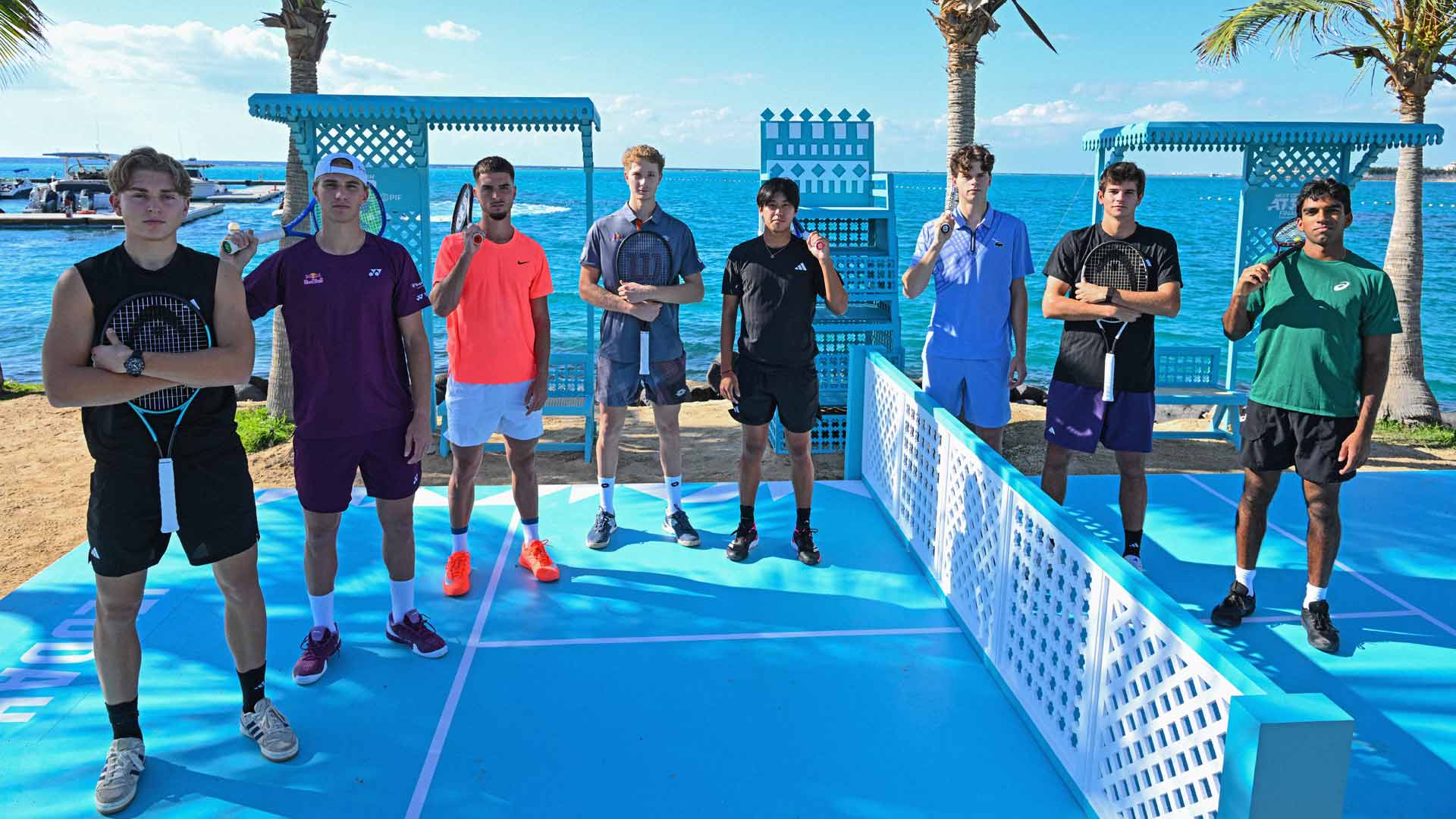
Next Gen ATP Stars 2026: Alcaraz, Sinner Lead New Wave
The generational shift in men’s tennis is no longer approaching. It has arrived, and it has arrived with a completeness that even the most optimistic predictions did not fully anticipate. Carlos Alcaraz and Jannik Sinner have between them claimed nine consecutive Grand Slam titles dating back to the 2024 Australian Open, a streak of combined dominance that has no parallel in the modern era of the sport. The Big Three era defined men’s tennis for two decades. The next generation has not waited politely for its turn. It has simply taken over. This is the full breakdown of the Next Gen ATP Stars leading men’s tennis into 2026, what they have already built, how they compare to those who came before, and what the decade ahead looks like with this generation at the summit. How the Next Gen ATP Stars Are Redefining Men’s Tennis in 2026 The transition away from the Federer, Nadal, and Djokovic era has been faster and more total than anyone predicted. Roger Federer retired in September 2022. Rafael Nadal retired in November 2024 after his final Davis Cup campaign with Spain. Novak Djokovic, at 38, remains a force capable of reaching Grand Slam semifinals at all four majors in 2025, but the points gap between him and the top two in the current ATP rankings tells its own story clearly. As of March 2026, Carlos Alcaraz leads the ATP rankings with 13,550 points. Jannik Sinner sits second with 10,400 points. Djokovic is third with 5,280 points. That gap between second and third is not a marginal difference. It is a structural statement about where the sport now lives and who it belongs to. Carlos Alcaraz: The Most Complete Next Gen ATP Star in the Game Carlos Alcaraz completed the Career Grand Slam on February 1, 2026, defeating Novak Djokovic in four sets in the Australian Open final to claim his seventh major title at just 22 years and 272 days old. He became the youngest male player in tennis history to achieve the feat, eclipsing Rod Laver’s record set in 1969. His seven Grand Slam titles span every surface — the US Open in 2022 and 2025, Wimbledon in 2023 and 2024, Roland Garros in 2024 and 2025, and now the Australian Open in 2026. \ What separates Alcaraz from every other young player the game has produced is not any single attribute but the width of his game. His serve, his returning, his net play, his physicality, and his ability to manufacture winning shots from seemingly impossible positions combine into something the sport has not seen at this age before. He won a Big Title for every 3.7 tournaments played in his career, a rate that only Djokovic and Nadal have ever surpassed. Jannik Sinner: The Relentless Baseline Force at the Top of the Rankings Jannik Sinner holds four Grand Slam titles, won the Australian Open in 2024 and 2025, the US Open in 2024, and Wimbledon in 2025. He became the third youngest man in history, after Federer and Djokovic, to reach the final of every Grand Slam and the ATP Finals in the same calendar year, which he achieved during the 2025 season. He also won back-to-back ATP Finals titles in 2024 and 2025 without dropping a set in either edition, a record no player has previously achieved across multiple years. His two-handed backhand generates more topspin than any other player on the ATP tour, and his groundstroke consistency under pressure across five-set matches has produced a hard court win-loss record of 227 wins and 52 losses at a winning percentage of 81.4 percent. On the ATP circuit he has spent 66 weeks as world number one and holds a career-high 12 Big Titles across Grand Slams, Masters 1000 events, and the ATP Finals. His mental composure, demonstrated through a 26-match winning streak in 2025, the seventh-longest since 1990, places him in rare psychological company. The Next Gen ATP Stars Beyond Alcaraz and Sinner Alcaraz and Sinner lead but do not define the full picture of where men’s tennis currently stands. The players immediately behind them in the rankings represent a generation of genuine quality rather than simply a gap left by the Big Three’s departure. Lorenzo Musetti of Italy is ranked world number five as of March 2026, and his clay court game combined with an elegant one-handed backhand makes him a consistent threat at Roland Garros. Ben Shelton of the United States sits ninth in the world at 23 years old, with a serve that ranks among the fastest on tour and a left-handed game that creates problems no other American has generated since Andy Roddick. Jack Draper of Great Britain won the Indian Wells Masters in 2025 and reached the Madrid Masters final before injuries disrupted his season, and at 24 he has already demonstrated the physical and tactical tools required to challenge at the very top. Jakub Mensik of the Czech Republic, born in 2005, won the Miami Open in 2025 at just 19 years old, announcing a talent that may yet belong in the conversation alongside Alcaraz and Sinner within the next two seasons. How the Next Generation Compares to the Big Three at the Same Age The most revealing way to understand what this generation has already achieved is to place it alongside where Federer, Nadal, and Djokovic stood at equivalent career stages. At 22, Novak Djokovic had won exactly one Grand Slam title, his 2008 Australian Open. Roger Federer had won three majors by the time he turned 23. Rafael Nadal, the most directly comparable case given his similarly explosive early trajectory, had won six Grand Slams by age 22 — a number Alcaraz has already matched and exceeded. Alcaraz and Sinner are two of only twelve men who have earned at least three major titles before turning 24. Together, across a shared total of eleven Grand Slam titles at the ages of 22 and 24 respectively, they represent the most prolific early-career pairing in
Read More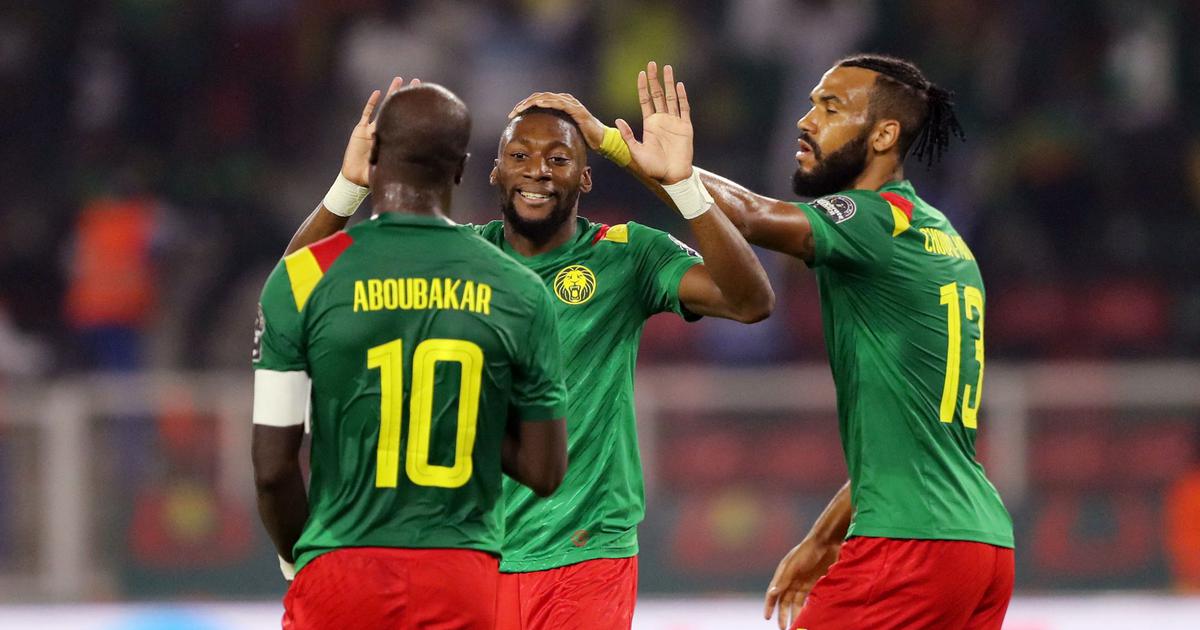
African Teams at the World Cup: Best Performances in History
A continent of 54 nations. Billions of passionate supporters. Decades of world-class individual talent flowing into the game’s biggest clubs and competitions. And yet, for much of World Cup history, the knockout rounds remained a ceiling that African teams approached but rarely broke through. The moments when they did break through, however, belong among the most celebrated in the tournament’s history. The story of African teams at the World Cup is one of the most compelling and underappreciated narratives the game has ever produced. The Pioneer: Cameroon 1990 In 1990, Cameroon reached the quarterfinals before being defeated 3-2 by England. That sentence does not begin to capture what happened. Cameroon beat Argentina in the opening game. The defending world champions. They were not supposed to be there. They were not supposed to win. They won 1-0. Roger Milla, at 38 years old, emerged as one of the tournament’s major stars. He scored four goals in Italy, celebrating each one with a dance around the corner flag that has become a popular goal celebration ever since. Two of his goals came against Romania in Cameroon’s second game, and two more came in extra time against Colombia in the last 16 to carry Cameroon to the quarterfinals, the furthest an African team had ever advanced at the World Cup. In the quarterfinal match against England, Milla confirmed his super-sub legend, entering in the second half with Cameroon trailing 1-0 and setting up a brilliant goal as well as drawing a penalty shot to give Cameroon the lead before eventually losing. England won 3-2 in extra time. Cameroon were out. But African football had arrived on the world stage, and nothing about how the tournament was viewed would ever be quite the same again. Senegal 2002: Eliminating the Champions Senegal was making its World Cup debut at the 2002 tournament. It was the only debutant to advance from the group stages and make it to the quarterfinals. Along the way, they produced one of the tournament’s most stunning results. They beat defending champions France 1-0 in the opening game through Papa Bouba Diop. The world noticed. Senegal beat Sweden in the round of 16 through a golden goal from Henri Camara. A second-half substitute, Ilhan Mansiz, became a hero for the Turks when he scored the golden goal in the 94th minute of extra time to end Senegal’s campaign in the quarterfinals. They left the tournament as only the second African nation in history to reach the last eight. Bruno Metsu built a side that had tactical discipline and collective spirit in equal measure. Individual quality functioned within a system. That distinction, between nations that rely on individuals and nations that build systems, would define African World Cup performances for the next two decades. Ghana 2010: The Closest Africa Has Come The 2010 World Cup was held on African soil for the first time. South Africa hosted it. The entire continent felt ownership of every match. And Ghana came within seconds of delivering a result that would have made history. In the quarterfinal against Uruguay, with the score level in the final minute of extra time, Dominic Adiyiah’s header was handled on the goal line. Luis Suarez was shown a red card. Asamoah Gyan stepped up for the penalty that would have sent Ghana to a World Cup semifinal. He struck the crossbar. Ghana lost on penalties. That moment is one of the most debated in World Cup history. A deliberate act of handball denied an entire continent its most anticipated sporting moment. Ghana’s players were devastated. Their supporters across Africa were devastated. The result stood. The pain did not leave quickly. Morocco 2022: Rewriting the Limits Morocco became the first African and first Arab nation to reach the semifinals of the 2022 World Cup following a 1-0 victory over Portugal. That sentence alone rewrote what African football was believed capable of at the tournament’s highest level. But the journey to it was equally extraordinary. Walid Regragui had a plan and his players followed it to perfection. Thanks to their defensive prowess, they managed to hold off Spain’s offense over 90 minutes and 30 minutes extra time. Morocco conceded just one own goal in five matches before the semifinal. They beat Belgium in the group stage. They beat Spain on penalties in the round of 16. They beat Portugal in the quarterfinal. Morocco lost 2-0 to France in the semifinal. They then lost 2-1 to Croatia in the third-place match, finishing fourth overall. Fourth place. The best finish ever by an African team at the World Cup. The performance proved that African football could compete with the very best not just through individual brilliance but through tactical organisation, defensive cohesion, and a shared belief that sustained a squad across seven weeks of the most intense competition on earth. The Pattern Across African World Cup Campaigns Look at Cameroon in 1990, Senegal in 2002, and Morocco in 2022 together, and the blueprint for successful African World Cup campaigns becomes clear. Each of those squads was built around defensive structure first. Each had a manager who unified the group around a collective identity rather than building around one or two stars. Each produced performances that exceeded the expectations placed on them by drawing on organisation rather than relying solely on talent. The campaigns that underperformed despite superior individual quality consistently lacked that structural foundation. Talent without system has repeatedly fallen short at this level. It is not a problem unique to African football. But it is one that the continent’s most successful World Cup sides have solved most decisively. The Structural Challenges African Teams Still Face The best performances by African teams at the World Cup have come despite significant structural disadvantages, not because of an equal playing field. Qualification demands are intense across a large confederation. Fixture congestion creates physical challenges for players who are also performing at the highest club level in Europe across a long domestic season. Investment gaps between confederations
Read More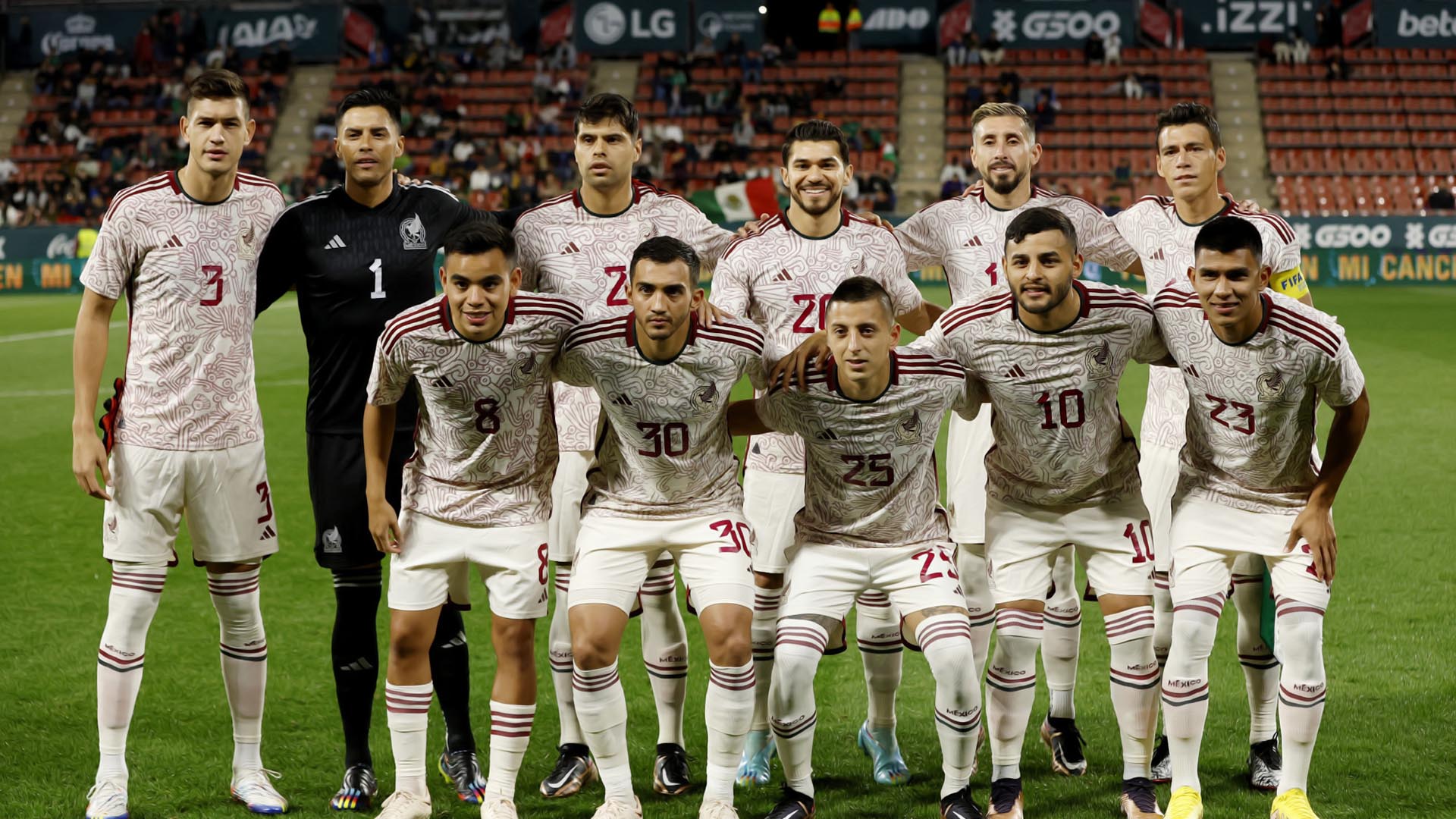
When Did Mexico Play Their First Match in FIFA World Cup History?
If you’ve ever gone down a rabbit hole of football history, chances are you’ve stumbled upon some fascinating facts about the very beginnings of the FIFA World Cup. One question that keeps coming up among fans and trivia lovers alike is: when did Mexico play their first match in FIFA World Cup history? The answer takes us all the way back to 1930, to a tournament that changed football forever. The Strategic Significance of 1930 for the 2026 Host Mexico’s historical role as a World Cup pioneer is often overshadowed by modern consistency, but the nation’s debut in 1930 set a precedent that remains relevant today. Playing in the very first match of the first-ever tournament in Montevideo, Uruguay, established Mexico as a foundational pillar of global football. The match at Estadio Pocitos saw a crowd of just over 4,000 spectators watch Mexico face a formidable French side. Despite a 4-1 defeat, Juan Carreño’s 70th-minute strike secured his place in history as the first Mexican player to score on the world stage. Connecting 1930 to 2026: The Ultimate Opening Match As we look toward the 2026 FIFA World Cup, Mexico’s debut in 1930 provides a “full circle” narrative. On June 11, 2026, the eyes of the world will return to Mexico for the tournament’s opening ceremony at the Estadio Azteca. The Birth of the FIFA World Cup: A Quick Historical Context Before diving into Mexico’s role, it’s worth understanding just how monumental the 1930 FIFA World Cup was. FIFA had been discussing an international tournament for years, and it was finally Jules Rimet, then FIFA president, who pushed the idea into reality. Uruguay was chosen as the host nation, partly because the country had won back-to-back Olympic gold medals in football in 1924 and 1928, and also because 1930 marked Uruguay’s centenary of independence. The tournament featured 13 nations divided across four groups. There were no qualifying rounds as teams were simply invited. Europe, despite being the heartland of organized football, sent only four teams due to the long and expensive sea voyage to South America. The Americas, however, showed up in full force. Mexico at the 1930 FIFA World Cup: The Historic First Match Mexico was one of the proud participants in the inaugural FIFA World Cup, and their journey in Uruguay holds a truly unique place in football history. Mexico played in the very first match of the first-ever FIFA World Cup on July 13, 1930, the opening day of the tournament. On that day, Mexico faced France in Group 1 at the Estadio Pocitos in Montevideo, Uruguay. It was one of two matches played simultaneously on the opening day, the other being the United States versus Belgium. However, Mexico vs. France holds the distinction of being the match that kicked off the World Cup era, as it is widely recognized as the tournament’s opening game. France won the match 4–1, but the result, while disappointing for Mexico, does nothing to diminish the historic significance of their participation. Key Facts About Mexico’s First Ever FIFA World Cup Match Here’s a quick breakdown of the historic fixture: Detail Information Date July 13, 1930 Tournament FIFA World Cup 1930 Host Country Uruguay Venue Estadio Pocitos, Montevideo Opponents Mexico vs. France Final Score France 4–1 Mexico Mexico’s Goalscorer Manuel Rosas (penalty) Manuel Rosas scored Mexico’s only goal of the match from the penalty spot, making it one of the earliest penalty goals in World Cup history. A small but remarkable footnote in the broader story of the beautiful game. How Did Mexico Perform in the Rest of the 1930 World Cup? Mexico’s debut tournament was a tough learning experience. Placed in Group 1 alongside France, Argentina, and Chile, Mexico faced some stiff competition throughout the group stage. Here’s how their campaign unfolded: Mexico finished at the bottom of their group, but the experience of simply being there, as one of only 13 nations in the world to take part in the first ever FIFA World Cup, was itself a historic achievement. Argentina, who were in the same group, went on to reach the final where they lost to hosts Uruguay in a fiercely contested match. Mexico, despite their group stage exit, had played their part in writing the very first chapter of World Cup football. The Legendary Mexican Goalkeeper Who Made World Cup History One name that frequently comes up in discussions about Mexico and the early FIFA World Cup is Antonio Carbajal. While he wasn’t part of the 1930 squad, Carbajal later became a living legend by becoming the first player in history to appear in five FIFA World Cups, playing in 1950, 1954, 1958, 1962, and 1966. This record stood for decades and reflects just how deeply Mexico has been woven into the DNA of World Cup history. His achievement is a testament to Mexico’s enduring commitment to the tournament, a commitment that began on that historic afternoon in Montevideo on July 13, 1930. Mexico’s World Cup Journey Since 1930 Mexico’s relationship with the FIFA World Cup didn’t end in 1930. The nation went on to become one of the most consistent World Cup participants in history. Some notable milestones include: Why Mexico’s 1930 World Cup Debut Still Matters Today Understanding when Mexico played their first match in FIFA World Cup history isn’t just a trivia question. It speaks to the country’s deep footballing roots and its role in shaping the global game. Mexico was there at the very beginning, one of only 13 nations brave enough to travel across the world and compete in an untested, brand new tournament. That willingness to show up, compete, and represent their nation on the grandest stage set the foundation for what Mexican football would eventually become: a passionate, technically gifted, and globally respected footballing culture. Final Thoughts Mexico’s first match in FIFA World Cup history took place on July 13, 1930, a date every Mexican football fan should know by heart. While the result didn’t go their way, the significance
Read More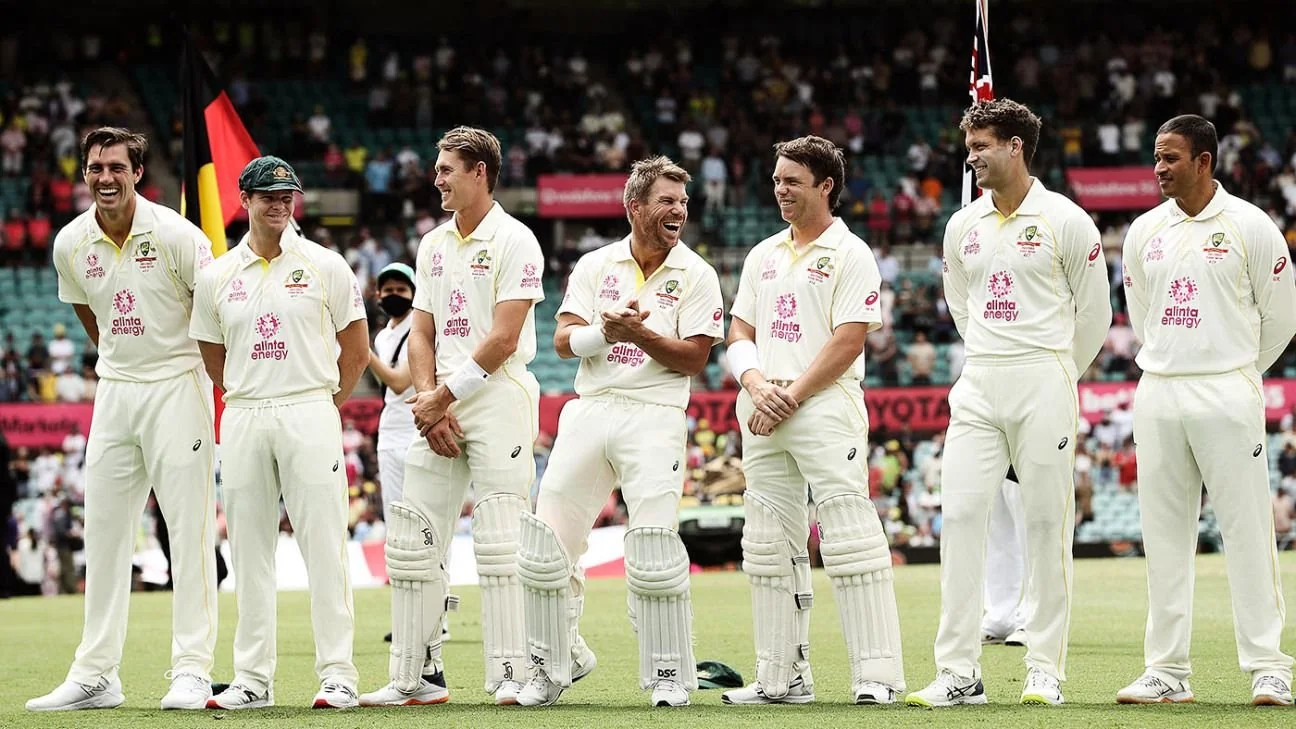
How Sandpaper Gate’s Shadow Still Shapes Cricket Coaching in 2026
Eight years have passed since a small piece of sandpaper caused one of the biggest earthquakes in the history of cricket. The Sandpaper Gate scandal, which erupted during Australia’s third Test against South Africa in Cape Town in March 2018, did far more than end careers and trigger headline-grabbing bans. It exposed deep cracks in the foundation of how elite cricket teams are coached, led, and culturally managed. Now, in 2026, as the game continues to evolve at a breathtaking pace, the Sandpaper Gate coaching legacy remains impossible to fully escape, and perhaps it shouldn’t be. What Actually Happened at Cape Town in 2018 To understand why Sandpaper Gate still matters to coaches today, it helps to revisit what unfolded at Newlands Stadium on March 24, 2018. Cameron Bancroft was caught by television cameras trying to rough up one side of the ball with sandpaper to make it swing in flight. Captain Steve Smith and vice-captain David Warner were found to be involved and both received unprecedented sanctions from Cricket Australia. The images of Bancroft stuffing the sandpaper into his clothing, live on international broadcast, shocked a global audience. Smith and Warner, the then captain and vice-captain of the Australian national cricket team, put Australia’s reputation on the line when they instructed young Bancroft to tamper with the ball using sandpaper. What made the scandal uniquely damaging was not just the cheating itself. It was the organised, premeditated nature of it. This was a plan hatched in a dressing room that a coach presided over. The Coach Who Didn’t Know At the centre of the Sandpaper Gate coaching legacy sits the uncomfortable story of Darren Lehmann. The first non-player casualty to fall was team coach Lehmann, who although not deemed to have knowledge of the cheating, resigned in acceptance that his coaching style may have contributed to the environment within which the cheating occurred. That framing is crucial. Lehmann was not found guilty of orchestrating anything. Smith insisted that the coaching staff, including head coach Darren Lehmann, had no knowledge of the scheme. And yet, Lehmann still walked. The message sent to every cricket coach in the world was stark and unambiguous: culture is your responsibility. What happens in your dressing room happens under your watch, whether or not you gave the direct instruction. This distinction between what a coach knew and what a coach allowed to fester is the foundational lesson of Sandpaper Gate for 2026 coaching. The Cultural Review That Changed Everything Cricket Australia’s response went well beyond handing down bans. In the wake of Sandpapergate, Cricket Australia implemented several changes to restore its integrity and prevent future incidents. A new code of conduct was introduced, emphasising the importance of fair play and sportsmanship. The organisation underwent a cultural review to address issues within the team environment. Justin Langer was appointed as the new head coach to rebuild the team’s image. Leadership programmes were introduced to develop ethical and responsible future leaders. This suite of reforms signalled a wholesale rethinking of what a cricket coach is actually supposed to be. No longer could coaches hide behind the old idea that their job was purely tactical, selecting the right eleven, designing training drills, and reading pitch conditions. After Sandpaper Gate, the coaching brief expanded to include cultural stewardship, ethical leadership, and the psychological health of the group. How Sandpaper Gate Redefined the Modern Cricket Coach The Coach as Culture Builder Before 2018, the phrase “team culture” was often something coaches mentioned in pre-season speeches and then quietly forgot about once the pressure of results kicked in. Sandpaper Gate made it impossible to treat culture as a box-ticking exercise. Sandpapergate triggered an entire cultural review within Australian cricket, resulting in new integrity units, education programmes, and leadership codes. Coaches at every level, from domestic franchise cricket to international setups, were forced to ask a question they had long avoided: what kind of environment am I actually building, and would my players feel they could push back if something crossed the line? The honest answer, in Cape Town in 2018, was clearly no. Players who might have objected said nothing. The leadership group that planned the tampering operated with impunity. A head coach who had built a reputation on aggressive, uncompromising cricket found that same culture had curdled into something far darker. The Accountability Gap in Coaching One of the most uncomfortable insights from Sandpaper Gate is the accountability gap it revealed. In the aftermath of Sandpapergate, the deterioration in the culture of the Australian team appeared so calamitous that the ball-tampering saga seemed inevitable. There was a sense of things going out of control. For coaches in 2026, this raises a question that has no easy answer: how do you spot a dressing room sliding toward “win at all costs” before it produces a crisis? The answer lies not in surveillance but in the systems coaches build for honest communication, where junior players feel safe raising concerns, where senior players do not operate in untouchable cliques, and where the coach is not simply the last to know. What Has Actually Changed Since Sandpaper Gate It would be unfair to suggest nothing has shifted. In Australia, ball-tampering was all but gone overnight, with players speaking of a drastic dip in the amount of reverse swing seen in matches. The fear of punishment reshaped behaviour almost immediately. But behavioural change driven by fear is not the same as cultural transformation, and coaches know the difference. The more lasting changes have been structural. Here is a summary of the key reforms that continue to shape coaching in 2026: Reform Area What Changed After Sandpaper Gate Integrity Units Cricket Australia established dedicated integrity oversight roles Leadership Codes Explicit ethical standards for captains and senior players Coaching Education Cultural and psychological management added to coaching curricula Ball Inspection Umpires now inspect the ball more frequently, especially after dismissals or boundary saves Player Briefings Teams briefed before every series on permissible ball handling Transparency Standards
Read More
Seattle SuperSonics Return: NBA Expansion Vote Brings the Sonics One Step Closer to Revival
After two decades of waiting, Seattle basketball fans finally have something concrete to celebrate. The NBA’s board of governors has unanimously approved a vote to begin accepting expansion bids for two new franchises, one in Seattle and one in Las Vegas, marking the most significant step yet toward bringing professional basketball back to the Pacific Northwest. NBA Expansion Vote Opens the Door for Seattle SuperSonics Return The board’s unanimous decision clears the path for the league to formally accept bids, with the anticipated franchise price landing somewhere between $7 billion and $10 billion. While several stages remain before anything is official, the NBA appears motivated to move swiftly. The target launch date for both new franchises is the 2028–29 season, a timeline made feasible because both Seattle and Las Vegas already have the arena infrastructure needed to support NBA play. For Las Vegas, the expansion represents a blank slate, an opportunity to build a brand from scratch with no legacy to follow. For Seattle, the story is entirely different. The name, the history, and the passionate fan base have been sitting in waiting for 20 years, ready to be reclaimed. The SuperSonics Name and History Were Never Taken Away When Oklahoma City businessman Clay Bennett purchased the Sonics from Howard Schultz’s ownership group in 2006 and relocated the franchise two years later, he didn’t get to take everything with him. As part of a legal settlement between the city of Seattle and the departing ownership, the SuperSonics name was retained by the city, preserved specifically for a future franchise. The franchise history was also structured to be shared, though in practice the Oklahoma City Thunder have chosen not to claim any of it. The Thunder’s official record books begin with their inaugural 2008–09 season, meaning a revived Seattle franchise would inherit the Sonics’ history in its entirety, championships, retired numbers, and all. That’s a remarkable advantage for what would technically be an expansion team. Most new franchises spend years building identity and tradition. Seattle’s new ownership would step in with 40 years of history already waiting. A Franchise with a Rich 40-Year Legacy The Seattle SuperSonics entered the NBA as an expansion franchise in 1967, named as a tribute to Boeing, the Seattle-based aviation giant that was developing a supersonic commercial aircraft at the time. Over the next four decades, the team compiled a 1,745–1,585 regular season record with 22 playoff appearances. Their crowning achievement came in 1979, when a team coached by Hall of Famer Lenny Wilkens and anchored by Hall of Famer Jack Sikma went 52–30 and defeated the Washington Bullets to claim Seattle’s only NBA championship, avenging a seven-game Finals loss to the same Bullets just one year earlier. The Sonics returned to the Finals in 1996 under coach George Karl, riding a 64-win regular season behind Gary Payton, Shawn Kemp, and Detlef Schrempf. That run ended in six games against Michael Jordan’s Chicago Bulls dynasty, but those Sonics teams remain among the most beloved in franchise history, celebrated for their electrifying style of play and enormous national following. The final playoff appearance in Seattle came in 2005, led by Ray Allen and Rashard Lewis, before the franchise’s sale and eventual relocation to Oklahoma City, where it became the Thunder. One year after moving, the team’s future superstar Kevin Durant had already been drafted, a detail that has stung Seattle fans ever since. All-Time Records and Retired Numbers Ready to Be Honored A revived Sonics franchise won’t need to manufacture tradition. The record books are deep, and the retired numbers are already set. Six numbers currently hang in the rafters for the SuperSonics: Number Player 1 Gus Williams 10 Nate McMillan 19 Lenny Wilkens 24 Spencer Haywood 32 Fred Brown 43 Jack Sikma Gary Payton and Shawn Kemp, arguably the two most iconic Sonics of all time, have yet to have their numbers retired, making that an obvious and emotionally resonant moment for the franchise’s inaugural season. Both players have publicly supported efforts to bring the NBA back to Seattle, adding even more weight to the gesture. Payton’s all-time franchise records are staggering: 999 games played, 18,207 points, 7,384 assists, and 2,107 steals. Sikma leads in career rebounds (7,729), while Kemp holds records in offensive rebounds, blocks, and free throw attempts. Rashard Lewis, notably, owns the franchise record for three-pointers made with 918. Why the Timing Feels Right Beyond the NBA’s formal steps, the cultural moment is perfectly aligned. Nostalgia for 1990s basketball is at an all-time high, and few brands from that era carry more built-in recognition than the Seattle SuperSonics. Retro Sonics merchandise, classic green-and-yellow colorways, and throwback logos would generate immediate commercial appeal, something no other expansion team in recent memory has been positioned to offer from day one. The Charlotte Bobcats had to wait years before reclaiming the Hornets identity from New Orleans. Seattle won’t face that delay. The Sonics name is already theirs. What Comes Next Ownership bids still need to be submitted and evaluated, and the NBA’s formal expansion process has additional steps before teams are officially awarded. But with unanimous board support, strong arena infrastructure in place, and a target start date of 2028–29, the trajectory is clear. For a city that lost its team under painful circumstances and spent 20 years fighting for its return, the Seattle SuperSonics revival is no longer a distant dream. It’s a matter of when, and that when is looking closer than ever.
Read More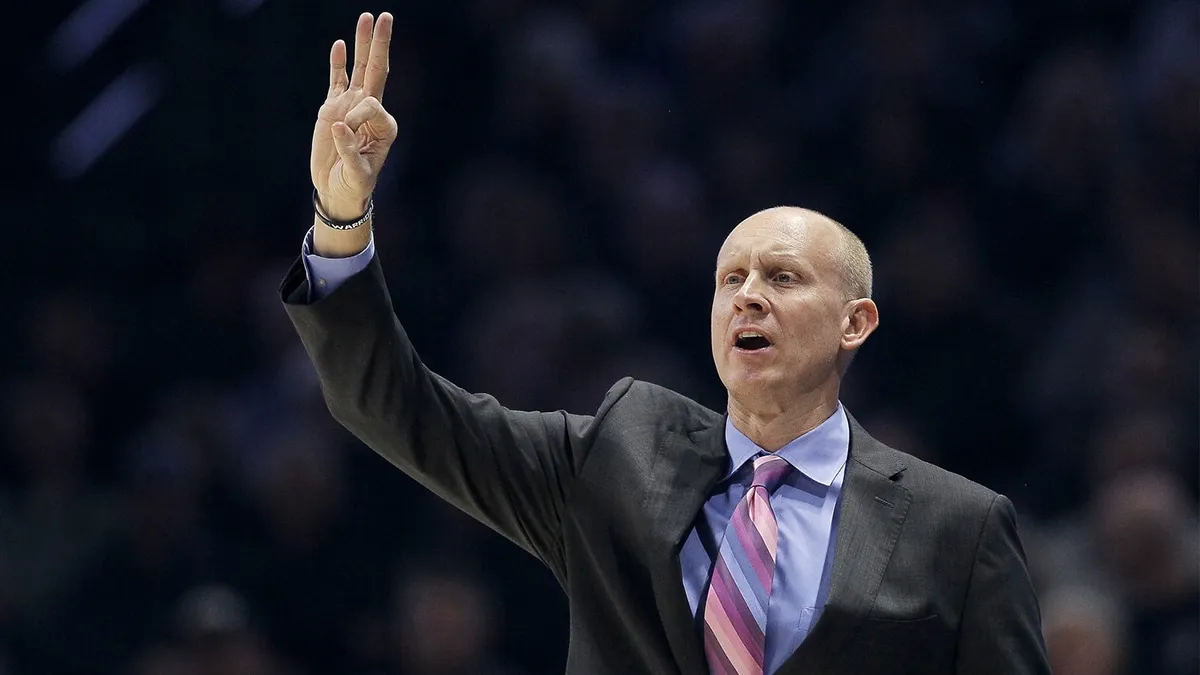
Chris Mack Named USF Men’s Basketball Head Coach, Bringing Elite Pedigree to Tampa
The University of South Florida has made a major move in its men’s basketball program, appointing veteran head coach Chris Mack as the 13th head coach in program history. Announced on March 25, 2026, the hire signals serious ambition from USF Athletics as the Bulls look to elevate their standing in the American Athletic Conference and beyond. Who Is Chris Mack? Chris Mack is one of the more accomplished mid-major and Power Conference coaches in recent college basketball history. A 1992 Xavier graduate, Mack has built a reputation over 15 seasons as a head coach for transforming programs quickly, developing NBA-caliber talent, and thriving in high-stakes postseason environments. His career record stands at an impressive 323–153, good for a .679 winning percentage, a number that places him among the most efficient coaches in the modern era of college basketball. A Career Built on Winning Mack’s head coaching journey began at Xavier in 2009, where he spent nine seasons and became the program’s all-time wins leader. At Charleston, he re-established himself as a builder capable of turning programs around in short order. Here’s a snapshot of his coaching stops: School Tenure Record Notable Achievements Xavier 2009–2018 215–97 8 NCAA Tournaments, Elite Eight 2017 Louisville 2018–2022 44–21* No. 1 AP ranking, ACC title contention College of Charleston 2024–2026 45–20 Back-to-back 20-win seasons *Note: Louisville’s 2019–20 season ended without postseason play due to the COVID-19 pandemic. Across his career, Mack has posted 12 twenty-win seasons and guided teams to nine NCAA Tournament appearances, compiling an 11–9 tournament record that includes four Sweet 16 runs and an Elite Eight appearance with Xavier in 2017. The Xavier Legacy Mack’s nine seasons at Xavier represent the defining stretch of his coaching identity. He guided the Musketeers to a 29–6 record in 2017–18, earned the program’s first-ever Big East regular-season championship, and secured Xavier’s first No. 1 seed in NCAA Tournament history. His 2016–17 team delivered one of the more memorable tournament runs of the decade, entering as an 11-seed and defeating No. 6 Maryland, No. 3 Florida State, and No. 2 Arizona before falling to No. 1 Gonzaga in the Elite Eight. He was recognized nationally for his work, winning the 2016 Henry Iba Award, given annually by the United States Basketball Writers Association to the nation’s top coach. Reinventing Himself at College of Charleston After parting ways with Louisville in 2022, Mack returned to the coaching ranks with the College of Charleston in 2024. Rather than wait for a Power Conference opportunity, he got back to work and back to winning immediately. In his first season with the Cougars, he produced a 24–9 record and a 13–5 mark in the Coastal Athletic Association. He followed that up with a 21–11 season and a second-place conference finish in 2025–26, demonstrating that his ability to build winning cultures had not diminished. What This Means for USF Basketball USF Athletics CEO Rob Higgins made clear that this hire is about more than just wins and losses. It is about positioning the program for sustained success at a higher level. “Chris Mack has reached 20 or more wins in 12 of his 15 seasons as a head coach and guided teams to nine NCAA Tournaments, including several Sweet 16s and an Elite Eight,” Higgins said. “He brings elite experience in roster building through the portal and transforming programs in a short time frame.” Mack’s skill in navigating the transfer portal, a critical tool in modern college basketball roster construction, is seen as one of his strongest assets heading into Tampa. USF plays its home games at the Yuengling Center, and Mack expressed genuine enthusiasm about building something meaningful there. “I am truly excited for the opportunity to lead a South Florida basketball program that’s on an exceptional trajectory,” Mack said. A Winning Culture From Day One One of the most telling statistics about Mack’s coaching career is that he is one of only 19 coaches in college basketball history to lead a program to a No. 1 national ranking within the first two years at a new school, an achievement he reached at Louisville during the 2019–20 season. Beyond the court, Mack has also been recognized for his character and leadership. He is a recipient of the Skip Prosser Man of the Year Award, presented annually to a Division I head coach who demonstrates both on-court success and moral integrity off it. Building Toward a Bright Future at USF The Bulls are entering an exciting period. USF Athletics sponsors 21 varsity teams, with 20 competing at the NCAA Division I level in the American Athletic Conference. The program has accumulated 156 conference titles across 16 sports and boasts a record 22 consecutive semesters of a combined student-athlete GPA of 3.0 or above. With Mack now leading the men’s program and Kristy Curry at the helm of the women’s side, USF is positioning itself as a serious basketball destination, what Higgins called “Tampa Bay’s Home for Hoops.” For a program looking to make its mark in the AAC and chase its first deep NCAA Tournament run, the hiring of Chris Mack is a statement of intent. His résumé suggests the Bulls may not have to wait long.
Read More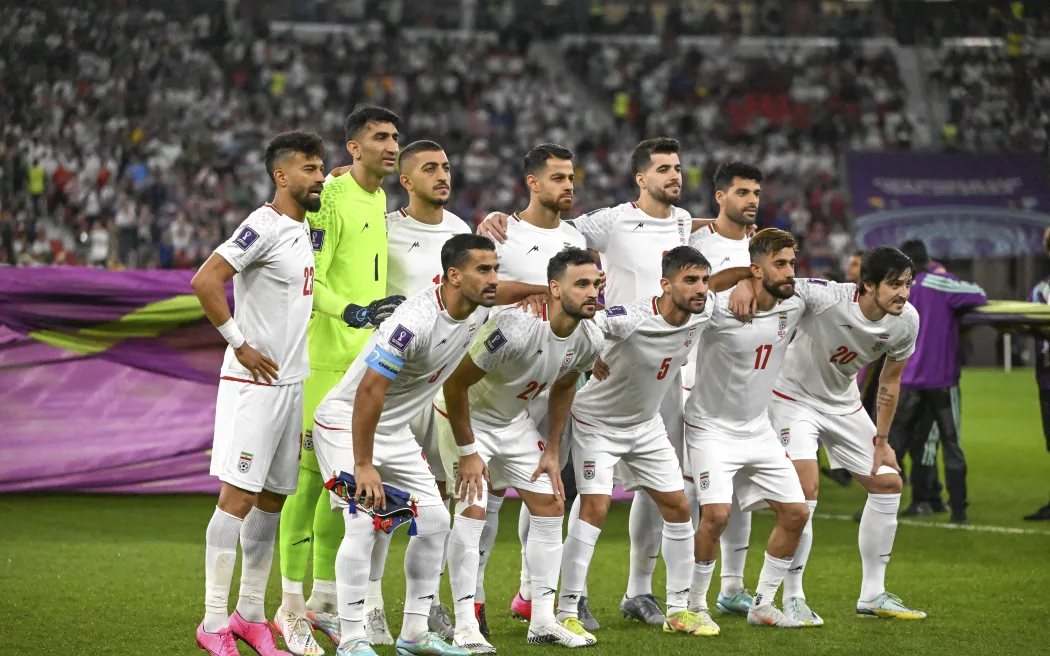
New Zealand vs Iran World Cup 2026 Opener Could Shift Outside United States Amid Rising Tensions
Uncertainty surrounds the New Zealand vs Iran World Cup 2026 opener as geopolitical tensions raise questions about where the match will ultimately be played. While the fixture is currently scheduled to take place in Los Angeles, New Zealand players have expressed flexibility, stating they are willing to compete outside the United States if required. The situation has added an unexpected layer of complexity to one of the early matches of the tournament, which is set to run from June 11 to July 19, 2026. Players Open to Venue Change for World Cup Opener New Zealand’s squad has made it clear that a potential change in venue would not disrupt their preparations. Midfielder Ryan Thomas emphasized that Iran had rightfully earned their place in the tournament and deserved to compete regardless of location. According to Thomas, the team is prepared to adapt if the match is moved to another host country such as Mexico or Canada. His comments reflect a pragmatic approach, focusing on football rather than external factors. Winger Kosta Barbarouses shared similar views, stating that any final decision would be left to governing authorities. He also reassured that a venue switch would not negatively affect the team’s readiness or performance. Why the New Zealand vs Iran World Cup 2026 Match Is Uncertain The uncertainty surrounding the New Zealand vs Iran World Cup 2026 clash stems from ongoing geopolitical tensions involving Iran and the United States. Following recent conflict developments, concerns have been raised about Iran playing matches on U.S. soil. Iran’s football federation has reportedly threatened to boycott games held in the United States, despite the national team successfully qualifying for the tournament. Currently, Iran is scheduled to play all three of its group stage matches in the U.S., including New Zealand in Los Angeles, Belgium in Los Angeles, and Egypt in Seattle. However, these plans could change depending on diplomatic developments and decisions made by football authorities. Potential Alternative Venues in Mexico and Canada With the 2026 tournament being jointly hosted by the United States, Canada, and Mexico, alternative venues are available if needed. Mexico, in particular, has shown openness to hosting Iran’s matches. Claudia Sheinbaum recently indicated that her country would be willing to accommodate such a shift. This flexibility could provide a practical solution if Iran refuses to play in the U.S. New Zealand’s base for the tournament will be in San Diego, which offers convenient access to Mexico. This geographic advantage reduces the logistical impact of any potential venue changes. FIFA Monitoring the Situation Closely FIFA has declined to comment directly on the possibility of relocating Iran’s matches. However, the governing body confirmed it is in communication with the Iranian football federation and expects teams to follow the current schedule. As the final decision-maker, FIFA will play a key role in determining whether the New Zealand vs Iran World Cup 2026 match remains in Los Angeles or is moved elsewhere. Security Concerns Around the Fixture Security remains an important consideration, particularly for matches involving politically sensitive nations. Barbarouses acknowledged that some players and families may feel concerned about attending games in the United States under current circumstances. Despite this, he expressed confidence in event organizers and security authorities, highlighting the scale and professionalism associated with a global tournament like the World Cup. He also emphasized the importance of having family present, especially as New Zealand returns to the World Cup stage for the first time since 2010. New Zealand’s Return to the World Cup Stage The upcoming tournament marks an important moment for New Zealand football. After a long absence from the global stage, the team is eager to make an impact in the group phase. Players are aware that opening matches come with added pressure and anticipation. Thomas noted that nerves are natural but expressed confidence in the squad’s ability to handle the occasion. The match against Iran, regardless of location, is expected to play a key role in shaping both teams’ tournament journeys. What Happens Next The final decision regarding the venue for the New Zealand vs Iran World Cup 2026 opener will depend on geopolitical developments and FIFA’s assessment of the situation. For now, New Zealand continues to prepare as if the match will take place in Los Angeles. Their willingness to adapt ensures they remain ready for any outcome. As the tournament approaches, this fixture could become one of the most closely followed early matches due to both its sporting importance and the circumstances surrounding it.
Read More