
Zinedine Zidane’s 2006 FIFA World Cup Final Headbutt: What Really Happened
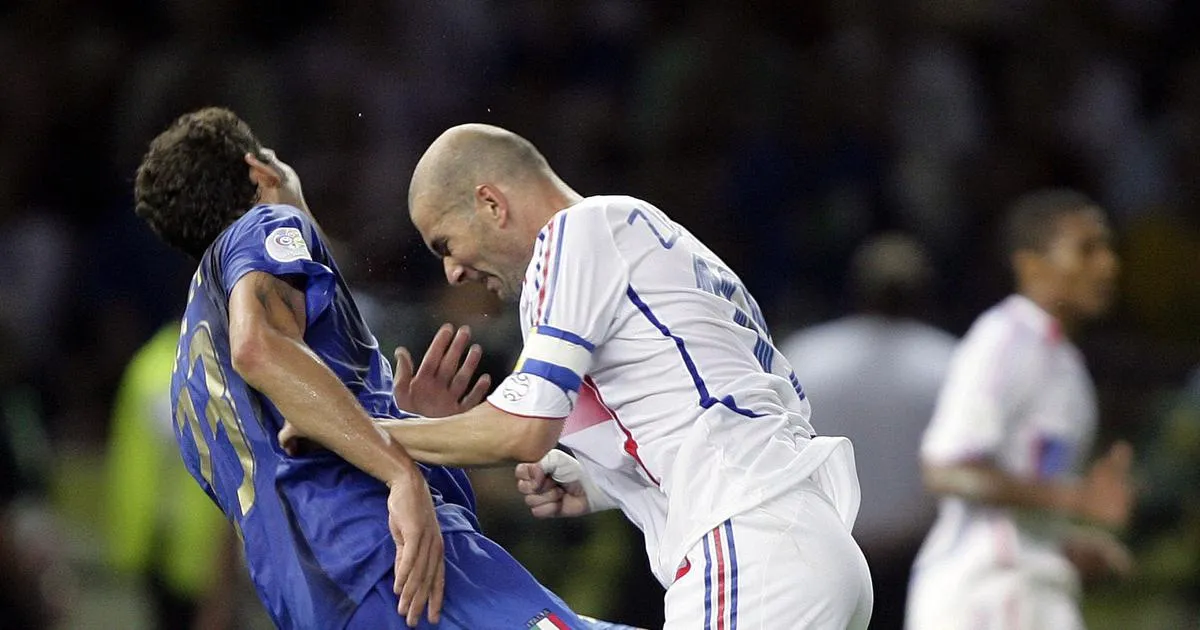
Few sporting moments have frozen time like the Zinedine Zidane 2006 World Cup headbutt. In the final minutes of his final professional match, one of football’s greatest artists walked away from the pitch in disbelief after a single, violent act. The incident instantly eclipsed the match itself, transforming a career-defining farewell into a global controversy that still sparks debate nearly two decades later. Setting the Scene – The 2006 World Cup Final The final in Berlin pitted France against Italy, two tactical giants with deep World Cup histories. For Zidane, it was a farewell on the grandest stage. France had surged through the knockout rounds, and the atmosphere inside the Olympiastadion carried immense tension. The match was finely balanced, with little separating the teams across 120 minutes. Zidane’s Tournament Before the Final Zidane’s tournament began quietly, including a suspension after the group stage. But once France reached the knockouts, he was magnificent. He dictated tempo, controlled midfield battles, and produced moments of elegance that reminded the world why he was revered. By the final, Zidane had already scored twice in the tournament and stood on the brink of a fairy-tale ending. The Incident – What Happened on the Pitch In the 110th minute, with the score level, Zidane exchanged words with Italian defender Marco Materazzi near the center circle. Moments later, Zidane turned and forcefully headbutted Materazzi in the chest. The Italian collapsed. Play stopped, but the referee initially did not see the incident. What Was Said? The Provocation Debate The immediate question was why Zidane reacted. After the final, Materazzi admitted he insulted Zidane, reportedly making a comment about Zidane’s sister. Zidane later confirmed that the words were deeply offensive and personal. While exact phrasing varied across translations, both players acknowledged verbal provocation preceded the headbutt. The Role of Technology and Officials The referee, Horacio Elizondo, was alerted by the fourth official, who had seen the incident on the stadium screens. After consulting, Elizondo showed Zidane a straight red card. This marked one of the earliest high-profile moments where video replay influenced an on-field decision in a World Cup final. Immediate Fallout During the Match France finished extra time with ten men. Zidane walked past the World Cup trophy as he exited, an image that became iconic. The match proceeded to penalties, where Italy prevailed. France’s players were visibly shaken, having lost their captain and talisman at the most critical moment. Zidane’s Explanation After the Final Days later, Zidane publicly addressed the incident. He apologized to fans and teammates but stopped short of apologizing to Materazzi. He stated he reacted instinctively to words he felt crossed a line and accepted full responsibility for his actions. FIFA later fined Zidane and ordered him to complete community service as part of his sanction. Reaction From the Football World Reactions were deeply divided. Some condemned Zidane’s loss of control, arguing greatness demands restraint. Others sympathized, pointing to provocation and the immense pressure of the moment. Former players, coaches, and fans debated whether words alone could justify such a response, especially in a World Cup final. Disciplinary Action and Official Consequences FIFA’s investigation concluded that Zidane’s act warranted punishment, while Materazzi received a lesser sanction for verbal provocation. The governing body emphasized respect and discipline, but the incident also reignited discussions about how referees handle off-the-ball verbal abuse. How the Headbutt Affected Zidane’s Legacy The Zinedine Zidane 2006 World Cup headbutt did not erase his achievements, but it forever altered how his career finale is remembered. Rather than diminishing him, some argue it humanized a player often seen as flawless. Zidane remains a World Cup winner, Ballon d’Or recipient, and football icon, with the headbutt now an inseparable chapter of his story. Why the Incident Still Resonates Today The headbutt endures because it sits at the intersection of greatness and vulnerability. It symbolizes how pressure, pride, and provocation can collide even at the highest level. It is replayed, analyzed, and referenced whenever discussions turn to emotion, discipline, and legacy in sport. A Legendary Career Defined by a Human Moment Zinedine Zidane’s career was built on brilliance, not controversy. Yet his final act on a football pitch captured something profoundly human. The headbutt was a mistake, but it did not define him alone. Instead, it reminded the world that even legends carry emotion, limits, and consequences under the brightest lights.
Read More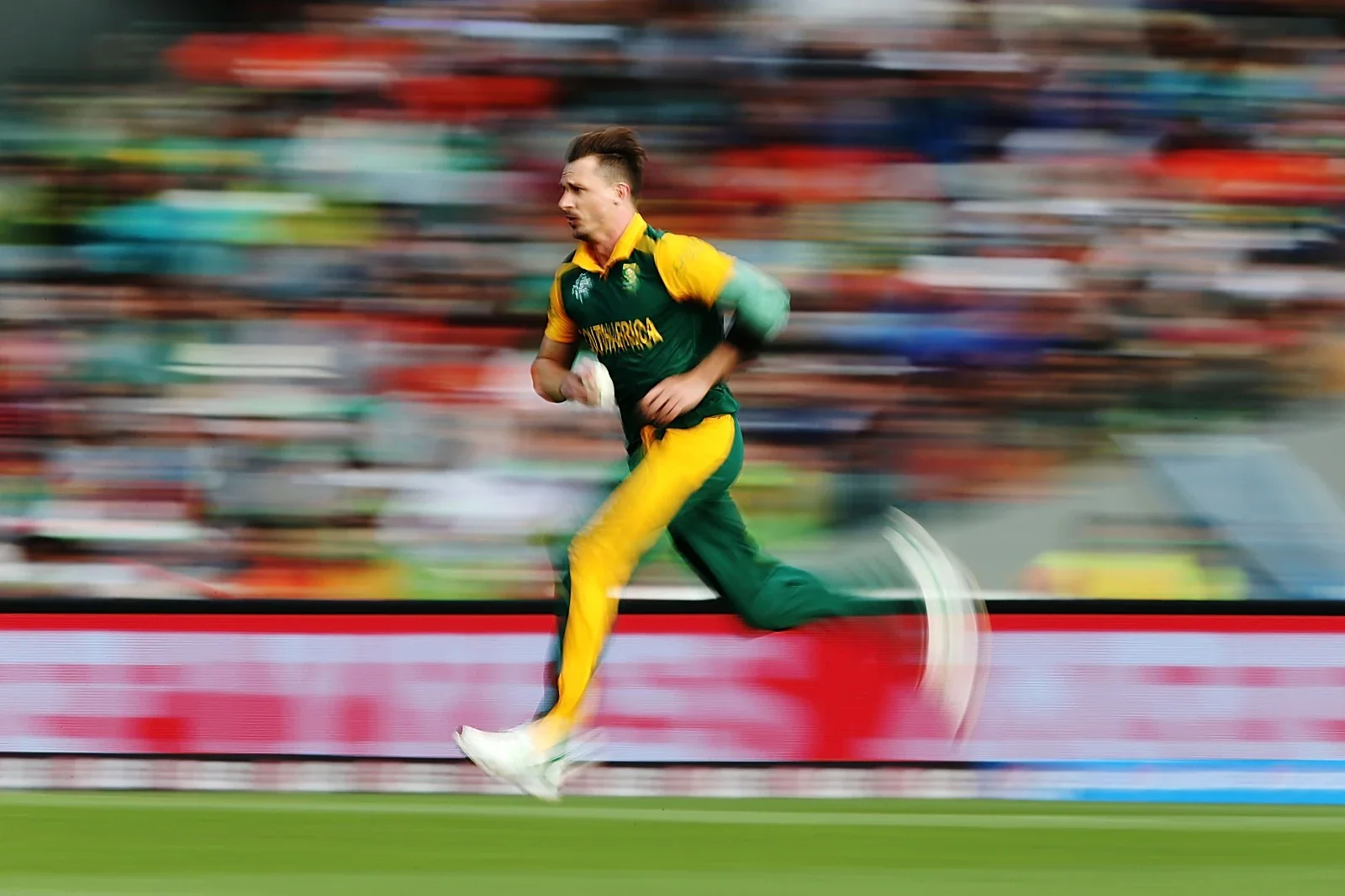
Top 10 Fastest Bowlers in Cricket History: Speed Gun Records That Shook the World
There is something primal about raw pace in cricket. The crowd rises, the batsman tenses, and the bowler charges in with everything they have. Speed has always been one of cricket’s greatest weapons, and thanks to modern speed gun technology, we can now put exact numbers to what were once just legends. This list ranks the top 10 fastest bowlers in cricket history based on the fastest recorded deliveries captured by speed guns in official international matches. From Pakistan to Australia, West Indies to South Africa, these are the men who made batting look terrifying. 10. Dale Steyn (South Africa) — 155.7 km/h (96.8 mph Dale Steyn earned his reputation as one of the greatest fast bowlers of all time, and his numbers back that claim entirely. Steyn combined speed, swing, and accuracy to terrorise every batter in the world, and he bowled his fastest delivery of 155.7 km/h against New Zealand. What made Steyn extraordinary was not just raw pace but the vicious late movement he could generate at that speed. For a full decade, he was the best fast bowler on the planet, and South Africa’s all-time leading wicket-taker in Test cricket. Few bowlers have ever combined sustained pace with the kind of consistent wicket-taking ability that Steyn demonstrated across all formats. 9. Shane Bond (New Zealand) — 156.4 km/h (97.2 mph) Shane Bond was the most complete fast bowler New Zealand has ever produced, combining serious pace with exceptional skill. Bond’s peak came at the 2003 ICC World Cup when he sent the ball flying through at 156.4 km/h. Unfortunately, this gifted bowler was plagued by injury and managed to take only 87 Test wickets and 147 wickets in ODIs. His ability to swing the ball at high speed made him devastating in any conditions. His whippy action was the cause of discomfort to many batsmen all around the world, and his ability to swing the ball away at such high speeds and bowl toe-crushing yorkers brought him many wickets. 8. Fidel Edwards (West Indies) — 157.7 km/h (98 mph) Fidel Edwards may not be a household name today, but at his peak he was one of the most hostile fast bowlers on the planet. His 157.7 km/h ball came in the first year of his international cricket career against South Africa in 2003. He boasts 165 Test wickets and 60 in ODIs, and he last played for West Indies in 2012, but still plied his trade in franchise T20 competitions. Edwards bowled with a whippy action reminiscent of Jeff Thomson, and as a right-arm quick with a slingy delivery he was a rare and difficult proposition for batsmen across the world. His early burst of pace was as impressive as any debut in modern cricket history. 7. Andy Roberts (West Indies) — 159.5 km/h (99.1 mph) Andy Roberts was the godfather of the fearsome West Indian pace attack that dominated world cricket through the 1970s and 1980s. His 159.5 km/h delivery was against Australia in 1975, and he played for Hampshire and Leicestershire counties in England and was inducted into the US Cricket Hall of Fame in 2005. What made Roberts particularly dangerous was his intelligence. He had two distinct bouncers, one that skidded through quickly and one that reared up steeply, and batsmen rarely knew which was coming. His contributions to fast bowling go beyond just speed; he fundamentally changed how the game was played. 6. Mitchell Starc (Australia) — 160.4 km/h (99.7 mph) Mitchell Starc is one of the most feared left-arm fast bowlers the game has ever seen and a proud member of the fastest bowlers in cricket history. On the 4th ball of the 89th over as he ran in to bowl to Kiwi batter Ross Taylor, the speed gun displayed 160.4 km/h; it was a yorker on off stump and Taylor could only manage to defend the ball. Starc’s left-arm angle combined with his searing in-swinging yorkers makes him one of the most feared bowlers in the game today. He is famous for his fast in-swinging yorkers and has taken 244 Test wickets and 184 ODI wickets, and was part of the Australian side who won the World Cup in 2015. 5. Jeff Thomson (Australia) — 160.6 km/h (99.8 mph) Long before speed guns were standard equipment at cricket grounds, Jeff Thomson was making batsmen across the world genuinely fear for their safety. His fastest delivery was recorded at 160.6 km/h against the West Indies in 1975, and along with Dennis Lillee, he is believed to be part of the quickest bowling duo in cricket history. Thomson’s chest-on slingy action was nearly impossible to pick, and the bounce he extracted from Australian pitches was brutal. He took 200 Test wickets and 55 ODI wickets and was inducted into the Australian Cricket Hall of Fame in 2016. 4. Jofra Archer (England) — 161.0 km/h (100 mph) Jofra Archer burst onto the international scene in 2019 and immediately announced himself as one of the fastest bowlers in cricket history. England’s Jofra Archer bowled the fastest ball in the 2019 Cricket World Cup at a speed of 161.0 km/h. His smooth, almost effortless action makes his pace all the more unsettling for batsmen, who often struggle to pick it up early. Archer memorably pinned Steve Smith repeatedly with short-pitched bowling during the 2019 Ashes series, producing some of the most compelling fast-bowling spells in modern times. Injuries have unfortunately limited his appearances, but when fit, he is as threatening as anyone who has ever held a cricket ball. 3. Brett Lee (Australia) — 161.1 km/h (100.1 mph) Brett Lee brought pace with a smile, but batsmen were rarely smiling when he ran in. His fastest delivery was recorded at 161.1 km/h against New Zealand in 2005, showcasing his remarkable achievement in speed and control. Lee was far more than just a fast bowler. He is one of the most impressive Australia all-format bowlers, with 310 Test wickets, 280 ODI wickets and 487 first-class
Read More
Charles Leclerc Marries Alexandra Saint Mleux in Monaco Civil Ceremony
Formula 1 star Charles Leclerc has officially married model Alexandra Saint Mleux in an intimate civil ceremony held in Monaco, marking one of the most talked about celebrity weddings of 2026. The newlyweds celebrated the occasion with Graff jewellery, a rare vintage Ferrari and their scen-stealing dachshund, Leo. Few places on earth could match the romance and glamour of Monaco as a wedding backdrop, and Leclerc, the city state’s most celebrated sporting son, made full use of his home turf. The 28 year old Ferrari Formula 1 driver and his new wife exchanged vows on Saturday in a civil ceremony that balanced intimacy with unmistakable style. The couple, who announced their engagement in November 2025, chose to share carefully curated moments from the day on Instagram, giving fans around the world a window into their celebration. The posts quickly attracted millions of views, with supporters and fellow celebrities flooding the comments with congratulations. Inside the Ceremony and Celebrations One of the most shared moments from the day showed Leclerc gently placing a wedding band on Saint Mleux’s finger, a quiet and tender moment that stood in contrast to the grandeur surrounding it. The couple then took to the streets of Monaco in a breathtaking 1957 Ferrari 250 Testa Rossa convertible, one of the most sought after classic cars in the world, cruising past the Mediterranean coastline in what became an instantly iconic image. View this post on Instagram A post shared by Charles Leclerc (@charles_leclerc) The celebrations also featured balcony kisses overlooking the shimmering sea and a collection of portraits that looked more editorial than candid. Every detail of the day reflected the couple’s taste for elegance without excess. Alexandra Saint Mleux’s Bridal Style Saint Mleux looked every inch the bride in a shimmering lace off the shoulder gown by acclaimed Australian couture designer Paolo Sebastian. The intricate detailing of the dress caught the light beautifully throughout the day, complemented by a jewellery selection from luxury house Graff. She completed the look with a sleek updo and a bouquet of white blooms, achieving a bridal aesthetic that was simultaneously timeless and modern. View this post on Instagram A post shared by Alexandra Leclerc 🦋 (@alexandramalenaleclerc) The unexpected highlight of the bridal photos, however, was the couple’s beloved dachshund Leo. The small dog made a series of memorable appearances, draping himself across the long train of Saint Mleux’s gown, curling up on her lap between shots, and even joining the couple inside the vintage Ferrari for what became one of the most shared images of the entire wedding. A Second Celebration Still to Come While Saturday marked the official union, Leclerc made clear in his Instagram caption that the celebrations are far from over. He described the day as one that would stay with them both forever, while hinting that a larger event is being planned for the following year, one that will bring together their closest family and friends for a full wedding celebration. Saint Mleux echoed that excitement in her own post, expressing how much she was looking forward to celebrating their marriage again with the people they love most. In a small but meaningful gesture, she also updated her Instagram biography to Alexandra Leclerc shortly after the ceremony concluded. From Monte Carlo Romance to Marriage Leclerc and Saint Mleux first appeared together publicly in March 2023, with the Formula 1 driver confirming the relationship in an interview with French magazine Gala France two months later. Over the past two years Saint Mleux has become a familiar and well liked presence in the Formula 1 paddock, attending races and supporting Leclerc as he continues his pursuit of a world championship with Scuderia Ferrari. Now, as the 2026 Formula 1 season gets underway, Monaco’s favourite racing driver heads to the grid as a married man.
Read More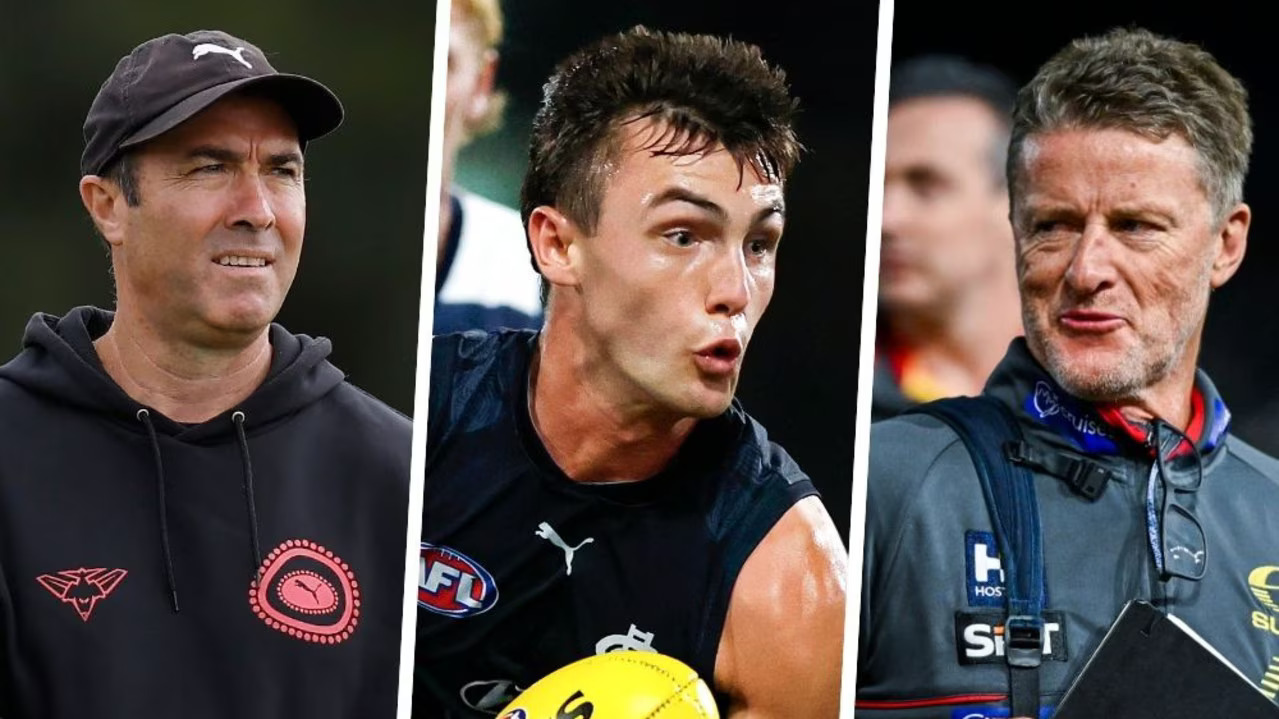
Collingwood Shuts Down Craig McRae Personal Life Rumours “Completely False and Unfair”
Collingwood Football Club has publicly rejected a wave of online rumours targeting head coach Craig McRae’s personal life, with the club condemning the speculation as baseless and harmful. Why Were Rumours Circulating About Craig McRae? Two routine decisions during the 2026 AFL preseason fuelled unfounded speculation about McRae’s marriage. The Collingwood coach took a longer than usual Christmas break, and during preseason training he delegated several sessions to assistants Matthew Boyd and Hayden Skipworth. Neither decision was out of the ordinary, but together they sparked widespread online gossip suggesting a personal crisis. The club moved quickly to set the record straight once the rumours became too widespread to ignore. Collingwood CEO Craig Kelly Responds to Rumours Circulating About Craig McRae Collingwood CEO Craig Kelly issued a formal statement on behalf of the club, defending McRae and criticising those responsible for spreading unverified claims. Kelly confirmed that the extended break was arranged months earlier and had been planned since December 2025. He emphasised that McRae had always been scheduled to return when he did, and that there was nothing unusual about the arrangement. The CEO also highlighted McRae’s character, describing him as a coach who has consistently led the AFL program with integrity and placed his family at the centre of everything he does. Kelly made clear the club would not tolerate harmful speculation about its staff or their families. Craig McRae Addresses the Playing Group McRae, 52, took the step of speaking directly to the Collingwood playing group to address the rumours before they could affect the team environment ahead of the new season. The premiership winning coach, who is contracted at Collingwood until 2028, was candid in a recent interview about why he needed extra time away from the club. He described the relentless nature of the coaching calendar, where a finals campaign rolls almost immediately into trade period, followed by the draft and then preseason. With little room to decompress, McRae said the fatigue and pressure accumulate in ways that are not always visible from the outside. He was clear that nothing inappropriate had occurred and that the break was simply a practical decision made in the interest of his long term performance and wellbeing. Craig McRae’s Family Has Always Come First McRae has never hidden his commitment to his family. In one of the most memorable moments of the 2023 AFL season, he announced from the premiership dais on Grand Final day that he and wife Gabrielle had welcomed their third child, daughter Maggie, just hours earlier. The moment captured the attention of the entire country and reinforced his reputation as a coach who leads with genuine values. Collingwood begins their 2026 AFL Premiership campaign against St Kilda on Saturday, March 8.
Read More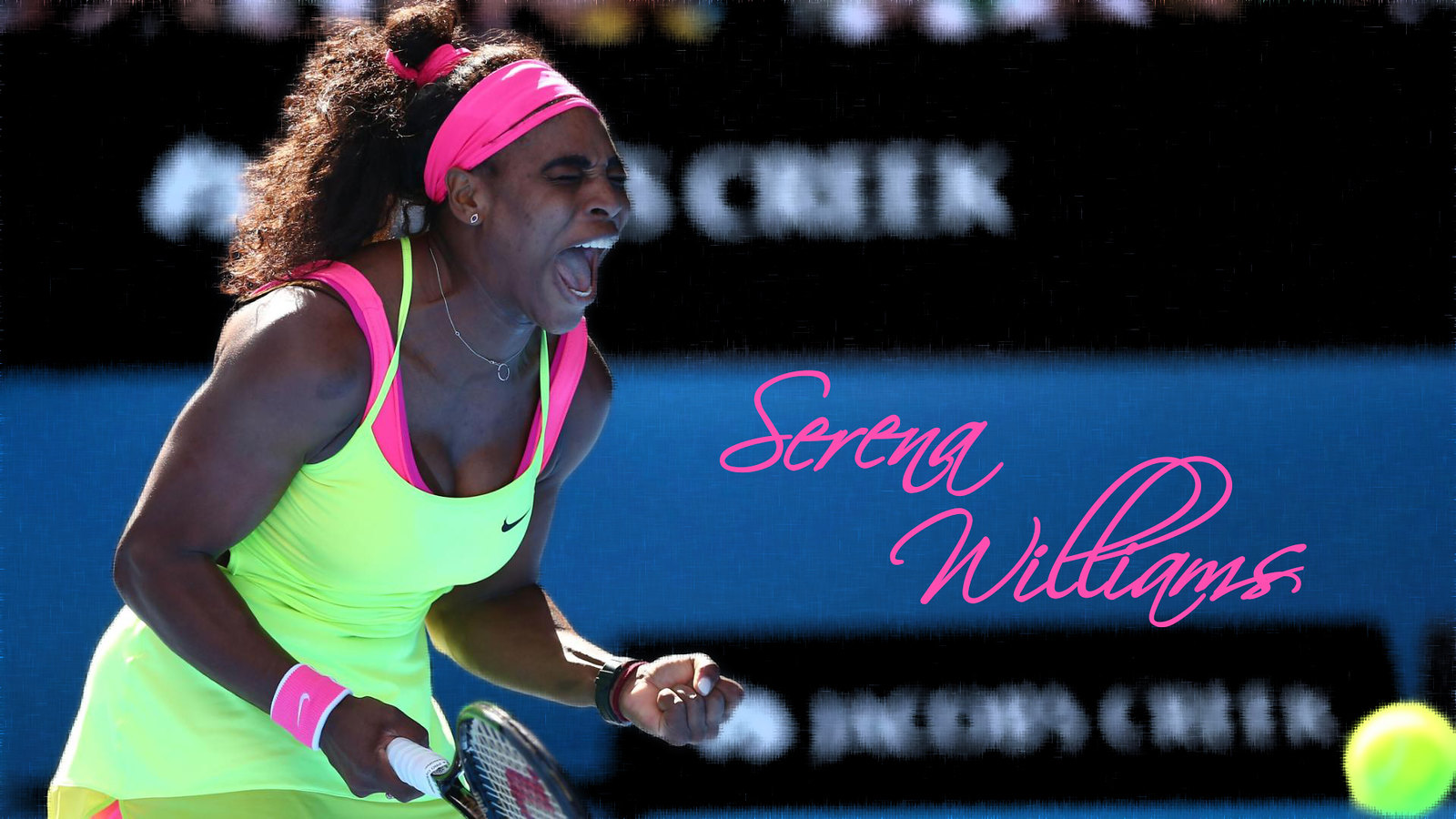
Serena Williams’ 23 Grand Slam Finals: Every Title Run Analyzed
Serena Williams didn’t just win Grand Slams. She hunted them, dominated them, and redefined what it meant to be a champion. Across four different decades, she stepped onto the biggest stages in tennis and delivered performances that left opponents, analysts, and fans in collective disbelief. Her 23 Grand Slam singles titles remain the most by any player in the Open Era, and understanding how she won each one reveals just how multidimensional her greatness truly was. The Early Years: How Serena Williams’ 23 Grand Slam Finals Began Serena’s first Grand Slam final came at the 1999 US Open when she was just 17 years old. She defeated Martina Hingis 6-3, 7-6 in a performance that announced her arrival in a way the tennis world hadn’t seen before. What made it remarkable wasn’t just the scoreline but the composure. She played like someone who had already been there, already won it, and was simply collecting what was hers. The Australian Open 2003 completed what became known as the “Serena Slam,” her holding all four Grand Slam titles simultaneously. This period of dominance showed her ability to win on every surface, hard court, clay, and grass, adjusting her game while keeping her serve as the most feared weapon in women’s tennis. The Australian Open: Her Most Successful Hunting Ground Serena claimed seven Australian Open titles, making Melbourne her most successful Grand Slam venue. Her finals there spanned from 2003 to 2017, covering 14 years of sustained excellence. Each title told a different story about where she was in her career and her life. Her 2017 Australian Open final win over Venus, achieved while eight weeks pregnant, stands as one of the most extraordinary athletic feats in sports history. She defeated her sister 6-4, 6-4 in a match that carried enormous emotional weight. It wasn’t just a title. It was a statement that even at 35, even carrying a child, Serena Williams was still the best player on the planet. The 2010 Australian Open final against Justine Henin showed a different kind of Serena, one who had fought through injury and personal hardship and returned to the top with something to prove. She dropped only one set across the entire tournament and delivered a masterclass in big-match tennis. Wimbledon Finals: Serena Williams’ 23 Grand Slam Finals on Grass Wimbledon gave Serena seven titles and some of her most iconic moments. Her serve on grass was essentially unplayable at its peak, and she used the surface to expose every weakness in her opponents’ games. Her 2003 Wimbledon final against Venus was the first time two sisters had met in back-to-back Grand Slam finals in the Open Era. Serena won 4-6, 6-4, 6-2 in a match that showed her mental resilience. Going down a set to your sister, in front of a global audience, requires a specific kind of mental steel that Serena possessed in quantities no one else could match. The 2012 Wimbledon final against Agnieszka Radwanska was perhaps her most dominant grass performance. She lost only six games across the entire match, serving 18 aces and barely giving her Polish opponent a foothold. It was destruction delivered with grace. Her 2016 Wimbledon title, her 22nd Grand Slam overall, was a career milestone that drew comparisons to Steffi Graf’s Open Era record of 22. When she held that trophy, she had equaled the greatest mark in women’s tennis history. The US Open Finals: Coming Home The US Open was where it all started, and Serena returned to Flushing Meadows six times as a champion. The New York crowd gave her energy that was almost visible, and she fed on it in ways that made her particularly lethal there. Her 2008 US Open final against Jelena Jankovic came during a period when Serena had faced questions about her commitment to tennis. She answered with a 6-4, 7-5 victory that was clean, sharp, and thoroughly professional. It served as a reminder that when Serena focused, outcomes were not really in doubt. The 2013 and 2014 back-to-back US Open titles showed her operating at the peak of her powers. She dropped just one set across both tournaments combined and played some of the most aggressive baseline tennis women’s tennis had ever seen. Her return game had evolved to complement her serve, and opponents simply had no answer. The French Open and the Clay Court Chapters Roland Garros was always considered her most challenging surface, yet she claimed three French Open titles. Clay slows the ball, neutralizes the serve advantage, and rewards baseline consistency above raw power. That Serena won there at all speaks to her adaptability. That she won three times speaks to her genius. Her 2015 French Open final against Lucie Safarova was her most dramatic clay court final. Safarova pushed her to three sets, and Serena had to dig into reserves that only champions possess. She won 6-3, 6-7, 6-2 in a match that reminded the world she wasn’t just a serve-and-power player. She could grind, problem-solve, and outlast. Rivalries That Defined the Finals Serena met Venus in nine Grand Slam finals, the most between siblings in the Open Era. The dynamic was always complex, the love between them evident, the competitiveness absolute. Serena won seven of those nine meetings, but the margins were often far closer than the scorelines suggested. Her finals against Maria Sharapova, Victoria Azarenka, and Angelique Kerber each brought different tactical challenges. Azarenka pushed her hardest, winning the 2012 Australian Open final and repeatedly testing Serena’s mental resolve in major finals. Against Kerber at the 2016 Wimbledon final, Serena underlined that even at 34 she remained the defining force in the sport. What Made Serena Williams’ 23 Grand Slam Finals Winnable Across all 23 titles, certain patterns emerge. Her first-serve percentage in Grand Slam finals consistently exceeded 60 percent. Her second-serve points won rarely dropped below 50 percent, a figure that most players cannot match even on first serves. She broke serve more often than any other player in women’s
Read More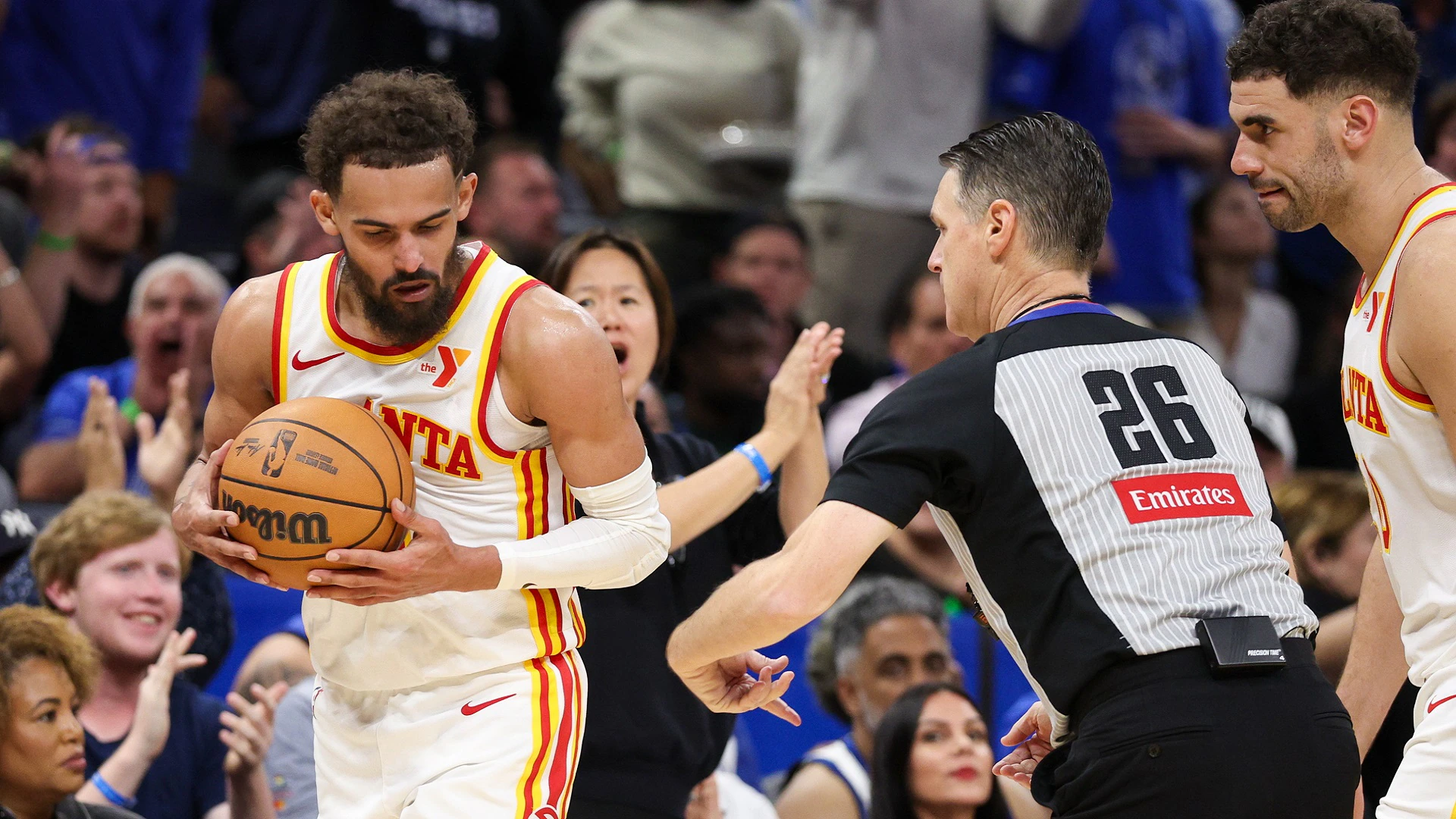
Trae Young Ejection: Rockets vs Wizards Drama and His Bold Promise to D.C.
The Houston Rockets were always expected to handle the Washington Wizards with relative ease on Monday night, and the final scoreline confirmed just that. What nobody anticipated, however, was the sideline drama that would steal the spotlight, culminating in a Trae Young ejection that had fans and analysts talking long after the final buzzer. What Led to the Trae Young Ejection Young has not played a single minute for Washington since arriving via trade from Atlanta nearly a month ago. Despite being sidelined, he has remained an active and vocal presence on the bench, bringing the same intensity he would carry onto the court. The flashpoint came when Rockets forward Tari Eason shoved Wizards guard Jamir Watkins on two separate occasions during the game. Neither incident drew a whistle from the officials at the time, which already had Washington’s bench simmering. When Watkins eventually reacted and the referees chose that moment to intervene, the selective officiating did not sit well with Young at all. Tari Eason shoves Jamir Watkins to the floor (no foul call), then Eason shoves Watkins again. Trae Young gets upset and being ejected before playing his first game as a Wizard. And upon review Tari Eason receives two technicals and being ejected, Watkins ends up with one… https://t.co/K0kRmGazj5 pic.twitter.com/hLZ1EJS4ek — MrBuckBuck (@MrBuckBuckNBA) March 3, 2026 He made his feelings known loudly and directly to the officials, and they responded by sending him to the locker room early. The Trae Young ejection became the defining moment of the evening, overshadowing much of what happened on the court. Young Addresses Washington Fans After Being Ejected Rather than staying quiet after the incident, Young took to X, formerly known as Twitter, to speak directly to the D.C. faithful. His message was self-aware, confident, and carried the kind of personality that has made him one of the most compelling figures in the league. He acknowledged the ejection with humor, telling fans not to expect that kind of exit from him too many more times, pairing the message with a laughing emoji that showed he wasn’t losing any sleep over it. But he also made something very clear. When he returns to the floor, that same fire and competitive edge will be channeled into actually playing basketball. “I’m definitely bringing that energy and competitiveness when I’m back for my brothers,” he wrote, doubling down on his commitment to the Wizards as a unit. Why This Moment Fits Trae Young Perfectly Anyone who has followed Young’s career will tell you that he does not shy away from the villain role. He has thrived in hostile environments throughout his time in the NBA, perhaps nowhere more famously than at Madison Square Garden in New York, where the booing crowd seemed to energize rather than rattle him. His 2021 playoff run with the Atlanta Hawks, where he helped eliminate the Philadelphia 76ers in the second round, cemented his reputation as someone who rises when the pressure is highest. Philadelphia fans have not forgotten it, and Young has never pretended to be sorry about it. That same mentality now belongs to Washington. A player who fights for his teammates from the bench before even playing a minute tells you everything about the kind of presence the Wizards are about to unlock. Wizards Show Encouraging Signs Despite the Loss On the scoreboard, Houston claimed the victory 123 to 118. Washington trailed by double digits for a significant stretch of the contest, yet they battled back and kept the margin respectable by the end. It was not the result the Wizards wanted, but the effort and the refusal to fold pointed toward something more promising on the horizon. The timing could not be better, with Young scheduled to make his long awaited Wizards debut on March 5th against the Utah Jazz. Once he steps onto the court, Washington’s identity as a team is expected to shift considerably. What Trae Young’s Arrival Means for Washington The Wizards have spent several seasons operating on the fringes of relevance in the Eastern Conference. Rebuilding takes time, and the results have been inconsistent at best. However, adding a player of Young’s caliber, a genuine offensive weapon and floor spacer who can create for himself and teammates at an elite level, changes the conversation around this franchise almost immediately. His ejection on Monday, as unnecessary as it may have been in the grand scheme, actually reinforced why Washington made the move to bring him in. He cares. He competes. He wants to win, and he wants the people around him to feel that standard every single day. The Trae Young ejection was a minor episode in an otherwise straightforward Houston win. But it carried a message that Washington fans would do well to take seriously. Their new star has arrived in spirit already. The body is following very soon.
Read More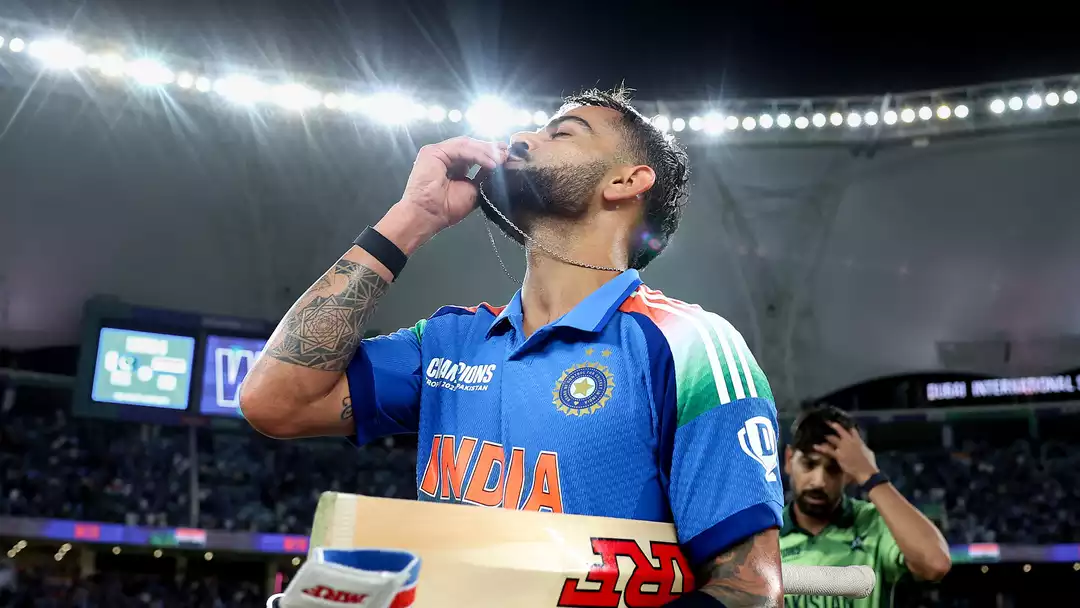
Virat Kohli Run Chases: The Record-Breaking Legacy of Cricket’s Greatest Chase Master
When the target seems impossible and pressure fills every corner of the ground, one name has consistently risen above the rest. Virat Kohli run chases have become the stuff of cricketing legend, a body of work so extraordinary that analysts, fans, and fellow cricketers struggle to find adequate words to describe it. Over nearly two decades at the international level, Kohli has turned the art of chasing into a science, combining mental toughness with flawless technique to deliver wins that once seemed out of reach. This article takes a deep dive into the numbers, the moments, and the mindset behind Kohli’s unparalleled success in run chases across all formats of the game. Why Virat Kohli Run Chases Stand Apart from Every Other Batter Most batters perform well in ideal conditions. Very few can produce match-winning innings when their team needs it most. What separates Kohli is his extraordinary ability to raise his game precisely when the stakes are at their highest. His conversion rate under pressure is unmatched in modern cricket, and his average in successful run chases dwarfs what most batters manage in regular match situations. In One Day Internationals alone, Kohli averages above 95 when India successfully chases a target. That number is not a typo. It reflects a pattern of sustained, match-defining excellence that has played out across different opponents, different conditions, and different parts of the world. His success is not luck, it is architecture built on preparation, focus, and an almost obsessive attention to the demands of each situation. The Numbers Behind the Greatest Virat Kohli Run Chases in ODI Cricket Statistics in cricket rarely tell the whole story, but in Kohli’s case, they come very close. His ODI record in run chases is the single most dominant individual statistic in the history of limited-overs cricket. With over 6,000 runs scored in successful ODI chases at the time of writing, he leads the format comfortably, both in volume and in average. Some of his most celebrated ODI chases include a stunning unbeaten 183 against Pakistan in the Asia Cup in 2012, where he guided India from a difficult position to an improbable victory almost single-handedly. There was also the iconic 148 against Pakistan in the 2012 Asia Cup, chasing down 330 with composure that left cricket fans worldwide speechless. These were not cameo contributions. They were complete, authoritative performances that redefined what was considered chaseable. How Kohli’s Test Match Run Chases Cemented His All-Format Dominance While ODI chasing records get most of the attention, Kohli’s contributions in Test match run chases are equally staggering. Test cricket is widely considered the ultimate examination of a batter’s skill, and chasing in the fourth innings of a Test match is one of its most brutal challenges. Pitches deteriorate, bowlers are fresh with ideas, and the pressure of a result game amplifies every mistake. Kohli has delivered in that environment repeatedly. His century against Australia at Adelaide in 2014 during a difficult fourth-innings chase showcased his ability to read a match situation and pace an innings accordingly. His performances in Test chases in conditions helpful to swing and seam bowling, such as in England and South Africa, further underline why he is regarded as the most complete batter of his generation. Under him as Test captain, India became one of the most aggressive and successful chasing sides in the world, a cultural shift that is directly tied to the confidence his batting gave the team. The Mental Framework Behind Virat Kohli’s Chase Mastery Records and averages do not fully explain the Kohli phenomenon. To understand his chasing brilliance, you have to look at the mental framework that drives it. Kohli has spoken extensively about the concept of process over outcome, focusing entirely on what is required ball by ball rather than being overwhelmed by the size of the target. This approach, deeply rooted in sports psychology, allows him to break any chase into manageable segments. He also thrives on pressure rather than wilting under it. There is a well-documented pattern in his career where a team in trouble seems to sharpen his focus rather than distract it. He has spoken about using crowd noise, opponent celebrations, and high-pressure moments as fuel rather than friction. This mental inversion, turning adversity into motivation, is rare even among elite athletes and sets him apart from virtually every contemporary batter in world cricket. Memorable Virat Kohli Run Chases That Defined an Era To appreciate the full scope of Kohli’s legacy, it helps to revisit some of the specific innings that have shaped cricketing history. Each of the following performances represents not just a win, but a moment that changed how people perceived what was achievable in a run chase. The 2012 CB Series chase against Sri Lanka, where India needed 321 to win and Kohli anchored the innings with an unbeaten 133, stands out as one of his earliest statements of intent on the world stage. Against Australia in the 2016 T20 World Cup, chasing 161 in the final over required two sixes off the last two balls, and while Kohli did not finish the job personally, his anchoring innings under pressure set the platform. His 82 not out in that match in conditions suited to pace bowling was a masterclass in calculated aggression. Then there is the 2022 T20 World Cup knock of 82 not out against Pakistan. With India needing 28 off the last over and 16 off the last ball seemingly impossible, Kohli single-handedly shifted the momentum of the entire tournament with an innings that is already considered one of the greatest in T20 history. He combined raw power with extraordinary calmness, a combination that seems to visit him precisely when it is needed most. What Kohli’s Run Chase Record Means for Future Generations Beyond the personal records, Virat Kohli’s run chases have had a generational impact on how Indian cricket approaches batting in pursuit situations. A culture of chasing with ambition, rather than survival, now defines India’s batting
Read More