
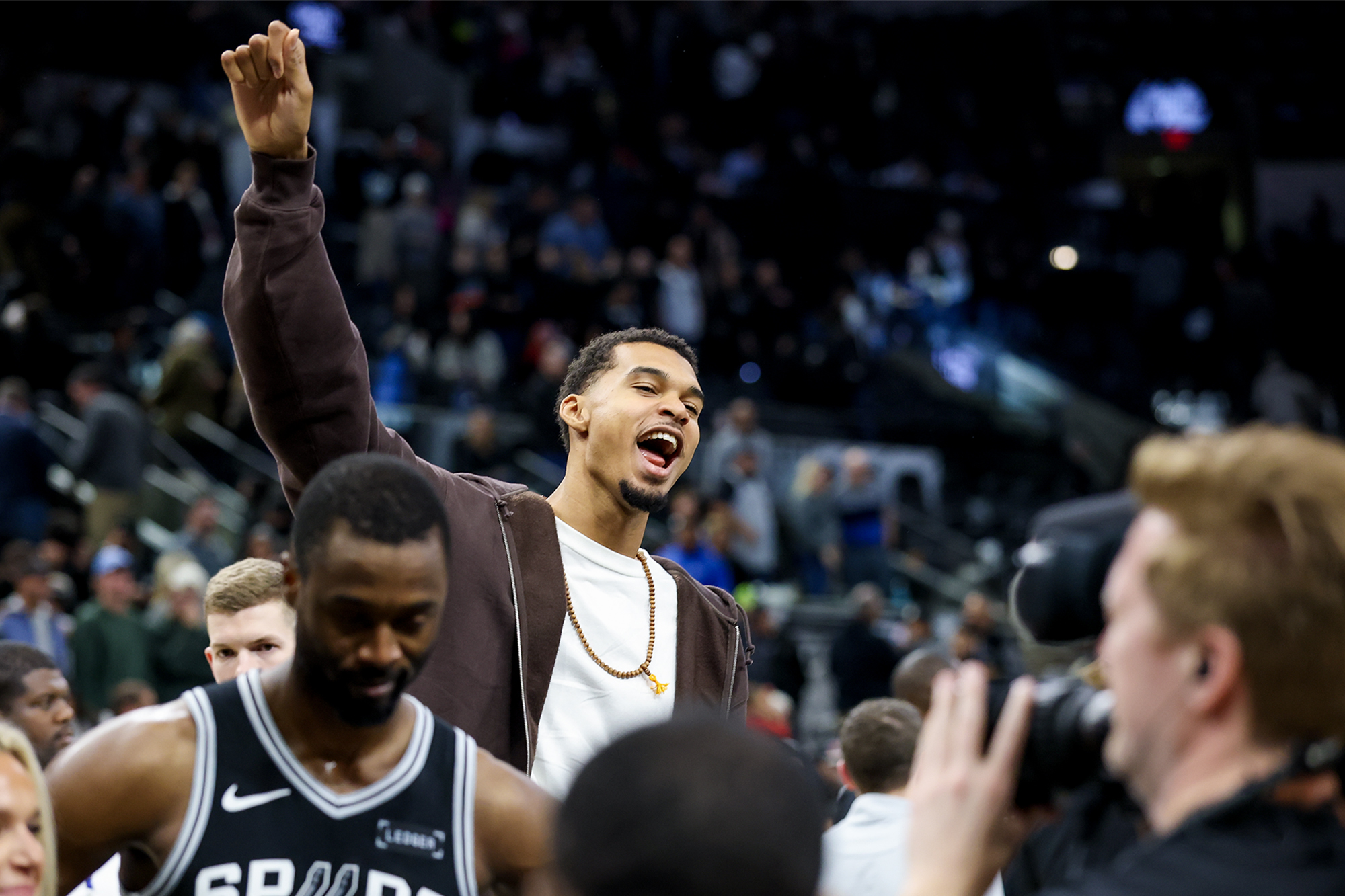
Victor Wembanyama Net Worth 2026: How the NBA’s “Alien” Built a Financial Empire
When LeBron James called Victor Wembanyama an “alien” back in 2022, he was describing a player unlike anything the basketball world had ever seen. A 7-foot-4 frame, a guard’s skill set, a center’s wingspan, and a shooter’s touch. What LeBron probably did not anticipate was that the label would also become the foundation of a multimillion-dollar brand. As of 2026, Victor Wembanyama net worth sits between an estimated $45 million and $55 million, and he is only in his third NBA season. That figure is not just impressive for his age; it is a case study in how modern athletes are rewriting the rules of financial success. Here is a complete breakdown of how Wemby is building his empire, both on and off the court. Victor Wembanyama Net Worth 2026: The Quick Snapshot Before diving into the detail, here is a clear overview of where Wembanyama stands financially in 2026. Financial Category Estimated Value (2026) Total Estimated Net Worth $45 million to $55 million Current NBA Salary (2025-26) $13,376,880 Estimated Annual Endorsement Income $30 million+ Primary Sponsor Nike (estimated $100M total deal) Key Investments Nanterre 92 (Minority Shareholder), Real Estate What makes this snapshot remarkable is the ratio. His endorsement income more than doubles his playing salary, which tells you everything about the kind of global brand he has already become at 22 years old. The NBA Contract: A Guaranteed Foundation Every financial empire needs a solid base, and for Wembanyama, that base is his NBA rookie contract with the San Antonio Spurs. As the number one overall pick in the 2023 NBA Draft, his deal was structured by league rules but remains one of the most lucrative entry-level contracts in sports history. Breaking Down the $55 Million Rookie Deal Victor signed a four-year, $55.17 million contract with the Spurs. The NBA’s rookie scale means top picks enjoy a level of financial security that most professional athletes can only dream of from day one. His year-by-year salary breakdown looks like this: By the end of this season, Wembanyama will have earned approximately $38.3 million in career salary alone before taxes. It is also worth noting that playing in Texas works in his favor financially, as the state has no income tax, meaning he keeps a larger share of every paycheck than players based in states like California or New York. Still, as significant as that number is, his NBA salary is just the starting point. The Nike Deal: Where the Real Money Lives If his Spurs contract builds the foundation, his Nike partnership builds the skyscraper on top of it. Shortly after entering the league, Wembanyama signed a historic footwear and apparel deal with Nike reportedly worth over $100 million. This is not a standard shoe sponsorship. It is a full signature branding partnership built around his unique identity. How Nike Turned “Wemby” Into a Global Brand Nike leaned hard into the alien mythology, even timing one of his logo reveals around a total solar eclipse in 2024. By 2026, the Nike Wemby signature line has become a genuine staple of basketball culture, worn on courts from San Antonio to Paris. The financial mechanics of the deal work in his favor in multiple ways. Beyond the guaranteed contract value, Wembanyama earns royalties on every pair of signature shoes sold, meaning his income scales with his popularity. Given that he is simultaneously a superstar in the United States and a national hero in France, Nike is using him as their primary bridge into the European basketball market, which significantly increases the commercial value he brings to the partnership. For context, LeBron James’ lifetime Nike deal is estimated to be worth over $1 billion. Wembanyama is only at the beginning of that kind of trajectory. Endorsements Beyond Basketball Victor Wembanyama net worth in 2026 is not built on sport alone. His 7-foot-4 frame, European elegance, and quiet confidence have made him one of the most sought-after faces in luxury marketing, putting him in a category of athletes usually reserved for the likes of Roger Federer and Lewis Hamilton. A Portfolio Built for the Long Term His current endorsement roster includes some of the most recognisable names in global business: Analysts estimate his total endorsement earnings in 2026 will exceed $30 million, more than double his on-court salary. That imbalance, where the brand outearns the contract, is a hallmark of truly elite global athletes. Smart Investing: Giving Back While Building Wealth What separates long-term wealthy athletes from those who burn through their earnings is investment strategy. Wembanyama, still only in his early twenties, has already started making moves that suggest he understands this distinction clearly. The Nanterre 92 Investment In early 2026, Wembanyama announced plans to become a minority shareholder in Nanterre 92, the French club where he developed as a player from age 10 to 17. It is the kind of move that mirrors what legends like Magic Johnson and Michael Jordan did during their playing careers, using their wealth and name to build ownership stakes in sporting institutions. The financial return on a French basketball club may be modest compared to other investment vehicles, but the long-term brand equity it generates in his home country is significant. It deepens his connection to the French sports market at exactly the moment his European commercial value is at its peak. He has also invested in high-end real estate in San Antonio, including a reportedly customised recovery property that features cryotherapy and hydrotherapy installations, custom-built furniture suited to his frame, and a private indoor court for training. These are not just lifestyle purchases; they are investments in his physical longevity, which is ultimately his most valuable asset. Why Wembanyama Is Trending in 2026 Search interest in Victor Wembanyama net worth 2026 has spiked sharply this year, and there are three clear reasons why. First, his on-court performance has been extraordinary. Averaging close to 25 points and over 3 blocks per game has placed him firmly in MVP conversations, and whenever a player enters
Read More
Top 10 Most Shocking Football Transfers That Almost Happened
Football is a game of inches, and nowhere is that truer than in the transfer market. For every blockbuster deal that makes the headlines, there is a shadow deal lurking behind it, one that came agonizingly close but collapsed at the last moment. A stubborn board member, a volcanic eruption, a proud ego, or a father’s phone call can completely rewrite history. These are not mere rumors. These are deals that were agreed, shirts that were printed, and flights that were booked. The football transfers that almost happened are, in many ways, more gripping than the ones that did. Here are the ten most jaw-dropping near-misses in the history of the beautiful game. 1. Diego Maradona to Sheffield United (1978) Before Diego Maradona became a deity in Naples and a World Cup legend in Mexico City, he was a 17-year-old phenom at Argentinos Juniors. Sheffield United manager Harry Haslam spotted him on a scouting trip to Argentina and was so stunned by what he saw that he immediately put together a £200,000 deal. The Blades’ board, however, refused to cover the additional costs for travel and paperwork. Instead, they signed Maradona’s compatriot Alex Sabella for a more palatable £160,000. It was a decent signing, but it was not Maradona. While Diego lifted the World Cup and became one of the greatest players ever, Sheffield United sank into the Fourth Division. The board saved a few thousand pounds and lost a generation of glory. 2. Zinedine Zidane to Blackburn Rovers (1995) Blackburn Rovers were Premier League champions in 1995 and manager Kenny Dalglish was looking to strengthen his squad with a young Frenchman from Bordeaux. That Frenchman was Zinedine Zidane. When Dalglish approached owner Jack Walker about the signing, Walker reportedly responded with one of the most infamous lines in football history: “Why do you want Zidane when we have Tim Sherwood?” That single sentence may be the most expensive opinion ever expressed by a club owner. Zidane moved to Juventus, then Real Madrid, and became arguably the greatest midfielder of his generation. Blackburn, meanwhile, never won the title again. 3. Cristiano Ronaldo to Arsenal (2003) Arsène Wenger has an infamous list of players he nearly signed, but Cristiano Ronaldo sits at the very top. The young Portuguese winger visited Arsenal’s training ground, had a shirt printed with his name on it, and held personal discussions with Wenger. Arsenal tabled an offer of £8 million, but Sporting Lisbon held out for more. While Arsenal hesitated, Manchester United played a pre-season friendly against Sporting. Ronaldo’s performance was so electrifying that the United players reportedly begged Sir Alex Ferguson to sign him on the flight home. Ferguson paid £12.24 million, and the rest belongs to football history. Wenger’s patience cost him one of the sport’s all-time greats. 4. Ronaldinho to Manchester United (2003) The summer of 2003 was a pivotal one for Manchester United. David Beckham had just been sold to Real Madrid, and the club needed a new icon. Their primary target was Ronaldinho, who was then dazzling at Paris Saint-Germain. The deal progressed so far that Ronaldinho himself later admitted he was just 48 hours away from signing. What stopped it? A phone call. Sandro Rosell, running for the Barcelona presidency, reminded Ronaldinho of a promise he had made to join Barça if Rosell won the election. Rosell won. Ronaldinho headed to the Nou Camp, where he won the Ballon d’Or and became one of the most beloved players of his era. United, in a silver lining for the ages, turned their attention to a teenage Cristiano Ronaldo instead. 5. Robert Lewandowski to Blackburn Rovers (2010) Blackburn Rovers appear on this list a second time, and this time not even the manager can be blamed. In 2010, Sam Allardyce was on the verge of signing a young Robert Lewandowski from Lech Poznan for £4 million. The deal was essentially done. Lewandowski was at the airport, bags packed, ready to fly to Lancashire and put pen to paper. Then Iceland’s Eyjafjallajökull volcano erupted. The resulting ash cloud shut down airspace across Northern Europe. During the enforced delay, Borussia Dortmund moved quickly and secured Lewandowski’s signature. He went on to win multiple Bundesliga titles and became one of the deadliest strikers in Champions League history. Blackburn were relegated the following season. You genuinely cannot make it up. 6. Zlatan Ibrahimović to Arsenal (2000) A 16-year-old Zlatan Ibrahimović traveled to London to meet Arsène Wenger. Wenger, impressed by what he had heard, offered the teenager a trial. Most aspiring footballers would have jumped at the chance. Zlatan was not most footballers. He reportedly declined with the now legendary line: “Zlatan doesn’t do auditions.” He walked out of the meeting, signed for Ajax shortly after, and launched one of the most decorated careers in the history of the sport. Wenger later admitted he regretted not simply signing him outright. It was the second time in a decade that Wenger’s cautious approach cost him a generational talent. 7. Steven Gerrard to Chelsea (2005) This was not a quiet transfer rumor. This was a full-blown crisis at the heart of Liverpool Football Club. Just weeks after captaining Liverpool to one of the most miraculous Champions League victories of all time in Istanbul, Steven Gerrard handed in a transfer request. José Mourinho’s Chelsea had offered £32 million, and Gerrard, feeling undervalued by the Anfield board, appeared ready to cross enemy lines. The reaction in Liverpool was ferocious. Gerrard’s replica shirts were burned in the streets. After a night of reflection and urgent conversations, he performed a dramatic U-turn within 24 hours, recommitting himself to the club he had supported since childhood. It remains the closest a modern Premier League icon has ever come to joining a direct rival at the absolute peak of his powers. 8. Kaká to Manchester City (2009) In January 2009, the newly Abu Dhabi-backed Manchester City wanted to announce themselves to the world, and they did so by placing a world-record £100 million
Read More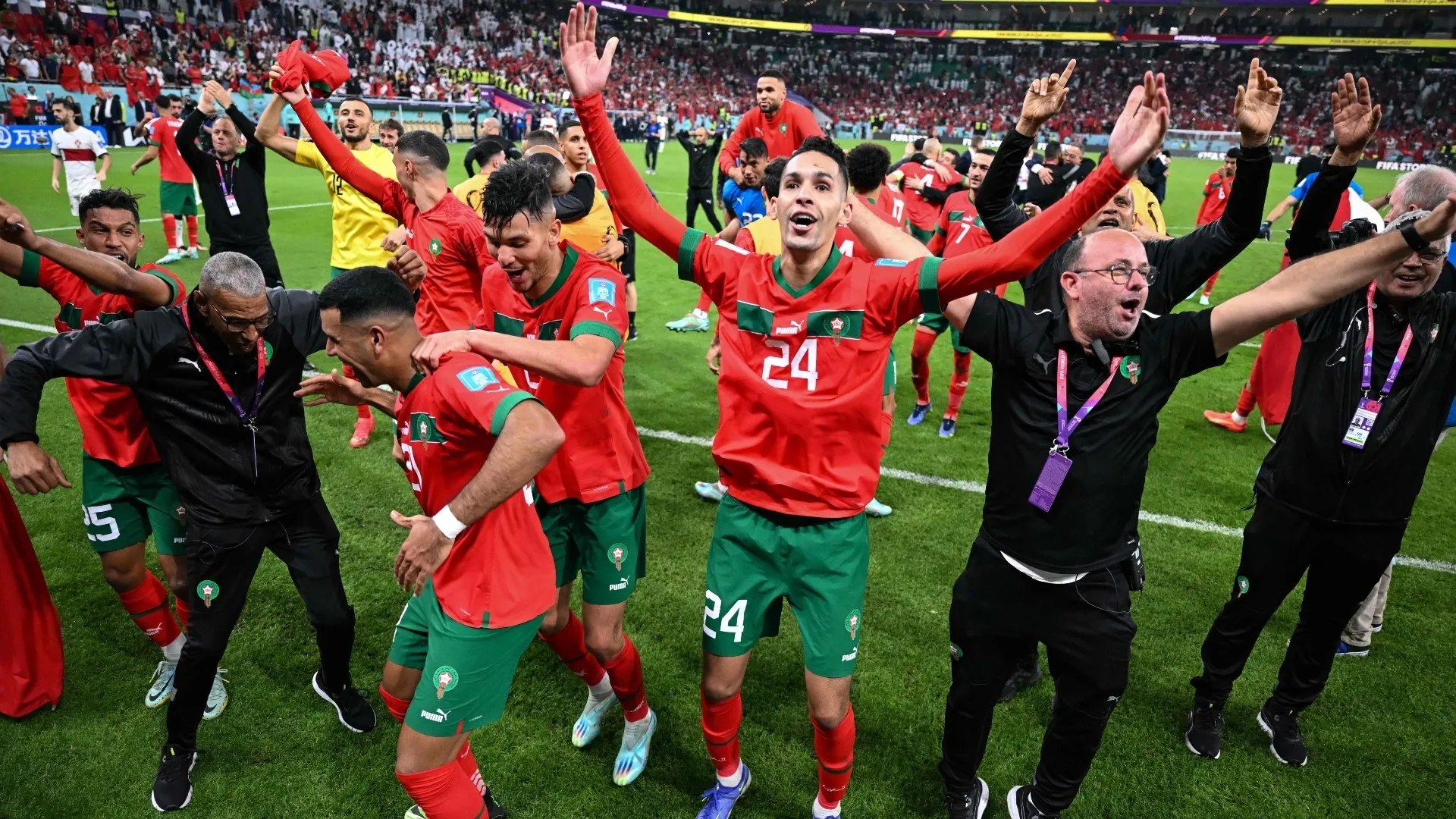
Classement FIFA Africa 2026: Top 10 African Rankings Explained
African football is in the middle of one of its most fascinating and competitive eras. As the FIFA World Cup 2026 approaches across Canada, Mexico, and the United States, the Classement FIFA Africa 2026 paints a vivid picture of where the continent stands, who is rising, who is under pressure, and which nations are quietly building something special. This is not just a list of numbers. It is a story of tactical evolution, generational transitions, and the shifting balance of power across a continent of 54 football nations. Here is the complete breakdown of the Classement FIFA Africa 2026 top 10, followed by the deeper trends every football fan needs to understand. Official Classement FIFA Africa: April 2026 This represents the final official FIFA update before the 2026 World Cup kicks off in North America, making it the most significant ranking snapshot of the entire cycle. Africa Rank Country Global Rank Total Points Movement 1 Morocco 8th 1755.87 Stable 2 Senegal 14th 1688.99 Down 2 3 Nigeria 26th 1585.09 Stable 4 Algeria 28th 1564.26 Up 1 5 Egypt 29th 1563.24 Up 2 6 Côte d’Ivoire 34th 1532.98 Up 3 7 Tunisia 44th 1483.05 Up 3 8 Cameroon 45th 1481.24 Down 1 9 DR Congo 46th 1478.35 Up 2 10 Mali 52nd 1459.13 Up 2 1. Morocco: The Only African Nation in the Global Top 10 Morocco sits at 8th in the world, a position that would have seemed extraordinary just a decade ago and now feels entirely deserved. At the very top of the Classement FIFA Africa 2026, the Atlas Lions are the undisputed standard-bearers of African football, and their dominance is not built on a single tournament result but on a sustained infrastructure that has been developing since their historic 2022 World Cup semi-final run in Qatar. A clinical 2-1 victory over Paraguay in March 2026 further reinforced their points cushion at the summit. If Morocco delivers a strong performance at the World Cup this summer, they could realistically break into the global top five by the end of the year, a feat no African nation has ever achieved. 2. Senegal: The Primary Challenger to Morocco’s Throne Despite slipping two places globally, Senegal remains comfortably in the elite tier of world football at 14th overall. The Lions of Teranga are the most credible threat to Morocco’s continental dominance in the Classement FIFA Africa 2026, and their squad depth is arguably their greatest strength. A blend of experienced leaders and emerging talent coming through the academies in Dakar gives Senegal the kind of generational continuity that sustains top-level performance across multiple tournament cycles. The slight dip in the rankings should not be misread as decline. Senegal remains a genuine World Cup contender and one of the most complete squads on the African continent heading into the summer. 3. Nigeria: High Ranking, Absent from the World Cup Nigeria’s position in the Classement FIFA Africa 2026 is one of the most thought-provoking entries on the entire list. The Super Eagles sit third in Africa and 26th globally, yet they will not be at the 2026 World Cup. That contradiction tells you a great deal about both the strengths and the limitations of the FIFA ranking system. Nigeria’s high points total reflects consistent high-scoring performances in continental qualifiers and a bronze medal finish at the 2025 AFCON. But ranking points and competitive relevance are not always the same thing. Their failure to win the specific high-leverage qualification matches that mattered most means they remain a powerful footballing nation watching the tournament from home. Expect their ranking to face significant pressure in the post-World Cup period as nations who compete in North America accumulate weighted points from tournament wins. 4. Algeria and Egypt: North Africa’s Closest Battle The gap between Algeria at 28th globally and Egypt at 29th is a mere 1.02 points, making this the tightest contest anywhere in the Classement FIFA Africa 2026. Both nations have undergone significant tactical and generational shifts heading into this World Cup cycle. Algeria has successfully integrated a younger generation of dual-national talents, bringing fresh energy and European club experience into a squad that had previously relied heavily on an older core. Egypt meanwhile has shifted toward a more defensively balanced tactical setup, making them exceptionally difficult to break down in high-stakes matches. Both nations are heading to the 2026 World Cup, and both carry genuine potential to cause upsets in North America. 5. Côte d’Ivoire: The Biggest Movers in the Upper Tier Côte d’Ivoire are the standout movers in the top half of the Classement FIFA Africa 2026, climbing three places to sit 34th globally. The Elephants are riding the momentum of their emotionally charged 2023 AFCON victory on home soil, and their squad has reached a level of maturity that makes them dangerous in any competition. With the majority of their starting eleven playing across Europe’s top five leagues, Côte d’Ivoire bring a level of technical quality and tactical awareness that was not always present in previous generations. They are hitting their peak at exactly the right moment, which makes them one of the more compelling African sides to watch at the 2026 World Cup. 6. Tunisia and Cameroon: The Old Guard Under Pressure Tunisia and Cameroon represent two of African football’s most established presences, and both find themselves at an interesting crossroads in the Classement FIFA Africa 2026. Tunisia have climbed to 44th globally on the back of disciplined defensive performances, demonstrating that tactical organization can compensate for a lack of individual star power at the international level. Cameroon at 45th tell a slightly different story. Inconsistent results in friendly matches against non-African opposition have cost them ground, and there are genuine questions about whether the technical setup surrounding the squad is modern enough to compete with the continent’s more progressive nations. If both Tunisia and Cameroon do not modernize their approaches, rising forces like South Africa’s Bafana Bafana, currently knocking on the door at 60th globally, could push them out of the
Read More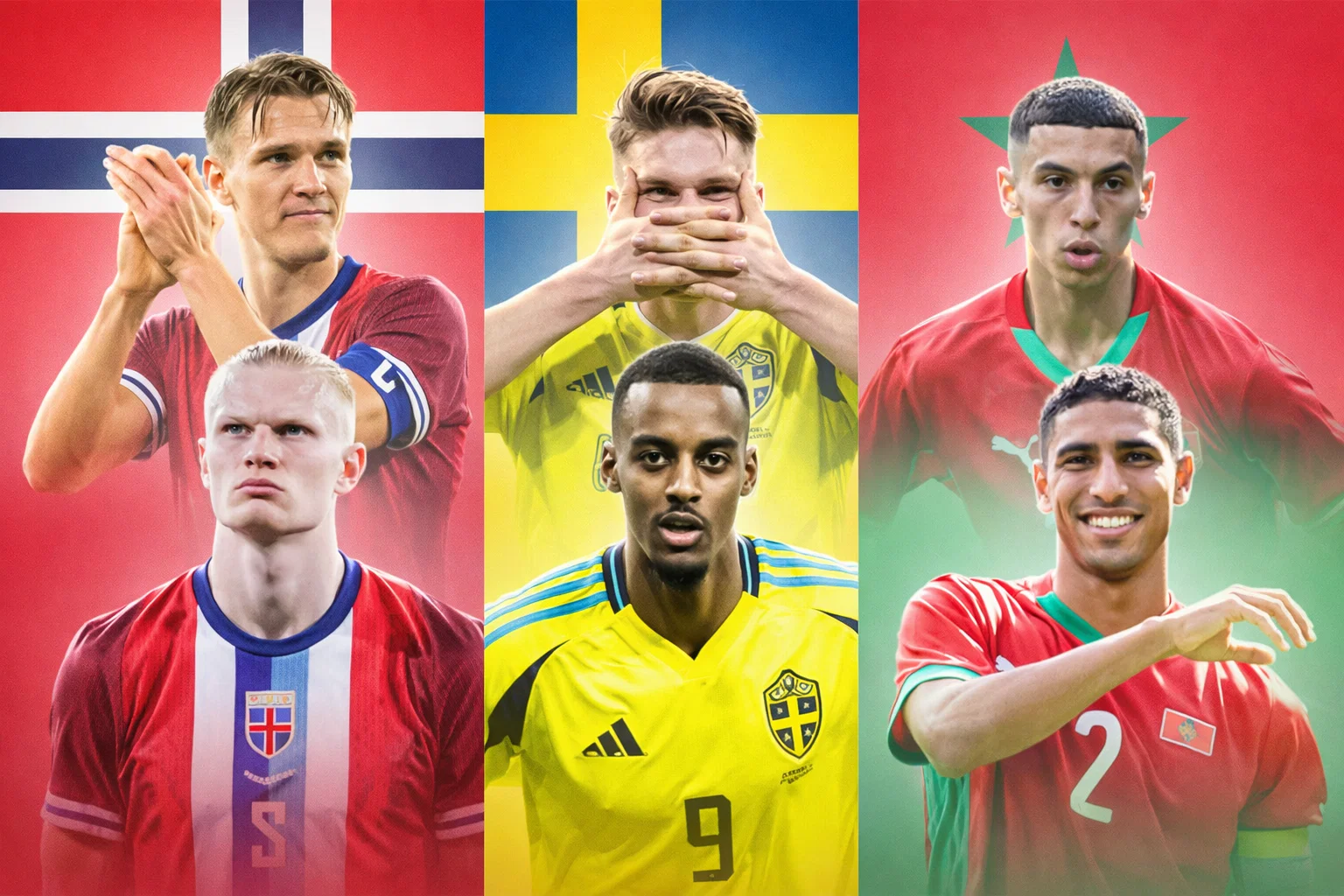
Top 10 Dark Horses for the FIFA World Cup 2026
The FIFA World Cup 2026 is unlike any tournament that has come before it. For the first time in history, 48 nations will compete across three host countries, Canada, Mexico, and the United States, in a expanded format that introduces a Round of 32 and creates more opportunities than ever for the unexpected to happen. Brazil, France, and Argentina will arrive as favorites, but the beautiful game has never been kind to certainty. In this new landscape, the dark horses matter more than ever. One disciplined defensive shape, one moment of individual brilliance, one upset in a single 90-minute window, and the entire bracket shifts. These ten nations are the ones to watch: teams with the tactical identity, the rising stars, and the competitive pedigree to genuinely threaten the traditional giants of world football. Why the 2026 Format Is Built for Upsets Before diving into the teams themselves, it is worth understanding why this particular World Cup is so favorable for dark horses. The expanded 48-team format means every knockout match carries amplified variance. A tactically disciplined side does not need to be better than a favorite across multiple games. They only need to be better for 90 minutes, or sometimes just better for one moment in extra time. Add in the diverse climates across North American host cities, from the summer humidity of the US East Coast to the high-altitude conditions of Mexican venues, and the physical and tactical demands become unpredictable in ways that favor well-drilled, physically prepared underdogs. The 2026 dark horses listed below understand this landscape better than most. 1. Japan: Tactical Architects Who Have Outgrown the Underdog Label Japan enters the 2026 World Cup no longer as a surprise package but as a genuine tactical blueprint for how to compete against elite opposition. Under coach Hajime Moriyasu, the Samurai Blue have evolved from a hardworking but limited side into a team capable of dictating tempo against world-class opponents. Their system, a 4-2-3-1 and 3-4-3 hybrid, is built around intelligent pressing rather than aimless chasing. Japan baits elite midfields into specific trap zones before launching rapid transitions that few international teams can handle in real time. With Takefusa Kubo of Real Sociedad and Kaoru Mitoma of Brighton providing genuine world-class threat on the wings, and Wataru Endo anchoring the defensive structure, Japan boasts arguably their strongest squad in history. Almost their entire starting eleven plays in Europe’s top five leagues, a depth that makes them one of the most credible dark horses FIFA World Cup 2026 has to offer. 2. Ecuador: South America’s Battle-Hardened Physical Force If any tournament prepares a team for the pressures of a World Cup, it is CONMEBOL qualifying. Ecuador survived the most demanding regional qualification process in world football and emerged as a team built on athleticism, defensive discipline, and collective resilience. La Tri are a nightmare matchup for European giants precisely because of their physical profile. They are fast, strong in the air, and entirely comfortable competing in the high-intensity environments that the 2026 climate diversity will demand. The midfield spine of Moisés Caicedo combined with the defensive solidity of Piero Hincapié gives Ecuador a foundation that rivals established European nations. The most exciting addition to this picture is Kendry Páez, the teenage creative spark who provides something Ecuador has historically lacked: the ability to unlock a low defensive block in the group stages when the opposition sits deep. 3. Norway: The Haaland Factor Is Not a Gimmick Norway returns to the World Cup stage for the first time since 1998, and they arrive with the most clinical finisher in world football leading the line. Erling Haaland’s presence alone changes the tactical calculus for any opponent Norway faces, but reducing this team to one player significantly undersells what they bring to the tournament. Martin Ødegaard provides Premier League quality in the playmaking role, while the emergence of Oscar Bobb and Alexander Sørloth has transformed Norway from a two-man threat into a genuinely multi-dimensional attacking unit. Their strategy is straightforward but brutally effective: defensive solidity combined with direct service to Haaland whenever the opportunity arises. In a tournament where fatigue accumulates and margins shrink, having a striker who needs half a chance to score is one of the most valuable assets any dark horse FIFA World Cup 2026 contender can possess. 4. Morocco: The Giant-Killers Who Only Got Better Morocco’s historic semi-final run at the 2022 Qatar World Cup announced them to the world. Many expected them to decline after losing key figures from that campaign. Instead, they doubled down, won the Africa Cup of Nations, and arrived at 2026 sharper and more complete than before. The Atlas Lions defend not out of fear but out of tactical intelligence, using their shape to control space rather than simply absorb pressure. Achraf Hakimi and Noussair Mazraoui represent arguably the finest fullback partnership in international football, capable of neutralizing elite wingers while remaining primary attacking threats themselves. The most significant upgrade since Qatar is the integration of Brahim Díaz from Real Madrid in a central creative role, giving Morocco a possession-based dimension that pure counter-attacking teams simply do not have. They are not just a dark horse. They are a genuine quarterfinal threat. 5. Colombia: The Americas Resurrection Story Colombia missed the 2022 World Cup entirely, and the reset that followed has produced something genuinely exciting. They enter 2026 on one of international football’s longest unbeaten streaks, combining experienced leadership with a new generation of explosive attacking talent. Luis Díaz is the prototype for the modern dark horse attacker: capable of creating danger entirely through individual quality even when his team is being outplayed in possession. Colombia’s additional advantage is geography and culture. Playing significant matches in US host cities with enormous Latin American communities means many of their fixtures will generate an atmosphere resembling a home game, a psychological edge in tight knockout moments that is easy to underestimate and very difficult to replicate. 6. Uzbekistan: The Debutant Nobody Has Figured
Read More
Top 10 Richest Tennis Players Who Never Won a Grand Slam
In tennis, the Grand Slam is everything. The Australian Open, Roland Garros, Wimbledon, and the US Open represent the sport’s ultimate measure of greatness, and players who collect them are immortalized in the record books. But what about the players who built extraordinary fortunes without ever lifting one of those four trophies? Their stories are just as compelling, and in some cases, their bank accounts are just as impressive. This list of the richest tennis players without a Grand Slam title proves that sustained excellence, global marketability, and smart business decisions can create generational wealth regardless of what happens in a Major final. Here is the complete breakdown. Number 1: Alexander Zverev ($35 Million to $40 Million) Alexander Zverev sits at the top of the richest tennis players without a Grand Slam list, and it is not particularly close. The German star has accumulated over $42 million in career prize money alone, placing him among the highest earners in ATP history. He has come agonizingly close to a Major title, most notably at the 2020 US Open and the 2024 French Open, but the trophy has continued to elude him. What keeps Zverev firmly at the top of this list is the caliber of his commercial portfolio. Partnerships with Adidas, Richard Mille, and Rolex place him in the same marketing tier as confirmed Grand Slam champions. His Olympic gold medal at Tokyo 2020 and multiple ATP Finals victories have ensured his marketability remains at a premium even without a Major to his name. Number 2: Kei Nishikori ($30 Million to $35 Million) Kei Nishikori is perhaps the most commercially extraordinary player on this entire list. His career prize money sits at approximately $25 million, which is impressive on its own, but his off-court earnings have at times rivaled those of the sport’s absolute elite. At his commercial peak, Nishikori was reportedly earning over $30 million per year from endorsements alone. The explanation lies in his market. As the defining Japanese tennis star of his generation, Nishikori became a national icon in one of the world’s largest consumer economies. Long-term partnerships with Uniqlo, Wilson, and Japan Airlines reflect the extraordinary commercial value he held in the Asian market. He reached one Grand Slam final, the 2014 US Open, but his financial legacy extends far beyond that single result. Number 3: Stefanos Tsitsipas ($25 Million to $30 Million) Stefanos Tsitsipas has built something genuinely unique in professional tennis: a personal brand that exists almost independently of his match results. With career prize money surpassing $30 million and sponsorships with Rolex and Red Bull, the Greek star has secured his financial future through a combination of on-court consistency and off-court creativity. Tsitsipas runs a successful YouTube channel, engages fans through social media subscriptions, and presents himself as a philosopher and traveler as much as an athlete. This approach has attracted brands looking for authenticity rather than just trophies, and it has paid off handsomely. His repeated deep runs at the Australian Open and Roland Garros have kept him relevant at the sport’s highest level throughout the 2020s. Number 4: Milos Raonic ($25 Million to $30 Million) Milos Raonic was the face of Canadian tennis for a full decade before the next generation arrived. The powerful serve-and-volley specialist reached the Wimbledon final in 2016 and peaked at World No. 3, collecting over $20 million in prize money during a career significantly disrupted by injuries. His early dominance during the era of Federer, Nadal, and Djokovic, three players who dominated every Major for over fifteen years, made his achievements all the more remarkable. Beyond prize money, Raonic became a pioneer for New Balance in tennis through a significant apparel partnership that considerably boosted his net worth. Smart investments in real estate and technology startups have continued growing his wealth well beyond his playing peak, making him one of the savvier financial operators this sport has produced. Number 5: Casper Ruud ($18 Million to $22 Million) Casper Ruud has built his fortune on two things: clay court dominance and one of the most likeable public images in professional tennis. The Norwegian has reached multiple Grand Slam finals at Roland Garros and the US Open, coming close to a title on more than one occasion, but his career prize money of approximately $20 million reflects consistent excellence across years of high-level competition. His “nice guy” reputation has proven genuinely valuable in commercial terms. Sponsorships with Yonex and Samsonite, combined with his status as arguably the most prominent athlete in Scandinavia, a region with significant purchasing power, have made Ruud a highly sought-after commercial partner. He is proof that personality and consistency can build a very comfortable fortune even without the sport’s biggest titles. Number 6: Jessica Pegula ($13 Million to $20 Million) Jessica Pegula’s entry on this list comes with important context. Her personal career earnings from prize money and endorsements exceed $18 million as of early 2026, making her one of the wealthiest active players on the WTA Tour through her own efforts. She is also, separately, the daughter of Terry and Kim Pegula, owners of the NFL’s Buffalo Bills and NHL’s Buffalo Sabres, placing her family wealth in an entirely different category. On the court, Pegula has been a model of top-ten consistency, regularly reaching Grand Slam quarterfinals and winning WTA 1000 level events. Off it, she has demonstrated genuine entrepreneurial instincts through the launch of her own skincare line, Ready 24, alongside endorsement deals with Adidas and Yonex. She represents the new generation of tennis players who build personal commercial ecosystems that extend well beyond the sport itself. Number 7: Elina Svitolina ($15 Million to $20 Million) Ukraine’s greatest tennis player has accumulated over $23 million in career prize money while winning the prestigious WTA Finals in 2018 and claiming an Olympic bronze medal in Tokyo. Elina Svitolina’s financial story is one of consistent top-level performance combined with strong brand partnerships, most notably long-running relationships with Nike and Wilson across the Eastern European
Read More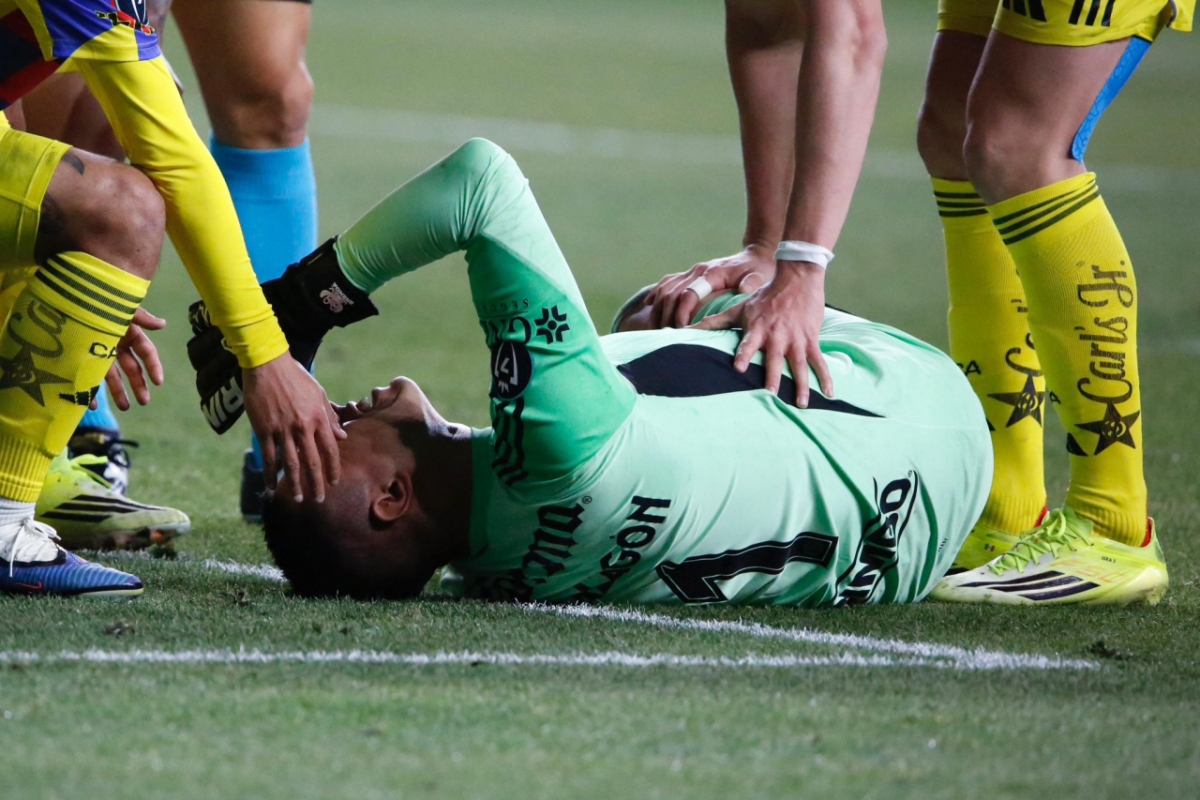
2026 FIFA World Cup Injury List: Confirmed Absentees, Neymar’s 77-Day Countdown, and Every Star in Doubt
The 2026 FIFA World Cup kicks off in less than 75 days — and the casualty list is already longer than any tournament in recent memory. From ACL tears tearing through South American squads to fresh muscle injuries rattling England’s preparations, this is shaping up to be the most injury-disrupted World Cup of the modern era. Much of the blame lies with an increasingly brutal club calendar. The expanded UEFA Champions League, the new FIFA Club World Cup, and packed domestic schedules have left elite players running on fumes. Knees, in particular, are paying the price — there have already been more significant ACL ruptures among World Cup-caliber players in 2025-26 than in any comparable pre-tournament window in the last two decades. This is the complete, fact-checked 2026 FIFA World Cup injury list as of April 2, 2026: who is definitely out, who is desperately racing the clock, which stars are being falsely linked with injuries, and which nations are most severely damaged. We have also separated players who are genuinely injured from those simply absent because their nation failed to qualify — a distinction that trips up a surprising number of fans searching online right now. Confirmed Absentees: The Definites These players will not be at the 2026 World Cup. Their injuries are confirmed, their recovery timelines place them well beyond the tournament window, and no amount of optimism from their clubs or national associations is going to change that. Rodrygo (Brazil) suffered an ACL tear at Real Madrid that has ended his tournament chances. For a Brazil side already managing fitness concerns across its attack, losing one of the most dynamic wide forwards in world football is a serious blow — not just in quality, but in the psychological confidence that comes with having elite options on the bench. Mexico have been the hardest-hit nation before a ball has even been kicked in North America. Marcel Ruiz of Toluca and goalkeeper Luis Ángel Malagón of Club América have both suffered ACL tears, devastating El Tri’s depth at two important positions. For a co-hosting nation that carries enormous pressure to finally break its knockout-stage curse, these losses carry extra weight. The scale of Mexico’s misfortune before their home tournament has echoes of the frustration that has defined their World Cup history for decades. Islam Issa (Egypt) confirmed his ACL injury on April 2, officially ending his participation. And Marc-André ter Stegen (Germany) — dealing with persistent knee complications stemming from an earlier procedure — is considered highly likely to miss the tournament entirely, leaving Germany with a significant void in goal just as the competition begins. The Legend Watch: Neymar and Ronaldo Neymar is in a genuine race against time. Currently at Santos, the Brazilian forward has 77 days to prove to Brazil head coach Carlo Ancelotti that he deserves a place in the squad. Ancelotti’s recent comment that the squad is “quite defined” was not an encouraging signal. Neymar has suffered a series of debilitating injuries over the past three years, and even his most loyal supporters acknowledge that his chance of being fully match-fit — not just present, but tournament-ready — is probably around 50/50. Brazil without Rodrygo and without a fit Neymar is a very different proposition from the side that most people are picturing when they write them into their bracket. Cristiano Ronaldo presents a slightly different picture. The 41-year-old has been sidelined with a hamstring injury since late February, missing a month of action with Al Nassr. Portuguese coaching staff remain publicly optimistic, and Ronaldo’s sheer determination to be present at what would almost certainly be his final World Cup should not be underestimated. But a hamstring injury at his age, sustained during the most physical period of the European season, demands careful management. Portugal will not risk him until he is genuinely ready — and whether that translates to “ready for the opening game” remains to be seen. Racing the Clock: Recent March and April Breakdowns If the ACL injuries represent the slow-burn damage of the calendar crisis, this category is where the pre-tournament anxiety is peaking right now. Phil Foden (England) suffered a high-impact injury during England’s friendly against Uruguay on March 29. Early scans indicate a significant muscle strain, and his availability for England’s tournament opener is genuinely in doubt. Foden has been one of the most consistent performers in Thomas Tuchel’s setup — creative, relentless, capable of unlocking defensive structures that England would otherwise struggle to break down. His absence, even for one or two group games, meaningfully reduces England’s ceiling. Reece James (England) has suffered his tenth hamstring injury of his career, in late March. Chelsea manager Liam Rosenior has been predictably cautious in his assessment, and James’ injury history strongly suggests a recovery timeline that makes the opening stages of the tournament extremely tight. England have now lost James so many times that their setup is designed to function without him — but having him fully fit remains the difference between a good right side and an elite one. Raphinha (Brazil) has been ruled out until May 2026 with a hamstring tear, missing the Champions League quarterfinals in the process. He must return to full fitness and then immediately hit peak form to have any hope of boarding the plane to North America. Coaches are notoriously cautious about rushing players back from this type of injury, and Brazil’s medical staff will be watching his recovery extremely closely in May. Fact-Check: The Biggest Rumors Currently Circulating Are False This is the most important section of any credible 2026 FIFA World Cup injury list — and the one that most rival articles fail to include. Social media has a well-documented tendency to manufacture or amplify injury rumors in the weeks before major tournaments, and 2026 is no different. Kylian Mbappé is not injured. Despite reports circulating in late March of a “partial ligament rupture,” Mbappé himself confirmed on April 1 that his knee issue is fully resolved and he
Read More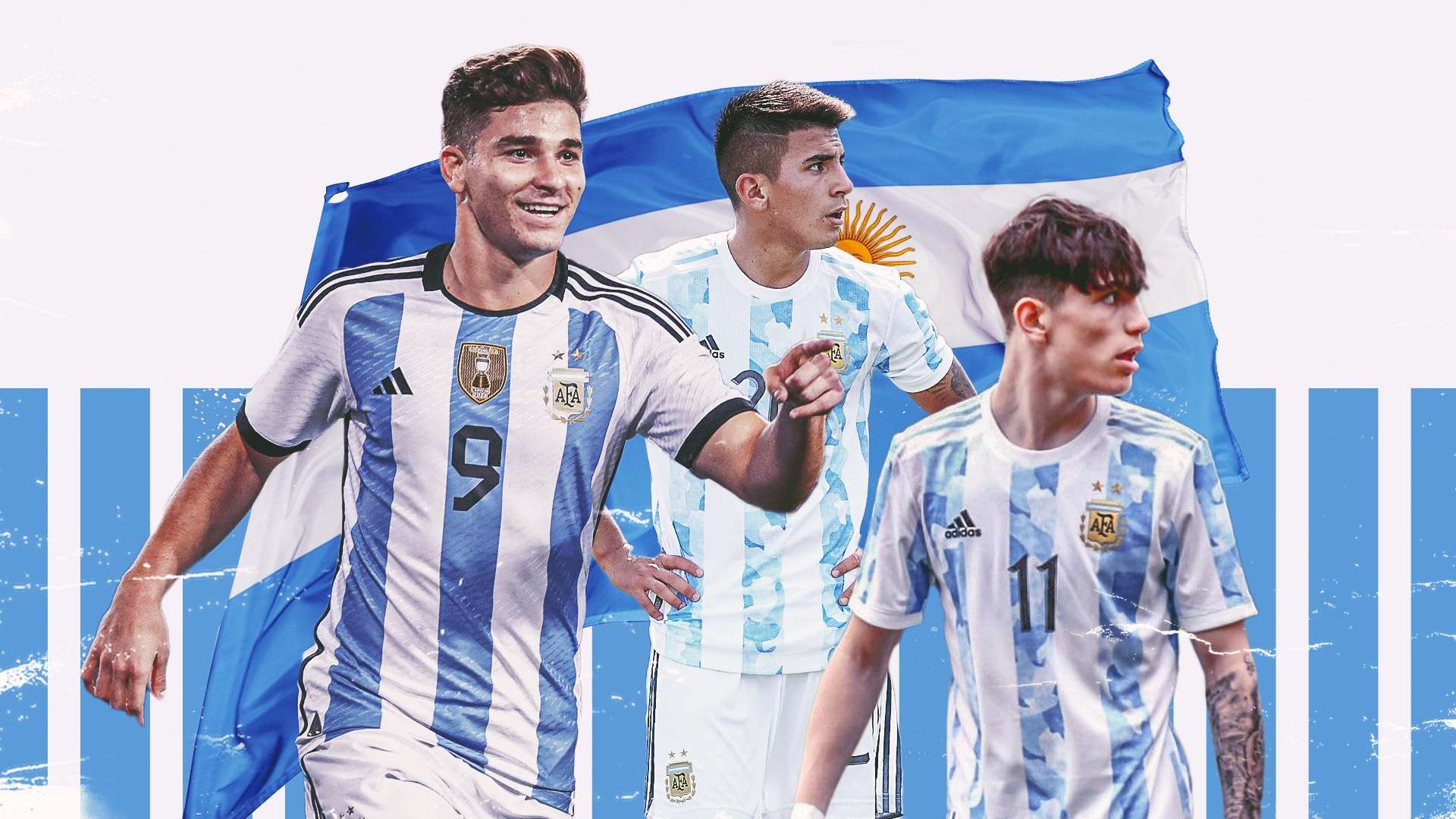
Argentina 2026 World Cup: Can La Albiceleste Become the First Back-to-Back Champions in 64 Years?
The last time a nation lifted the World Cup trophy and returned four years later to do it again, Elvis Presley was still making records, the Berlin Wall hadn’t been built yet, and the tournament itself flickered on television sets the size of a microwave. That was 1962. Brazil had won in Sweden in 1958, returned to Chile, and did the unthinkable again — a feat so remarkable that no team in the six decades since has come within touching distance of repeating it. Now, Argentina are going to try. They arrive at the Argentina 2026 World Cup campaign carrying a weight of expectation that would buckle most squads. They are the reigning world champions. They are the back-to-back Copa América holders. And under the quietly brilliant Lionel Scaloni, they have built something that looks less like a team riding a hot streak and more like a machine engineered specifically for tournament football. The numbers back it up: a dominant CONMEBOL qualifying campaign, a tactical masterclass that dismantled Brazil 4-1, and a squad whose ceiling may actually be higher now than when they lifted the trophy in Lusail in 2022. The Messi Question: Savior, Super-Sub, or Sideshow? No preview of Argentina at the 2026 World Cup is complete without confronting the Lionel Messi question head-on. At 38, the greatest player the sport has ever produced is approaching this tournament like a man who knows exactly what he is trying to accomplish. His participation is widely expected but not yet officially confirmed, and his role — should he feature — will look considerably different from Qatar. Playing for Inter Miami in MLS, Messi has adopted what can only be described as a “day-by-day” approach to managing his physical condition, prioritizing longevity over minutes. Scaloni has responded intelligently, transitioning the team’s tactical identity away from Messi as the primary engine and toward a system where he functions as a late-game impact substitute or a deep-lying playmaker who controls tempo rather than creates it from scratch. The clearest evidence that this transition is working? Argentina’s staggering 4-1 demolition of Brazil. Messi barely featured in that performance as the fulcrum — yet the result was emphatic. Argentina have learned, perhaps more powerfully than any other nation at this tournament, how to carry their greatest player while being capable of winning without him. The Spine That Won It All — and Got Better The tactical foundation of the 2022 Qatar triumph remains largely intact, and several of its key components have since reached the peak of their powers. Emiliano “Dibu” Martínez remains one of the most psychologically formidable goalkeepers in international football. Cristian Romero, now a seasoned veteran of high-pressure club football at Tottenham, has matured into one of the finest centre-backs in Europe. In midfield, the axis of Enzo Fernández and Alexis Mac Allister gives Scaloni a blend of energy, technical precision, and relentless pressing intensity that few nations can match. Up front, the so-called “Double 9” dilemma persists — though it is the kind of dilemma most coaches would kill for. Lautaro Martínez at Inter Milan and Julián Álvarez at Atlético Madrid are both operating at the peak of their powers, scoring regularly in the Champions League and competing for golden boots in their respective leagues. The question of which one leads the line in the tournament’s biggest moments is one of the few genuinely unresolved selection puzzles Scaloni faces. The departure of Ángel Di María from international football was expected to leave a gap that could not easily be filled — the wide threat, the big-game deliveries, the unstoppable crosses that created so many decisive moments in Qatar. Scaloni has addressed this not by finding a single replacement but by reconfiguring the system entirely, using overlapping fullbacks like Nahuel Molina and versatile wide midfielders to create width through collective movement rather than individual brilliance. The New Generation: Three Names to Watch One of the most compelling aspects of Argentina’s 2026 World Cup preparations is the emergence of young talent that was nowhere near the picture in Qatar. Three names stand above the rest. Franco Mastantuono, already embedded in Real Madrid’s setup at just 17, is the kind of creative prodigy that comes along once a generation. Technical, fearless, and capable of unlocking defenses in tight spaces, he has drawn comparisons to a young Messi — though Scaloni has been careful to manage expectations and integrate him gradually. Nicolás Paz has had a breakout season at Como in Serie A, providing the midfield creativity and progressive passing range that gives Argentina an additional dimension in central areas. He is the kind of player who makes the team better without necessarily appearing on the scoresheet, and Scaloni values that immensely. Valentín Barco adds something different again — a left-sided option who can play as a fullback or a winger, offering genuine tactical flexibility in a position where Argentina have historically been short of options since the peak years of Marcos Rojo and Marcos Acuña. His ability to bomb forward and deliver from wide areas gives Scaloni a card he didn’t have in 2022. The Threats: Three Reasons Argentina Could Fall Short Balanced analysis demands acknowledging the challenges, and Argentina face three significant ones. The first is the aging defensive leadership. While Romero is in his prime, Nicolás Otamendi — the defensive leader who commanded the backline with such authority in Qatar — is approaching the end of his international career. Against the explosive transitional pace of France, England, or Spain, the question of whether Argentina’s defensive structure can handle top-tier counter-attacks will be a recurring concern. The second is the “target team” effect. As defending champions, every opponent treats a match against Argentina like a final. This creates a relentless physical and psychological tax that accumulates across a seven-game tournament. The best teams manage it. The question is whether even the best teams can manage it in an expanded format. Which brings us to the third challenge: the 48-team format itself. The 2026
Read More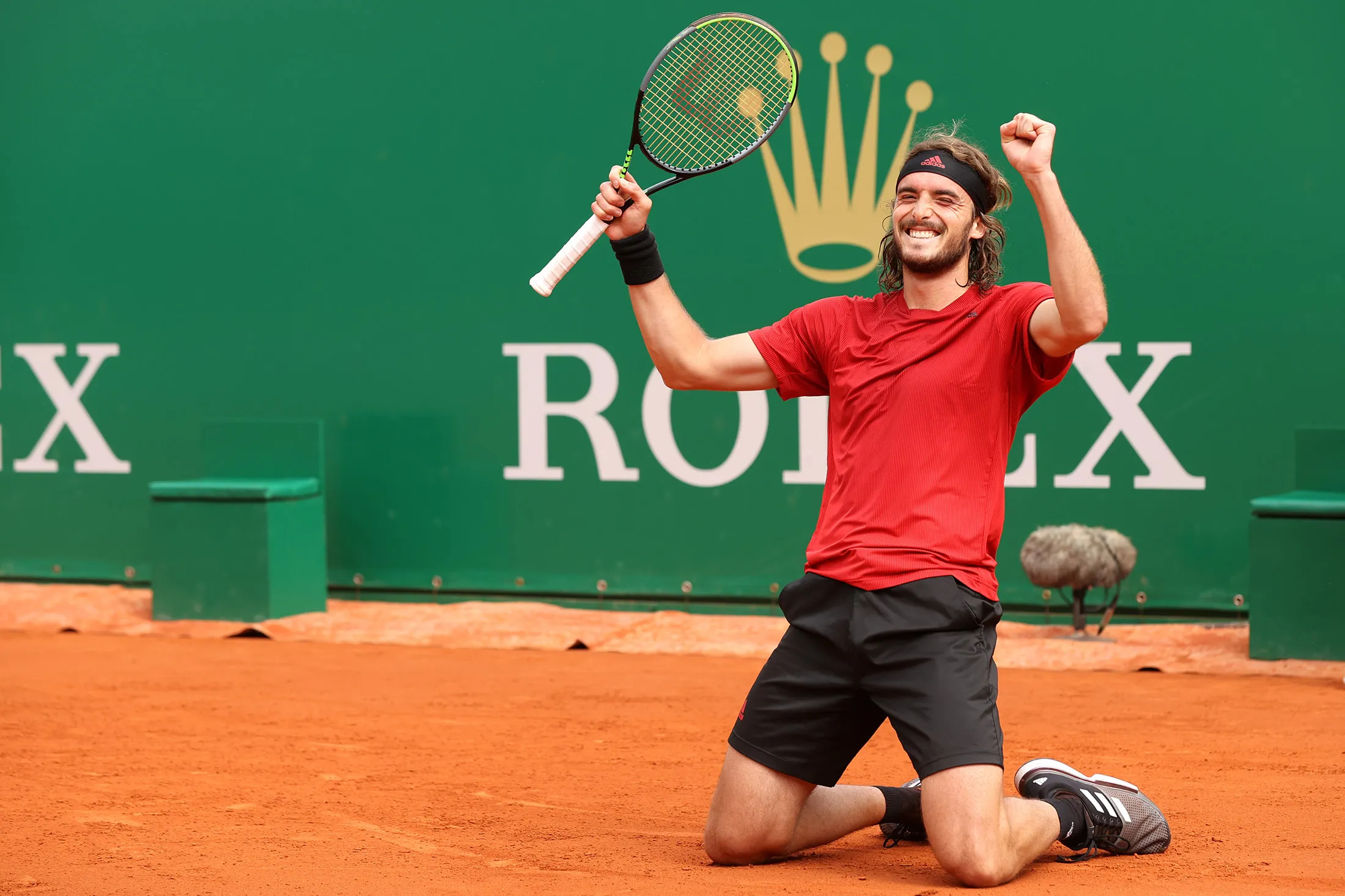
Rolex Monte-Carlo Masters 2026 Dates and Tickets: Your Complete Guide to the French Riviera’s Greatest Tennis Event
There are tennis tournaments, and then there is the Rolex Monte-Carlo Masters. Set against the Mediterranean Sea, played on terracotta clay courts that seem almost too beautiful to compete on, and wrapped in the glamour of the French Riviera, this is one of those rare sporting events where the setting is as compelling as the tennis itself. For 2026, the tournament returns to its legendary home and promises to be one of the most hotly anticipated weeks on the entire ATP calendar. Whether you are planning your first visit or returning for another year, this complete guide covers everything you need to know about the Rolex Monte-Carlo Masters 2026 dates and tickets, from the official schedule and pricing to seating strategy and how to actually get there. Tournament Overview: What Makes Monte-Carlo So Special The Rolex Monte-Carlo Masters holds a unique position on the ATP Tour. As the first of three ATP Masters 1000 events played on clay, it serves as the unofficial opening chapter of the European clay-court season, a period that culminates at Roland Garros and defines the careers of the sport’s greatest players. The tournament is played at the Monte-Carlo Country Club in Roquebrune-Cap-Martin, just outside the border of Monaco, and has been a fixture of the tennis calendar for well over a century. What separates Monte-Carlo from other Masters events is atmosphere. With a seating capacity of approximately 10,000, it is one of the more intimate stops on the tour, and that intimacy creates an energy that larger venues simply cannot replicate. You are close to the players, close to the action, and always aware of the extraordinary backdrop surrounding you. Official Rolex Monte-Carlo Masters 2026 Dates Planning your trip starts with knowing exactly when to be there. The 2026 tournament runs across nine days, with every stage of the competition carrying its own distinct atmosphere. Stage Date Qualifying Rounds Saturday, April 4 and Sunday, April 5 Main Draw Begins Sunday, April 5 Quarter-finals Friday, April 10 Semi-finals Saturday, April 11 The Final Sunday, April 12 Matches on the outer courts typically begin at 11:00 AM, with the featured matches on the iconic Court Rainier III following shortly after. If you are deciding which days to attend, the quarter-finals through to the final represent the peak of the tournament in terms of match quality and atmosphere, though early rounds often offer the chance to see top players up close with smaller crowds around the outer courts. Ticket Categories and Pricing: What to Expect Because of the limited capacity at the Monte-Carlo Country Club, tickets for the Rolex Monte-Carlo Masters 2026 are among the most coveted in tennis. Understanding the different categories before you buy will help you make the right choice for your experience and your budget. General Public Tickets: Categories 1, 2, and 3 The standard ticketing structure divides seating into three tiers based on proximity to the court and quality of sightlines: Category 1 represents the most prestigious standard seats, positioned in the lower tiers with prime sideline views. Pricing for Category 1 ranges from approximately €150 for the early rounds up to over €450 for the final. These are the seats that sell out fastest and are worth securing as early as possible. Category 2 offers a mid-tier option that balances a solid view with better value. For fans who want a genuine match experience without stretching to Category 1 pricing, this is often the sweet spot. Category 3 covers the upper corners of the stadium and represents the most affordable way into Court Rainier III. The view is slightly more removed, but the atmosphere remains excellent and access to the grounds is included. Court Rainier III vs. Court des Princes Understanding the difference between the two show courts will shape how you plan your day at the tournament. Court Rainier III is the main stadium, hosting all the top seeds and the biggest matches of the tournament. A ticket for Court Rainier III generally includes access to all outer courts as well, making it the most flexible option for fans who want to move around the grounds throughout the day. Court des Princes is the secondary show court and offers something slightly different: a more intimate, up-close feel that many tennis fans actually prefer for the earlier rounds. Reserved seating here requires a specific ticket, separate from the main stadium access. VIP Hospitality and Private Boxes For those who want to experience the Monte-Carlo Masters at the highest possible level, the hospitality options are exceptional. The Village package includes gourmet dining by Lenôtre, open bars, and access to the VIP lounge, combining world-class tennis with a genuinely luxurious day out. Private loges, or courtside boxes, are available for corporate groups or individuals who want the best seats in the house combined with a fully catered experience. How and When to Buy Rolex Monte-Carlo Masters 2026 Tickets Knowing the ticket categories is one thing. Actually securing them is another challenge entirely. The sales process follows a strict timeline, and understanding it is the difference between getting your preferred seats and paying inflated prices on the secondary market. The official sales timeline works as follows: Always purchase through the official Rolex Monte-Carlo Masters website at montecarlotennismasters.com. Unauthorized third-party vendors cannot guarantee ticket validity, and the risk is simply not worth taking for an event of this caliber. Seating Tips: Sun, Shade, and the Perfect View The Mediterranean sun is glorious, but it is also intense, particularly during an April afternoon at courtside. Where you sit matters more than you might expect. The North Stand, known as Tribune Nord, generally has the sun behind it during afternoon sessions, making it the preferred choice for anyone who wants shade during the peak heat of the day. If you are attending the later rounds when sessions can run deep into the evening, this becomes less of a concern. The South Stand, Tribune Sud, faces directly into the afternoon sun. If you are sitting here, a wide-brimmed
Read More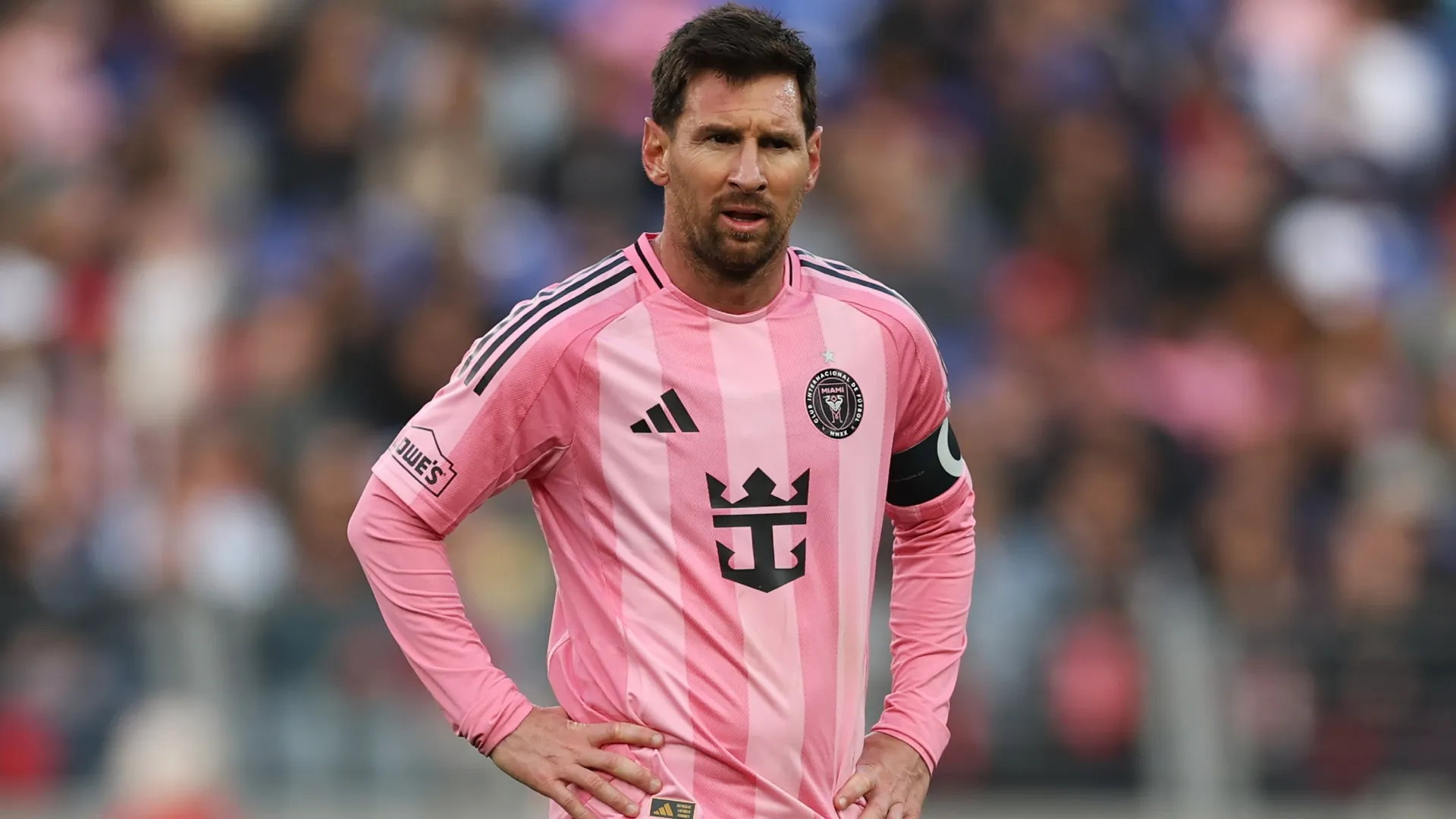
Inter Miami Valuation 2026: How Messi Turned a Young Club Into a $1.45 Billion Powerhouse
When Lionel Messi announced he was joining Inter Miami CF in the summer of 2023, the football world reacted with a mixture of excitement and skepticism. Could the greatest player of all time genuinely elevate a three-year-old MLS franchise into something meaningful? As of April 2026, the numbers have answered that question with stunning clarity. Inter Miami is now the most valuable franchise in the history of North American soccer, carrying a valuation of $1.45 billion and a growth story that has left even the most seasoned sports business analysts reaching for superlatives. This is not simply a story about a famous footballer boosting ticket sales. It is a masterclass in sports franchise building, brand strategy, and the extraordinary financial power of a single transcendent athlete arriving at exactly the right moment. Inter Miami Valuation 2026: The Numbers That Tell the Story The headline figure is striking enough on its own. As of February 2026, major financial outlets including Forbes and Sportico have confirmed Inter Miami’s position at the top of the MLS valuation rankings. But the context around that number is what makes it truly remarkable. When Messi arrived in 2023, the club was valued at approximately $600 million, already a respectable figure for a young American soccer franchise. In less than three years, the Inter Miami valuation has added nearly $850 million in value, representing a year-over-year growth rate of 22% heading into 2026. To put that in perspective, that single year of growth alone is larger than the entire valuation of many established soccer clubs around the world. The revenue picture is equally dramatic. Club revenue has risen from $56 million in 2022 to an estimated $200 million in 2026, a figure that represents a 260% increase since Messi’s arrival and confirms that the financial transformation is not built on hype alone. How Messi’s Contract Created an Ownership Stake One of the most innovative and consequential aspects of Messi’s move to Miami was the structure of his deal. This was not a conventional player contract. It was designed from the ground up to compete with the $500 million per year offers reportedly coming from the Saudi Pro League, and it did so not by matching that cash figure, but by offering something more compelling: long-term generational wealth through equity. The Modern Version of the Beckham Clause Football fans will remember that David Beckham’s 2007 contract with the LA Galaxy included a fixed-price option to purchase an MLS expansion team for $25 million, an option he eventually used to create Inter Miami itself. Messi’s arrangement operates on a similar but more sophisticated principle. Reports indicate that Messi was granted an option to take a partial ownership stake in Inter Miami CF, exercisable upon his retirement or at the conclusion of his contract, which has since been extended through 2028. Industry experts estimate his potential stake at somewhere between 10% and 15% of the club. At the current $1.45 billion valuation, even a 10% stake translates to $145 million in pure asset value, a figure that effectively doubles his playing salary through appreciation alone. Beyond direct equity, Messi’s commercial arrangements include a revenue sharing component tied to Apple TV+ subscriber growth through the MLS Season Pass and a profit-sharing agreement with Adidas connected to the surge in shirt and apparel sales. His financial relationship with the club operates at multiple levels simultaneously. The Key Drivers Behind the $1.45 Billion Valuation The Inter Miami valuation in 2026 is not a celebrity bubble. Several concrete, structural factors have combined to produce and sustain this figure. On-Field Success: The 2025 MLS Cup Financial value in professional sports is ultimately anchored to winning. Inter Miami’s victory in the 2025 MLS Cup served as the critical proof of concept the club needed. It demonstrated that the project could translate star power and global attention into actual silverware, which in turn justified premium ticket pricing, elite sponsorship renewals, and the kind of commercial conversations that only champions can have. Miami Freedom Park: The Stadium That Changes Everything A significant portion of the 2026 valuation is tied directly to the club’s move into its permanent home at Miami Freedom Park. The transition from the temporary Chase Stadium to a privately funded, state-of-the-art 25,000-seat venue fundamentally changes the club’s revenue ceiling. Owning and operating their own stadium means Inter Miami now controls 100% of concessions and parking, can maximize match-day income through luxury suites and premium hospitality offerings, and can host concerts, international friendlies, and major events throughout the year. Stadium ownership is one of the most reliable drivers of franchise valuation in professional sports, and Inter Miami now has it. Global Commercial Tours Inter Miami has become one of the most sought-after touring properties in world football. Pre-season tours across Asia and South America have commanded appearance fees that were previously reserved exclusively for clubs like Real Madrid or Manchester United, with some reports suggesting individual match fees exceeding $10 million. This global commercial reach at the club level, rather than merely at the individual player level, is a sign of genuine brand maturity. Inter Miami vs. Global Soccer: Where Does $1.45 Billion Stand? To properly appreciate the scale of the Inter Miami valuation in 2026, it helps to place it in a global context. Club League Estimated Valuation Real Madrid La Liga $6.7 billion Manchester United Premier League $6.0 billion Inter Miami CF MLS $1.45 billion West Ham United Premier League ~$1.0 billion Everton FC Premier League ~$700 million Inter Miami is now worth more than several long-established Premier League clubs. While the revenue gap between Miami and European giants remains large, with the Big Six generating $700 million or more annually compared to Miami’s $200 million, the MLS single-entity structure and the absence of relegation make American soccer franchises exceptionally attractive investments. Owners are buying into a system with a financial safety net that European football simply does not offer. The Post-Messi Question: Is This Valuation Sustainable? The most common challenge to Inter
Read More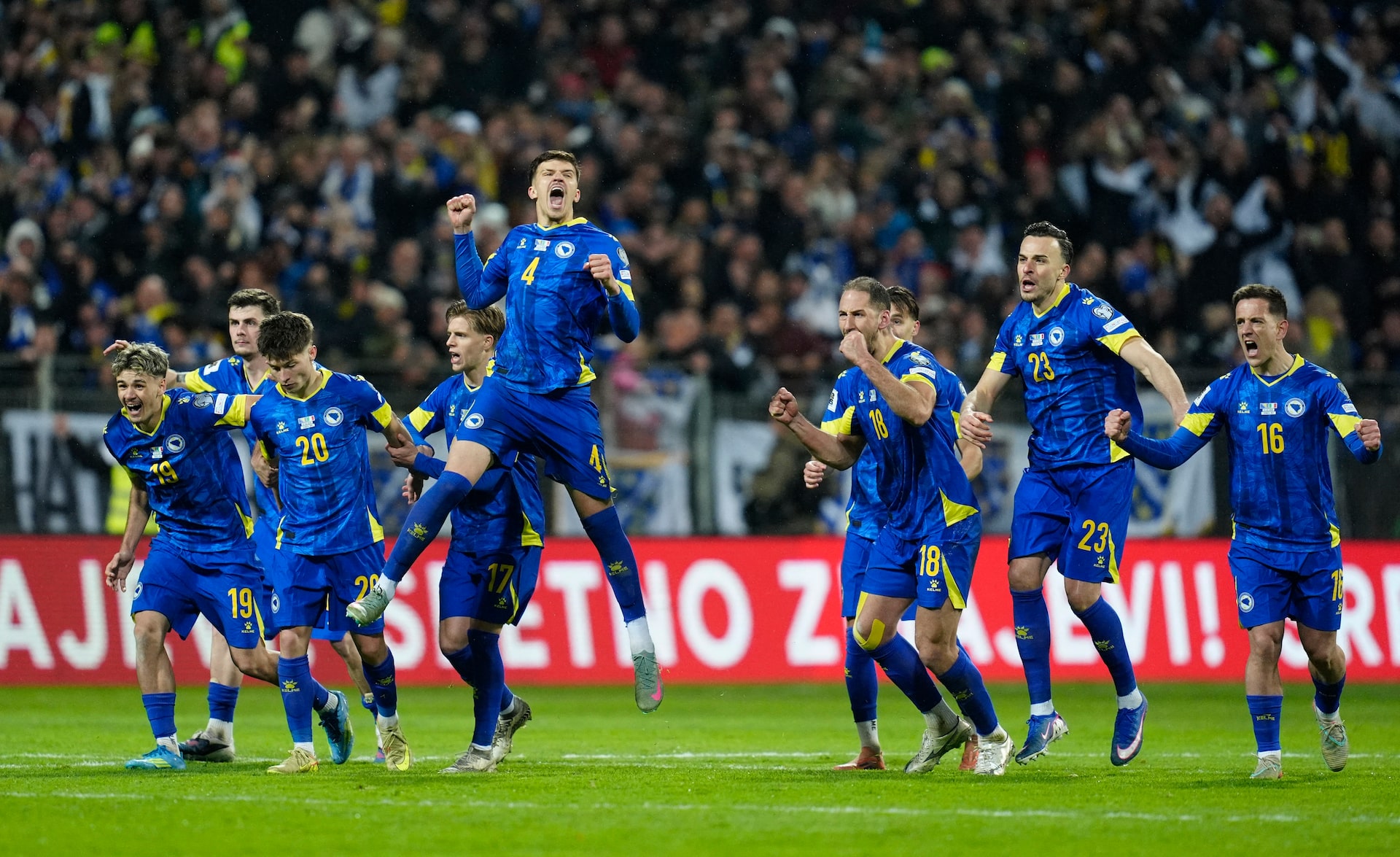
How Did It Come to This? Italy Miss World Cup 2026, Third Consecutive Time
On the night of March 31, 2026, the unthinkable happened again. Italy — four-time World Cup winners, one of the most decorated nations in football history — lost to Bosnia and Herzegovina on penalties and confirmed their absence from the 2026 FIFA World Cup. It is the third consecutive tournament the Azzurri will miss, and with that, they have written themselves into the record books for all the wrong reasons. No former World Cup champion in history has ever missed three consecutive tournaments. Italy, who last played a World Cup in Brazil in 2014, have now secured that shameful distinction for themselves. How It Happened — Again The night in Zenica had all the hallmarks of Italian footballing tragedy. Gennaro Gattuso’s side started brightly, with Moise Kean capitalising on a goalkeeper error in the 15th minute to put Italy ahead. Kean scored in his sixth consecutive Italy appearance — a feat achieved by only three players in the nation’s entire history before him. Then Alessandro Bastoni was shown a red card just before half-time for a last-man foul, and the match turned completely. Bosnia substitute Haris Tabakovic levelled in the 79th minute, and despite 30 minutes of extra time, neither side could find a winner. In the shootout, Pio Esposito fired over the bar and Bryan Cristante hit the crossbar. Bosnia converted all four of their kicks. Italy were out. The final score: Bosnia and Herzegovina 1–1 Italy (4–1 on penalties). It was the third time in three qualifying campaigns that Italy have been eliminated at the playoff stage — by Sweden in 2018, North Macedonia in 2022, and now Bosnia in 2026. “I want to personally apologise since we didn’t make it,” Gattuso said afterwards. “Today talking about my future is not important.” A Record That Should Never Exist When Italy missed the 2018 World Cup, it was called a catastrophe. When they missed 2022, it was called a national crisis. Missing 2026 has no word strong enough for it. Italy are now the first World Cup-winning nation in history to miss three consecutive tournaments. When the 2026 finals kick off in June, it will have been 12 years since Italy last played at a World Cup, and 20 years since they last won a knockout game — that 2006 final victory over France in Berlin. The only other World Cup Italy ever failed to qualify for before this run was in 1958. That was a one-off shock. What is happening now is something different entirely — a structural collapse of a football nation. Other Former Champions Who Have Stumbled Italy’s situation is unprecedented in terms of consecutive absences, but other World Cup winners have had their own moments of humiliation on the qualification stage. France — 1994 Three years before winning the World Cup on home soil, France failed to qualify for the 1994 tournament in the United States. They needed only to avoid defeat against Bulgaria in their final qualifier. With seconds remaining, David Ginola played a costly long ball that was intercepted, Bulgaria broke upfield, and Emil Kostadinov scored in the 90th minute to eliminate Les Bleus. It remains one of the most famous qualification collapses in history. Uruguay — 1958 Winners of the first two World Cups in 1930 and 1950, Uruguay failed to qualify for the 1958 tournament in Sweden. At the time, it felt like an enormous shock. It remains the only qualification failure by the Uruguayan national team. Spain — 1954 and 1958 Spain, who would go on to win consecutive European Championships and a World Cup between 2008 and 2012, have their own history of qualification failures. They failed to make it to both the 1954 and 1958 tournaments during an era when the likes of Alfredo Di Stéfano were at their peak — Di Stéfano became famous as the greatest footballer to never play in a World Cup, despite being arguably the best player of his generation. England — 1974 and 1978 The 1966 World Cup winners have missed the tournament three times in their history — in 1974, 1978, and 1994. Missing back-to-back tournaments in the 1970s was a significant fall for a nation that had won the trophy just years earlier. The Curse of the Champions Italy’s broader World Cup decline fits into a wider pattern. Since France won the tournament in 1998, defending champions have made a habit of falling apart at the following edition. France in 2002 arrived as both world and European champions, and crashed out of the group stage without scoring a single goal — still considered one of the worst performances by a defending champion in tournament history. Italy defended their 2006 title in 2010 by finishing bottom of their group, behind Paraguay, New Zealand and Slovakia. Spain arrived in Brazil in 2014 as three-time defending champions of major tournaments and were eliminated in the group stage after a 5–1 thrashing by the Netherlands. Germany, the 2014 winners, went out in the group stage in Russia in 2018, beaten by South Korea. Of every team to win the World Cup since 1998, only France in 2022 made it back to the final in their title defence. But what Italy are experiencing goes beyond that particular curse. No other champion has failed to even qualify for three straight tournaments. What Went Wrong for Italy The seeds of the current crisis were planted long before the 2018 qualifying disaster. Italy’s youth development system, once the envy of Europe, began to stagnate in the late 2000s. Club football in Serie A struggled commercially relative to the Premier League and La Liga, reducing the flow of talent into the top level. Tactical conservatism at national level stifled the creativity that had defined earlier generations. The 2021 European Championship win — a superb tournament triumph under Roberto Mancini — flattered to deceive. Within months, Italy were eliminated by North Macedonia in a World Cup qualifier, exposing how thin the squad’s depth truly was. Mancini eventually resigned ahead
Read More