
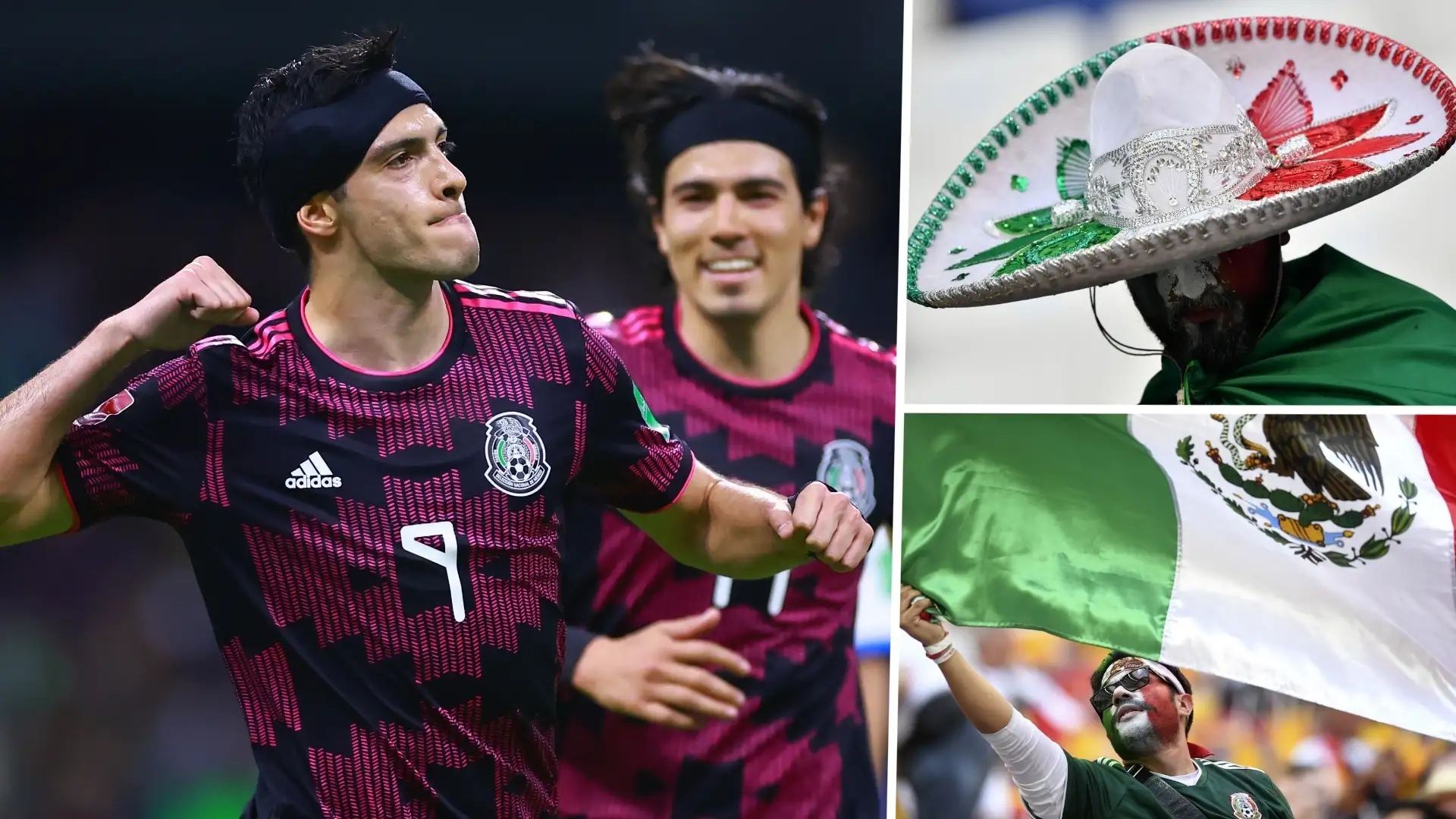
What is the Nickname of the Mexican National Football Team?
If you have ever watched Mexico play football, you will have heard it. A rhythmic, passionate chant rising from thousands of voices at once: “¡Tri! ¡Tri! ¡Tri!” It echoes through the Estadio Azteca on matchday, rings out in bars across North America, and can be heard wherever Mexican supporters gather to watch their team. The Mexican national team nickname is El Tri, and it is one of the most recognisable, emotionally charged identifiers in world football. But where did it come from? What does it actually mean? And why has it endured for decades while other nicknames have faded into obscurity? This is the complete story of El Tri, from its origins in the 1950s to its significance heading into the FIFA World Cup 2026 on home soil. What Does El Tri Actually Mean? The answer is straightforward but carries genuine depth. El Tri is a shortened form of El Tricolor, which translates directly from Spanish as “The Three-Colored” or simply “The Tricolor.” The name refers to the three colours of the Mexican national flag: green, white, and red. Each colour carries specific symbolic meaning rooted in Mexican history and national identity: Mexico’s traditional home kit mirrors the flag almost exactly, a green jersey, white shorts, and red socks or accents, making the visual connection between the team and the nation impossible to miss. When fans chant “El Tri,” they are not simply cheering for eleven footballers. They are expressing pride in their country, their history, and their identity. The nickname works on a level that goes far beyond sport. The full term El Tricolor is still used in formal contexts, particularly in official communications and broadcast commentary. But El Tri has become the everyday version, short enough to chant, easy to recognise instantly, and carrying all the weight of the longer form in just two syllables. When Did Mexico Start Being Called El Tri? The Mexican national team nickname did not arrive fully formed. It developed gradually over several decades, rooted in the team’s evolving visual identity and growing media presence. The earliest documented uses of “Tricolor” in reference to the national team date to around 1956, when Mexican sports media began using the term to highlight the team’s connection to the national flag. At that point, however, it remained relatively formal and was not yet the universally beloved shorthand it would become. The real turning point came in the 1980s. In 1984, the team began consistently wearing red socks alongside the green shirt and white shorts, completing the visual tricolor look that made the nickname feel truly earned and visually obvious during home matches and international tournaments. National media campaigns, television coverage of the 1986 World Cup held on Mexican soil, and the passionate support generated by that tournament combined to embed El Tri permanently in the national football vocabulary. Before this period, the team had no widely accepted or consistently used nickname. Kit designs varied, and the colour scheme had not yet been fully standardised around the flag’s three colours. The alignment of kit, flag, and nickname in the 1980s created the complete package that millions recognise today. El Tri and Mexican Football Identity Understanding why the Mexican national team nickname resonates so deeply requires understanding what football means in Mexico. This is a country where the sport operates at a level of cultural significance that is difficult to overstate. It is not simply entertainment. For millions of Mexicans and members of the diaspora across the United States, Canada, and beyond, football is a connection to home, to family, and to national pride. El Tri captures all of that in three letters. The nickname ties the team directly to the flag, which ties it directly to the nation. Supporting El Tri is, for many fans, an act of patriotism as much as it is an act of sporting allegiance. This is why the atmosphere at the Estadio Azteca, one of the most intimidating and electrifying venues in world football, reaches the intensity it does on international matchdays. Generations of legendary players have worn the green shirt and carried the El Tri identity onto the world stage. Hugo Sánchez, one of the greatest forwards of his era, played with the weight of the nickname on his shoulders. Cuauhtémoc Blanco became one of the most beloved figures in Mexican football history under the same banner. The modern generation, including Santiago Giménez, Edson Álvarez, and Hirving Lozano, continues that lineage. The nickname connects every era of Mexican football into a single, unbroken thread. How El Tri Compares to Other National Team Nicknames Mexico is far from unique in giving its national team a nickname rooted in the colours of the national flag. Many of the world’s most recognised footballing nations follow a similar pattern. What sets El Tri apart is the emotional charge behind it and the way it has embedded itself in everyday language beyond the world of sport. Country Nickname Meaning Mexico El Tri / El Tricolor The Three-Colored (flag colours) Argentina La Albiceleste The White and Sky Blue Brazil A Seleção / Canarinho The Selection / Little Canary Spain La Roja The Red Germany Die Mannschaft The Team Ecuador La Tri The Three-Colored It is worth noting that Ecuador also uses “La Tri” as their nickname, similarly rooted in their tricolour flag. However, context and colour make the two entirely distinct. El Tri belongs to Mexico in a way that transcends any similarity with another nation’s terminology. El Tri in World Cup History The Mexican national team nickname has been heard at World Cups for decades, and it has become associated with a particular kind of footballing experience: passionate, skilled, and ultimately heartbreaking in the knockout rounds. Mexico has qualified for every World Cup since 1994, one of the most consistent records of qualification in the game, and El Tri has consistently arrived at tournaments as one of the most visually and vocally prominent fan presences at any venue. The 2018 World Cup in Russia produced
Read More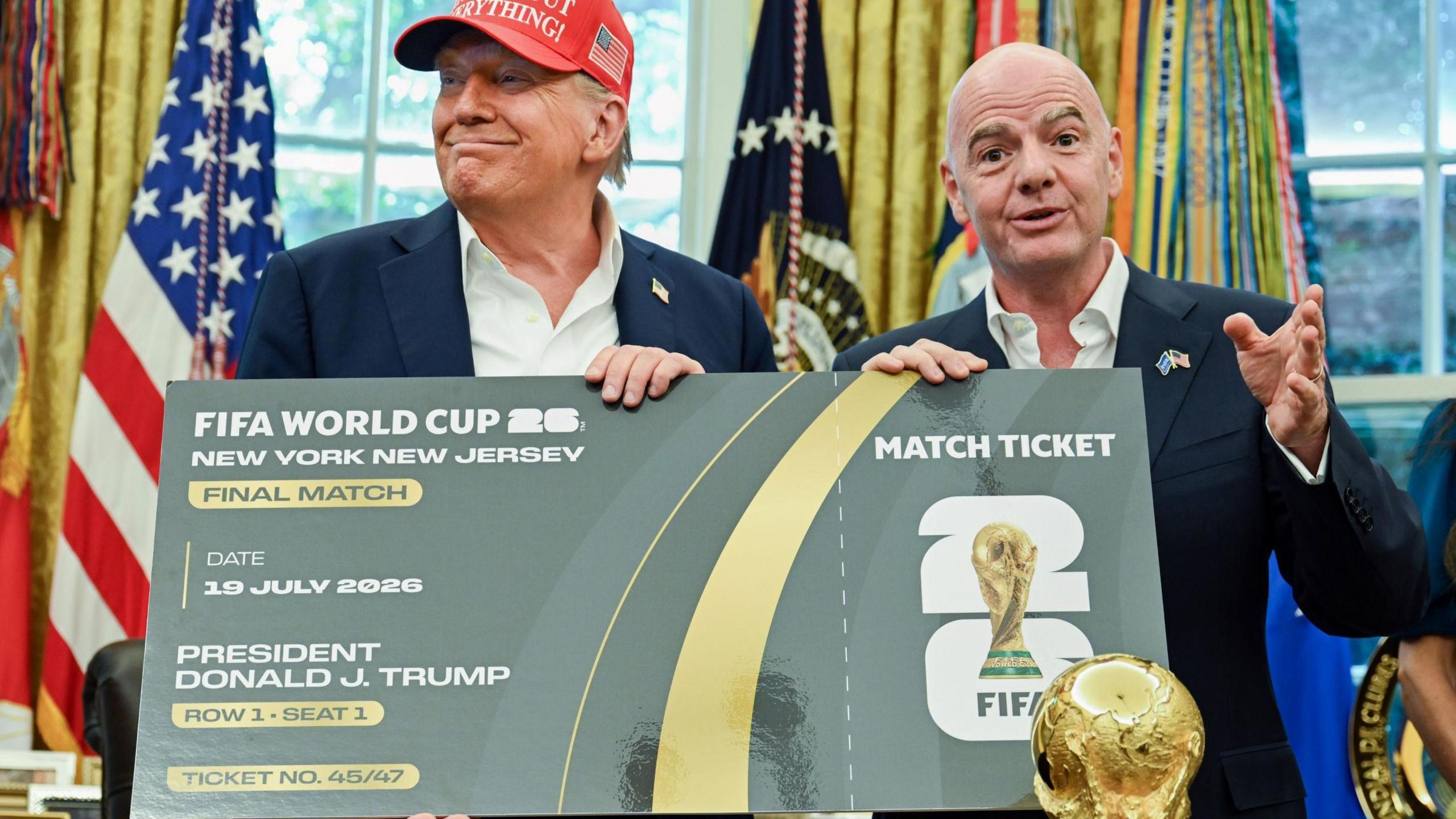
FIFA World Cup 2026 Ticketing Problems: Chaos, Outrage, and the Fans Being Left Behind
Two months before the greatest show on earth kicks off across the United States, Canada, and Mexico, something has gone seriously wrong. The FIFA World Cup 2026 ticketing problems have become one of the defining stories of the pre-tournament period, turning what should be a period of pure excitement into a source of widespread frustration, financial shock, and genuine anger from supporters around the world. With 48 teams, 104 matches, and a host nation infrastructure that promised to make this the most accessible World Cup in history, the expectation was that fans would have a genuine opportunity to be part of something historic. Instead, they have been met with crashing websites, eight-hour virtual queues, final tickets priced at nearly $11,000, and accusations of misleading practices that have now reached the European Commission. This is a full breakdown of what has gone wrong, why it matters, and what FIFA needs to do before the opening match arrives. How the Ticketing Process Was Supposed to Work FIFA’s ticketing operation for the 2026 World Cup began in September 2025 with a lottery-based system. Given the scale of the tournament and the enormous global appetite for tickets, the lottery approach made sense on paper. The numbers involved were staggering. Over 500 million ticket requests were reported across the early sales windows, set against roughly six to seven million tickets available across all 104 matches. By early 2026, sales shifted toward more direct release phases, culminating in the April 1 “last-minute sales phase,” which marked a significant structural change. For the first time in this ticketing cycle, the process became first-come, first-served, open until the end of the tournament with rolling releases of remaining inventory. FIFA also announced the reopening of its official resale marketplace on April 2, framing both developments as positive steps toward broader fan access. What actually happened on April 1 was something very different. The Technical Disaster: Queues, Crashes, and Wrong Portals The moment the last-minute sales phase opened at 11 a.m. Eastern Time, the system buckled. Fans who had been logged in and ready found themselves trapped in virtual queues stretching 90 minutes, with some reports of waits extending to eight hours before reaching the point of purchase. For many, that wait ended not in a ticket but in further frustration. A significant number of users were mysteriously redirected to a restricted portal called the “PMA late qualifier supporters sales phase,” a section designed exclusively for supporters of the six newest qualified teams from the inter-confederation playoffs. Being directed there incorrectly meant starting the entire process again from scratch, losing their queue position entirely in a system that was already overloaded. Website crashes, slow loading times, and a near-total absence of real-time communication from FIFA about what was happening or when it would be resolved compounded the problem. For supporters who had taken time off work, set alarms, or coordinated across time zones to participate in this window, the experience was genuinely dispiriting. FIFA acknowledged some technical issues but offered limited explanation and no meaningful remedy in real time. The Price Problem: Who Can Actually Afford to Go? If the technical failures were the immediate crisis, the pricing structure is the deeper, more systemic problem at the heart of the FIFA World Cup 2026 ticketing situation. The numbers involved have shocked even supporters who expected premium pricing for a North American-hosted tournament. Here is a comparison of ticket pricing across recent World Cups: Tournament Cheapest Final Ticket Category 1 Final Ticket Russia 2018 Approx. $200 Approx. $1,100 Qatar 2022 Approx. $600 Approx. $1,600 USA/Canada/Mexico 2026 Significantly higher Up to $10,990 Category 1 tickets for the final at MetLife Stadium in New Jersey have now reached $10,990, up from earlier listings of approximately $8,680. That is not a typo. A single seat at the World Cup final now costs the equivalent of a decent secondhand car. Even group stage matches in less prominent fixtures carry four-figure price tags that place them beyond the reach of the ordinary supporters who have followed their national teams for decades. FIFA’s defence has centred on the expanded format, the costs associated with North American hosting, and the straightforward reality of high demand. Critics, however, argue that none of those justifications explain why the cheapest final ticket has increased by a factor of more than ten compared to Russia 2018. The conclusion many supporters have reached is that FIFA has prioritised revenue extraction over accessibility, and the evidence is difficult to argue against. Dynamic Pricing and the European Commission Complaint The pricing controversy deepened significantly in March 2026 when Football Supporters Europe and the consumer advocacy group Euroconsumers filed a formal 18-page complaint with the European Commission. The complaint accused FIFA of excessive ticket prices, bait advertising, uncontrolled dynamic pricing, pressure-selling tactics, and opaque purchasing conditions, arguing that FIFA exploits its monopoly position as the sole legitimate ticket provider to impose terms that would be unacceptable in any other commercial context. Dynamic pricing, where the cost of a ticket fluctuates in real time based on demand, has drawn particular anger from European fan groups. In North American sports culture, dynamic pricing is a familiar and largely accepted practice. For international supporters from regions where this model is less established, and where buying a ticket involves booking flights and accommodation months in advance at fixed costs, the inability to lock in a price creates genuine financial uncertainty and planning difficulties. The European Commission complaint is not merely symbolic. It represents a formal legal and regulatory challenge to FIFA’s commercial practices in one of its most important markets, and FIFA will need to engage with it seriously as the tournament approaches. The Misleading Seating Map Scandal Just as the pricing controversy was reaching its peak, investigative reporting from The Athletic revealed another layer of the FIFA World Cup 2026 ticketing problems. Fans who had purchased tickets through earlier lottery phases claimed they had been misled by stadium seating maps, which suggested roughly equal access to desirable locations
Read More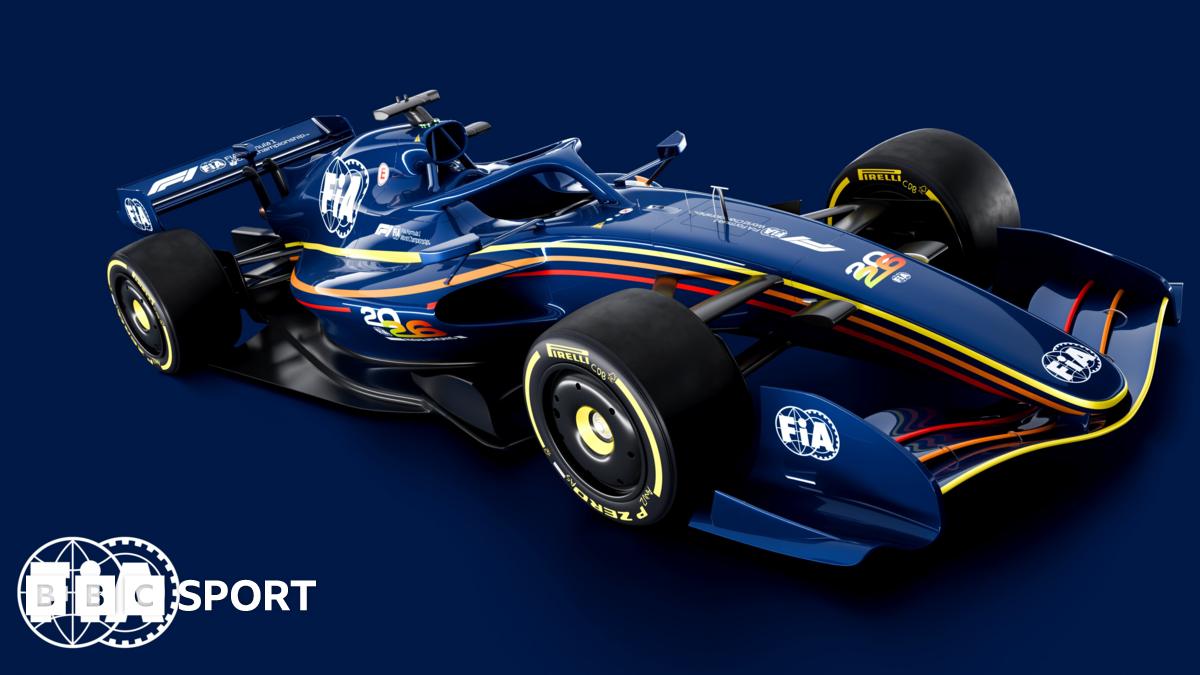
F1 2026 Regulations Crisis: Can the FIA Fix Formula 1 Before It’s Too Late?
Three races into the new Formula 1 season, the sport finds itself in a place nobody wanted to be. The 2026 regulations, designed after years of planning and marketed as a bold, sustainable leap forward for the championship, have produced racing that has frustrated drivers, confused fans, and raised genuine safety concerns. The F1 2026 regulations crisis is real, it is urgent, and the clock is ticking. On April 9, with an unscheduled break following the Japanese Grand Prix providing a narrow window of opportunity, the sport’s key stakeholders gathered for the first of three emergency meetings. Technical directors from all eleven teams, power unit manufacturers, the FIA, and Formula 1 itself sat down to discuss what has gone wrong and, more critically, what can realistically be done before the Miami Grand Prix on May 1 to 3. The question hanging over the sport right now is a simple but serious one: can Formula 1 fix itself before the damage becomes permanent? What the 2026 F1 Regulations Were Supposed to Deliver To understand why the current situation feels so damaging, it helps to remember what these regulations were sold as. The 2026 ruleset represented one of the most ambitious overhauls in Formula 1 history, combining a near 50/50 split between internal combustion engine power and electrical energy, active aerodynamics designed to reduce dirty air and promote closer racing, and stricter energy management protocols aimed at making the sport more sustainable and environmentally relevant. The vision was compelling. Greener cars, wheel-to-wheel racing, and a technical framework that would keep Formula 1 relevant in an era of global electrification. Manufacturers invested billions in development. Teams restructured their technical departments around the new power unit architecture. The FIA positioned 2026 as the beginning of a new golden era. Three races in, the gap between vision and reality has been stark. The Core Problem: Battery Chaos and “Yo-Yo” Racing The fundamental issue at the heart of the F1 2026 regulations crisis is the 50/50 power split itself, and specifically how it behaves in race conditions. What seemed logical on paper has produced deeply unsatisfying racing in practice. Drivers are now engaged in a constant, lap-by-lap battle with their energy management systems. A car can boost past a rival on one straight using electrical power, then immediately run out of battery deployment on the next, forcing sudden lift-and-coast moments or jarring power drops that have nothing to do with driver skill or racecraft. The result is what critics have started calling “yo-yo racing,” where position changes are dictated more by who has charge remaining than by genuine pace differences. Lando Norris described situations where drivers feel genuinely “not in control,” with battery deployment algorithms effectively making overtaking decisions rather than the driver behind the wheel. In both China and Japan, battles between Mercedes and Ferrari illustrated the problem vividly. Exciting in isolated moments, but fundamentally artificial in a way that undermines the sporting integrity of the competition. Qualifying has suffered equally. Rather than rewarding drivers who can extract the absolute maximum from their car over a single flying lap, the format now penalises aggressive energy use. Software deployment limits and strategy considerations have turned pole position battles into tactical management exercises rather than the flat-out spectacle they are supposed to be. Nigel Mansell warned before the season that these regulations could lead to drivers deliberately slowing to conserve battery. His fears have been realised within three rounds. Red Bull’s Collapse and Verstappen’s Fury No team illustrates the scale of the F1 2026 regulations crisis more vividly than Red Bull. The Milton Keynes outfit dominated the previous regulatory era so completely that the competitive hierarchy seemed almost immovable. Three races into 2026, they sit sixth in the constructors’ standings with just 16 points, reportedly running approximately one second off the pace of the leading teams in key sectors. Max Verstappen, a four-time world champion, is languishing in ninth place in the drivers’ standings with 12 points. It is the worst start of his career at this level, and he has not been quiet about his feelings. After the Chinese Grand Prix, Verstappen called the racing “a joke” and compared it to Mario Kart, stating bluntly that anyone who enjoyed what they were watching “really doesn’t know what racing is about.” He has consistently labelled the regulations “anti-racing” and “terrible” throughout the early weeks of the season, and has gone as far as questioning his long-term future in the sport if the product does not improve significantly. It would be easy to dismiss Verstappen’s comments as the frustration of a champion unaccustomed to losing. But he has been raising concerns about these regulations since simulator testing in 2023, long before any competitive results were on the line. His criticism reflects a genuine belief that the spectacle has been fundamentally compromised, and that view is shared across the paddock by drivers who are winning as well as those who are struggling. The Safety Wake-Up Call at Suzuka Beyond the competitive and entertainment concerns, the Japanese Grand Prix delivered a reminder that the F1 2026 regulations crisis carries real safety implications. Haas rookie Oliver Bearman suffered a terrifying crash at Suzuka measuring 50G, with investigators pointing to inconsistent power delivery as a contributing factor in the incident. The dynamic being created by the 50/50 power split means that one car can be running at full electrical boost while another immediately ahead has exhausted its battery deployment. The closing speeds generated in those scenarios are unpredictable in a way that traditional Formula 1 physics are not. The FIA’s post-race statement confirmed that the Bearman incident accelerated the urgency of their regulatory review, even though such a review had always been planned after the opening rounds of the season. When safety enters the conversation, the timeline for action compresses dramatically. The Fix: What Is Actually on the Table? The meetings beginning April 9 are structured around a clear and aggressive timeline designed to produce implementable solutions before Miami. The key
Read More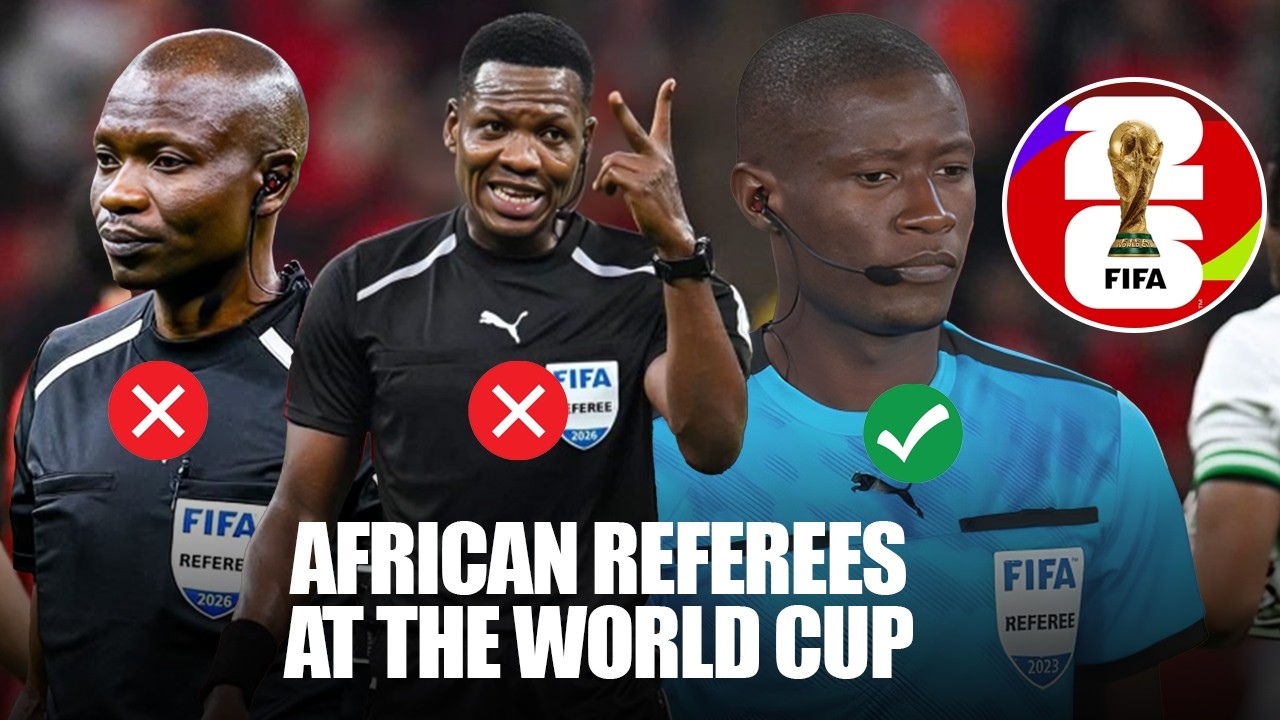
African Referees FIFA World Cup 2026: Meet the Seven Officials
On April 9, 2026, FIFA released the full list of match officials selected for the expanded 48-team FIFA World Cup 2026 in the United States, Canada, and Mexico. Buried within that announcement was a milestone that deserved far more attention than it received in the mainstream football conversation. Seven referees from Africa made the cut, representing the largest African officiating contingent in World Cup history. This is not tokenism or geographical box-ticking. These seven officials earned their places through a ruthless, multi-year evaluation process involving fitness assessments, refereeing seminars in Doha and Dubai, VAR collaboration testing, and performance reviews across high-stakes continental competitions. Their selection reflects something genuinely significant: African refereeing has arrived at the global table, not as guests, but as equals. Here is the complete guide to the African referees at FIFA World Cup 2026, who they are, what makes each of them exceptional, and why their presence matters far beyond the matches they will whistle. How FIFA Selected the African Referees for 2026 Understanding the selection process is essential context before examining the individuals themselves. FIFA’s refereeing seminars in early 2026 brought together candidates from across every confederation and subjected them to simulated World Cup conditions. Low error rates, consistency across different match environments, VAR collaboration quality, and physical fitness benchmarks all fed into the final decisions. The process was deliberately merit-driven, and the outcomes reflected that. Several high-profile African referees who might have expected selection based on reputation alone were left out. Those who made it through did so on performance, not profile. That distinction matters because it elevates the credibility of the entire contingent heading into the tournament. The geographical spread of the seven selected officials also reflects a deliberate strategy from the Confederation of African Football to develop officiating talent across the continent rather than concentrating investment in a handful of established football nations. The Seven African Referees: Full Profiles and Analysis Here is a complete overview of all seven African referees selected for FIFA World Cup 2026. Referee Country FIFA Listed Since World Cup Experience Mustapha Ghorbal Algeria 2014 2018, 2022 Amin Mohamed Omar Egypt 2017 Debut Pierre Ghislain Atcho Gabon N/A Debut Jalal Jayed Morocco N/A Debut Dahane Beida Mauritania N/A Debut Abongile Tom South Africa N/A Debut Omar Abdulkadir Artan Somalia N/A Debut Mustapha Ghorbal: The Veteran Leading the Charge If there is one name among the African referees at FIFA World Cup 2026 that commands immediate respect, it is Mustapha Ghorbal. The Algerian official has been a FIFA-listed referee since 2014 and brings invaluable experience having officiated at both the 2018 World Cup in Russia and the 2022 edition in Qatar. His nomination for the IFFHS World’s Best Referee Award in 2025 placed him among the elite officials on the planet, not just within Africa. Ghorbal’s defining quality is what analysts describe as preventive refereeing, the ability to read a match’s emotional temperature early and manage it before situations escalate. He uses cards sparingly but decisively, averaging approximately 2.6 yellow cards per match with minimal red cards, a profile that speaks to control rather than confrontation. His experience officiating North African derbies, some of the most intense and passionately contested matches in world football, has made him almost uniquely equipped for the pressure of a World Cup knockout environment. Expect to see him in the later stages of the tournament when FIFA needs officials who have been there before. Amin Mohamed Omar: Egypt’s Precision Technician The 40-year-old Egyptian brings a methodical, lawyer-like precision to his officiating that has made him one of CAF’s most trusted officials since earning his FIFA listing in 2017. Omar has handled U-17 World Cup matches and multiple Africa Cup of Nations openers, accumulating experience across a range of competitive pressures that has sharpened his decision-making significantly. His greatest strength is positional awareness and the intelligent application of the advantage rule. In a tournament featuring some of the most technically gifted teams in world football, his willingness to let play flow rather than reaching for his whistle at every contact will be a genuine asset. Omar’s selection also highlights Egypt’s structured referee development pipeline, a systematic approach to producing elite officials that other African football associations are actively studying as a model worth replicating. Pierre Ghislain Atcho: Gabon’s Athletic Modernist At just 34 years old, Pierre Ghislain Atcho is the youngest member of the African contingent and represents CAF’s deliberate investment in the next generation of officiating talent. His rise through the CAF Champions League and Confederation Cup has been rapid, driven by exceptional physical conditioning and an instinctive feel for game management that belies his relative youth at this level. In an expanded World Cup that will demand 104 matches across a compressed schedule, Atcho’s athleticism gives him a distinct advantage in high-tempo fixtures that stretch older officials physically. His Central African background has shaped him in an environment of physical, transition-heavy football, a tactical lens that could prove particularly useful when officiating matches involving the tournament’s more direct, counter-attacking sides. Jalal Jayed: Morocco’s Disciplined Strategist Jalal Jayed’s inclusion is part of a broader pattern of Moroccan football infrastructure growth that accelerated dramatically following the national team’s historic run to the semi-finals at the 2022 World Cup in Qatar. Moroccan referees have developed a reputation for tactical discipline and strong, collaborative working relationships with VAR officials, qualities that align perfectly with FIFA’s current officiating priorities. Jayed’s preventive style reduces unnecessary stoppages, a significant consideration in a 48-team format where match flow and fatigue management are constant challenges. His selection also carries a symbolic dimension: Morocco’s influence on African football now extends beyond the players and coaching staff to the officials who shape how the game is played. Dahane Beida: Mauritania’s Symbol of Merit Over Pedigree Of all the African referees at FIFA World Cup 2026, Dahane Beida’s story perhaps best captures what this selection process was designed to reward. Mauritania is not one of African football’s traditionally dominant nations. Their football infrastructure has developed
Read More
FIFA World Cup 2026 Qualification Surprises: 5 Teams That Shocked the Football World
The road to any World Cup produces drama. But the road to the 2026 FIFA World Cup, expanded to 48 teams for the first time and spread across the United States, Canada, and Mexico, delivered something genuinely extraordinary. With more spots available across every confederation, more nations dared to dream. And in the most unpredictable qualification campaign in recent memory, some of those dreams became reality in the most stunning fashion imaginable. Traditional powerhouses stumbled. Italy missed out for a third consecutive edition. Nigeria, Poland, Denmark, and Colombia all fell short. Meanwhile, tiny island nations, long-suffering footballing cultures, and first-time qualifiers gate-crashed the party in ways nobody saw coming. These are the five FIFA World Cup 2026 qualification surprises that shocked everyone, and the stories behind them that deserve to be told properly. The Big Picture: Why 2026 Qualifying Was So Unpredictable Before diving into the individual stories, it is worth understanding why this particular qualification cycle produced so many shocks. The expansion to 48 teams fundamentally altered the mathematics of qualification across every confederation. More spots meant more opportunities, but it also created a false sense of security among established nations who assumed their experience and ranking would carry them through. What the campaign actually revealed was how rapidly the gap between traditional football powers and developing nations has closed. Diaspora talent pipelines, improved coaching education, smarter tactical setups, and better infrastructure investment in smaller nations combined to create a genuinely level playing field in multiple confederation groups. The teams below are the five that best illustrate that shift. 1. Curaçao: The Smallest Nation in World Cup History There is small, and then there is Curaçao. With a population of approximately 156,000 people and a land area of just 444 square kilometres, this Caribbean island became the smallest nation by both population and geography ever to qualify for a FIFA World Cup. That sentence alone deserves a moment of reflection. Curaçao sealed their place by topping their CONCACAF third-round group, holding Jamaica to a goalless draw on the final matchday in November 2025 to edge out stronger regional sides including Trinidad and Tobago and Bermuda. It was a nervy, disciplined, and ultimately historic evening for a nation that was ranked as low as 150th in the world not long ago. The foundation of their rise is a combination of factors that other small nations would do well to study. A strong connection to the Dutch football system, with many players holding Dutch passports or competing in European leagues, has brought technical quality and tactical awareness to a squad that punches far above its weight. Their coaching staff built a compact defensive structure designed to absorb pressure and punish opponents on the counter, a style that proved devastatingly effective throughout the campaign. When qualification was confirmed, the streets of Willemstad turned into one enormous celebration. For a nation of 156,000, reaching the World Cup is not just a sporting achievement. It is a defining moment in their national identity. Among all the FIFA World Cup 2026 qualification surprises, Curaçao’s stands alone for sheer improbability. 2. Haiti: Ending 52 Years of Waiting If Curaçao’s story is about geography, Haiti’s is about perseverance against almost unimaginable odds. Their 2-0 victory over Nicaragua in November 2025 confirmed their return to the World Cup for only the second time in their history, ending a 52-year absence since their sole previous appearance at the 1974 tournament in West Germany. Haiti topped CONCACAF Group C ahead of fancied sides including Costa Rica and Honduras, a result that few analysts had predicted heading into the final qualifying window. Their campaign was built on a high-pressing, counter-attacking style implemented by coach Sebastien Migne, and delivered by a new generation of players, many of them based in European and North American club football, who brought a level of technical quality that previous Haitian squads had struggled to match. What gives this story its deeper resonance is the context surrounding it. Haiti has faced political instability, natural disasters, and profound infrastructure challenges that have consistently disrupted the development of their football programme. The fact that a nation dealing with those pressures could organise, prepare, and qualify for the world’s biggest sporting event is a testament to the power of football as a unifying force. Celebrations in Port-au-Prince and across the Haitian diaspora were emotional in a way that goes beyond sport. This qualification is validation. It is proof that resilience and belief can overcome systemic obstacles, and for a country that needs good news, it arrived at exactly the right moment. 3. Uzbekistan: Asian Debutants Rewriting the Continental Map Asian football has long been dominated by a familiar group of nations. Japan, South Korea, Iran, and Australia have historically claimed the majority of AFC World Cup berths, with occasional appearances from Saudi Arabia and other Gulf states. Uzbekistan’s arrival as first-time qualifiers signals that the continental landscape is shifting in ways the traditional powers cannot afford to ignore. Uzbekistan secured their historic debut with a crucial draw against the UAE in June 2025, finishing strongly in their AFC group to earn a place at the finals. Their campaign was built on tactical discipline, physical intensity, and the quality of a golden generation of players developed through improved domestic structures and experience in Russian and European club football. What made their qualification one of the standout FIFA World Cup 2026 qualification surprises was not just the achievement itself but what it represents. Alongside fellow debutants Jordan, Uzbekistan’s emergence signals that Central Asian football is no longer content to be overlooked. The investment in youth academies, the pipeline of talent through the domestic league, and smart tactical preparation under their coaching staff produced a side capable of competing with the best in their confederation. In Tashkent, the celebrations reflected just how significant this moment is for a nation that had never before reached football’s greatest stage. For the rest of the world, Uzbekistan’s qualification is a reminder that the 2026 tournament
Read More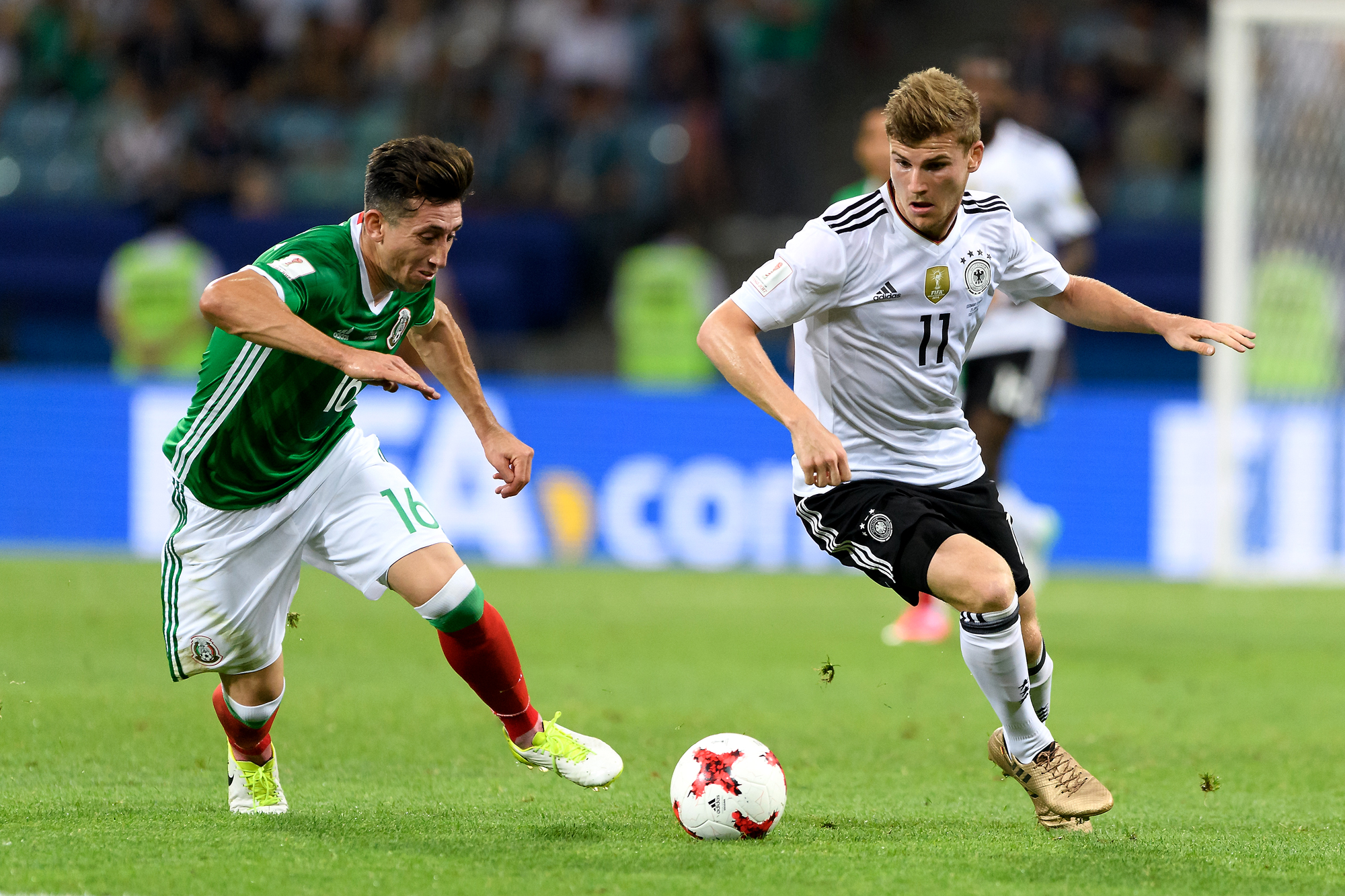
Which team did Mexico beat 1-0 in their opening match of the FIFA World Cup 2018?
There are results that live inside football forever. Scores that get passed down from one generation of supporters to the next, replayed in highlight reels and referenced in conversations about the beautiful game’s greatest moments. Mexico’s opening match at the 2018 FIFA World Cup produced exactly that kind of result. Mexico beat Germany 1-0 in their opening match of the 2018 FIFA World Cup. A single goal, scored by a young winger named Hirving “Chucky” Lozano in the 35th minute, was enough to topple the reigning world champions on one of football’s biggest stages. The date was June 17, 2018. The venue was the Luzhniki Stadium in Moscow, Russia. The attendance was 78,011. And for every Mexican supporter inside that stadium and watching from home, it was one of the greatest days their football has ever produced. Setting the Scene: What Made This Opening Match So Significant To truly appreciate what happened in Moscow that afternoon, you need to understand the context that surrounded it. The 2018 FIFA World Cup was hosted by Russia, and the draw had placed Mexico into Group F alongside Germany, Sweden, and South Korea. It was one of the most challenging groups in the tournament, and the opening fixture against Germany was considered by virtually every analyst to be Mexico’s toughest possible start. Germany were not simply a good team in 2018. They were the defending world champions, having won the 2014 tournament in Brazil with a 1-0 victory over Argentina in the final. Coached by Joachim Löw, their squad read like a who’s who of European football. Manuel Neuer in goal. Toni Kroos controlling midfield. Mesut Özil as the creative force. Thomas Müller and Timo Werner providing the attacking threat. FIFA had ranked them number one in the world heading into the tournament, and the overwhelming consensus was that they were among the two or three most likely sides to lift the trophy again. Mexico arrived with respect but without fear. Coach Juan Carlos Osorio had spent months preparing his squad for exactly this kind of challenge, and his roster blended experience with youthful energy. Goalkeeper Guillermo Ochoa, captain Andrés Guardado, and veteran striker Javier “Chicharito” Hernández provided the leadership, while young talents like Carlos Vela and Hirving Lozano offered pace and directness. The most recent competitive meeting between the two nations had ended in a 4-1 hammering for Mexico at the 2017 Confederations Cup semi-final. Mexico had never beaten Germany in competitive football before June 17, 2018. How Mexico Set Up: The Tactical Blueprint One of the most underappreciated aspects of Mexico’s famous victory is how intelligently Osorio approached the game. Rather than trying to match Germany’s possession-based style, he built his team around defensive discipline and the ability to hurt the world champions on the counter-attack. Mexico lined up in a 4-2-3-1 formation, with Héctor Moreno and Hugo Ayala as the central defensive partnership and Carlos Salcedo and Jesús Gallardo providing cover at full-back. In the middle of the park, Héctor Herrera and Andrés Guardado worked as a disciplined double pivot, focused on cutting off the supply lines to Germany’s creative players and protecting the space in behind the defensive line. The plan was clear. Absorb Germany’s pressure, stay compact, and wait for the moment to strike. Against a side as technically gifted as Germany, it required enormous concentration and physical commitment from every player on the pitch. For 35 minutes, Mexico executed it almost perfectly. The Goal: Lozano’s Moment That Defined a Generation The breakthrough that changed football history arrived in the 35th minute of Mexico’s 2018 World Cup opening match. Javier Hernández received possession in a dangerous area and immediately played a precise pass into the run of Hirving Lozano on the left side of the German penalty area. What Lozano did next was a combination of technique, composure, and pure instinct. He controlled the ball cleanly, shifted his body to evade Mesut Özil with a sharp directional change, and drove a low shot across Manuel Neuer from close range. The ball hit the back of the net, and the Luzhniki Stadium erupted in green and gold. It was Lozano’s first ever goal at a FIFA World Cup. It was also the perfect execution of everything Osorio had planned, a rapid transition from defence to attack, clinical finishing under pressure, and the courage to take on a world-class opponent in a decisive moment. Celebrations back in Mexico City were so intense that they reportedly registered on earthquake monitoring equipment across the capital. The Second Half: Ochoa, Resilience, and the Final Whistle Germany’s response in the second half was everything you would expect from the world’s top-ranked team. Joachim Löw made attacking substitutions, bringing on Marco Reus, Mario Gómez, and Julian Brandt to find a way through a disciplined Mexican rearguard. The Germans dominated possession and created a series of increasingly urgent chances. Toni Kroos struck the crossbar with a free-kick that had Ochoa beaten. Appeals for penalties were dismissed. Wave after wave of German pressure crashed against a Mexico defensive wall that refused to break. Guillermo Ochoa was outstanding in goal throughout, commanding his area with authority and producing the saves his team needed when Germany came closest to levelling. Every Mexican outfield player threw themselves into challenges and blocks with the kind of collective commitment that defines great defensive performances. When Edson Álvarez came on as a substitute, he slotted immediately into the structure and added another layer of physicality to the midfield shield. The final whistle confirmed what had seemed increasingly certain in the closing minutes. Mexico’s 2018 World Cup opening match ended 1-0. The defending world champions had been beaten. The Key Players Who Made History Several individuals deserve recognition for their roles in one of football’s most memorable upsets. Player Position Key Contribution Hirving Lozano Winger Scored the winning goal; awarded Man of the Match Guillermo Ochoa Goalkeeper Crucial saves throughout; kept Germany at bay Héctor Herrera Midfielder Relentless defensive work disrupting Germany’s play Andrés
Read More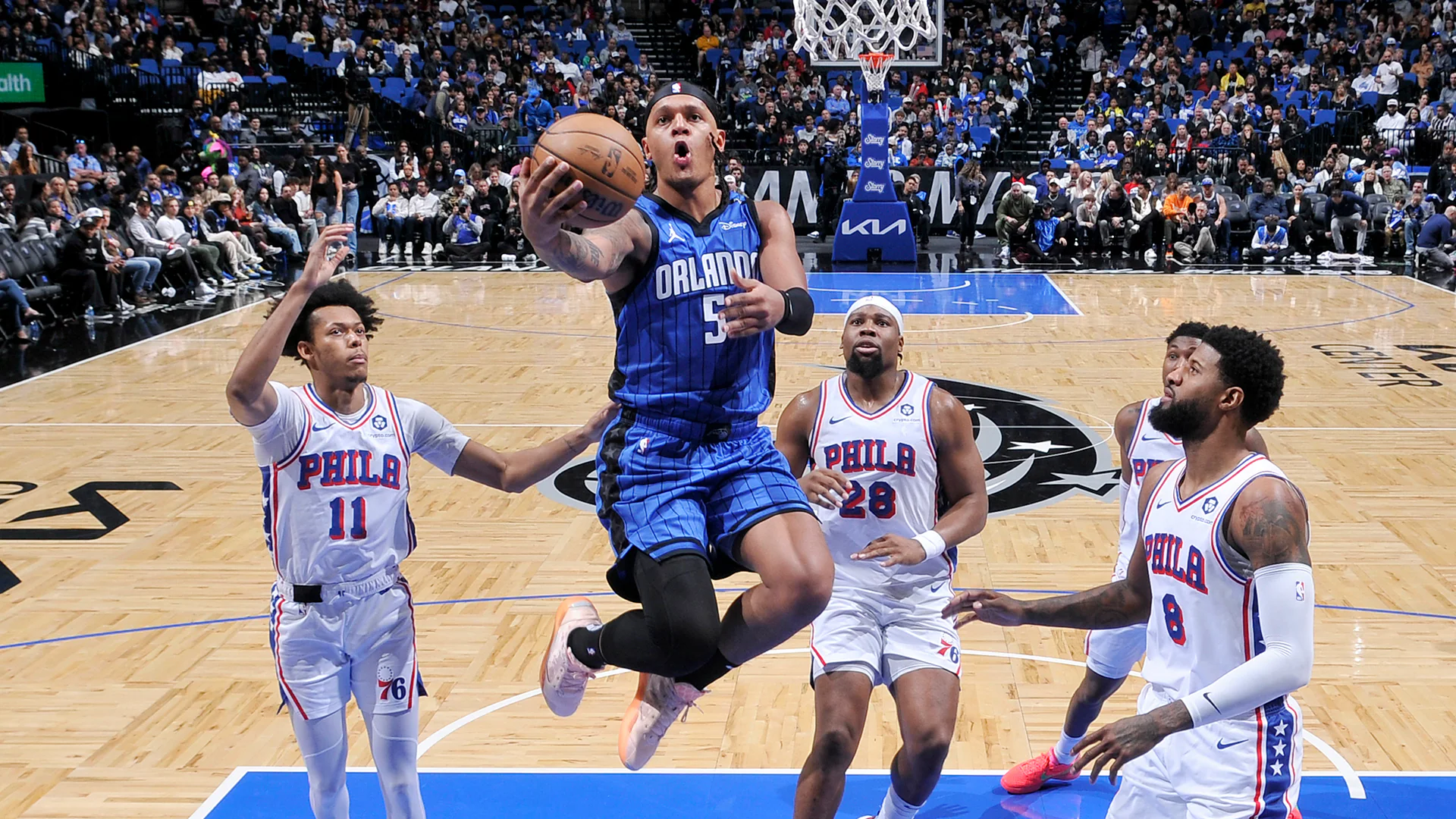
Why the 76ers and Magic Are in a Fight for Their Season 25-26?
With two weeks left in the 2025-26 NBA regular season, the Eastern Conference playoff picture has largely sorted itself out at the top. The Detroit Pistons, Boston Celtics, New York Knicks, and Cleveland Cavaliers have all secured their seedings with varying degrees of comfort. Below them, though, chaos reigns, and at the centre of it sits one of the most compelling late-season battles in recent memory. The Philadelphia 76ers and Orlando Magic are locked in a direct fight for the seventh seed in the Eastern Conference, separated by just half a game in the standings with the clock running down. The winner of that battle earns the right to host the 7-versus-8 Play-In game on April 14 and avoids the brutal do-or-die gauntlet that awaits the loser. For two franchises with very different identities but equally urgent timelines, this is not just a seeding dispute. It is a fight for the soul of their season. Where Things Stand: The Eastern Conference Play-In Race Before breaking down each team individually, here is a snapshot of the current Eastern Conference standings as of April 10, 2026. Seed Team Record Status 1 Detroit Pistons 58-22 Clinched 2 Boston Celtics 54-25 Clinched 3 New York Knicks 51-28 Clinched 4 Cleveland Cavaliers 51-29 Clinched 5 Atlanta Hawks 45-35 Clinched 6 Toronto Raptors 44-35 Clinched 7 Orlando Magic 44-36 Play-In 8 Philadelphia 76ers 43-36 Play-In The Play-In format offers no margin for error. The winner of the 7-versus-8 matchup earns the seventh seed and a first-round date with the second-seeded Celtics. The loser is dropped into a second Play-In game against the winner of the 9-versus-10 contest between the Charlotte Hornets and Miami Heat, where a single defeat ends the season entirely. One bad night, one key injury at the wrong moment, and an entire year of grinding through setbacks becomes nothing more than a footnote. The Philadelphia 76ers: Brilliant When Healthy, Fragile by Nature The 76ers entered the 2025-26 season with genuine optimism. Tyrese Maxey was coming off an All-Star breakout. Joel Embiid remained one of the most dominant two-way forces in the league when fit. The addition of Paul George on the wing provided the perimeter defence and secondary creation that the roster had been missing. On paper, this looked like a team capable of competing with anyone in the East. The season has been anything but straightforward. A Season Defined by the Injury Report The injury list has followed this team like a shadow all year. Embiid missed significant stretches in February and March with a right oblique strain, and even his returns have been described as non-linear, with the big man himself acknowledging the physical and mental toll of playing through it. Maxey battled a right pinkie finger tendon injury that cost him multiple weeks in March. Paul George served a 25-game suspension early in the season. Kelly Oubre Jr. dealt with a left elbow sprain. At various points this year, the Sixers have fielded lineups that bore no resemblance to the roster they planned for in October. What has kept them afloat is grit and role player production. Jared McCain, Quentin Grimes, Kyle Lowry, and Andre Drummond have all delivered in moments where the stars were unavailable. The team’s ability to stay relevant at 43-36 despite so many disruptions speaks to a level of competitive character that should not be underestimated. The concern heading into the Play-In is obvious. When Embiid is healthy and engaged, and when Maxey is operating at full explosive capacity, this offense is capable of overwhelming any opponent. The question is whether both players will be available and sharp enough at the same time when it matters most. Embiid’s oblique recovery has been unpredictable all season, and the roster still carries day-to-day question marks heading into the final stretch. Their remaining regular season schedule includes road games against the Houston Rockets and Indiana Pacers, plus a home finale against the Milwaukee Bucks. Each result directly affects not just their record but their tiebreaker positioning relative to Orlando. The Orlando Magic: Built Different, Built Together The Orlando Magic’s story in 2025-26 is almost the opposite of Philadelphia’s in every meaningful way. Where the Sixers are star-dependent and health-reliant, the Magic are a collective, a defensive system built on shared accountability and physical identity that functions whether all their key players are available or not. Their 44-36 record reflects exactly that. It has not been flashy. It has been earned possession by possession, stop by stop. Paolo Banchero and the Magic’s Growing Identity The engine behind everything in Orlando is Paolo Banchero, the 2022 number one overall pick who has grown into a genuine All-Star calibre forward. At 6 feet 10 inches, he combines scoring touch, playmaking instinct, and rebounding physicality in a package that creates matchup problems across the entire spectrum of opponents. He has carried the offense through slumps and publicly spoken about the importance of patience with injured teammates, a leadership quality that speaks to the culture coach Jamahl Mosley has built. Franz Wagner’s return from a high left ankle sprain has been significant, providing a secondary scorer and defensive presence that makes the Magic harder to game plan against. The supporting cast of Jalen Suggs, Wendell Carter Jr., and Anthony Black has given the team genuine depth, even as Jonathan Isaac and Jett Howard have dealt with their own injury issues. Orlando’s defensive identity is the core of their competitiveness. They switch everything, protect the rim relentlessly, and push the pace in transition. Their defensive rating has ranked among the league’s best for extended stretches, and in a physical Play-In environment, that structure is a genuine weapon. Against a Sixers team that can struggle with consistency, the Magic’s ability to grind games into the low-possession, defensive battles they prefer gives them a real edge. Their remaining schedule includes matchups against the Minnesota Timberwolves, Chicago Bulls, and Boston Celtics, a tough closing stretch that will test their depth but also serve as genuine preparation for
Read More
Why Fernando Mendoza is the Raiders’ High-Stakes Gamble?
The Las Vegas Raiders have never been a franchise built on playing it safe. From the “Just Win, Baby” philosophy of Al Davis to the bold relocation to Allegiant Stadium, the Silver and Black identity has always been rooted in calculated boldness. But as the 2026 NFL Draft arrives, the Raiders are preparing to make the biggest bet in their modern history. That bet has a name: Fernando Mendoza. Projected as the number one overall pick, the Indiana University quarterback is the most compelling and polarising prospect of the decade. He is a Heisman Trophy winner, a National Champion, and a genuine academic phenomenon with a 4.86 GPA. He is also completely unproven at the professional level, stepping into one of the most demanding environments in sports. For the Raiders, selecting Mendoza is not simply a draft choice. It is a franchise-defining decision that could deliver a Super Bowl within three years or set the organisation back for a decade. Here is a complete breakdown of why the Fernando Mendoza Raiders gamble is the most fascinating story of the 2026 NFL Draft. The College Numbers: Brilliant, But Are They Believable? Any honest evaluation of Fernando Mendoza has to start with what he produced at Indiana, because the statistics are genuinely stunning. Leading the Hoosiers to their first-ever National Championship, Mendoza posted a 72 percent completion rate, 41 touchdowns, and only six interceptions across the season. His performance in the College Football Playoff, particularly in the championship win over Miami, was described by multiple scouts as professional-grade in terms of poise and decision-making. The problem is that outstanding college numbers have deceived NFL franchises before, and the analytical community is genuinely split on how to interpret Mendoza’s production. The question being asked in every front office is a simple but critical one: how much of that was Mendoza, and how much was the system around him? Indiana’s offense in 2025 was a rhythm-based, highly efficient scheme designed to get the ball out quickly and let the quarterback work in comfortable windows. Mendoza thrived in that environment. The NFL is a different world entirely, where defensive coordinators disguise coverages at a speed that renders pre-snap reads unreliable and forces quarterbacks to process information in real time under elite pass rush pressure. Transitioning from Indiana’s college scheme to Klint Kubiak’s NFL system requires what analysts describe as a full cognitive rewiring. If Mendoza cannot make that adjustment, those 41 touchdowns could quickly become a troubling interception total. The Kirk Cousins Situation: Safety Net or Ticking Clock? One of the most intriguing subplots surrounding the Fernando Mendoza Raiders decision is what the organisation did before the draft even happened. Las Vegas signed veteran quarterback Kirk Cousins to a five-year, $172 million contract, with $20 million guaranteed for the 2026 season. The intention, according to head coach Klint Kubiak, is to give Mendoza a “mature adult” to watch and learn from while avoiding the physical and mental toll of the rookie wall. On paper, the logic is sound. The Alex Smith and Patrick Mahomes situation in Kansas City is the most cited example of this working perfectly. Smith was professional enough to handle the transition gracefully, Mahomes learned without being rushed, and the result was one of the greatest quarterback careers in NFL history. The risk is that this is Las Vegas, not Kansas City. If the Raiders open the season at 0-3 with Cousins under centre, the pressure from fans and media to start the number one overall pick will be immediate and overwhelming. Forcing a quarterback onto the field before he is mentally and physically ready is one of the most reliable ways to derail a promising career before it properly begins. The Raiders are betting that their coaching staff can manage that pressure. Given the environment they play in, that is a significant assumption. The “Genius” Problem: When Intelligence Becomes a Risk Fernando Mendoza is not simply smart for a football player. He is a Haas School of Business graduate who pursued an MBA while simultaneously winning the Heisman Trophy. He keeps only LinkedIn and YouTube on his phone, reportedly to eliminate distraction and maximise his preparation time. His discipline and intellectual capacity are genuinely exceptional. Can a Quarterback Be Too Analytical? This is the question that NFL scouts are quietly debating, and it is more serious than it sounds. The obvious argument in Mendoza’s favour is that his academic discipline suggests he will have the Raiders’ playbook mastered before most rookies have finished unpacking. He will not be outschemed or outsmarted at the NFL level. The concern, however, centres on what scouts call “paralysis by analysis.” At the professional level, a quarterback does not have time to logically calculate the optimal decision on every play. The game moves too fast. The best quarterbacks in NFL history have been those who can process information intuitively, reacting to what they feel rather than what they calculate. There is a genuine worry among some evaluators that Mendoza’s highly analytical mind may cause him to overthink in the moments that demand pure instinct. It is an unusual problem to have, and one that most franchises would happily take over a quarterback with low football intelligence. But it is a real variable that the Raiders cannot ignore. The Physical Profile: Elite Enough for the Modern NFL? At 6 feet 5 inches, Mendoza has the kind of frame that NFL general managers have traditionally prioritised at the quarterback position. His size allows him to see over defensive linemen and throw into tight windows from a clean pocket. His accuracy, particularly his ability to “layer” the ball, throwing with touch over linebackers but underneath safeties, is considered an elite NFL-level trait by the evaluators who are most bullish on his prospects. Where the Physical Questions Begin The modern NFL has evolved significantly in terms of what it asks from its quarterbacks. Mobility is no longer a bonus; for many franchises it is a requirement. Mendoza is not
Read More
I Am Maximus Grand National 2026: Can He Defy the Data and Reclaim His Crown?
There are sporting questions that generate debate, and then there are the ones that genuinely divide experts. Heading into the 2026 Randox Grand National at Aintree, the racing world has one conversation and one conversation only: can I Am Maximus do what no horse has done in over half a century and reclaim the title after losing it? The Willie Mullins-trained superstar won the world’s most famous steeplechase in spectacular fashion in 2024, then finished a valiant runner-up in 2025 under the crushing burden of top weight. Now he returns for a third consecutive crack at Aintree, older, heavier on the handicap, and carrying the expectations of an entire sport on his back. The case for him is built on class. The case against him is built on a century of data. Here is a full breakdown of everything you need to know about I Am Maximus in the 2026 Grand National. The Historical Weight of What He Is Being Asked to Do Before assessing his chances in 2026, it is worth pausing to appreciate just how extraordinary his target actually is. Since the legendary Red Rum completed his hat-trick of Grand National victories in the 1970s, no horse has lost the title and come back to win it again. That barrier has stood for more than 50 years. To win this year, I Am Maximus must become the first horse in modern racing history to complete what analysts are calling a “sandwich” victory, winning in 2024, finishing second in 2025, and winning again in 2026. That is not just a tough ask statistically. It is uncharted territory. The physical and mental toll of running the Grand National is immense, and the horses that have been defeated after winning rarely find a way to summon the same performance again. I Am Maximus would be rewriting the history books simply by trying. The Weight Problem: Numbers That Cannot Be Ignored If the historical precedent is the emotional argument against him, the weight is the cold, statistical one, and it is arguably the most significant factor in any honest I Am Maximus Grand National 2026 assessment. He has been assigned 11st 12lb for this year’s renewal, reflecting a handicap rating of 168 that marks him as the highest-rated horse in the field by a single pound over his nearest rival. That sounds like a compliment, and in one sense it is. It is also a serious problem. The data here is stark. Eighteen of the last 21 Grand National winners carried 11st 0lb or less. The race is run over four miles and two furlongs, across 30 fences, against 33 rivals. Every extra pound carried over that distance matters, and the difference between 11st 12lb and a horse like Johnnywho, who carries 10st 4lb, is a 22-pound advantage spread across every single one of those fences and every single yard of that journey. In 2025, the weight ultimately told in the final strides. I Am Maximus ran a race full of courage and class but was overhauled near the line by his own stablemate Nick Rockett, who carried significantly less. The concern is that history may repeat itself in an even more punishing way this time around. The Age Question: Is Ten the New Nine? There is a third statistical trend working against him, and while it is the least dramatic of the three, it adds to the overall picture. I Am Maximus turns ten this year, and the recent trend at Aintree has shifted toward younger horses. The last ten Grand National winners were all aged nine or younger. Nick Rockett, last year’s winner, was nine. The modern Aintree course, with its demands for speed as well as stamina, increasingly favours horses that are still progressing rather than those at or just past their peak. A ten-year-old can absolutely win this race, and several have done so throughout the race’s history, but the statistical wind is blowing in a different direction right now. Why He Can Still Do It: The Qualitative Case Statistics tell you what has happened. They do not always tell you what will happen, particularly when the horse in question is not a typical runner. I Am Maximus is not a trends horse. He is a generational talent, and there are several compelling reasons why he could defy every number stacked against him. The Engine That Sets Him Apart What makes I Am Maximus genuinely unusual among staying chasers is his ability to produce a devastating late surge after what appears to be a flat spot in the middle of a race. In his 2024 Irish National win at Fairyhouse, he was last with nine fences remaining and still won. At Aintree that same year, his closing speed from the final fence to the line was among the fastest ever recorded for a National winner. That ability to “motor” past exhausted horses at the Elbow, the famous bend in the home straight where Grand Nationals are so often decided, is not something that shows up on a weight chart. It is a physical gift, and it remains intact. The Mullins Masterclass You cannot assess I Am Maximus without assessing Willie Mullins, because the trainer is as much a part of the equation as the horse. In 2025, Mullins did not simply win the Grand National. He orchestrated a 1-2-3 finish for his stable, a tactical masterclass that demonstrated his ability to control the pace and tempo of the race to suit his best stayers. With I Am Maximus as the clear class horse of the 2026 field, Mullins has every incentive and every tool to engineer the race in his favour again. The stable’s ability to set a strong gallop that stretches the field and brings stamina to the forefront is a significant, if unquantifiable, advantage. A More Professional Jumper Earlier in his career, I Am Maximus had a reputation for being quirky and inconsistent at his fences, sometimes jumping markedly to the left. His 2025 performance
Read More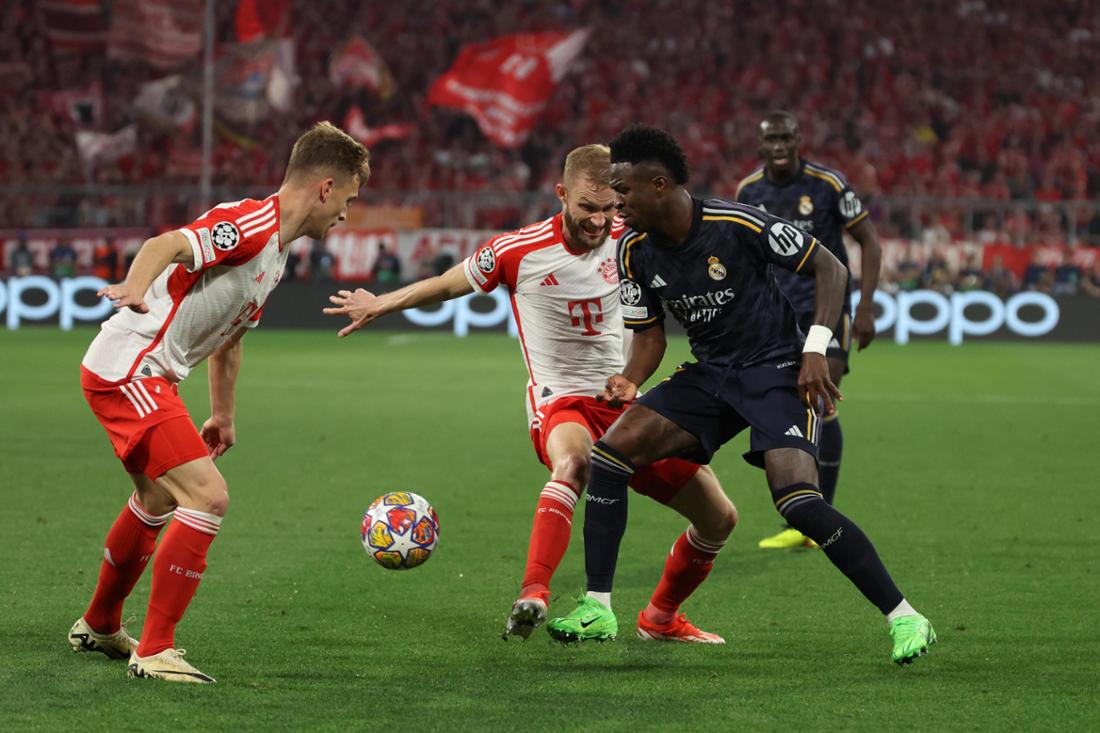
Real Madrid vs Bayern Munich Prediction: Champions League Quarter-Final 2025/26
Some fixtures carry weight before a single ball is kicked. Real Madrid vs Bayern Munich is one of them. This is not just a Champions League quarter-final. It is the most played fixture in the history of European football’s biggest club competition, a rivalry so rich and so consistently dramatic that it has earned its own name: the European Clásico. With the first leg taking place at the Santiago Bernabéu, both clubs arrive carrying genuine ambition, significant injury concerns, and the kind of tactical complexity that makes this matchup endlessly fascinating to break down. Here is our full Real Madrid vs Bayern Munich prediction, covering history, form, tactics, team news, and a final verdict. The History Behind Real Madrid vs Bayern Munich Before any prediction can be made with confidence, the historical record deserves attention, because in this particular matchup, it genuinely matters. Heading into this quarter-final, the two sides have met 28 times across all European competitions. Real Madrid lead the all-time head-to-head with 13 wins to Bayern’s 11, with 4 draws making up the rest. But raw numbers only tell part of the story. The more relevant pattern is what has happened in the last decade specifically. Madrid eliminated Bayern in the semi-finals in 2014, 2017, 2018, and again in 2024. That is four exits in ten years for a club that considers the Champions League its birthright. Despite that record, Bayern have never approached this fixture with fear. They have consistently pushed Madrid to the absolute limit, which is precisely what makes this tie so difficult to call. Real Madrid have won 15 European Cups. They are chasing number 16. Bayern know that stopping them here would mean something far beyond a place in the semi-finals. Real Madrid: Champions League DNA Despite Domestic Struggles Álvaro Arbeloa, a man who bled for both clubs as a player and now leads from the dugout, has Madrid operating in a curious space right now. Their domestic form has been inconsistent, highlighted by a frustrating 2-1 defeat to Mallorca just days before this first leg. Yet, the “Arbeloa era” is being defined by a refusal to buckle under pressure; domestic stumbles rarely seem to dampen the aura of the Bernabéu when the Champions League anthem plays. Real Madrid Current Form and Tactical Setup Madrid’s system continues to be built around the devastating attacking partnership of Kylian Mbappé and Vinícius Júnior. When both are firing, they are simply the most dangerous front two in world football. The loss of Rodrygo to an ACL injury is a genuine blow to their creative depth, but Arda Güler has stepped up as the creative link between midfield and attack, while Fede Valverde provides tthe energy and intensity that has become a hallmark of Arbeloa’s tactical setup. While he lacks Ancelotti’s four trophies, Arbeloa has instilled a ‘Castilla-first’ grit into the squad that was evident in their Round of 16 triumph over Manchester City. Defensively, the young Dean Huijsen has formed a promising partnership alongside the experienced Antonio Rüdiger, giving the backline a decent blend of pace and physicality. With Thibaut Courtois still out through injury, Andriy Lunin continues in goal and has been quietly impressive throughout the season. Real Madrid Key Injuries and Absences Madrid are dealing with a short but significant injury list heading into this tie: The absence of Courtois removes one of the best big-game goalkeepers in the world from what promises to be a high-pressure occasion. Lunin is capable, but there is a difference in experience at this level that could matter in a tight moment. Bayern Munich: Kompany’s Philosophy Faces Its Biggest Test Vincent Kompany has transformed the mood at Bayern Munich since taking charge. His high-pressing, possession-dominant style has delivered dominance in the Bundesliga, but the Champions League quarter-final against Real Madrid represents a completely different challenge. This is where philosophies are tested and reputations are made. Bayern Munich Current Form and Tactical Setup Bayern arrive at the Bernabéu with confidence following a 3-2 comeback win against Freiburg at the weekend. That result demonstrated resilience as well as quality, two attributes they will need in abundance in Madrid. The biggest talking point surrounds Harry Kane. The England captain, who has been outstanding in his time at Bayern, is dealing with an ankle injury that forced him to miss the weekend fixture. Kompany has indicated some optimism about his availability, but even if he plays, his sharpness may be compromised. Should he be ruled out or limited, Nicolas Jackson could lead the line, using his pace to test Madrid’s high defensive line. Luis Díaz has been a revelation since his move from Anfield, providing the clinical edge Bayern needed. Should Harry Kane’s ankle keep him sidelined, Nicolas Jackson is expected to lead the line; while he arrived on a complex loan from Chelsea, his pace is exactly what Kompany needs to stretch Rüdiger and the Madrid defense. Bayern Munich Key Injuries and Absences Bayern’s own injury list adds an element of uncertainty to their selection: Losing both Kane and Musiala from the starting lineup would be a significant blow to their attacking threat. Musiala in particular is the kind of player who creates problems that opponents cannot simply plan away. Head-to-Head Statistics: What the Numbers Tell Us Looking at both sides’ recent Champions League performances gives valuable context to this prediction. Metric Real Madrid (Last 5 UCL) Bayern Munich (Last 5 UCL) Goals Per Game 2.2 2.6 Possession % 52% 58% Clean Sheets 2 1 Big Chances Created 14 19 Bayern create more chances and dominate possession more consistently, yet Madrid’s efficiency is higher. That gap between chance creation and conversion is where Vinícius Júnior becomes the defining variable. He does not need many moments. He just needs one or two, and he tends to find them in the games that matter most. The Tactical Battles That Will Decide the Tie The Wing War: Alexander-Arnold vs Luis Díaz One of the most intriguing individual matchups of the first leg
Read More