
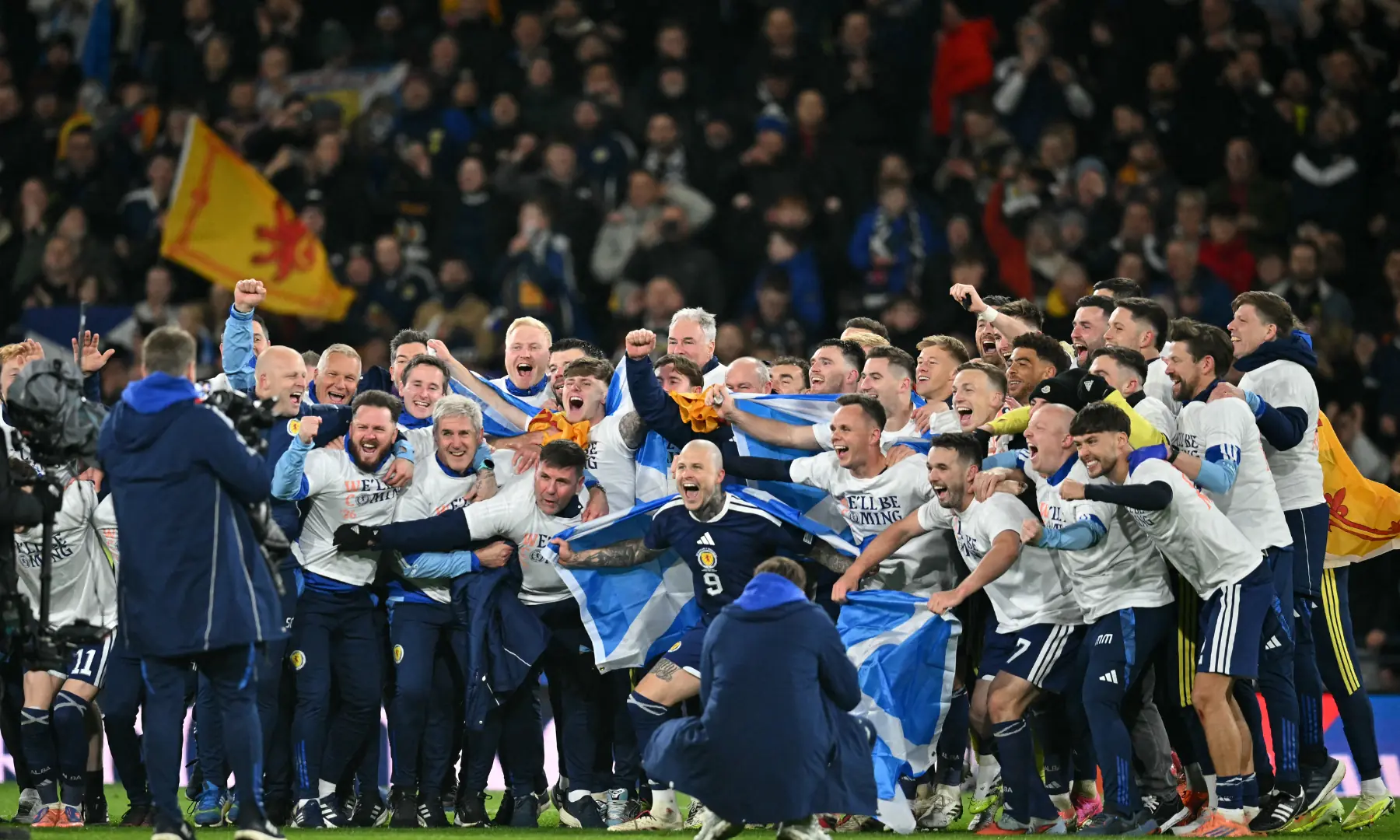
FIFA World Cup 2026 Qualified Teams List: All 48 Nations, Debutants, and Biggest Surprises
The 2026 FIFA World Cup is the most significant structural change in the tournament’s 96-year history. For the first time ever, 48 nations will compete for football’s ultimate prize, up from the 32-team format that has been in place since 1998. Co-hosted across Canada, Mexico, and the United States from June 11 to July 19, 2026, this edition represents a deliberate and historic push toward global football inclusivity. The FIFA World Cup 2026 qualified teams list is now complete. With 45 spots earned through gruelling continental qualifying campaigns spanning from September 2023 through to March 2026, plus the three automatic berths awarded to the host nations, every team that will appear in North America this summer has been confirmed. The qualification process involved 206 nations across six confederations, making it the most expansive qualification cycle in the sport’s history. This article gives you the full breakdown of every qualified team by confederation, highlights the four first-time qualifiers making their World Cup debuts, analyses the biggest shocks and heartbreaks from the qualification stage, and looks ahead at what this historic 48-team field means for the tournament itself. Whether you are planning your viewing schedule or simply want to understand how the field came together, this is your complete guide. The Complete FIFA World Cup 2026 Qualified Teams List by Confederation The 48 qualified teams are distributed across six confederations, with allocations reflecting both historical performance and FIFA’s push for broader representation. Here is the full breakdown of every nation that has earned their place in North America. All 48 Qualified Teams by Confederation Confederation Teams Qualified Notable Inclusions UEFA (Europe) 16 France, Germany, Spain, England, Portugal CAF (Africa) 10 Morocco, Senegal, Egypt, Algeria, Côte d’Ivoire AFC (Asia) 9 Japan, South Korea, Australia, Iran, Saudi Arabia CONMEBOL (South America) 6 Argentina, Brazil, Colombia, Uruguay, Ecuador CONCACAF (North/Central America) 6 USA, Mexico, Canada (hosts), Panama, Haiti, Curaçao OFC (Oceania) 1 New Zealand The expansion from 32 to 48 teams primarily benefited Africa (up from 5 to 10 slots), Asia (up from 4.5 to 8.5 slots), and CONCACAF (up from 3.5 to 6 slots). This redistribution reflects where football’s fastest growth is happening and acknowledges that talent is no longer concentrated exclusively in Europe and South America. CONMEBOL: South American Royalty Qualifies in Full Force South America sends six teams to the FIFA World Cup 2026 qualified teams list, and the continent’s qualification story is one of sustained excellence across an unforgiving 18-match round-robin format. Every match in CONMEBOL qualifying counts, there are no easy opponents, and the margin for error across nearly three years of competition is extremely thin. Argentina qualified with a pragmatic 0-0 draw in Bolivia in March 2025, a result that reflected their post-2022 mentality of grinding out results rather than chasing glory. As defending champions, they approached qualification with professionalism rather than panache, and it worked. Brazil followed in their traditional position near the top, while Colombia, Ecuador, Paraguay, and Uruguay all earned their spots through consistency and physicality across the full campaign. The notable absentees are Chile and Peru, two nations with genuine football pedigree who could not secure their positions in an era where the competition has never been stronger. CONMEBOL’s single available playoff slot went unused in the direct qualification sense, meaning the top six simply outperformed everyone else across 18 matches. CONMEBOL 2026 Qualified Teams Team World Cup Appearances Best Result Key Player Argentina 18 Winners (1978, 1986, 2022) Lionel Messi Brazil 22 Winners (5 times) Vinicius Jr Colombia 7 Quarter-finals (1994) Luis Díaz Uruguay 14 Winners (1930, 1950) Darwin Núñez Ecuador 4 Round of 16 (2006) Moisés Caicedo Paraguay 9 Quarter-finals (2010) Miguel Almirón UEFA: Europe’s 16 Teams Include Resurgents and Playoff Survivors Europe retains the largest allocation in the FIFA World Cup 2026 qualified teams list, with 16 nations earning their place across a combination of direct qualification groups and a four-round playoff system. The UEFA allocation reflects the confederation’s depth, but the playoff stage also exposed genuine frailties in some of the continent’s most historically significant footballing nations. The direct qualifiers read like a who’s who of international football’s elite: France, Germany, Spain, England, Portugal, Netherlands, Belgium, Croatia, Austria, Norway, Scotland, and Switzerland all secured their spots through group stage performance. The playoff route then delivered Sweden, Türkiye, Czechia, and Bosnia and Herzegovina as the final four European qualifiers. Bosnia and Herzegovina’s playoff victory over Italy on penalties was the single most discussed result of the entire global qualification process, and it is covered in greater detail in the surprises section below. Scotland’s playoff qualification adds emotional resonance for a nation with a passionate football culture that has historically struggled on the biggest stages. Key UEFA Qualified Teams Overview Team Qualification Route World Cup Appearances Tournament Pedigree France Direct 16 Winners 1998, 2018 Germany Direct 20 Winners 4 times Spain Direct 16 Winners 2010 England Direct 16 Winners 1966 Portugal Direct 9 Semi-finals 2006 Bosnia and Herzegovina Playoff 2 Group stage 2014 Türkiye Playoff 5 Third place 2002 Sweden Playoff 12 Third place 1994 CAF: Africa’s Record 10-Team Contingent Signals a New Era Africa has never sent more teams to a World Cup than the 10 nations confirmed in the FIFA World Cup 2026 qualified teams list. This expanded allocation is arguably the most significant beneficiary of the 48-team format, and the quality of teams that qualified reflects how far African football has developed since the continent first appeared at the tournament in 1970. Morocco qualified first among African nations in September 2025, building directly on their extraordinary 2022 World Cup campaign where they became the first African nation to reach a semi-final. They arrive in 2026 as genuine dark horse contenders rather than romantic underdogs. Senegal, Egypt, Algeria, Ghana, Côte d’Ivoire, South Africa, Tunisia, DR Congo, and Cabo Verde complete Africa’s largest ever World Cup delegation. South Africa’s return ends a 16-year absence from the tournament. DR Congo’s qualification is their first since 1974, when they competed under the name
Read More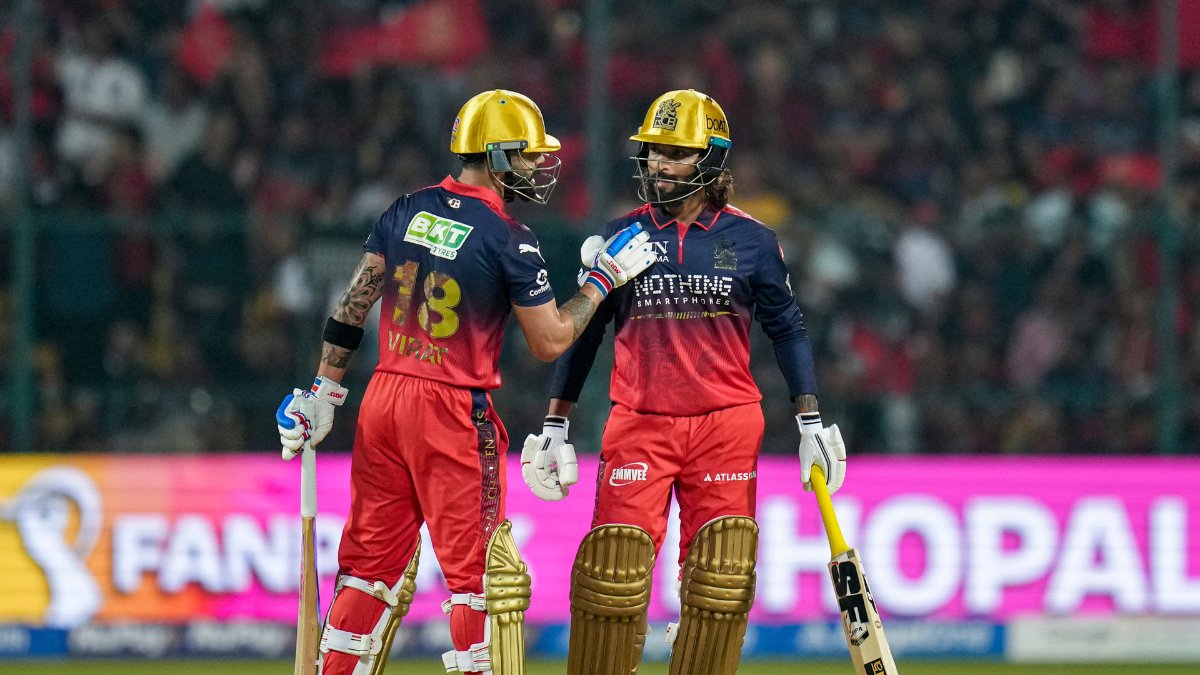
IPL 2026 Points Table Latest: RCB and RR Tied at 8 Points with Full NRR Breakdown
The Indian Premier League 2026 has wasted absolutely no time in delivering the kind of drama that makes this tournament the most watched T20 cricket competition on the planet. Three weeks into the season, the IPL 2026 points table latest standings show two of the competition’s most celebrated franchises sitting in a dead heat at the summit. Royal Challengers Bengaluru and Rajasthan Royals are both locked on 8 points from 5 matches, and the only thing separating them is Net Run Rate. RCB holds the edge with an NRR of +1.503, while RR sits at +0.889. That gap of just over half a run per over is the difference between first and second place as of April 16, 2026, following RCB’s commanding five-wicket victory over Lucknow Super Giants in Match 23. Behind these two leaders, a five-team cluster is jammed on 4 points each, meaning the standings could shift dramatically with a single result on any given evening. This article gives you the complete picture: the full points table, a granular NRR breakdown, campaign analysis for both top sides, individual award races, and forward-looking predictions for the playoff race. Whether you are following every match or catching up after a few days away, this is your definitive guide to where IPL 2026 stands right now. Full IPL 2026 Points Table as of April 16, 2026 After 23 matches played across various venues, here is the complete updated standings. The table reflects results through RCB’s win over LSG on April 15. Pos Team P W L NR Pts NRR Recent Form 1 Royal Challengers Bengaluru (RCB) 5 4 1 0 8 +1.503 W W L W W 2 Rajasthan Royals (RR) 5 4 1 0 8 +0.889 L W W W W 3 Punjab Kings (PBKS) 4 3 0 1 7 +0.720 W N W W 4 Sunrisers Hyderabad (SRH) 5 2 3 0 4 +0.576 W L L W L 5 Delhi Capitals (DC) 4 2 2 0 4 +0.322 L L W W 6 Gujarat Titans (GT) 4 2 2 0 4 -0.029 W W L L 7 Lucknow Super Giants (LSG) 5 2 3 0 4 -0.804 L L W W L 8 Chennai Super Kings (CSK) 5 2 3 0 4 -0.846 W W L L L 9 Mumbai Indians (MI) 4 1 3 0 2 -0.772 L L L W 10 Kolkata Knight Riders (KKR) 5 0 4 1 1 -1.383 L L N L L Several things stand out immediately when you study these standings carefully. Only three teams carry a positive NRR above +0.500, which tells you how competitive this season has been at both ends of the table. Punjab Kings are particularly dangerous despite sitting third, because they have a game in hand over most teams above and below them. KKR, as defending champions just two seasons ago, are in serious danger of missing the playoffs entirely if their form does not turn around quickly. RCB’s 2026 Campaign: Defending Champions Living Up to the Billing RCB arrive at this point in the season as defending champions, having finally ended their long wait for an IPL title in 2025. Expectations were enormous heading into 2026, and captain Rajat Patidar’s side has largely delivered on them with four wins from five outings. Their only defeat came in Match 16 against RR in Guwahati, a six-wicket loss that exposed some middle-order vulnerability under pressure. However, what has defined RCB’s campaign so far is not just the wins but the manner of them. They have beaten opponents by large margins consistently, which directly explains why their NRR sits significantly higher than any other team in the competition. Key Performers Driving RCB’s Success Virat Kohli is leading the Orange Cap race with 228 runs from 5 matches at an average of 57.00 and a strike rate of 158.33. Those numbers are not just impressive individually; they are the engine of RCB’s top-order dominance. When Kohli fires, RCB’s scoring rate accelerates early in innings, setting platforms that the middle order can build upon. The bowling department has been equally effective. Josh Hazlewood leads the pace attack with disciplined lines and the ability to take wickets in the powerplay and at the death. Krunal Pandya’s spin in the middle overs has provided control and wickets, limiting opposition accelerations at crucial junctures. RCB’s win over LSG on April 15 was particularly significant from an NRR perspective. Overhauling the target with 29 balls to spare boosted their scoring rate column substantially, widening the NRR gap between themselves and RR at exactly the right time in the season. Rajasthan Royals: Explosive and Dangerous Despite One Stumble RR began IPL 2026 in sensational fashion, winning their first four matches in a row and establishing themselves as the early frontrunners. Their batting lineup combined youth and experience in a way that made them almost impossible to contain when they were in full flow. The defeat to Sunrisers Hyderabad in Match 21, a 57-run loss, was a jolt to their momentum and NRR simultaneously. Before that game, RR were arguably playing the most complete cricket in the tournament. After it, they find themselves second in the IPL 2026 points table latest standings purely because their run rate margins have not been as dominant as RCB’s across the full five matches. What Makes RR Genuinely Dangerous Despite sitting second, RR possess qualities that make them a serious threat to any team in the competition. Their chasing record in particular is remarkable. When RR know exactly what they need to score, their batting order becomes clinical and calculated in a way that is very difficult to bowl against. The Guwahati Clash: Head-to-Head Result That Shaped the Standings The direct meeting between RCB and RR on April 10 in Guwahati remains the most important individual match of the season so far. Understanding that game helps explain how two teams on identical points have ended up with such different NRR values. RCB posted a competitive 201/8 in their 20
Read More
Who Has the Most FIFA World Cup Appearances by a Single Player in History?
The FIFA World Cup is the most watched sporting event on the planet. Every four years, billions of fans tune in to watch the world’s best players compete for football’s ultimate prize. But while goals, trophies, and golden boots tend to dominate the headlines, there is another milestone that speaks volumes about a player’s greatness: the total number of World Cup appearances accumulated across an entire career. Appearing at one World Cup requires talent. Appearing at two demands consistency. Making it to three, four, or even five editions of the tournament is a feat that separates true legends from everyone else. It requires not just elite ability but extraordinary physical durability, mental resilience, tactical adaptability, and the fortune of representing a nation capable of qualifying repeatedly. Lionel Messi currently holds the all-time record with 26 World Cup appearances, a mark built across five tournaments spanning from Germany 2006 to Qatar 2022. With the 2026 FIFA World Cup fast approaching, the first 48-team edition co-hosted by the United States, Canada, and Mexico, records that stood for decades are now within reach of being rewritten entirely. This article takes a deep dive into the players with the most FIFA World Cup appearances in history, examining what drove their longevity, how they adapted across different eras, and what the 2026 tournament could mean for the record books. Lionel Messi: The All-Time Leader with 26 World Cup Appearances No player in the history of the FIFA World Cup has stepped onto the pitch more times than Lionel Messi. His record of 26 appearances is the product of five consecutive tournament campaigns, each one adding another chapter to the most decorated individual career in football history. Messi made his World Cup debut at just 18 years old at Germany 2006, coming off the bench to score against Serbia and Montenegro. From that moment, he never missed another edition. He played all seven matches at South Africa 2010, reached the final at Brazil 2014 where he won the Golden Ball, participated fully at Russia 2018, and then capped everything with a trophy at Qatar 2022, where Argentina defeated France on penalties in arguably the greatest World Cup final ever played. Messi’s World Cup Appearances by Tournament Tournament Year Host Matches Played Goals Assists Germany 2006 Germany 3 1 1 South Africa 2010 South Africa 5 0 2 Brazil 2014 Brazil 7 4 1 Russia 2018 Russia 4 1 2 Qatar 2022 Qatar 7 7 3 Total 26 13 9 What elevates this record beyond pure statistics is the quality Messi delivered alongside the quantity. He did not simply accumulate appearances by featuring as a substitute or filling squad numbers. He was Argentina’s most important player in every single tournament, evolving from an electric young winger into a deep-lying playmaker and eventually a world champion and undisputed leader. If he participates at the 2026 World Cup, he could push his total even further into uncharted territory. Lothar Matthäus: The Former Record Holder Who Set the Standard Before Messi arrived to claim the crown, one name stood alone at the top of this list for over two decades. Lothar Matthäus of West Germany and Germany accumulated 25 World Cup appearances across five tournaments between 1982 and 1998, a record that seemed virtually untouchable at the time. Matthäus was the complete midfielder. He combined physical power with exceptional technical quality, reading the game with a tactical intelligence that allowed him to remain relevant as the sport evolved around him. He began his World Cup career as a dynamic box-to-box player and finished it as a commanding libero, demonstrating the kind of positional adaptability that extended elite careers before modern sports science made it more common. What Made Matthäus’s Record So Remarkable Reaching 25 appearances in an era with fewer substitutions, less squad rotation, and significantly more physical contact makes Matthäus’s achievement genuinely extraordinary. He appeared in three consecutive World Cup finals in 1982, 1986, and 1990, winning the trophy as captain in Italy. His longevity was driven by several factors that modern analysts continue to reference: His record stood for over 20 years, and the fact that only Messi has surpassed it underlines just how rare this level of sustained excellence truly is. Miroslav Klose: 24 Appearances and Football’s Greatest Goalscorer Miroslav Klose occupies a unique position in World Cup history. He ranks third on the all-time appearances list with 24 matches across four tournaments from 2002 to 2014, while simultaneously holding the record for most World Cup goals ever scored with 16. No player has combined volume and impact quite like Klose across the modern era. His World Cup career with Germany was defined by reliability. He scored in every single tournament he entered, delivered crucial goals in knockout rounds, and consistently elevated his performance when the pressure was highest. His aerial ability, intelligent movement, and selfless pressing style made him a nightmare for defenders and a perfect fit for Germany’s structured, progressive style of play. Top Three All-Time World Cup Appearance Leaders Rank Player Nation Appearances Tournaments Key Achievement 1 Lionel Messi Argentina 26 5 (2006 to 2022) 2022 World Cup winner and Golden Ball 2 Lothar Matthäus Germany 25 5 (1982 to 1998) 1990 World Cup winner as captain 3 Miroslav Klose Germany 24 4 (2002 to 2014) All-time record of 16 World Cup goals Klose reaching 24 appearances across just four tournaments highlights the benefit of representing a nation that consistently advances deep into the knockout rounds. Germany reached the final in 2002, the semifinal in 2006 and 2010, and won the trophy in 2014. Those deep runs transformed a strong career into a record-breaking one. Paolo Maldini: Defensive Excellence Across 23 Appearances Paolo Maldini stands as the greatest defender in this conversation, having accumulated 23 World Cup appearances for Italy across four tournaments between 1990 and 2002. In an era when Italy’s football was synonymous with defensive organisation and tactical discipline, Maldini was the foundation upon which every campaign was built. He featured
Read More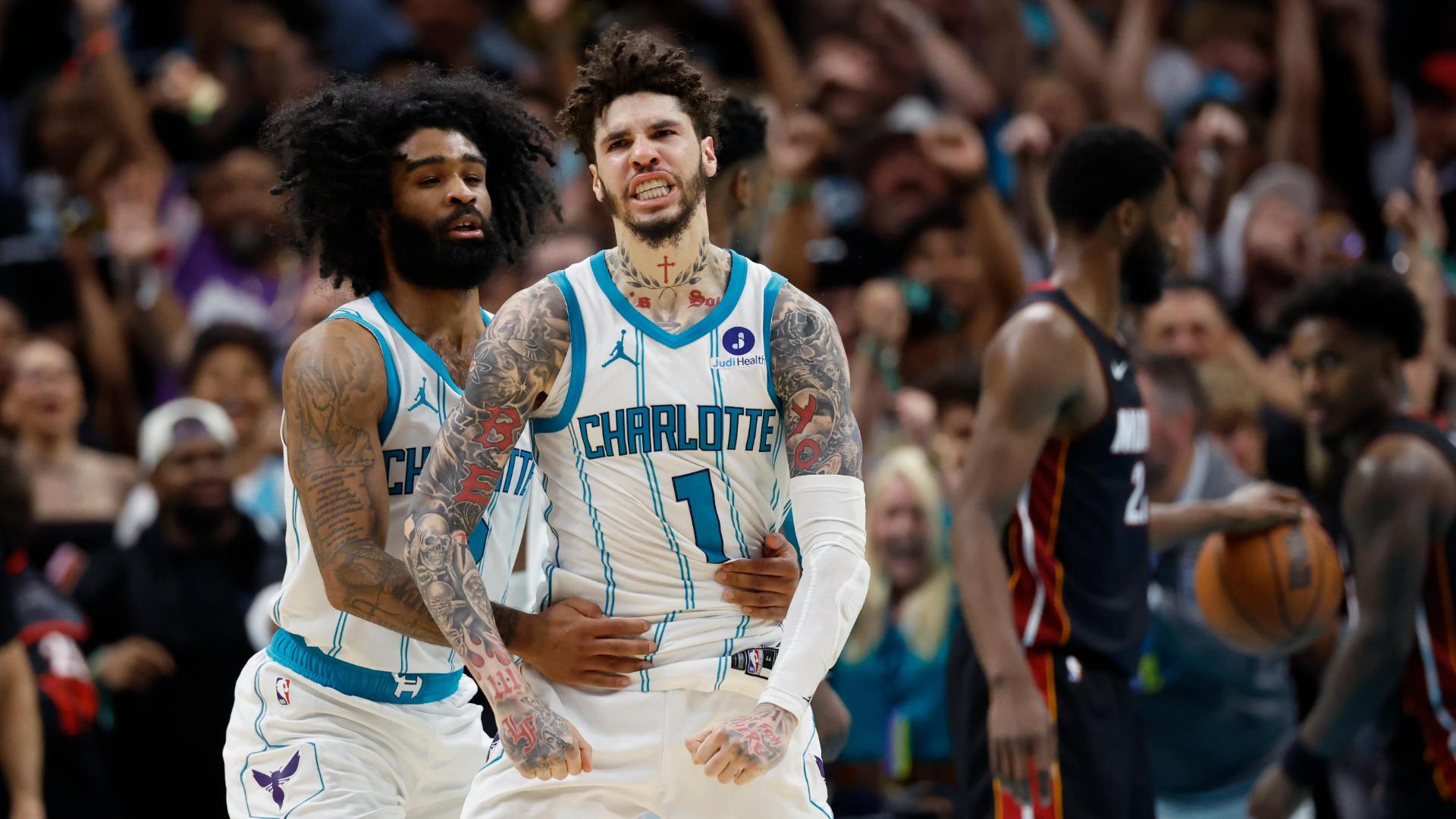
How the Hornets Eliminated the Heat 127-126 in the 2026 NBA Play-In Thriller
The 2026 NBA Play-In Tournament wasted no time delivering must-watch basketball. On April 14, the Charlotte Hornets edged the Miami Heat 127-126 in a breathtaking overtime contest at the Spectrum Center, a game that will be discussed for years as a defining moment for Charlotte’s young core. LaMelo Ball’s clutch layup with 4.7 seconds remaining and Miles Bridges’ game-saving block at the buzzer wrote the final chapter of one of the most dramatic elimination games in recent memory. But beyond the highlight reel moments, this game carried a deeper message: select yourself. The Hornets refused to wait for anyone’s approval, validation, or ideal bracket positioning. They chose their own fate in the final minutes when the margin for error was essentially zero. That kind of self-belief, channeled through disciplined execution, defensive grit, and star-level clutch performance, is exactly what separates playoff teams from lottery teams in today’s NBA. Charlotte (now 45-38) advances to face the loser of the Philadelphia 76ers vs. Orlando Magic matchup on Friday, April 17. The winner of that contest claims the East’s No. 8 seed and a first-round appointment with the top-seeded Detroit Pistons. Miami, meanwhile, heads to the draft lottery after a resilient but ultimately heartbreaking season. Here is everything you need to know about the game, the key performers, the tactical story, and what it all means for the Eastern Conference playoff picture. Final Score Breakdown: A Game That Had Everything Nineteen lead changes. Ten ties. Regulation ending deadlocked at 118-118. These numbers alone tell you why this game was special. Both teams played with the kind of urgency that only single-elimination basketball produces, and neither was willing to blink first until Ball forced the issue in overtime. Quarter-by-Quarter Scoring Period Charlotte Hornets Miami Heat Q1 32 28 Q2 30 35 Q3 28 29 Q4 28 26 OT 9 8 Total 127 126 Charlotte controlled the first quarter with aggressive perimeter defense and crisp ball movement. Miami answered in the second and third periods through sharper half-court execution and interior leverage from Bam Adebayo. The fourth quarter was a chess match, with both teams trading punches before the Hornets’ composure ultimately forced overtime. In those five extra minutes, Charlotte’s depth, length, and Ball’s relentless energy proved to be the difference. Key Stats Comparison: Where the Hornets Won the Battle Numbers never lie in close games. The margins here were thin, but Charlotte’s advantages in several categories compounded into a decisive victory. Team Statistical Comparison Statistic Charlotte Hornets Miami Heat Edge Field Goal % 48.9% 47.3% Hornets 3-Point % 38% (19/50) 34% (12/35) Hornets Free Throw % 80% (24/30) 81% (26/32) Heat Rebounds 48 44 Hornets Assists 32 28 Hornets Turnovers 14 16 Heat Steals 8 7 Hornets Blocks 7 4 Hornets Charlotte’s superior three-point volume (50 attempts vs. Miami’s 35) was a calculated tactical choice that stretched Miami’s defense and created driving lanes throughout the night. The Hornets also dominated the glass by four boards, which translated directly into second-chance opportunities in clutch moments. Miami’s edge at the free-throw line was negated by Charlotte’s turnover advantage and blocked shot differential. Top Individual Performers Player Team Points Assists Rebounds Other LaMelo Ball Hornets 32 11 7 4 steals Miles Bridges Hornets 28 3 9 3 blocks Brandon Miller Hornets 23 5 5 Efficient shooting Tyler Herro Heat Strong output — — Led Miami scoring Bam Adebayo Heat Solid contribution — Double-double threat Interior presence LaMelo Ball: The Select Yourself Moment That Decided It All There are players who shrink in elimination games and players who grow. LaMelo Ball belongs firmly in the second category. His 32-point, 11-assist, 7-rebound performance was the kind of line that redefines how a franchise thinks about its future. With 4.7 seconds left in overtime and Charlotte trailing by one, Ball attacked the rim without hesitation. No committee decision, no deferring to a veteran presence. He selected himself as the player who would decide this game, and he delivered. That layup gave Charlotte a lead they would not surrender. Ball became just the second player in Play-In Tournament history (alongside Josh Giddey) to record 30-plus points, 10-plus assists, and 5-plus rebounds in a single game. His game-winner is also the first in the final 10 seconds of any Play-In contest, placing him in rare historical company at just 24 years old. What makes Ball’s performance even more impressive is the context. This was an elimination game on home floor, with an entire fanbase’s season resting on every possession. He finished through contact, made the right reads against double-teams, and never let the moment feel too big. That is the mark of a genuine franchise player. Miles Bridges: Defensive Anchor and Two-Way Force LaMelo Ball may have provided the headline, but Miles Bridges ensured the game actually ended the right way. His 28-point, 9-rebound, 3-block performance showcased exactly the kind of two-way versatility that modern NBA teams covet in their forwards. The Block That Sealed Everything With the Hornets clinging to a one-point lead in the game’s final seconds, Miami pushed the ball up court looking for a miracle. Bridges read the play perfectly, tracked the ball handler, and rejected the potential game-tying layup cleanly at the rim. It was an elite athletic play made in the highest-pressure situation imaginable. That block did not happen by accident. Bridges has spent considerable effort rebuilding his reputation and refining his defensive instincts over the past two seasons. His ability to guard multiple positions, contest shots without fouling, and contribute on the boards makes him one of the more underrated two-way forwards in the Eastern Conference. Brandon Miller’s Quiet Excellence Brandon Miller’s 23-point, 5-rebound, 5-assist night may not generate the same attention as Ball’s heroics or Bridges’ block, but it was absolutely essential to Charlotte’s victory. Miller knocked down timely threes when Miami’s defense collapsed on Ball, and he made smart reads as a secondary creator when the Hornets needed offensive relief. Miller’s development alongside Ball and Bridges is the real story of Charlotte’s
Read More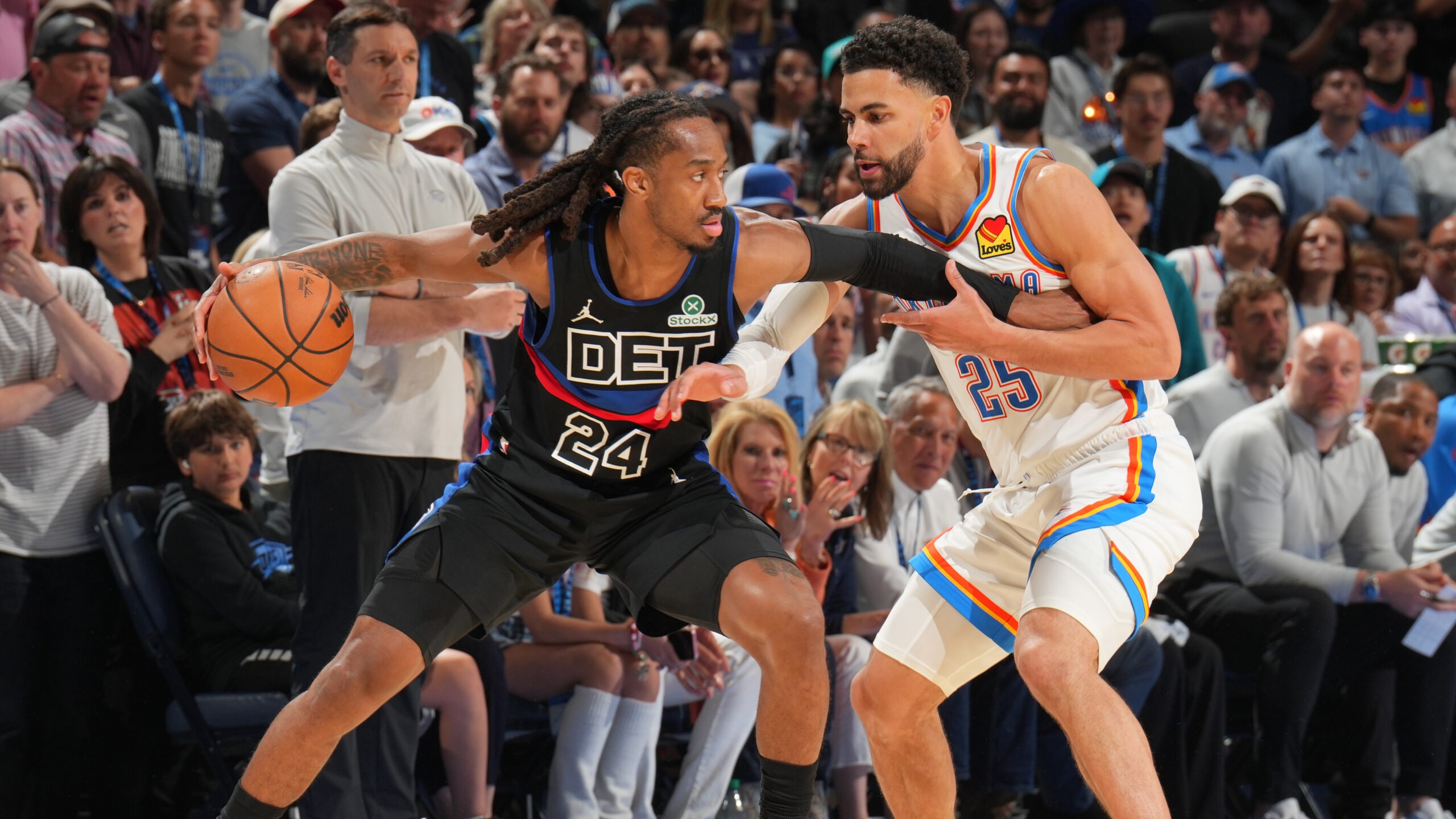
NBA Players to Watch in the 2026 Playoffs: 10 Stars Ready to Explode
The 2026 NBA Playoffs bracket is set, and it is one of the most genuinely exciting fields in years. The Oklahoma City Thunder enter as the top seed in the West with a dominant 64-18 record. The San Antonio Spurs sit right behind them at 62-20. In the East, the Detroit Pistons have claimed the number one seed at 60-22, with the Boston Celtics not far behind. The stage is set, the matchups are locked, and now comes the part that makes the NBA postseason unlike anything else in sport. Playoff basketball creates stars. It amplifies matchups, exposes weaknesses, rewards the mentally tough, and gives role players the stage they have been waiting for all season. This list is not about the players who have already won MVPs or championships. These are the NBA players to watch in the 2026 playoffs specifically because their moments are coming, and when they arrive, they will be impossible to ignore. 1. Victor Wembanyama, San Antonio Spurs If there is one player whose 2026 playoff performance could genuinely shift the entire conversation about the best player in basketball, it is Victor Wembanyama. The 22-year-old finished the regular season averaging 25.0 points, 11.5 rebounds, and 3.1 assists across 64 games while anchoring one of the most formidable defences in the league. Those numbers, extraordinary as they are, may actually understate what he is capable of when the intensity of playoff basketball compresses everything. Wembanyama’s combination of length, skill, and basketball intelligence creates problems that simply cannot be prepared for in the way traditional bigs can be scouted. His pull-up threes from the perimeter, his rim protection, his ability to read passing lanes and redirect entire offensive possessions make him a two-way force without a clear contemporary comparison. The Spurs as the number two seed will face increasingly difficult opponents as the playoffs progress, and the expectation is that Wembanyama’s usage and efficiency both rise with every round. A 30-point, 15-rebound, 5-block performance is not a ceiling. It could become a baseline. 2. Cade Cunningham, Detroit Pistons The Detroit Pistons have been one of the genuine stories of the 2025-26 NBA season, and Cade Cunningham has been the engine behind everything. His regular season numbers tell part of the story: 23.9 points, 9.9 assists, and 5.5 rebounds per game on solid efficiency. But what makes Cunningham one of the NBA players to watch in the 2026 playoffs is not the statistics. It is his composure, his mid-range mastery, and his capacity to impose his will on a series rather than simply respond to it. Cunningham has playoff experience from last season, where he averaged 25.0 points and 8.7 assists before a first-round exit. This Pistons team is significantly better balanced and more deeply equipped than the one that fell short twelve months ago. Cunningham hunting mismatches against slower Eastern Conference bigs, running pick-and-roll combinations with Jalen Duren and Ausar Thompson, and simply refusing to let his team lose in moments of adversity is the kind of leadership that defines playoff legends. At 24, this feels like the series where he stops being a promising young star and starts being something more permanent. 3. Anthony Edwards, Minnesota Timberwolves Anthony Edwards has spent the 2025-26 regular season establishing himself as a top-three scorer in the entire league alongside Luka Dončić and Shai Gilgeous-Alexander. The Timberwolves enter the playoffs around the sixth seed in the West, which sets up the kind of underdog narrative that Edwards’ “Ant-Man” personality was built for. Strategic rest due to knee concerns has been managed carefully to ensure Edwards arrives in the playoffs at full intensity, and the matchups available to him as a lower seed against teams that may not have prepared for his specific blend of explosive athleticism and improving playmaking should be genuinely favourable. He has shown flashes of playoff stardom in previous runs. In 2026, with a Minnesota team built around his offensive production and a strong defensive identity, the flashes could become sustained brilliance. Averaging between 28 and 32 points while attacking closeouts, drawing fouls, and producing clutch moments in the final minutes of close games is the expectation. If the Wolves advance past the first round, Edwards will be the primary reason. 4. Amen Thompson, Houston Rockets Amen Thompson’s leap in 2025-26 has been one of the most impressive individual development stories in the entire league. He averaged 18.3 points, 7.8 rebounds, and 5.3 assists on exceptional 53.4 percent shooting from the field, establishing himself as one of the most versatile and physically dominant wings in basketball. The Houston Rockets enter the playoffs as a fifth seed in the West, built around the physically imposing combination of Thompson and Alperen Sengun, and their style of play, switching, attacking the paint, converting defensive stops into transition buckets, is perfectly designed for playoff basketball where half-court execution becomes everything. Thompson guarding primary scorers at one end and then finishing above the rim or creating in transition at the other is the kind of two-way impact that wins series without necessarily appearing in the most obvious statistical categories. A deep Rockets run almost certainly has Amen Thompson at the centre of it. 5. Alperen Sengun, Houston Rockets The Thompson conversation cannot happen without immediately addressing his frontcourt partner, because Alperen Sengun is equally central to what makes Houston dangerous in a seven-game series. Sengun’s footwork, vision, and soft touch around the basket make him genuinely difficult to contain in extended half-court possessions, and his passing ability from the post, averaging 6.2 assists per game, creates constant problems for defences that collapse to prevent his own scoring. His chemistry with Thompson is the foundation of everything the Rockets do offensively. Lob threats, pick-and-roll combinations, and the constant threat of either player taking over a possession individually make them an exhausting matchup to defend across multiple games. Sengun owning the paint in the way that his skill set allows could represent exactly the kind of slow-burn playoff explosion that builds round by
Read More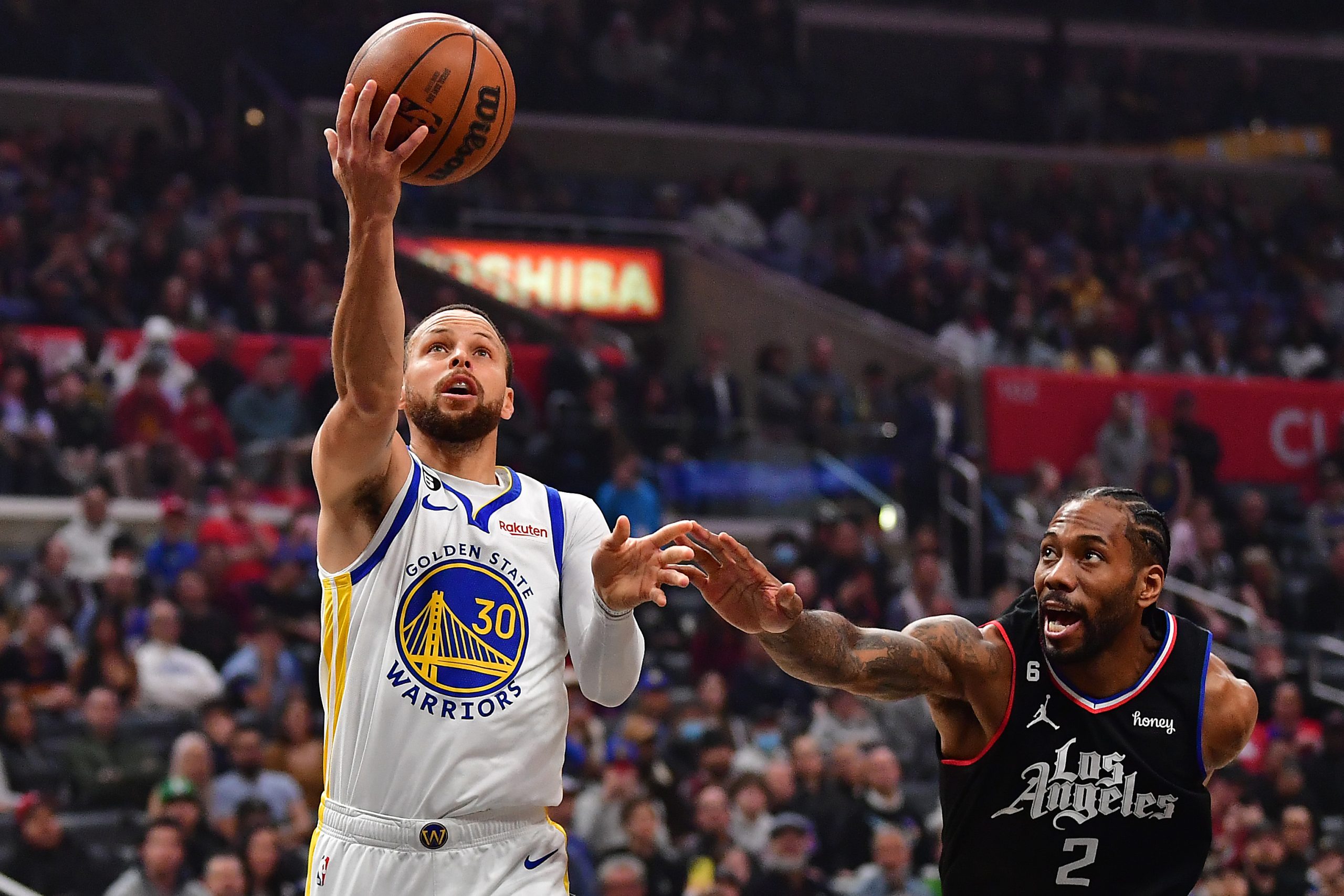
NBA Play-In Tournament 2026: Full Schedule, Matchups & Predictions
The 2026 NBA regular season has been nothing short of spectacular, and now it all narrows down to four high-stakes nights that will decide the final playoff spots in each conference. The NBA Play-In Tournament 2026 runs from April 14 to 17, and eight teams are fighting for their postseason lives. One bad night and your season is over. That’s the beauty of it. Whether you’re a die-hard fan or a casual viewer, this is some of the most compelling basketball of the entire year. All games stream exclusively on Prime Video, making it accessible for fans across the US, Canada, and Europe. What Is the NBA Play-In Tournament and How Does It Work? The Play-In Tournament was made a permanent fixture of the NBA calendar after proving wildly popular with fans. It gives teams that finish 7th through 10th in each conference a shot at earning the final two playoff seeds, rather than simply missing the postseason after a long 82-game grind. Here’s the format broken down simply: Game Teams Result 7 vs. 8 Winner = No. 7 seed Loser gets another chance 9 vs. 10 Winner advances Loser is eliminated Final (April 17) Loser of 7/8 vs. Winner of 9/10 Winner = No. 8 seed The key thing to understand is that the 7th and 8th seeds get two chances to advance, while the 9th and 10th seeds are playing sudden death from the jump. Home court matters, crowd energy matters, and experience under pressure matters more here than almost anywhere else in the regular season calendar. 2026 Play-In Tournament Schedule (All Times ET, Broadcast: Prime Video) Date Conference Matchup Time (ET) Stakes Tuesday, April 14 East Charlotte Hornets (9) vs. Miami Heat (10) 7:30 p.m. Loser eliminated Tuesday, April 14 West Portland Trail Blazers (8) vs. Phoenix Suns (7) 10:00 p.m. Winner = West No. 7 seed Wednesday, April 15 East Orlando Magic (8) vs. Philadelphia 76ers (7) 7:30 p.m. Winner = East No. 7 seed Wednesday, April 15 West Golden State Warriors (10) vs. Los Angeles Clippers (9) 10:00 p.m. Loser eliminated Friday, April 17 East Final Loser of Magic/76ers vs. Winner of Hornets/Heat 7:30 p.m. Winner = East No. 8 seed Friday, April 17 West Final Loser of Suns/Blazers vs. Winner of Warriors/Clippers 10:00 p.m. Winner = West No. 8 seed All games broadcast exclusively on Prime Video. NBA Playoffs tip off April 18. Eastern Conference Play-In Preview and Predictions The Eastern play-in bracket is headlined by playoff-tested franchises and a few young teams ready to make some noise. Charlotte Hornets vs. Miami Heat (April 14) This is arguably the most fascinating opener of the entire tournament. The Miami Heat under Erik Spoelstra are practically a playoff institution at this point. Even in down years, Miami finds a way to compete when it counts, and Bam Adebayo provides the kind of defensive anchor and two-way reliability that wins elimination games. Jimmy Butler’s availability will be the headline going into tip-off. On the other side, LaMelo Ball and the Hornets bring an electrifying offensive game that can light up the scoreboard in a hurry. Charlotte’s problem has always been the other end of the floor, and against a disciplined Heat defense, those gaps tend to get exposed. Prediction: Miami Heat advance (52% chance). Spoelstra’s playoff culture edges out Charlotte’s youth in a close, entertaining game. Philadelphia 76ers vs. Orlando Magic (April 15) This is the Eastern headline matchup. The 76ers come in as the 7-seed with Joel Embiid anchoring a roster that, when healthy and locked in, is genuinely dangerous against any opponent in a short series. Philadelphia’s half-court execution and size are legitimate advantages here. The Orlando Magic are no pushover though. Paolo Banchero and Franz Wagner give Orlando a dynamic offensive duo, and their team defense ranks among the league’s best. They switch, they communicate, and they make life uncomfortable for isolation-heavy offenses. If Embiid is even slightly limited, Orlando is more than capable of pulling the upset. Prediction: Philadelphia 76ers advance as East No. 7 seed (58% chance). Talent and experience tip the scales, but Orlando winning wouldn’t shock anyone. East No. 8 Seed Prediction: Miami Heat, who would face the loser of the 76ers-Magic game in the Friday final. Western Conference Play-In Preview and Predictions The West’s play-in bracket carries enormous star power and some genuinely tantalizing storylines. Phoenix Suns vs. Portland Trail Blazers (April 14) The Phoenix Suns have the most decorated roster in this bracket. Kevin Durant, Devin Booker, and Bradley Beal form one of the NBA’s most potent offensive trios, and in a single-game format, that kind of firepower is especially difficult to contain. The knock on Phoenix has been defensive inconsistency and injury fragility, but for one game, their ceiling is sky-high. Portland has been one of the pleasant surprises of the 2026 season. Scoot Henderson has developed quickly, Anfernee Simons remains a bucket-getter, and the Blazers play with pace and purpose. They simply don’t have the depth of experience or the star power to keep up with Phoenix over 48 minutes in a win-or-go-home setting. Prediction: Phoenix Suns advance as West No. 7 seed (65% chance). This one shouldn’t be especially close. Golden State Warriors vs. Los Angeles Clippers (April 15) This is the game the casual fan will tune in for, and the reason is simple: Stephen Curry. At 37-45, Golden State barely squeezed into the play-in, but you don’t count out a franchise with four championships and a player who can single-handedly change a game with three consecutive threes. Curry in elimination basketball is one of the sport’s most reliable appointment-viewing experiences. The Clippers counter with James Harden’s playmaking and Kawhi Leonard, though Leonard’s health and minutes have been carefully managed all season. If Kawhi is close to full strength, Los Angeles has the defensive profile to slow Golden State down. If he’s limited, Harden faces a heavy load against a Warriors team that will absolutely be feeding off crowd energy. Prediction: Golden State
Read More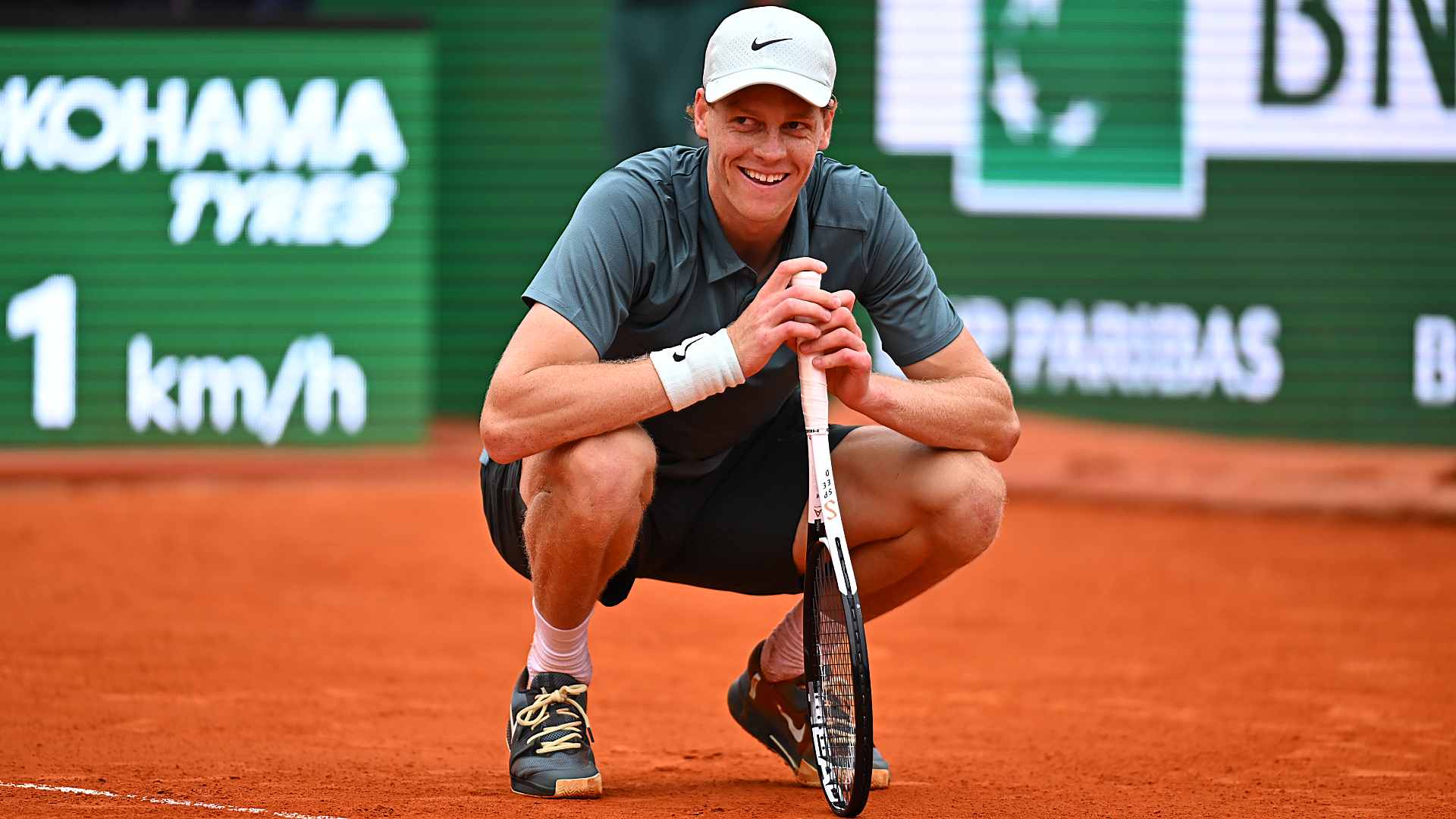
Barcelona Open 2026 Day 2 Preview: Alcaraz, Top Seeds, and Everything You Need to Know
The European clay season is well and truly alive, and nowhere does it feel more vibrant than at the Real Club de Tenis Barcelona. The Barcelona Open Banc Sabadell 2026, officially known as the Trofeo Conde de Godó, is one of the most prestigious ATP 500 events on the calendar, offering 500 ranking points, €2.95 million in prize money, and a level of atmosphere that only a passionate home crowd on red clay can generate. With qualifying completed over the weekend of April 11 and 12 and Day 1 already delivering its opening matches, Day 2 on Tuesday April 14 ramps up the intensity significantly. Top seeds enter the fray, British contenders look to build on their first-round showings, and Spanish clay specialists feed off home crowd energy to make life difficult for higher-ranked opponents. This Barcelona Open 2026 Day 2 preview covers everything you need to know before the first ball is struck. The Tournament in Context: Why Barcelona Matters The Barcelona Open occupies a unique and important position in the tennis calendar. Sandwiched between Monte Carlo and Madrid in the European clay swing, it serves as a genuinely significant preparation event for the French Open while carrying its own prestige as one of the longest-running clay-court tournaments in the sport. The surface at the Real Club de Tenis Barcelona is classic European red clay, slow with a high bounce that rewards heavy topspin, excellent footwork, and the capacity to construct long, physically demanding points. Serve-dominant players who rely on quick points often find the conditions challenging, while tactical, baseline-oriented specialists tend to thrive. With temperatures in mid-April Barcelona typically sitting between 15 and 20 degrees Celsius, conditions are close to ideal for extended clay-court battles, though occasional wind can introduce an extra variable that tests touch and shot selection. The two main showcourts, Pista Rafa Nadal and Pista Andrés Gimeno, named after two of the sport’s greatest clay-court legends, provide the setting for the biggest matches of the week. Carlos Alcaraz: The Home Favourite Everyone Is Watching No player generates more excitement at the Barcelona Open than Carlos Alcaraz, and that was true even before he became the world’s number one ranked player. The Spanish superstar arrives as the clear top seed and overwhelming tournament favourite, and the home crowd at the RCT Barcelona will treat every one of his matches as a celebration as much as a contest. Alcaraz’s clay-court credentials are beyond debate at this point in his career. His combination of explosive movement, heavy topspin forehand, deceptive drop shots, and an all-court versatility that allows him to finish points in ways most players cannot even conceive makes him close to unbeatable on red clay when he is operating at full intensity. He knows these courts intimately, has deep personal connections to the Barcelona clay from his formative years in Spanish tennis, and plays his most expressive, entertaining tennis when the home crowd is behind him. Coming into the tournament fresh from Monte Carlo, where he demonstrated once again that he is the standard against which every clay-court player measures themselves this season, Alcaraz opens against a manageable opponent that should allow him to find his rhythm without overextending himself in the early rounds. The projected path beyond that is more interesting, with potential clashes against power baseliners in the quarterfinals and elite clay-court threats in the later stages. For any fan attending or watching from home, Alcaraz’s matches are the must-watch appointments of the week. The Top Seeds: A Field Worth Taking Seriously Beyond Alcaraz, the Barcelona Open 2026 draw features a genuinely strong collection of players that makes this one of the more competitive ATP 500 fields of the clay season. Here is a breakdown of the key seeds to follow through the week. Player Seed Nationality Clay Court Strength Carlos Alcaraz 1 Spain Elite, dominant Lorenzo Musetti 2 Italy High, improving rapidly Alex de Minaur 3 Australia Good, speed-based adaptation Félix Auger-Aliassime 4 Canada Solid, powerful game Casper Ruud 5 Norway Excellent, clay specialist Andrey Rublev 6 Russia Strong, heavy groundstrokes Cameron Norrie 7 Great Britain Reliable, experienced on clay Jack Draper 8 Great Britain Growing, promising clay record Lorenzo Musetti deserves particular attention as the second seed. The Italian has elevated his game to a consistently higher level in 2026, and his elegant one-handed backhand, tactical intelligence, and improved physical conditioning make him a genuine threat to go deep in tournaments of this calibre. His ability to use angles and variation to disrupt opponents who prefer predictable, heavy-hitting exchanges suits the Barcelona surface well. Alex de Minaur represents an interesting study in clay-court adaptation. Pure speed and exceptional fitness have always been his foundation, but his baseline resilience has genuinely improved to the point where he can absorb pressure and turn defence into attack even on slower courts. He will not be everybody’s pick for a deep run, but writing off a player of his competitive intensity on any surface has a habit of being a mistake. Casper Ruud is the name that clay-court traditionalists will have circled from the moment the draw was released. The Norwegian is one of the most reliable performers on the surface in world tennis, a player whose heavy forehand and exceptional ability to grind out extended exchanges make him dangerous against virtually any opponent in these conditions. British Hopes: Norrie and Draper Chase Clay-Court Progress For British tennis followers, the Barcelona Open 2026 offers two genuine reasons for interest in Cameron Norrie and Jack Draper, both of whom are seeded and both of whom have shown the kind of clay-court development that suggests this week could be a productive one. Cameron Norrie: Experience and the Left-Handed Advantage Norrie’s left-handed game creates natural problems for opponents on clay, where the high-kicking topspin and wide-angling that the surface produces amplifies the discomfort of facing a southpaw. He has competed in Barcelona before and understands the rhythms of the court and the demands of the tournament. After Day
Read More
Champions League Quarterfinals Second Leg Preview 2026: Predictions, Key Ties, and How to Watch
The first legs have been played. The damage has been done, the advantages have been established, and now comes the part that makes the UEFA Champions League the greatest club competition on the planet. The second legs of the 2025/26 quarterfinals arrive on April 14 and 15, and with PSG holding a commanding advantage, Bayern Munich stunning Real Madrid in Spain, and Arsenal nursing a slender lead, the stage is set for an extraordinary two nights of European football. Four ties. Four different stories. And at least two that could produce the kind of drama that gets replayed for decades. Here is your complete Champions League quarterfinals second leg preview, covering every match, every key tactical battle, our predictions, and where to watch in the US and UK. Quick Overview: First Leg Results and What Each Team Needs Before breaking down each tie individually, here is a snapshot of where every team stands heading into the second legs. Tie First Leg Result Aggregate What the Trailing Team Needs Atlético Madrid vs Barcelona Atlético won 2-0 at Camp Nou Atlético lead 2-0 Barcelona need 3-0 or better Liverpool vs PSG PSG won 2-0 at Parc des Princes PSG lead 2-0 Liverpool need 2-0 or better Arsenal vs Sporting CP Arsenal won 1-0 in Lisbon Arsenal lead 1-0 Sporting need to score and keep a clean sheet Bayern Munich vs Real Madrid Bayern won 2-1 at the Bernabéu Bayern lead 2-1 Real Madrid need to score twice Two two-goal leads, one one-goal lead, and one tie that is genuinely alive at 2-1 on aggregate. The mathematics suggest the favourites should progress in three of the four ties, but Champions League knockout football has an established habit of ignoring mathematics. Atlético Madrid vs Barcelona: Can the Remontada Kings Stage Another Miracle? Tuesday, April 14 | Riyadh Air Metropolitano | 21:00 CET / 3:00 PM ET / 8:00 PM UK The headline statistic from the first leg is almost impossible to process for Barcelona supporters. A 2-0 defeat at Camp Nou, on their own ground, against Diego Simeone’s Atlético Madrid. The Colchoneros executed a defensive masterclass so complete that Hansi Flick’s possession-dominant side barely threatened the goal. Now Barcelona must travel to the Metropolitano and overturn a two-goal deficit against the team best equipped in world football to protect exactly that kind of lead. Atlético’s approach at the Metropolitano will be entirely predictable and entirely effective. Simeone’s side will drop into their compact defensive shape, invite Barcelona to carry the ball, and look to strike with lethal efficiency on the counter-attack. The Metropolitano crowd, one of the most intense atmospheres in European football, will amplify the pressure on every Barcelona touch. Atlético have an exceptional home record in knockout football precisely because this combination of tactical discipline and crowd intensity is almost impossible to overcome when the opposition needs to chase a game. Barcelona’s attacking talent remains genuinely elite. Lamine Yamal, Robert Lewandowski, and their creative midfield can hurt any opponent. The problem is that chasing a game against Atlético exposes exactly the defensive vulnerabilities that cost them in the first leg. Every time Barcelona commit men forward, Atlético have the pace and the direct runners to punish the spaces left behind. Potential defensive absences, including fitness concerns around Pau Cubarsí, add further pressure to an already difficult evening. Prediction: Atlético Madrid Advance Atlético progress on a 2-1 aggregate. A tight, tense second leg sees Barcelona potentially nick a goal but never look capable of completing the full turnaround required. Simeone’s side are too experienced and too well-organised to surrender a two-goal European home lead. Liverpool vs PSG: Can Anfield Work Its Magic Against the Champions? Tuesday, April 14 | Anfield | 21:00 CET / 3:00 PM ET / 8:00 PM UK If there is one venue in European football where a two-goal comeback feels remotely plausible, it is Anfield. The history of the ground on European nights is extraordinary, a catalogue of improbable turnarounds built on crowd intensity, relentless pressing, and an almost supernatural capacity for drama in the closing minutes. Liverpool need to win by at least 2-0 to force extra time, and Arne Slot’s side will know that their only viable approach is to come out aggressively and score early. PSG, however, are not just a competent defensive team protecting a lead. They are the defending Champions League holders, playing with the confidence of a side that has already proven they can win the tournament. Their first-leg performance was genuinely impressive, with goals from Désiré Doué and Khvicha Kvaratskhelia showcasing the attacking depth that Luis Enrique has built across this squad. Warren Zaïre-Emery and João Neves provide midfield quality that will not be easily bullied by Liverpool’s intensity, and defensively, Marquinhos and Willian Pacho represent a backline capable of withstanding sustained pressure. Liverpool’s quality is not in question. Mohamed Salah, Virgil van Dijk, and the energy of their midfield make them dangerous at Anfield on any given night. PSG will be nervous if Liverpool score early. The crowd will make the Parisians uncomfortable. But sustaining the pressure required to score twice without conceding even once against this PSG side is an enormous ask, even in the most atmospheric stadium in England. Prediction: PSG Advance PSG progress 3-2 on aggregate. Liverpool produce a spirited display and likely win the second leg, but a PSG away goal or strong defensive second half ensures the holders advance. The Anfield atmosphere will make it uncomfortable, but PSG’s quality and two-goal buffer prove decisive. Arsenal vs Sporting CP: The Most Comfortable Tie on Paper Wednesday, April 15 | Emirates Stadium | 21:00 CET / 3:00 PM ET / 8:00 PM UK Arsenal’s first-leg win in Lisbon was narrow but controlled, and the Emirates Stadium second leg looks like the most straightforward progression of the four ties. Mikel Arteta’s side have been one of the most consistently impressive teams in European football this season, and their structured high-pressing 4-3-3 system, built around the quality of Bukayo
Read More
Serena Williams Tennis Comeback 2026: Eligible to Return But Will She Play?
Few names in sport carry the weight that Serena Williams does. Twenty-three Grand Slam singles titles. Fourteen Grand Slam doubles titles alongside her sister Venus. A career that redefined what was possible in women’s tennis and, arguably, in professional sport altogether. So when news broke that Serena Williams is now eligible to return to professional tennis from February 22, 2026, the tennis world collectively held its breath. The reality, however, is more complicated than a simple comeback story. Eligibility and intention are two very different things, and right now, the only certainty is that the path back to the WTA Tour is open. Whether Serena Williams chooses to walk down it remains one of sport’s most intriguing unanswered questions. Why Serena Williams Is Now Eligible to Compete Again The eligibility update comes from the International Tennis Integrity Agency, the body responsible for anti-doping compliance in professional tennis. The rules are clear: any player who has stepped away from competition must re-enter the sport’s anti-doping testing pool, provide whereabouts information, and remain available for random drug testing across a six-month period before they can be reinstated to compete in sanctioned events. Serena Williams fulfilled that requirement. She re-entered the testing pool several months ago, completed the mandatory six-month window, and as of February 22, 2026, she is cleared to participate in WTA events and other sanctioned professional tournaments should she choose to do so. It is worth noting that re-entering the testing pool does not automatically mean a player intends to compete. Some athletes do so for administrative reasons, to keep options open, or simply because they were already in informal training. The decision to actually enter a tournament is a separate step entirely, and no such announcement has been made. What Serena Said When the Rumours Started When reports first circulated that Williams had signed up for the testing pool, she was quick to shut down the comeback speculation herself. Taking to social media directly, she wrote: “Omg yall I’m NOT coming back,” and described the resulting rumours as “crazy.” That statement was unambiguous. Her representatives and the WTA Tour have not issued any immediate comment on the latest eligibility update, and no tournament entries have been announced or confirmed as of this writing. Williams last played a professional match in September 2022, losing to Ajla Tomljanovic in the third round of the US Open in what became an emotional, widely watched farewell. She described her departure from the game not as a retirement but as an “evolution,” a word choice that has fuelled speculation ever since about whether the door was ever fully closed. What a Return Would Actually Look Like at 44 Even setting aside the question of whether Serena wants to return, the physical and competitive reality of what a comeback would involve deserves honest examination. Williams is now 44 years old. The WTA Tour is dominated by players in their early to mid-twenties competing at speeds and physical intensities that are genuinely extraordinary. The gap between a player who last competed in 2022 and the current elite field is not just a matter of fitness. It is also timing, match sharpness, and the accumulated rhythm that comes only from regular competition. Venus Williams, Serena’s older sister, returned to competition in 2025 at the age of 45, making her own comeback one of the most admirable stories in recent tennis. Venus has spoken openly about how much she would love to share the tour again with her sister. “I keep saying to my team: the only thing that would make this better is if she was here,” Venus said last July. “We always did everything together, so of course I miss her. But if she comes back, I’m sure she’ll let y’all know.” The USTA has also expressed enthusiasm. A spokesman stated that fans and the organisation would enthusiastically welcome the return of one of the greatest champions in the history of the sport, should she choose to compete again. Serena Williams: A Career That Needs No Second Chapter To understand why this story matters so much, it helps to remember what Serena Williams actually built over the course of her career. Achievement Detail Grand Slam Singles Titles 23 Grand Slam Doubles Titles 14 (all with Venus) Olympic Gold Medals 4 (3 doubles, 1 singles) Weeks at World Number One 319 Last Professional Match US Open 2022, Round 3 These numbers place her among the greatest athletes of any sport in any era. Her powerful baseline game, exceptional serve, and extraordinary mental resilience under pressure defined women’s tennis for two decades. Her cultural impact extended well beyond the sport, making her one of the most recognisable and influential figures in the world. The point is that Serena Williams has nothing left to prove. A return would not be about legacy, it is already secured beyond any doubt. It would have to be about something more personal, a genuine desire to compete again, to feel what only professional sport provides, or to share the court one more time with her sister. The Question Nobody Can Answer Yet The honest conclusion to draw from the current situation is this: Serena Williams is eligible to return to professional tennis from February 22, 2026. She has not announced any intention to do so. She has, in fact, publicly said the opposite. And yet the eligibility update exists, the testing pool re-entry happened, and the tennis world cannot quite look away. Whether this is administrative tidying, a genuine exploration of possibilities, or the earliest stage of something more significant is known only to Serena Williams herself. The USTA is ready to welcome her. Venus is ready to share the tour with her. Fans around the world are ready to watch her. The Serena Williams tennis comeback story in 2026 is, for now, a story with a beginning and no middle or end. In sport, those are often the most compelling kind.
Read More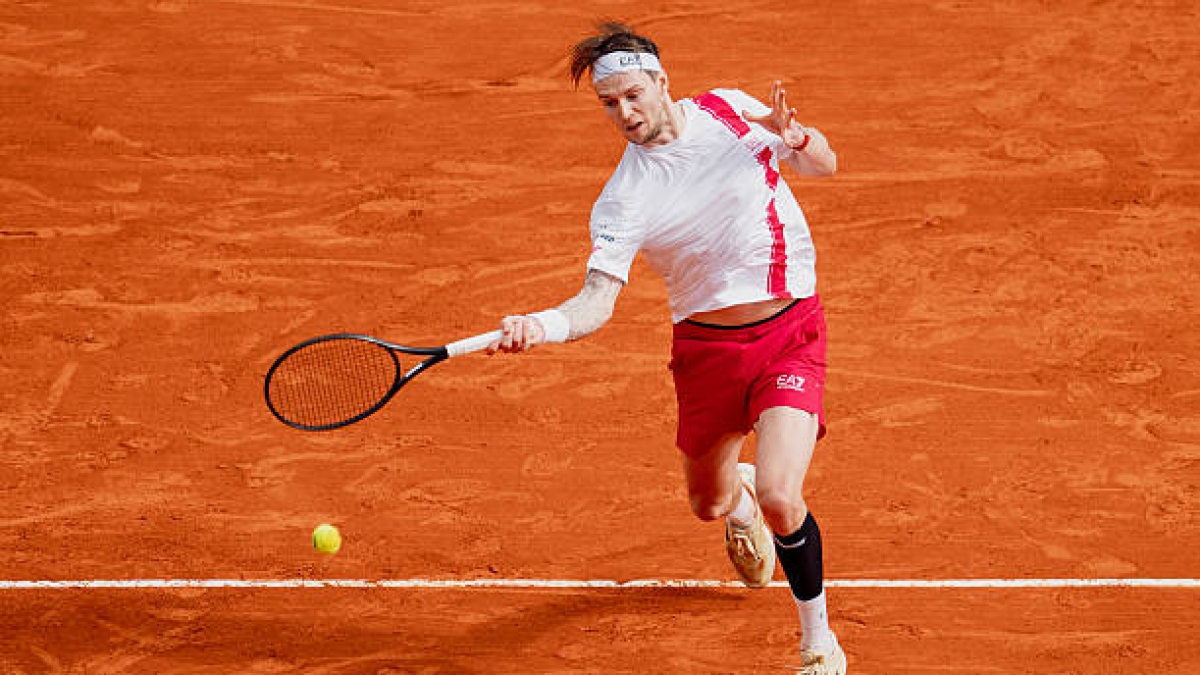
Alexander Bublik’s Impressive Run at Monte-Carlo Masters 2026
There are players who tolerate clay, and there are players who thrive on it. For much of his career, Alexander Bublik belonged firmly in the first category. A serve-heavy, hard-court specialist with a flair for the dramatic and a reputation for unpredictability, the Kazakh was not the kind of player you expected to make deep runs on the red dirt of Monaco. That narrative is now officially over. At the Rolex Monte-Carlo Masters 2026, Bublik reached his first-ever quarter-final at an ATP Masters 1000 event on clay, defeating experienced opponents, producing some of the most visually striking tennis of the entire tournament, and confirming that his 2025 clay breakthroughs were not a one-season anomaly. The run ended against world number one Carlos Alcaraz, but the statement had already been made long before that quarter-final scoreline was posted. This is the full story of Alexander Bublik’s Monte-Carlo Masters 2026 campaign, match by match, moment by moment, and what it tells us about where his career is genuinely heading. The Man and the Surface: Understanding Why This Run Matters To appreciate what Bublik achieved in Monaco, you need to understand the journey that brought him there. Born in Russia and representing Kazakhstan since 2017, Bublik turned professional in 2016 and broke into the top 100 by 2019. His game was built around an enormous serve, inventive shot-making, and a style of play that kept opponents and spectators permanently unsure of what was coming next. Clay, however, was the surface that exposed his weaknesses most visibly. The slower pace removes the serve-and-win shortcuts that suit his game on hard courts. The extended rallies demand endurance and footwork that did not come naturally to him. For years, clay court events were treated as something to get through rather than compete in. That changed in 2025. Bublik reached the Roland Garros quarter-finals and claimed back-to-back titles at Gstaad and Kitzbühel, two clay events that require exactly the kind of sustained baseline engagement he had previously struggled with. By the time he arrived at Monte-Carlo in 2026 as the eighth seed, he carried a level of surface-specific confidence that was genuinely new. The results that followed validated every bit of it. Round Two: Ending Monfils’ Monaco Chapter Bublik’s most emotionally charged match of the tournament came in the second round against French veteran Gaël Monfils, a player who has delighted Monte-Carlo crowds for years and whose appearance in the 2026 draw carried the feel of a potential farewell at 39 years old. Sentiment, however, does not win tennis matches. Bublik won 6-4, 6-4 in one hour and 17 minutes, and the manner of the victory was as impressive as the scoreline suggests. The key statistic told the story clearly: Bublik won 72 percent of points on his second serve compared to Monfils’ 40 percent, a gap that reflects complete service dominance even on a surface that typically neutralises big servers. The match produced several moments that circulated widely across social media and highlight packages. A classy forehand winner struck with precise timing past a scrambling Monfils drew gasps from the crowd. Drop volleys played from the baseline, a shot that requires both the audacity to attempt it and the technique to execute it under pressure, left the Monaco faithful appreciating what they were watching even as their favourite was being outplayed. Monfils received warm applause as he left the court. But Bublik’s precision and controlled aggression had made the outcome feel inevitable from the middle of the first set onward. Round Three: The Statement Win Against Lehecka If the Monfils victory demonstrated Bublik’s capability, his third-round performance against Jiri Lehecka was the match that genuinely reframed expectations for the rest of the tournament. Lehecka, the eleventh seed and a player who had recently reached the Miami Open final, represented a significantly higher level of opposition. A powerful ball-striker with excellent movement and the kind of aggressive baseline game that tends to expose opponents who lack defensive solidity, the Czech was widely expected to test Bublik severely and potentially end his run. Instead, Bublik produced one of the finest clay-court performances of his career. The first set was almost shockingly comfortable, with Bublik racing to a 6-2 win by dominating the key moments with a combination of heavy topspin, flat winners, and intelligent slice that collectively prevented Lehecka from ever settling into a rhythm. Lehecka responded with genuine quality in the second set, pushing to 7-5 and making Bublik work for every point. The Kazakh held firm. The final score of 6-2, 7-5 sent Bublik into his maiden Monte-Carlo quarter-final, and the highlights from the match were remarkable. One-handed backhand winners struck on the stretch drew immediate comparisons to Roger Federer. Sharp angled passing shots disrupted Lehecka’s court positioning. The shot variety on display was exactly the kind of performance that convinces observers a player has genuinely evolved rather than simply caught a fortunate draw. The Quarter-Final: Alcaraz Delivers a Reality Check Every good story needs an honest chapter, and Bublik’s Monte-Carlo Masters 2026 campaign delivered one in the quarter-finals. World number one Carlos Alcaraz, the defending champion and widely considered the finest clay-court player in the world in 2026, won 6-3, 6-0 in just over an hour. The first set offered brief hope. Bublik broke back after conceding an early deficit and temporarily levelled the momentum, showing the kind of competitive instinct that had served him so well in the previous rounds. But Alcaraz’s consistency, his explosive movement across the clay, and his ability to dictate the pace and direction of rallies from any position on the court gradually wore down Bublik’s resistance. The Spaniard won the final ten games of the match without conceding another, dropping just three games in total. Bublik’s usually unpredictable, freewheeling game appeared subdued in the face of an opponent who had an answer for every creative option he tried. After the match, Alcaraz showed genuine sportsmanship by apologising at the net for the one-sided scoreline, an acknowledgement that the
Read More