


For decades, cricket has prided itself on being the “gentleman’s game,” built on honor, respect, and self-regulation. Yet few issues have tested that reputation more severely than ball tampering. Unlike sledging or aggressive tactics, ball tampering strikes directly at the laws that govern fairness. From subtle accusations during the rise of reverse swing to the explosive Sandpaper Gate scandal, this practice has repeatedly forced cricket to confront uncomfortable questions about ethics, pressure, and competitive advantage.
Table of Contents
- What Is Ball Tampering?
- Why the Cricket Ball Matters So Much
- The Reverse Swing Era and Rising Suspicion
- Pakistan’s 1990s Bowlers and Global Accusations
- Early High-Profile Ball Tampering Incidents
- Repeat Offenses and Growing Scrutiny in the 2010s
- Sandpaper Gate – Cricket’s Biggest Ball Tampering Scandal
- The Australian Players at the Center of the Storm
- Fallout and Consequences
- How Ball Tampering Laws Changed After Sandpaper Gate
- Can Ball Tampering Ever Be Fully Eliminated?
- A Battle Between Skill and Temptation
What Is Ball Tampering?
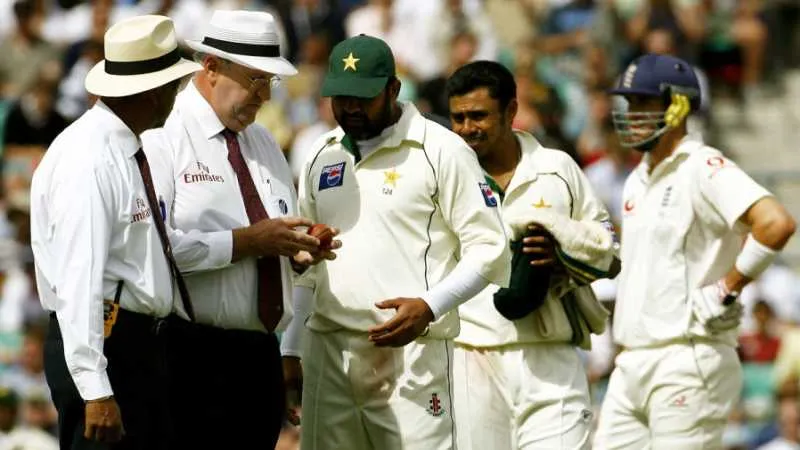
Ball tampering refers to the illegal alteration of the condition of the cricket ball to gain an unfair advantage, usually by enhancing swing. Under the Laws of Cricket, players may shine the ball using sweat but are prohibited from using artificial substances or roughening it intentionally. The line between legal maintenance and illegal alteration has always been thin, making enforcement difficult and controversies inevitable.
Why the Cricket Ball Matters So Much
Swing bowling depends heavily on the ball’s condition. Conventional swing occurs with a newer ball, while reverse swing happens when one side is significantly rougher than the other, allowing the ball to move late at high speeds. Reverse swing can be match-defining, especially in dry or abrasive conditions. That potential impact explains why teams feel tempted to push boundaries when pressure mounts.
The Reverse Swing Era and Rising Suspicion
Reverse swing became widely prominent in international cricket during the late 1980s and 1990s. Its sudden effectiveness raised eyebrows, especially when conventional swing had traditionally dominated. Many teams struggled to understand how bowlers could move an old ball so sharply, and suspicion followed innovation.
Pakistan’s 1990s Bowlers and Global Accusations
No team faced more scrutiny than Pakistan. Bowlers like Wasim Akram and Waqar Younis mastered reverse swing to devastating effect. Opposing teams, particularly England, frequently accused Pakistan of ball tampering. Despite intense suspicion, officials never produced conclusive evidence, leaving the controversy unresolved and fueling long-standing resentment.
Early High-Profile Ball Tampering Incidents
Ball tampering allegations eventually ensnared players from traditional cricketing powers as well. In 1994, Mike Atherton was fined for keeping dirt in his pocket during a Test match, though the punishment was relatively light. In 2004, Rahul Dravid admitted to using a lozenge to shine the ball, resulting in a fine but little long-term damage to his reputation. These incidents highlighted inconsistent enforcement and differing public reactions.
Repeat Offenses and Growing Scrutiny in the 2010s
As television coverage expanded, ball tampering became harder to hide. Faf du Plessis faced sanctions in 2013 and 2016 for using his zipper and saliva mixed with mint substances to alter the ball. These cases reflected a shift toward stricter monitoring and growing intolerance, even as players argued that the laws lacked clarity.
Sandpaper Gate – Cricket’s Biggest Ball Tampering Scandal
Everything changed during the 2018 Test match in Cape Town. Cameras caught Australian player Cameron Bancroft using sandpaper to roughen the ball. Unlike previous controversies, this incident was undeniable and deliberate. The scandal quickly escalated beyond the act itself, exposing a coordinated plan within the team.
The Australian Players at the Center of the Storm
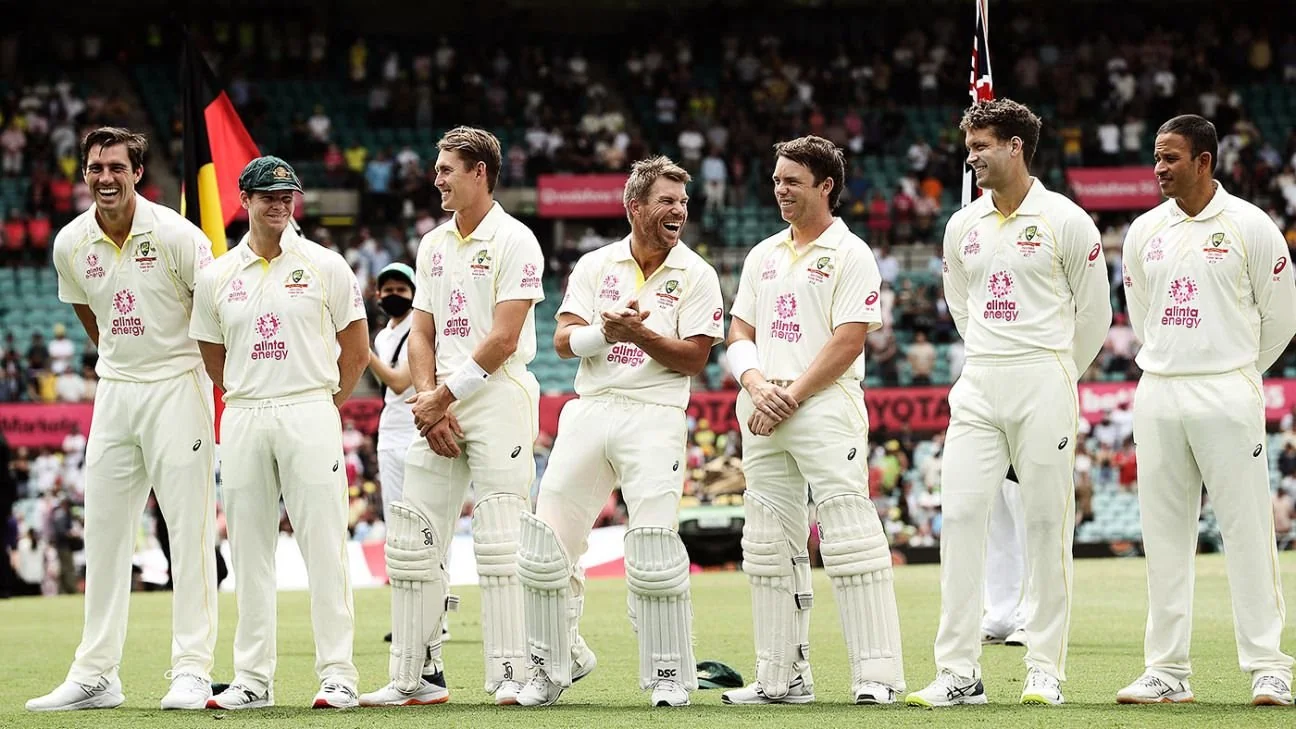
Investigations revealed leadership involvement. Captain Steve Smith and vice-captain David Warner admitted to knowing about the plan, while Cameron Bancroft executed it on the field. Attempts to hide the sandpaper only deepened public outrage once the truth emerged.
Fallout and Consequences
The repercussions were severe. Smith and Warner received one-year bans, while Bancroft was suspended for nine months. Australian cricket underwent a cultural reckoning, confronting accusations of a “win-at-all-costs” mentality. Careers were altered permanently, and public trust suffered significant damage.
How Ball Tampering Laws Changed After Sandpaper Gate
In response, cricket authorities strengthened penalties and clarified responsibilities. Captains now face greater accountability, and umpires receive more authority to inspect balls. High-definition broadcasts and multiple camera angles have further reduced opportunities for misconduct, making ball tampering a far riskier proposition.
Can Ball Tampering Ever Be Fully Eliminated?
Despite stricter laws, completely eliminating ball tampering remains challenging. The ball naturally deteriorates, and players still manage it aggressively within legal limits. As long as swing remains vital and pressure intense, ethical gray areas will persist. Technology can deter misconduct, but intent remains difficult to police.
A Battle Between Skill and Temptation
Ball tampering scandals reveal cricket’s ongoing struggle to balance tradition, innovation, and integrity. From reverse swing suspicions to Sandpaper Gate’s undeniable proof, these episodes reflect how far players may go when stakes rise. Ultimately, the debate underscores a simple truth: the game’s greatest challenge lies not in the condition of the ball, but in the choices made by those who hold it.





No Comments