


Wimbledon is the oldest and most prestigious tennis tournament in the world. It is famous for its immaculate grass courts, royal connections, and strawberries with cream. But perhaps nothing defines its identity more stubbornly than its strict all-white dress code. Players must wear almost entirely white from head to toe, and the rule is enforced with an authority that has outlasted fashion trends, cultural shifts, and even medical debates.
Table of Contents
So where did this tradition come from? Why does it still exist? And who has pushed back against it?
The Origins of Wimbledon’s All-White Dress Code
The all-white rule dates back to the Victorian era, when Wimbledon held its first Championship in 1877. At the time, tennis was a sport for the upper classes, played on private lawns and country clubs. Wearing white was simply considered proper and genteel attire for outdoor sport among the British elite.
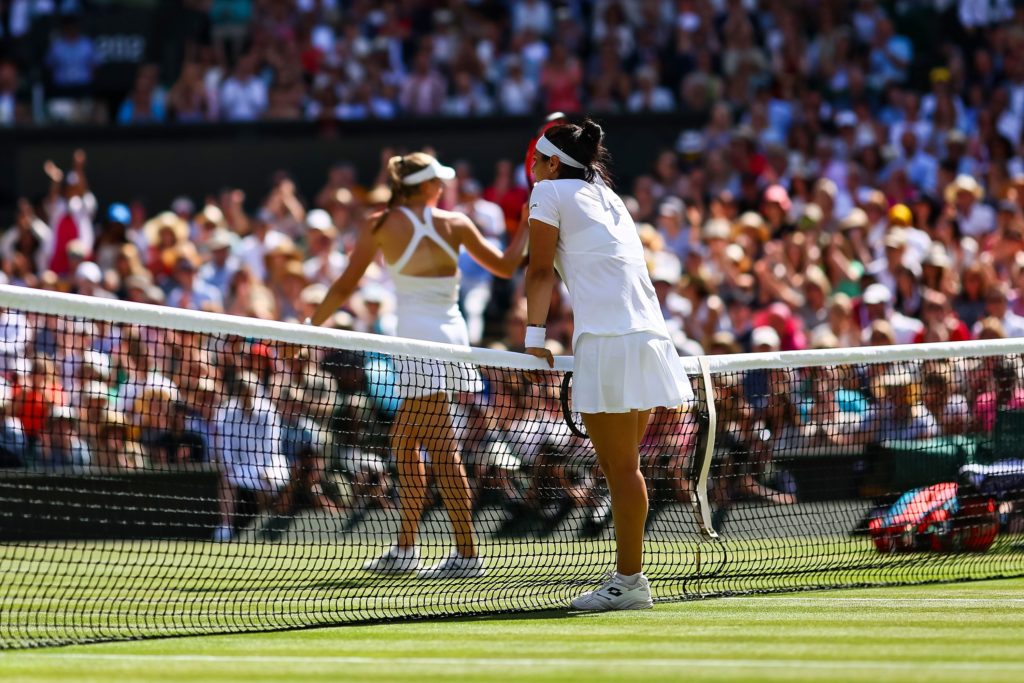
There was also a more practical reason. In an age before deodorant and modern fabric technology, sweat was considered deeply improper to display in public, especially for women. White clothing, oddly enough, was thought to be less revealing of perspiration than colored garments. Keeping up appearances mattered enormously in Victorian society, and white tennis clothes reflected that obsession with decorum.
As the decades passed and tennis evolved into a professional sport watched by millions, most other tournaments relaxed their dress codes entirely. Wimbledon, however, held firm. The all-white rule became part of its brand, a signal of tradition, prestige, and a certain British stubbornness that fans either love or find infuriating.
What the Wimbledon Rule Actually Requires
The current Wimbledon dress code is detailed and specific. According to the All England Club’s official guidelines, players must wear white, which means no off-white or cream. Colored trim is permitted but must be no wider than one centimeter. Socks and shoes should also be predominantly white. Even undergarments that are visible during play must be white.
The rule extends beyond just clothing. Headbands, wristbands, and compression garments all fall under the same requirement. The Club has even addressed base layers worn under shirts, requiring those to be white as well. Players are inspected before going on court and can be asked to change if they are not compliant.
This level of detail makes Wimbledon’s all-white dress code one of the strictest appearance regulations in professional sport, full stop.
Memorable Controversies Over the Years
The dress code has generated conflict and headlines throughout its history, and several high-profile incidents stand out.
Andre Agassi famously refused to play Wimbledon for three years in the early 1990s, citing the all-white rule as one of his reasons. Agassi was known for his colorful, rebellious image, and the idea of conforming to a dress code felt fundamentally at odds with his personality. He eventually returned and even won the title in 1992, dressed in white, but his earlier boycott kept the debate alive.

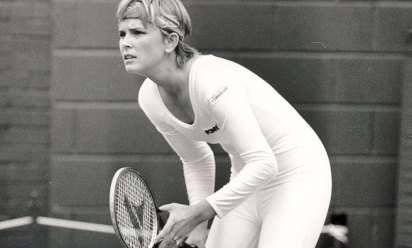
Anne White caused a sensation at the 1985 Championships when she appeared on court in a white, full-body Lycra catsuit. The outfit was technically white and therefore compliant, but the All England Club considered it inappropriate and asked her not to wear it again the following day. The incident raised an interesting question about what the rule was actually protecting: a color, or a more traditional silhouette of dress?
Roger Federer ran into trouble in 2013 when he wore shoes with orange soles during a match. The Club asked him to change his footwear between matches. Even someone of Federer’s stature, a seven-time Wimbledon champion, was not exempt from the rules. It was a clear signal that the All England Club takes compliance seriously regardless of who is on court.

More recently, Martina Navratilova and several medical professionals raised concerns about the rule as it applies to women during menstruation. The argument was that requiring white shorts or skirts can cause anxiety and discomfort for female players who may be on their period during a match. In 2023, Wimbledon responded by allowing women to wear dark undershorts beneath their white skirts, provided the undershorts were not visible. It was a meaningful concession, though critics noted it took far too long to arrive.

Why Wimbledon Defends the Rule
The All England Club has consistently defended Wimbledon’s all-white dress code as a matter of tradition and competitive equality. Their argument is that white clothing levels the playing field aesthetically, removing any commercial or personal branding advantage that bold colors might provide. Sponsors pay significant money to have their logos seen on court, and a uniform white background is thought to reduce the visual impact of that sponsorship.
There is also the argument that the tradition itself has value. Wimbledon has successfully maintained an atmosphere unlike any other tournament in tennis. The grass courts, the Royal Box, the queue, the silence expected of the crowd during points, and yes, the white clothing, all contribute to an experience that feels genuinely distinct. Changing the dress code, the Club argues, would chip away at something irreplaceable.
Many players, even those who have had minor violations, respect the rule once they are on the grounds. There is something to be said for walking out onto Centre Court dressed the same way champions have dressed for over a century. That continuity carries weight.
The Criticism That Will Not Go Away
Despite the Club’s defense of the rule, criticism continues to grow louder. Detractors argue that the all-white dress code is rooted in classism and colonial attitudes toward propriety. It was designed by and for a very particular demographic, and enforcing it in the modern era carries echoes of that exclusivity.
There is also the commercial argument. Players at other Grand Slams can wear outfits negotiated by their kit sponsors, allowing those sponsors to fully showcase their designs. At Wimbledon, that creativity is restricted significantly. While it has not caused any player to withdraw in recent years over the issue, it remains a tension point between players, their sponsors, and the Club.
The mental health dimension has gained attention too. For young players already dealing with the pressure of competing at a Grand Slam, the added anxiety of strict dress compliance, particularly for women dealing with menstruation, was an unnecessary burden. The 2023 update helped, but advocates argue that the rule should evolve further.
How the Rule Has Quietly Evolved
It is worth noting that Wimbledon’s all-white dress code is not entirely frozen in time. The allowance for dark undershorts in 2023 was a genuine change. The one-centimeter colored trim rule has been refined over the years. The Club has shown that it can adapt when pressure is sustained and the argument is compelling enough.
This suggests that the future of the dress code may involve continued small adjustments rather than an outright abolition. Wimbledon is unlikely to allow rainbow-colored outfits anytime soon. But the Club has demonstrated it is capable of listening when the criticism is specific and the welfare of players is genuinely at stake.
A Rule That Defines a Tournament
Wimbledon’s all-white dress code is many things at once. It is a piece of Victorian history that has survived into the 21st century. It is a symbol of tradition that devotees treasure and critics find archaic. It is a rule that has produced genuinely funny moments, serious controversies, and quiet but meaningful reforms.
Whether you find it charming or frustrating likely depends on how you feel about tradition in sport more broadly. But there is no question that the rule is inseparable from Wimbledon’s identity. As long as the Championships are held on the grass of SW19, players will walk out dressed in white, and the debate about whether they should will never fully go away.





No Comments