
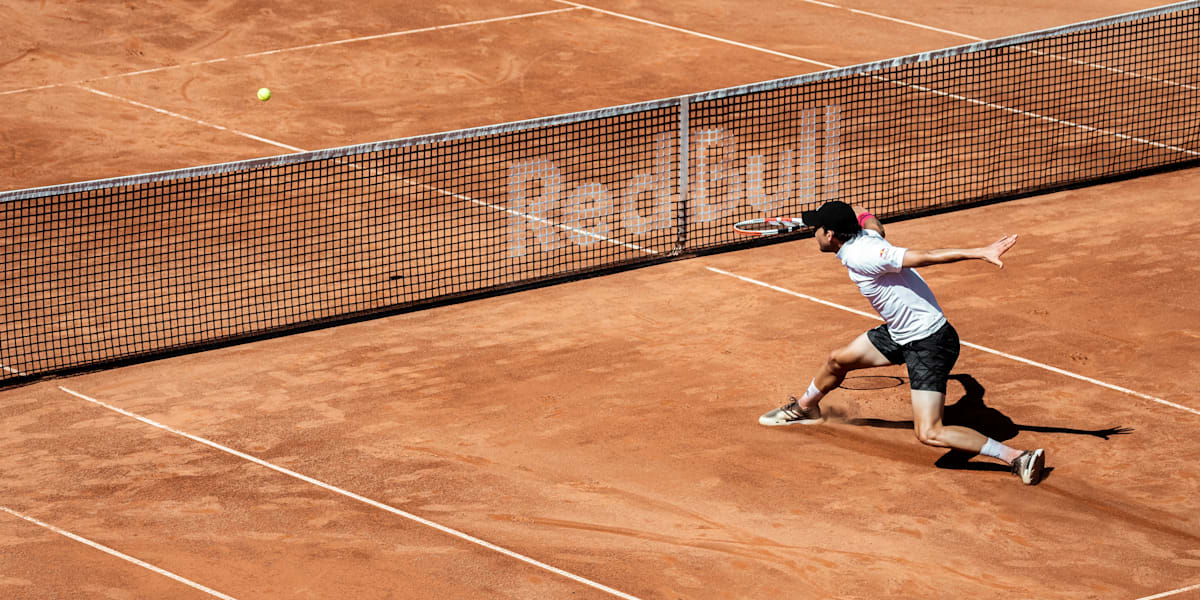

Not every great tennis player is a great clay court player. The red dirt of Roland Garros, Monte Carlo, and Rome operates by a different physics, rewards a different physiology, and demands a different mentality than any other surface the sport is played on. Some of the finest players in tennis history have walked onto clay and found themselves completely undone by it. Others have walked onto it and never looked back.
Table of Contents
- What Makes Clay Courts Different from Every Other Surface
- The Physical Profile of a True Clay Court Specialist
- Rafael Nadal: The Greatest Clay Court Specialist in Tennis History
- Bjorn Borg and the Origins of Clay Court Dominance
- Why Clay Court Specialists Struggle on Grass and Hard Courts
- The Modern Clay Court Specialists Carrying the Tradition Forward
- How Training and Tactics Are Built Around Clay Court Success
- The Enduring Legacy of Clay Court Specialists and Their Greatest Champions
- What Red Dirt Mastery Truly Demands of a Champion
Understanding what separates those two outcomes is one of the most fascinating questions in professional tennis. This is the full story of clay court specialists, what builds them, what defines them, and why their dominance on red dirt remains the most compelling individual achievement the game produces.
What Makes Clay Courts Different from Every Other Surface
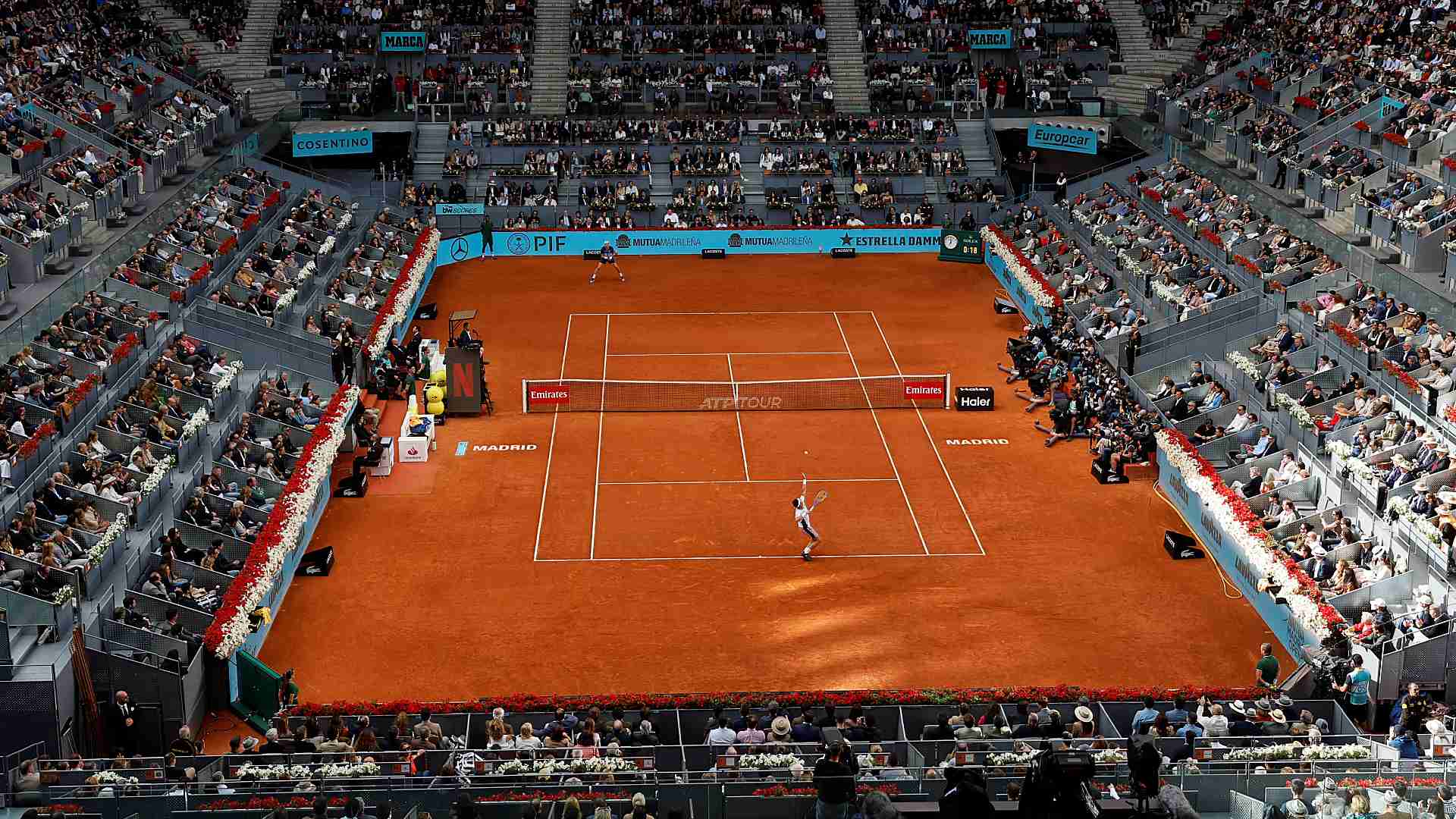
Clay slows everything down. The surface absorbs pace rather than amplifying it, reduces ball speed significantly, and produces a higher bounce that sits up into the body rather than skidding through low. Serves that are dominant weapons on grass or hard courts become far less threatening, and the advantage shifts from power to patience.
Physically, clay is the most demanding surface the sport offers. Longer rallies, sliding footwork, and the cumulative toll of a full clay season place demands on the body that no other surface replicates. Players who succeed here are not simply good tennis players. They are specifically built for endurance.
The Physical Profile of a True Clay Court Specialist
Extreme topspin generation sits at the centre of every clay court specialist’s game. Heavy topspin produces a high, kicking bounce that pushes opponents further behind the baseline and above their strike zone, creating pressure that compounds across long rallies rather than resolving in a single shot.
Footwork is the other defining characteristic. Sliding into position rather than stopping and planting allows elite clay players to cover angles and recover positions that would end points for almost anyone else. It is a skill that takes years to develop and immediately separates the specialist from the all-surface player.
Rafael Nadal: The Greatest Clay Court Specialist in Tennis History
Rafael Nadal won 14 French Open titles, compiled an 81-match winning streak on clay between 2005 and 2007, and retired with a 90.5 percent win rate across 535 clay court matches. Those numbers exist in a category so far beyond every other player that they require no qualification to convey their scale.
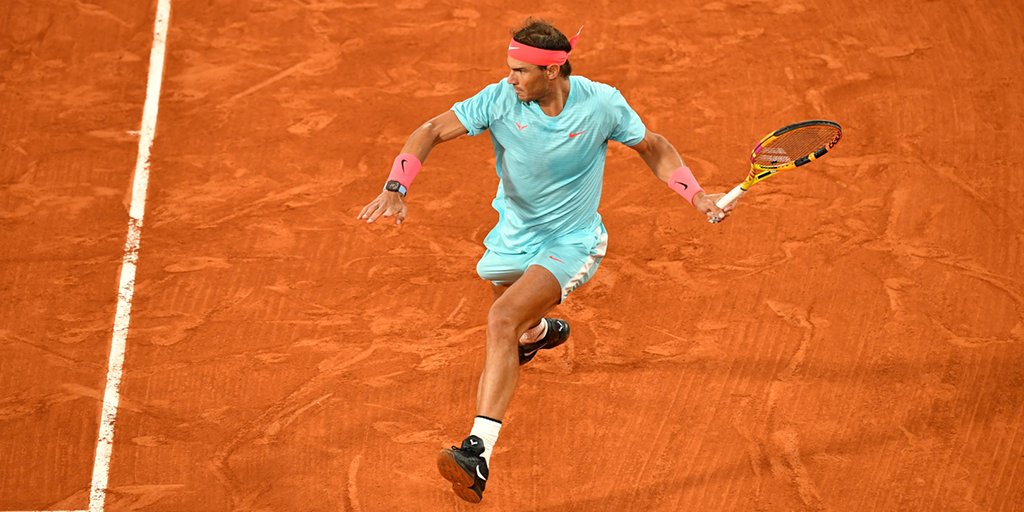
What made Nadal functionally unbeatable was not one attribute but all of them expressed simultaneously. His topspin forehand, his defensive court coverage, his physical conditioning across five sets, and his psychological certainty that clay belonged to him each reinforced the others until opponents felt they were playing against the surface itself rather than just the man across the net.
Bjorn Borg and the Origins of Clay Court Dominance
Before Nadal redefined the ceiling, Bjorn Borg set the template. The Swede won six Roland Garros titles between 1974 and 1981, achieving four consecutively, and compiled a career win rate of 93 percent on clay, second only to Nadal in professional tennis history. He accomplished all of it before the age of 26.
Borg’s game was built on heavy topspin, exceptional endurance, and a psychological stillness under pressure that unnerved opponents more effectively than any aggressive tactic. He was the first player to demonstrate that clay court dominance was not an accident of technique but a deliberate construction of physical and mental attributes around what the surface demands.
Why Clay Court Specialists Struggle on Grass and Hard Courts
The attributes that make a clay specialist elite on red dirt frequently limit them on faster surfaces. The extreme swing path that generates devastating spin on clay is slower to execute and more vulnerable to low, skidding balls, which is precisely what grass and hard courts deliver. The sliding footwork becomes redundant where stopping and planting is mechanically more effective.
Nadal’s 14 French Open titles alongside two Wimbledon and four US Open titles reflect this dynamic precisely. Players like Casper Ruud and Guillermo Coria, who reached world-class level through clay, found translating those skills to grass and hard courts a persistent challenge throughout their careers.
The Modern Clay Court Specialists Carrying the Tradition Forward
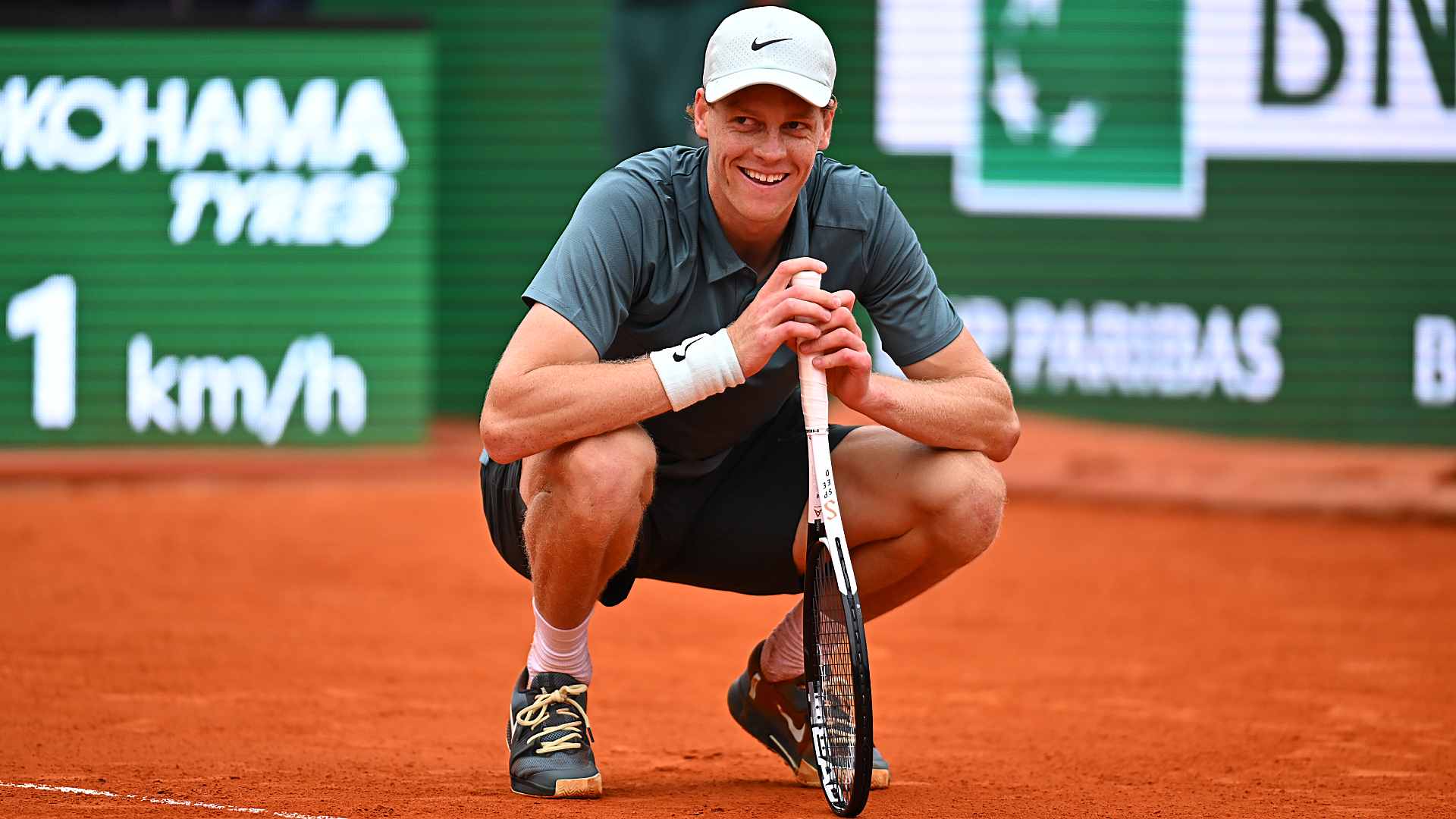
Carlos Alcaraz has demonstrated multi-surface brilliance rare among clay-oriented players, winning Roland Garros, Wimbledon, and the US Open before turning 22. But his Roland Garros game, built on explosive movement, extreme topspin, and tactical intelligence, remains where his tennis reaches its highest expression.
Casper Ruud reached the Roland Garros final in both 2022 and 2023, establishing himself as the most consistent clay specialist of the post-Nadal era. Stefanos Tsitsipas, with multiple Masters titles on the surface, rounds out a generation proving that the tradition Borg built and Nadal perfected remains very much alive.
How Training and Tactics Are Built Around Clay Court Success
Coaches who develop clay court specialists build programmes backwards from what the surface demands. Sliding drills and court coverage patterns form the daily foundation. Topspin development through thousands of low-to-high swing repetitions is treated as core skill work, not supplementary training.
Tactically, clay coaching emphasises construction over destruction, building points across shot sequences designed to push opponents progressively further back rather than ending rallies through single aggressive strikes. The patience this requires is as much a trained quality as a natural one, and elite coaches invest as heavily in mental conditioning as in technical development.
The Enduring Legacy of Clay Court Specialists and Their Greatest Champions
Roland Garros remains the most romanticised Grand Slam in tennis, and the clay court specialists who have dominated it are among the most celebrated figures the sport has ever produced. There is something in the visible, exhausting, physical nature of clay court tennis, the dirty knees, the sliding recoveries, the rallies that test human endurance, that connects with audiences more deeply than faster surfaces can replicate.
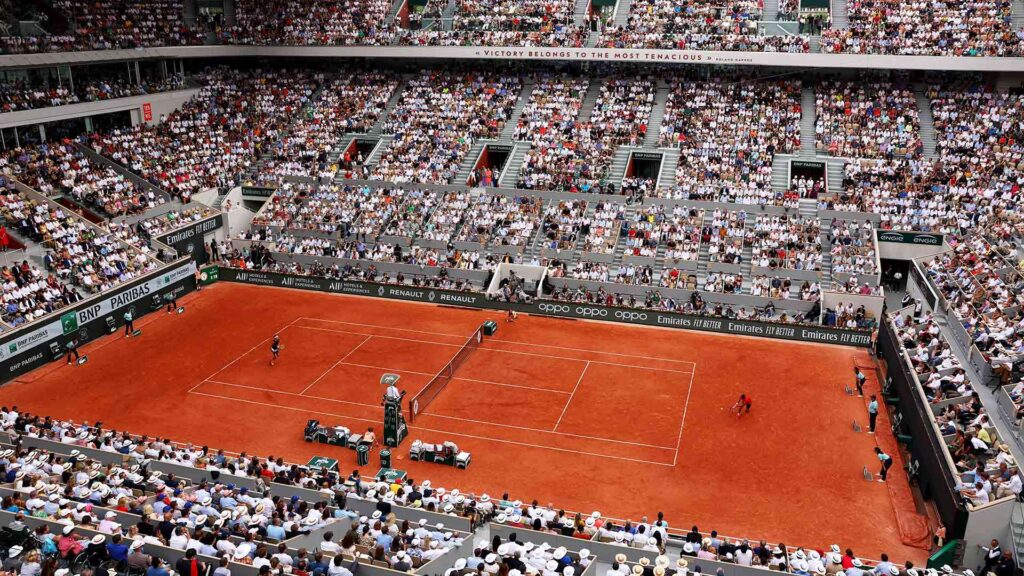
Clay court specialists have given tennis some of its most enduring narratives. Borg’s cold dominance. Nadal’s primal relationship with a surface that responded to him like an ally. The generations that followed, each finding their own version of red dirt mastery. That tradition is not fading. It is simply waiting for the next player who is truly built for it.
What Red Dirt Mastery Truly Demands of a Champion
Clay court specialists are not merely good tennis players who prefer a slower surface. They are athletes who have built everything, their technique, fitness, mentality, and tactical identity, around the unforgiving demands of red dirt. The players who have done it best have not just won tournaments.
They have made Roland Garros the most compelling stage in tennis by consistently meeting the highest standard the sport demands and making it look, at their very best, entirely inevitable.



No Comments