
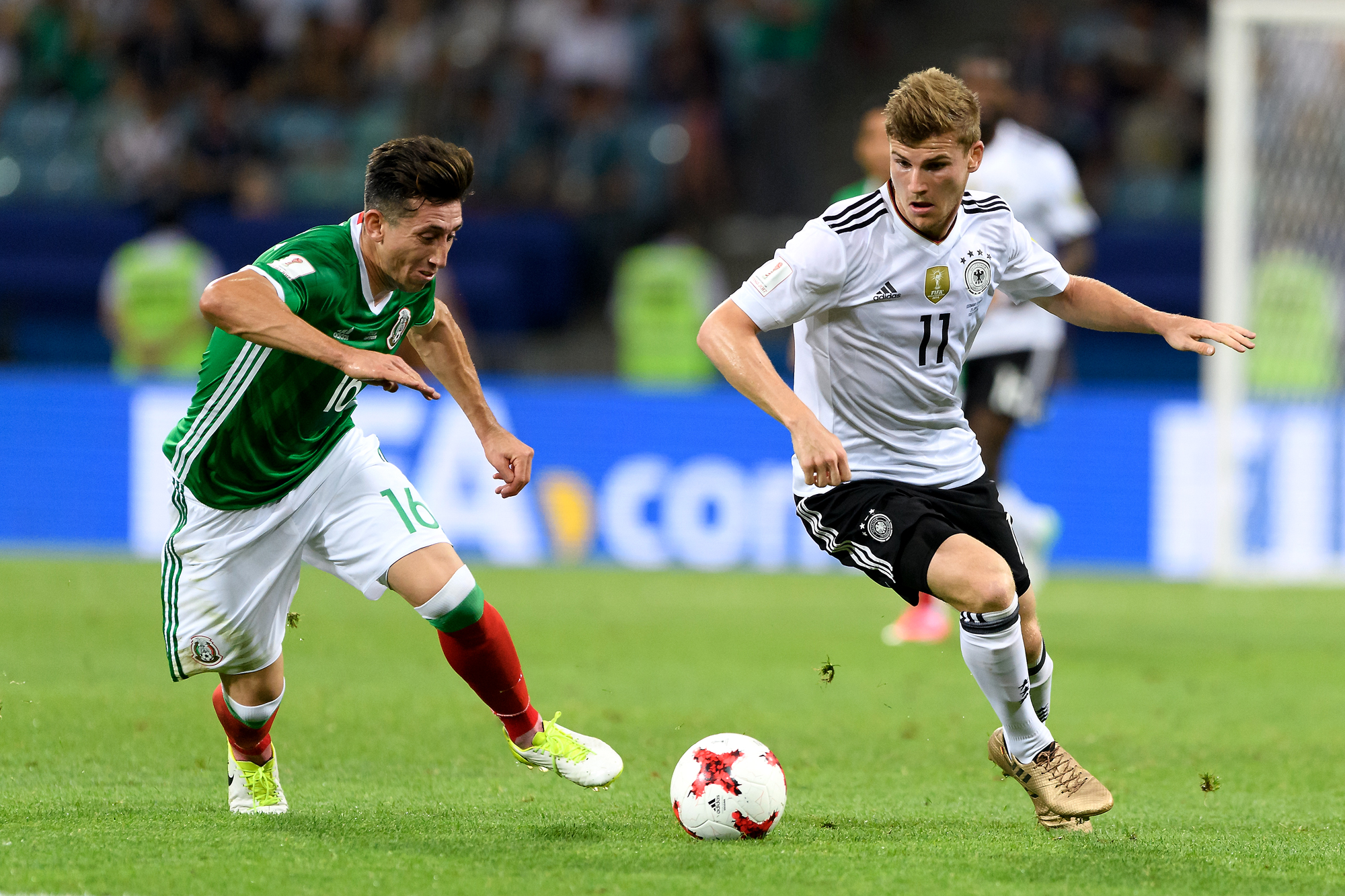
Which team did Mexico beat 1-0 in their opening match of the FIFA World Cup 2018?
There are results that live inside football forever. Scores that get passed down from one generation of supporters to the next, replayed in highlight reels and referenced in conversations about the beautiful game’s greatest moments. Mexico’s opening match at the 2018 FIFA World Cup produced exactly that kind of result. Mexico beat Germany 1-0 in their opening match of the 2018 FIFA World Cup. A single goal, scored by a young winger named Hirving “Chucky” Lozano in the 35th minute, was enough to topple the reigning world champions on one of football’s biggest stages. The date was June 17, 2018. The venue was the Luzhniki Stadium in Moscow, Russia. The attendance was 78,011. And for every Mexican supporter inside that stadium and watching from home, it was one of the greatest days their football has ever produced. Setting the Scene: What Made This Opening Match So Significant To truly appreciate what happened in Moscow that afternoon, you need to understand the context that surrounded it. The 2018 FIFA World Cup was hosted by Russia, and the draw had placed Mexico into Group F alongside Germany, Sweden, and South Korea. It was one of the most challenging groups in the tournament, and the opening fixture against Germany was considered by virtually every analyst to be Mexico’s toughest possible start. Germany were not simply a good team in 2018. They were the defending world champions, having won the 2014 tournament in Brazil with a 1-0 victory over Argentina in the final. Coached by Joachim Löw, their squad read like a who’s who of European football. Manuel Neuer in goal. Toni Kroos controlling midfield. Mesut Özil as the creative force. Thomas Müller and Timo Werner providing the attacking threat. FIFA had ranked them number one in the world heading into the tournament, and the overwhelming consensus was that they were among the two or three most likely sides to lift the trophy again. Mexico arrived with respect but without fear. Coach Juan Carlos Osorio had spent months preparing his squad for exactly this kind of challenge, and his roster blended experience with youthful energy. Goalkeeper Guillermo Ochoa, captain Andrés Guardado, and veteran striker Javier “Chicharito” Hernández provided the leadership, while young talents like Carlos Vela and Hirving Lozano offered pace and directness. The most recent competitive meeting between the two nations had ended in a 4-1 hammering for Mexico at the 2017 Confederations Cup semi-final. Mexico had never beaten Germany in competitive football before June 17, 2018. How Mexico Set Up: The Tactical Blueprint One of the most underappreciated aspects of Mexico’s famous victory is how intelligently Osorio approached the game. Rather than trying to match Germany’s possession-based style, he built his team around defensive discipline and the ability to hurt the world champions on the counter-attack. Mexico lined up in a 4-2-3-1 formation, with Héctor Moreno and Hugo Ayala as the central defensive partnership and Carlos Salcedo and Jesús Gallardo providing cover at full-back. In the middle of the park, Héctor Herrera and Andrés Guardado worked as a disciplined double pivot, focused on cutting off the supply lines to Germany’s creative players and protecting the space in behind the defensive line. The plan was clear. Absorb Germany’s pressure, stay compact, and wait for the moment to strike. Against a side as technically gifted as Germany, it required enormous concentration and physical commitment from every player on the pitch. For 35 minutes, Mexico executed it almost perfectly. The Goal: Lozano’s Moment That Defined a Generation The breakthrough that changed football history arrived in the 35th minute of Mexico’s 2018 World Cup opening match. Javier Hernández received possession in a dangerous area and immediately played a precise pass into the run of Hirving Lozano on the left side of the German penalty area. What Lozano did next was a combination of technique, composure, and pure instinct. He controlled the ball cleanly, shifted his body to evade Mesut Özil with a sharp directional change, and drove a low shot across Manuel Neuer from close range. The ball hit the back of the net, and the Luzhniki Stadium erupted in green and gold. It was Lozano’s first ever goal at a FIFA World Cup. It was also the perfect execution of everything Osorio had planned, a rapid transition from defence to attack, clinical finishing under pressure, and the courage to take on a world-class opponent in a decisive moment. Celebrations back in Mexico City were so intense that they reportedly registered on earthquake monitoring equipment across the capital. The Second Half: Ochoa, Resilience, and the Final Whistle Germany’s response in the second half was everything you would expect from the world’s top-ranked team. Joachim Löw made attacking substitutions, bringing on Marco Reus, Mario Gómez, and Julian Brandt to find a way through a disciplined Mexican rearguard. The Germans dominated possession and created a series of increasingly urgent chances. Toni Kroos struck the crossbar with a free-kick that had Ochoa beaten. Appeals for penalties were dismissed. Wave after wave of German pressure crashed against a Mexico defensive wall that refused to break. Guillermo Ochoa was outstanding in goal throughout, commanding his area with authority and producing the saves his team needed when Germany came closest to levelling. Every Mexican outfield player threw themselves into challenges and blocks with the kind of collective commitment that defines great defensive performances. When Edson Álvarez came on as a substitute, he slotted immediately into the structure and added another layer of physicality to the midfield shield. The final whistle confirmed what had seemed increasingly certain in the closing minutes. Mexico’s 2018 World Cup opening match ended 1-0. The defending world champions had been beaten. The Key Players Who Made History Several individuals deserve recognition for their roles in one of football’s most memorable upsets. Player Position Key Contribution Hirving Lozano Winger Scored the winning goal; awarded Man of the Match Guillermo Ochoa Goalkeeper Crucial saves throughout; kept Germany at bay Héctor Herrera Midfielder Relentless defensive work disrupting Germany’s play Andrés
Read More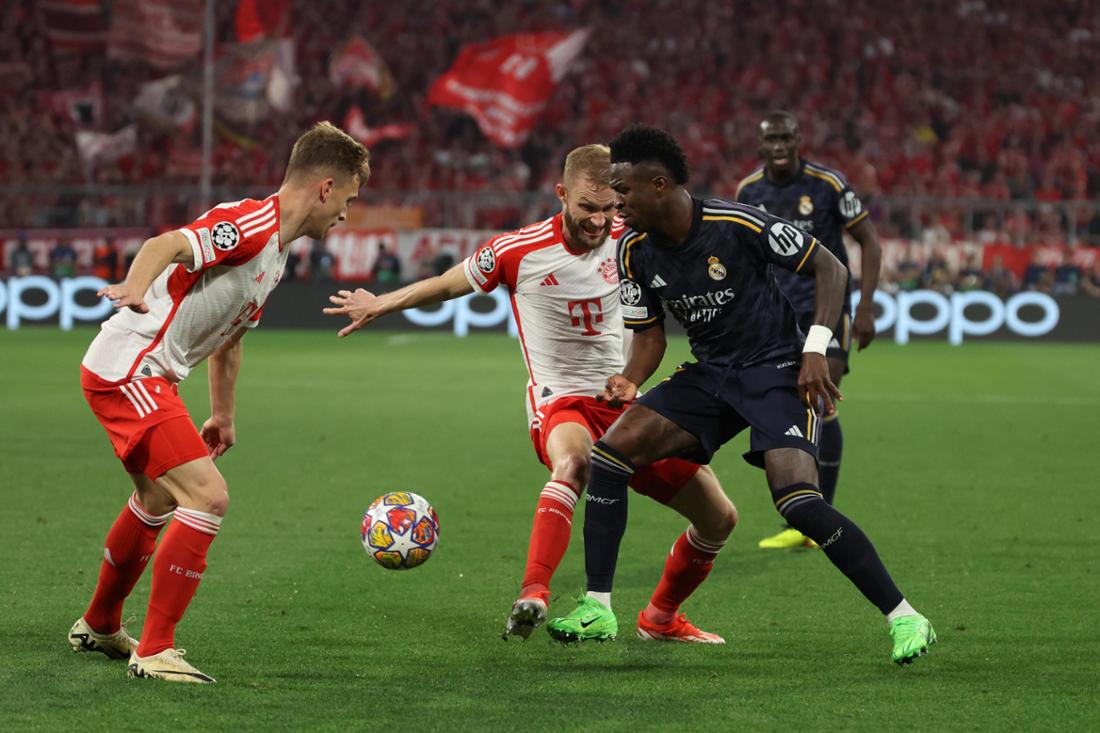
Real Madrid vs Bayern Munich Prediction: Champions League Quarter-Final 2025/26
Some fixtures carry weight before a single ball is kicked. Real Madrid vs Bayern Munich is one of them. This is not just a Champions League quarter-final. It is the most played fixture in the history of European football’s biggest club competition, a rivalry so rich and so consistently dramatic that it has earned its own name: the European Clásico. With the first leg taking place at the Santiago Bernabéu, both clubs arrive carrying genuine ambition, significant injury concerns, and the kind of tactical complexity that makes this matchup endlessly fascinating to break down. Here is our full Real Madrid vs Bayern Munich prediction, covering history, form, tactics, team news, and a final verdict. The History Behind Real Madrid vs Bayern Munich Before any prediction can be made with confidence, the historical record deserves attention, because in this particular matchup, it genuinely matters. Heading into this quarter-final, the two sides have met 28 times across all European competitions. Real Madrid lead the all-time head-to-head with 13 wins to Bayern’s 11, with 4 draws making up the rest. But raw numbers only tell part of the story. The more relevant pattern is what has happened in the last decade specifically. Madrid eliminated Bayern in the semi-finals in 2014, 2017, 2018, and again in 2024. That is four exits in ten years for a club that considers the Champions League its birthright. Despite that record, Bayern have never approached this fixture with fear. They have consistently pushed Madrid to the absolute limit, which is precisely what makes this tie so difficult to call. Real Madrid have won 15 European Cups. They are chasing number 16. Bayern know that stopping them here would mean something far beyond a place in the semi-finals. Real Madrid: Champions League DNA Despite Domestic Struggles Álvaro Arbeloa, a man who bled for both clubs as a player and now leads from the dugout, has Madrid operating in a curious space right now. Their domestic form has been inconsistent, highlighted by a frustrating 2-1 defeat to Mallorca just days before this first leg. Yet, the “Arbeloa era” is being defined by a refusal to buckle under pressure; domestic stumbles rarely seem to dampen the aura of the Bernabéu when the Champions League anthem plays. Real Madrid Current Form and Tactical Setup Madrid’s system continues to be built around the devastating attacking partnership of Kylian Mbappé and Vinícius Júnior. When both are firing, they are simply the most dangerous front two in world football. The loss of Rodrygo to an ACL injury is a genuine blow to their creative depth, but Arda Güler has stepped up as the creative link between midfield and attack, while Fede Valverde provides tthe energy and intensity that has become a hallmark of Arbeloa’s tactical setup. While he lacks Ancelotti’s four trophies, Arbeloa has instilled a ‘Castilla-first’ grit into the squad that was evident in their Round of 16 triumph over Manchester City. Defensively, the young Dean Huijsen has formed a promising partnership alongside the experienced Antonio Rüdiger, giving the backline a decent blend of pace and physicality. With Thibaut Courtois still out through injury, Andriy Lunin continues in goal and has been quietly impressive throughout the season. Real Madrid Key Injuries and Absences Madrid are dealing with a short but significant injury list heading into this tie: The absence of Courtois removes one of the best big-game goalkeepers in the world from what promises to be a high-pressure occasion. Lunin is capable, but there is a difference in experience at this level that could matter in a tight moment. Bayern Munich: Kompany’s Philosophy Faces Its Biggest Test Vincent Kompany has transformed the mood at Bayern Munich since taking charge. His high-pressing, possession-dominant style has delivered dominance in the Bundesliga, but the Champions League quarter-final against Real Madrid represents a completely different challenge. This is where philosophies are tested and reputations are made. Bayern Munich Current Form and Tactical Setup Bayern arrive at the Bernabéu with confidence following a 3-2 comeback win against Freiburg at the weekend. That result demonstrated resilience as well as quality, two attributes they will need in abundance in Madrid. The biggest talking point surrounds Harry Kane. The England captain, who has been outstanding in his time at Bayern, is dealing with an ankle injury that forced him to miss the weekend fixture. Kompany has indicated some optimism about his availability, but even if he plays, his sharpness may be compromised. Should he be ruled out or limited, Nicolas Jackson could lead the line, using his pace to test Madrid’s high defensive line. Luis Díaz has been a revelation since his move from Anfield, providing the clinical edge Bayern needed. Should Harry Kane’s ankle keep him sidelined, Nicolas Jackson is expected to lead the line; while he arrived on a complex loan from Chelsea, his pace is exactly what Kompany needs to stretch Rüdiger and the Madrid defense. Bayern Munich Key Injuries and Absences Bayern’s own injury list adds an element of uncertainty to their selection: Losing both Kane and Musiala from the starting lineup would be a significant blow to their attacking threat. Musiala in particular is the kind of player who creates problems that opponents cannot simply plan away. Head-to-Head Statistics: What the Numbers Tell Us Looking at both sides’ recent Champions League performances gives valuable context to this prediction. Metric Real Madrid (Last 5 UCL) Bayern Munich (Last 5 UCL) Goals Per Game 2.2 2.6 Possession % 52% 58% Clean Sheets 2 1 Big Chances Created 14 19 Bayern create more chances and dominate possession more consistently, yet Madrid’s efficiency is higher. That gap between chance creation and conversion is where Vinícius Júnior becomes the defining variable. He does not need many moments. He just needs one or two, and he tends to find them in the games that matter most. The Tactical Battles That Will Decide the Tie The Wing War: Alexander-Arnold vs Luis Díaz One of the most intriguing individual matchups of the first leg
Read More
Top 10 Most Shocking Football Transfers That Almost Happened
Football is a game of inches, and nowhere is that truer than in the transfer market. For every blockbuster deal that makes the headlines, there is a shadow deal lurking behind it, one that came agonizingly close but collapsed at the last moment. A stubborn board member, a volcanic eruption, a proud ego, or a father’s phone call can completely rewrite history. These are not mere rumors. These are deals that were agreed, shirts that were printed, and flights that were booked. The football transfers that almost happened are, in many ways, more gripping than the ones that did. Here are the ten most jaw-dropping near-misses in the history of the beautiful game. 1. Diego Maradona to Sheffield United (1978) Before Diego Maradona became a deity in Naples and a World Cup legend in Mexico City, he was a 17-year-old phenom at Argentinos Juniors. Sheffield United manager Harry Haslam spotted him on a scouting trip to Argentina and was so stunned by what he saw that he immediately put together a £200,000 deal. The Blades’ board, however, refused to cover the additional costs for travel and paperwork. Instead, they signed Maradona’s compatriot Alex Sabella for a more palatable £160,000. It was a decent signing, but it was not Maradona. While Diego lifted the World Cup and became one of the greatest players ever, Sheffield United sank into the Fourth Division. The board saved a few thousand pounds and lost a generation of glory. 2. Zinedine Zidane to Blackburn Rovers (1995) Blackburn Rovers were Premier League champions in 1995 and manager Kenny Dalglish was looking to strengthen his squad with a young Frenchman from Bordeaux. That Frenchman was Zinedine Zidane. When Dalglish approached owner Jack Walker about the signing, Walker reportedly responded with one of the most infamous lines in football history: “Why do you want Zidane when we have Tim Sherwood?” That single sentence may be the most expensive opinion ever expressed by a club owner. Zidane moved to Juventus, then Real Madrid, and became arguably the greatest midfielder of his generation. Blackburn, meanwhile, never won the title again. 3. Cristiano Ronaldo to Arsenal (2003) Arsène Wenger has an infamous list of players he nearly signed, but Cristiano Ronaldo sits at the very top. The young Portuguese winger visited Arsenal’s training ground, had a shirt printed with his name on it, and held personal discussions with Wenger. Arsenal tabled an offer of £8 million, but Sporting Lisbon held out for more. While Arsenal hesitated, Manchester United played a pre-season friendly against Sporting. Ronaldo’s performance was so electrifying that the United players reportedly begged Sir Alex Ferguson to sign him on the flight home. Ferguson paid £12.24 million, and the rest belongs to football history. Wenger’s patience cost him one of the sport’s all-time greats. 4. Ronaldinho to Manchester United (2003) The summer of 2003 was a pivotal one for Manchester United. David Beckham had just been sold to Real Madrid, and the club needed a new icon. Their primary target was Ronaldinho, who was then dazzling at Paris Saint-Germain. The deal progressed so far that Ronaldinho himself later admitted he was just 48 hours away from signing. What stopped it? A phone call. Sandro Rosell, running for the Barcelona presidency, reminded Ronaldinho of a promise he had made to join Barça if Rosell won the election. Rosell won. Ronaldinho headed to the Nou Camp, where he won the Ballon d’Or and became one of the most beloved players of his era. United, in a silver lining for the ages, turned their attention to a teenage Cristiano Ronaldo instead. 5. Robert Lewandowski to Blackburn Rovers (2010) Blackburn Rovers appear on this list a second time, and this time not even the manager can be blamed. In 2010, Sam Allardyce was on the verge of signing a young Robert Lewandowski from Lech Poznan for £4 million. The deal was essentially done. Lewandowski was at the airport, bags packed, ready to fly to Lancashire and put pen to paper. Then Iceland’s Eyjafjallajökull volcano erupted. The resulting ash cloud shut down airspace across Northern Europe. During the enforced delay, Borussia Dortmund moved quickly and secured Lewandowski’s signature. He went on to win multiple Bundesliga titles and became one of the deadliest strikers in Champions League history. Blackburn were relegated the following season. You genuinely cannot make it up. 6. Zlatan Ibrahimović to Arsenal (2000) A 16-year-old Zlatan Ibrahimović traveled to London to meet Arsène Wenger. Wenger, impressed by what he had heard, offered the teenager a trial. Most aspiring footballers would have jumped at the chance. Zlatan was not most footballers. He reportedly declined with the now legendary line: “Zlatan doesn’t do auditions.” He walked out of the meeting, signed for Ajax shortly after, and launched one of the most decorated careers in the history of the sport. Wenger later admitted he regretted not simply signing him outright. It was the second time in a decade that Wenger’s cautious approach cost him a generational talent. 7. Steven Gerrard to Chelsea (2005) This was not a quiet transfer rumor. This was a full-blown crisis at the heart of Liverpool Football Club. Just weeks after captaining Liverpool to one of the most miraculous Champions League victories of all time in Istanbul, Steven Gerrard handed in a transfer request. José Mourinho’s Chelsea had offered £32 million, and Gerrard, feeling undervalued by the Anfield board, appeared ready to cross enemy lines. The reaction in Liverpool was ferocious. Gerrard’s replica shirts were burned in the streets. After a night of reflection and urgent conversations, he performed a dramatic U-turn within 24 hours, recommitting himself to the club he had supported since childhood. It remains the closest a modern Premier League icon has ever come to joining a direct rival at the absolute peak of his powers. 8. Kaká to Manchester City (2009) In January 2009, the newly Abu Dhabi-backed Manchester City wanted to announce themselves to the world, and they did so by placing a world-record £100 million
Read More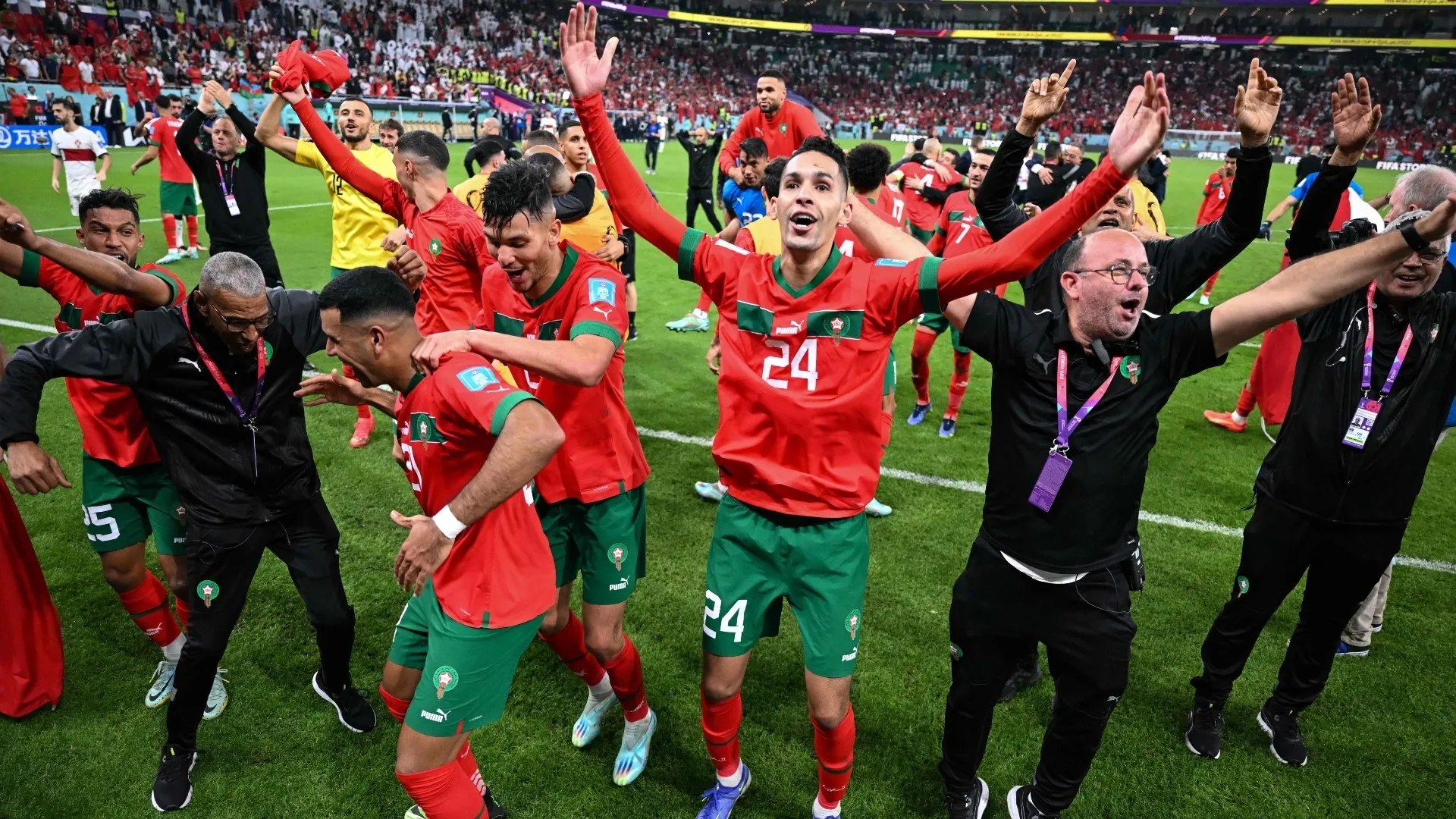
Classement FIFA Africa 2026: Top 10 African Rankings Explained
African football is in the middle of one of its most fascinating and competitive eras. As the FIFA World Cup 2026 approaches across Canada, Mexico, and the United States, the Classement FIFA Africa 2026 paints a vivid picture of where the continent stands, who is rising, who is under pressure, and which nations are quietly building something special. This is not just a list of numbers. It is a story of tactical evolution, generational transitions, and the shifting balance of power across a continent of 54 football nations. Here is the complete breakdown of the Classement FIFA Africa 2026 top 10, followed by the deeper trends every football fan needs to understand. Official Classement FIFA Africa: April 2026 This represents the final official FIFA update before the 2026 World Cup kicks off in North America, making it the most significant ranking snapshot of the entire cycle. Africa Rank Country Global Rank Total Points Movement 1 Morocco 8th 1755.87 Stable 2 Senegal 14th 1688.99 Down 2 3 Nigeria 26th 1585.09 Stable 4 Algeria 28th 1564.26 Up 1 5 Egypt 29th 1563.24 Up 2 6 Côte d’Ivoire 34th 1532.98 Up 3 7 Tunisia 44th 1483.05 Up 3 8 Cameroon 45th 1481.24 Down 1 9 DR Congo 46th 1478.35 Up 2 10 Mali 52nd 1459.13 Up 2 1. Morocco: The Only African Nation in the Global Top 10 Morocco sits at 8th in the world, a position that would have seemed extraordinary just a decade ago and now feels entirely deserved. At the very top of the Classement FIFA Africa 2026, the Atlas Lions are the undisputed standard-bearers of African football, and their dominance is not built on a single tournament result but on a sustained infrastructure that has been developing since their historic 2022 World Cup semi-final run in Qatar. A clinical 2-1 victory over Paraguay in March 2026 further reinforced their points cushion at the summit. If Morocco delivers a strong performance at the World Cup this summer, they could realistically break into the global top five by the end of the year, a feat no African nation has ever achieved. 2. Senegal: The Primary Challenger to Morocco’s Throne Despite slipping two places globally, Senegal remains comfortably in the elite tier of world football at 14th overall. The Lions of Teranga are the most credible threat to Morocco’s continental dominance in the Classement FIFA Africa 2026, and their squad depth is arguably their greatest strength. A blend of experienced leaders and emerging talent coming through the academies in Dakar gives Senegal the kind of generational continuity that sustains top-level performance across multiple tournament cycles. The slight dip in the rankings should not be misread as decline. Senegal remains a genuine World Cup contender and one of the most complete squads on the African continent heading into the summer. 3. Nigeria: High Ranking, Absent from the World Cup Nigeria’s position in the Classement FIFA Africa 2026 is one of the most thought-provoking entries on the entire list. The Super Eagles sit third in Africa and 26th globally, yet they will not be at the 2026 World Cup. That contradiction tells you a great deal about both the strengths and the limitations of the FIFA ranking system. Nigeria’s high points total reflects consistent high-scoring performances in continental qualifiers and a bronze medal finish at the 2025 AFCON. But ranking points and competitive relevance are not always the same thing. Their failure to win the specific high-leverage qualification matches that mattered most means they remain a powerful footballing nation watching the tournament from home. Expect their ranking to face significant pressure in the post-World Cup period as nations who compete in North America accumulate weighted points from tournament wins. 4. Algeria and Egypt: North Africa’s Closest Battle The gap between Algeria at 28th globally and Egypt at 29th is a mere 1.02 points, making this the tightest contest anywhere in the Classement FIFA Africa 2026. Both nations have undergone significant tactical and generational shifts heading into this World Cup cycle. Algeria has successfully integrated a younger generation of dual-national talents, bringing fresh energy and European club experience into a squad that had previously relied heavily on an older core. Egypt meanwhile has shifted toward a more defensively balanced tactical setup, making them exceptionally difficult to break down in high-stakes matches. Both nations are heading to the 2026 World Cup, and both carry genuine potential to cause upsets in North America. 5. Côte d’Ivoire: The Biggest Movers in the Upper Tier Côte d’Ivoire are the standout movers in the top half of the Classement FIFA Africa 2026, climbing three places to sit 34th globally. The Elephants are riding the momentum of their emotionally charged 2023 AFCON victory on home soil, and their squad has reached a level of maturity that makes them dangerous in any competition. With the majority of their starting eleven playing across Europe’s top five leagues, Côte d’Ivoire bring a level of technical quality and tactical awareness that was not always present in previous generations. They are hitting their peak at exactly the right moment, which makes them one of the more compelling African sides to watch at the 2026 World Cup. 6. Tunisia and Cameroon: The Old Guard Under Pressure Tunisia and Cameroon represent two of African football’s most established presences, and both find themselves at an interesting crossroads in the Classement FIFA Africa 2026. Tunisia have climbed to 44th globally on the back of disciplined defensive performances, demonstrating that tactical organization can compensate for a lack of individual star power at the international level. Cameroon at 45th tell a slightly different story. Inconsistent results in friendly matches against non-African opposition have cost them ground, and there are genuine questions about whether the technical setup surrounding the squad is modern enough to compete with the continent’s more progressive nations. If both Tunisia and Cameroon do not modernize their approaches, rising forces like South Africa’s Bafana Bafana, currently knocking on the door at 60th globally, could push them out of the
Read More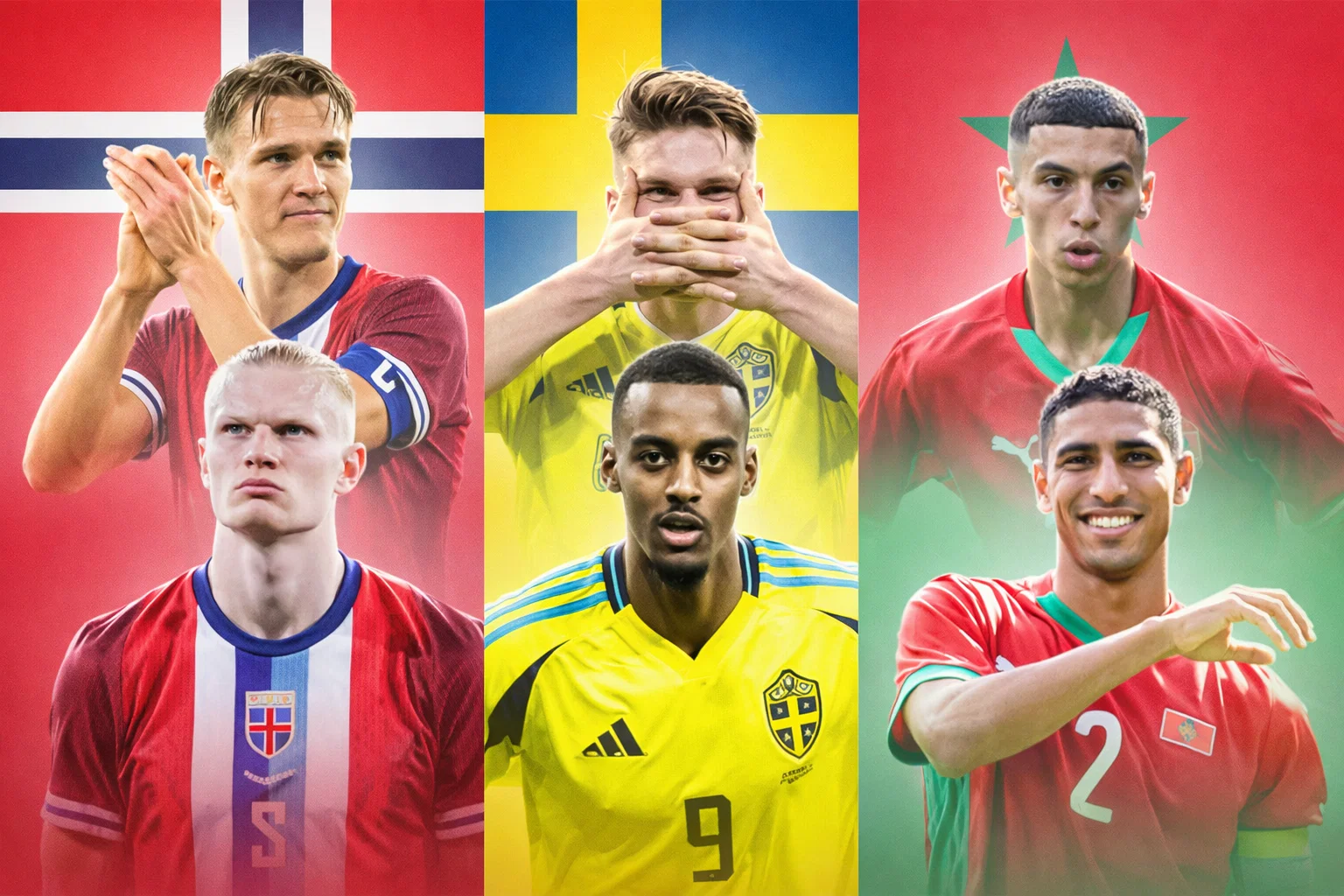
Top 10 Dark Horses for the FIFA World Cup 2026
The FIFA World Cup 2026 is unlike any tournament that has come before it. For the first time in history, 48 nations will compete across three host countries, Canada, Mexico, and the United States, in a expanded format that introduces a Round of 32 and creates more opportunities than ever for the unexpected to happen. Brazil, France, and Argentina will arrive as favorites, but the beautiful game has never been kind to certainty. In this new landscape, the dark horses matter more than ever. One disciplined defensive shape, one moment of individual brilliance, one upset in a single 90-minute window, and the entire bracket shifts. These ten nations are the ones to watch: teams with the tactical identity, the rising stars, and the competitive pedigree to genuinely threaten the traditional giants of world football. Why the 2026 Format Is Built for Upsets Before diving into the teams themselves, it is worth understanding why this particular World Cup is so favorable for dark horses. The expanded 48-team format means every knockout match carries amplified variance. A tactically disciplined side does not need to be better than a favorite across multiple games. They only need to be better for 90 minutes, or sometimes just better for one moment in extra time. Add in the diverse climates across North American host cities, from the summer humidity of the US East Coast to the high-altitude conditions of Mexican venues, and the physical and tactical demands become unpredictable in ways that favor well-drilled, physically prepared underdogs. The 2026 dark horses listed below understand this landscape better than most. 1. Japan: Tactical Architects Who Have Outgrown the Underdog Label Japan enters the 2026 World Cup no longer as a surprise package but as a genuine tactical blueprint for how to compete against elite opposition. Under coach Hajime Moriyasu, the Samurai Blue have evolved from a hardworking but limited side into a team capable of dictating tempo against world-class opponents. Their system, a 4-2-3-1 and 3-4-3 hybrid, is built around intelligent pressing rather than aimless chasing. Japan baits elite midfields into specific trap zones before launching rapid transitions that few international teams can handle in real time. With Takefusa Kubo of Real Sociedad and Kaoru Mitoma of Brighton providing genuine world-class threat on the wings, and Wataru Endo anchoring the defensive structure, Japan boasts arguably their strongest squad in history. Almost their entire starting eleven plays in Europe’s top five leagues, a depth that makes them one of the most credible dark horses FIFA World Cup 2026 has to offer. 2. Ecuador: South America’s Battle-Hardened Physical Force If any tournament prepares a team for the pressures of a World Cup, it is CONMEBOL qualifying. Ecuador survived the most demanding regional qualification process in world football and emerged as a team built on athleticism, defensive discipline, and collective resilience. La Tri are a nightmare matchup for European giants precisely because of their physical profile. They are fast, strong in the air, and entirely comfortable competing in the high-intensity environments that the 2026 climate diversity will demand. The midfield spine of Moisés Caicedo combined with the defensive solidity of Piero Hincapié gives Ecuador a foundation that rivals established European nations. The most exciting addition to this picture is Kendry Páez, the teenage creative spark who provides something Ecuador has historically lacked: the ability to unlock a low defensive block in the group stages when the opposition sits deep. 3. Norway: The Haaland Factor Is Not a Gimmick Norway returns to the World Cup stage for the first time since 1998, and they arrive with the most clinical finisher in world football leading the line. Erling Haaland’s presence alone changes the tactical calculus for any opponent Norway faces, but reducing this team to one player significantly undersells what they bring to the tournament. Martin Ødegaard provides Premier League quality in the playmaking role, while the emergence of Oscar Bobb and Alexander Sørloth has transformed Norway from a two-man threat into a genuinely multi-dimensional attacking unit. Their strategy is straightforward but brutally effective: defensive solidity combined with direct service to Haaland whenever the opportunity arises. In a tournament where fatigue accumulates and margins shrink, having a striker who needs half a chance to score is one of the most valuable assets any dark horse FIFA World Cup 2026 contender can possess. 4. Morocco: The Giant-Killers Who Only Got Better Morocco’s historic semi-final run at the 2022 Qatar World Cup announced them to the world. Many expected them to decline after losing key figures from that campaign. Instead, they doubled down, won the Africa Cup of Nations, and arrived at 2026 sharper and more complete than before. The Atlas Lions defend not out of fear but out of tactical intelligence, using their shape to control space rather than simply absorb pressure. Achraf Hakimi and Noussair Mazraoui represent arguably the finest fullback partnership in international football, capable of neutralizing elite wingers while remaining primary attacking threats themselves. The most significant upgrade since Qatar is the integration of Brahim Díaz from Real Madrid in a central creative role, giving Morocco a possession-based dimension that pure counter-attacking teams simply do not have. They are not just a dark horse. They are a genuine quarterfinal threat. 5. Colombia: The Americas Resurrection Story Colombia missed the 2022 World Cup entirely, and the reset that followed has produced something genuinely exciting. They enter 2026 on one of international football’s longest unbeaten streaks, combining experienced leadership with a new generation of explosive attacking talent. Luis Díaz is the prototype for the modern dark horse attacker: capable of creating danger entirely through individual quality even when his team is being outplayed in possession. Colombia’s additional advantage is geography and culture. Playing significant matches in US host cities with enormous Latin American communities means many of their fixtures will generate an atmosphere resembling a home game, a psychological edge in tight knockout moments that is easy to underestimate and very difficult to replicate. 6. Uzbekistan: The Debutant Nobody Has Figured
Read More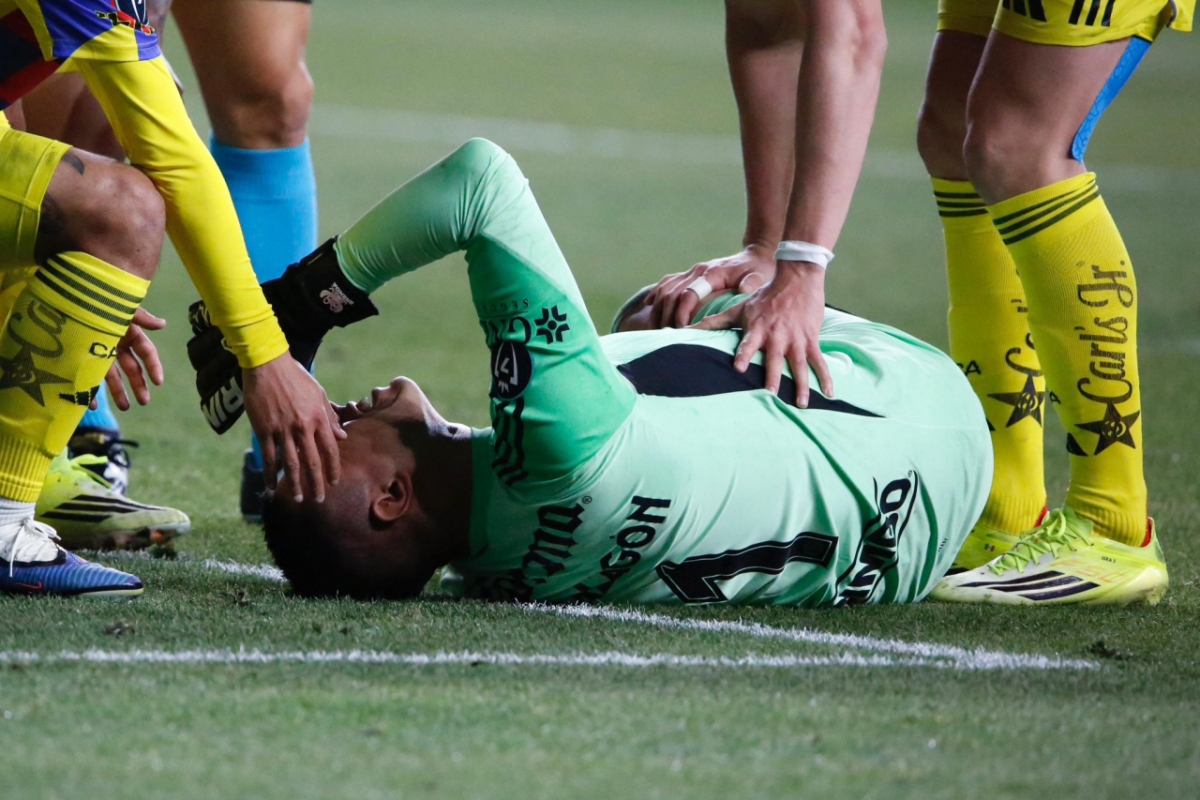
2026 FIFA World Cup Injury List: Confirmed Absentees, Neymar’s 77-Day Countdown, and Every Star in Doubt
The 2026 FIFA World Cup kicks off in less than 75 days — and the casualty list is already longer than any tournament in recent memory. From ACL tears tearing through South American squads to fresh muscle injuries rattling England’s preparations, this is shaping up to be the most injury-disrupted World Cup of the modern era. Much of the blame lies with an increasingly brutal club calendar. The expanded UEFA Champions League, the new FIFA Club World Cup, and packed domestic schedules have left elite players running on fumes. Knees, in particular, are paying the price — there have already been more significant ACL ruptures among World Cup-caliber players in 2025-26 than in any comparable pre-tournament window in the last two decades. This is the complete, fact-checked 2026 FIFA World Cup injury list as of April 2, 2026: who is definitely out, who is desperately racing the clock, which stars are being falsely linked with injuries, and which nations are most severely damaged. We have also separated players who are genuinely injured from those simply absent because their nation failed to qualify — a distinction that trips up a surprising number of fans searching online right now. Confirmed Absentees: The Definites These players will not be at the 2026 World Cup. Their injuries are confirmed, their recovery timelines place them well beyond the tournament window, and no amount of optimism from their clubs or national associations is going to change that. Rodrygo (Brazil) suffered an ACL tear at Real Madrid that has ended his tournament chances. For a Brazil side already managing fitness concerns across its attack, losing one of the most dynamic wide forwards in world football is a serious blow — not just in quality, but in the psychological confidence that comes with having elite options on the bench. Mexico have been the hardest-hit nation before a ball has even been kicked in North America. Marcel Ruiz of Toluca and goalkeeper Luis Ángel Malagón of Club América have both suffered ACL tears, devastating El Tri’s depth at two important positions. For a co-hosting nation that carries enormous pressure to finally break its knockout-stage curse, these losses carry extra weight. The scale of Mexico’s misfortune before their home tournament has echoes of the frustration that has defined their World Cup history for decades. Islam Issa (Egypt) confirmed his ACL injury on April 2, officially ending his participation. And Marc-André ter Stegen (Germany) — dealing with persistent knee complications stemming from an earlier procedure — is considered highly likely to miss the tournament entirely, leaving Germany with a significant void in goal just as the competition begins. The Legend Watch: Neymar and Ronaldo Neymar is in a genuine race against time. Currently at Santos, the Brazilian forward has 77 days to prove to Brazil head coach Carlo Ancelotti that he deserves a place in the squad. Ancelotti’s recent comment that the squad is “quite defined” was not an encouraging signal. Neymar has suffered a series of debilitating injuries over the past three years, and even his most loyal supporters acknowledge that his chance of being fully match-fit — not just present, but tournament-ready — is probably around 50/50. Brazil without Rodrygo and without a fit Neymar is a very different proposition from the side that most people are picturing when they write them into their bracket. Cristiano Ronaldo presents a slightly different picture. The 41-year-old has been sidelined with a hamstring injury since late February, missing a month of action with Al Nassr. Portuguese coaching staff remain publicly optimistic, and Ronaldo’s sheer determination to be present at what would almost certainly be his final World Cup should not be underestimated. But a hamstring injury at his age, sustained during the most physical period of the European season, demands careful management. Portugal will not risk him until he is genuinely ready — and whether that translates to “ready for the opening game” remains to be seen. Racing the Clock: Recent March and April Breakdowns If the ACL injuries represent the slow-burn damage of the calendar crisis, this category is where the pre-tournament anxiety is peaking right now. Phil Foden (England) suffered a high-impact injury during England’s friendly against Uruguay on March 29. Early scans indicate a significant muscle strain, and his availability for England’s tournament opener is genuinely in doubt. Foden has been one of the most consistent performers in Thomas Tuchel’s setup — creative, relentless, capable of unlocking defensive structures that England would otherwise struggle to break down. His absence, even for one or two group games, meaningfully reduces England’s ceiling. Reece James (England) has suffered his tenth hamstring injury of his career, in late March. Chelsea manager Liam Rosenior has been predictably cautious in his assessment, and James’ injury history strongly suggests a recovery timeline that makes the opening stages of the tournament extremely tight. England have now lost James so many times that their setup is designed to function without him — but having him fully fit remains the difference between a good right side and an elite one. Raphinha (Brazil) has been ruled out until May 2026 with a hamstring tear, missing the Champions League quarterfinals in the process. He must return to full fitness and then immediately hit peak form to have any hope of boarding the plane to North America. Coaches are notoriously cautious about rushing players back from this type of injury, and Brazil’s medical staff will be watching his recovery extremely closely in May. Fact-Check: The Biggest Rumors Currently Circulating Are False This is the most important section of any credible 2026 FIFA World Cup injury list — and the one that most rival articles fail to include. Social media has a well-documented tendency to manufacture or amplify injury rumors in the weeks before major tournaments, and 2026 is no different. Kylian Mbappé is not injured. Despite reports circulating in late March of a “partial ligament rupture,” Mbappé himself confirmed on April 1 that his knee issue is fully resolved and he
Read More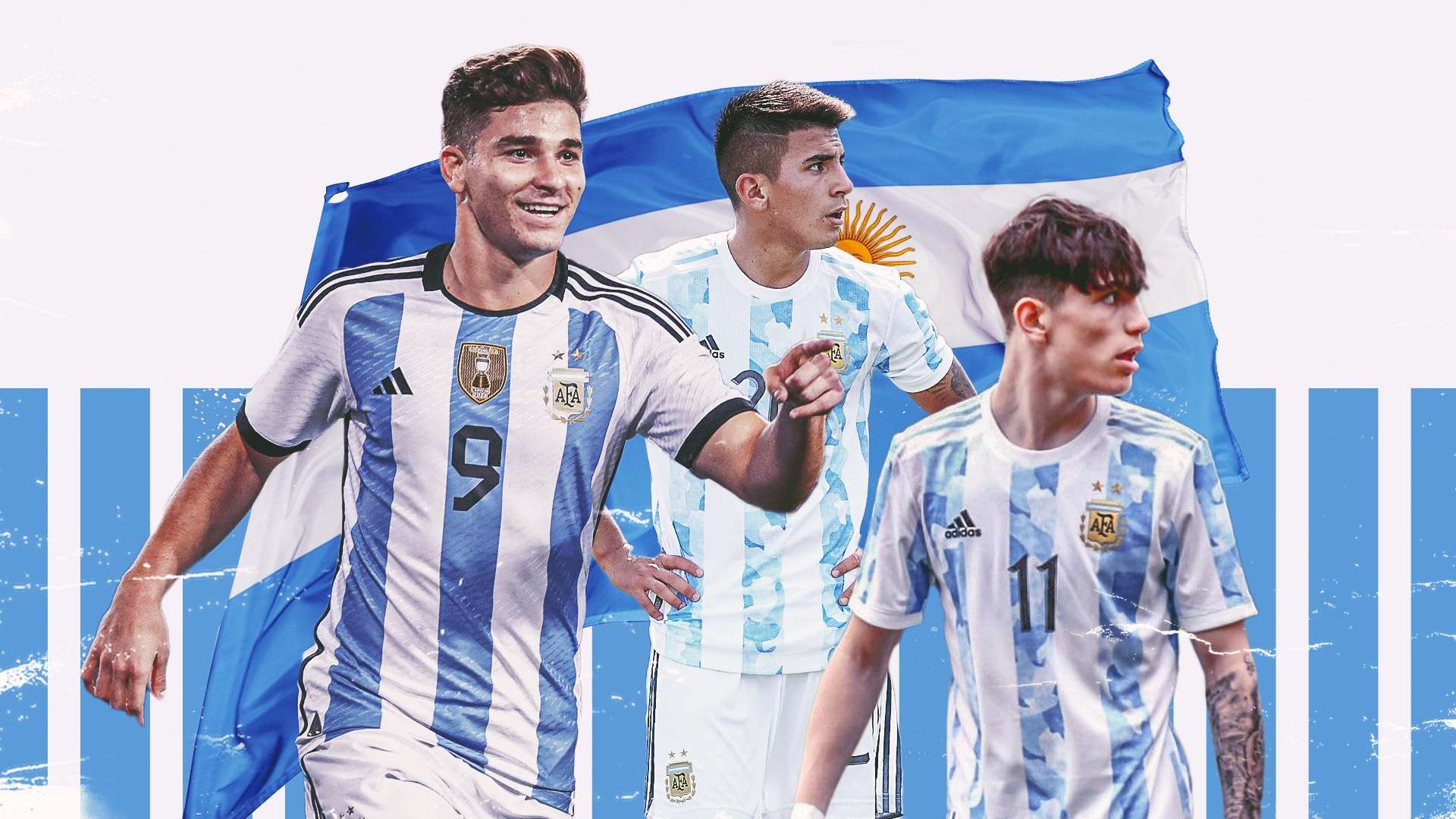
Argentina 2026 World Cup: Can La Albiceleste Become the First Back-to-Back Champions in 64 Years?
The last time a nation lifted the World Cup trophy and returned four years later to do it again, Elvis Presley was still making records, the Berlin Wall hadn’t been built yet, and the tournament itself flickered on television sets the size of a microwave. That was 1962. Brazil had won in Sweden in 1958, returned to Chile, and did the unthinkable again — a feat so remarkable that no team in the six decades since has come within touching distance of repeating it. Now, Argentina are going to try. They arrive at the Argentina 2026 World Cup campaign carrying a weight of expectation that would buckle most squads. They are the reigning world champions. They are the back-to-back Copa América holders. And under the quietly brilliant Lionel Scaloni, they have built something that looks less like a team riding a hot streak and more like a machine engineered specifically for tournament football. The numbers back it up: a dominant CONMEBOL qualifying campaign, a tactical masterclass that dismantled Brazil 4-1, and a squad whose ceiling may actually be higher now than when they lifted the trophy in Lusail in 2022. The Messi Question: Savior, Super-Sub, or Sideshow? No preview of Argentina at the 2026 World Cup is complete without confronting the Lionel Messi question head-on. At 38, the greatest player the sport has ever produced is approaching this tournament like a man who knows exactly what he is trying to accomplish. His participation is widely expected but not yet officially confirmed, and his role — should he feature — will look considerably different from Qatar. Playing for Inter Miami in MLS, Messi has adopted what can only be described as a “day-by-day” approach to managing his physical condition, prioritizing longevity over minutes. Scaloni has responded intelligently, transitioning the team’s tactical identity away from Messi as the primary engine and toward a system where he functions as a late-game impact substitute or a deep-lying playmaker who controls tempo rather than creates it from scratch. The clearest evidence that this transition is working? Argentina’s staggering 4-1 demolition of Brazil. Messi barely featured in that performance as the fulcrum — yet the result was emphatic. Argentina have learned, perhaps more powerfully than any other nation at this tournament, how to carry their greatest player while being capable of winning without him. The Spine That Won It All — and Got Better The tactical foundation of the 2022 Qatar triumph remains largely intact, and several of its key components have since reached the peak of their powers. Emiliano “Dibu” Martínez remains one of the most psychologically formidable goalkeepers in international football. Cristian Romero, now a seasoned veteran of high-pressure club football at Tottenham, has matured into one of the finest centre-backs in Europe. In midfield, the axis of Enzo Fernández and Alexis Mac Allister gives Scaloni a blend of energy, technical precision, and relentless pressing intensity that few nations can match. Up front, the so-called “Double 9” dilemma persists — though it is the kind of dilemma most coaches would kill for. Lautaro Martínez at Inter Milan and Julián Álvarez at Atlético Madrid are both operating at the peak of their powers, scoring regularly in the Champions League and competing for golden boots in their respective leagues. The question of which one leads the line in the tournament’s biggest moments is one of the few genuinely unresolved selection puzzles Scaloni faces. The departure of Ángel Di María from international football was expected to leave a gap that could not easily be filled — the wide threat, the big-game deliveries, the unstoppable crosses that created so many decisive moments in Qatar. Scaloni has addressed this not by finding a single replacement but by reconfiguring the system entirely, using overlapping fullbacks like Nahuel Molina and versatile wide midfielders to create width through collective movement rather than individual brilliance. The New Generation: Three Names to Watch One of the most compelling aspects of Argentina’s 2026 World Cup preparations is the emergence of young talent that was nowhere near the picture in Qatar. Three names stand above the rest. Franco Mastantuono, already embedded in Real Madrid’s setup at just 17, is the kind of creative prodigy that comes along once a generation. Technical, fearless, and capable of unlocking defenses in tight spaces, he has drawn comparisons to a young Messi — though Scaloni has been careful to manage expectations and integrate him gradually. Nicolás Paz has had a breakout season at Como in Serie A, providing the midfield creativity and progressive passing range that gives Argentina an additional dimension in central areas. He is the kind of player who makes the team better without necessarily appearing on the scoresheet, and Scaloni values that immensely. Valentín Barco adds something different again — a left-sided option who can play as a fullback or a winger, offering genuine tactical flexibility in a position where Argentina have historically been short of options since the peak years of Marcos Rojo and Marcos Acuña. His ability to bomb forward and deliver from wide areas gives Scaloni a card he didn’t have in 2022. The Threats: Three Reasons Argentina Could Fall Short Balanced analysis demands acknowledging the challenges, and Argentina face three significant ones. The first is the aging defensive leadership. While Romero is in his prime, Nicolás Otamendi — the defensive leader who commanded the backline with such authority in Qatar — is approaching the end of his international career. Against the explosive transitional pace of France, England, or Spain, the question of whether Argentina’s defensive structure can handle top-tier counter-attacks will be a recurring concern. The second is the “target team” effect. As defending champions, every opponent treats a match against Argentina like a final. This creates a relentless physical and psychological tax that accumulates across a seven-game tournament. The best teams manage it. The question is whether even the best teams can manage it in an expanded format. Which brings us to the third challenge: the 48-team format itself. The 2026
Read More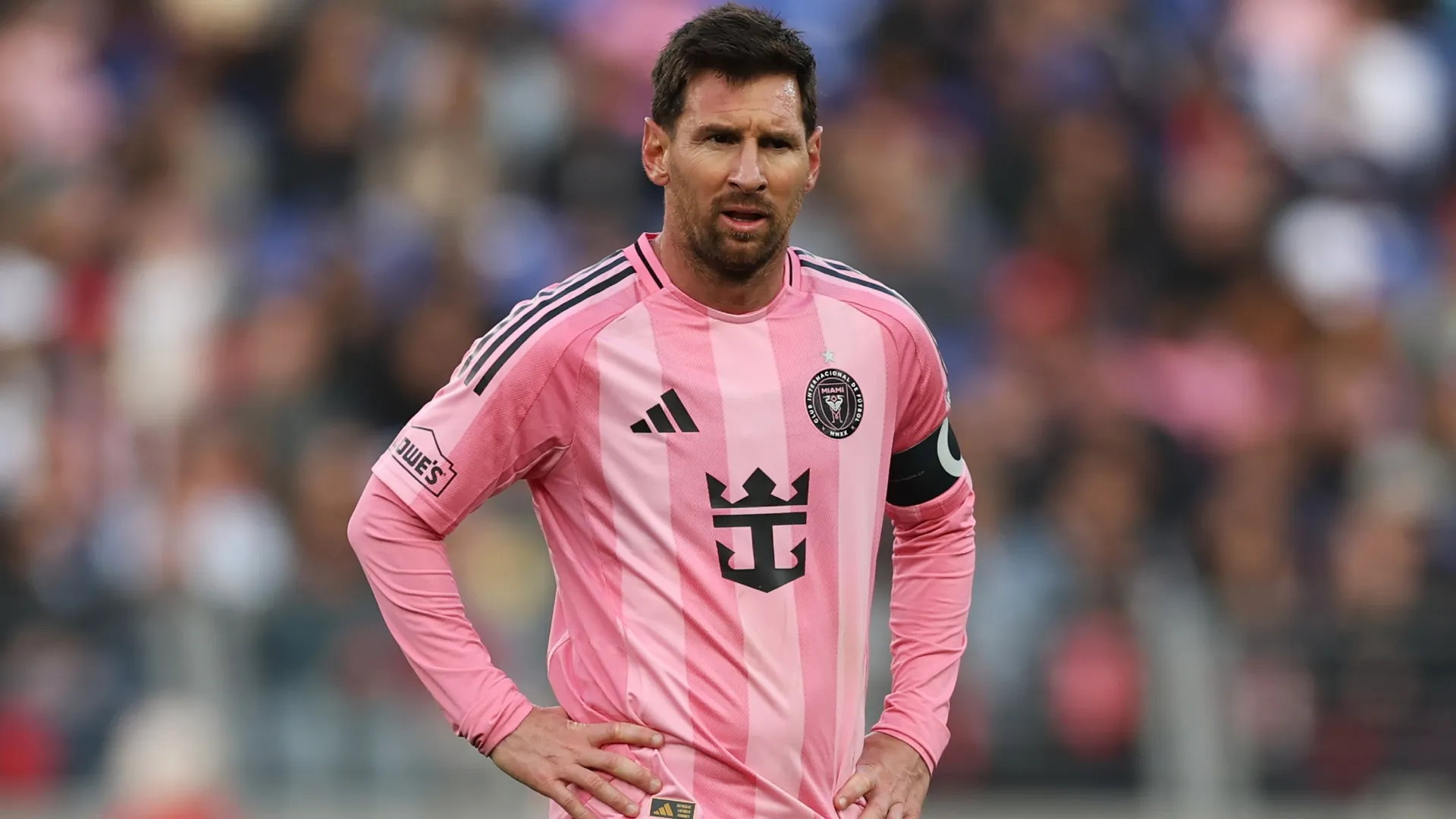
Inter Miami Valuation 2026: How Messi Turned a Young Club Into a $1.45 Billion Powerhouse
When Lionel Messi announced he was joining Inter Miami CF in the summer of 2023, the football world reacted with a mixture of excitement and skepticism. Could the greatest player of all time genuinely elevate a three-year-old MLS franchise into something meaningful? As of April 2026, the numbers have answered that question with stunning clarity. Inter Miami is now the most valuable franchise in the history of North American soccer, carrying a valuation of $1.45 billion and a growth story that has left even the most seasoned sports business analysts reaching for superlatives. This is not simply a story about a famous footballer boosting ticket sales. It is a masterclass in sports franchise building, brand strategy, and the extraordinary financial power of a single transcendent athlete arriving at exactly the right moment. Inter Miami Valuation 2026: The Numbers That Tell the Story The headline figure is striking enough on its own. As of February 2026, major financial outlets including Forbes and Sportico have confirmed Inter Miami’s position at the top of the MLS valuation rankings. But the context around that number is what makes it truly remarkable. When Messi arrived in 2023, the club was valued at approximately $600 million, already a respectable figure for a young American soccer franchise. In less than three years, the Inter Miami valuation has added nearly $850 million in value, representing a year-over-year growth rate of 22% heading into 2026. To put that in perspective, that single year of growth alone is larger than the entire valuation of many established soccer clubs around the world. The revenue picture is equally dramatic. Club revenue has risen from $56 million in 2022 to an estimated $200 million in 2026, a figure that represents a 260% increase since Messi’s arrival and confirms that the financial transformation is not built on hype alone. How Messi’s Contract Created an Ownership Stake One of the most innovative and consequential aspects of Messi’s move to Miami was the structure of his deal. This was not a conventional player contract. It was designed from the ground up to compete with the $500 million per year offers reportedly coming from the Saudi Pro League, and it did so not by matching that cash figure, but by offering something more compelling: long-term generational wealth through equity. The Modern Version of the Beckham Clause Football fans will remember that David Beckham’s 2007 contract with the LA Galaxy included a fixed-price option to purchase an MLS expansion team for $25 million, an option he eventually used to create Inter Miami itself. Messi’s arrangement operates on a similar but more sophisticated principle. Reports indicate that Messi was granted an option to take a partial ownership stake in Inter Miami CF, exercisable upon his retirement or at the conclusion of his contract, which has since been extended through 2028. Industry experts estimate his potential stake at somewhere between 10% and 15% of the club. At the current $1.45 billion valuation, even a 10% stake translates to $145 million in pure asset value, a figure that effectively doubles his playing salary through appreciation alone. Beyond direct equity, Messi’s commercial arrangements include a revenue sharing component tied to Apple TV+ subscriber growth through the MLS Season Pass and a profit-sharing agreement with Adidas connected to the surge in shirt and apparel sales. His financial relationship with the club operates at multiple levels simultaneously. The Key Drivers Behind the $1.45 Billion Valuation The Inter Miami valuation in 2026 is not a celebrity bubble. Several concrete, structural factors have combined to produce and sustain this figure. On-Field Success: The 2025 MLS Cup Financial value in professional sports is ultimately anchored to winning. Inter Miami’s victory in the 2025 MLS Cup served as the critical proof of concept the club needed. It demonstrated that the project could translate star power and global attention into actual silverware, which in turn justified premium ticket pricing, elite sponsorship renewals, and the kind of commercial conversations that only champions can have. Miami Freedom Park: The Stadium That Changes Everything A significant portion of the 2026 valuation is tied directly to the club’s move into its permanent home at Miami Freedom Park. The transition from the temporary Chase Stadium to a privately funded, state-of-the-art 25,000-seat venue fundamentally changes the club’s revenue ceiling. Owning and operating their own stadium means Inter Miami now controls 100% of concessions and parking, can maximize match-day income through luxury suites and premium hospitality offerings, and can host concerts, international friendlies, and major events throughout the year. Stadium ownership is one of the most reliable drivers of franchise valuation in professional sports, and Inter Miami now has it. Global Commercial Tours Inter Miami has become one of the most sought-after touring properties in world football. Pre-season tours across Asia and South America have commanded appearance fees that were previously reserved exclusively for clubs like Real Madrid or Manchester United, with some reports suggesting individual match fees exceeding $10 million. This global commercial reach at the club level, rather than merely at the individual player level, is a sign of genuine brand maturity. Inter Miami vs. Global Soccer: Where Does $1.45 Billion Stand? To properly appreciate the scale of the Inter Miami valuation in 2026, it helps to place it in a global context. Club League Estimated Valuation Real Madrid La Liga $6.7 billion Manchester United Premier League $6.0 billion Inter Miami CF MLS $1.45 billion West Ham United Premier League ~$1.0 billion Everton FC Premier League ~$700 million Inter Miami is now worth more than several long-established Premier League clubs. While the revenue gap between Miami and European giants remains large, with the Big Six generating $700 million or more annually compared to Miami’s $200 million, the MLS single-entity structure and the absence of relegation make American soccer franchises exceptionally attractive investments. Owners are buying into a system with a financial safety net that European football simply does not offer. The Post-Messi Question: Is This Valuation Sustainable? The most common challenge to Inter
Read More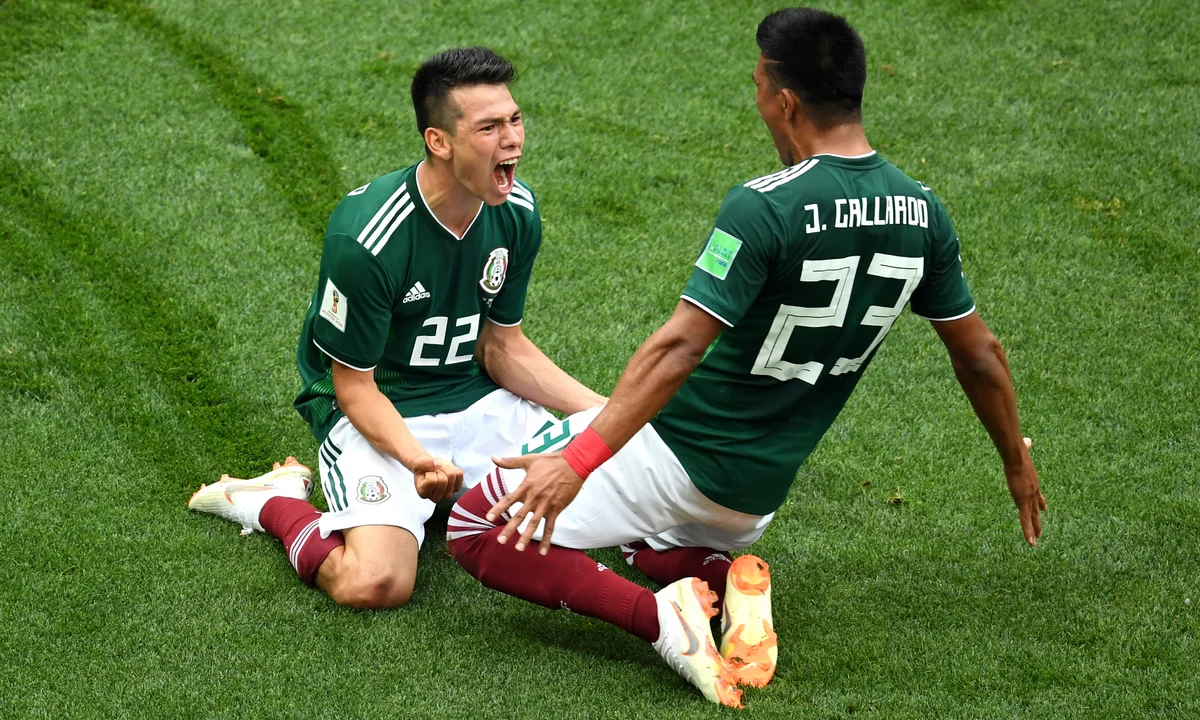
Mexico’s Consistent but Frustrating World Cup Record Explained From 1994 till 2018
Few stories in international football blend excellence and anguish quite like Mexico’s World Cup Record between 1994 and 2018. For 24 uninterrupted years, El Tri became the ultimate paradox: a team consistent enough to be one of the most reliable sides on the planet, yet unable to take a single step further when it mattered most. Seven consecutive World Cups. Seven Round of 16 exits. One nation’s sporting identity shaped by a single, seemingly unbreakable glass ceiling. In Mexico, this phenomenon has a name: El Quinto Partido, the Fifth Game. To reach the quarterfinals, a team must win their Round of 16 match. That fifth game became the wall Mexico simply could not climb, no matter who played, who coached, or how brightly they burned in the group stages. This is the full story of that extraordinary, maddening streak. While 1930 was about the dawn of the tournament, the modern era requires a different strategy. See our analysis on which 2026 teams are technically built for Mexico City to see how the game has evolved. What Is the “El Quinto Partido” Curse? Before diving into the matches themselves, it helps to understand why this barrier carries such cultural weight in Mexico. The World Cup knockout format means that advancing from the Round of 16 brings a team to the quarterfinals, their fifth game of the tournament. For Mexican fans watching between 1994 and 2018, that fifth game became almost mythological: always visible on the horizon, never actually reached. What makes the streak so striking is that it required consistent excellence to maintain. Only elite footballing nations qualify for the World Cup reliably, let alone make the knockout rounds at seven consecutive tournaments. Mexico did exactly that and then, with clockwork precision, stopped there every single time. The Technical Audit: Breaking Down the Round of 16 Barrier (1994–2018) Mexico’s record of reaching seven consecutive Round of 16 matches is a feat of consistency unmatched by most global giants. However, the technical reasons for the “curse” vary by tournament. Tournament Opponent Final Score Primary Tactical Issue USA 1994 Bulgaria 1-1 (1-3 Pens) Efficiency in penalty shootouts. France 1998 Germany 1-2 Defensive fatigue in the final 15 minutes. Korea/Japan 2002 USA 0-2 Counter-attack vulnerability against regional rivals. Germany 2006 Argentina 1-2 (AET) Moments of individual brilliance (Maxi Rodríguez volley). South Africa 2010 Argentina 1-3 Early structural collapse after a controversial offside goal. Brazil 2014 Netherlands 1-2 Game-state management (conceding twice after the 88th min). Russia 2018 Brazil 0-2 High-transition fatigue after an intense group stage. The 2026 Paradigm Shift: Why the “Fifth Game” is Now the “Sixth” With the expansion to 48 teams for the 2026 World Cup, the road to glory has been redesigned. For fans tracking the “Quinto Partido,” the goalposts have technically moved: The Seven Exits: A Tournament-by-Tournament Breakdown USA 1994: The Beginning Nobody Recognized Mexico returned to the World Cup in 1994 after missing the 1990 tournament entirely and made an immediate statement, finishing top of a group that included Italy, Ireland, and Norway. In the Round of 16 against Bulgaria, the match finished 1–1 after extra time. What followed set an unwelcome tone for the decades ahead: Mexico missed three of their four penalties and crashed out on shootout. At the time, it felt like bad luck. In hindsight, it was the quiet opening chapter of a very long story. France 1998: Outplayed in the Final Quarter Hour Four years later, Mexico showed genuine character in the group stage, coming from behind in multiple matches to qualify. Against Germany in the Round of 16, they were arguably the better team for over an hour. Luis Hernández put them ahead and Mexico looked set to make history, until the final 15 minutes. Jürgen Klinsmann and Oliver Bierhoff struck in quick succession, handing Germany a 2–1 victory. The pattern of late collapses under pressure had begun to take shape. Korea/Japan 2002: Rivals Inflict Maximum Pain Ask most Mexican football fans and they will tell you 2002 hurts most. Having topped their group, El Tri faced their fiercest rivals, the United States, in the Round of 16. It was, on paper, the most winnable path imaginable. Instead, the U.S. executed a disciplined counter-attacking game plan and won 2–0. The “Dos a Cero” scoreline became something of a mocking chant that echoed for years. The combination of losing to their greatest rival and squandering their most favorable draw made this perhaps the defining low point of the entire era. Germany 2006: Beaten by Pure Brilliance Not every exit in this saga was a story of collapse or controversy. In 2006, Mexico took Argentina all the way to extra time, tied at 1–1 in a match of genuine quality. What ended their run was not a tactical failure or a refereeing decision. It was one of the greatest goals in World Cup history. Maxi Rodríguez controlled the ball on the left side of the box and struck a ferocious left-footed volley into the top corner. Even in defeat, Mexico had nothing to be ashamed of. Sometimes you lose to a moment of genius, and this was one of those times. South Africa 2010: The Offside That Still Stings History handed Mexico a rematch with Argentina in 2010, and this time the exit came wrapped in controversy. Carlos Tevez opened the scoring from a position that television replays confirmed was clearly offside. The goal stood. An Osorio error gifted Argentina a second, and Mexico eventually lost 3–1. The offside goal remains one of the most discussed refereeing errors in World Cup history. For Mexican fans, it added a layer of bitter injustice to an already painful chapter. Brazil 2014: “No Era Penal” If there is a single phrase that encapsulates this entire 24-year period, it might be “No era penal” — it wasn’t a penalty. Mexico led the Netherlands 1–0 going into the final two minutes of their Round of 16 clash. A late equalizer brought the game level, and then, deep into
Read More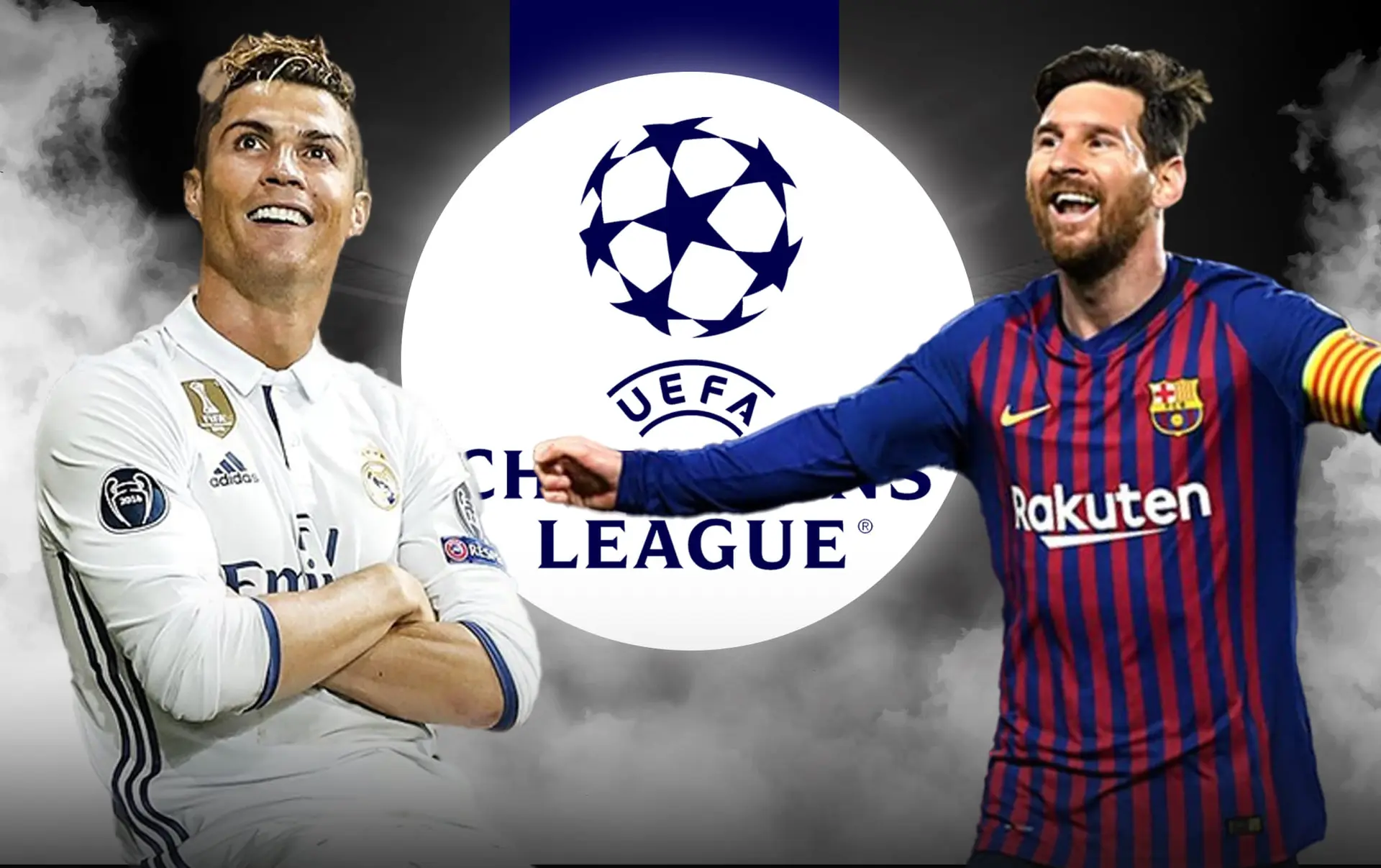
Which Player Has Scored in the Most Champions League Quarter-Finals in History?
The UEFA Champions League quarter-finals are where legends are made. Eight teams remain, the stakes are at their highest, and only the truly great players consistently deliver at this stage. But when you look back across decades of European football, one name stands alone as the undisputed king of the last eight. Cristiano Ronaldo: The All-Time Quarter-Final King With 25 goals in UCL quarter-finals, Cristiano Ronaldo is not just the record holder — he is in a league entirely of his own. According to UEFA’s official records, Ronaldo has scored more than the next two players on the list combined. That is not a record. That is a statement. What makes Ronaldo’s dominance so remarkable is that he delivered these goals across three different clubs — Manchester United, Real Madrid, and Juventus — proving his quarter-final brilliance was never just about the team around him. It was about him. His best single performance at this stage? A stunning 5-goal haul against Bayern Munich across two legs in the 2016/17 quarter-finals with Real Madrid — still the record for most goals scored in a single UCL quarter-final tie by one player. The Full Top 5 — Quarter-Final Goals in Champions League History Rank Player Goals Clubs 1 Cristiano Ronaldo 25 Man United, Real Madrid, Juventus 2 Lionel Messi 12 Barcelona 3 Raúl González 10 Real Madrid, Schalke 4 Filippo Inzaghi 9 Juventus, AC Milan 4 Andriy Shevchenko 9 Dynamo Kyiv, AC Milan The gap between first and second is staggering. Messi, universally regarded as one of the two greatest players of all time, has 12 quarter-final goals — less than half of Ronaldo’s tally. Raúl, a Real Madrid icon who terrorised European defences for over a decade, managed 10. Ronaldo is more than two and a half times that. Lionel Messi: Brilliant, But Not Close Messi’s 12 quarter-final goals are nothing to dismiss. All of them came for Barcelona, and they include some of the most memorable moments in UCL history — from his stunning individual goal against Real Madrid in 2011 to a dominant two-goal performance against Manchester United in 2019. But Messi’s quarter-final story also has its shadow. Despite those numbers, Barcelona were eliminated at the quarter-final stage in several seasons where Messi was at his peak. The last-eight stage was both his showcase and, at times, his stumbling block. Ronaldo, by contrast, used the quarter-finals as a springboard. Every time he reached this stage with Real Madrid, he seemed to deliver the goals that sent his team through to the semis. Raúl, Inzaghi, and Shevchenko: The Old Guard Raúl González sits third with 10 goals — eight for Real Madrid across his legendary career at the Bernabéu, and two more after his move to Schalke. He was the competition’s all-time top scorer before Messi and Ronaldo came along, and his quarter-final record reflects a player who showed up when it mattered most. Filippo Inzaghi is perhaps the most underrated name on this list. The Italian striker scored 9 quarter-final goals for both Juventus and AC Milan, including four in a single tie against Dynamo Kyiv in the 1997/98 season — still one of the best individual performances in quarter-final history. Inzaghi made a career out of being in the right place at the right time, and the UCL quarter-finals were no exception. Andriy Shevchenko also reached 9, scoring for Dynamo Kyiv, AC Milan, and Chelsea. His goals span three different clubs and three different eras of the competition, a testament to remarkable longevity at the highest level. Most Goals in a Single Quarter-Final Tie Some players have not just scored across multiple quarter-finals — they have torn them apart in a single series. Ronaldo’s five-goal demolition of Bayern Munich in 2017 remains the benchmark. He scored twice in a 2-1 away win in the first leg — famously becoming the first player ever to reach 100 goals in UEFA club competition during that match — before adding a hat-trick in the second leg at the Bernabéu. What These Numbers Tell Us The Champions League quarter-final is a pressure cooker. Most players who make it this far in elite club football are world-class. The drop-off in performance from group stage to knockout rounds has been well documented. Yet Ronaldo consistently elevated his game at the last-eight stage in a way nobody else in history has managed. His 25 goals represent not just quantity, but timing. These are goals scored when elimination was one bad performance away. Goals scored against Bayern Munich, Atlético Madrid, Juventus, Schalke, and Chelsea — the biggest clubs in Europe. The current 2025/26 quarter-finals are once again serving up blockbuster ties: Real Madrid vs Bayern, Barcelona vs Atlético Madrid, PSG vs Liverpool, and Arsenal vs Sporting CP. Future legends will have their chance to chip away at these records. But Ronaldo’s 25-goal mark looks safe for a very long time. Quick-Fire Facts
Read More