
Sergio Ramos Red Card Record: Football’s Most Controversial Defender
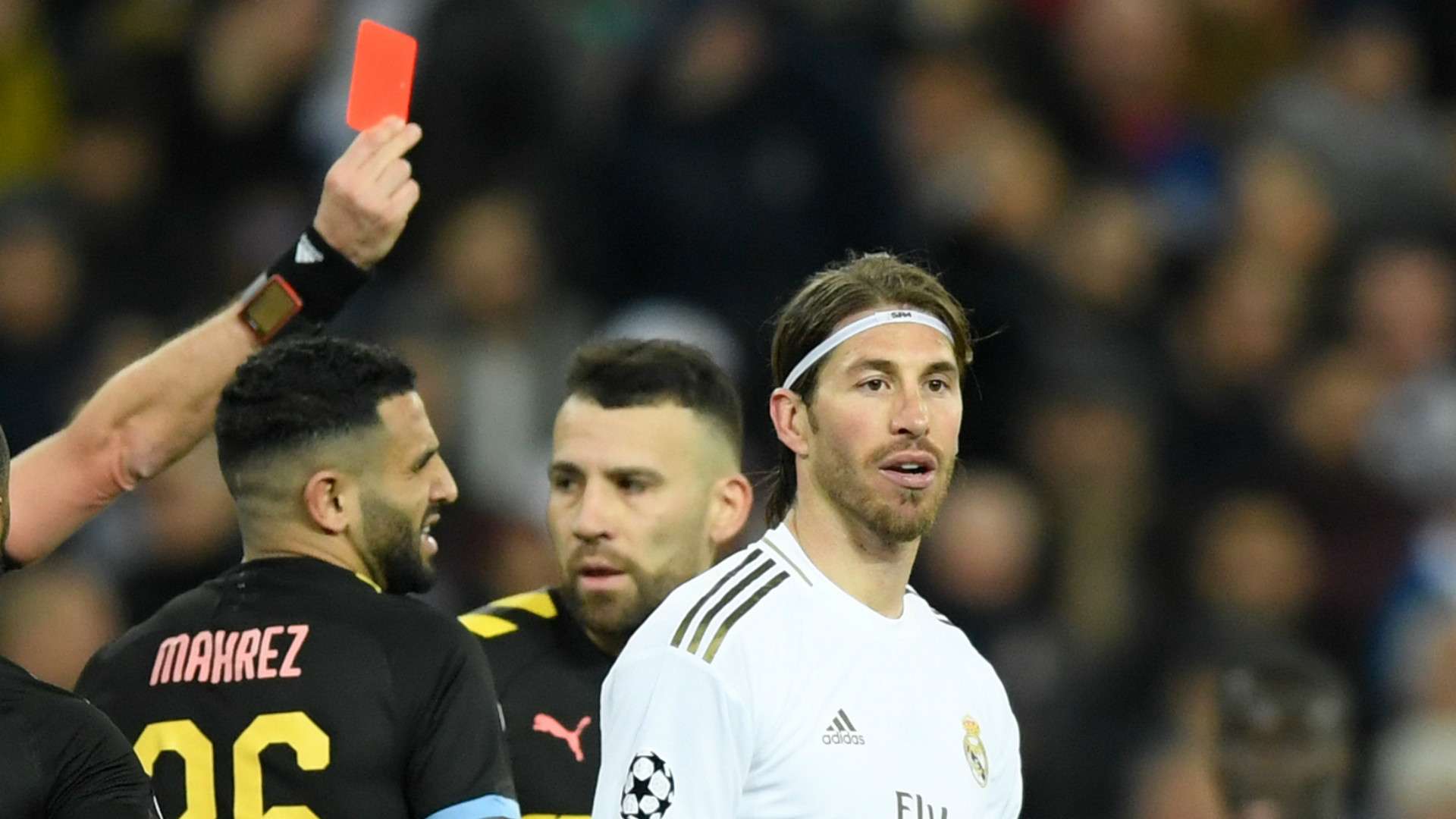
No defender in football history has occupied the space between greatness and infamy quite like Sergio Ramos. He won five La Liga titles, four Champions League trophies, the 2010 World Cup, and two European Championships. He captained Real Madrid through the most successful period the club has seen in a generation. He also accumulated 30 red cards across his career, holds the all-time La Liga record for dismissals, and became the most sent-off player in the history of Europe’s top five leagues combined. The Sergio Ramos red card record did not exist despite his greatness. In many ways, it existed because of it. Sergio Ramos Red Card Record: The Numbers That Define a Career Ramos accumulated 20 red cards in La Liga, the highest total any player has ever recorded in Spain’s top flight. He received 26 dismissals across all competitions for Real Madrid alone, a club record more than twice ahead of any other player in the club’s history. His 191 total bookings across La Liga, covering 171 yellows and 20 reds, represent the highest combined disciplinary total the competition has ever recorded. In the Champions League, his four red cards make him joint-most dismissed player in the competition’s history alongside Edgar Davids and Zlatan Ibrahimovic. Most remarkably, he received not a single red card across 180 appearances for Spain. That anomaly alone tells you how precisely he understood the line between aggression and consequence. The Tactical Fouls That Made Ramos Both Brilliant and Brutal Ramos was not an impulsive, hot-headed defender who lost control under pressure. He was a calculating, tactically intelligent player who used professional fouling as consciously as any other technique in his defensive arsenal. In 2019, he publicly admitted he had deliberately earned a booking against Ajax in the Champions League Round of 16 to wipe his yellow card tally ahead of the quarterfinals. The admission earned him a UEFA disciplinary investigation and a two-match ban. It was controversial. It was also entirely consistent with how he had operated throughout his entire career. Most Infamous Red Cards in Sergio Ramos’s Career His red card history against Barcelona stands in a category of its own. He was sent off five times against the Catalan club, more than any other player in the history of the fixture, across the most hostile period of the Clasico rivalry between 2009 and 2012. His sending off against Girona in February 2019 made him the most dismissed player in the history of all five major European leagues, overtaking the previous record of 19 held by French midfielder Cyril Rool. His red card against Manchester City in February 2020, for a last-man challenge on Gabriel Jesus, cost his side at a critical juncture of the Champions League and ended his Real Madrid career on a difficult disciplinary note. How Sergio Ramos’s Red Card Record Affected Real Madrid Across his first 22 red cards for Real Madrid, the subsequent suspensions covered 24 matches. Madrid won 18 of those games, drew three, and lost three. The club simply did not miss him badly, a reflection both of their squad depth and of Ramos’s legal team successfully challenging multiple dismissals through the appeal process. The occasion where his absence proved most damaging came in the 2019 Champions League second leg against Ajax. His self-engineered suspension, publicly acknowledged, coincided with a 4-1 defeat that crashed Madrid out of the competition. The optics of a captain engineering his own suspension and watching his team humiliated from the stands were as damaging as any red card he had received in the preceding fourteen years. The Greatest Defender of His Generation Despite the Controversy The case for Ramos as the finest centre-back of his generation requires no qualification around his disciplinary record. His 22 major honours for Real Madrid, combined with the 2010 World Cup and two European Championships for Spain, place him in an elite category shared by virtually no other defender in the sport’s history. He scored 101 goals across 671 Real Madrid appearances, a figure unprecedented for a centre-back at European level. His 93rd-minute equalising header against Atletico Madrid in the 2014 Champions League final, forcing extra time in a match Madrid were seconds from losing, remains one of the most significant individual moments in the competition’s history. He was named in the FIFPro World XI eleven times, a record for any defender in the award’s history. How Rivals, Managers, and Referees Viewed the Sergio Ramos Red Card Record Opposition managers built tactical plans around his disciplinary tendencies, identifying situations where he was likely to commit a bookable offence. Pep Guardiola’s Barcelona sides were particularly effective at drawing fouls and yellows from him in positions that accumulated toward suspensions. Former Barcelona captain Carles Puyol acknowledged publicly that Ramos was one of the toughest opponents he ever faced, a statement that reflected genuine respect beneath years of fierce rivalry. Referees across La Liga were consistently aware of his accumulated card history, a factor that inevitably coloured decisions made in his vicinity during contested late-game moments. The Legacy of Sergio Ramos Beyond the Red Cards Ramos was named to the UEFA Team of the Year nine times, a record for any defender. He captained Real Madrid to three consecutive Champions League titles between 2016 and 2018, becoming the first captain to lift the European Cup in back-to-back editions in the competition’s modern era. His international record of 180 caps without a single red card for Spain remains the sport’s most remarkable disciplinary anomaly. It is either evidence of genuine self-regulation on the biggest stage or the clearest proof that Ramos always knew exactly where the line was and chose, when his country needed him most, never to cross it. What Sergio Ramos Redefined About the Modern Defender Ramos permanently expanded what football expected from a centre-back. His goal-scoring from set pieces, his vocal leadership across multiple generations of teammates, and his competitive aggression have collectively become the blueprint that younger defenders across Europe now aspire to replicate.
Read More
Which Mexican Player Scored in Three Consecutive FIFA World Cups?
Only a select group of footballers in history have managed to score across three separate FIFA World Cups. Doing so in three consecutive tournaments makes the feat even rarer. For Mexico, two players have achieved this milestone, and their stories are among the most compelling in El Tri’s history. If you’ve been searching for which Mexican player scored in three consecutive FIFA World Cups, the answer is not one name but two: Rafael Márquez and Javier “Chicharito” Hernández. The Rare Achievement: Scoring in Three Straight World Cups To appreciate how special this record is, consider the obstacles involved. A player must remain fit, form, and selected across a 12-year span. International football is unforgiving, and World Cup squads are brutally competitive. Yet two Mexicans beat those odds, each scoring in three back-to-back editions of the tournament while a third legend, Cuauhtémoc Blanco, scored in three World Cups but not consecutively. This article breaks down each player’s journey, their iconic goals, and what these records mean for Mexican football. Rafael Márquez: The Defending Legend Who Scored on the Biggest Stage From El Káiser to World Cup Goal Scorer Rafael Márquez is widely regarded as Mexico’s greatest-ever defender. Known as El Káiser, he captained El Tri across an extraordinary five World Cups and spent his peak years marshalling the backline at FC Barcelona. What often gets overlooked, however, is his ability to deliver crucial goals at the most pressurized moments in international football. Márquez became the first Mexican player to score in three consecutive FIFA World Cups, finding the net in 2006, 2010, and 2014. That run covered 12 years and three continents, a testament not just to his longevity but to his enduring quality at the highest level. Breaking Down His Three World Cup Goals Here is a look at each of his tournament goals: Year Host Nation Opponent Stage 2006 Germany Argentina Round of 16 2010 South Africa South Africa (hosts) Group Stage 2014 Brazil Croatia Group Stage In 2006, his goal against Argentina in the Round of 16 injected genuine belief into a Mexican team that was pushing one of the world’s best sides. In 2010, with the spotlight of the first-ever African World Cup burning brighter than ever, Márquez scored an equalizer against tournament hosts South Africa in the opening group game, a moment that quieted a roaring Johannesburg crowd. By 2014, he became the first Mexican to officially notch goals across three straight World Cups when he headed home against Croatia in the group stage. That goal was historic not just for Mexico but for World Cup football in general. Javier “Chicharito” Hernández: The Poacher Who Made History Mexico’s All-Time Top Scorer Joins the Elite Club Javier Hernández, affectionately nicknamed Chicharito (Little Pea), is Mexico’s all-time leading international goal scorer. His record of appearing in three consecutive World Cup tournaments with a goal to show from each is not just a personal milestone; it places him alongside Márquez in an exclusive corner of Mexican football history. What makes Chicharito’s achievement particularly compelling is the arc of his World Cup story. He debuted on the global stage in 2010 as an electric newcomer signed by Manchester United, and by 2018 he was a seasoned veteran still finding ways to score when it mattered most. His Three Consecutive World Cup Goals Year Host Nation Opponent Stage 2010 South Africa France Group Stage 2010 South Africa Argentina Round of 16 2014 Brazil Croatia Group Stage 2018 Russia South Korea Group Stage 2010 was the tournament where Chicharito announced himself to the world. His goal against France carried deep personal meaning as it mirrored a historic strike his grandfather, Tomás Balcázar, had scored against the same opponents years earlier. He then followed it up with a memorable goal against Argentina in the knockouts. In 2014, he came off the bench against Croatia and continued his streak. And in 2018, despite not starting regularly, he scored against South Korea to officially join Márquez as the only other Mexican to score in three consecutive World Cups. Cuauhtémoc Blanco: Three World Cups, But Not Consecutive The Pioneer Who Came First No article on this topic is complete without acknowledging Cuauhtémoc Blanco, who was technically the first Mexican to score in three different World Cups. His goals came in 1998 (against South Korea), 2002 (a penalty against Croatia), and 2010 (a penalty against France). However, because he was left out of Mexico’s 2006 squad, his three World Cup goals did not come in consecutive tournaments. Blanco’s omission from 2006 is one of Mexican football’s most debated decisions. Had he been included and scored, he would have held the consecutive record before Márquez. Instead, his legacy remains that of a pioneer: raw, technically gifted, and fearless, the original Mexican to conquer three World Cups with goals. What Separates These Players from the Rest Longevity, Mentality, and Elite Finishing Scoring at one World Cup requires skill. Scoring at three consecutive ones demands something more: elite fitness management, consistent international form, and the mental strength to perform under global scrutiny every four years. Each of these three players brought something distinct to Mexico’s World Cup identity. Together, they span nearly three decades of World Cup history and reflect how Mexican football evolved from the late 1990s through to 2018. Mexico’s World Cup Goal-Scoring Legacy in Context El Tri’s Consistent Presence on the World Stage Mexico qualified for seven consecutive World Cups from 1994 to 2018, reaching the Round of 16 in every single one. This remarkable consistency meant that players with strong tournament performances had real opportunities to build multi-tournament legacies. The records set by Márquez and Chicharito were not accidents; they were the product of a national programme that maintained stability and gave its best players room to grow across multiple cycles. The pursuit of the quinto partido, the elusive fifth game that would take Mexico past the Round of 16, has defined the country’s World Cup ambitions for decades. While that barrier has not yet
Read More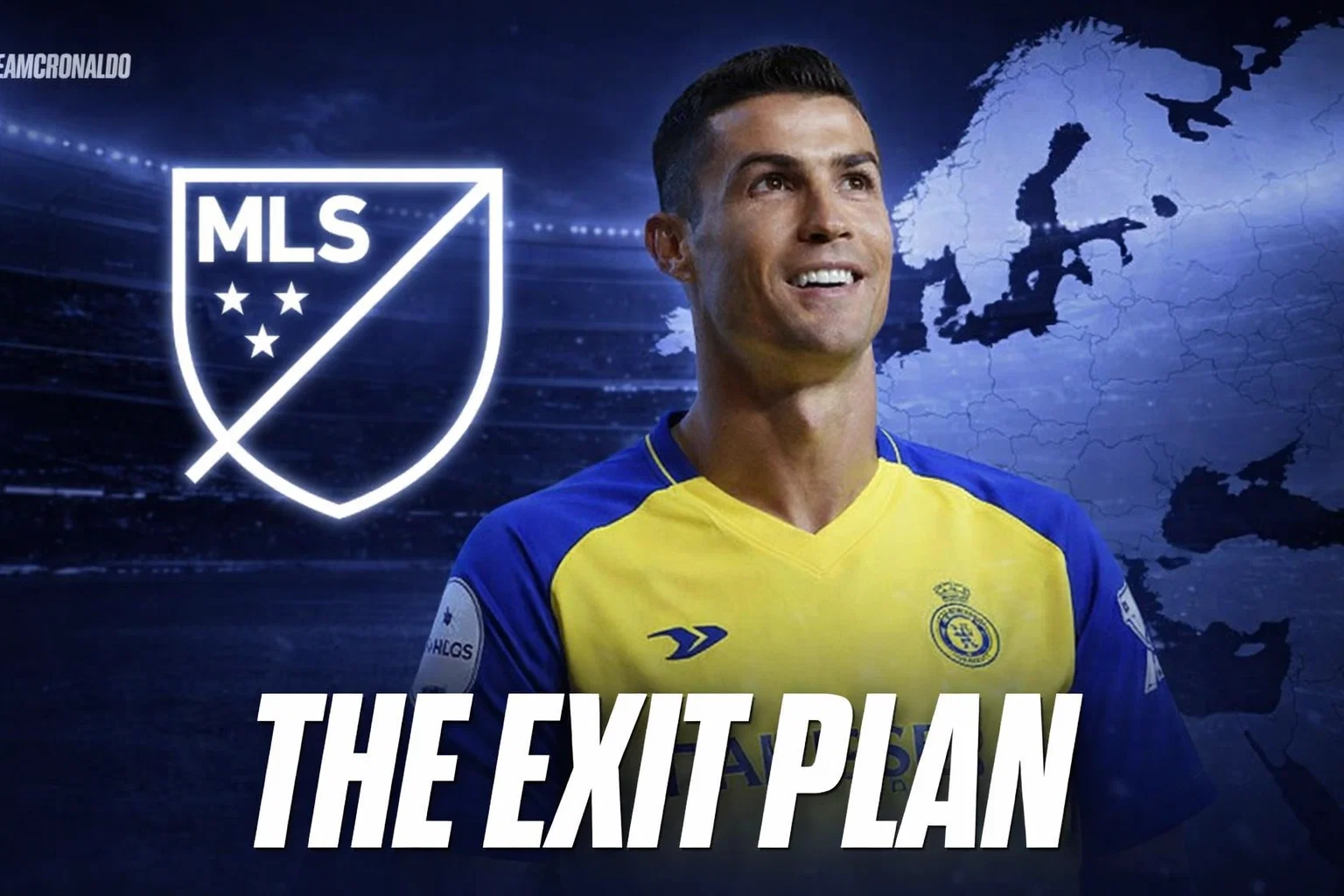
Cristiano Ronaldo’s Al-Nassr Exit Strategy: The Masterplan Behind Football’s Most Calculated Farewell
At 41, most footballers are arguing about tactics on television. Cristiano Ronaldo is arguing with defenders in the Saudi Pro League, and winning. Leading the Golden Boot race in March 2026 and captaining Portugal toward a World Cup, Ronaldo is not winding down. He is executing what may be the most meticulously planned retirement in the history of sport. This is not a story about a legend reluctantly calling it quits. Cristiano Ronaldo Al-Nassr exit strategy is a documented, multi-phase roadmap built around one audacious final mission: becoming the first person in history to score 1,000 official career goals, while still leaving the game on his own terms. Why Cristiano Ronaldo Al-Nassr exit Is Unlike Anything Football Has Seen Most elite athletes fade. Contracts expire, form dips, and the farewell tour happens by accident rather than design. Ronaldo has flipped that script entirely. Every decision he has made since joining Al-Nassr in January 2023 has been oriented toward a specific endpoint: not just retirement, but a structured transition from footballer to global sports mogul. The strategy breaks down into four clearly defined phases, each building on the last. Phase 1: Locking In the Foundation with a 2027 Contract Extension The first move in Ronaldo’s exit plan came in June 2025, when he signed a landmark two-year extension with Al-Nassr, keeping him at the club until June 2027. On the surface, it looked like a straightforward renewal. In reality, it was the cornerstone of everything that follows. By securing his future before his original deal expired, Ronaldo eliminated the noise of transfer speculation during the 2025–26 season, his most critical scoring year. Staying in Saudi Arabia also guaranteed him something no European club could offer at this stage of his career: guaranteed starts, a system built around him, and the statistical runway to chase 1,000 goals without the pressure of fighting for a place in a squad. Financially, the extension reportedly maintains his staggering $200 million per year package. That capital is not sitting idle. It is actively funding the hotels, fitness brands, and media ventures that will define CR7’s post-playing identity. Phase 2: The Road to 1,000 Goals This is the centrepiece of Ronaldo’s entire exit strategy, and the numbers are compelling. Milestone Status (March 2026) Total Career Goals 965 Goals Needed for 1,000 35 2025–26 Season Goals 21 in 22 matches Projected 1,000th Goal January 2027 At his current rate of roughly one goal per game, Ronaldo is comfortably on track to reach 1,000 before his contract ends. But this is not happening by accident. His entire game has been retooled for this purpose. How Ronaldo Has Reinvented His Playing Style Gone are the dribbling runs and trademark step-overs from his Manchester United and Real Madrid peak. Ronaldo has consciously evolved into what analysts are calling a penalty box predator, conserving energy, reading the game from a central position, and arriving at precisely the right moment to finish. Al-Nassr have supported this transition by investing heavily in creative wide players. The presence of Sadio Mané, along with newer 2025 signings providing width and delivery, means Ronaldo no longer needs to create his own chances. He just needs to convert them. It is a ruthlessly efficient arrangement, and the goals are flowing. Hitting 1,000 career goals would be a statistical landmark that may genuinely never be broken. Lionel Messi, the only realistic rival for such a milestone, currently sits significantly behind. For Ronaldo, it would be the definitive answer to every comparison debate: a number so singular it would outlast both of them. Phase 3: One Last World Cup and the Hunt for Football’s Final Trophy If the 1,000-goal milestone is Ronaldo’s personal Everest, the 2026 FIFA World Cup is the team trophy that has always eluded him. In November 2025, he made it official: I will be 41 years old and I think that will be the moment… the 2026 World Cup will definitely be my last. Portugal travel to North America in June 2026 with Ronaldo as captain and talisman, and the squad is arguably stronger now than it has been in years, with a generation of talented midfielders and forwards finally maturing around him. Manager Roberto Martínez has maintained Ronaldo as the focal point of Portugal’s attack, a decision made easier by the fact that Ronaldo is still averaging a goal per game at club level. What the World Cup Means for the Exit Strategy The 2026 tournament serves a dual purpose in Ronaldo’s broader plan. On the pitch, it is his last shot at the only major trophy missing from a cabinet that includes five Champions League titles, five Ballon d’Or awards, and a UEFA European Championship. Off the pitch, a strong World Cup performance, watched by billions across North America’s three host nations, would be the perfect global stage for launching the next chapter of his brand. Ronaldo has always understood that football is as much about narrative as it is about goals. Ending his international career at a World Cup, ideally with Portugal going deep into the tournament, would write the final page of his playing story in the most spectacular way possible. Phase 4: From the Pitch to the Boardroom, The 2027 Transition When the World Cup ends in July 2026, Ronaldo will have approximately 12 months remaining on his Al-Nassr contract. Those final months are being framed not as a farewell tour, but as a handover. Here is what his post-football plan reportedly looks like: The Full Timeline at a Glance Date Milestone June 2026 Final World Cup appearance, USA January 2027 Projected 1,000th career goal June 2027 Official retirement from professional football Late 2027 Possible Sporting CP legacy appearance July 2027 onwards Full transition to ownership and ambassadorship Why This Exit Strategy Could Redefine How Athletes Retire What makes Cristiano Ronaldo’s Al-Nassr exit strategy genuinely remarkable is not the scale of it, though the scale is extraordinary, but the intentionality. Every phase has a purpose. The contract extension gave him
Read More
World Cup Penalty Shootouts: The Most Dramatic Moments Ever
The stadium goes quiet. A player places the ball on the spot. An entire nation’s tournament rests on a single kick. No moment in sport produces the same concentrated pressure as a World Cup penalty shootout. It strips everything away. Tactics become irrelevant. Teammates cannot help. The preparation of weeks, months, and years narrows down to one player, one goalkeeper, and twelve yards. What happens in those seconds has ended careers, defined legacies, and changed how entire nations remember the beautiful game. Where It All Began: The First World Cup Shootout The first World Cup penalty shootout took place in the 1982 semifinal between West Germany and France in Seville. The match was already one of the most dramatic the tournament had ever produced. France led 3-1 in extra time. West Germany scored twice to level it. West Germany won 5-4 on penalties, advancing to face Italy in the final. The shootout rule had existed since 1974 but had never been needed until that night in Spain. The match is widely regarded as one of the greatest ever played. Four goals in extra time. A dramatic shootout finish. It introduced the world to what a penalty shootout at this level would demand from every player involved. Every shootout since has been measured against the tension that Seville produced that night. England and Penalty Shootouts: A Nation’s Longest Nightmare No nation’s relationship with World Cup penalty shootouts carries more cultural weight than England’s. They lost each of their first three at the tournament. The 1990 semifinal defeat to West Germany in Turin. The 1998 round of 16 exit against Argentina. The 2006 quarterfinal loss to Portugal. Three shootouts. Three exits. Each one more painful than the last. Stuart Pearce’s anguished miss in Turin in 1990. Chris Waddle’s penalty sailing over the bar in the same shootout. David Beckham watching from the stands in 1998 after suspension as Paul Ince and David Batty missed against Argentina. In 2006, Portugal’s Ricardo saved three English penalties. England finally ended their shootout misery with a 4-3 victory over Colombia at the 2018 World Cup in Russia. It took 28 years. The relief was visible across an entire country. The Greatest Individual Shootout Moments The most iconic individual penalty moment in World Cup history belongs to one man. Roberto Baggio had carried Italy to the 1994 World Cup final almost singlehandedly. Franco Baresi and Daniele Massaro had already missed when Baggio stepped up at 3-2 down needing to score to keep Italy alive. He blazed over the bar. Brazil were world champions. Baggio stood at the spot with his head bowed. That image is one of the most reproduced in sporting history. It was the first World Cup final ever decided by penalties. Baggio later described it as the toughest moment of his career. The weight behind that description, from a player who had delivered so much to reach that point, captures everything a World Cup shootout can take from a person. Then there is Asamoah Gyan at the 2010 World Cup in South Africa. With Ghana seconds from a historic semifinal, Luis Suárez handled on the goal line and was sent off. Gyan struck the crossbar from the penalty spot. Ghana lost on penalties. An entire continent watching from home felt that miss together. No other moment in World Cup shootout history carried that shared dimension of collective devastation. The Psychology Behind World Cup Penalty Shootouts What separates the players who score from those who miss is not purely technical. Players who perform best under shootout pressure share specific psychological characteristics. They focus on execution rather than outcome. They approach the spot with a routine. They commit to their decision before they begin their run. Germany has historically been the strongest shootout team at the World Cup. West Germany beat France in 1982, Mexico in 1986, England in 1990, and Argentina in 2006. Germany has never lost a World Cup penalty shootout. That is not coincidence. It is the product of a footballing culture that has always treated the shootout as a skill to be prepared for rather than a lottery to be endured. England spent decades treating it as the latter. The results reflected that approach across three consecutive tournaments. The Most Dramatic Shootout by Team Outcome Croatia’s 2018 campaign provides the most extraordinary team-level shootout story in World Cup history. They beat Denmark in the round of 16 on penalties. They beat Russia in the quarterfinal on penalties. Goalkeeper Danijel Subašić saved three penalties against Denmark alone, a record for a single World Cup shootout. Luka Modric missed a penalty in that same shootout and then performed with calm authority through the rest of the tournament. The mental resilience required across consecutive knockout shootouts is almost without parallel. Argentina’s shootout record adds another dimension. They have been involved in more World Cup shootouts than any other nation, participating in seven across their history. They lost only one, the 2006 quarterfinal against Germany. The 2022 final against France, won 4-2 on penalties after a 3-3 draw, added the greatest shootout victory in the tournament’s history to an already extraordinary record. How Preparation Has Transformed the Shootout The evolution of how teams approach World Cup penalty shootouts across the past four decades reflects a broader shift in football’s relationship with sports science. In the early years of the shootout era, penalty practice was largely informal. Players were chosen in the moment. The process was reactive rather than planned. That approach has been systematically replaced. Designated takers are identified months before tournaments. Goalkeepers study opponent tendencies across years of footage. Psychologists work specifically on the mental routines that allow players to perform under shootout pressure. The results across recent tournaments reflect those improvements. Fewer missed penalties. More clinically taken kicks. The lottery narrative, never fully accurate, has become increasingly difficult to sustain. The Penalty Spot as Football’s Most Honest Mirror World Cup penalty shootouts do not lie. A player can perform brilliantly across 120 minutes
Read More
Zinedine Zidane’s 2026 Managerial Terms: The King Returns to Define an Era
The wait is over. After five years of silence, rejected offers, and endless speculation, Zinedine Zidane is returning to management and he’s doing it on his own terms. As of March 2026, the French Football Federation (FFF) has finalized the agreement that will see “Zizou” take charge of the French national team, succeeding the legendary Didier Deschamps following the conclusion of the 2026 FIFA World Cup in North America. This isn’t just a coaching appointment. It is a cultural moment for French football, and arguably, for the global game. Zinedine Zidane’s 2026 managerial terms carry implications that stretch far beyond tactics and tournament cycles. Here is a comprehensive breakdown of everything we know. Why Zidane Waited and Why France Was Always the Destination To understand why this appointment matters so much, you need to appreciate what Zidane walked away from to get here. During his five-year hiatus from management, he turned down some of the most lucrative and high-profile positions in world football. Manchester United came calling. Paris Saint-Germain pursued him. A reported €100 million annual package from Al-Hilal in Saudi Arabia was placed on the table and declined. His reason, consistent and unwavering throughout, was singular: he was waiting for France. For Zidane, the national team was never just another job. It represents the pinnacle of his footballing identity, the shirt he wore when he lifted the World Cup in 1998 and the platform he believes deserves his complete, undivided commitment. That patience, rare in modern football, has only deepened the anticipation surrounding his arrival. The Key Terms of the Agreement FFF President Philippe Diallo confirmed in March 2026 that a successor to Deschamps had been identified, with reports from both Le Parisien and transfer insider Fabrizio Romano confirming that a verbal pact had been reached. Zidane will formally take office on August 1, 2026, immediately after the World Cup final in New Jersey brings the curtain down on the Deschamps era. Crucially, the agreement isn’t just about the role itself. Zidane has negotiated conditions that reflect the lessons learned from his time at Real Madrid, where friction over recruitment decisions occasionally complicated his work. The three pillars of his agreement include: Tactical Blueprint: From Pragmatism to Artistry The most persistent criticism of Didier Deschamps’ 14-year reign was not the results, a 2018 World Cup win and a 2022 final appearance speak for themselves, but the style. France, despite possessing arguably the most talented generation in European football history, often played with what critics described as the “handbrake on.” Defensive solidity and counter-attacking efficiency were prioritized over the expressive, possession-based football that the squad’s individual quality should have made possible. Zidane’s mandate is to change that identity fundamentally. The Formation Shift Zidane is expected to move France away from the rigid 4-2-3-1 that defined the Deschamps years toward a more fluid 4-3-3 or 3-4-3 structure. The emphasis will shift from defensive organization to technical dominance and proactive pressing. The Pressing Game Central to his plan is a high-energy press led by the next generation of French midfielders. Warren Zaïre-Emery and Eduardo Camavinga are expected to be the primary engines of this system, winning the ball higher up the pitch and turning defense into attack at speed. The Mbappé Liberty Perhaps the most exciting element of Zidane’s tactical vision is what he plans to do with Kylian Mbappé. Rather than continuing to use him as a traditional left winger or central striker with defensive tracking responsibilities, Zidane is expected to give him the kind of positional freedom he once extended to Cristiano Ronaldo at Real Madrid. A “roaming ten” or drifting inside-forward role that allows Mbappé to find pockets of space and influence matches on his own terms. Wing-Back Width To give Mbappé and the central midfield that freedom, Zidane will lean heavily on the athleticism of Theo Hernández and Bradley Barcola to provide width from advanced wing-back positions, keeping the team wide and the opposition defense stretched. The Mbappé Factor: More Than Just Football The relationship between Zinedine Zidane and Kylian Mbappé is arguably the emotional core of this entire project. By 2026, Mbappé is no longer a prodigy being managed carefully through tournament football. He is the undisputed leader of the team, the player every tactical decision is ultimately designed to unlock. For Mbappé, Zidane represents something different from any other manager he has worked under. As one unnamed FFF official put it in March 2026, Zizou is the only person in French football that Mbappé regards with total, silent reverence. That dynamic, a superstar player genuinely looking up to his coach, is a rare and powerful foundation for a successful international partnership. The commercial dimension is equally significant. Marketing analysts predict the FFF’s commercial valuation could rise by as much as 25% within the first year of Zidane’s tenure, driven by kit sales and new global sponsorship deals with brands such as Nike and Hublot. The pairing of the greatest French player of the 1990s with the greatest French player of the 2020s is, from a brand perspective, a phenomenon the sport rarely gets to witness. Navigating the Post-Deschamps Transition Replacing a manager who delivered a World Cup and 14 years of consistent success is never straightforward. Zidane is acutely aware of this, and his approach to the first 100 days reflects a carefully considered “soft power” strategy rather than an aggressive overhaul. His opening priorities are expected to include: Comparing the Eras: Deschamps vs. Zidane To appreciate the scale of the shift Zidane represents, it helps to place the two eras side by side. Metric Deschamps Era (2012–2026) Zidane Terms (2026–2030) Primary Style Defensive Pragmatism Creative Possession Squad Focus Proven Veterans Youth Integration Tactical Setup Rigid 4-2-3-1 Fluid 4-3-3 / 3-4-2-1 Public Image Clinical and Stoic Iconic and Inspirational Neither approach is wrong. Deschamps’ method delivered a World Cup. But football evolves, and Zidane’s appointment signals that French football is ready for its next identity. The Global Ripple Effect Zinedine Zidane’s 2026 managerial terms don’t
Read More
African Teams at the World Cup: Best Performances in History
A continent of 54 nations. Billions of passionate supporters. Decades of world-class individual talent flowing into the game’s biggest clubs and competitions. And yet, for much of World Cup history, the knockout rounds remained a ceiling that African teams approached but rarely broke through. The moments when they did break through, however, belong among the most celebrated in the tournament’s history. The story of African teams at the World Cup is one of the most compelling and underappreciated narratives the game has ever produced. The Pioneer: Cameroon 1990 In 1990, Cameroon reached the quarterfinals before being defeated 3-2 by England. That sentence does not begin to capture what happened. Cameroon beat Argentina in the opening game. The defending world champions. They were not supposed to be there. They were not supposed to win. They won 1-0. Roger Milla, at 38 years old, emerged as one of the tournament’s major stars. He scored four goals in Italy, celebrating each one with a dance around the corner flag that has become a popular goal celebration ever since. Two of his goals came against Romania in Cameroon’s second game, and two more came in extra time against Colombia in the last 16 to carry Cameroon to the quarterfinals, the furthest an African team had ever advanced at the World Cup. In the quarterfinal match against England, Milla confirmed his super-sub legend, entering in the second half with Cameroon trailing 1-0 and setting up a brilliant goal as well as drawing a penalty shot to give Cameroon the lead before eventually losing. England won 3-2 in extra time. Cameroon were out. But African football had arrived on the world stage, and nothing about how the tournament was viewed would ever be quite the same again. Senegal 2002: Eliminating the Champions Senegal was making its World Cup debut at the 2002 tournament. It was the only debutant to advance from the group stages and make it to the quarterfinals. Along the way, they produced one of the tournament’s most stunning results. They beat defending champions France 1-0 in the opening game through Papa Bouba Diop. The world noticed. Senegal beat Sweden in the round of 16 through a golden goal from Henri Camara. A second-half substitute, Ilhan Mansiz, became a hero for the Turks when he scored the golden goal in the 94th minute of extra time to end Senegal’s campaign in the quarterfinals. They left the tournament as only the second African nation in history to reach the last eight. Bruno Metsu built a side that had tactical discipline and collective spirit in equal measure. Individual quality functioned within a system. That distinction, between nations that rely on individuals and nations that build systems, would define African World Cup performances for the next two decades. Ghana 2010: The Closest Africa Has Come The 2010 World Cup was held on African soil for the first time. South Africa hosted it. The entire continent felt ownership of every match. And Ghana came within seconds of delivering a result that would have made history. In the quarterfinal against Uruguay, with the score level in the final minute of extra time, Dominic Adiyiah’s header was handled on the goal line. Luis Suarez was shown a red card. Asamoah Gyan stepped up for the penalty that would have sent Ghana to a World Cup semifinal. He struck the crossbar. Ghana lost on penalties. That moment is one of the most debated in World Cup history. A deliberate act of handball denied an entire continent its most anticipated sporting moment. Ghana’s players were devastated. Their supporters across Africa were devastated. The result stood. The pain did not leave quickly. Morocco 2022: Rewriting the Limits Morocco became the first African and first Arab nation to reach the semifinals of the 2022 World Cup following a 1-0 victory over Portugal. That sentence alone rewrote what African football was believed capable of at the tournament’s highest level. But the journey to it was equally extraordinary. Walid Regragui had a plan and his players followed it to perfection. Thanks to their defensive prowess, they managed to hold off Spain’s offense over 90 minutes and 30 minutes extra time. Morocco conceded just one own goal in five matches before the semifinal. They beat Belgium in the group stage. They beat Spain on penalties in the round of 16. They beat Portugal in the quarterfinal. Morocco lost 2-0 to France in the semifinal. They then lost 2-1 to Croatia in the third-place match, finishing fourth overall. Fourth place. The best finish ever by an African team at the World Cup. The performance proved that African football could compete with the very best not just through individual brilliance but through tactical organisation, defensive cohesion, and a shared belief that sustained a squad across seven weeks of the most intense competition on earth. The Pattern Across African World Cup Campaigns Look at Cameroon in 1990, Senegal in 2002, and Morocco in 2022 together, and the blueprint for successful African World Cup campaigns becomes clear. Each of those squads was built around defensive structure first. Each had a manager who unified the group around a collective identity rather than building around one or two stars. Each produced performances that exceeded the expectations placed on them by drawing on organisation rather than relying solely on talent. The campaigns that underperformed despite superior individual quality consistently lacked that structural foundation. Talent without system has repeatedly fallen short at this level. It is not a problem unique to African football. But it is one that the continent’s most successful World Cup sides have solved most decisively. The Structural Challenges African Teams Still Face The best performances by African teams at the World Cup have come despite significant structural disadvantages, not because of an equal playing field. Qualification demands are intense across a large confederation. Fixture congestion creates physical challenges for players who are also performing at the highest club level in Europe across a long domestic season. Investment gaps between confederations
Read More
When Did Mexico Play Their First Match in FIFA World Cup History?
If you’ve ever gone down a rabbit hole of football history, chances are you’ve stumbled upon some fascinating facts about the very beginnings of the FIFA World Cup. One question that keeps coming up among fans and trivia lovers alike is: when did Mexico play their first match in FIFA World Cup history? The answer takes us all the way back to 1930, to a tournament that changed football forever. The Strategic Significance of 1930 for the 2026 Host Mexico’s historical role as a World Cup pioneer is often overshadowed by modern consistency, but the nation’s debut in 1930 set a precedent that remains relevant today. Playing in the very first match of the first-ever tournament in Montevideo, Uruguay, established Mexico as a foundational pillar of global football. The match at Estadio Pocitos saw a crowd of just over 4,000 spectators watch Mexico face a formidable French side. Despite a 4-1 defeat, Juan Carreño’s 70th-minute strike secured his place in history as the first Mexican player to score on the world stage. Connecting 1930 to 2026: The Ultimate Opening Match As we look toward the 2026 FIFA World Cup, Mexico’s debut in 1930 provides a “full circle” narrative. On June 11, 2026, the eyes of the world will return to Mexico for the tournament’s opening ceremony at the Estadio Azteca. The Birth of the FIFA World Cup: A Quick Historical Context Before diving into Mexico’s role, it’s worth understanding just how monumental the 1930 FIFA World Cup was. FIFA had been discussing an international tournament for years, and it was finally Jules Rimet, then FIFA president, who pushed the idea into reality. Uruguay was chosen as the host nation, partly because the country had won back-to-back Olympic gold medals in football in 1924 and 1928, and also because 1930 marked Uruguay’s centenary of independence. The tournament featured 13 nations divided across four groups. There were no qualifying rounds as teams were simply invited. Europe, despite being the heartland of organized football, sent only four teams due to the long and expensive sea voyage to South America. The Americas, however, showed up in full force. Mexico at the 1930 FIFA World Cup: The Historic First Match Mexico was one of the proud participants in the inaugural FIFA World Cup, and their journey in Uruguay holds a truly unique place in football history. Mexico played in the very first match of the first-ever FIFA World Cup on July 13, 1930, the opening day of the tournament. On that day, Mexico faced France in Group 1 at the Estadio Pocitos in Montevideo, Uruguay. It was one of two matches played simultaneously on the opening day, the other being the United States versus Belgium. However, Mexico vs. France holds the distinction of being the match that kicked off the World Cup era, as it is widely recognized as the tournament’s opening game. France won the match 4–1, but the result, while disappointing for Mexico, does nothing to diminish the historic significance of their participation. Key Facts About Mexico’s First Ever FIFA World Cup Match Here’s a quick breakdown of the historic fixture: Detail Information Date July 13, 1930 Tournament FIFA World Cup 1930 Host Country Uruguay Venue Estadio Pocitos, Montevideo Opponents Mexico vs. France Final Score France 4–1 Mexico Mexico’s Goalscorer Manuel Rosas (penalty) Manuel Rosas scored Mexico’s only goal of the match from the penalty spot, making it one of the earliest penalty goals in World Cup history. A small but remarkable footnote in the broader story of the beautiful game. How Did Mexico Perform in the Rest of the 1930 World Cup? Mexico’s debut tournament was a tough learning experience. Placed in Group 1 alongside France, Argentina, and Chile, Mexico faced some stiff competition throughout the group stage. Here’s how their campaign unfolded: Mexico finished at the bottom of their group, but the experience of simply being there, as one of only 13 nations in the world to take part in the first ever FIFA World Cup, was itself a historic achievement. Argentina, who were in the same group, went on to reach the final where they lost to hosts Uruguay in a fiercely contested match. Mexico, despite their group stage exit, had played their part in writing the very first chapter of World Cup football. The Legendary Mexican Goalkeeper Who Made World Cup History One name that frequently comes up in discussions about Mexico and the early FIFA World Cup is Antonio Carbajal. While he wasn’t part of the 1930 squad, Carbajal later became a living legend by becoming the first player in history to appear in five FIFA World Cups, playing in 1950, 1954, 1958, 1962, and 1966. This record stood for decades and reflects just how deeply Mexico has been woven into the DNA of World Cup history. His achievement is a testament to Mexico’s enduring commitment to the tournament, a commitment that began on that historic afternoon in Montevideo on July 13, 1930. Mexico’s World Cup Journey Since 1930 Mexico’s relationship with the FIFA World Cup didn’t end in 1930. The nation went on to become one of the most consistent World Cup participants in history. Some notable milestones include: Why Mexico’s 1930 World Cup Debut Still Matters Today Understanding when Mexico played their first match in FIFA World Cup history isn’t just a trivia question. It speaks to the country’s deep footballing roots and its role in shaping the global game. Mexico was there at the very beginning, one of only 13 nations brave enough to travel across the world and compete in an untested, brand new tournament. That willingness to show up, compete, and represent their nation on the grandest stage set the foundation for what Mexican football would eventually become: a passionate, technically gifted, and globally respected footballing culture. Final Thoughts Mexico’s first match in FIFA World Cup history took place on July 13, 1930, a date every Mexican football fan should know by heart. While the result didn’t go their way, the significance
Read More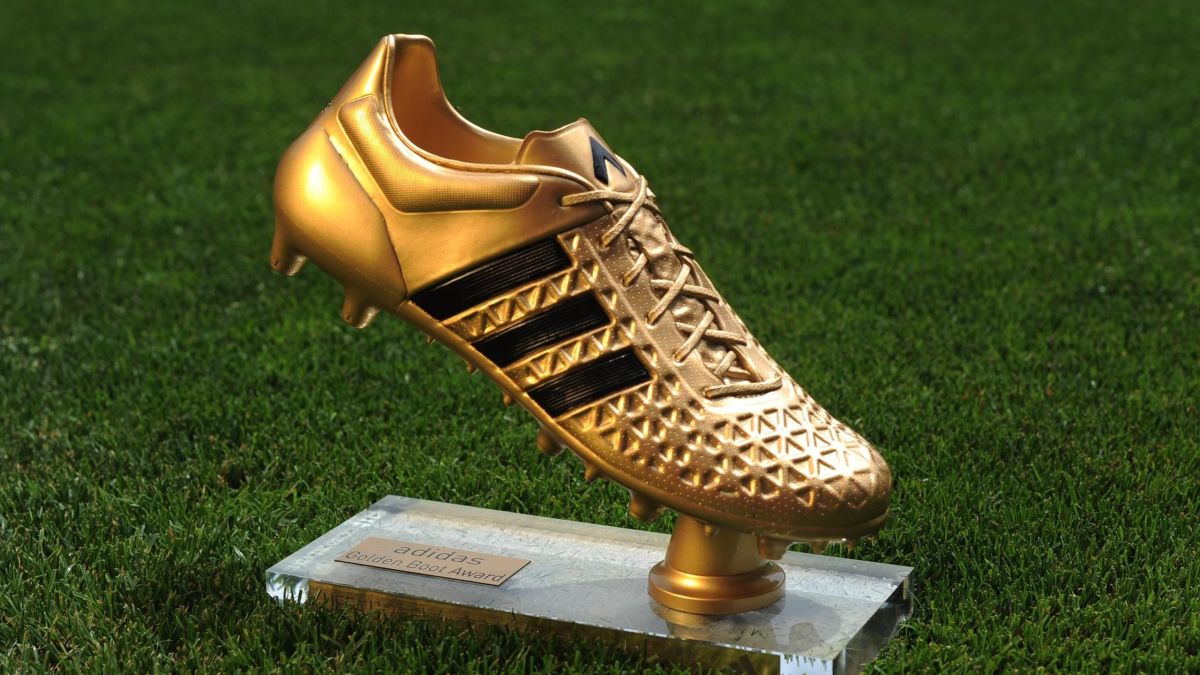
Golden Boot Winners: Tracking Football’s Prolific Scorers
The Golden Boot is the purest measure of a striker’s worth. No assists, no creative contributions, no defensive work rate — just goals, the only currency that ultimately decides football matches and defines careers. Across domestic leagues, World Cup tournaments, and continental competitions, the race to finish as the leading scorer each season has produced some of the most memorable individual achievements in the sport’s history. The players who have claimed these prizes most consistently have not simply been prolific. They have been relentless, redefining what is possible in front of goal across generation after generation. This is the full story of football’s greatest Golden Boot winners, the records they set, the eras they defined, and what separates them from every other striker the game has produced. What the Golden Boot Award Means in Football The Golden Boot exists in several forms, each carrying its own prestige and meaning. The European Golden Shoe, awarded annually to the top scorer across all of Europe’s top domestic leagues, represents the broadest measure of individual scoring excellence at club level. The FIFA World Cup Golden Boot identifies the tournament’s leading scorer every four years, placing a player’s performance on the sport’s largest global stage. The Premier League Golden Boot, presented since the competition’s founding in 1992, tracks the most prolific scorer in what many consider the world’s most competitive domestic league. Each award measures something slightly different, but all three share a common significance — they mark the player who, above everyone else in their competition, found ways to score when it mattered and did so with a consistency that no rival could match. The European Golden Shoe and Its Most Dominant Winners The European Golden Shoe has been awarded since the 1967-68 season, originally presented to the highest scorer across all European leagues regardless of competition strength. Since 1997, a weighted points system rewards goals scored in stronger leagues more heavily, ensuring the award reflects quality of opposition rather than volume of weaker fixtures alone. Lionel Messi holds the all-time record with six European Golden Shoes, won in 2009-10, 2011-12, 2012-13, 2016-17, 2017-18, and 2018-19, all for Barcelona. His peak season came in 2011-12 when he scored 50 La Liga goals, a figure that remains the single-season record for the award. Cristiano Ronaldo follows with four wins across Manchester United and Real Madrid. No other player in the history of the award has won it more than twice, which places the scale of the Messi-Ronaldo duopoly into sharp statistical relief. Kylian Mbappé claimed his first European Golden Shoe in 2024-25 with 31 goals for Real Madrid, becoming the first player since Ronaldo to win the award from the Santiago Bernabéu. Golden Boot Winners at the FIFA World Cup The World Cup Golden Boot carries a weight that no domestic award can fully replicate because it is contested once every four years, on the sport’s biggest stage, against the best defences every nation can produce. Eusébio set the benchmark for the modern era at the 1966 World Cup in England, scoring nine goals in six games for Portugal in one of the most individually dominant tournament performances the competition has ever witnessed. Just Fontaine of France holds the all-time single-tournament record with 13 goals at the 1958 World Cup in Sweden, a tally so far beyond any other player in a single edition that it has stood unreached for nearly seven decades. Kylian Mbappé became the most recent World Cup Golden Boot winner in Qatar 2022, scoring eight goals including a hat-trick in the final against Argentina, finishing one goal ahead of Lionel Messi’s seven. Remarkably, no player has ever won the FIFA World Cup Golden Boot more than once since the official award was introduced in 1982, reflecting the fierce unpredictability of tournament football. Premier League Golden Boot Winners and the Race for England’s Top Scorer The Premier League Golden Boot has been contested since the inaugural 1992-93 season, when Teddy Sheringham of Tottenham Hotspur claimed the first award with 22 goals. The standard has risen dramatically in the three decades since, with Erling Haaland setting the current single-season record of 36 goals for Manchester City in 2022-23, surpassing the 38-game era record of 32 set by Mohamed Salah in 2017-18. Thierry Henry and Mohamed Salah share the record for most Premier League Golden Boots won by a single player, with four each. Henry claimed his four in five seasons between 2001-02 and 2005-06, including a 30-goal campaign during Arsenal’s Invincibles season of 2003-04. Salah matched that total in 2024-25, scoring 29 goals as Liverpool claimed the Premier League title, becoming the first player in the competition’s history to finish a season as the leading scorer and provider of assists while also winning the Player of the Season award. How Ronaldo and Messi Redefined What Golden Boot Winners Look Like Before Lionel Messi and Cristiano Ronaldo dominated the European Golden Shoe landscape, no player in the award’s history had won it more than twice. Between 2008 and 2019, the two players claimed ten of twelve editions between them, establishing a standard of domestic scoring consistency that had no historical precedent and has not been approached since their peak years ended. Messi’s 50-goal La Liga season in 2011-12 and Ronaldo’s 48-goal return in 2014-15 both sit among the highest single-season league scoring tallies in European football history. Their rivalry across those years pushed each player to output levels that, in any previous era, would have been considered statistically implausible. The generation of Golden Boot winners that followed them, from Robert Lewandowski’s consecutive wins in 2020-21 and 2021-22 to Haaland and Mbappé’s current pursuit, has been shaped entirely by the standards Messi and Ronaldo established. The Forwards Who Won the Golden Boot and Changed Their Clubs Forever Some of the most significant Golden Boot seasons in football history are defined not just by the goal tallies but by what those goals delivered collectively. Luis Suárez’s Premier League Golden Boot in 2013-14 with 31
Read More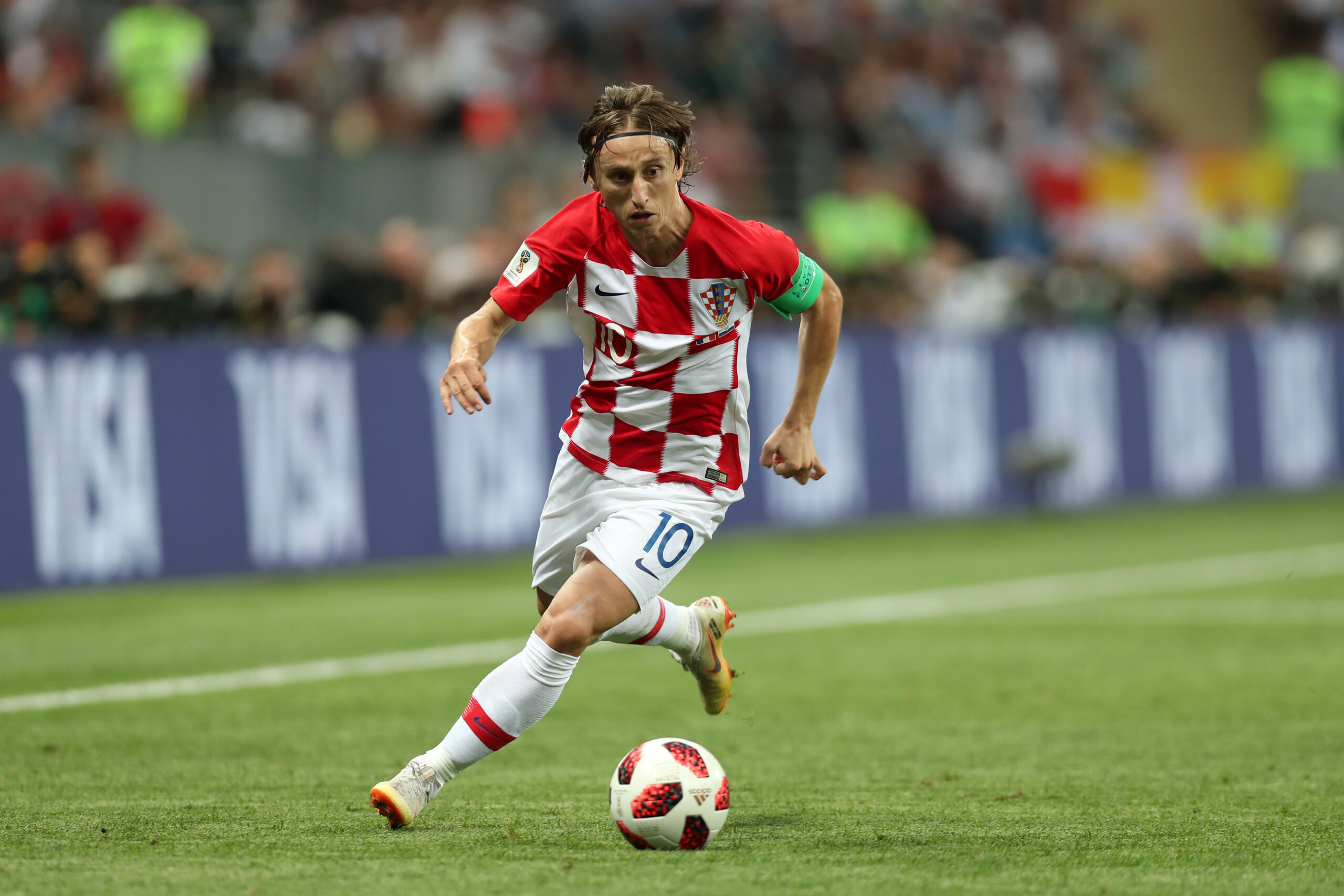
Luka Modric World Cup Career: From Underdog to Legend
Croatia has fewer than four million people. It has no history of football dominance. It has no pipeline of resources to rival the nations it faces. And yet, across four World Cups, it has reached heights that its size and means should never have allowed. That story has one engine at its centre. One player who carried more than any individual should be asked to carry, and delivered more than anyone expected. Luka Modric’s World Cup career is not simply the story of one man. It is the story of a small nation that refused to accept the limits the world placed on it. Croatia’s Underdog Identity and Where Modric Fits Croatia’s football identity was built on the 1998 World Cup in France, where they made the semifinals in their very first tournament as a nation following the breakup of Yugoslavia. Davor Suker won the Golden Boot. The world took notice. Then, for years, Croatia flickered in and out of tournament football without producing another run of that magnitude. Modric inherited that tradition. He became the creative engine, the leader, and the symbol of everything Croatian football aspired to be. His influence on every World Cup campaign went beyond any statistic. He was the heartbeat. Every attack flowed through him. Every defensive transition started with his pressing. And every moment of adversity was answered, at least in part, by his composure. 2006: A Quiet Debut on the Biggest Stage Modric made two appearances at the 2006 FIFA World Cup finals as a substitute in the group fixtures against Japan and Australia. He was 20 years old. His total playing time across both appearances was 35 minutes. Croatia were eliminated at the group stage. There were no headlines attached to that debut. No defining moments. Just a young midfielder absorbing the scale of the World Cup for the first time and storing everything he experienced. Players who become great at tournaments rarely arrive as finished articles. They arrive as learners. Modric’s 2006 campaign was exactly that. 2014: The Weight of Expectation By 2014 in Brazil, Modric was one of the finest midfielders on the planet. He had won the Champions League with Real Madrid weeks before the tournament. Croatia were placed in Group A alongside hosts Brazil, Mexico, and Cameroon. Croatia faced Brazil in their opening game and took the lead first through Marcelo’s own goal, but lost 1-3. Modric suffered a minor foot injury in the match. Croatia beat Cameroon 4-0 in their second game but then lost 1-3 to Mexico in the final group match, finishing third in their group and going home. It was a second consecutive group stage exit. Modric was playing the best football of his club career. The gap between individual quality and collective tournament success had never felt wider. What happened four years later made that frustration worthwhile. 2018: The Tournament That Defined a Career Russia 2018 is the centrepiece of the Luka Modric World Cup career. Croatia became the first team to earn three come-from-behind victories at a single FIFA World Cup, with all three matches going into extra time. What that statistic does not capture is the psychological demand of sustaining belief through three consecutive knockout matches decided beyond 90 minutes. In the round of 16, Croatia faced Denmark. Both teams drew 1-1 after extra time. Modric took a penalty in extra time but it was saved by Kasper Schmeichel. Croatia won the subsequent shootout 3-2. He stepped up again in the shootout and scored. The composure required to take a second penalty after missing the first is not taught. It is earned. The quarterfinal against hosts Russia produced another 1-1 draw after 90 minutes. Croatia took a 2-1 lead in extra time when Domagoj Vida headed in from Modric’s corner. Russia equalised in the 115th minute. Croatia won the shootout 4-3. The semifinal against England in Moscow saw Croatia trail to a Kieran Trippier free kick inside five minutes. Ivan Perisic equalised. Mario Mandzukic won it in the 109th minute. Croatia were in a World Cup final. The final against France in Moscow ended 4-2. Croatia led 1-0 through an early own goal before France took control. The defeat was painful. Modric won the Golden Ball as the tournament’s best player. He became the first player in over a decade to claim the award ahead of both Lionel Messi and Cristiano Ronaldo. The recognition was not simply for one tournament. It was for a body of work, across five weeks, that had stretched the limits of what a team his size should be capable of achieving. 2022: One Final Act at 37 Qatar 2022 brought Modric back to the World Cup stage at 37 years old. Croatia reached the semifinals again, losing 3-0 to Argentina. They finished third after beating Morocco in the third-place playoff. At the 2022 World Cup, he led the team to a third-place finish, winning the Bronze Ball as the tournament’s third best player. Two semifinals in four tournaments. That is the measure of what Modric built around himself. Not a superteam. Not a golden generation of eight world-class players. A well-organised, deeply motivated group of footballers who, when led by him, consistently exceeded what their talent level alone would have allowed. What Made Modric Unplayable at World Cups The tactical explanation for Modric’s World Cup performances centres on his ability to do two jobs simultaneously. He won the ball back with the urgency of a defensive midfielder. He then distributed it with the vision of a playmaker. No single opponent could neutralise both functions at once. Pressing him high left space in behind. Sitting off him gave him time to dictate the rhythm of the entire match. Beyond the tactical, the psychological dimension was equally decisive. He missed a penalty in a World Cup knockout match against Denmark and then stepped up to take another one minutes later in the same shootout. That is not a quality that can be coached. It is the definition
Read More
Serie A Tactical History: From Catenaccio to Modern Italian Football
Few football leagues in the world carry the tactical weight that Serie A does. Italy’s top division has never just been about goals and glory, it has always been a laboratory of ideas, a place where coaches turned defence into philosophy and structure into art. The journey from the tight bolts of Catenaccio to today’s high-pressing, possession-hungry football is one of the most fascinating tactical stories the sport has ever produced. What Is Catenaccio and Where Did It Come From? The term Catenaccio, meaning “door-bolt,” captured the essence of the system: to lock down the defence and frustrate the opposition. But contrary to popular belief, it was not an Italian invention. Italian Catenaccio was influenced by the verrou system invented by Austrian coach Karl Rappan, who, as coach of Switzerland in the 1930s and 1940s, played a defensive sweeper positioned just ahead of the goalkeeper. Italy took this foundation and built something entirely its own. Italian versions of Catenaccio revolved around man-marking, a compact backline, and a libero or sweeper behind the central defence. This player was not just a safety net but often the first to start a counterattack. The system required exceptional individual defenders, tactical discipline, and acute spatial awareness. The Architects Who Built Catenaccio Into a National Identity Two names stand above all others in shaping this system into a winning formula. Highly influential Italian coach Nereo Rocco implemented similar ideas at Triestina, developing Ivano Blason into arguably the world’s first widely celebrated libero and managing a shock second-place Serie A finish as a result. Rocco later joined AC Milan, where he introduced similar tactical ideas and won two Serie A titles, three Coppa Italia titles, two European Cups, two European Cup Winners’ Cups, and an Intercontinental Cup. The system was then adopted by various managers across Italy, following the decision of Argentine-French coach Helenio Herrera to use it at Internazionale, leading the club to a number of Serie A championships in the 1960s. Herrera’s version was particularly sophisticated. His Grande Inter side did not merely defend, they suffocated opponents and struck with clinical speed on the counter. The system became a badge of honour, something uniquely Italian in character even if it had foreign roots. Serie A in the 1960s and 1970s: Catenaccio at Its Peak The 1960s were the golden decade for defensive Italian football on the European stage. Clubs like Inter Milan and AC Milan used the system to dominate continental competition. But the 1970s brought a different kind of richness to Serie A. The 1970s were a transformative decade for Serie A, combining tactical sophistication, the rise of new stars, and intense competition among clubs. The era is often remembered for the widespread adoption of Catenaccio, defensive discipline, and strategic play, yet it also witnessed the emergence of attacking talents who dazzled fans. Juventus clearly emerged as the dominant force during the decade, securing five titles, while Lazio and Torino enjoyed memorable victories. Catenaccio remained prominent, though teams increasingly blended defensive discipline with attacking flexibility. This blending was a sign of things to come. The system was beginning to bend under the pressure of new ideas from across Europe. The Challenge: Total Football and the Cracks in the Wall In 1972, Michels’ Ajax defeated Inter 2–0 in the European Cup final, and Dutch newspapers announced the “destruction of Catenaccio” at the hands of Total Football. The following year, Ajax defeated Milan 6–0 in the second leg of the European Super Cup, which was the worst defeat for an Italian team in a UEFA competition final. These results forced Italian football to look inward. As man-marking alone was insufficient to cope with the fluidity of Total Football, coaches began to create a new tactical system that mixed man-marking with zonal defence, which came to be known as zona mista, meaning “mixed zone” in Italian. The 1992 back-pass rule also accelerated change. Goalkeepers had to be more involved with their feet, which required defenders who could play forward, not just clear danger. The old libero role was becoming extinct. A new kind of defender was needed, one who could read the game, build from the back, and press when required. Arrigo Sacchi and the Revolutionary AC Milan If one man can be credited with dragging Italian football into the modern era, it is Arrigo Sacchi. His AC Milan side of the late 1980s and early 1990s was a seismic shift. Sacchi combined strong defensive organisation with pressing and a high tempo, creating a hybrid that drew from Catenaccio’s core principles while pushing the tactical envelope. Milan under Sacchi played a flat back four, applied pressure high up the pitch, and worked in organised defensive lines. Players like Franco Baresi redefined what a modern defender could be. Baresi’s leadership and defensive prowess transformed AC Milan into a fortress during its glory days, and with an innate understanding of Catenaccio tactics, he redefined the role of a modern defender. This era proved that Italian football could be both defensively elite and aesthetically exciting — a duality that would define Serie A’s identity for years ahead. The 3-5-2 and Italian Tactical Innovation While Catenaccio gets most of the headlines, Italy’s tactical contribution to world football goes well beyond one system. Italian football also pioneered the modern 3-5-2 formation, which brought a fresh perspective to the game’s tactical landscape. This formation employed three central defenders, with two wing-backs tasked with providing width and supporting both attack and defence, allowing for greater control in midfield. Teams like AC Milan and Juventus found great success with this formation, as it offered flexibility, solidity, and the ability to quickly transition from defence to attack. The 3-5-2 formation remains a popular choice for many teams worldwide, a testament to the lasting impact of Italian tactical innovation. Here is a quick overview of how Serie A’s core tactical systems evolved across decades: Era Dominant System Key Characteristic 1950s–60s Catenaccio Deep defence, man-marking, libero sweeper 1970s Zona Mista Blend of man-marking and zonal defence
Read More