
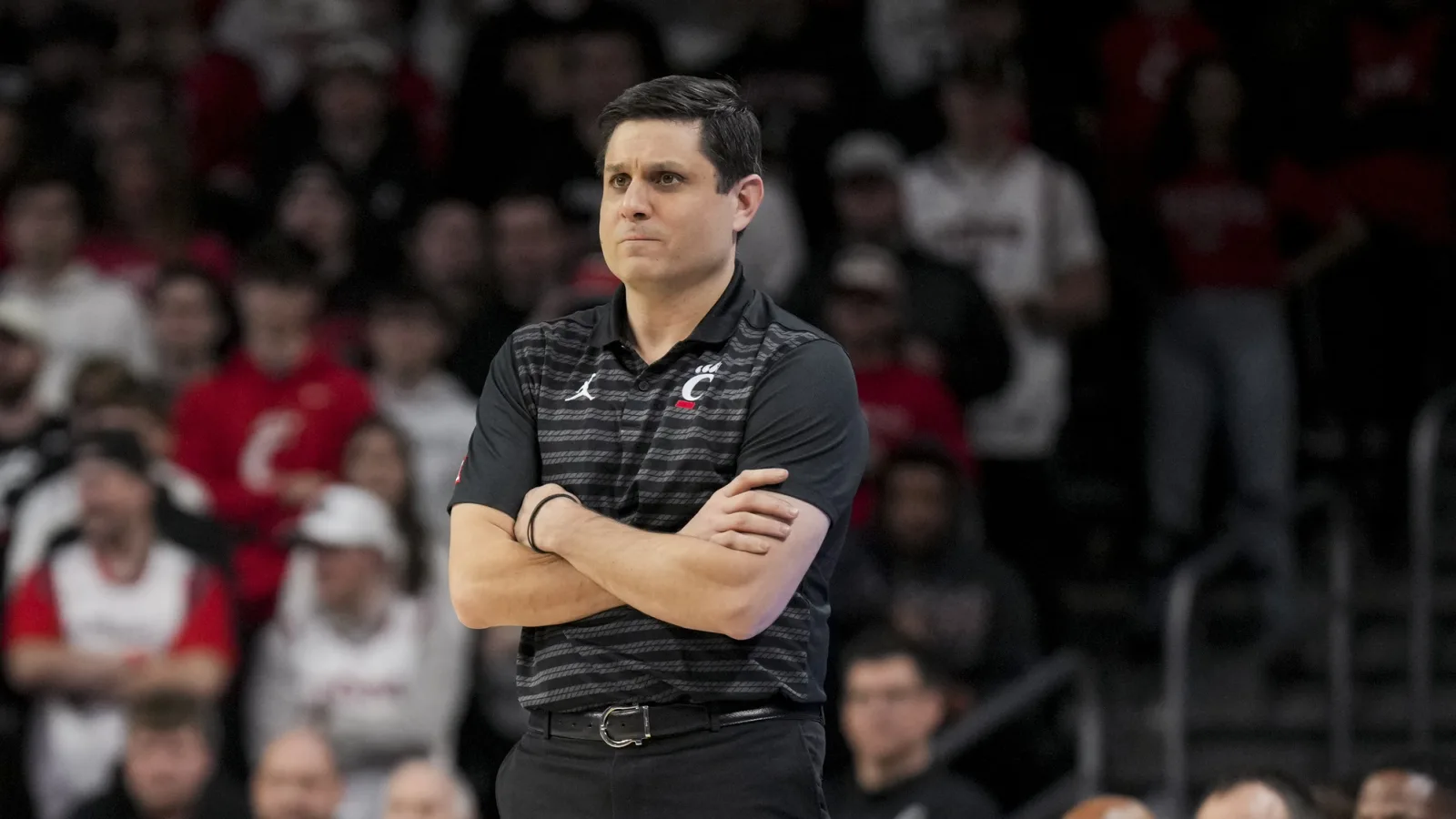
Cincinnati Fires Head Coach Wes Miller After Five Seasons
Cincinnati Bearcats men’s basketball have dismissed head coach Wes Miller after five seasons, according to reports from ESPN. The move comes after the program once again failed to qualify for the NCAA Men’s Basketball Tournament, continuing a frustrating run for the Bearcats. Cincinnati’s Late Season Collapse Ends Tournament Hopes Cincinnati finished the 2025–26 season with an 18–15 overall record. The team had regained momentum late in the season, winning seven of its final nine games to reenter the NCAA tournament conversation. However, their hopes were dashed during the Big 12 Conference tournament. In a crucial matchup against the UCF Knights men’s basketball, the Bearcats held an eight point lead with just two minutes remaining in regulation. Despite appearing in control, the team allowed UCF to mount a late comeback, forcing overtime. Cincinnati eventually lost the game 66–65, effectively ending their chances of receiving an at large bid to the NCAA tournament. Miller’s Tenure at Cincinnati Miller was appointed head coach in 2021 after replacing John Brannen. Before arriving at Cincinnati, Miller had established a strong coaching reputation during his decade long tenure with the UNC Greensboro Spartans men’s basketball. During his time at UNC Greensboro, Miller led the program to sustained success. The Spartans recorded at least 21 wins in each of his final five seasons. He also guided the team to three regular season conference championships and two appearances in the NCAA tournament. When Miller arrived at Cincinnati, expectations were high that he would help restore the program’s national competitiveness. His first season ended with an 18–15 record. The team showed improvement the following year, finishing 23–13, and then recorded a 22–15 record in the 2023–24 season. Despite those improvements, Cincinnati was unable to secure an NCAA tournament appearance during his tenure. The 2025–26 season initially appeared promising. The Bearcats entered the year ranked No. 20 in the preseason poll released by the Associated Press. After a strong 10–1 start, the team climbed as high as No. 14 in the rankings. However, struggles during conference play led to a 7–13 record in the Big 12, pushing Cincinnati back onto the wrong side of the tournament bubble. Contract Situation and Coaching Future Miller still has three years remaining on his contract, which carries a significant financial clause. If he is officially terminated before March 31, 2026, he will be owed a buyout of $9.9 million. If the decision is finalized on or after April 1, the payout drops to approximately $4.69 million. Beyond coaching, Miller has strong ties to college basketball. He is the son of Kenneth D. Miller, whose name is attached to the athletic facility at Wake Forest University. As a player, Miller began his college career at James Madison University before transferring to University of North Carolina. While playing for legendary coach Roy Williams, he was part of the Tar Heels team that won the national championship in 2005. With Miller’s departure, Cincinnati will now begin its search for a new head coach as the program aims to return to consistent contention for the NCAA tournament.
Read More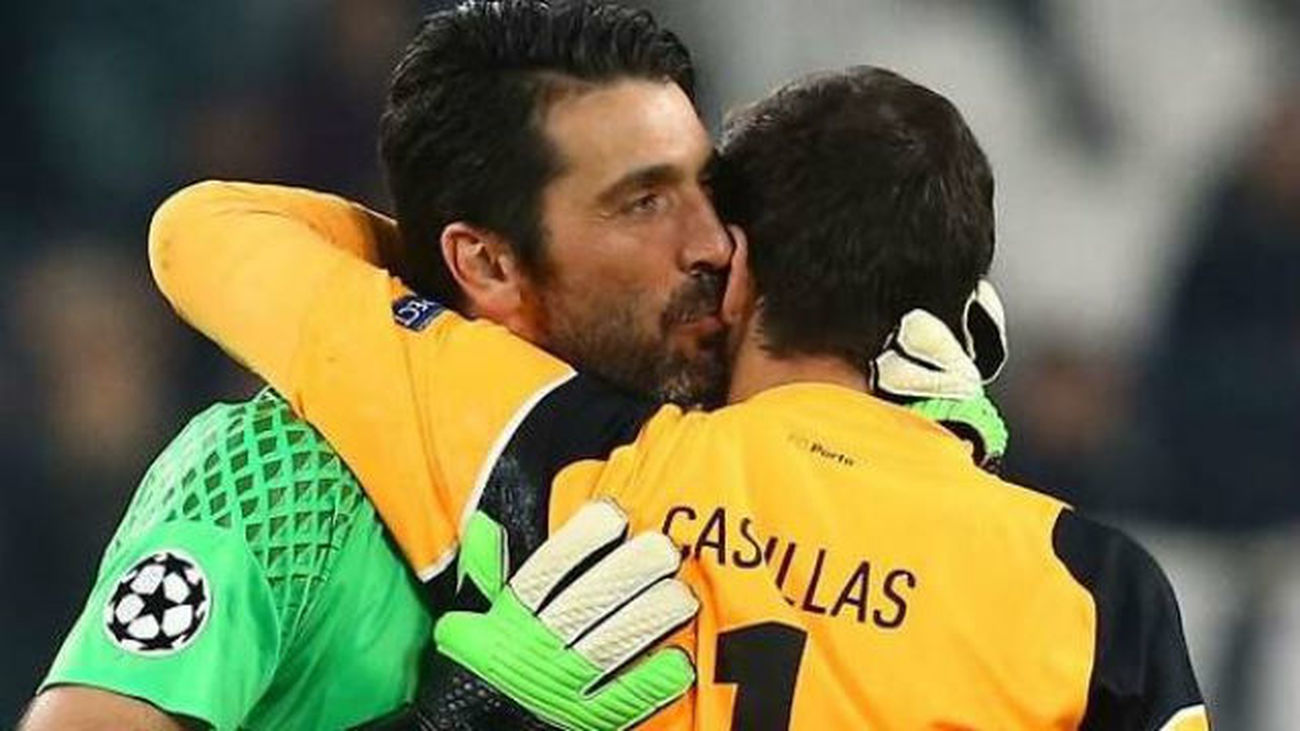
Who Has the Most Clean Sheets in Football History? The Goalkeeping Legends Ranked
In football, a striker might win a single game, but a legendary goalkeeper wins championships. The clean sheet, finishing a match without conceding a single goal, is the ultimate measure of a goalkeeper’s greatness. It demands 90 minutes of flawless concentration, elite reflexes, and the tactical intelligence to organize an entire defense. Across eras, a select group of keepers turned their goalposts into an impenetrable fortress and etched their names into history. What Does It Mean to Have the Most Clean Sheets in Football History A clean sheet is more than just an empty scoreline. It represents collective defensive discipline, but at its heart, it lives or dies with the goalkeeper. One lapse, one misjudged angle, one slow reaction and it is gone. That is precisely why the keepers who consistently kept their nets untouched are revered far beyond their clubs and countries. These are the men who made the impossible routine, and their records tell a story that statistics alone cannot fully capture. Petr Čech: The Man With the Most Clean Sheets in Premier League History When the conversation turns to the most clean sheets in football history within English football, one name stands alone. Petr Čech holds the record for the most clean sheets in Premier League history with an extraordinary 202. Playing in one of the most physically demanding leagues in the world, that number is a testament to both his individual brilliance and his relentless consistency over more than a decade. His 2004-05 season with Chelsea remains the gold standard. He kept 24 clean sheets in a single Premier League campaign, a benchmark that still stands today. Perhaps even more remarkable is the pace at which he reached his century. Čech hit 100 Premier League clean sheets in just 180 games, a rate that no other keeper has matched. His positional intelligence and extraordinary reach made him the cornerstone of some of the most dominant defensive units English football has ever seen. Gianluigi Buffon: The Goalkeeper With the Most Clean Sheets in the 21st Century If there is one goalkeeper whose name is synonymous with the most clean sheets in football history, it is Gianluigi Buffon. The Italian legend is widely regarded as the greatest of all time, and his numbers support that claim with authority. Over a career spanning more than two decades at the highest level, Buffon accumulated over 500 clean sheets for club and country combined, a figure that may never be surpassed. His crowning achievement came during Italy’s 2006 World Cup winning campaign. Buffon conceded just two goals throughout the entire tournament and its qualifying rounds, keeping 10 clean sheets along the way. His most jaw-dropping individual record, however, is the longest consecutive scoreless streak in Serie A history: 974 uninterrupted minutes without a goal past him. For over 10 full matches, Buffon was simply unbeatable. His leadership, composure under pressure, and world-class shot-stopping made him far more than a goalkeeper. He was the backbone of an entire footballing philosophy. Iker Casillas: The Goalkeeper With the Most Clean Sheets in Champions League History Iker Casillas did not earn the nickname “Saint Iker” by accident. The Spanish legend had an almost supernatural ability to produce saves in the moments that mattered most, turning near-certain goals into nothing. He was the heartbeat of the most dominant international era in recent memory, anchoring the Spain squads that won back-to-back European Championships in 2008 and 2012 and the World Cup in 2010. At club level, Casillas holds the outright record for the most clean sheets in UEFA Champions League history with 57, making him one of the most decorated keepers when it comes to the most clean sheets in football history at European level. Across a career spanning nearly two decades at Real Madrid and Porto, he accumulated 439 clean sheets in total. His reflexes and agility in tight situations made him the definitive big-game goalkeeper of his generation. When the stakes were at their highest, Casillas was at his very best. Lev Yashin: The Legend Who Redefined What Most Clean Sheets in Football History Means Any conversation about the most clean sheets in football history that overlooks Lev Yashin is incomplete. The Soviet goalkeeper remains the only keeper in history to win the Ballon d’Or, claiming the award in 1963, a recognition of his complete dominance over the position during his era. Yashin was a pioneer in every sense, introducing sweeper-keeper instincts to a position that had previously been purely reactive. He is estimated to have kept over 270 clean sheets across his career and reportedly saved more than 150 penalties, a rate that borders on the mythical. In nearly half of all matches he played, the opposition failed to score. In an era with far less defensive structure and organization than modern football, that achievement puts him firmly in the debate for the most clean sheets in football history relative to his time. How These Goalkeeping Legends Compare Side by Side Across different eras, leagues, and tactical systems, these keepers defined what goalkeeping excellence looks like at its peak. Čech dominated England’s top flight with 202 Premier League clean sheets. Buffon conquered Europe and the world stage with 500-plus across his entire career. Casillas owned the Champions League with his record 57. Yashin rewrote the position itself with a clean sheet rate of nearly 50 percent per game. Edwin van der Sar’s 1,311-minute scoreless league streak and Manuel Neuer’s record-breaking Bundesliga clean sheet tally are also part of this conversation, but the four legends above represent the absolute pinnacle across the broadest and most competitive stages in the game. Why the Most Clean Sheets in Football History Still Matters Today Modern goalkeeping has evolved dramatically. Keepers like Manuel Neuer and Alisson Becker are now evaluated as much on their ability to play out from the back and act as an eleventh outfield player as they are on pure shot-stopping. Distribution, pressing triggers, and line management are now core demands of the position. Yet
Read More
Top 10 Cricket All-Rounders of All Time: Sobers to Stokes
Cricket rewards specialists. Batters spend lifetimes perfecting technique at the crease. Bowlers dedicate careers to mastering swing, spin, or pace. The all-rounder does both, at the highest level, under the heaviest pressure, and does it consistently enough to be considered genuinely elite in each discipline. That combination is rarer than it sounds, and the players who have truly achieved it belong to a category of greatness that sits apart from every other figure the game has produced. This is the definitive ranking of the top 10 cricket all-rounders of all time, from the unmatched genius of Garfield Sobers to the modern brilliance of Ben Stokes. What Defines a True Cricket All-Rounder at the Highest Level The term all-rounder is applied loosely in cricket, but at the elite level it carries a precise meaning. A genuine all-rounder must be capable of winning matches independently with either discipline. Batting averages above 30 in Test cricket and bowling averages below 35 represent the broad threshold, but the truly great ones operate well beyond those markers. The players on this list are ranked not just on statistics but on match-winning contributions across both skills, longevity at the international level, and the degree to which their all-round ability shaped outcomes that one-dimensional players simply could not have influenced. Sir Garfield Sobers: The Benchmark Every Cricket All-Rounder Is Measured Against Every conversation about the greatest cricket all-rounders of all time begins and ends with Sir Garfield Sobers. The West Indian left-hander accumulated 8,032 Test runs at an average of 57.78, a figure that would place him among the elite even if he had never bowled a single delivery in his career. He also took 235 Test wickets across three distinct bowling styles — left-arm fast-medium, orthodox left-arm spin, and wrist spin — making him uniquely versatile in a way no other player has replicated. He held six sixes in a single over off Malcolm Nash in 1968, set the Test batting record of 365 not out in 1958, and did all of it with an effortless grace that made the extraordinary appear routine. No one else has come close to his combined standard across both disciplines. The 1980s Golden Era of Cricket All-Rounders The 1980s produced a concentration of all-round talent that the game has never seen before or since. Imran Khan, Kapil Dev, Richard Hadlee, and Ian Botham were active simultaneously, each carrying their national team on their shoulders while producing performances that redefined what was expected of a player who could bat and bowl. They pushed each other, competed against each other, and collectively elevated the standard of all-round cricket to a level that made the decade uniquely rich. Comparing them remains one of cricket’s most enjoyable debates because the margins between them are genuinely narrow and each made an argument for the top position through at least one period of their career. Kapil Dev and Ian Botham: Match-Winners Who Changed Their Nations’ Cricket Kapil Dev finished his Test career with 5,248 runs and 434 wickets, becoming the first player in history to achieve the double of 4,000 runs and 400 wickets in Tests. His 1983 Cricket World Cup campaign for India, which included a match-saving unbeaten 175 against Zimbabwe when India were struggling at 17 for 5, remains one of the most celebrated innings in the tournament’s history. India won that World Cup, and Kapil’s all-round contribution throughout was central to it. Ian Botham’s place in cricket history rests heavily on the 1981 Ashes series, where he almost single-handedly won three Test matches for England through centuries and five-wicket hauls delivered in the same matches. His career figures of 5,200 runs and 383 Test wickets tell part of the story. The emotional force he brought to every match he played tells the rest. Richard Hadlee and Imran Khan: The All-Rounders Who Carried Their Teams Richard Hadlee and Imran Khan share a defining characteristic that separates them from Botham and Kapil — both operated for extended periods as the most important player in their team by a considerable margin, often winning matches in which their supporting casts were significantly outclassed. Hadlee took 431 Test wickets at an average of 22.29 for New Zealand while also contributing 3,124 runs with the bat, and his contribution to elevating New Zealand into a competitive Test nation cannot be overstated. Imran Khan took 362 Test wickets and scored 3,807 runs, but his influence on Pakistan cricket extended far beyond numbers. He led Pakistan to their only Cricket World Cup title in 1992 and inspired a generation of Pakistani fast bowlers who shaped the country’s cricketing identity for decades after his retirement. Jacques Kallis: The Most Complete Cricket All-Rounder by the Numbers The statistical case for Jacques Kallis is almost unfair in its weight. The South African right-hander accumulated 13,289 Test runs at an average of 55.37 across a career spanning 1995 to 2013, while also claiming 292 Test wickets at an average of 32.65. No other player in cricket history comes close to matching that combination of volume and quality across both disciplines. He also held 200 Test catches as a fielder, adding a third dimension to his contribution. The frequent criticism levelled at Kallis is that he was never the most entertaining player to watch and that his batting was occasionally prioritised at the expense of his bowling load. That may be fair, but it does not diminish what the numbers represent. By any objective statistical measure, Kallis produced the most complete all-round Test career in cricket history. Shakib Al Hasan, Andrew Flintoff, and the Modern All-Rounder Blueprint The twenty-first century produced two very different models of all-round excellence. Shakib Al Hasan has compiled a record that makes him arguably the most valuable all-rounder in limited-overs cricket history, consistently ranking among the top players in both batting and bowling across ODIs and T20 Internationals while carrying Bangladesh’s hopes almost entirely on his own. His ability to contribute decisively in both disciplines across all three formats places
Read More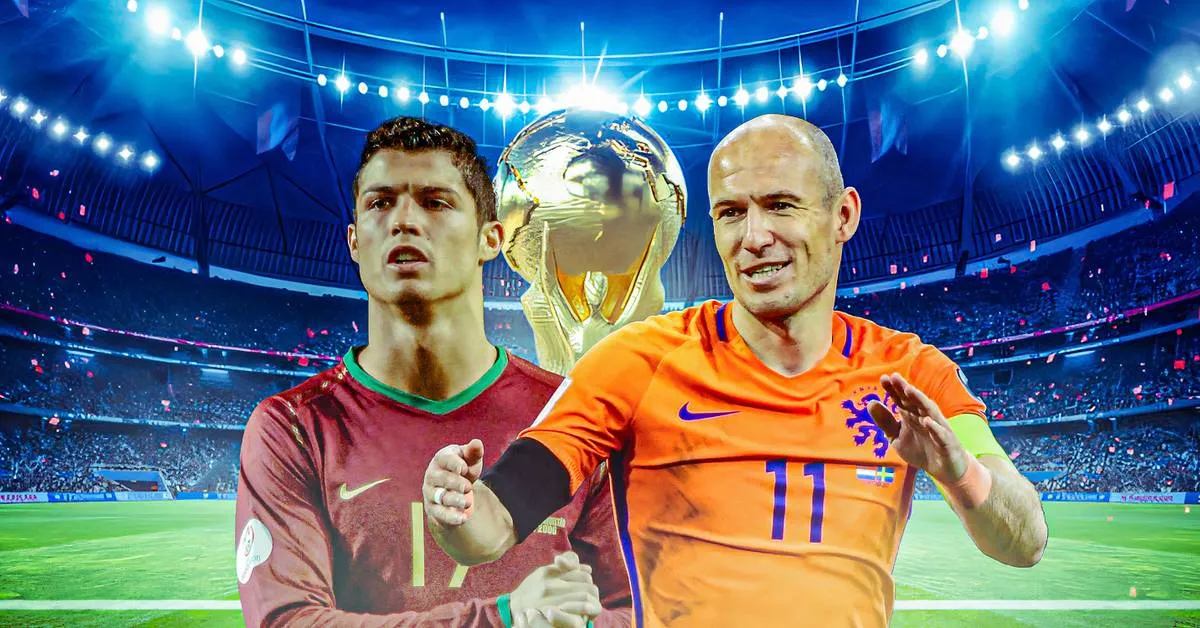
Countries That Have Never Won the FIFA World Cup
Ninety-four years of competition. Twenty-two editions of the greatest sporting event on earth. And in all that time, only eight nations have ever lifted the FIFA World Cup trophy. Brazil, Germany, Italy, Argentina, France, Uruguay, England, and Spain form the most exclusive club in sport, a list that has not changed since 2010. What makes that fact so striking is not who is on it. It is who is not. Some of football’s most passionate, most talented, and most historically significant nations have played the game at the highest level for generations and have never once stood on that final podium. Their stories are not stories of failure. They are stories of the brutal, beautiful unpredictability that makes the World Cup unlike anything else in sport. The Eight Who Won — And the World Left Behind The eight World Cup-winning nations share certain characteristics: periods of tactical innovation, generational squads peaking at the right moment, and the fortune of tournament draws that aligned when it mattered most. Yet countries that have never won the FIFA World Cup include nations that have dominated continental football, produced some of the game’s most celebrated players, and reached the final stages of multiple tournaments without completing the journey. The Netherlands have contested three finals and won none. Portugal reached the semifinals in four separate tournaments. Cameroon became the first African nation to reach a World Cup quarterfinal in 1990. South Korea finished fourth on home soil in 2002. The talent has existed. The victories in the final moment have not. The Most Painful Story in World Cup History: The Netherlands No nation carries the weight of World Cup near-misses quite like the Netherlands. Three finals, three defeats, spanning 36 years. In 1974, Johan Cruyff’s Total Football side produced some of the most breathtaking football the World Cup had ever seen, only to lose the final 2-1 to West Germany in Munich. In 1978, without Cruyff, who had withdrawn from the tournament for personal reasons, the Netherlands reached the final again, this time losing to hosts Argentina in extra time. Then came 2010 in Johannesburg, where a new generation built around Arjen Robben, Wesley Sneijder, and Robin van Persie made the final against Spain. Robben missed a one-on-one with Iker Casillas that would have made the score 1-0. Spain won 1-0 in extra time through Andres Iniesta. Three generations. Three different styles of football. Three defeats on the final day. The Netherlands are the defining example of a nation whose World Cup legacy is defined not by what they achieved but by what was so narrowly taken from them. Dutch football’s identity, its commitment to attacking, technical, expressive football, was forged in those tournaments and has shaped the global game permanently. The trophy, however, has never followed. Individual Brilliance Without the Collective: Portugal Portugal’s World Cup story is inseparable from the story of its great individuals. In 1966, Eusébio, one of the finest forwards of any generation, carried Portugal to a third-place finish at their first World Cup, finishing as the tournament’s top scorer with nine goals. Decades later, Cristiano Ronaldo, widely regarded as one of the two greatest players in football history, gave everything to deliver the World Cup to his nation and fell short each time. Portugal finished third again in 2022 in Qatar under Fernando Santos, Ronaldo’s likely final World Cup, and still the trophy remained out of reach. What has historically defined and limited Portugal is the gap between individual quality and collective organisation. Ronaldo’s brilliance was never in question. What the team around him lacked, across different tournaments and different squads, was the structural cohesion and shared system that World Cup winners have consistently demonstrated. A single player, no matter how exceptional, cannot carry a team to the trophy alone. Portugal’s World Cup history is the most compelling proof of that reality. Africa and Asia’s Closest Challengers Beyond Europe’s nearly men, some of football’s most passionate footballing cultures from Africa and Asia have come closer to breaking through than the record books suggest. Cameroon’s Roger Milla-inspired run to the quarterfinals in 1990 in Italy was a watershed moment, the first time an African nation had progressed that far in the tournament. Senegal reached the quarterfinals in 2002, eliminating defending champions France along the way. Ghana came closest of all African nations to a semifinal in 2010, losing to Uruguay in a quarterfinal penalty shootout after Luis Suárez’s infamous handball on the goal line. From Asia, South Korea’s run to the semifinals on home soil in 2002 remains the high-water mark for the continent, though it came amid considerable controversy around refereeing decisions. Japan has consistently qualified and performed creditably, reaching the round of 16 multiple times and causing genuine upsets against major nations. Morocco’s extraordinary run to the semifinals at the 2022 World Cup in Qatar, beating Spain and Portugal along the way, announced African football’s readiness to compete with the very best in a way that could not be dismissed or qualified. The structural and financial investment gaps between confederations have historically stacked the odds against these nations. The performances have increasingly refused to reflect those disadvantages. Why Winning the World Cup Demands More Than Talent The list of countries that have never won the FIFA World Cup is not a list of nations that lacked quality. It is a list of nations that never had every required element aligned at the same moment. World Cup winners share a specific combination of characteristics that transcends individual brilliance: squad depth across every position, a settled tactical system that has been rehearsed across multiple qualifying campaigns, tournament experience in the squad’s key players, and a collective belief that sustains performance across seven matches in a month. Belgium’s golden generation, widely considered one of the most talented squads in the world between 2014 and 2022, never progressed beyond a semifinal despite containing world-class players at every position. The alignment of all factors simply never arrived in the same tournament. There is
Read More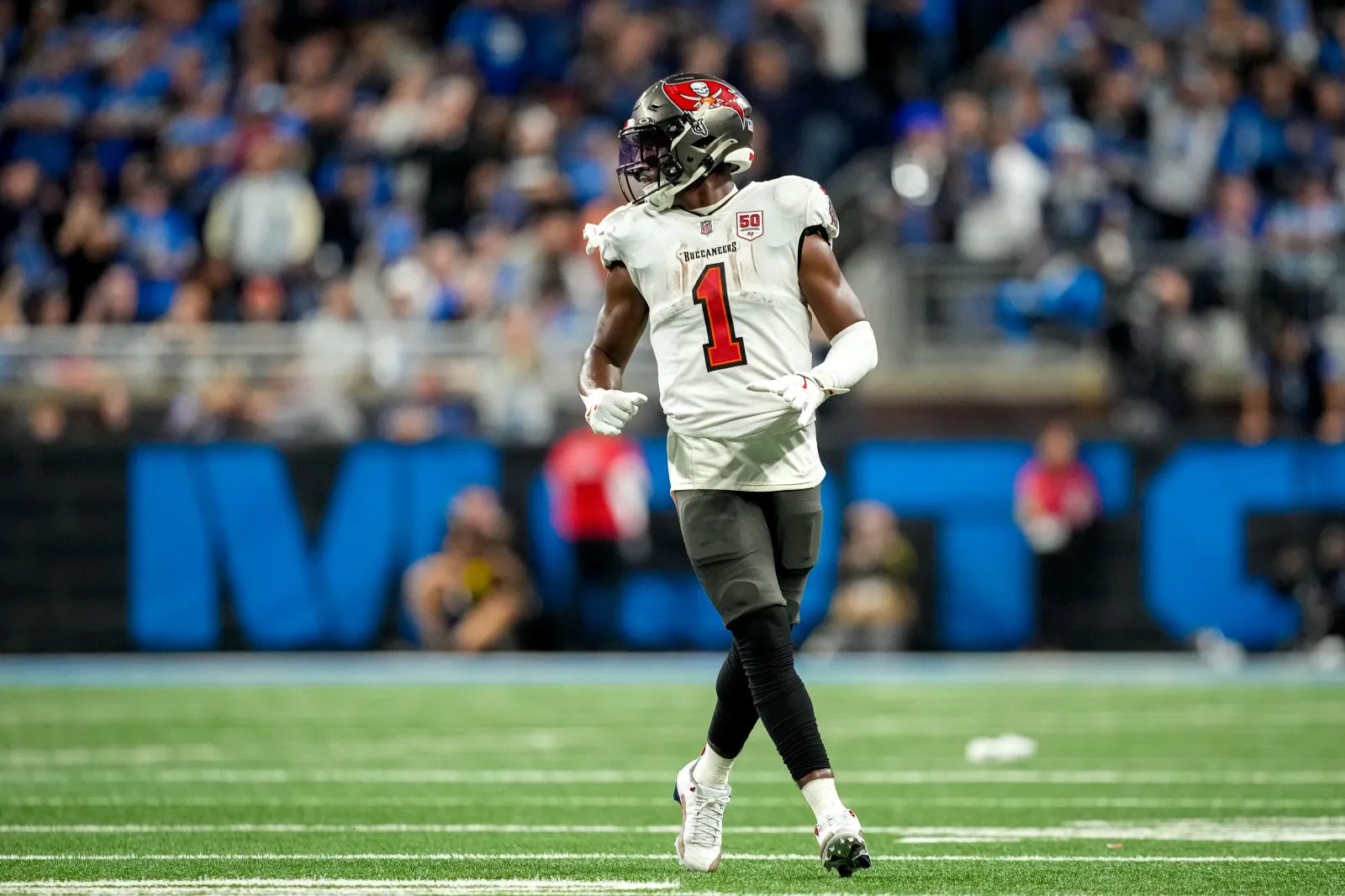
Rachaad White Net Worth in 2026: Career Earnings, New Contract, and Financial Breakdown
Rachaad White has quietly built one of the more compelling financial stories among NFL running backs of his generation. Coming out of Arizona State and selected in the third round of the 2022 NFL Draft, he spent four productive seasons with the Tampa Bay Buccaneers before entering free agency. As of March 12, 2026, White has officially signed with the Washington Commanders, marking the most significant career and financial move of his life to date. Based on his four-year rookie contract and performance bonuses, Rachaad White has earned approximately $10.3 million in career cash, with his net worth estimated to be in the multi-million-dollar range as of early 2026. Rachaad White Net Worth in 2026: What We Know No major outlet such as Celebrity Net Worth or Forbes has published a specific verified net worth figure for Rachaad White as of early 2026. The most widely cited estimate, sourced from outlets including Sportskeeda, placed his net worth at approximately $1.25 million as of January 2024. However, that figure is now clearly outdated. After earning roughly $3.4 million in base salary during the 2025 season alone, his financial position has grown considerably since that 2024 estimate. Based on his total career cash earnings of approximately $10.3 million across his four-year rookie deal and performance bonuses, his net worth as of early 2026 is estimated to be in the multi-million-dollar range. The exact figure depends on personal expenses, taxes, and investments, none of which are publicly disclosed. What is clear is that White enters this new chapter of his career in a significantly stronger financial position than when he arrived in the league four years ago. Rachaad White Rookie Contract With the Tampa Bay Buccaneers White’s financial foundation was built on the deal he signed when Tampa Bay selected him 91st overall in the 2022 NFL Draft. He signed a four-year rookie contract worth $5,130,000 that included a signing bonus of $910,908 and $910,908 in guaranteed money. This was a standard structure for a third-round pick, giving him four years of stability while he worked to prove his value in a competitive NFL backfield. What elevated his total career earnings well beyond that initial contract value was his qualification for the Proven Performance Escalator. White made a base salary of $3.4 million in 2025 after qualifying for the Proven Performance Escalator, which represented his highest single-season earnings by a significant margin and pushed his total career cash to approximately $10.3 million across the four years. For a third-round pick from a mid-major program, that kind of earning trajectory across a rookie deal is a genuine success story. Rachaad White Net Worth Growth: From 2022 to 2026 When White entered the league in 2022, his earning power was modest by NFL standards. His first two seasons saw him earning base salaries typical of early rookie contract years, but his consistent production and reliability on the field changed that trajectory meaningfully. The Proven Performance Escalator clause, which rewards players who meet certain statistical and participation thresholds, was the single biggest factor in boosting his earnings beyond what his draft position would typically have guaranteed. Qualifying for it in his final contract year meant his 2025 salary nearly doubled what it would have been without that clause, and it added substantial weight to his total career earnings figure. That progression from a modest third-round salary to $3.4 million in a single season illustrates exactly how White has built his financial profile step by step rather than through one headline-grabbing contract. How Rachaad White 2025 Season Built His Free Agent Value White’s final season in Tampa was the most important audition of his career because everything he produced on the field translated directly into his free agent market value. He appeared in all 17 games for the Buccaneers, rushing 132 times for 572 yards at 4.3 yards per carry with four touchdowns, while adding 40 catches on 45 targets for 218 receiving yards. Those numbers were not spectacular in isolation, but they reflected a player who is efficient, dependable, and virtually never a liability with the football. His yards-per-carry improvement and clean ball security across the season were exactly the qualities NFL front offices look for when evaluating free agent running backs. Despite his strong individual performance, the Buccaneers finished 8-9 and narrowly missed the playoffs, but White had done more than enough to attract serious interest on the open market. Breaking: Rachaad White Signs With the Washington Commanders The most important financial development surrounding Rachaad White net worth in 2026 was confirmed on March 12, 2026. White signed a one-year deal with the Washington Commanders, with the signing confirmed by his agent Sunny Shah to ESPN’s Adam Schefter. The financial terms of the deal were not disclosed at the time of the announcement. The signing came directly after the Commanders lost running back Chris Rodriguez Jr. to the Jacksonville Jaguars, creating an immediate need in Washington’s backfield that White was identified as the right fit to fill. The deal was confirmed swiftly once the new league year opened, reflecting how highly the Commanders valued bringing him in. It is worth noting that while the exact salary figure for this one-year deal has not been made public, industry projections for White’s next multi-year contract have been reported in the range of $11 to $12 million, according to the Times of India. That projection gives important context to the earning power White is building toward as he enters what could be the most financially rewarding phase of his career. The Jayden Daniels Reunion and What It Means Financially One element that makes this signing particularly significant, both on the field and financially, is the pre-existing relationship between White and Washington quarterback Jayden Daniels. White and Daniels were college teammates at Arizona State before Daniels transferred to LSU in 2022, meaning the two already share an established chemistry and mutual understanding that most newly assembled quarterback-running back partnerships take time to develop. White joins Jacory Croskey-Merritt atop
Read More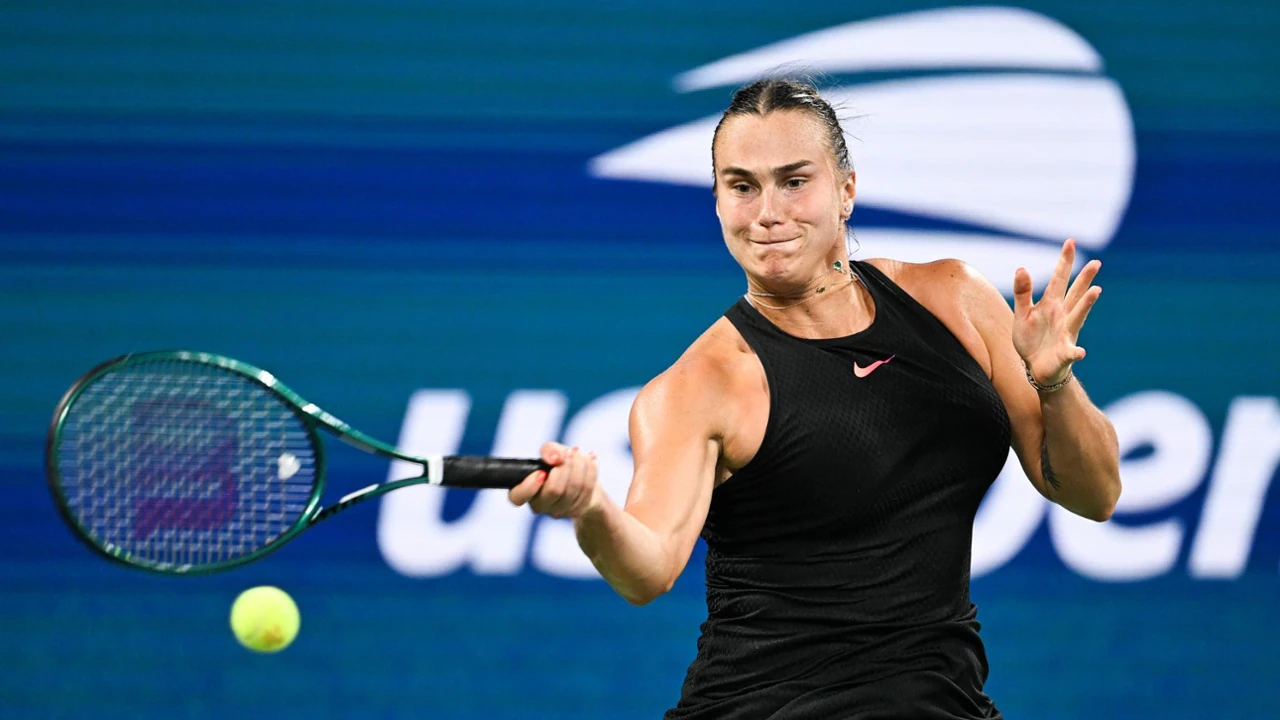
US Open Night Sessions: Why They’re Tennis’s Most Electric Atmosphere
There is nothing in tennis quite like the US Open night sessions. As the sun sets over Flushing Meadows and the lights illuminate Arthur Ashe Stadium, something changes in the air. The crowd grows louder, the energy becomes more intense, and the matches take on a completely different character compared to anything played earlier in the day. Players feel it, fans feel it, and anyone watching from home can sense it through the screen. The US Open night sessions have become one of the most anticipated events on the entire sporting calendar, not just in tennis but across all of professional sport. What Makes US Open Night Sessions Truly Unique To understand why these sessions carry such a special energy, you first need to understand the setting. Arthur Ashe Stadium holds nearly 24,000 spectators, making it the largest tennis stadium in the world. When it is filled to capacity on a warm New York night, the atmosphere it generates is something that no other tennis venue on the planet can match. Wimbledon has its tradition, Roland Garros has its romance, but neither can produce the raw, almost overwhelming noise and excitement that Ashe delivers after dark. The crowd at the US Open night sessions is also unlike any other tennis crowd in the world. New York brings its own personality to everything, and that personality shows up in full force at Flushing Meadows. These are not the polite, hushed galleries of the All England Club. These are passionate, vocal, opinionated fans who cheer between points, react to every winner, and create an environment that is closer to a basketball arena or a boxing venue than a traditional tennis stadium. For players who thrive on crowd energy, there is no better stage on earth. The History Behind the US Open Night Session Tradition The US Open has been hosting night sessions since the 1970s when the tournament first moved to its current home at the USTA Billie Jean King National Tennis Center in Flushing Meadows. The introduction of floodlights and prime-time scheduling was a deliberate strategy to grow the sport’s television audience in the United States, and it worked beyond anyone’s expectations. Over the decades, the US Open night sessions became appointment viewing for millions of tennis fans. Networks would schedule their biggest matches during the evening hours precisely because the atmosphere and the audience were both at their peak. The tradition of placing the top draws in the night slots turned the evening matches into something closer to a headline concert or a championship fight than a regular tennis fixture. Players began to talk openly about the night sessions as a category of their own, something separate from and more significant than daytime matches. How the Atmosphere Affects Player Performance Ask any professional who has played in the US Open night sessions and they will tell you that stepping onto Arthur Ashe after dark is an experience unlike any other in their career. The crowd does not just watch the match, it participates in it. The energy feeds into the players in a way that can completely transform the quality and the drama of the tennis being played. Some players absolutely thrive under those lights. Serena Williams built much of her legendary status through her performances in the night sessions, treating Arthur Ashe like her personal theatre. Rafael Nadal, Roger Federer, Novak Djokovic, and in more recent years Carlos Alcaraz and Coco Gauff have all delivered some of their finest and most memorable tennis when the stakes were highest and the stadium was loudest. The crowd pushes them to another level, and in tight matches the momentum swings that a roaring crowd can create often become just as important as the tennis itself. On the other hand, the night sessions can also be genuinely difficult for players who prefer quieter, more controlled environments. The noise, the energy, and the electric unpredictability of a New York crowd can work against players who need silence and composure to maintain their best tennis. This tension between player temperament and crowd intensity is part of what makes the night sessions so compelling to watch. Iconic Matches That Defined the US Open Night Sessions The history of the US Open night sessions is essentially a highlight reel of some of the greatest tennis matches ever played. These evening slots have hosted countless unforgettable moments that fans still discuss years later. Serena Williams and Venus Williams produced fierce and emotionally charged matches under the Arthur Ashe lights that kept entire nations awake well past midnight. Andre Agassi, who made Flushing Meadows his home court in every meaningful sense, delivered legendary night session performances throughout his career, feeding off the New York crowd in a way that few players have ever managed before or since. More recently, the night sessions have introduced a new generation of stars to the world stage. Carlos Alcaraz’s extraordinary 2022 semi-final against Frances Tiafoe lasted into the early hours of the morning and had the crowd in a state of near delirium from start to finish. That match alone illustrated everything that makes the US Open night sessions special: the duration, the drama, the momentum swings, and the thunderous crowd reactions that turned a tennis match into something approaching a historic event. The Role of Prime Time Scheduling in Building the Drama Part of what gives the US Open night sessions their particular energy is the deliberate craft of the scheduling. The tournament organisers work carefully to ensure that the biggest names and the most anticipated matchups land in the evening slots. This means that by the time the night session begins, fans in the stadium and at home already know they are about to witness something significant. The prime-time television window in the United States means that the night sessions consistently draw massive viewing audiences. This commercial reality has the side effect of making the matches feel even more important, because the players know they are performing for the largest
Read More
FIFA World Cup 2002: The Most Surprising Tournament in History
The FIFA World Cup 2002 was unlike anything football had ever seen before. Co-hosted by South Korea and Japan, it was the first World Cup held in Asia and the first to be shared between two nations. But the venue was not what made it extraordinary. What truly set the FIFA World Cup 2002 apart was the sheer volume of shocks, upsets, and underdog stories that unfolded over the course of just a few weeks. Traditional giants crumbled, newcomers rose to glory, and the entire footballing world was left speechless. Why FIFA World Cup 2002 Defied All Expectations Before the tournament began, most football fans expected the usual suspects to dominate. France were the reigning World Cup champions and European champions, Argentina had one of the most talented squads on the planet, and Italy and Germany were always reliable forces in world football. Yet within the first two rounds, the tournament had already been turned completely on its head. France, despite having Zinedine Zidane, Thierry Henry, and Patrick Vieira in their squad, failed to score a single goal and crashed out in the group stage. They were eliminated without even registering a shot on target in their opening match against Senegal, a game they lost 1-0. Argentina, loaded with stars like Gabriel Batistuta, Juan Sebastian Veron, and Hernan Crespo, also failed to advance past the group stage after a shock defeat to England and a draw with Sweden. Portugal, another heavyweight, were sent home early after a stunning loss to the United States. Senegal’s Fairytale Run That Shocked the World One of the most celebrated stories of the FIFA World Cup 2002 was Senegal’s extraordinary debut on the world stage. Playing in their first ever World Cup, the African nation opened the tournament by defeating reigning champions France. That result alone would have been enough to make history, but Senegal did not stop there. They advanced from the group stage, defeated Sweden in the round of 16, and pushed Turkey hard before eventually losing in extra time at the quarter-final stage. Coached by Bruno Metsu and led by players like El-Hadji Diouf and Papa Bouba Diop, Senegal played with incredible energy, confidence, and skill. Their run captured hearts across the globe and remains one of the greatest debut performances by any nation at a World Cup. The Rise of South Korea and the Home Advantage Factor No story from the FIFA World Cup 2002 generated more debate than the incredible run of co-hosts South Korea. Under the guidance of Dutch manager Guus Hiddink, South Korea became the first Asian team to reach the semi-finals of a World Cup. Along the way, they eliminated some of the most decorated teams in the history of the tournament. They knocked out Spain in the quarter-finals on penalties after a match filled with controversy surrounding refereeing decisions. Before that, they had sent Italy home in the round of 16, with Ahn Jung-hwan scoring a golden goal in extra time. South Korea’s players were tireless, technically sharp, and unbelievably motivated in front of their passionate home crowd. Whether you believe the results were purely earned or partly influenced by controversial officiating, there is no denying that their journey to the semi-finals was extraordinary. They eventually lost to Germany and then fell to Turkey in the third-place playoff, finishing fourth overall. Germany’s Unlikely Path to the Final Ironically, while most of the pre-tournament favourites were being eliminated, Germany quietly marched to the final despite playing some of the most uninspiring football the tournament had seen. They were far from the dominant force of years past, but Oliver Kahn was virtually unbeatable in goal and proved to be the most outstanding goalkeeper of the tournament. Germany defeated Paraguay, the United States, South Korea, and then faced Brazil in the final. Kahn had been virtually untouchable throughout, but he made a rare error in the final, allowing Ronaldo’s shot to slip through for Brazil’s first goal. It summed up the tournament in many ways: even the reliable heroes had their moments of fallibility, and the script never played out as expected. Brazil and Ronaldo’s Unforgettable Redemption If there was one story of triumph that felt earned and deserved, it was Brazil’s, and in particular Ronaldo’s. After suffering a mysterious seizure on the eve of the 1998 World Cup final, Ronaldo’s career had been derailed by injury and illness. Many had written him off entirely. The FIFA World Cup 2002 became the stage for one of sport’s greatest comebacks. Ronaldo finished the tournament as top scorer with eight goals, including two in the final against Germany. He was electric throughout, combining pace, power, and finishing ability in a way that no defender could handle. His partnership with Ronaldinho and Rivaldo gave Brazil an attacking force that was simply irresistible. Brazil won the tournament without losing a single game, claiming their record fifth World Cup title. For Ronaldo personally, it was the complete redemption of a career that had once seemed broken beyond repair. Controversial Refereeing and the Lingering Debates No honest account of the FIFA World Cup 2002 would be complete without acknowledging the refereeing controversies that surrounded certain matches. Several decisions during the tournament drew enormous criticism from neutrals and football analysts alike. Italy had a goal disallowed that appeared perfectly legitimate, and Francesco Totti was controversially sent off against South Korea in the round of 16 match. Spain also had goals ruled out in their quarter-final defeat to the hosts. These incidents sparked debate about the influence of home advantage, pressure on officials, and the standard of refereeing at the highest level. FIFA later implemented several refereeing reforms partly in response to the controversy generated during this tournament. Regardless of one’s interpretation of those events, they added another layer of drama and discussion to an already unforgettable competition. A Tournament That Permanently Changed World Football The FIFA World Cup 2002 left a legacy that extended far beyond the results on the pitch. It proved that African
Read More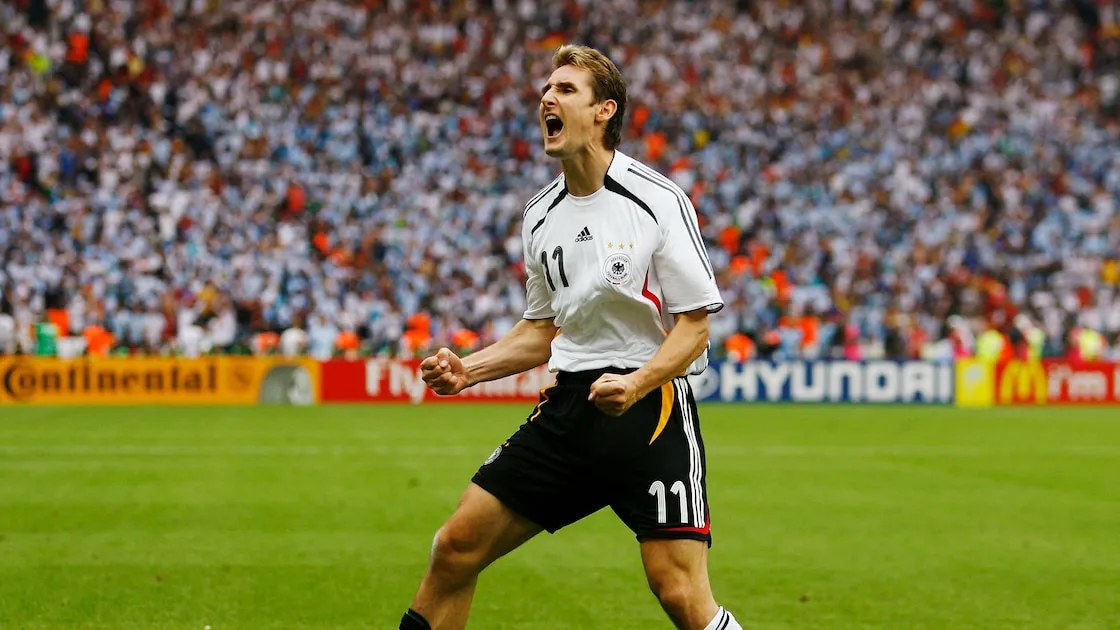
Who Is the All-Time Top Scorer at the FIFA World Cup?
Across more than nine decades of football, no stage has produced pressure like the FIFA World Cup. Nations stop. Streets empty. The weight of an entire country rests on twenty-two players and a single ball. It is in that environment, the most demanding in world sport, that one man rose above every other to claim a record that may never be broken. The FIFA World Cup all-time top scorer is Miroslav Klose of Germany, whose 16 goals across four tournaments represent a standard of sustained excellence that the history of the game has never seen before and is unlikely to see again. The Record That Stands Alone Sixteen goals. Four tournaments. Fourteen years of World Cup football. When Klose retired from international football in 2014, he left behind a scoring record that surpassed every great who had come before him. His 16 goals moved him one clear of Brazil’s Ronaldo, who had held the record at 15 across his own remarkable World Cup career. Klose’s record is not simply the product of longevity, though. It is the result of delivering at the highest level when the stakes demanded it most, a pattern that defined every one of his four appearances on the world’s biggest stage. Tournament by Tournament: How Klose Built the Record Klose’s World Cup story began in 2002 in South Korea and Japan, where a relatively unknown 24-year-old striker announced himself to the global game with five goals, including a hat-trick of headers against Saudi Arabia. His aerial ability and relentless movement made him impossible to manage for opposition defenses, and Germany’s run to the final was built significantly on his contributions. He did not win the tournament, but he introduced himself to the world in the most emphatic way possible. The 2006 World Cup in Germany brought five more goals on home soil, earning him the Golden Boot as the tournament’s top scorer. Playing in front of his own nation, Klose elevated his game further. His movement between the lines, his ability to time runs against high defensive lines, and his composure in front of goal were all on full display. Germany finished third that year, but Klose had confirmed himself as the most dangerous striker in world football. Four goals in 2010 in South Africa took his career total to 14, level with West Germany’s Gerd Müller, then the all-time record holder. By this point, Klose was 32 and questions about his pace and sharpness were being raised. He answered them not with words but with performances, proving that the instincts of a great goalscorer do not diminish with age. Four more goals in 2014 completed the journey, with his 16th arriving in the most dramatic circumstances imaginable. The Goal That Made History On the night of July 8, 2014, in Belo Horizonte, Brazil, Klose wrote the final chapter of his record in a match that football will never forget. Germany’s semifinal against the host nation became one of the most extraordinary evenings in World Cup history. With Germany leading 1-0 through Thomas Müller, Klose latched onto a rebound in the 23rd minute and slotted the ball into the net to make it 2-0. That goal, his 16th World Cup strike, surpassed Ronaldo’s long-standing record and placed Klose alone at the summit of the all-time charts. Germany went on to win 7-1 that night. But for Klose, the number that mattered was one: the single goal that separated him from every striker who had ever played the game. What Made Klose Impossible to Stop at World Cups Statistics only tell part of the story. What made Klose so uniquely dangerous at World Cups was the combination of technical intelligence and psychological composure that surfaced when every match truly mattered. His movement off the ball was studied and precise, creating space that defenders consistently failed to account for. His heading ability, honed from years of technical work, gave him a dimension that made him a threat from virtually every attacking position on the pitch. Beyond the physical and technical qualities, Klose possessed the temperament of a genuine big-game player. There is a documented pattern across his four World Cup campaigns of goals arriving at crucial moments, in knockout rounds, in tight games, and against opponents who had specifically prepared to stop him. He never seemed burdened by the weight of expectation. He seemed, instead, to use it as clarity, knowing that the biggest stages were exactly where his best football would appear. The Other Names in the Conversation To appreciate the full scale of Klose’s achievement, it helps to understand the company he keeps at the top of the all-time scoring charts. Ronaldo of Brazil, one of the most devastating forwards the sport has ever produced, finished his World Cup career with 15 goals across four tournaments spanning 1994 to 2006. Before him, West Germany’s Gerd Müller claimed 14 goals across the 1970 and 1974 editions, a tally built across just two tournaments that speaks to a frequency of scoring almost beyond comprehension. France’s Just Fontaine scored 13 goals in a single World Cup in 1958, a record for goals in one edition of the tournament that remains untouched. Each of these men was a generational talent. That Klose outlasted and outscored all of them is the measure of his greatness. Can Anyone Challenge the FIFA World Cup All-Time Top Scorer Record? Since Klose set the record in 2014, the question of whether any active player could mount a challenge has circled the sport. Cristiano Ronaldo of Portugal has eight World Cup goals across five tournaments. Lionel Messi of Argentina finished his career with 13 World Cup goals after leading Argentina to the 2022 title in Qatar, a magnificent total but still three behind Klose’s mark. Kylian Mbappé, France’s generational forward, has 12 World Cup goals before turning 26, making him the most credible threat to the record in the coming years. Whether he can reach 16 across future tournaments remains one of football’s most compelling
Read More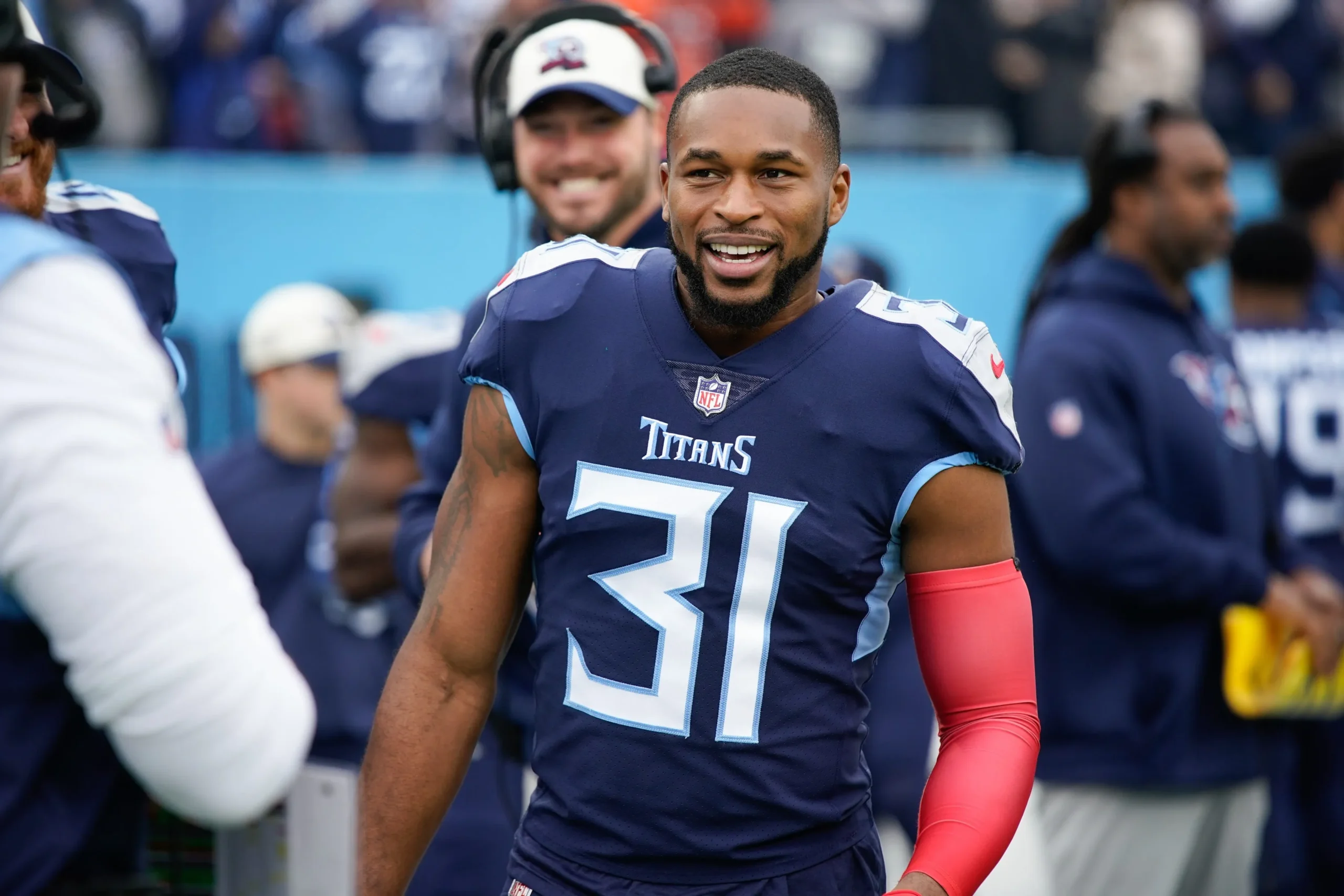
Kevin Byard Signs With the Patriots: Mike Vrabel Reunites With the NFL’s Best Ball-Hawk
FOXBOROUGH — Kevin Byard III is going back to work for Mike Vrabel. The New England Patriots have agreed to terms with the veteran safety on a one-year, $9 million deal, reuniting two men who built something special in Tennessee — and who now arrive in New England with unfinished business and a shared understanding of what it takes to win. Byard, 32, does not walk into Foxborough as a reclamation project or a depth signing. He walks in as the NFL’s active interceptions leader, the man who led the entire league with seven picks in 2025, and one of the most durable players at his position the sport has ever seen. The Patriots did not add a safety. They added an anchor. The League’s Best Ball-Hawk, Still at the Top of His Game Let the numbers speak first. Byard recorded seven interceptions in 2025 — the most of any player in the NFL that season and the second time in his career he has led the league in that category. The first was in 2017, when he hauled in eight. That year, it earned him first-team All-Pro and Pro Bowl recognition. This time, it earned him the same honors for a third time in his career. His 2025 season with the Chicago Bears was not just statistically exceptional — it was physically relentless. He played nearly 100 percent of the team’s defensive snaps, logging 1,070 total, while finishing tied for the team-high with 61 solo tackles among his 93 total. He added eight passes defended and four tackles for loss. For a 32-year-old safety, that workload is extraordinary. For Byard, it was Tuesday. His 36 career interceptions rank second among all active NFL players, trailing only Minnesota’s Harrison Smith at 39. He has posted at least four interceptions in six of his ten professional seasons. These are not flukes. They are a pattern. A Reunion Ten Years in the Making The detail that makes this signing more than a transaction is the history attached to it. Byard spent the first eight years of his career with the Tennessee Titans, and for six of those seasons — from 2018 through 2023 — his head coach was Mike Vrabel. Vrabel coached Byard through his prime. He was on the sideline for the interception titles, for the All-Pro selections, for the stretches of play that established Byard as one of the best safeties of his generation. When Vrabel takes over a locker room, he recruits men he already knows and trusts. Byard is exactly that. For New England, this is not just a football decision. It is a culture decision. Byard was a team captain in back-to-back seasons in Chicago. He has never missed a regular-season game since entering the league as a third-round pick in 2016 — 164 consecutive appearances and 155 starts. In a Patriots building being rebuilt from the foundation up, that kind of professional standard carries weight in ways that do not show up in a contract summary. What Chicago Loses, New England Gains Byard arrived in Chicago in 2024 on a two-year, $15 million deal and immediately became the heartbeat of a secondary in transition. Over 34 starts across two seasons with the Bears, he provided veteran stability to a young defensive unit while continuing to produce at an All-Pro level. His departure leaves a genuine void. Chicago will need to find someone to replace not just the production — which will be nearly impossible to replicate on a short timeline — but the leadership infrastructure he provided as a two-time captain. Those things do not come standard in free agency. New England, by contrast, inherits both. At $9 million for one year, the Patriots are getting a player who, by the market rate of his production, is significantly underpaid. That is the benefit of a player who values winning and familiarity over chasing the largest number on the table. The Streak That Defines His Legacy Before any contract or All-Pro honor, the number that best captures Byard is 164. That is how many consecutive regular-season games he has appeared in without missing a single one — stretching back to his rookie year in 2016. In a sport defined by its physical brutality and injury unpredictability, that streak is almost incomprehensible. He has played through schemes changes, coaching changes, a midseason trade to Philadelphia in 2023, a move to Chicago, and now a free agent landing in New England. Through all of it, he has never been unavailable. For a coaching staff trying to build something sustainable, a player who simply shows up — every week, every snap, every season — is not just valuable. He is foundational. What Comes Next Byard is 32 on a one-year deal, which means the conversation about what his future looks like will begin the moment this season ends. If he performs at anything close to his 2025 level, a multi-year extension in New England is a realistic outcome. If the Patriots make genuine progress under Vrabel in year one, keeping the locker room’s most credentialed veteran would be an obvious priority. For now, the immediate picture is straightforward. Mike Vrabel has his safety. New England has its leader in the secondary. And the NFL’s most consistent ball-hawk has a new city, a familiar face on the sideline, and something to prove all over again. With Byard, that has always been more than enough.
Read More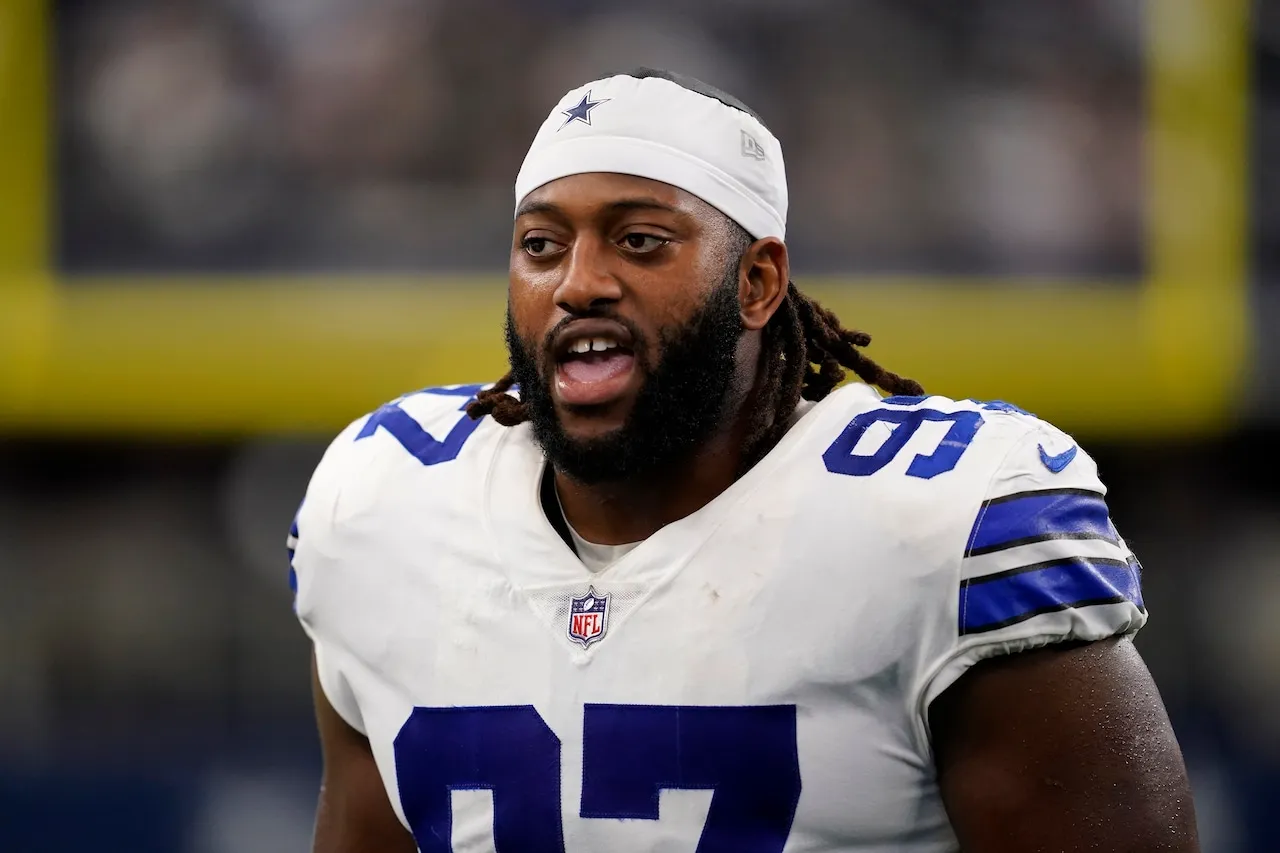
Osa Odighizuwa Net Worth in 2026: The $80M Man Who Just Got Traded for a Bargain
SAN FRANCISCO — Osa Odighizuwa arrived in the Bay Area this week carrying an $80 million contract, a five-season résumé of quiet excellence, and a new zip code he did not see coming. His net worth, estimated at approximately $20 million in 2026, is positioned to grow considerably — now that he steps into the biggest role of his career with a San Francisco 49ers team desperately in need of exactly what he provides. The 27-year-old defensive tackle has spent his entire professional life being underestimated. He was a third-round pick. He played in a defensive line room that never had room for a headline. And just one year after signing one of the richest interior contracts in NFL history, he was traded for a third-round pick. None of that changes what Odighizuwa actually is — one of the league’s most reliable and disruptive interior pass-rushers. San Francisco knows it. That’s why they made the call. What the $80 Million Contract Actually Looks Like Odighizuwa signed a four-year, $80 million extension with the Cowboys in March 2025, carrying a $20 million signing bonus and $52 million in total guarantees, with $39 million fully guaranteed at signing. It was the kind of deal that signals a franchise’s long-term belief in a player — not a bridge contract, not a one-year prove-it deal. His cap hit sits at $16.75 million in 2026, followed by $20.5 million in both 2027 and 2028. Those numbers travel with him to San Francisco, where they now represent the 49ers’ investment in fixing a defensive line that finished the 2025 season as the worst in the NFL at generating pressure. Combined with his rookie scale deal and accumulated Cowboys earnings across five seasons, Odighizuwa has already secured well over $85 million in total career contract value. The richest years of that deal are still ahead. Five Seasons in Dallas: The Numbers That Built His Value Over five seasons with the Cowboys, Odighizuwa started 76 of 84 regular season games, accumulating 216 total tackles, 17 sacks, 81 quarterback hits, and two forced fumbles. He never missed a game due to injury — a streak of durability that interior linemen almost never maintain across half a decade of professional football. During his contract year in 2024, he led the team in interior pressures with 60, while posting career highs of 4.5 sacks and 23 quarterback hits. That performance is what triggered the $80 million extension. It was earned. His 2025 season was quieter by comparison — 3.5 sacks and 44 tackles across 17 games — but context matters. The Cowboys were transitioning schemes and managing a crowded defensive front. His production numbers dropped. His availability did not. Why Dallas Moved On Despite Paying Him $80 Million This is the part that requires explanation. A team does not hand a player $80 million one offseason and ship him out the next unless the roster math becomes genuinely unworkable. The Cowboys received veteran defensive tackle Kenny Clark from Green Bay as part of the Micah Parsons trade last August, then traded for defensive tackle Quinnen Williams — sending a first-round pick in the 2027 draft and a second-round pick in 2026 to the Jets. Suddenly, Dallas had three high-priced interior tackles and a new defensive coordinator changing the entire scheme. Under new defensive coordinator Christian Parker, the Cowboys are transitioning to a 3-4 front — a system that left Odighizuwa undersized as a 4i end and miscast at outside linebacker. The football fit had evaporated. Releasing him was not an option — his 2026 salary is fully guaranteed, meaning a cut would have generated $32.75 million in dead cap money. A trade was the only viable path out. Dallas cleared Odighizuwa’s $16 million cap hit and recouped a third-round pick in the process — capital the Cowboys did not previously own in the 2026 draft. What San Francisco Is Actually Getting The 49ers did not make this trade because a slot opened up. They made it because they had a documented problem and Odighizuwa is a documented solution. San Francisco finished the 2025 season with just 20 sacks — the fewest in the entire league, six fewer than the next-closest team. The 49ers also ranked 29th in pass rush win rate. Those are the numbers of a team that cannot get to the quarterback. Interior pass-rush is where it starts. The trade also reunites Odighizuwa with Matt Eberflus, who served as Dallas’ defensive coordinator last season and now holds the role of assistant head coach of defense in San Francisco. Eberflus knows Odighizuwa’s game intimately — his tendencies, his best alignments, where he is most dangerous. That familiarity shortens the adjustment curve considerably. The Wrestler From Dayton Who Built a $20 Million Net Worth The financial story of Osa Odighizuwa does not begin with an NFL contract. It begins in Dayton, Ohio, where he grew up in a Nigerian-American household that carried heavy burdens. His father was convicted in connection with the 2002 Appalachian School of Law shooting — a shadow that could have defined him. It did not. He channelled everything into wrestling. He went undefeated across two complete high school seasons — 46-0 and 45-0 — and won three consecutive state heavyweight championships. That competitive obsession translated directly to the football field, where he became one of the Pac-12’s most disruptive interior linemen at UCLA before the Cowboys selected him 75th overall in 2021. His older brother, Owa Odighizuwa, also played in the NFL as a defensive end. Football is in the family. So is resilience. Where the Money Goes From Here Odighizuwa is 27 years old, under contract through 2028, and about to play for a team that will use him as a centrepiece rather than a depth piece. The circumstances that contained his production in Dallas no longer exist. Analysts who track NFL player earnings expect his net worth to cross $40 million by 2028 if he performs at the level his contract demands and the
Read More