
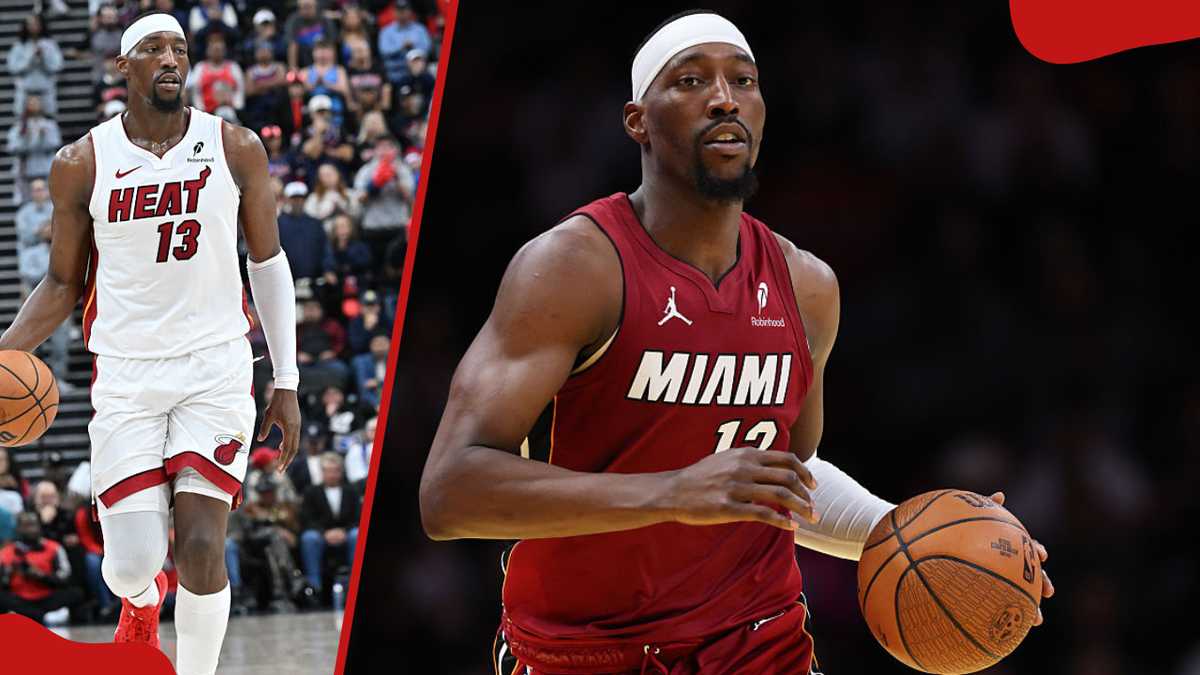
Bam Adebayo Net Worth in 2026: NBA Salary, Contracts, and Career Earnings
MIAMI — Bam Adebayo, the Miami Heat’s franchise centerpiece, has an estimated net worth of between $20 million and $22 million as of 2026. While his cumulative on-court career earnings have already surpassed $176 million, net worth is a different figure, it reflects what remains after taxes, agent fees, and living expenses are accounted for alongside his active investments and endorsement income. The 28-year-old center’s financial standing continues to grow, anchored by a record-breaking contract extension that begins paying out in the 2026-27 season and a commercial profile that was significantly elevated by one of the most remarkable individual performances in NBA history. Career Earnings: From Rookie Deal to $176 Million Adebayo entered the league as the 14th overall pick in the 2017 NBA Draft, signing a four-year rookie scale contract worth approximately $14 million, with nearly $5.5 million guaranteed. For a player raised by a single mother in modest circumstances in North Carolina, the contract represented a fundamental change in his family’s financial situation. The Heat moved quickly to retain him. In November 2020, following Adebayo’s role in leading Miami to the NBA Finals, the organization handed him a five-year, $163 million Designated Rookie Extension, fully guaranteed. It was a clear signal of the franchise’s long-term commitment to building around him. By the end of the 2025-26 NBA season, Adebayo’s total cumulative on-court career earnings will have reached approximately $176.8 million, the actual money paid out across all contracts he has signed with Miami. Current Salary: 2025-26 Season For the current 2025-26 campaign, the final year of his previous contract, Adebayo is earning a base salary of $37,096,620. It remains one of the higher individual salaries in the NBA this season, reflecting his status as a franchise-level player heading into the richest phase of his career. The 2024 Extension: Locked In Through 2028-29 The most significant milestone in Adebayo’s financial profile came in July 2024, when he and the Heat agreed to a three-year maximum veteran extension worth approximately $166 million. The deal runs through the 2028-29 season and begins in 2026-27. His starting salary under the new contract is estimated at $49.8 million for the 2026-27 season, making him one of the highest-paid centers in the history of the league. The extension was negotiated in the context of Adebayo’s continued development as one of the most versatile big men in the sport, a player capable of anchoring both ends of the floor while functioning as a primary playmaker for Miami’s offense. Financial Snapshot: Bam Adebayo at a Glance Financial Metric Figure Estimated Net Worth (2026) $20 million – $22 million Total Career Earnings (to end of 2025-26) ~$176.8 million Current Season Salary (2025-26) $37,096,620 New Extension Total Value ~$166 million (3 years) New Contract Start Year 2026-27 season Starting Salary (2026-27) ~$49.8 million Jordan Brand Deal (signed) 2021, multi-year Other Brand Partnership Amerant Bank ambassador Off-Court Income: Jordan Brand and Amerant Bank NBA salary forms the foundation of Adebayo’s earnings, but endorsements add a meaningful layer on top. His most significant off-court deal is a multi-year partnership with Jordan Brand, the Nike subsidiary, which he signed in 2021. The deal aligns him with one of the most recognizable athletic labels in the world and places him in a select group of NBA players who carry that particular affiliation. He also serves as a brand ambassador for Amerant Bank, a Florida-based financial institution, a partnership that reflects both his standing in the Miami community and the growing interest from regional and national brands in associating with him. Players operating at Adebayo’s level on the court and with his profile typically earn between $3 million and $10 million annually from endorsement deals, a range that would push his total yearly income well above his base salary alone. March 2026: The 83-Point Game and Its Commercial Impact No single moment in recent memory elevated Adebayo’s public profile more dramatically than the night of March 10, 2026. Playing against the Washington Wizards, Adebayo scored 83 points — the second-highest single-game total in NBA history, behind only Wilt Chamberlain’s 100-point performance in 1962. The performance immediately broke through the boundaries of the sport’s traditional fanbase. Social media engagement around his name surged. The collectibles market, which tracks player popularity through card sales and memorabilia demand, saw a significant spike in Adebayo-related activity in the days that followed. Commercially, moments like this tend to generate sustained rather than temporary interest from marketing partners. The sustained visibility that follows a historic individual performance typically opens conversations with brands that would not previously have prioritized a particular athlete. In Adebayo’s case, his representatives reported increased interest from new potential partners in the aftermath. The 83-point game made Adebayo only the second player in NBA history to score that many points in a single game, placing his name alongside Wilt Chamberlain in the sport’s all-time individual scoring record books. On-Court Profile and Accolades Adebayo’s financial value is grounded in what he produces on the court. Across his career he averages 20.0 points, 9.8 rebounds, and 2.9 assists per game. He has been selected to the NBA All-Star Game multiple times, earned multiple All-Defensive Team selections, and won two Olympic gold medals with Team USA at the 2020 Tokyo Games and the 2024 Paris Games. He is widely regarded as one of the league’s premier two-way centers, a player whose value extends beyond scoring into the areas of defensive anchor, pick-and-roll coverage, and playmaking from the high post that relatively few centers in league history have been able to provide at his level. The Personal Context Behind the Numbers For Adebayo, the financial figures carry a weight that goes beyond professional achievement. He was born in Newark, New Jersey and moved with his mother to North Carolina at age seven, where the two lived in a single-wide trailer. His father was largely absent throughout his childhood. His mother worked multiple jobs to support them. After signing his $163 million extension in 2020, one of his first uses
Read More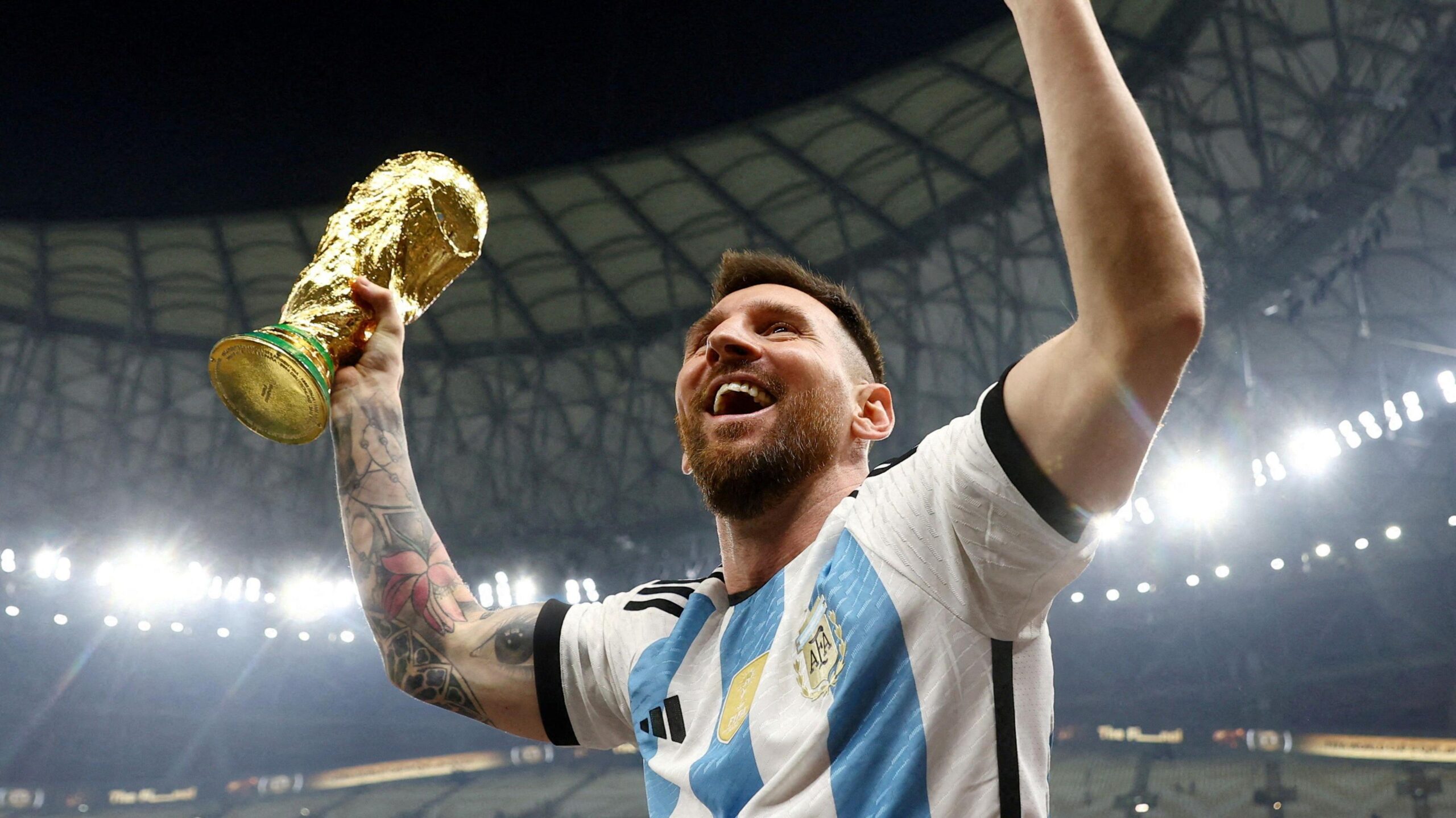
History of the FIFA World Cup: Every Tournament From 1930 to Today
The history of the FIFA World Cup is one of the greatest stories in all of sport. What began as a bold experiment in 1930 has grown into the most watched sporting event on the planet, drawing billions of viewers every four years. Football had featured at the Olympics, but FIFA president Jules Rimet believed the sport deserved its own global stage. Uruguay, fresh off Olympic gold in 1928, was chosen as the first host nation, and 13 teams made the journey to South America to compete for the very first World Cup trophy. Uruguay delivered a perfect fairytale, defeating Argentina 4 to 2 in the final in front of a packed Estadio Centenario in Montevideo. The tournament set the template for everything that followed. The Pre-War Era: 1934 and 1938 Italy hosted the 1934 World Cup and claimed the title on home soil, defeating Czechoslovakia in the final. Benito Mussolini used the tournament for political spectacle, but the football itself was fierce and competitive. Italy retained their title four years later in France in 1938, becoming the first nation to win back-to-back World Cups. Brazil announced themselves as an emerging force, and the tournament was notable for some of the highest-scoring matches in the competition’s history. The Second World War then forced a 12-year gap before the World Cup could return. Brazil 1950: The Maracanazo Shock The history of the FIFA World Cup contains no greater upset than what happened in Rio de Janeiro in 1950. Brazil, playing in front of nearly 200,000 fans at the Maracana, needed only a draw against Uruguay to win the title. Uruguay won 2 to 1. The moment, known as the Maracanazo, left an entire nation in mourning and remains one of the most dramatic days in football history. That tournament was also unique in using a final group stage rather than a knockout final, a format never repeated. The 1950s and 1960s: West Germany, Brazil, and New Powers West Germany claimed their first World Cup title in 1954 in Switzerland, beating the heavily favored Hungarians 3 to 2 in what became known as the Miracle of Bern. Brazil then dominated the late 1950s and 1960s, winning in Sweden in 1958 with a 17-year-old Pelé announcing himself to the world, and again in Chile in 1962. England finally had their moment in 1966 on home turf at Wembley, defeating West Germany 4 to 2 in extra time. Geoff Hurst’s hat-trick remains the only one ever scored in a World Cup final. The 1970s: The Peak of Brazilian Football Brazil’s 1970 squad, widely considered the greatest international team ever assembled, swept through Mexico and defeated Italy 4 to 1 in the final. Pelé, Jairzinho, Tostão, and Rivellino played football that felt decades ahead of its time. West Germany and the Netherlands dominated the next tournament in 1974, with the Dutch introducing the concept of Total Football under Rinus Michels. Despite their brilliance, the Netherlands lost the final to West Germany. Argentina then hosted in 1978, with the host nation controversially winning their first title. The controversy surrounding that tournament has never fully faded. The 1980s: Maradona, Mexico, and Memorable Moments The 1982 World Cup in Spain is remembered as one of the most entertaining tournaments in the history of the FIFA World Cup, even though Italy won it. Brazil played breathtaking football only to fall against Italy in a group stage thriller. Italy’s Paolo Rossi, returning from a match-fixing ban, scored a hat-trick to end Brazil’s campaign and went on to win the Golden Boot. The 1986 tournament in Mexico belonged entirely to Diego Maradona. Argentina’s captain produced arguably the greatest individual performance in World Cup history, including both the infamous Hand of God goal and the Goal of the Century against England in the same quarter-final. Argentina defeated West Germany in the final to claim the title. The 1990s: Tactical Football and Surprise Champions Italia 90 was a defensive, tense affair that produced the lowest goals per game average in World Cup history, yet it captured the world’s imagination through its drama. West Germany won a tight final against Argentina, 1 to 0. The 1994 World Cup, held in the United States, ended with the first-ever penalty shootout final, with Brazil beating Italy after a goalless 120 minutes. Roberto Baggio’s missed penalty remains one of football’s most iconic images. France hosted and won in 1998, with Zinedine Zidane scoring twice in the final against a mysteriously subdued Brazil team. Ronaldo’s strange illness before the match remains one of football’s enduring mysteries. The 2000s: Ronaldo’s Redemption and Italy’s Fourth Star Brazil won the 2002 World Cup in South Korea and Japan, with Ronaldo spectacularly redeeming himself by scoring twice in the final against Germany. That tournament also produced the biggest shock in World Cup history, with Senegal defeating reigning champions France in the opening game. Germany hosted a spectacular 2006 tournament full of attacking football. Italy triumphed on penalties over France in the final, a game remembered as much for Zidane’s infamous headbutt on Marco Materazzi as for the football itself. Zidane received a red card in his final professional match. The 2010s: Spain’s Golden Generation and Germany’s Dominance South Africa made history in 2010 as the first African nation to host the World Cup. Spain, powered by their dominant Barcelona and Real Madrid players, won their first ever title with Andrés Iniesta’s extra-time goal defeating the Netherlands. The vuvuzelas became the soundtrack of the tournament. Brazil hosted in 2014 and suffered the most humiliating defeat in their history, losing 7 to 1 to Germany in the semi-finals in what Brazilians still call the Mineirazo. Germany claimed their fourth World Cup title, defeating Argentina 1 to 0 in the final through Mario Götze’s extra-time goal. Russia 2018 delivered surprises from the very first round. France, led by the brilliance of Kylian Mbappé, won their second World Cup title by defeating Croatia 4 to 2 in an entertaining final. Defending champions Germany were eliminated
Read More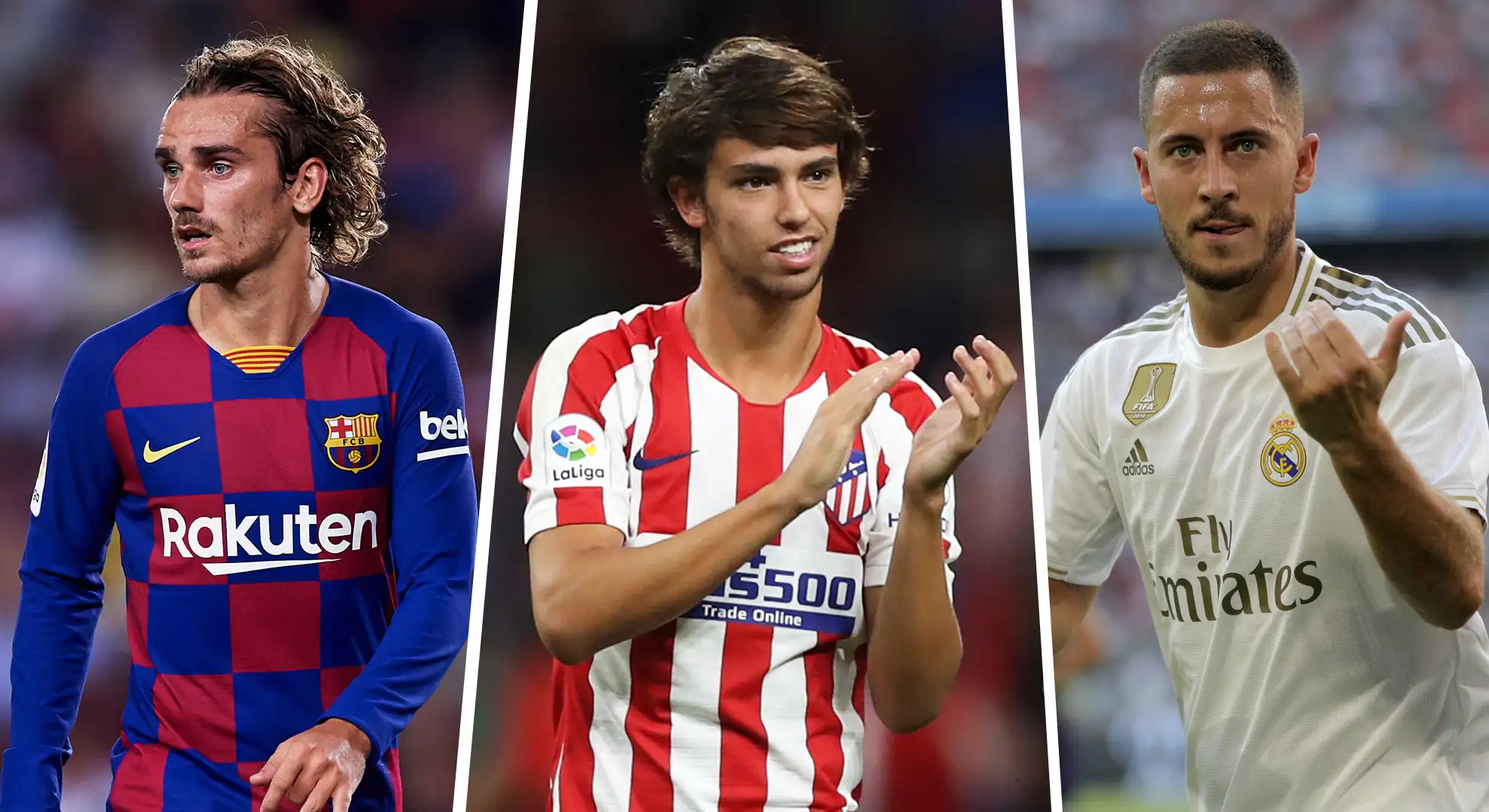
Most Expensive Football Transfers Ever: The Record Holders That Shocked the World
Football has always been a sport of passion, skill, and spectacle. But over the past two decades, it has also become one of the most extraordinary financial ecosystems on the planet. Transfer fees that once seemed unimaginable are now almost routine, and the players who command these fees have become more than athletes. They are global brands, cultural icons, and billion-dollar assets. If you have ever wondered which footballers carry the highest price tags in history, here is a complete breakdown of the most expensive football transfers ever made and the stories behind them. Why Do Football Transfer Fees Keep Breaking Records? Before diving into the numbers, it is worth understanding why these fees exist at all. Modern football is a commercial machine. Broadcasting rights, sponsorship deals, shirt sales, and global fanbases all contribute to clubs having enormous financial firepower. When a world-class player enters the market, clubs do not just bid on talent. They bid on influence, marketability, and the potential to dominate competitions. Bidding wars between the richest clubs drive prices to staggering heights, and that is exactly how we arrive at the figures you are about to read. Neymar to PSG: The Transfer That Changed Everything Neymar holds the record for the single most expensive transfer in football history. In 2017, the Brazilian forward moved from Barcelona to Paris Saint-Germain for an astonishing fee of €222 million, shattering the previous record and reshaping the entire transfer market. PSG triggered Neymar’s release clause in what many described as a financial earthquake. No club had ever spent anything close to that figure for a single player. While Neymar continued to showcase his quality after the move, his time in France was plagued by injuries and he never made more than 31 appearances in a single season, ultimately falling short of delivering PSG the Champions League title they had signed him to lead them to. Now eight years on, Neymar’s transfer still stands head and shoulders above the rest and is almost certain to remain the highest fee for years to come, with no deal since coming close to the astronomical amount paid by PSG. Kylian Mbappé: The €180 Million Prodigy Right behind Neymar on the all-time list sits his former teammate at PSG. The transfer of French forward Kylian Mbappé from AS Monaco to Paris Saint-Germain was finalised shortly after Neymar’s move. Although initially a loan, the permanent deal was valued at €180 million. Mbappé is considered one of the sport’s most valuable assets, justifying the huge investment from the Parisian club. Mbappé cemented himself as one of the world’s best players during his time in the French capital, scoring 256 goals and registering 96 assists in 308 appearances for PSG before eventually moving to Real Madrid in the summer of 2024. His career has vindicated every euro of that original fee and then some. Alexander Isak: The New Premier League Record Holder Among the most expensive football transfers of recent times, one name has dominated headlines in 2025. Alexander Isak’s €145 million transfer to Liverpool in 2025 was a record-breaking deal, making it the most expensive transfer in Premier League history. The 25-year-old Swedish striker has scored more than twenty goals in two consecutive seasons and brings exceptional versatility to Liverpool’s attack. Isak’s long-awaited move from Newcastle to Liverpool finally went through on transfer deadline day in the summer of 2025, with the Reds paying a British record fee of £125 million. The Sweden international had made it clear at the start of the window that he wanted to leave St James’ Park, and Newcastle reluctantly accepted the offer. His arrival at Anfield signals Liverpool’s serious intent to compete at the very highest level in Europe. Ousmane Dembélé: The Expensive Replacement for Neymar When Neymar left Barcelona, the Spanish giants moved quickly to fill the void. Ousmane Dembélé joined Barcelona in 2017 as one of the players brought in to replace Neymar. With a transfer fee of €135 million, he became Barcelona’s second most expensive signing at the time. His Barcelona career was turbulent, marked by injuries and inconsistency. However, his story took a remarkable turn after leaving Catalonia. Dembélé has forced many to eat humble pie following his extraordinary 2024-25 campaign that is likely to secure him the Ballon d’Or. He is fifth in total accumulated transfer fees and has blossomed since returning to France with Paris Saint-Germain. It is one of the great redemption arcs in modern football. Jude Bellingham and the Next Generation of Big-Money Signings The era of most expensive football transfers is not just defined by established superstars. Young talent commands extraordinary fees too. In 2023, Real Madrid signed 19-year-old Jude Bellingham from Borussia Dortmund for €127 million. Since joining the club, the box-to-box midfielder has developed into one of La Liga’s superstars, winning the Golden Boy award and being named La Liga Player of the Season. Bellingham’s transfer represents a new trend: clubs are now willing to invest heavily in players who have not yet reached their peak, betting on potential rather than proven greatness at the very top level. Florian Wirtz: Liverpool’s Statement Signing Liverpool’s ambitions in 2025 extended beyond Isak. Florian Wirtz’s transfer to Liverpool for €125 million in 2025 set a new transfer record for the reigning German national champions. Following a successful 2023-24 season in which Bayer Leverkusen secured their first ever double, Wirtz had attracted significant attention from clubs including Manchester City and Bayern Munich before ultimately choosing Liverpool. This transfer made Wirtz the most expensive German player ever, underlining his status as one of the greatest talents of his generation. The English Premier League’s financial might continues to attract the finest talents across Europe, and Wirtz is the latest proof of that pull. Enzo Fernández, Eden Hazard and the High-Risk, High-Reward Gambles Not every record-breaking transfer delivers on its promise. Enzo Fernández’s €121 million transfer to Chelsea in January 2023 set a new Premier League club record at the time. The Argentine midfielder, who won
Read More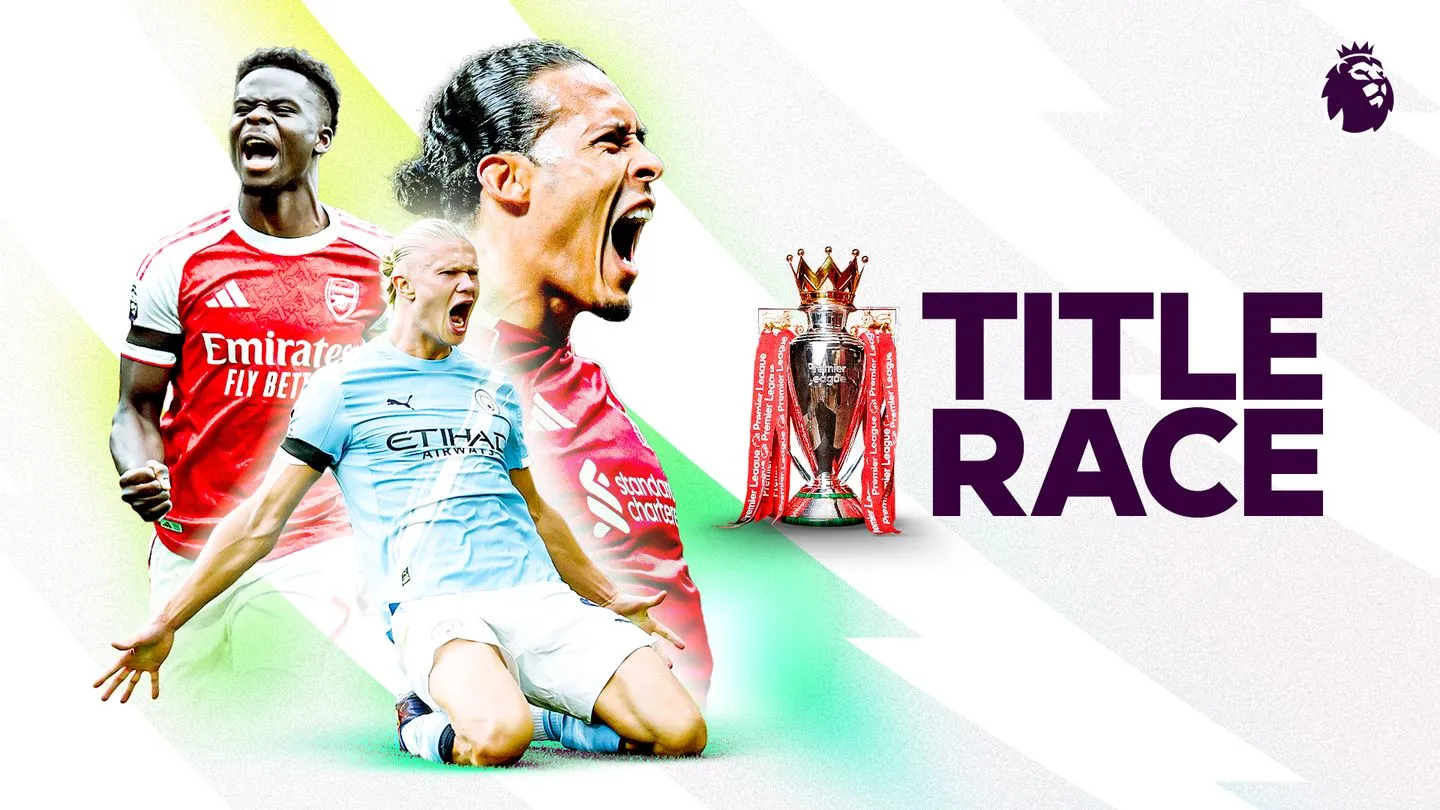
Premier League 2025-26 Title Race: Real-Time Analysis
English football’s greatest prize is within touching distance of one club and fading fast for everyone else. The Premier League 2025-26 title race has narrowed to a two-horse contest between Arsenal and Manchester City, with the Gunners holding a seven-point lead and nine games remaining. Arsenal have not won the Premier League since the 2003-04 season, making this the closest they have come to ending a 22-year wait. Whether they hold their nerve or collapse under pressure is the defining question of the English football season. Here is every dimension of the race, analysed in full, as it stands right now. Where the Premier League 2025-26 Title Race Stands Right Now Arsenal sit at the summit of the Premier League table with 67 points, holding a seven-point gap over second-placed Manchester City. It is looking like a two-horse race for the title, with Arsenal holding a healthy advantage as the season enters its decisive final stretch. Arsenal have regained their poise after a rocky February, winning back-to-back London derbies against Tottenham Hotspur and Chelsea to reassert their authority at the top. Aston Villa had looked like an outside shout in the race but have fallen away, allowing Manchester United to jump above them in third. Liverpool, the defending champions, have endured too inconsistent a campaign to mount a serious challenge at this stage. The race is Arsenal’s to lose, and City’s to steal. Arsenal’s Pursuit of a First Title in 22 Years Mikel Arteta’s men headed into the final ten matches of the Premier League season with a healthy lead but everything still up for grabs. Arsenal’s latest setback came at Molineux, where they let a two-goal cushion evaporate in a dramatic 2-2 draw against Wolverhampton Wanderers in February — a result that briefly invited anxiety into their campaign before subsequent London derby wins steadied the ship. Arteta has implemented a tactical philosophy rooted in possession control, progressive build-up play, and disciplined defensive structure, and that identity has held firm across the full arc of the season. Goalkeeper David Raya leads the Golden Glove race with 13 clean sheets, providing a foundation that allows Arsenal’s attacking players to operate with confidence. Arsenal have not won at the Etihad Stadium since 2015 — a fact that looms over the April showdown with City that could define the entire title race. Manchester City’s Relentless Pursuit and the Guardiola Factor Manchester City are not finished. City are the only team in Premier League history to win four consecutive titles, from 2020-21 to 2023-24, and that institutional knowledge of winning title races under pressure cannot be underestimated. City’s squad depth and recent history of late-season surges give them a psychological edge, especially as they prepare for their game in hand and the looming direct clash with the Gunners. Erling Haaland has already scored 22 league goals this season and remains the most dangerous individual match-winner in the division. City face Chelsea and Arsenal in consecutive April weeks with a possible Champions League quarterfinal touching those games, meaning their schedule carries significant congestion risk at exactly the moment their title challenge needs to peak. The Dark Horses Threatening to Derail the Premier League 2025-26 Title Race Liverpool are the defending champions, having won their second Premier League title and 20th English top-flight crown overall in the previous season, but their 2025-26 campaign has not matched that standard. Liverpool have won just two Premier League matches in 2026 so far, a run that has effectively ended their realistic title aspirations and left them fighting for a Champions League place instead. Chelsea, operating under their third manager of the season following Liam Rosenior’s appointment in January, remain unpredictable. The Blues face Man City and Manchester United a week apart in April and Liverpool and Spurs a week apart in May, making them a potential wrecker of title ambitions even if they cannot mount one of their own. Aston Villa’s challenge has faded with just one win in their last five games leaving them with too much ground to close. Fixtures, Form, and the Defining Runs That Will Settle the Title The fixture list now holds the fate of both clubs. Only three of Arsenal’s remaining eight matches are away, and just one of those is outside London — the duel with Man City at the Etihad. That simplicity of travel and familiarity of environment is a meaningful advantage in a gruelling final stretch of the season. The weekend of April 19 is shaping up to be the most consequential fixture block of the entire season, with Man City versus Arsenal headlining a remarkable programme that also includes Chelsea versus Manchester United and Everton versus Liverpool. Arsenal and City also meet in the Carabao Cup Final on March 22, adding a parallel competition battle to the league rivalry. Arsenal head into their final nine games with their lead intact, meaning even a defeat at the Etihad would leave their fate largely in their own hands. Key Players Who Will Decide the Premier League Title Race Bukayo Saka, Gabriel Martinelli, and Jurrien Timber bring energy, creativity, and intensity, while Martin Ødegaard and William Saliba provide tactical leadership and stability across Arsenal’s spine. Declan Rice has been the engine of Arsenal’s midfield throughout the campaign, combining defensive reliability with the ability to drive forward and create. When Saka is at his most direct and Ødegaard is dictating tempo, Arsenal are capable of defeating anyone remaining on their schedule. For City, everything flows through Haaland’s movement and the spaces Pep Guardiola’s system creates around him. Haaland is widely regarded as one of the most clinical strikers in the world, and City need to stay more resolute at the back to complement his output — a home draw with Nottingham Forest in early March was precisely the kind of defensive lapse that title-winning sides cannot afford at this stage. What History Tells Us About Title Races at This Stage History is generous with its lessons but sparing with its guarantees. In
Read More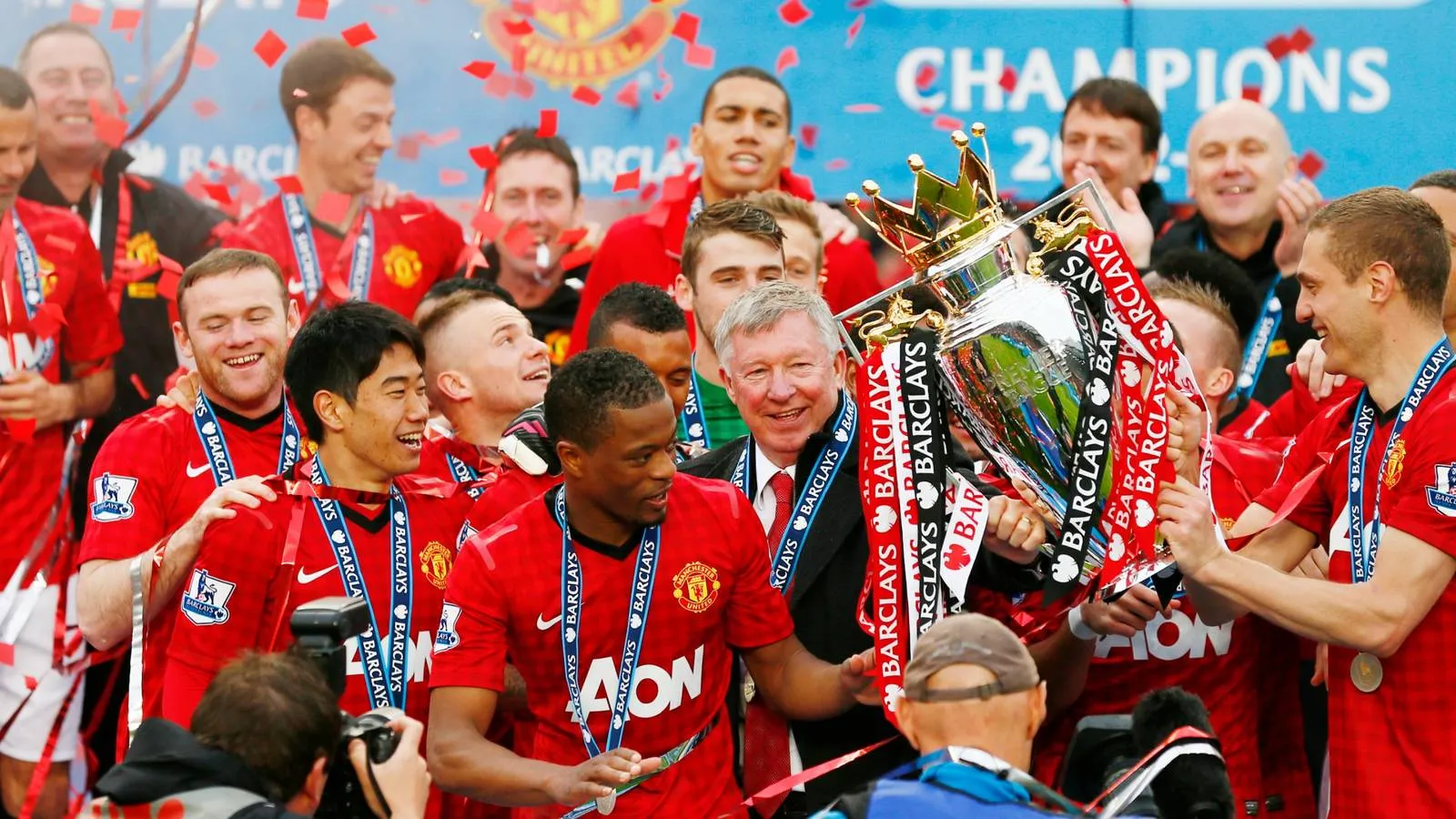
Sir Alex Ferguson’s Manchester United: 13 Premier League Titles Legacy
Sir Alex Ferguson didn’t just manage Manchester United. He built an empire, dismantled it, and built another one without ever loosening his grip on English football. Across 26 years at Old Trafford, he delivered 13 Premier League titles, a record so far ahead of any other manager in the competition’s history that it exists in a category entirely its own. Understanding how those titles were won, and what they collectively represent, is to understand the greatest dynasty English football has ever produced. How Sir Alex Ferguson’s Manchester United Redefined English Football When Ferguson arrived at Old Trafford in November 1986, he inherited a club that had not won the First Division title since 1967. The culture was stale, the standards were slipping, and the gap to Liverpool, then the dominant force in English football, felt enormous. What followed was a systematic reconstruction of everything — the youth academy, the scouting network, the dressing room culture, and the expectation of what Manchester United should be. By the time the Premier League era began in 1992, the foundations were already laid. What came next was simply inevitable. The First Title and the Dynasty That Followed The 1992–93 season delivered United’s first league title in 26 years, and the relief it carried was almost physical. With Eric Cantona arriving from Leeds United midseason, the missing piece clicked into place. United finished ten points clear and the Premier League era had its first dominant force. The 1993–94 title followed immediately, this time by eight points, and it became clear that this was not a one-season correction. Ferguson had changed something structural at the club, and the trophies were the proof. The Treble Season: Sir Alex Ferguson’s Manchester United at Their Peak If any single season defines what Sir Alex Ferguson’s Manchester United were capable of, it is 1998–99. United won the Premier League, the FA Cup, and the UEFA Champions League in the same campaign, completing a treble that no English club had achieved before and none has matched since. They clinched the Premier League on the final day of the season, then won the Champions League final against Bayern Munich with two injury-time goals. The improbability of it, the sheer refusal to accept defeat, carried Ferguson’s fingerprints all over it. It remains the most celebrated season in the club’s history. The Players Who Built the Titles No manager wins thirteen championships alone, and Ferguson’s greatest skill may have been his ability to identify, develop, and cycle through generations of exceptional players. Eric Cantona gave the first titles their swagger. Roy Keane provided the aggression and leadership that defined the late 1990s teams. Paul Scholes and Ryan Giggs anchored the midfield across multiple eras with a consistency that defied time. Cristiano Ronaldo arrived in 2003 as a raw teenager from Sporting Lisbon and left in 2009 as the best player on the planet. Wayne Rooney added physicality and clinical finishing to the 2007–08 and 2010–11 title campaigns. Each generation was different. Each one won. Ferguson’s Tactical Genius Across Thirteen Campaigns What makes the Ferguson Premier League titles particularly remarkable is how stylistically varied they were. Early title-winning sides were built on pace, direct play, and the platform of a dominant home record at Old Trafford. By the mid-2000s, the system had evolved into something more controlled and possession-based, reflecting the influence of players like Scholes and Michael Carrick. The 2007–08 title-winning team, which also claimed the Champions League, played some of the most complete football the Premier League had seen. Ferguson never allowed his methods to become predictable or outdated, and that tactical evolution is precisely why the titles continued arriving long after rivals assumed he had peaked. The Rivals Ferguson Refused to Let Win Every great dynasty needs adversity, and Ferguson faced it repeatedly. Arsenal’s Invincibles went the entire 2003–04 season unbeaten and claimed the title that year, one of the few campaigns where United fell short. Rather than accept the shift in power, Ferguson rebuilt and returned stronger. When Roman Abramovich’s money transformed Chelsea into serial contenders from 2004 onward, Ferguson matched them psychologically and tactically, winning three of the next seven titles. When Manchester City began spending on a scale that redefined football’s financial landscape, he delivered the 2010–11 title by nine points. He never conceded the landscape. He simply adapted and overcame. What Sir Alex Ferguson’s 13 Premier League Titles Mean for Manchester United’s Legacy The statistical weight of thirteen titles is almost difficult to process in isolation. The next highest total by any Premier League manager stands at six, and Ferguson’s 13 came at a single club, across a single era, in the most competitive league in the world. His win percentage across Premier League seasons exceeded 60 percent. United finished outside the top three only once during his entire tenure in the Premier League. These numbers, placed alongside any measure of managerial greatness in football history, leave Ferguson without a credible rival for the title of the greatest club manager the game has ever seen. The Final Title and the End of an Era The 2012–13 season was Ferguson’s farewell, and he delivered it in the manner of someone who had always controlled the ending. United won the Premier League by eleven points, their largest winning margin in the competition’s history, with Robin van Persie’s partnership with Rooney providing the attacking foundation. When Ferguson announced his retirement in May 2013, it felt simultaneously like the perfect conclusion and the beginning of an unresolvable absence. No successor has come close to replicating what he built. The Premier League title has not returned to Old Trafford since. The Enduring Legacy of the Greatest Manager English Football Has Ever Seen Sir Alex Ferguson’s Manchester United left behind something that statistics alone cannot fully contain. Thirteen Premier League titles represent a record, yes, but they also represent a philosophy — that excellence is not accidental, that dynasties are built through relentless standards, and that the measure of a great manager is
Read More
Tennis Equipment Evolution: From Wooden Rackets to Modern Technology
Tennis has always been a sport where the tools matter as much as the talent. The racket in a player’s hand, the strings across its frame, the shoes on the court — every single piece of equipment has undergone dramatic transformation since the game was first codified in the 1870s. What began with heavy wooden frames and rudimentary stringing is now a precision engineering exercise involving aerospace-grade materials, biomechanical research, and data-driven design. This is the full story of tennis equipment evolution, and how every major shift rewrote what was possible on court. How Tennis Equipment Evolution Began with the Wooden Racket Era The earliest tennis rackets were handcrafted from ash or beech wood, laminated in thin layers and pressed into shape over weeks. They were heavy by modern standards, typically weighing around 380 to 420 grams, with small heads measuring approximately 65 square inches and very little flexibility in the frame. Players adapted their entire game around these limitations, relying on flat, controlled strokes and net approaches because the equipment simply could not generate the power or spin that modern tennis demands. Despite their constraints, wooden rackets produced some of the most technically precise players the sport has ever seen. Rod Laver, Ken Rosewall, and Billie Jean King built careers of extraordinary quality using nothing more than crafted wood and natural gut strings. The limitations of the equipment shaped a playing style defined by touch, placement, and strategic intelligence rather than raw power. The Shift to Metal and Composite Frames The first serious challenge to wooden racket dominance came in the late 1960s when metal frames began appearing on tour. Wilson’s T2000 steel racket, famously used by Jimmy Connors throughout the 1970s, was one of the earliest metal frames to gain widespread visibility at the professional level. It offered a larger sweet spot and more consistent response across the stringbed compared to wood, though it introduced its own set of vibration issues that players had to manage. Aluminum frames followed, offering a lighter alternative that brought the racket to a broader recreational market. These composite and metal designs bridged the gap between the wooden past and the technological future, making the game more accessible to casual players and planting the seed for the revolution that was coming. How Graphite Rackets Changed Tennis Forever The arrival of graphite frames in the late 1970s and through the 1980s is the single most consequential moment in tennis equipment history. Howard Head’s oversized Prince Classic, introduced in 1976, paired a dramatically enlarged head size with composite materials and fundamentally altered what players could achieve. Graphite offered a combination of stiffness, low weight, and power transmission that no previous material had come close to matching. By the mid-1980s, graphite had effectively displaced every other material at the professional level. Rackets dropped to between 270 and 310 grams, head sizes expanded to between 95 and 110 square inches, and serve speeds climbed in ways that rewrote the statistical record books. The power baseline game that defines modern professional tennis — the heavy topspin forehands, the 200 km/h serves, the relentless groundstroke exchanges — became possible only because graphite made it structurally achievable. String Technology and Its Role in Tennis Equipment Evolution Racket frames receive most of the attention in any discussion of tennis equipment evolution, but string technology has been equally transformative. Natural gut, made from cow intestine, was the original stringing material and remained the professional standard for over a century due to its unmatched feel and tension maintenance. Many professionals still use natural gut in hybrid setups today because no synthetic material has fully replicated its responsiveness. The pivotal shift came with the widespread adoption of polyester strings from the 1990s onward. Polyester is stiffer and holds tension differently from natural gut, allowing players to swing harder and generate extreme topspin without losing control. Rafael Nadal’s ability to produce topspin at rates previously unseen in professional tennis is directly tied to this string technology. Luxilon, a Belgian brand, became the dominant polyester string manufacturer on tour and effectively helped define the physical, high-spin baseline game that characterises the modern era. The Tennis Ball and Court Surface Transformations Equipment evolution in tennis extends well beyond the racket. Tennis balls became pressurized as standard through the early twentieth century, and the introduction of fluorescent yellow balls at Wimbledon in 1986, replacing the traditional white, improved television visibility and became the global standard. Ball felt technology has continued to be refined across manufacturers to account for altitude, humidity, and the specific demands of different court speeds. Court surfaces themselves have evolved in parallel with racket and ball technology. The proliferation of hard courts globally from the 1980s onward created a medium-paced playing environment that suited the power game that graphite rackets enabled. Grass courts have been modified over decades to play faster and lower, while clay remains the surface most resistant to equipment-driven power, rewarding endurance and spin in ways that keep tactical diversity alive across the professional calendar. Footwear and Apparel as Part of the Modern Tennis Equipment Story The technological revolution in tennis equipment is not limited to rackets and strings. Footwear has become one of the most engineered components in a professional player’s arsenal. Court-specific tennis shoes now feature herringbone outsoles for clay, modified tread patterns for hard courts, and reinforced lateral support structures designed around the specific movement demands of each surface. Brands invest heavily in biomechanical research to reduce injury risk while maximising court coverage speed. Performance apparel has undergone an equally significant transformation. Moisture-wicking fabrics, compression technology, and heat regulation materials mean that players in today’s game are better physically supported by their clothing than any previous generation. What a player wears on court is now as technically considered as what they hold in their hand. What Today’s Modern Technology Means for the Future of Tennis Equipment The next phase of tennis equipment evolution is already underway. Babolat launched the first commercially available smart racket, the Babolat Play, in
Read More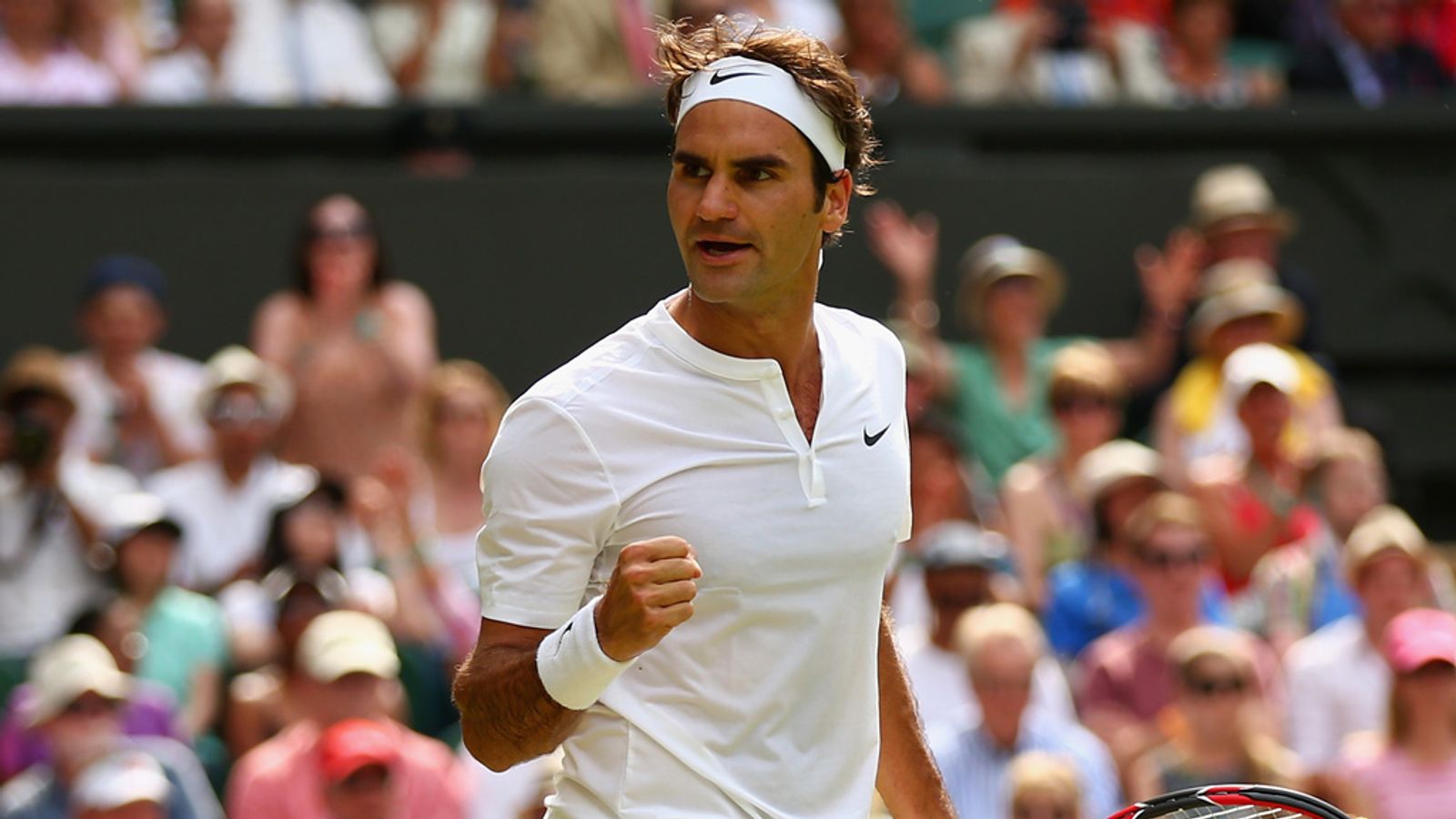
Wimbledon’s All-White Dress Code: History, Rules, and Controversies
Wimbledon is the oldest and most prestigious tennis tournament in the world. It is famous for its immaculate grass courts, royal connections, and strawberries with cream. But perhaps nothing defines its identity more stubbornly than its strict all-white dress code. Players must wear almost entirely white from head to toe, and the rule is enforced with an authority that has outlasted fashion trends, cultural shifts, and even medical debates. So where did this tradition come from? Why does it still exist? And who has pushed back against it? The Origins of Wimbledon’s All-White Dress Code The all-white rule dates back to the Victorian era, when Wimbledon held its first Championship in 1877. At the time, tennis was a sport for the upper classes, played on private lawns and country clubs. Wearing white was simply considered proper and genteel attire for outdoor sport among the British elite. There was also a more practical reason. In an age before deodorant and modern fabric technology, sweat was considered deeply improper to display in public, especially for women. White clothing, oddly enough, was thought to be less revealing of perspiration than colored garments. Keeping up appearances mattered enormously in Victorian society, and white tennis clothes reflected that obsession with decorum. As the decades passed and tennis evolved into a professional sport watched by millions, most other tournaments relaxed their dress codes entirely. Wimbledon, however, held firm. The all-white rule became part of its brand, a signal of tradition, prestige, and a certain British stubbornness that fans either love or find infuriating. What the Wimbledon Rule Actually Requires The current Wimbledon dress code is detailed and specific. According to the All England Club’s official guidelines, players must wear white, which means no off-white or cream. Colored trim is permitted but must be no wider than one centimeter. Socks and shoes should also be predominantly white. Even undergarments that are visible during play must be white. The rule extends beyond just clothing. Headbands, wristbands, and compression garments all fall under the same requirement. The Club has even addressed base layers worn under shirts, requiring those to be white as well. Players are inspected before going on court and can be asked to change if they are not compliant. This level of detail makes Wimbledon’s all-white dress code one of the strictest appearance regulations in professional sport, full stop. Memorable Controversies Over the Years The dress code has generated conflict and headlines throughout its history, and several high-profile incidents stand out. Andre Agassi famously refused to play Wimbledon for three years in the early 1990s, citing the all-white rule as one of his reasons. Agassi was known for his colorful, rebellious image, and the idea of conforming to a dress code felt fundamentally at odds with his personality. He eventually returned and even won the title in 1992, dressed in white, but his earlier boycott kept the debate alive. Anne White caused a sensation at the 1985 Championships when she appeared on court in a white, full-body Lycra catsuit. The outfit was technically white and therefore compliant, but the All England Club considered it inappropriate and asked her not to wear it again the following day. The incident raised an interesting question about what the rule was actually protecting: a color, or a more traditional silhouette of dress? Roger Federer ran into trouble in 2013 when he wore shoes with orange soles during a match. The Club asked him to change his footwear between matches. Even someone of Federer’s stature, a seven-time Wimbledon champion, was not exempt from the rules. It was a clear signal that the All England Club takes compliance seriously regardless of who is on court. More recently, Martina Navratilova and several medical professionals raised concerns about the rule as it applies to women during menstruation. The argument was that requiring white shorts or skirts can cause anxiety and discomfort for female players who may be on their period during a match. In 2023, Wimbledon responded by allowing women to wear dark undershorts beneath their white skirts, provided the undershorts were not visible. It was a meaningful concession, though critics noted it took far too long to arrive. Why Wimbledon Defends the Rule The All England Club has consistently defended Wimbledon’s all-white dress code as a matter of tradition and competitive equality. Their argument is that white clothing levels the playing field aesthetically, removing any commercial or personal branding advantage that bold colors might provide. Sponsors pay significant money to have their logos seen on court, and a uniform white background is thought to reduce the visual impact of that sponsorship. There is also the argument that the tradition itself has value. Wimbledon has successfully maintained an atmosphere unlike any other tournament in tennis. The grass courts, the Royal Box, the queue, the silence expected of the crowd during points, and yes, the white clothing, all contribute to an experience that feels genuinely distinct. Changing the dress code, the Club argues, would chip away at something irreplaceable. Many players, even those who have had minor violations, respect the rule once they are on the grounds. There is something to be said for walking out onto Centre Court dressed the same way champions have dressed for over a century. That continuity carries weight. The Criticism That Will Not Go Away Despite the Club’s defense of the rule, criticism continues to grow louder. Detractors argue that the all-white dress code is rooted in classism and colonial attitudes toward propriety. It was designed by and for a very particular demographic, and enforcing it in the modern era carries echoes of that exclusivity. There is also the commercial argument. Players at other Grand Slams can wear outfits negotiated by their kit sponsors, allowing those sponsors to fully showcase their designs. At Wimbledon, that creativity is restricted significantly. While it has not caused any player to withdraw in recent years over the issue, it remains a tension point between players, their sponsors, and the Club. The mental health
Read More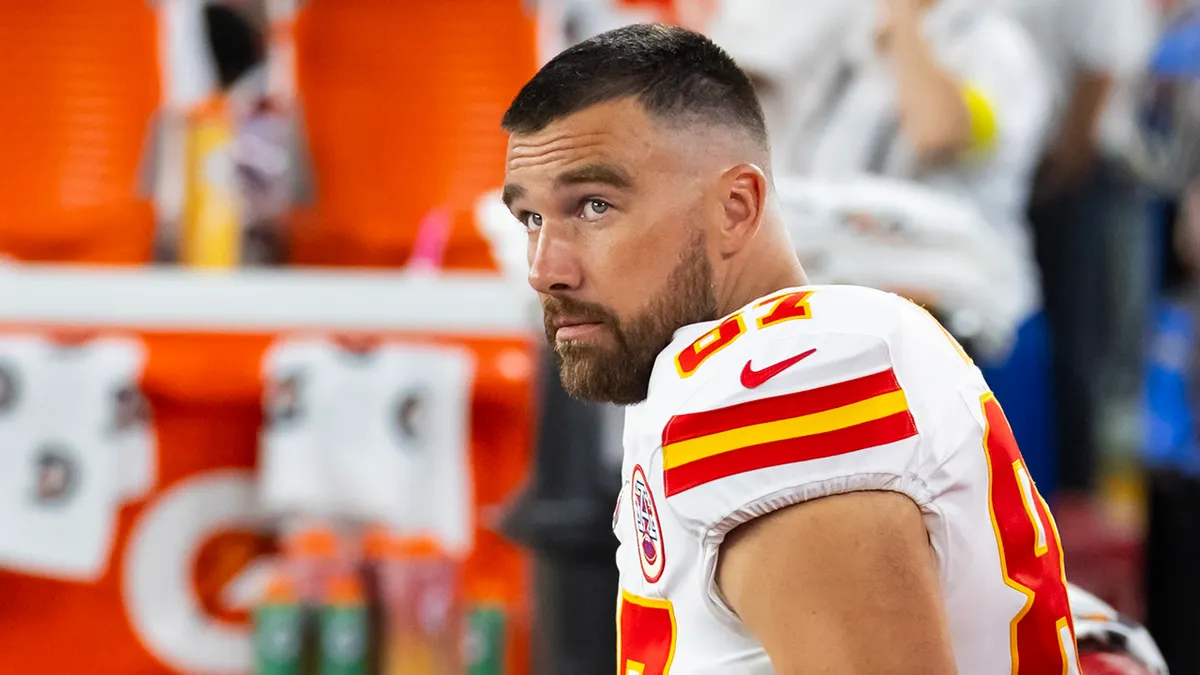
Travis Kelce Isn’t Done Yet, And the NFL Should Take Notice
There is a certain kind of athlete who never quite fits the retirement narrative. The one whose hunger outlasts the highlight reels, whose presence in a locker room is worth more than any stat line. Travis Kelce is that athlete and if the latest reports are to be believed, he is not finished writing his story. According to The Athletic, Kelce is fully expected to return for a 14th NFL season. The announcement, quiet as it was, sent a ripple through the league. Because when Travis Kelce is involved, nothing stays quiet for long. The Contract Clock Is Ticking His current deal with the Kansas City Chiefs expires March 11 and for the first time in over a decade, the future of the most decorated tight end of his generation is genuinely uncertain. Kelce’s representatives are preparing to hold conversations with multiple teams. Read that again. Multiple teams. A player who has known nothing but Kansas City since being selected in the third round of the 2013 NFL Draft could, for the first time in his career, pull on a different jersey. The Chiefs drafted him. They built dynasty moments around him. Three Super Bowl rings. Thirteen seasons. And now, the door to something new has cracked open, just slightly, but enough to notice. A Season That Would Have Broken Lesser Men To understand why this decision carries so much weight, you have to understand what Kelce just survived. The 2025 Chiefs season was not the Kansas City anyone had grown accustomed to watching. Patrick Mahomes, the quarterback who turned Kelce from great to legendary, went down with a season-ending ACL injury. The team stumbled to a losing record. The playoffs, a destination Kansas City had visited for a decade straight, passed them by entirely. And yet, through the rubble, Kelce still managed to clear 800 receiving yards. At 36 years old. On a broken team. That is not the output of a player ready to hand in his playbook. Kansas City Is Not Letting Go Without a Fight Chiefs owner Clark Hunt has made no secret of where the organization stands. “We certainly hope that he will come back,” Hunt said in January, speaking on NFL Network. “He had another great year, maybe not on par with where he was four or five years ago, but still had over 800 yards and was really one of the leaders on the offensive side of the ball for us.” Hunt paused before adding something that felt less like a business assessment and more like a plea dressed in professionalism. “There’s no doubt in my mind that he can still play.” Head Coach Andy Reid, never a man to waste words, offered his own quiet confidence when pressed on Kelce’s future at a February press conference. “There is communication,” Reid said simply. “That means people want to move forward. I think that’s where Trav is.” General Manager Brett Veach was more candid still, revealing the front office has spent this offseason planning for two realities at once, one with Kelce, one without. “I think we’ve kind of prepared for either scenario,” Veach admitted at the NFL Scouting Combine in late February, while making clear that dialogue between both camps has remained warm and consistent. In His Own Words: A Man Still Burning Perhaps the most revealing moment came not in a press conference or a league filing, but on a podcast couch shared with his brother. Speaking on New Heights, Kelce opened up with the kind of honesty that only comes when the cameras feel secondary to the conversation. “I have a lot of love for the game,” he told Jason. “At the same time, if my body can heal up and rest up and I can feel confident that I can go out there and give it another 18, 20, 21-week run, I think I would do it in a heartbeat.” That phrase, in a heartbeat, does not sound like a man who is quietly preparing a retirement speech. Kelce also acknowledged that his decision would not be made in isolation. His fiancée Taylor Swift, his inner circle, and the hard-earned wisdom of watching Jason retire from the Philadelphia Eagles after 13 seasons have all shaped how he is approaching this crossroads. “Seeing my brother go through it and seeing how the league works,” Travis reflected, “I want to give the Chiefs a good opportunity to know whether I come back or not. And vice versa, whether they want me back or not.” There was a smile attached to that last part. Even in uncertainty, Kelce cannot help but perform. What Comes Next The Travis Kelce NFL return 2026 conversation is far from over. Whether he stays in Kansas City, tests the open market, or ultimately decides that 13 seasons is a legacy complete enough to walk away from, the answer is coming soon. What is clear is this: the NFL is a different place with Travis Kelce in it. Louder, more electric, more theatrical in the best possible way. And based on everything he has said and everything those around him believe, the league is not losing him just yet. According to The Athletic, Kelce is fully expected to return for a 14th NFL season. The announcement, quiet as it was, sent a ripple through the league. Because when Travis Kelce is involved, nothing stays quiet for long.
Read More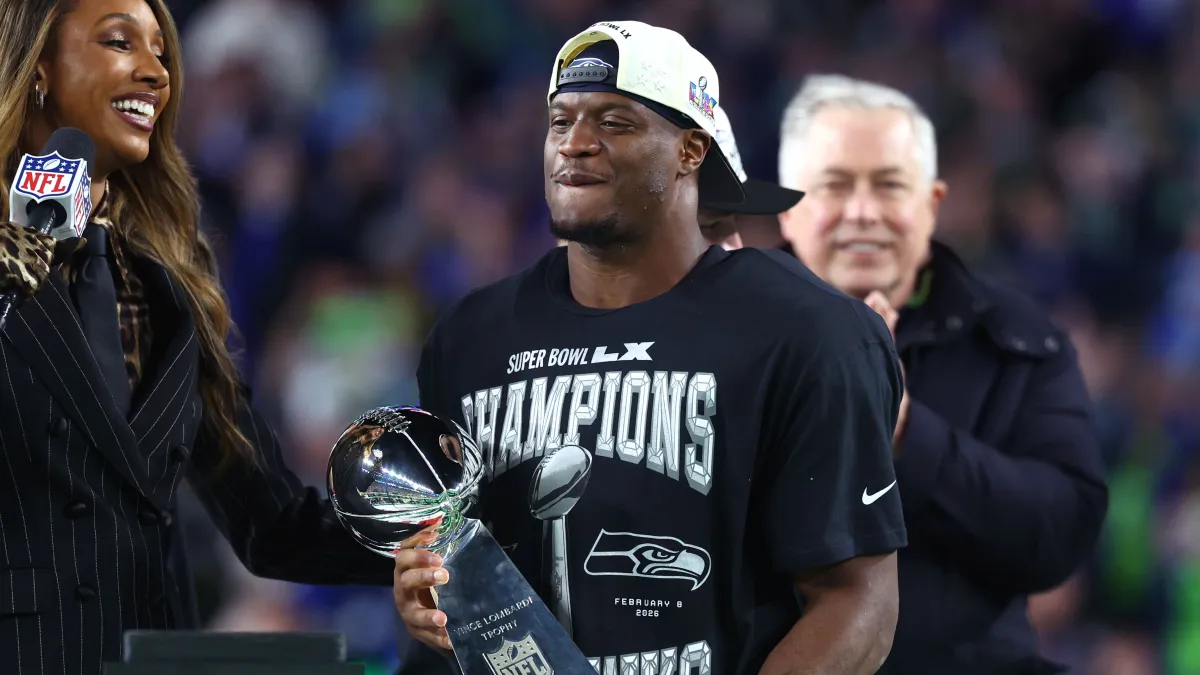
Kenneth Walker III Signs Record Deal With Kansas City Chiefs, Departing Seattle
The Seattle Seahawks have officially lost one of their most productive offensive weapons. Super Bowl MVP and Pro Bowl running back Kenneth Walker III is heading to the Kansas City Chiefs after agreeing to a blockbuster contract during the NFL’s legal tampering window, according to NFL Network’s Tom Pelissero. Kenneth Walker III Kansas City Chiefs Deal: Breaking Down the Contract The Kenneth Walker III Kansas City Chiefs agreement is a three-year deal worth $45 million, a figure that shatters the previous record for running backs and makes Walker the highest-paid player at his position in league history. Seattle had reportedly been willing to offer approximately $10 million annually, but Kansas City’s superior salary cap flexibility allowed the Chiefs to far exceed that threshold and land their top target. The new league year officially opens Wednesday at 1:00 p.m. PT, at which point the agreement becomes a binding contract. Four Productive Seasons in Seattle Walker spent four seasons with the Seahawks after being selected in the second round of the 2022 NFL Draft, establishing himself as one of the most reliable backs in the NFC West. During his time in Seattle, he rushed for 3,555 yards and 29 touchdowns while adding 133 receptions for 1,005 yards and two additional scores through the air. View this post on Instagram A post shared by Farzin Vousoughian (@farzinvousoughian) In his most recent campaign, Walker posted 1,027 rushing yards, five touchdowns, and 31 catches for 282 yards, cementing his status as the premier running back available in free agency this offseason. What the Move Means for Kansas City The Chiefs enter the 2025 season with a reinforced backfield after addressing a clear need for a dynamic, every-down runner. Adding a Super Bowl MVP in his prime signals Kansas City’s commitment to building a more balanced offensive attack around Patrick Mahomes heading into the postseason. Seattle Faces Significant Backfield Uncertainty Losing Walker leaves a substantial void in Seattle’s rushing attack. The most natural successor would be Zach Charbonnet, but a torn ACL suffered last season is expected to sideline him for a significant portion of the upcoming year, leaving the Seahawks shorthanded at the position heading into training camp. The team has already agreed to terms with George Holani as an early free agency addition, but that move is widely viewed as just one piece of what figures to be a broader roster rebuild at running back. With only four selections in the upcoming NFL Draft, Seattle’s front office faces pressure to identify a long-term starter, whether through the draft or additional free agency additions. The Seahawks’ search for Walker’s replacement will be one of the most closely watched storylines of the offseason as the franchise looks to maintain offensive continuity without its cornerstone ball-carrier.
Read More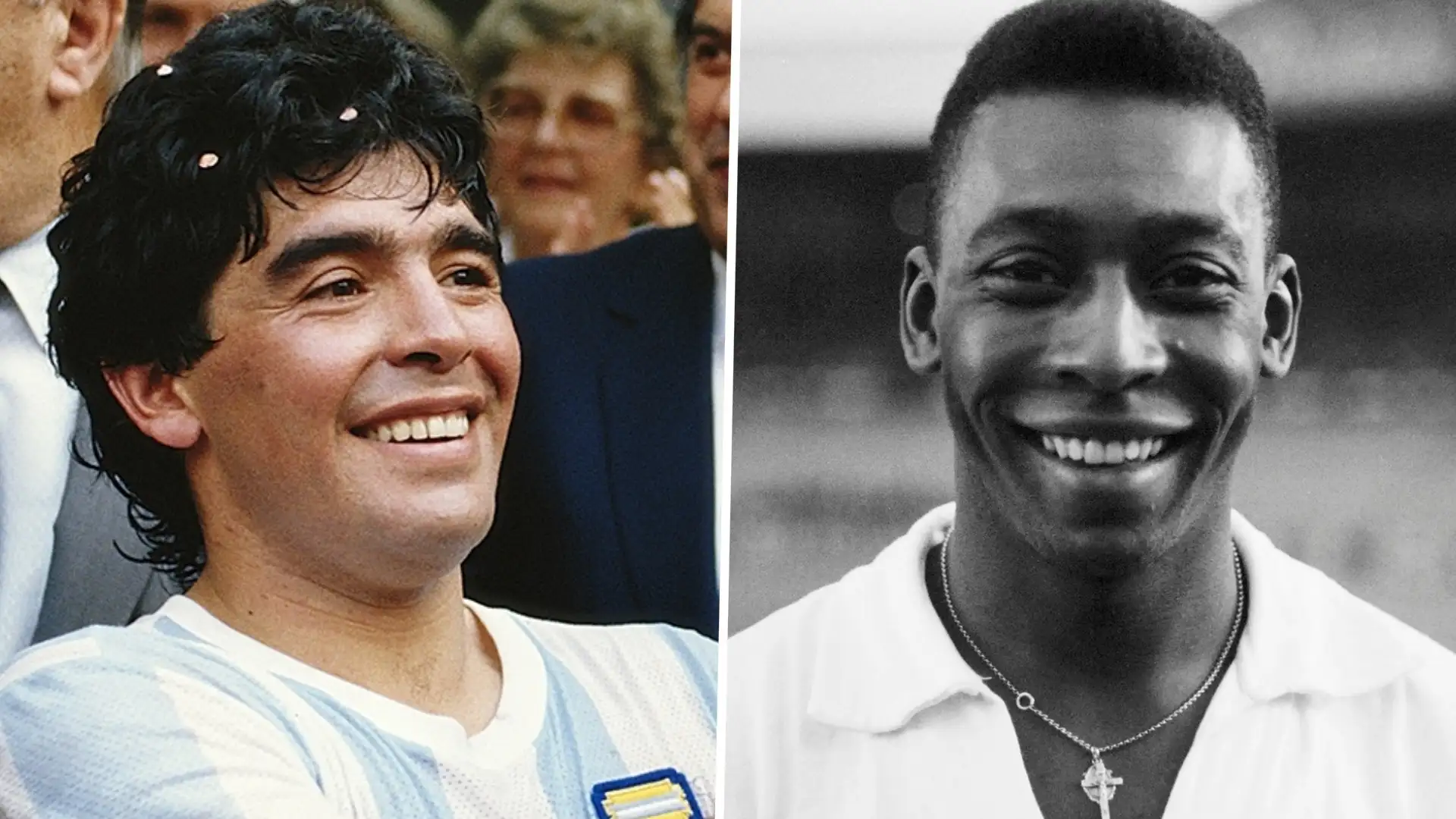
Pelé vs Maradona: The Ultimate GOAT Debate in Football
Few arguments in sports history have sparked as much passion, nostalgia, and outright disagreement as the Pelé vs Maradona GOAT debate. Ask a Brazilian, and the answer is immediate. Ask an Argentine, and you will hear an equally convincing case. The truth is, both men transcended football in ways that statistics alone cannot capture. But since the debate exists, it deserves a serious, honest look at what made each of them extraordinary and why the conversation still matters decades after their peak years. Who Was Pelé and Why Does He Still Matter in the GOAT Conversation? Edson Arantes do Nascimento, known universally as Pelé, burst onto the world stage at just 17 years old during the 1958 FIFA World Cup in Sweden. He did not just participate in that tournament; he dominated it, becoming the youngest player ever to score in a World Cup final. Brazil won, and a legend was born. What followed over the next two decades was a career of almost impossible consistency. Pelé won three FIFA World Cups with Brazil in 1958, 1962, and 1970, a record no other player in history has matched. His goal tally, officially recognized by FIFA, stands at over 1,000 career goals, a number that remains the subject of some debate but speaks volumes about his relentless productivity in front of goal. Beyond the numbers, Pelé played with a combination of athleticism, vision, creativity, and finishing ability that was simply ahead of his time. He was powerful yet graceful, a player who could score from any angle, with either foot, and with his head. He was not just a great player within the Brazilian system. He was the system. Santos FC and the Brazilian national team were built around making the most of a once-in-a-generation talent. The Maradona Factor: Why Diego Remains Untouchable for Millions Diego Armando Maradona represents something different in football. Where Pelé was celebrated and admired, Maradona was worshipped and mythologized. His story carried the weight of a nation, a city, and an era. Born in a poor neighbourhood outside Buenos Aires, Maradona rose from genuine poverty to become the most talked-about footballer on the planet. His 1986 World Cup campaign in Mexico is arguably the single greatest individual tournament performance in football history. Maradona almost single-handedly carried Argentina to the title. The quarterfinal against England alone contained the two most famous goals ever scored. The first, the notorious Hand of God, showed his cunning and street-smart mentality. The second, widely voted the Goal of the Century, saw him dribble past five England players and the goalkeeper before slotting the ball home. That one tournament, that one match, tells you almost everything you need to know about what made Maradona special. At club level, his years at Napoli from 1984 to 1991 represent one of the most remarkable achievements in European football. He took a club from the south of Italy, historically overshadowed by the wealthy northern giants, and won them two Serie A titles. In Naples, he was not just a footballer. He was a god. The streets there still carry murals of his face. Comparing Their Skills: Where Pelé vs Maradona GOAT Debate Gets Complicated When people engage in the Pelé vs Maradona GOAT debate, they often focus on goals and trophies, which is understandable. But the more fascinating comparison lies in their styles and what those styles demanded of them. Pelé was the complete footballer. He could do everything brilliantly. His physical attributes were exceptional, his technical quality was world class, and his intelligence on the ball was decades ahead of his peers. He was a team player in the truest sense, someone who made everyone around him better. Maradona, on the other hand, was a different kind of genius. He was shorter and stockier, not the prototypical athletic specimen. What he had was an impossibly low centre of gravity, balance that defied logic, and a left foot that could seemingly bend the ball to his will. Defenders knew what he was going to do. They simply could not stop him. That is a rare and extraordinary quality. The honest answer is that both men had different gifts. Comparing them is not entirely straightforward because football in the 1960s and 1970s looked different from football in the 1980s. Pitches were different, tackling was more physical, and the global spread of quality was uneven. These contextual factors matter when placing either player in their era. Trophies, Records, and the Weight of Legacy From a trophies standpoint, Pelé has the edge. Three World Cups is an achievement that may never be surpassed. However, it is worth noting that Maradona played in weaker Argentina squads for much of his career and still managed to deliver a World Cup in 1986 on sheer individual brilliance. The 1990 World Cup final, where Argentina lost to West Germany, further illustrated that Maradona could carry a limited team remarkably far. At club level, both men dominated their respective eras. Pelé’s Santos won multiple Brazilian championships and international club titles. Maradona’s Barcelona stint was undermined by injury and politics, but his Napoli years were nothing short of miraculous. One element often overlooked in the Pelé vs Maradona GOAT debate is cultural and social impact. Maradona represented the underdog, the working class, the people who felt overlooked by the world. His connection with the poor of Naples and the streets of Buenos Aires gave his story a political and human dimension that resonated globally. Pelé, meanwhile, became a global ambassador, an icon in the truest commercial and cultural sense. What Modern Football Owes to Both Men The influence of Pelé and Maradona on modern football is impossible to overstate. Every technically gifted forward who plays with joy and freedom carries a piece of Pelé’s DNA. Every attacking midfielder who takes the ball under pressure and runs at defenders owes something to the Maradona blueprint. Players like Ronaldo, Messi, Neymar, and Mbappé have all spoken about the inspiration they drew from one or both
Read More