
Who Is the All-Time Top Scorer at the FIFA World Cup?
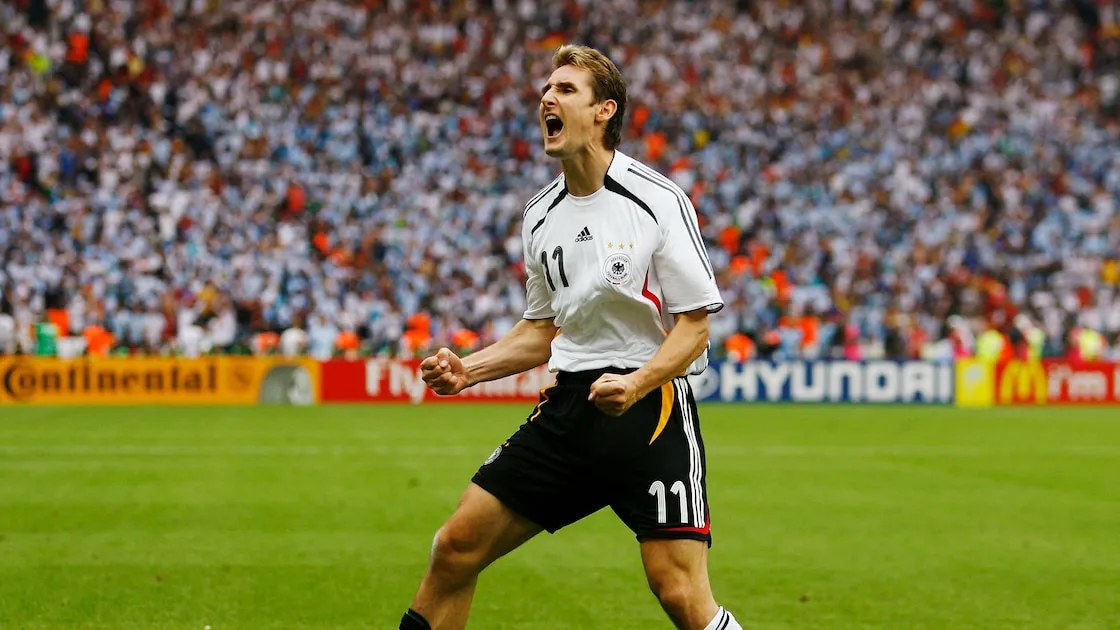
Across more than nine decades of football, no stage has produced pressure like the FIFA World Cup. Nations stop. Streets empty. The weight of an entire country rests on twenty-two players and a single ball. It is in that environment, the most demanding in world sport, that one man rose above every other to claim a record that may never be broken. The FIFA World Cup all-time top scorer is Miroslav Klose of Germany, whose 16 goals across four tournaments represent a standard of sustained excellence that the history of the game has never seen before and is unlikely to see again. The Record That Stands Alone Sixteen goals. Four tournaments. Fourteen years of World Cup football. When Klose retired from international football in 2014, he left behind a scoring record that surpassed every great who had come before him. His 16 goals moved him one clear of Brazil’s Ronaldo, who had held the record at 15 across his own remarkable World Cup career. Klose’s record is not simply the product of longevity, though. It is the result of delivering at the highest level when the stakes demanded it most, a pattern that defined every one of his four appearances on the world’s biggest stage. Tournament by Tournament: How Klose Built the Record Klose’s World Cup story began in 2002 in South Korea and Japan, where a relatively unknown 24-year-old striker announced himself to the global game with five goals, including a hat-trick of headers against Saudi Arabia. His aerial ability and relentless movement made him impossible to manage for opposition defenses, and Germany’s run to the final was built significantly on his contributions. He did not win the tournament, but he introduced himself to the world in the most emphatic way possible. The 2006 World Cup in Germany brought five more goals on home soil, earning him the Golden Boot as the tournament’s top scorer. Playing in front of his own nation, Klose elevated his game further. His movement between the lines, his ability to time runs against high defensive lines, and his composure in front of goal were all on full display. Germany finished third that year, but Klose had confirmed himself as the most dangerous striker in world football. Four goals in 2010 in South Africa took his career total to 14, level with West Germany’s Gerd Müller, then the all-time record holder. By this point, Klose was 32 and questions about his pace and sharpness were being raised. He answered them not with words but with performances, proving that the instincts of a great goalscorer do not diminish with age. Four more goals in 2014 completed the journey, with his 16th arriving in the most dramatic circumstances imaginable. The Goal That Made History On the night of July 8, 2014, in Belo Horizonte, Brazil, Klose wrote the final chapter of his record in a match that football will never forget. Germany’s semifinal against the host nation became one of the most extraordinary evenings in World Cup history. With Germany leading 1-0 through Thomas Müller, Klose latched onto a rebound in the 23rd minute and slotted the ball into the net to make it 2-0. That goal, his 16th World Cup strike, surpassed Ronaldo’s long-standing record and placed Klose alone at the summit of the all-time charts. Germany went on to win 7-1 that night. But for Klose, the number that mattered was one: the single goal that separated him from every striker who had ever played the game. What Made Klose Impossible to Stop at World Cups Statistics only tell part of the story. What made Klose so uniquely dangerous at World Cups was the combination of technical intelligence and psychological composure that surfaced when every match truly mattered. His movement off the ball was studied and precise, creating space that defenders consistently failed to account for. His heading ability, honed from years of technical work, gave him a dimension that made him a threat from virtually every attacking position on the pitch. Beyond the physical and technical qualities, Klose possessed the temperament of a genuine big-game player. There is a documented pattern across his four World Cup campaigns of goals arriving at crucial moments, in knockout rounds, in tight games, and against opponents who had specifically prepared to stop him. He never seemed burdened by the weight of expectation. He seemed, instead, to use it as clarity, knowing that the biggest stages were exactly where his best football would appear. The Other Names in the Conversation To appreciate the full scale of Klose’s achievement, it helps to understand the company he keeps at the top of the all-time scoring charts. Ronaldo of Brazil, one of the most devastating forwards the sport has ever produced, finished his World Cup career with 15 goals across four tournaments spanning 1994 to 2006. Before him, West Germany’s Gerd Müller claimed 14 goals across the 1970 and 1974 editions, a tally built across just two tournaments that speaks to a frequency of scoring almost beyond comprehension. France’s Just Fontaine scored 13 goals in a single World Cup in 1958, a record for goals in one edition of the tournament that remains untouched. Each of these men was a generational talent. That Klose outlasted and outscored all of them is the measure of his greatness. Can Anyone Challenge the FIFA World Cup All-Time Top Scorer Record? Since Klose set the record in 2014, the question of whether any active player could mount a challenge has circled the sport. Cristiano Ronaldo of Portugal has eight World Cup goals across five tournaments. Lionel Messi of Argentina finished his career with 13 World Cup goals after leading Argentina to the 2022 title in Qatar, a magnificent total but still three behind Klose’s mark. Kylian Mbappé, France’s generational forward, has 12 World Cup goals before turning 26, making him the most credible threat to the record in the coming years. Whether he can reach 16 across future tournaments remains one of football’s most compelling
Read More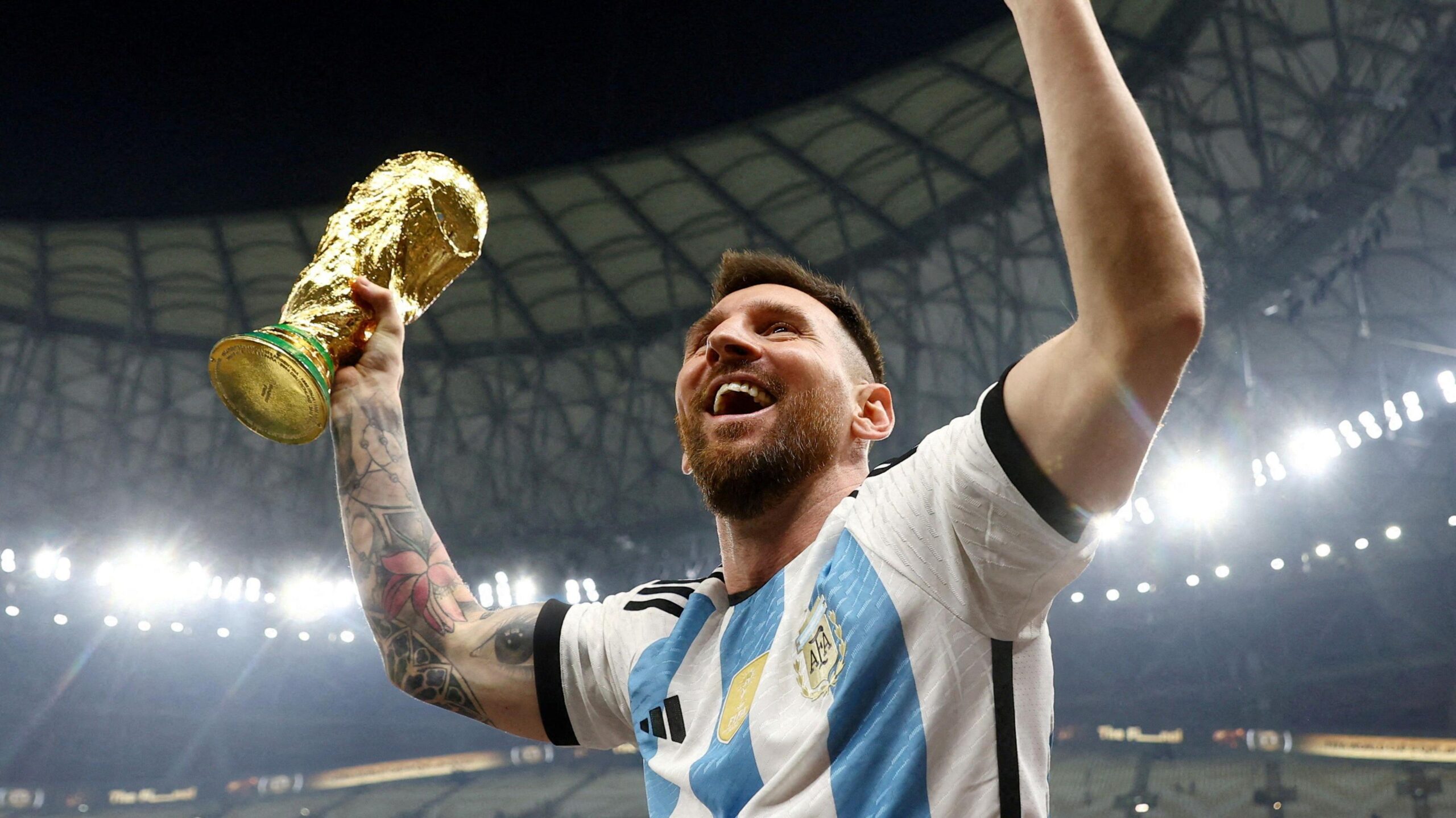
History of the FIFA World Cup: Every Tournament From 1930 to Today
The history of the FIFA World Cup is one of the greatest stories in all of sport. What began as a bold experiment in 1930 has grown into the most watched sporting event on the planet, drawing billions of viewers every four years. Football had featured at the Olympics, but FIFA president Jules Rimet believed the sport deserved its own global stage. Uruguay, fresh off Olympic gold in 1928, was chosen as the first host nation, and 13 teams made the journey to South America to compete for the very first World Cup trophy. Uruguay delivered a perfect fairytale, defeating Argentina 4 to 2 in the final in front of a packed Estadio Centenario in Montevideo. The tournament set the template for everything that followed. The Pre-War Era: 1934 and 1938 Italy hosted the 1934 World Cup and claimed the title on home soil, defeating Czechoslovakia in the final. Benito Mussolini used the tournament for political spectacle, but the football itself was fierce and competitive. Italy retained their title four years later in France in 1938, becoming the first nation to win back-to-back World Cups. Brazil announced themselves as an emerging force, and the tournament was notable for some of the highest-scoring matches in the competition’s history. The Second World War then forced a 12-year gap before the World Cup could return. Brazil 1950: The Maracanazo Shock The history of the FIFA World Cup contains no greater upset than what happened in Rio de Janeiro in 1950. Brazil, playing in front of nearly 200,000 fans at the Maracana, needed only a draw against Uruguay to win the title. Uruguay won 2 to 1. The moment, known as the Maracanazo, left an entire nation in mourning and remains one of the most dramatic days in football history. That tournament was also unique in using a final group stage rather than a knockout final, a format never repeated. The 1950s and 1960s: West Germany, Brazil, and New Powers West Germany claimed their first World Cup title in 1954 in Switzerland, beating the heavily favored Hungarians 3 to 2 in what became known as the Miracle of Bern. Brazil then dominated the late 1950s and 1960s, winning in Sweden in 1958 with a 17-year-old Pelé announcing himself to the world, and again in Chile in 1962. England finally had their moment in 1966 on home turf at Wembley, defeating West Germany 4 to 2 in extra time. Geoff Hurst’s hat-trick remains the only one ever scored in a World Cup final. The 1970s: The Peak of Brazilian Football Brazil’s 1970 squad, widely considered the greatest international team ever assembled, swept through Mexico and defeated Italy 4 to 1 in the final. Pelé, Jairzinho, Tostão, and Rivellino played football that felt decades ahead of its time. West Germany and the Netherlands dominated the next tournament in 1974, with the Dutch introducing the concept of Total Football under Rinus Michels. Despite their brilliance, the Netherlands lost the final to West Germany. Argentina then hosted in 1978, with the host nation controversially winning their first title. The controversy surrounding that tournament has never fully faded. The 1980s: Maradona, Mexico, and Memorable Moments The 1982 World Cup in Spain is remembered as one of the most entertaining tournaments in the history of the FIFA World Cup, even though Italy won it. Brazil played breathtaking football only to fall against Italy in a group stage thriller. Italy’s Paolo Rossi, returning from a match-fixing ban, scored a hat-trick to end Brazil’s campaign and went on to win the Golden Boot. The 1986 tournament in Mexico belonged entirely to Diego Maradona. Argentina’s captain produced arguably the greatest individual performance in World Cup history, including both the infamous Hand of God goal and the Goal of the Century against England in the same quarter-final. Argentina defeated West Germany in the final to claim the title. The 1990s: Tactical Football and Surprise Champions Italia 90 was a defensive, tense affair that produced the lowest goals per game average in World Cup history, yet it captured the world’s imagination through its drama. West Germany won a tight final against Argentina, 1 to 0. The 1994 World Cup, held in the United States, ended with the first-ever penalty shootout final, with Brazil beating Italy after a goalless 120 minutes. Roberto Baggio’s missed penalty remains one of football’s most iconic images. France hosted and won in 1998, with Zinedine Zidane scoring twice in the final against a mysteriously subdued Brazil team. Ronaldo’s strange illness before the match remains one of football’s enduring mysteries. The 2000s: Ronaldo’s Redemption and Italy’s Fourth Star Brazil won the 2002 World Cup in South Korea and Japan, with Ronaldo spectacularly redeeming himself by scoring twice in the final against Germany. That tournament also produced the biggest shock in World Cup history, with Senegal defeating reigning champions France in the opening game. Germany hosted a spectacular 2006 tournament full of attacking football. Italy triumphed on penalties over France in the final, a game remembered as much for Zidane’s infamous headbutt on Marco Materazzi as for the football itself. Zidane received a red card in his final professional match. The 2010s: Spain’s Golden Generation and Germany’s Dominance South Africa made history in 2010 as the first African nation to host the World Cup. Spain, powered by their dominant Barcelona and Real Madrid players, won their first ever title with Andrés Iniesta’s extra-time goal defeating the Netherlands. The vuvuzelas became the soundtrack of the tournament. Brazil hosted in 2014 and suffered the most humiliating defeat in their history, losing 7 to 1 to Germany in the semi-finals in what Brazilians still call the Mineirazo. Germany claimed their fourth World Cup title, defeating Argentina 1 to 0 in the final through Mario Götze’s extra-time goal. Russia 2018 delivered surprises from the very first round. France, led by the brilliance of Kylian Mbappé, won their second World Cup title by defeating Croatia 4 to 2 in an entertaining final. Defending champions Germany were eliminated
Read More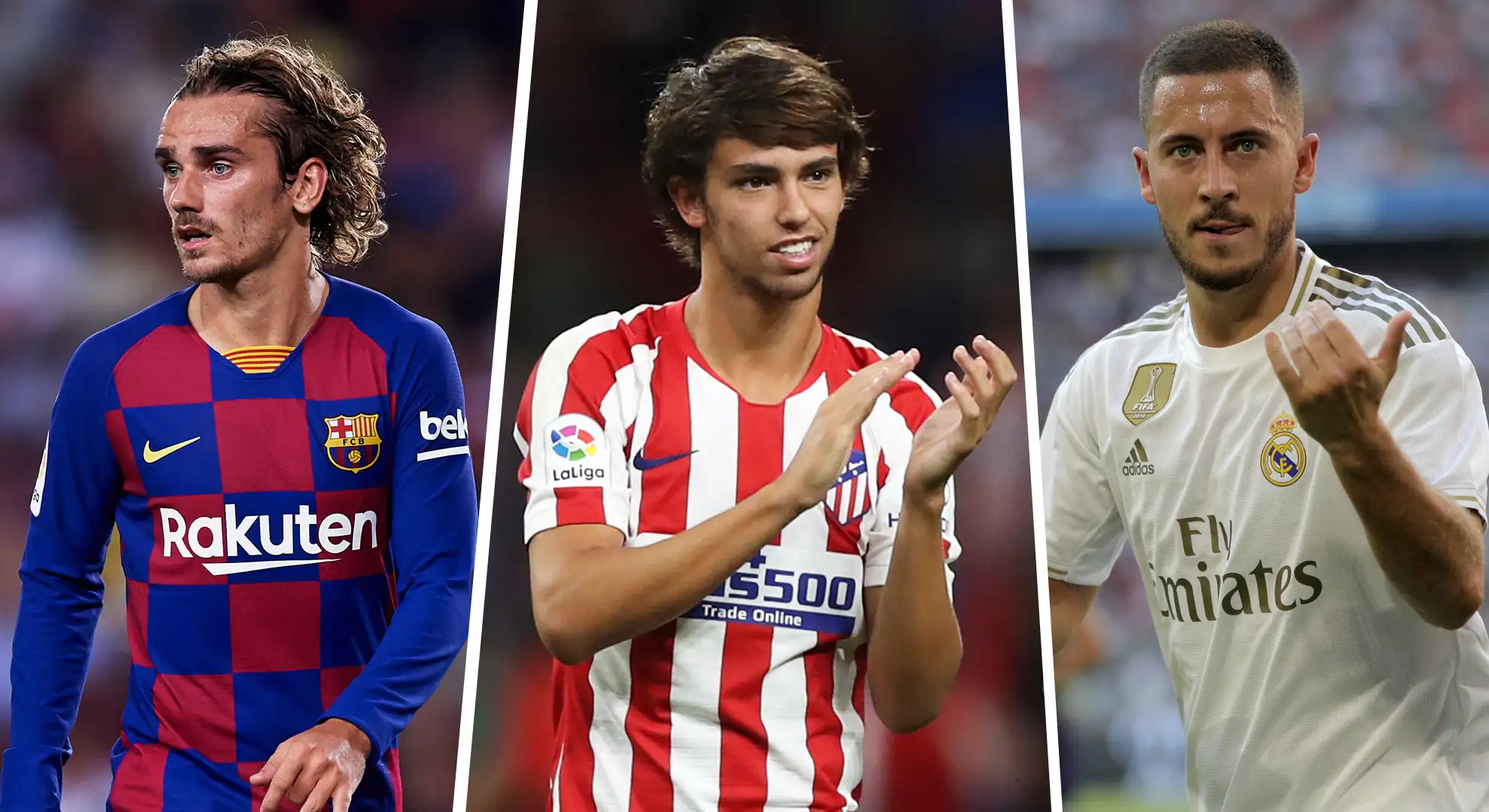
Most Expensive Football Transfers Ever: The Record Holders That Shocked the World
Football has always been a sport of passion, skill, and spectacle. But over the past two decades, it has also become one of the most extraordinary financial ecosystems on the planet. Transfer fees that once seemed unimaginable are now almost routine, and the players who command these fees have become more than athletes. They are global brands, cultural icons, and billion-dollar assets. If you have ever wondered which footballers carry the highest price tags in history, here is a complete breakdown of the most expensive football transfers ever made and the stories behind them. Why Do Football Transfer Fees Keep Breaking Records? Before diving into the numbers, it is worth understanding why these fees exist at all. Modern football is a commercial machine. Broadcasting rights, sponsorship deals, shirt sales, and global fanbases all contribute to clubs having enormous financial firepower. When a world-class player enters the market, clubs do not just bid on talent. They bid on influence, marketability, and the potential to dominate competitions. Bidding wars between the richest clubs drive prices to staggering heights, and that is exactly how we arrive at the figures you are about to read. Neymar to PSG: The Transfer That Changed Everything Neymar holds the record for the single most expensive transfer in football history. In 2017, the Brazilian forward moved from Barcelona to Paris Saint-Germain for an astonishing fee of €222 million, shattering the previous record and reshaping the entire transfer market. PSG triggered Neymar’s release clause in what many described as a financial earthquake. No club had ever spent anything close to that figure for a single player. While Neymar continued to showcase his quality after the move, his time in France was plagued by injuries and he never made more than 31 appearances in a single season, ultimately falling short of delivering PSG the Champions League title they had signed him to lead them to. Now eight years on, Neymar’s transfer still stands head and shoulders above the rest and is almost certain to remain the highest fee for years to come, with no deal since coming close to the astronomical amount paid by PSG. Kylian Mbappé: The €180 Million Prodigy Right behind Neymar on the all-time list sits his former teammate at PSG. The transfer of French forward Kylian Mbappé from AS Monaco to Paris Saint-Germain was finalised shortly after Neymar’s move. Although initially a loan, the permanent deal was valued at €180 million. Mbappé is considered one of the sport’s most valuable assets, justifying the huge investment from the Parisian club. Mbappé cemented himself as one of the world’s best players during his time in the French capital, scoring 256 goals and registering 96 assists in 308 appearances for PSG before eventually moving to Real Madrid in the summer of 2024. His career has vindicated every euro of that original fee and then some. Alexander Isak: The New Premier League Record Holder Among the most expensive football transfers of recent times, one name has dominated headlines in 2025. Alexander Isak’s €145 million transfer to Liverpool in 2025 was a record-breaking deal, making it the most expensive transfer in Premier League history. The 25-year-old Swedish striker has scored more than twenty goals in two consecutive seasons and brings exceptional versatility to Liverpool’s attack. Isak’s long-awaited move from Newcastle to Liverpool finally went through on transfer deadline day in the summer of 2025, with the Reds paying a British record fee of £125 million. The Sweden international had made it clear at the start of the window that he wanted to leave St James’ Park, and Newcastle reluctantly accepted the offer. His arrival at Anfield signals Liverpool’s serious intent to compete at the very highest level in Europe. Ousmane Dembélé: The Expensive Replacement for Neymar When Neymar left Barcelona, the Spanish giants moved quickly to fill the void. Ousmane Dembélé joined Barcelona in 2017 as one of the players brought in to replace Neymar. With a transfer fee of €135 million, he became Barcelona’s second most expensive signing at the time. His Barcelona career was turbulent, marked by injuries and inconsistency. However, his story took a remarkable turn after leaving Catalonia. Dembélé has forced many to eat humble pie following his extraordinary 2024-25 campaign that is likely to secure him the Ballon d’Or. He is fifth in total accumulated transfer fees and has blossomed since returning to France with Paris Saint-Germain. It is one of the great redemption arcs in modern football. Jude Bellingham and the Next Generation of Big-Money Signings The era of most expensive football transfers is not just defined by established superstars. Young talent commands extraordinary fees too. In 2023, Real Madrid signed 19-year-old Jude Bellingham from Borussia Dortmund for €127 million. Since joining the club, the box-to-box midfielder has developed into one of La Liga’s superstars, winning the Golden Boy award and being named La Liga Player of the Season. Bellingham’s transfer represents a new trend: clubs are now willing to invest heavily in players who have not yet reached their peak, betting on potential rather than proven greatness at the very top level. Florian Wirtz: Liverpool’s Statement Signing Liverpool’s ambitions in 2025 extended beyond Isak. Florian Wirtz’s transfer to Liverpool for €125 million in 2025 set a new transfer record for the reigning German national champions. Following a successful 2023-24 season in which Bayer Leverkusen secured their first ever double, Wirtz had attracted significant attention from clubs including Manchester City and Bayern Munich before ultimately choosing Liverpool. This transfer made Wirtz the most expensive German player ever, underlining his status as one of the greatest talents of his generation. The English Premier League’s financial might continues to attract the finest talents across Europe, and Wirtz is the latest proof of that pull. Enzo Fernández, Eden Hazard and the High-Risk, High-Reward Gambles Not every record-breaking transfer delivers on its promise. Enzo Fernández’s €121 million transfer to Chelsea in January 2023 set a new Premier League club record at the time. The Argentine midfielder, who won
Read More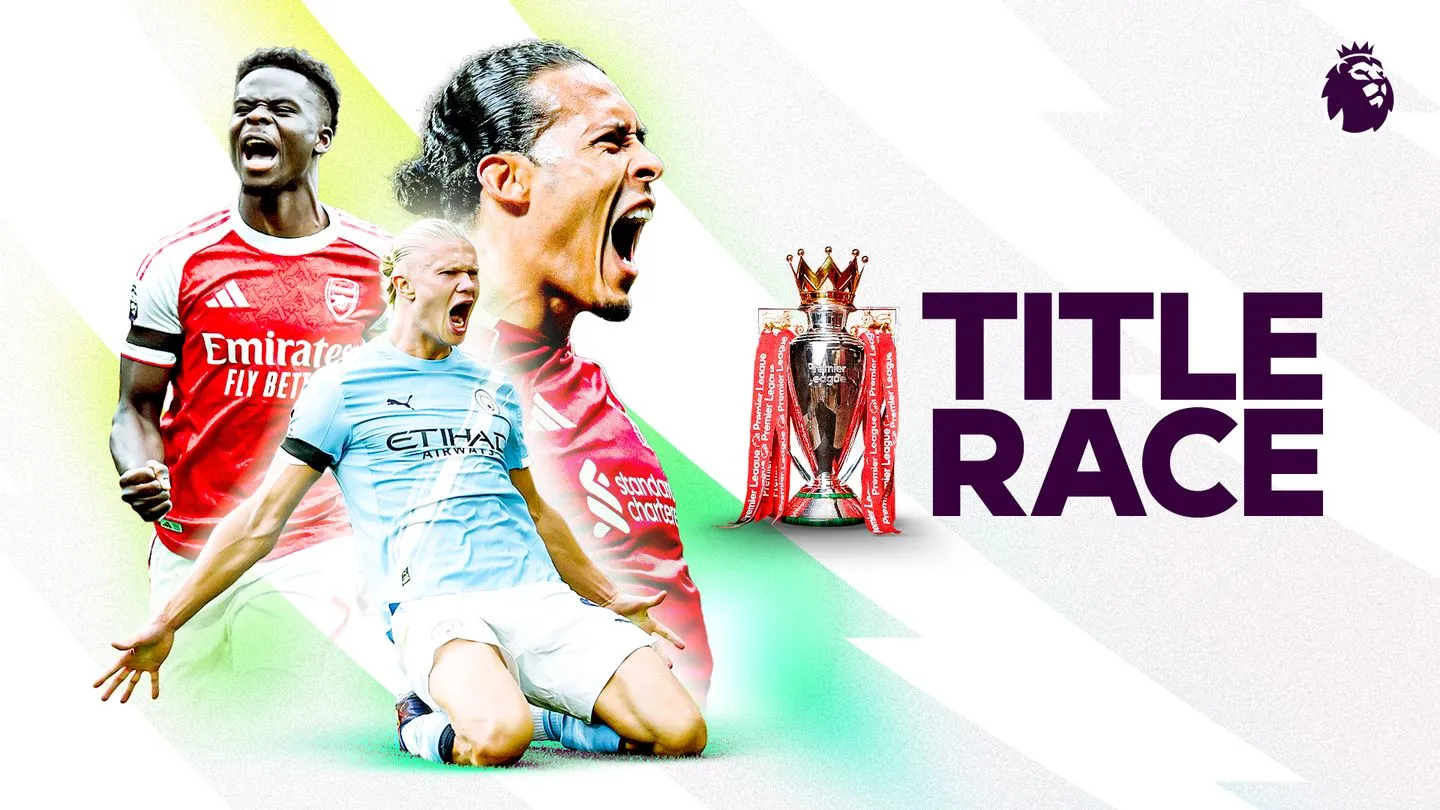
Premier League 2025-26 Title Race: Real-Time Analysis
English football’s greatest prize is within touching distance of one club and fading fast for everyone else. The Premier League 2025-26 title race has narrowed to a two-horse contest between Arsenal and Manchester City, with the Gunners holding a seven-point lead and nine games remaining. Arsenal have not won the Premier League since the 2003-04 season, making this the closest they have come to ending a 22-year wait. Whether they hold their nerve or collapse under pressure is the defining question of the English football season. Here is every dimension of the race, analysed in full, as it stands right now. Where the Premier League 2025-26 Title Race Stands Right Now Arsenal sit at the summit of the Premier League table with 67 points, holding a seven-point gap over second-placed Manchester City. It is looking like a two-horse race for the title, with Arsenal holding a healthy advantage as the season enters its decisive final stretch. Arsenal have regained their poise after a rocky February, winning back-to-back London derbies against Tottenham Hotspur and Chelsea to reassert their authority at the top. Aston Villa had looked like an outside shout in the race but have fallen away, allowing Manchester United to jump above them in third. Liverpool, the defending champions, have endured too inconsistent a campaign to mount a serious challenge at this stage. The race is Arsenal’s to lose, and City’s to steal. Arsenal’s Pursuit of a First Title in 22 Years Mikel Arteta’s men headed into the final ten matches of the Premier League season with a healthy lead but everything still up for grabs. Arsenal’s latest setback came at Molineux, where they let a two-goal cushion evaporate in a dramatic 2-2 draw against Wolverhampton Wanderers in February — a result that briefly invited anxiety into their campaign before subsequent London derby wins steadied the ship. Arteta has implemented a tactical philosophy rooted in possession control, progressive build-up play, and disciplined defensive structure, and that identity has held firm across the full arc of the season. Goalkeeper David Raya leads the Golden Glove race with 13 clean sheets, providing a foundation that allows Arsenal’s attacking players to operate with confidence. Arsenal have not won at the Etihad Stadium since 2015 — a fact that looms over the April showdown with City that could define the entire title race. Manchester City’s Relentless Pursuit and the Guardiola Factor Manchester City are not finished. City are the only team in Premier League history to win four consecutive titles, from 2020-21 to 2023-24, and that institutional knowledge of winning title races under pressure cannot be underestimated. City’s squad depth and recent history of late-season surges give them a psychological edge, especially as they prepare for their game in hand and the looming direct clash with the Gunners. Erling Haaland has already scored 22 league goals this season and remains the most dangerous individual match-winner in the division. City face Chelsea and Arsenal in consecutive April weeks with a possible Champions League quarterfinal touching those games, meaning their schedule carries significant congestion risk at exactly the moment their title challenge needs to peak. The Dark Horses Threatening to Derail the Premier League 2025-26 Title Race Liverpool are the defending champions, having won their second Premier League title and 20th English top-flight crown overall in the previous season, but their 2025-26 campaign has not matched that standard. Liverpool have won just two Premier League matches in 2026 so far, a run that has effectively ended their realistic title aspirations and left them fighting for a Champions League place instead. Chelsea, operating under their third manager of the season following Liam Rosenior’s appointment in January, remain unpredictable. The Blues face Man City and Manchester United a week apart in April and Liverpool and Spurs a week apart in May, making them a potential wrecker of title ambitions even if they cannot mount one of their own. Aston Villa’s challenge has faded with just one win in their last five games leaving them with too much ground to close. Fixtures, Form, and the Defining Runs That Will Settle the Title The fixture list now holds the fate of both clubs. Only three of Arsenal’s remaining eight matches are away, and just one of those is outside London — the duel with Man City at the Etihad. That simplicity of travel and familiarity of environment is a meaningful advantage in a gruelling final stretch of the season. The weekend of April 19 is shaping up to be the most consequential fixture block of the entire season, with Man City versus Arsenal headlining a remarkable programme that also includes Chelsea versus Manchester United and Everton versus Liverpool. Arsenal and City also meet in the Carabao Cup Final on March 22, adding a parallel competition battle to the league rivalry. Arsenal head into their final nine games with their lead intact, meaning even a defeat at the Etihad would leave their fate largely in their own hands. Key Players Who Will Decide the Premier League Title Race Bukayo Saka, Gabriel Martinelli, and Jurrien Timber bring energy, creativity, and intensity, while Martin Ødegaard and William Saliba provide tactical leadership and stability across Arsenal’s spine. Declan Rice has been the engine of Arsenal’s midfield throughout the campaign, combining defensive reliability with the ability to drive forward and create. When Saka is at his most direct and Ødegaard is dictating tempo, Arsenal are capable of defeating anyone remaining on their schedule. For City, everything flows through Haaland’s movement and the spaces Pep Guardiola’s system creates around him. Haaland is widely regarded as one of the most clinical strikers in the world, and City need to stay more resolute at the back to complement his output — a home draw with Nottingham Forest in early March was precisely the kind of defensive lapse that title-winning sides cannot afford at this stage. What History Tells Us About Title Races at This Stage History is generous with its lessons but sparing with its guarantees. In
Read More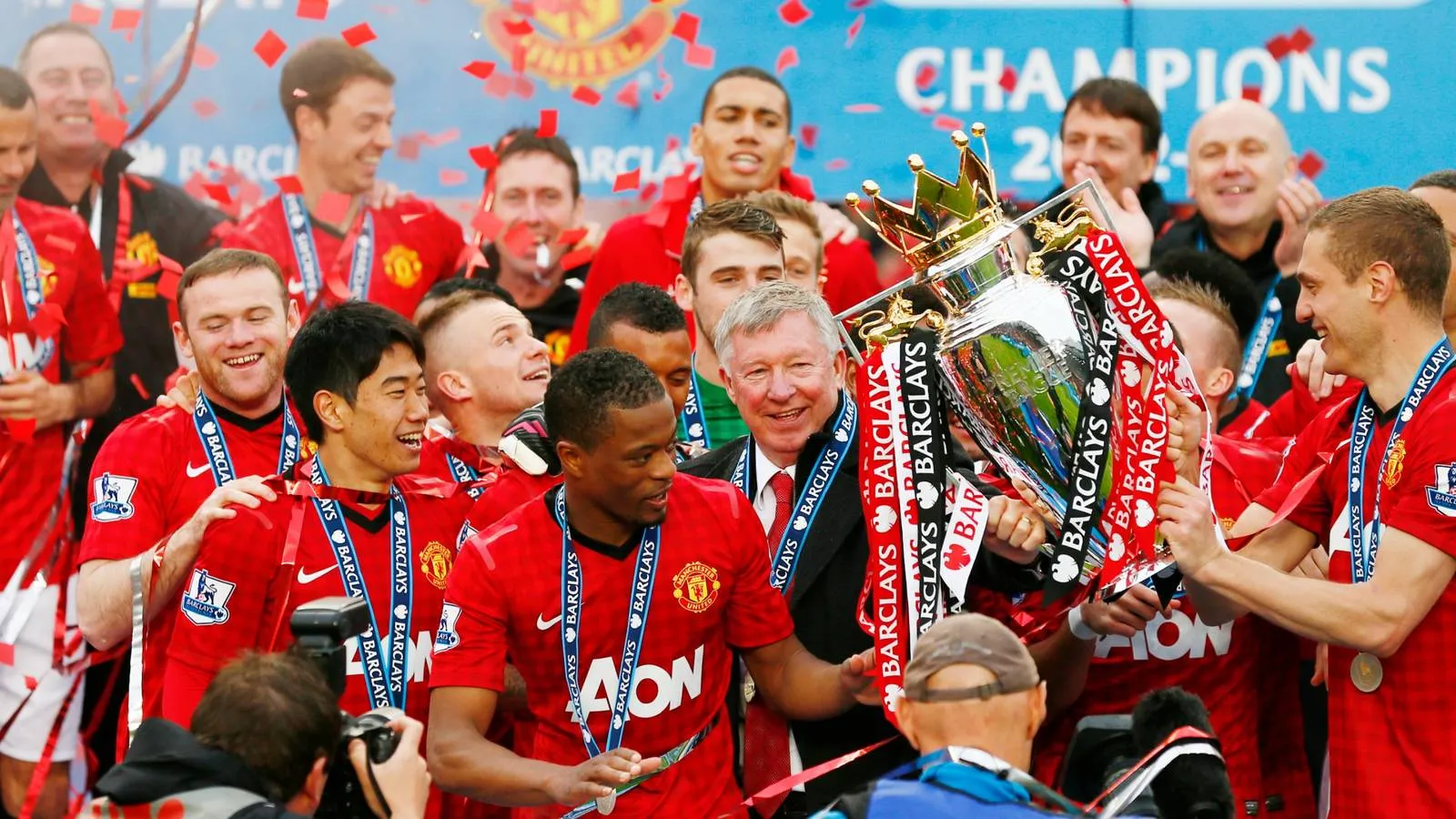
Sir Alex Ferguson’s Manchester United: 13 Premier League Titles Legacy
Sir Alex Ferguson didn’t just manage Manchester United. He built an empire, dismantled it, and built another one without ever loosening his grip on English football. Across 26 years at Old Trafford, he delivered 13 Premier League titles, a record so far ahead of any other manager in the competition’s history that it exists in a category entirely its own. Understanding how those titles were won, and what they collectively represent, is to understand the greatest dynasty English football has ever produced. How Sir Alex Ferguson’s Manchester United Redefined English Football When Ferguson arrived at Old Trafford in November 1986, he inherited a club that had not won the First Division title since 1967. The culture was stale, the standards were slipping, and the gap to Liverpool, then the dominant force in English football, felt enormous. What followed was a systematic reconstruction of everything — the youth academy, the scouting network, the dressing room culture, and the expectation of what Manchester United should be. By the time the Premier League era began in 1992, the foundations were already laid. What came next was simply inevitable. The First Title and the Dynasty That Followed The 1992–93 season delivered United’s first league title in 26 years, and the relief it carried was almost physical. With Eric Cantona arriving from Leeds United midseason, the missing piece clicked into place. United finished ten points clear and the Premier League era had its first dominant force. The 1993–94 title followed immediately, this time by eight points, and it became clear that this was not a one-season correction. Ferguson had changed something structural at the club, and the trophies were the proof. The Treble Season: Sir Alex Ferguson’s Manchester United at Their Peak If any single season defines what Sir Alex Ferguson’s Manchester United were capable of, it is 1998–99. United won the Premier League, the FA Cup, and the UEFA Champions League in the same campaign, completing a treble that no English club had achieved before and none has matched since. They clinched the Premier League on the final day of the season, then won the Champions League final against Bayern Munich with two injury-time goals. The improbability of it, the sheer refusal to accept defeat, carried Ferguson’s fingerprints all over it. It remains the most celebrated season in the club’s history. The Players Who Built the Titles No manager wins thirteen championships alone, and Ferguson’s greatest skill may have been his ability to identify, develop, and cycle through generations of exceptional players. Eric Cantona gave the first titles their swagger. Roy Keane provided the aggression and leadership that defined the late 1990s teams. Paul Scholes and Ryan Giggs anchored the midfield across multiple eras with a consistency that defied time. Cristiano Ronaldo arrived in 2003 as a raw teenager from Sporting Lisbon and left in 2009 as the best player on the planet. Wayne Rooney added physicality and clinical finishing to the 2007–08 and 2010–11 title campaigns. Each generation was different. Each one won. Ferguson’s Tactical Genius Across Thirteen Campaigns What makes the Ferguson Premier League titles particularly remarkable is how stylistically varied they were. Early title-winning sides were built on pace, direct play, and the platform of a dominant home record at Old Trafford. By the mid-2000s, the system had evolved into something more controlled and possession-based, reflecting the influence of players like Scholes and Michael Carrick. The 2007–08 title-winning team, which also claimed the Champions League, played some of the most complete football the Premier League had seen. Ferguson never allowed his methods to become predictable or outdated, and that tactical evolution is precisely why the titles continued arriving long after rivals assumed he had peaked. The Rivals Ferguson Refused to Let Win Every great dynasty needs adversity, and Ferguson faced it repeatedly. Arsenal’s Invincibles went the entire 2003–04 season unbeaten and claimed the title that year, one of the few campaigns where United fell short. Rather than accept the shift in power, Ferguson rebuilt and returned stronger. When Roman Abramovich’s money transformed Chelsea into serial contenders from 2004 onward, Ferguson matched them psychologically and tactically, winning three of the next seven titles. When Manchester City began spending on a scale that redefined football’s financial landscape, he delivered the 2010–11 title by nine points. He never conceded the landscape. He simply adapted and overcame. What Sir Alex Ferguson’s 13 Premier League Titles Mean for Manchester United’s Legacy The statistical weight of thirteen titles is almost difficult to process in isolation. The next highest total by any Premier League manager stands at six, and Ferguson’s 13 came at a single club, across a single era, in the most competitive league in the world. His win percentage across Premier League seasons exceeded 60 percent. United finished outside the top three only once during his entire tenure in the Premier League. These numbers, placed alongside any measure of managerial greatness in football history, leave Ferguson without a credible rival for the title of the greatest club manager the game has ever seen. The Final Title and the End of an Era The 2012–13 season was Ferguson’s farewell, and he delivered it in the manner of someone who had always controlled the ending. United won the Premier League by eleven points, their largest winning margin in the competition’s history, with Robin van Persie’s partnership with Rooney providing the attacking foundation. When Ferguson announced his retirement in May 2013, it felt simultaneously like the perfect conclusion and the beginning of an unresolvable absence. No successor has come close to replicating what he built. The Premier League title has not returned to Old Trafford since. The Enduring Legacy of the Greatest Manager English Football Has Ever Seen Sir Alex Ferguson’s Manchester United left behind something that statistics alone cannot fully contain. Thirteen Premier League titles represent a record, yes, but they also represent a philosophy — that excellence is not accidental, that dynasties are built through relentless standards, and that the measure of a great manager is
Read More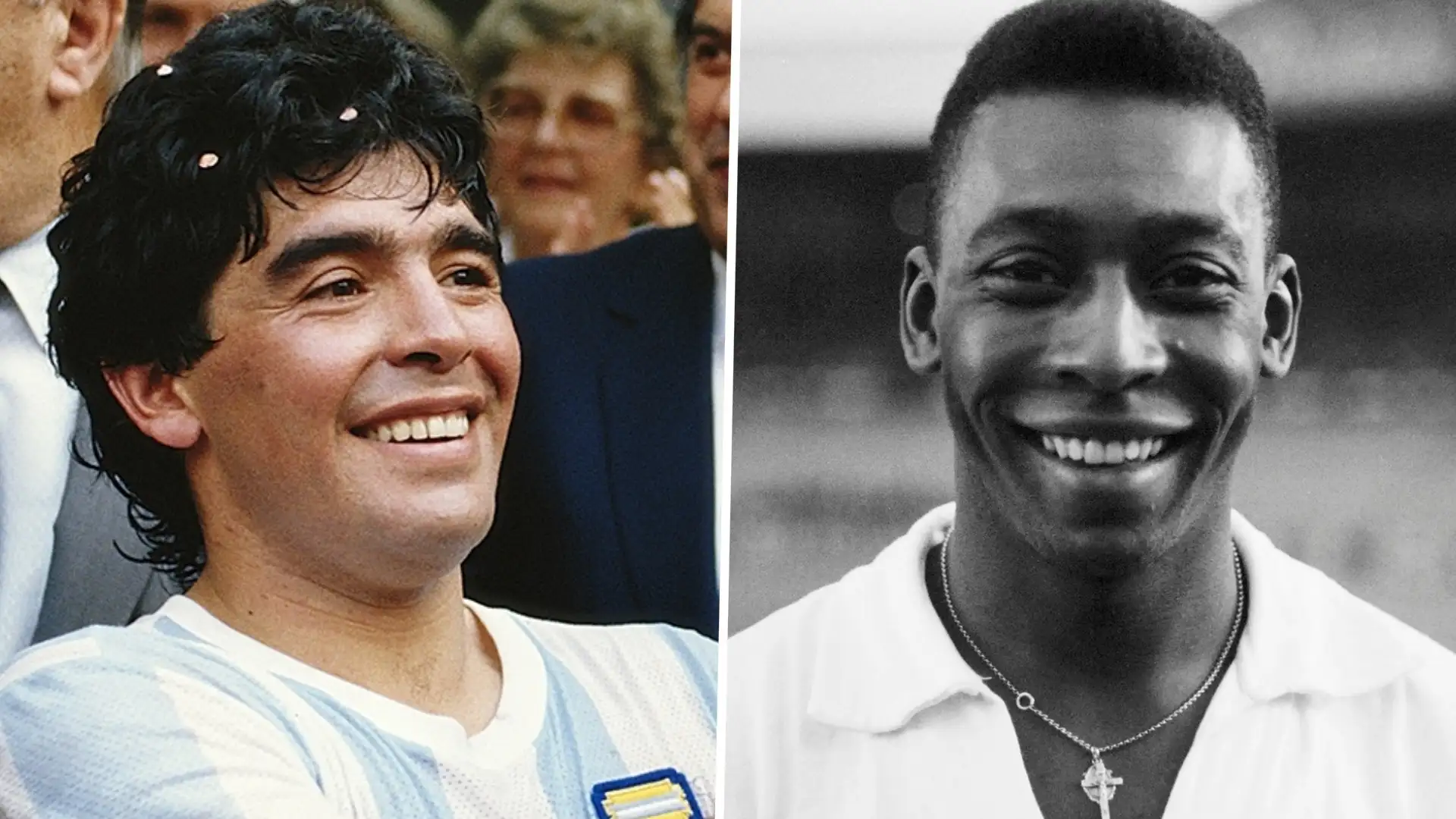
Pelé vs Maradona: The Ultimate GOAT Debate in Football
Few arguments in sports history have sparked as much passion, nostalgia, and outright disagreement as the Pelé vs Maradona GOAT debate. Ask a Brazilian, and the answer is immediate. Ask an Argentine, and you will hear an equally convincing case. The truth is, both men transcended football in ways that statistics alone cannot capture. But since the debate exists, it deserves a serious, honest look at what made each of them extraordinary and why the conversation still matters decades after their peak years. Who Was Pelé and Why Does He Still Matter in the GOAT Conversation? Edson Arantes do Nascimento, known universally as Pelé, burst onto the world stage at just 17 years old during the 1958 FIFA World Cup in Sweden. He did not just participate in that tournament; he dominated it, becoming the youngest player ever to score in a World Cup final. Brazil won, and a legend was born. What followed over the next two decades was a career of almost impossible consistency. Pelé won three FIFA World Cups with Brazil in 1958, 1962, and 1970, a record no other player in history has matched. His goal tally, officially recognized by FIFA, stands at over 1,000 career goals, a number that remains the subject of some debate but speaks volumes about his relentless productivity in front of goal. Beyond the numbers, Pelé played with a combination of athleticism, vision, creativity, and finishing ability that was simply ahead of his time. He was powerful yet graceful, a player who could score from any angle, with either foot, and with his head. He was not just a great player within the Brazilian system. He was the system. Santos FC and the Brazilian national team were built around making the most of a once-in-a-generation talent. The Maradona Factor: Why Diego Remains Untouchable for Millions Diego Armando Maradona represents something different in football. Where Pelé was celebrated and admired, Maradona was worshipped and mythologized. His story carried the weight of a nation, a city, and an era. Born in a poor neighbourhood outside Buenos Aires, Maradona rose from genuine poverty to become the most talked-about footballer on the planet. His 1986 World Cup campaign in Mexico is arguably the single greatest individual tournament performance in football history. Maradona almost single-handedly carried Argentina to the title. The quarterfinal against England alone contained the two most famous goals ever scored. The first, the notorious Hand of God, showed his cunning and street-smart mentality. The second, widely voted the Goal of the Century, saw him dribble past five England players and the goalkeeper before slotting the ball home. That one tournament, that one match, tells you almost everything you need to know about what made Maradona special. At club level, his years at Napoli from 1984 to 1991 represent one of the most remarkable achievements in European football. He took a club from the south of Italy, historically overshadowed by the wealthy northern giants, and won them two Serie A titles. In Naples, he was not just a footballer. He was a god. The streets there still carry murals of his face. Comparing Their Skills: Where Pelé vs Maradona GOAT Debate Gets Complicated When people engage in the Pelé vs Maradona GOAT debate, they often focus on goals and trophies, which is understandable. But the more fascinating comparison lies in their styles and what those styles demanded of them. Pelé was the complete footballer. He could do everything brilliantly. His physical attributes were exceptional, his technical quality was world class, and his intelligence on the ball was decades ahead of his peers. He was a team player in the truest sense, someone who made everyone around him better. Maradona, on the other hand, was a different kind of genius. He was shorter and stockier, not the prototypical athletic specimen. What he had was an impossibly low centre of gravity, balance that defied logic, and a left foot that could seemingly bend the ball to his will. Defenders knew what he was going to do. They simply could not stop him. That is a rare and extraordinary quality. The honest answer is that both men had different gifts. Comparing them is not entirely straightforward because football in the 1960s and 1970s looked different from football in the 1980s. Pitches were different, tackling was more physical, and the global spread of quality was uneven. These contextual factors matter when placing either player in their era. Trophies, Records, and the Weight of Legacy From a trophies standpoint, Pelé has the edge. Three World Cups is an achievement that may never be surpassed. However, it is worth noting that Maradona played in weaker Argentina squads for much of his career and still managed to deliver a World Cup in 1986 on sheer individual brilliance. The 1990 World Cup final, where Argentina lost to West Germany, further illustrated that Maradona could carry a limited team remarkably far. At club level, both men dominated their respective eras. Pelé’s Santos won multiple Brazilian championships and international club titles. Maradona’s Barcelona stint was undermined by injury and politics, but his Napoli years were nothing short of miraculous. One element often overlooked in the Pelé vs Maradona GOAT debate is cultural and social impact. Maradona represented the underdog, the working class, the people who felt overlooked by the world. His connection with the poor of Naples and the streets of Buenos Aires gave his story a political and human dimension that resonated globally. Pelé, meanwhile, became a global ambassador, an icon in the truest commercial and cultural sense. What Modern Football Owes to Both Men The influence of Pelé and Maradona on modern football is impossible to overstate. Every technically gifted forward who plays with joy and freedom carries a piece of Pelé’s DNA. Every attacking midfielder who takes the ball under pressure and runs at defenders owes something to the Maradona blueprint. Players like Ronaldo, Messi, Neymar, and Mbappé have all spoken about the inspiration they drew from one or both
Read More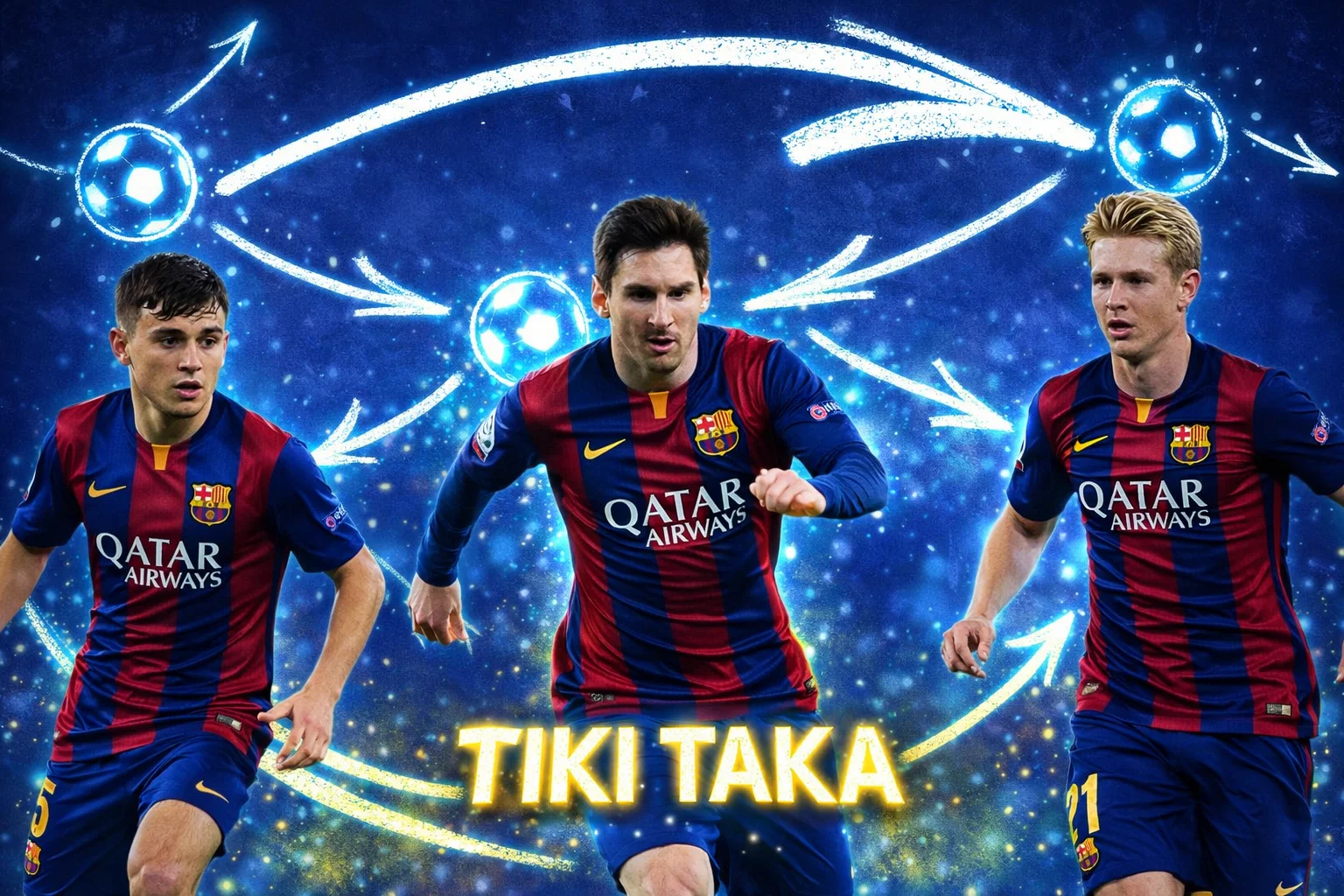
Barcelona’s Tiki-Taka Revolution That Changed Football
Barcelona’s Tiki-Taka is one of the most influential football philosophies ever developed. At its core, it is a style of play built on short, precise passing, constant movement, relentless pressing, and maintaining possession to dominate opponents rather than simply outscoring them. The name itself comes from the Spanish onomatopoeia for the quick “tick-tack” sound of a ball moving rapidly between players. While the roots of this philosophy trace back to Johan Cruyff’s “Total Football” era at Barcelona in the late 1980s, it reached its absolute peak between 2008 and 2012 under Pep Guardiola, producing what many football analysts consider the greatest club side ever assembled. The Origins: From Cruyff to Guardiola To understand Barcelona’s Tiki-Taka, you have to go back to Johan Cruyff. When the Dutch legend took charge of Barcelona as manager in 1988, he planted the philosophical seeds that would eventually blossom decades later. Cruyff believed football should be played with intelligence, positional discipline, and creativity. He installed a 4-3-3 system, emphasised technical youth development through La Masia, and demanded his players think faster than the opposition. Pep Guardiola, who played under Cruyff during those years, absorbed every lesson. When Guardiola was appointed Barcelona’s first-team manager in 2008, he had already coached the B team and understood the club’s DNA deeply. He didn’t reinvent the wheel. He refined it to an extraordinary degree, combining Cruyff’s positional principles with obsessive pressing, intelligent spacing, and world-class talent to create something the football world had never quite seen before. The Core Principles That Made Tiki-Taka Unstoppable Barcelona’s Tiki-Taka rested on several non-negotiable tactical principles that worked together as a unified system rather than isolated ideas. Positional Play and Spatial Control was the foundation. Guardiola demanded his players always position themselves to create numerical superiority in any zone of the pitch. The idea was simple but brutally difficult to execute: always have more passing options available than the opponent has defenders nearby. This stretched the opposition and created pockets of space that elite technicians like Xavi Hernández and Andrés Iniesta could exploit in an instant. High Pressing After Losing the Ball was equally central. Barcelona famously operated on the “six-second rule,” a concept Guardiola drilled relentlessly. The moment possession was lost, every player pressed aggressively to win it back within six seconds. This transformed defence into an extension of attack. The opposition rarely had time to transition or think, which psychologically dismantled teams before they could settle into any rhythm. Dominating Possession Without Purpose was something Guardiola actively rejected. Critics often misrepresent Tiki-Taka as passing for the sake of passing, but Guardiola was explicit that possession only mattered when it moved the opponent out of shape. Every sequence of passes had an underlying intention, to stretch, to tire, to create a gap, or to draw a press before switching the play. The Players Who Brought Tiki-Taka to Life No tactical system, however brilliant on a whiteboard, functions without the right players executing it. Barcelona were fortunate to have an extraordinary generation of talent, many of whom came through La Masia, perfectly suited to Guardiola’s demands. Xavi Hernández was the conductor. Arguably the greatest passing midfielder in football history, Xavi’s ability to receive under pressure, scan the pitch, and deliver the ball to exactly the right teammate at exactly the right moment was the heartbeat of the system. He averaged pass accuracy figures that had never been seen at elite level before. Andrés Iniesta provided the creativity and unpredictability that prevented Tiki-Taka from becoming predictable. While Xavi controlled the tempo, Iniesta broke lines with dribbles, through balls, and movement that defenders simply could not plan for. Sergio Busquets anchored the defensive structure as a deep-lying playmaker. His spatial awareness and ability to receive in tight areas while shielding the defence gave Barcelona complete control in the build-up phase. Many coaches argue Busquets was the single most important player in the system. And then there was Lionel Messi. Guardiola’s decision to deploy Messi as a “false nine,” dropping deep to receive rather than staying high as a traditional striker, was genius. It created constant confusion in opposition defences who had no template for dealing with the problem. Messi became the most devastating attacking force in football history operating within this system, winning the Ballon d’Or four consecutive times between 2009 and 2012. The Trophy Haul That Proved the Philosophy Worked Between 2008 and 2012, Barcelona’s Tiki-Taka didn’t just win games beautifully. It dominated world football in a way that is almost impossible to repeat. Under Guardiola, the club won two UEFA Champions League titles, three La Liga titles, two Copa del Rey trophies, two FIFA Club World Cups, and multiple Supercopa de España and UEFA Super Cup honours. The 2009 treble winning season, where Barcelona claimed La Liga, the Copa del Rey, and the Champions League, remains one of the greatest single-season achievements in the sport’s history. The famous 6-2 victory over Real Madrid at the Bernabéu in May 2009 became symbolic of this era. It wasn’t just the scoreline that stunned football. It was how effortlessly Barcelona dismantled a world-class opponent on their own ground. How Tiki-Taka Influenced Football Globally Barcelona’s Tiki-Taka changed the way coaches, analysts, and academies across the world thought about football at every level. The Spanish national team, built almost entirely around the Barcelona core, won three consecutive major international tournaments, Euro 2008, the 2010 World Cup, and Euro 2012, validating the philosophy on the biggest international stage possible. Coaches worldwide began rethinking their approaches to pressing, possession, and positional play. Guardiola himself went on to implement evolved versions of the philosophy at Bayern Munich and Manchester City, winning league titles in Germany and England with dominant, possession-based football. His work at City produced one of the Premier League’s highest ever points totals, 100 points in the 2017/18 season, proving the system could be adapted and exported. Even coaches who oppose possession-based football openly acknowledge that Barcelona’s Tiki-Taka forced them to develop new counter-strategies, which in itself changed
Read More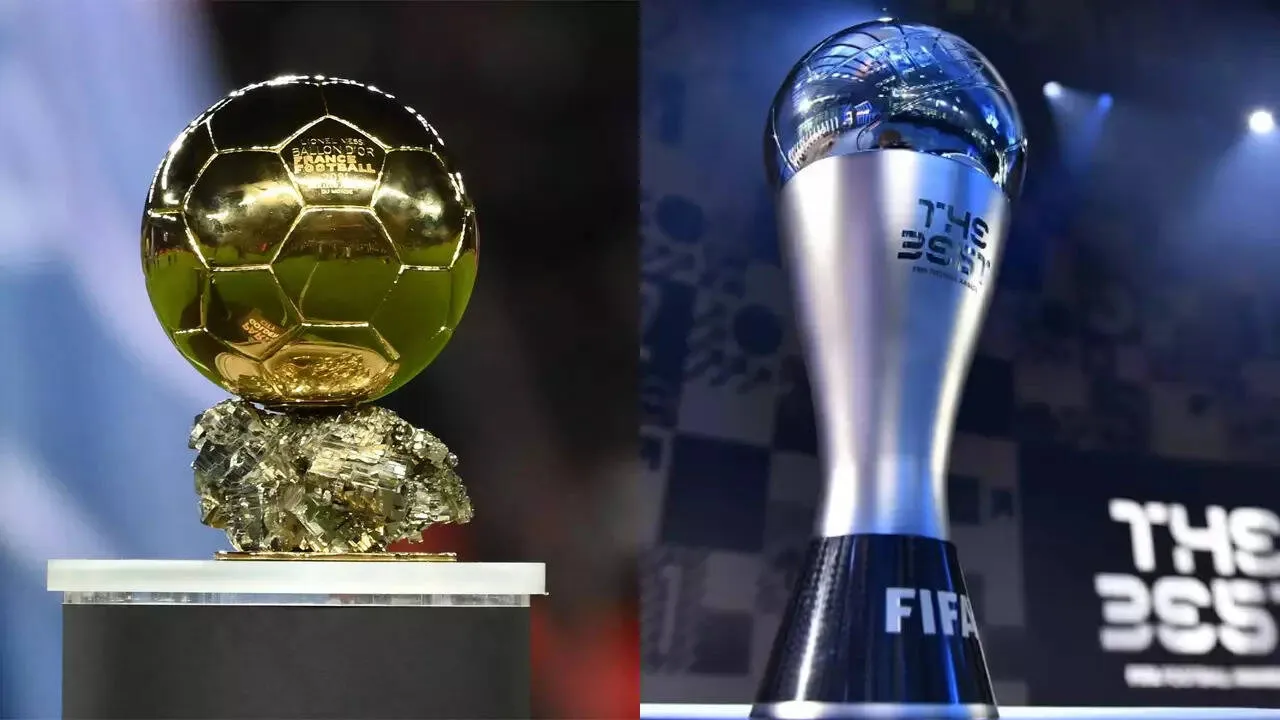
Ballon d’Or vs FIFA The Best: Understanding Football’s Top Individual Awards
Few debates in modern football generate as much confusion as Ballon d’Or vs FIFA The Best. Casual fans often treat them as interchangeable. Analysts know they are not. Both honor the world’s best footballer, yet they differ in history, voting structure, and philosophical weight. The discussion intensified during the era dominated by Lionel Messi and Cristiano Ronaldo, when every award announcement carried implications for legacy and the GOAT debate. To understand which trophy carries greater prestige, one must first understand how they emerged, how they function, and what they truly represent. The Origins – How the Ballon d’Or and FIFA The Best Were Born The Ballon d’Or dates back to 1956. French magazine France Football created it to honor the best European player of the year. Over time, eligibility expanded. In 1995, non-European players at European clubs became eligible. By 2007, it transformed into a global award open to all professional footballers worldwide. FIFA launched its own global player award in 1991 under the title FIFA World Player of the Year. In 2010, FIFA merged its award with the Ballon d’Or, creating the FIFA Ballon d’Or. That partnership lasted until 2015. In 2016, the organizations split, and FIFA introduced the The Best FIFA Football Awards as a separate entity. Since then, football has operated with two major individual honors, each claiming to crown the world’s best. Voting Systems Explained – Who Actually Decides the Winner? The core difference in the Ballon d’Or vs FIFA The Best debate lies in who votes and how those votes are weighted. Ballon d’Or Voting Structure France Football organizes the Ballon d’Or voting process. As of recent editions, a select group of international journalists from top-ranked FIFA nations cast ballots. Each journalist ranks five players, assigning points on a structured scale. The cumulative total determines the winner. This journalist-only model emphasizes analytical evaluation. It prioritizes informed observation, statistical output, and season-long impact. FIFA The Best Voting Structure FIFA’s award distributes voting power across four groups: national team captains, national team coaches, selected media representatives, and fans worldwide. Each group accounts for 25 percent of the final tally. This broader democratic approach integrates public voice alongside professional opinion. While it increases inclusivity, critics argue it can amplify popularity over performance. Voting structure alone often explains why winners occasionally differ between the two awards. Criteria and Philosophy – What Each Award Claims to Reward Both awards assess performance over roughly a one-year period, but they differ in evaluation emphasis. The Ballon d’Or traditionally focuses on individual performance, team achievements, and a player’s class and fair play. In recent years, it has clarified criteria to include individual brilliance, decisive impact, and collective success. FIFA The Best considers achievements during a defined period, typically aligned with the European football season rather than the calendar year. It also includes contributions to team success and overall influence on the game. The distinction between calendar-year evaluation and seasonal assessment has contributed to different outcomes in certain years. When Results Differ – Controversial Years and Split Decisions There have been seasons where the awards aligned and others where they diverged. These splits fuel online debate and amplify scrutiny of voting systems. For example, in 2018, Luka Modrić won both awards, signaling consensus. In other seasons, results have varied due to timing differences and voting composition. Such divergence highlights a central truth: football performance is interpretive. Numbers tell part of the story, but narrative, leadership, and tournament impact often shape perception. Prestige and Perception – Which Award Carries More Weight? Historically, the Ballon d’Or carries deeper legacy. Its lineage stretches back nearly seven decades, linking modern stars with legends such as Johan Cruyff and Michel Platini. FIFA The Best benefits from institutional authority. FIFA governs global football, organizes the World Cup, and commands commercial power. The award ceremony reflects that scale and spectacle. Among players and historians, many still view the Ballon d’Or as the most prestigious football award due to its history and perceived voting purity. However, FIFA The Best carries immense contemporary influence and global visibility. The Role of Era Dominance – Messi, Ronaldo, and Award Inflation The sustained excellence of Messi and Ronaldo reshaped individual awards. Messi has won multiple Ballon d’Or titles, while Ronaldo has accumulated his own collection across both award formats. Their dominance created a near-monopoly that defined the 2010s. This era intensified scrutiny. Every trophy became evidence in legacy arguments. Some critics argue that repeated victories diluted unpredictability. Others contend that dominance simply reflected unmatched consistency. As new stars emerge, the perception of these awards may recalibrate. Statistical Impact – Measuring Legacy Through Individual Awards Individual awards influence how history remembers players. In GOAT discussions, Ballon d’Or totals frequently serve as shorthand for greatness. Media narratives often equate award count with historical rank. Commercially, these trophies enhance marketability. Sponsors, clubs, and national federations leverage award wins to reinforce brand value. The symbolism extends beyond football into global recognition. Yet awards complement statistics rather than replace them. Goals, assists, trophies, and decisive performances ultimately define legacy more comprehensively than a single annual ceremony. Are They Redundant or Complementary? The coexistence of two global awards raises a structural question. Does football benefit from multiple validations of excellence, or does it fragment authority? Supporters argue that separate systems provide balance. Journalistic assessment offsets popularity voting. Institutional oversight contrasts with independent editorial judgment. A unified award might simplify narrative, but diversity of evaluation also enriches debate. Football thrives on argument as much as achievement. Conclusion – Recognition, Legacy, and Football’s Need for Validation The Ballon d’Or vs FIFA The Best debate ultimately reflects football’s evolving identity. One trophy carries decades of historical gravitas. The other represents modern inclusivity and global reach. Neither award defines greatness alone. Together, they shape how the sport measures excellence. In a game built on collective triumph, these individual honors capture moments when one player rises above all others. Legacy in football will always depend on more than votes. But when the envelopes open and the
Read More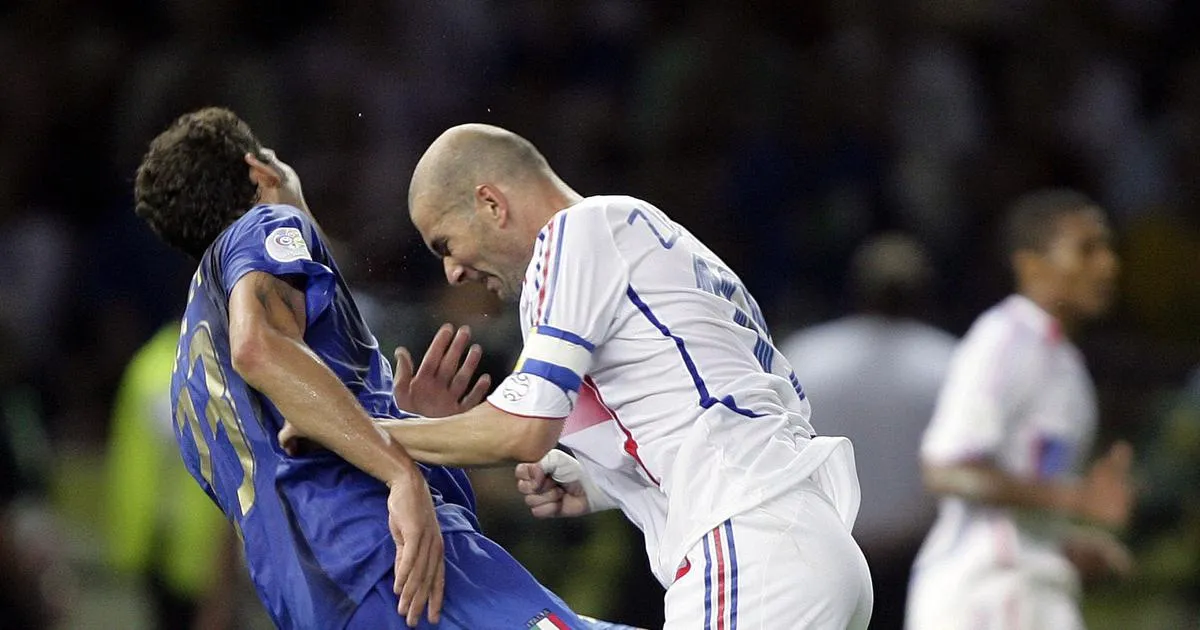
Zinedine Zidane’s 2006 FIFA World Cup Final Headbutt: What Really Happened
Few sporting moments have frozen time like the Zinedine Zidane 2006 World Cup headbutt. In the final minutes of his final professional match, one of football’s greatest artists walked away from the pitch in disbelief after a single, violent act. The incident instantly eclipsed the match itself, transforming a career-defining farewell into a global controversy that still sparks debate nearly two decades later. Setting the Scene – The 2006 World Cup Final The final in Berlin pitted France against Italy, two tactical giants with deep World Cup histories. For Zidane, it was a farewell on the grandest stage. France had surged through the knockout rounds, and the atmosphere inside the Olympiastadion carried immense tension. The match was finely balanced, with little separating the teams across 120 minutes. Zidane’s Tournament Before the Final Zidane’s tournament began quietly, including a suspension after the group stage. But once France reached the knockouts, he was magnificent. He dictated tempo, controlled midfield battles, and produced moments of elegance that reminded the world why he was revered. By the final, Zidane had already scored twice in the tournament and stood on the brink of a fairy-tale ending. The Incident – What Happened on the Pitch In the 110th minute, with the score level, Zidane exchanged words with Italian defender Marco Materazzi near the center circle. Moments later, Zidane turned and forcefully headbutted Materazzi in the chest. The Italian collapsed. Play stopped, but the referee initially did not see the incident. What Was Said? The Provocation Debate The immediate question was why Zidane reacted. After the final, Materazzi admitted he insulted Zidane, reportedly making a comment about Zidane’s sister. Zidane later confirmed that the words were deeply offensive and personal. While exact phrasing varied across translations, both players acknowledged verbal provocation preceded the headbutt. The Role of Technology and Officials The referee, Horacio Elizondo, was alerted by the fourth official, who had seen the incident on the stadium screens. After consulting, Elizondo showed Zidane a straight red card. This marked one of the earliest high-profile moments where video replay influenced an on-field decision in a World Cup final. Immediate Fallout During the Match France finished extra time with ten men. Zidane walked past the World Cup trophy as he exited, an image that became iconic. The match proceeded to penalties, where Italy prevailed. France’s players were visibly shaken, having lost their captain and talisman at the most critical moment. Zidane’s Explanation After the Final Days later, Zidane publicly addressed the incident. He apologized to fans and teammates but stopped short of apologizing to Materazzi. He stated he reacted instinctively to words he felt crossed a line and accepted full responsibility for his actions. FIFA later fined Zidane and ordered him to complete community service as part of his sanction. Reaction From the Football World Reactions were deeply divided. Some condemned Zidane’s loss of control, arguing greatness demands restraint. Others sympathized, pointing to provocation and the immense pressure of the moment. Former players, coaches, and fans debated whether words alone could justify such a response, especially in a World Cup final. Disciplinary Action and Official Consequences FIFA’s investigation concluded that Zidane’s act warranted punishment, while Materazzi received a lesser sanction for verbal provocation. The governing body emphasized respect and discipline, but the incident also reignited discussions about how referees handle off-the-ball verbal abuse. How the Headbutt Affected Zidane’s Legacy The Zinedine Zidane 2006 World Cup headbutt did not erase his achievements, but it forever altered how his career finale is remembered. Rather than diminishing him, some argue it humanized a player often seen as flawless. Zidane remains a World Cup winner, Ballon d’Or recipient, and football icon, with the headbutt now an inseparable chapter of his story. Why the Incident Still Resonates Today The headbutt endures because it sits at the intersection of greatness and vulnerability. It symbolizes how pressure, pride, and provocation can collide even at the highest level. It is replayed, analyzed, and referenced whenever discussions turn to emotion, discipline, and legacy in sport. A Legendary Career Defined by a Human Moment Zinedine Zidane’s career was built on brilliance, not controversy. Yet his final act on a football pitch captured something profoundly human. The headbutt was a mistake, but it did not define him alone. Instead, it reminded the world that even legends carry emotion, limits, and consequences under the brightest lights.
Read More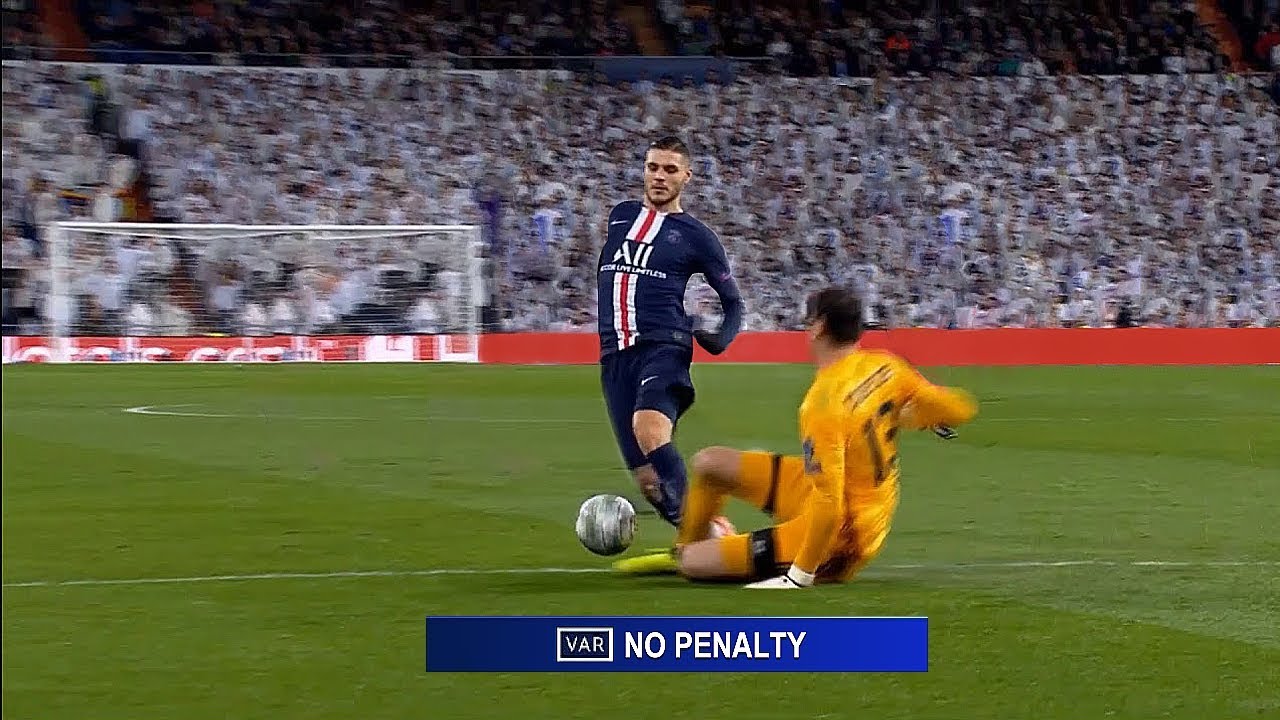
10 Worst VAR Decisions in Football History (And Why Fans Are Still Furious)
Since its introduction to top-level football, VAR (Video Assistant Referee) was supposed to be the answer to decades of human error on the pitch. Referees would no longer have to rely solely on their own eyes. A team of officials watching high-definition replays from multiple angles would be on hand to make sure justice was served. What has happened in reality, however, is a very different story. Rather than eliminating controversy, VAR has sometimes amplified it. Fans have watched referees overturn perfectly good goals, let clear fouls go unpunished, and apply the rulebook in ways that leave everyone, including seasoned football experts, completely baffled. The technology is still relatively young, but it has already produced a catalogue of decisions that will be debated for years to come. Here are the 10 worst VAR decisions in football history, ranked by how catastrophic the call was, how deeply it affected the outcome of matches or entire seasons, and how loudly it is still being talked about today. Quick Ranking Overview Rank Match Year Competition The Error 1 Tottenham 2-1 Liverpool 2023 Premier League Luis Diaz goal wrongly ruled out for offside 2 Sheffield United 0-0 Aston Villa 2020 Premier League Clear goal not spotted by VAR or goal-line tech 3 Arsenal 1-1 Brentford 2023 Premier League Offside lines never drawn, Toney goal wrongly stood 4 Tunisia 1-0 France 2022 World Cup Griezmann goal wrongly disallowed, defender touch ignored 5 Portugal 2-0 Uruguay 2022 World Cup Penalty awarded for arm used as support, against own guidance 6 Inter Milan 1-0 Barcelona 2022 Champions League Ansu Fati handball call defied replay evidence 7 Manchester United 1-0 Wolves 2022 Premier League Penalty denied despite contact, officials later apologised 8 Everton 0-1 Manchester City 2023 Premier League Blatant Rodri handball completely missed 9 Sweden 6-0 Azerbaijan 2024 Nations League Isak ruled offside despite being onside at point of contact 10 Juventus 2-2 Salernitana 2022 Serie A Red card stood after the goal it was earned for was ruled out 10. Juventus 2-2 Salernitana — Serie A, 2022 Some VAR controversies involve goals being wrongly given or taken away. This one managed to punish a player for celebrating a goal that did not even count in the end, which puts it in a category all of its own. Late in a tightly contested Serie A fixture, Arkadiusz Milik thought he had fired Juventus to a crucial winner. Already carrying a yellow card, the striker pulled his shirt off in pure celebration and was immediately shown a second booking, resulting in a red card. Only at that point did VAR intervene to rule the goal out for an offside infringement by Leonardo Bonucci in the build-up. The goal was scrubbed, but the dismissal remained. Three more red cards followed, including Juve manager Massimiliano Allegri, in the chaos that ensued. It was a masterclass in how not to use video review technology. 9. Sweden 6-0 Azerbaijan — UEFA Nations League, 2024 Even a six-goal demolition could not escape the reach of a baffling VAR call. Alexander Isak thought he had put his name on the scoresheet for Sweden, only for the offside flag to be confirmed by video review despite replays making the situation look far from clear-cut. The core issue was that while Isak may have briefly drifted into an offside position during the build-up, he was visibly onside at the moment the ball was actually played to him. The offside law exists to penalise a player who gains an advantage from being in an illegal position when the ball is delivered, not to punish movement that occurred earlier in the sequence. The decision made no footballing sense, and the Polish officials responsible, Pawel Malec and Daniel Stefanski, were stripped of their duties and banned from officiating by the Polish Football Association shortly after. 8. Everton 0-1 Manchester City — Premier League, 2023 This was a decision so straightforward that it arguably should never have required VAR at all. Rodri handled the ball inside his own penalty area during a Premier League clash at Goodison Park in February 2023, yet neither the on-field referee nor the VAR team flagged it as an offence. Everton were denied what appeared to be a nailed-on spot kick. Frank Lampard, managing Everton at the time, was understandably furious. He suggested the call was so obvious that even his young child would have recognised the handball, and his frustration resonated with supporters across the country. The VAR official on duty, Chris Kavanagh, faced a wave of criticism, and the incident added further fuel to the growing argument that video review was not delivering the consistency it had promised. 7. Manchester United 1-0 Wolves — Premier League, 2022 Gary O’Neil’s managerial debut at Wolverhampton Wanderers began under the darkest of clouds. With his side chasing an equaliser at Old Trafford, a cross was swung into the Manchester United penalty area for striker Sasa Kalajdzic, who was clearly brought down by goalkeeper Andre Onana before he could get a touch on the ball. No penalty was given on the field, and VAR declined to intervene. What made the situation worse was what came next. Football authorities essentially admitted soon after that the decision had been wrong, offering the kind of apologetic acknowledgement that has become painfully routine in the VAR era. An apology restores no points. Wolves endured a turbulent season, and this denial of what should have been a clear penalty set a discouraging tone right from the opening day. 6. Inter Milan 1-0 Barcelona — Champions League, 2022 Barcelona were already up against it when they arrived at the San Siro, needing a result to keep their Champions League hopes alive. When Pedri threaded a ball through for Ansu Fati and the net rippled, the relief among the travelling support was palpable. Then VAR intervened, ruling the goal out on the grounds that Fati had handled the ball in the build-up. Replays told a very different story. Fati’s hands were raised as
Read More